The way we sleep in the backcountry has undergone a quiet revolution. While traditional hammocks have served adventurers for decades, the asymmetrical design has fundamentally changed the conversation about comfort, ergonomics, and truly restorative rest on the trail. If you’ve ever woken up in a standard hammock with a stiff back or that telltale banana-shaped curve compressing your shoulders, you already understand the problem these engineered shelters solve.
Asymmetrical adventure hammocks aren’t just a slight tweak on a classic design—they’re a complete reimagining of how fabric, physics, and the human body interact. By creating an intentional imbalance in the cut and shape of the hammock body, these specialized systems allow you to sleep on a flat plane, aligning your spine naturally and eliminating pressure points that plague conventional gathered-end models. Whether you’re a side sleeper, back sleeper, or someone who’s simply tired of compromising on sleep quality during multi-day treks, understanding the nuances of asymmetrical designs will transform your backcountry experience.
Top 10 Adventure Hammocks with Asymmetrical Cut
Detailed Product Reviews
1. Hennessy Hammock - Expedition Zip

Overview: The Hennessy Expedition Zip represents four decades of hammock evolution, delivering a complete shelter system for campers up to 6 feet and 250 pounds. This side-entry model features a #10 YKK zipper and packs down to a remarkably compact 4"x7"x9" size at 2 pounds 12 ounces. The package includes everything needed for immediate deployment: a 70D nylon bottom, no-see-um mosquito mesh, structural ridgeline, polyester rain tarp, and webbing straps. This isn’t just a hammock—it’s a self-contained micro-environment engineered for consistent performance across diverse conditions.
What Makes It Stand Out: The patented asymmetrical design revolutionizes sleeping geometry, allowing diagonal positioning that creates a flat, ergonomic lay impossible in traditional hammocks. The structural ridgeline is a game-changer, guaranteeing identical bed tension and perfect setup regardless of tree distance. The “hold open” elastic system keeps mosquito netting taut and away from your face, while the integrated gear loft organizes essentials overhead. After 40 years of incremental improvements, every detail—from zipper slider placement to fabric tension—feels intentional and refined.
Value for Money: At $169.95, the Expedition Zip sits in the premium category but delivers genuine value as a complete system. Purchasing a comparable hammock, tarp, bug net, and suspension separately would easily exceed $200. For serious backpackers seeking an integrated, bombproof solution rather than piecing together components, this price reflects justified engineering and material costs.
Strengths and Weaknesses: Strengths include the patented comfort design, complete out-of-the-box system, exceptional build quality, and consistent setup. Weaknesses are the weight penalty over ultralight options, premium pricing that may deter casual users, and zipper durability concerns in extreme conditions. The hunter green color is practical but limited.
Bottom Line: The Expedition Zip is the gold standard for hammock camping enthusiasts who prioritize integrated design and proven reliability over minimalist weight savings. It’s an investment in sleep quality that pays dividends on every overnight adventure.
2. Hennessy Hammock - Explorer Deluxe Zip XL

Overview: Built for larger adventurers, the Explorer Deluxe Zip XL accommodates campers up to 7 feet and 300 pounds without compromising Hennessy’s legendary comfort. This rugged system upgrades to 140D nylon bottom fabric and an expanded rainfly, weighing 3 pounds 9 ounces. Law enforcement and defense organizations trust this model for demanding field operations. The package includes the same thoughtful details as its smaller sibling: structural ridgeline, no-see-um mesh, gear loft, and complimentary webbing straps. The bark-colored design blends naturally into forest environments while maintaining the signature asymmetrical geometry.
What Makes It Stand Out: The XL designation isn’t merely marketing—this hammock provides genuine extra space where it matters. The 140D bottom fabric offers nearly double the durability of standard models, critical for users pushing weight limits or deploying in abrasive environments. The full-length #10 YKK zipper enables effortless entry/exit for taller individuals. Its adoption by tactical organizations validates the bombproof construction and reliable performance under stress. The structural ridgeline ensures that despite the larger dimensions, setup remains foolproof and comfort consistent.
Value for Money: At $219.95, you’re paying a $50 premium over the Expedition for expanded capacity and enhanced durability. For campers exceeding 6 feet or 250 pounds, this isn’t optional—it’s essential. The cost-per-use becomes economical when considering the alternative of uncomfortable, inadequate gear. However, average-sized users may find the extra expense and weight unnecessary.
Strengths and Weaknesses: Strengths include superior size capacity, enhanced fabric durability, proven tactical reliability, and complete system integration. Weaknesses are the noticeable weight increase, higher price point, and excessive capacity for smaller users. The packed size is marginally larger at 5"x8"x12".
Bottom Line: The Explorer Deluxe Zip XL is the definitive choice for tall or heavy campers who refuse to compromise on comfort. If you need the space, this hammock justifies every penny and every ounce.
3. DD Hammocks Frontline Hammock - MC - Lightweight Camo Portable Stealth Jungle Hammock with Mosquito Net Sleep System for Backpacking and Outdoor Adventure

Overview: The DD Frontline Hammock delivers stealthy, year-round functionality at an accessible price point. Designed for adventurers up to 6'5" and 275 pounds, this multicam-patterned system weighs 30 ounces and packs into any rucksack. The double-layer construction allows direct use in warm weather or insertion of insulation mats for cold conditions. Integrated fine-mesh bug netting provides 100% insect protection, while the included 10-meter webbing, spreader poles, and stuff sack enable immediate field deployment. This is a versatile workhorse for hunters, wildlife photographers, and military personnel requiring low visibility.
What Makes It Stand Out: The multicam camouflage pattern offers genuine concealment across diverse environments—forest, mountain, and grassland—unlike recreational hammocks in bright colors. The double-layer design is brilliantly versatile, eliminating the need for separate summer and winter hammocks. At under $100, it includes suspension and setup hardware that competitors sell separately. The 8.8-foot length provides surprising comfort for larger users despite the modest price tag. DD Hammocks has built this for practical field use, not just weekend camping.
Value for Money: At $95.95, the Frontline represents exceptional value. Comparable hammocks with bug nets cost $120-150 without camouflage or double-layer versatility. The included 10-meter webbing and spreader poles add another $30-40 in value. For budget-conscious adventurers needing professional-grade features, this is arguably the best price-to-performance ratio available.
Strengths and Weaknesses: Strengths include affordable camouflage, double-layer versatility, complete accessory package, and generous size capacity. Weaknesses are the heavier 30-ounce weight, less refined materials than premium brands, and lack of integrated rainfly. Setup is slightly more complex than Hennessy’s structural ridgeline system.
Bottom Line: The DD Frontline is the smart choice for stealth-focused users wanting maximum versatility on a budget. It sacrifices some refinement for functionality and value, making it ideal for tactical applications and entry-level hammock camping.
4. Hennessy Hammock - Escape Zip XL - with Upgraded Hex Rainfly, 2X Snakskins and XL meshpocket

Overview: The Escape Zip XL is Hennessy’s ultimate turnkey hammock camping solution, bundling every premium accessory into one comprehensive package. Built for users up to 7 feet and 300 pounds, this upgraded Explorer Deluxe variant includes an oversized hex rainfly, dual SnakeSkins, XL mesh pocket, and extended 72-inch webbing straps. Weighing 4 pounds 6 ounces, it’s designed for campers who prioritize convenience and weather protection over ultralight minimalism. The bark color scheme maintains low visibility while the patented asymmetrical design and structural ridgeline ensure trademark Hennessy comfort. This is hammock camping with zero compromises and no additional purchases required.
What Makes It Stand Out: The hex rainfly provides significantly more coverage than standard diamond tarps, offering enhanced protection against wind-driven rain and creating spacious dry living areas. The included SnakeSkins allow instant deployment and packing—simply slide them along the ridgeline to expose or stow the hammock in seconds. Dual gear lofts maximize organization, while the 72-inch straps accommodate massive old-growth trees inaccessible to standard systems. This package eliminates the trial-and-error accessory selection process that frustrates new hammock campers.
Value for Money: At $259.95, this premium package includes roughly $80-100 in upgrades over the base Explorer Deluxe. The hex fly alone costs $70 separately, with SnakeSkins adding another $20. For those wanting the complete Hennessy experience without researching compatible accessories, the bundled pricing offers modest savings and guaranteed compatibility. The value proposition is convenience and confidence rather than dramatic cost reduction.
Strengths and Weaknesses: Strengths include comprehensive accessory package, superior weather protection, foolproof setup, and maximum versatility. Weaknesses are the substantial 4+ pound weight, highest price point in the lineup, and potential over-accessorization for minimalists. Packed size is bulkier at 5"x8.5"x11".
Bottom Line: The Escape Zip XL is the definitive “buy once, cry once” hammock solution for serious campers who want every advantage. If you demand maximum protection and convenience, this premium package delivers.
5. ENO DoubleNest Hammock - Lightweight, Portable, 1 to 2 Person Hammock - for Camping, Hiking, Backpacking, Travel, a Festival, or The Beach - Mantra/Gold

Overview: The ENO DoubleNest is the quintessential recreational hammock, prioritizing simplicity and portability for casual outdoor enjoyment. Weighing a mere 19 ounces, this 9.5-foot hammock supports up to 400 pounds, accommodating two people for lounging or one for overnight use. The Mantra/Gold colorway is vibrant and festival-friendly, while the triple-stitched construction and breathable nylon fabric ensure durability. Unlike integrated camping systems, the DoubleNest is a minimalist platform compatible with ENO’s extensive accessory ecosystem. This is hammock culture distilled to its essence—lightweight, packable, and endlessly versatile for hiking, travel, beach days, and backyard relaxation.
What Makes It Stand Out: At under 20 ounces, this is one of the lightest double hammocks available, disappearing into any pack. The 400-pound capacity exceeds many competitors, providing safety margin and true two-person functionality. ENO’s commitment to tree-friendly design extends beyond marketing—their strap system (sold separately) is engineered to prevent bark damage. The triple-stitched seams demonstrate serious construction despite the casual positioning. The hammock integrates seamlessly with ENO’s Guardian bug net and ProFly rain tarp for campers wanting to build a modular system.
Value for Money: At $84.95, the DoubleNest offers solid value as a standalone hammock but requires additional investment for camping viability. Straps ($30), bug net ($60), and tarp ($80) push a complete system over $250. For day-use lounging and festival camping, it’s perfectly priced. For overnight adventures, it’s an affordable entry point to modular system building.
Strengths and Weaknesses: Strengths include ultralight weight, impressive capacity, simple design, brand ecosystem, and vibrant aesthetics. Weaknesses are the lack of included suspension, no integrated bug net or tarp, and less comfortable for dedicated side-sleeping compared to asymmetrical designs. The bright colors aren’t ideal for stealth camping.
Bottom Line: The ENO DoubleNest excels as a lightweight, versatile hammock for casual users and day adventurers. It’s the perfect entry into hammock lounging, though serious overnight campers should budget for essential accessories.
6. Lawson Hammock Blue Ridge Camping Hammock and Tent (Rainfly and Bug Net Included)
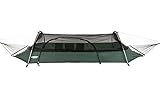
Overview: The Lawson Blue Ridge is a premium camping shelter that brilliantly merges hammock and tent functionality. Priced at $175.12, this award-winning system features a patented arch pole/spreader bar design that addresses common hammock complaints. Weighing 4.25 pounds and packing down to 22"x6", it includes a waterproof rainfly and integrated bug net, though straps are sold separately. Recognized by major outdoor publications, it’s designed for campers seeking versatility without sacrificing comfort.
What Makes It Stand Out: The patented spreader bar system is revolutionary, creating a flatter sleeping surface that eliminates the uncomfortable “cocoon” effect typical of gathered-end hammocks. This unique design allows dual functionality—use it suspended as a hammock or pitched on the ground as a tent. The recognition from Backpacker, Outside, and American Survival Guide, plus a Gear of the Year award, validates its engineering excellence.
Value for Money: At $175, it’s a significant investment but justifiable for serious adventurers. You’re essentially getting two shelters in one, with premium materials and a proven design. Comparable hammock-tent hybrids often cost $200+, making this competitively priced for its category. The durability and versatility offset the initial cost for frequent campers.
Strengths and Weaknesses: Pros: Award-winning patented design; flatter sleeping surface; true hammock-tent hybrid; versatile for any terrain; premium construction Cons: Heavier than ultralight options; straps not included; higher price point; bulkier packed size
Bottom Line: For dedicated backpackers and campers who prioritize comfort and versatility, the Lawson Blue Ridge is worth every penny. Its innovative design solves real problems, making it ideal for those who want one shelter for all situations.
7. DD Hammocks Frontline Hammock - Olive Green - Portable Lightweight Camping Jungle Hammock with Mosquito Net for Outdoor Backpacking & Hiking

Overview: The DD Frontline Hammock offers year-round camping comfort at $87.95. This olive green jungle hammock features a double-layer design with integrated mosquito netting and versatile setup options. Weighing just 30 ounces, it accommodates users up to 6'5" and 275 pounds. The package includes 10 meters of webbing, spreader poles, and a stuff sack—everything needed for immediate deployment in the backcountry.
What Makes It Stand Out: The double-layer construction with Velcro closure is ingenious, allowing warm-weather breathability while accepting insulation mats for winter camping. The insect netting’s versatility is remarkable—it can be fully enclosed, suspended on poles, or flipped underneath for an open hammock experience. This three-season adaptability without requiring additional purchases sets it apart from competitors.
Value for Money: At under $90, this represents exceptional value. Most comparable hammocks with integrated bug nets and suspension systems cost $100-120. The included webbing and spreader poles eliminate hidden costs, and the double-layer design effectively gives you two hammocks in one. For budget-conscious adventurers wanting four-season capability, it’s hard to beat.
Strengths and Weaknesses: Pros: Double-layer year-round design; versatile bug net configurations; complete setup kit included; lightweight at 30oz; generous size Cons: Olive color may not suit everyone; spreader poles add complexity; not as flat-laying as spreader-bar designs; limited color options
Bottom Line: The DD Frontline is a smart choice for adaptable campers wanting maximum versatility without breaking the bank. Its clever design and included accessories make it perfect for both beginners and experienced backpackers.
8. Sunyear Camping Hammock with Removable No See-Um Net, Double & Single Portable Outdoor Hammocks Parachute Lightweight Nylon with Tree Straps for Adventures Hiking Backpacking Green
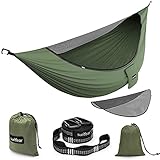
Overview: The Sunyear Camping Hammock delivers impressive specs at $71.99. This 2-in-1 system features a removable no-see-um net, seamless construction, and a 9.5’ x 5’ bed that enables comfortable diagonal lying. Weighing just 2.43 pounds total—including straps and carabiners—it supports up to 600 pounds. The upgraded third-generation design eliminates uncomfortable seams found in many competitors.
What Makes It Stand Out: The removable net system offers true flexibility, transforming from fully protected to open-air lounging in seconds. The seamless bed construction addresses a common complaint about parachute hammocks—uncomfortable seams that create pressure points. At 600-pound capacity, it’s remarkably strong for its weight class, and the included 7075 carabiners and 10-foot adjustable straps mean zero additional purchases.
Value for Money: This is outstanding value. Comparable systems with removable nets and included suspension typically run $90-110. You’re getting premium materials (7075 aluminum carabiners), thoughtful design (seamless bed), and complete setup for under $75. The 600-pound capacity exceeds most competitors, making it suitable for two people or heavy gear.
Strengths and Weaknesses: Pros: Removable no-see-um net; seamless comfortable design; 600lb capacity; complete kit included; lightweight; excellent price Cons: Net removal/reattachment can be fiddly; not a true flat-lay design; durability of seams untested long-term; brand less established
Bottom Line: For budget-minded campers wanting maximum versatility and capacity, the Sunyear is a standout. The removable net and seamless design offer genuine advantages, making it ideal for both solo adventures and casual two-person lounging.
9. Castaway Travel Hammocks Double Banana Camping Hammock with 2 Tree Straps, Triple Stitched Durable Nylon Material, Compact Design for Backpacking, Travel, Beach, Backyard, Patio, Hiking

Overview: The Castaway Double Banana Hammock is an entry-level option priced at just $34.99. This budget-friendly system includes triple-stitched durable nylon construction and a complete suspension kit with two 10-foot tree straps. Supporting up to 400 pounds, it’s designed for casual camping, beach trips, and backyard lounging. The quick-drying nylon material resists fraying and dirt buildup while maintaining comfort.
What Makes It Stand Out: At this price point, including tree-friendly straps is genuinely impressive—many competitors charge $15-25 extra for suspension. The triple-stitched construction exceeds typical budget hammock standards, suggesting better durability than expected. The “banana” design prioritizes simplicity and affordability without sacrificing the core hammock experience for casual users.
Value for Money: This is exceptional value for beginners or occasional campers. The complete package under $35 is hard to fault—similar bare-bones hammocks cost $25-30 without straps. While lacking advanced features like bug nets or rainflies, it delivers the essential hammock experience with surprisingly robust construction. Perfect for testing hammock camping without financial commitment.
Strengths and Weaknesses: Pros: Extremely affordable; straps included; triple-stitched durability; simple setup; good weight capacity; quick-drying material Cons: No bug net or rainfly; basic gathered-end design; less comfortable for overnight sleeping; limited features; shorter lifespan than premium options
Bottom Line: The Castaway is perfect for hammock newcomers or as a secondary lounger. Don’t expect premium comfort or features, but for casual use and budget camping, it’s an unbeatable value proposition that gets you hanging without breaking the bank.
10. OPENROAD Camping Hammock with Straps: All-in-One Portable Hammock for Backpacking & Travel, 500lb Capacity
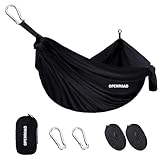
Overview: The OPENROAD Camping Hammock positions itself as an all-in-one solution at $129.99. While the product description is minimal, the title promises a portable hammock with straps for backpacking and travel, boasting a 500-pound capacity. This suggests a mid-tier system aimed at serious but budget-conscious adventurers who want reliability without premium pricing. The all-in-one designation implies included suspension components.
What Makes It Stand Out: The 500-pound capacity is notable for a backpacking-focused hammock, indicating robust construction suitable for heavier users or two-person lounging. The “all-in-one” packaging at this price point likely includes quality straps and carabiners—features often omitted by competitors. OPENROAD appears to target the sweet spot between ultralight premium brands and bare-bones budget options.
Value for Money: At $130, it competes directly with entry-level integrated systems. If it includes a bug net and rainfly (implied by “all-in-one”), it represents solid value. However, the sparse description creates uncertainty about included components. Compared to similar-priced options, the 500-pound capacity is a selling point, but lack of detailed features makes it hard to fully assess.
Strengths and Weaknesses: Pros: Strong 500lb capacity; all-in-one convenience; likely includes straps; backpacking-friendly design; mid-range price Cons: Vague product description; unclear if net/rainfly included; unknown weight; brand recognition limited; potential hidden costs
Bottom Line: The OPENROAD hammock is promising but poorly documented. Verify included components before purchasing. If it delivers a complete system as implied, it’s a solid choice for backpackers wanting strength and simplicity, but the lack of transparency is concerning.
What Makes Asymmetrical Hammocks Different?
The magic of an asymmetrical hammock lies in its geometric deception. Unlike symmetrical hammocks where the fabric is cut evenly on both sides, asymmetrical models feature offset side panels that create a longer diagonal axis across the hammock body. This subtle but crucial difference fundamentally changes how your weight distributes across the fabric.
The Physics of Flat Sleeping
When you lie diagonally in any gathered-end hammock, you naturally flatten out the curve. Asymmetrical designs amplify this effect by pre-cutting the fabric to match your body’s diagonal orientation. The head end is typically wider than the foot end, or vice versa, creating an elongated sweet spot where your shoulders and hips can rest on a nearly level plane. This engineering eliminates the “shoulder squeeze” and calf ridge that force many campers back to ground sleeping.
Asymmetrical vs. Traditional Gathered-End Designs
Traditional hammocks fight against gravity and fabric tension, requiring you to find the optimal diagonal lay through trial and error. Asymmetrical models build this geometry directly into the design, making the correct position intuitive and consistent. The ridgeline length, fabric cut, and suspension points work in concert to guide your body into the ideal sleeping position every time you climb in.
Key Benefits of Asymmetrical Adventure Hammocks
The advantages extend far beyond simple comfort. These systems address the core challenges that have historically limited hammock adoption among serious backpackers.
Spinal Alignment and Pressure Point Relief
Your spine maintains its natural S-curve when you sleep flat, allowing intervertebral discs to rehydrate and muscles to fully relax. Asymmetrical designs distribute your weight across a larger surface area, reducing pressure on hips and shoulders by up to 40% compared to ground sleeping. This translates to fewer midnight position adjustments and deeper REM cycles.
Enhanced Comfort for Side Sleepers
Side sleepers often struggle in traditional hammocks, where the center ridge creates pressure on hips and knees. The asymmetrical cut provides dedicated space for your knees to bend and your hips to sink slightly without compromising overall flatness. Many designs incorporate a subtle foot box that prevents you from sliding down while allowing comfortable fetal positions.
Improved Gear Organization and Accessibility
The offset geometry naturally creates pockets of unused space along the edges—perfect for stashing water bottles, headlamps, or insulated jackets within arm’s reach. Most models integrate gear loops and organizer panels along the non-occupied side, keeping essentials accessible without cluttering your sleep surface.
Essential Features to Evaluate
Not all asymmetrical hammocks are created equal. Understanding the technical specifications will help you separate marketing hype from genuine performance.
Fabric Type and Denier Ratings
The fabric choice directly impacts weight, durability, and comfort. 70D nylon offers maximum durability for rugged use but adds bulk. 40D nylon strikes the sweet spot for most backpackers, balancing tear strength with packability. 20D nylon and lighter fabrics cater to ultralight enthusiasts willing to treat their gear with extra care. Ripstop weaves are non-negotiable—they prevent small tears from becoming catastrophic failures.
Weight Capacity and Safety Margins
Always choose a hammock rated for at least 100 pounds beyond your body weight. This accounts for dynamic loading when you climb in, gear weight, and the natural degradation of fabric over time. Premium models undergo rigorous testing, with safety factors of 5:1 or higher on the rated capacity. Remember that asymmetrical designs place different stress patterns on seams, so reinforced stitching at key junctions is critical.
Integrated vs. Modular Bug Net Systems
Integrated bug nets save setup time and weight but limit versatility. Look for 2-way separating zippers that allow you to flip the net completely out of the way when not needed. Modular systems offer more flexibility but add connection points that can fail. The net’s geometry should match the hammock’s asymmetry—otherwise, you’ll fight with sagging mesh that collapses onto your face.
Rainfly Coverage and Tarps
Your tarp must extend 12-18 inches beyond both ends of the hammock to prevent wind-driven rain from reaching your suspension. Asymmetrical hammocks often require asymmetric tarps for optimal coverage-to-weight ratios. Consider tarps with doors or beaks for storm protection, and always prioritize silnylon or Dyneema Composite Fabric (DCF) for the best strength-to-weight performance.
Suspension System Compatibility
Most asymmetrical hammocks perform best with whoopie sling or cinch buckle adjusters that allow precise sag tuning. The suspension should create a 30-degree hang angle—steeper angles increase shoulder squeeze, while shallower angles stress the ridgeline and fabric. Tree straps should be at least 1-inch wide to prevent bark damage and comply with Leave No Trace principles.
Understanding Asymmetrical Geometry
The devil is in the details when it comes to hammock geometry. Small variations in design can dramatically affect comfort.
The Golden Ratio of Diagonal Lay
The optimal diagonal angle typically falls between 10-15 degrees off the centerline. Quality asymmetrical hammocks engineer this into the cut, making the usable surface area roughly 30% longer than the ridgeline length. This ratio ensures your head and feet remain elevated while your torso rests flat.
Shoulder and Foot Box Design
Premium designs incorporate a differential cut where the fabric on one side is slightly longer than the other, creating a three-dimensional shape that cups your body without compression. The foot box area should have reinforced panels to withstand the concentrated pressure from your feet, preventing fabric stretch and maintaining structural integrity over time.
Ridgeline Length and Sag Tuning
A structural ridgeline set at 83% of the hammock’s total length provides consistent sag regardless of tree distance. This is crucial for asymmetrical designs, as the correct sag ensures the pre-cut geometry aligns properly with your body. Adjustable ridgelines allow fine-tuning for personal preference, but fixed ridgelines simplify setup for beginners.
Fabric Technologies Explained
The textile engineering behind modern hammocks rivals that of high-end tents and outdoor apparel.
Nylon Variants: 70D vs 40D vs 20D
70D nylon taffeta offers a luxurious feel and exceptional durability but typically weighs 12-14 ounces for the hammock body alone. 40D nylon ripstop reduces weight to 8-10 ounces while maintaining adequate strength for most users. 20D nylon monofilament drops weight to an astonishing 6-7 ounces but requires careful handling and has a shorter lifespan. The choice depends on your risk tolerance and pack weight priorities.
Polyester Alternatives for Humid Climates
Polyester fabrics resist moisture absorption better than nylon, making them ideal for tropical or high-humidity environments. They stretch less when wet, maintaining the asymmetrical geometry overnight. However, polyester is generally heavier and less packable than equivalent nylon, with a harsher feel against bare skin.
DWR Coatings and Breathability Trade-offs
Durable Water Repellent (DWR) coatings help the hammock dry quickly after dew or light rain, but they reduce breathability. For hot sleepers, uncoated fabrics prevent condensation buildup inside the hammock. Some manufacturers use “body side only” DWR application, protecting the exterior while maintaining interior comfort.
Weight and Packability Considerations
Every ounce matters on the trail, but cutting weight shouldn’t compromise safety or durability.
Ultralight vs Durability Compromise
The lightest asymmetrical hammocks approach 6 ounces but sacrifice abrasion resistance and have lower weight capacities. For most backpackers, the 8-10 ounce range offers the best compromise, providing 300+ pound capacity with reasonable durability. If you’re hard on gear or planning extended trips, the 12-14 ounce category delivers peace of mind.
Compressed Volume for Backpacking
Look for hammocks that compress to roughly the size of a 32-ounce water bottle (4x6 inches). Integrated stuff sacks that double as gear pockets add convenience without bulk. Consider the total system weight—hammock, suspension, tarp, and insulation—when evaluating pack space.
Setup and Tuning Techniques
Even the best hammock performs poorly without proper setup. Master these fundamentals for consistent comfort.
The 30-Degree Hang Angle Rule
Use your thumb and index finger to form a “gun shape”—when the suspension line runs from your thumb tip to index fingertip, you’ve got approximately 30 degrees. This angle provides optimal sag, reducing side pressure while maintaining a flat lay. Apps like Hammock Hang Calculator can provide precise measurements when trees are unusually close or far apart.
Structural Ridgeline Adjustment
If your ridgeline has noticeable slack when empty, your hang angle is too shallow. If it’s guitar-string tight, your angle is too steep. The ridgeline should have a slight, gentle bow with no weight in the hammock. This ensures the asymmetrical geometry functions as designed when you climb in.
Achieving the Perfect Sag
Sit in the center of the hammock, then lie down and shift your torso 10-15 degrees off-center toward the longer diagonal. Your feet should point toward one corner of the foot box, your head toward the opposite corner of the head end. The fabric should support you without significant stretching or pressure points.
Seasonal Adaptations
Your asymmetrical hammock can be a four-season shelter with the right configuration.
Summer Ventilation Strategies
In hot weather, orient your tarp high and wide for maximum airflow. Remove the bug net if conditions allow, or choose a model with no-see-um mesh that permits better air circulation than standard mosquito netting. Some hammocks feature partial netting that covers only the upper body, leaving legs exposed to cooling breezes.
Winter Insulation Integration
Cold weather demands an underquilt that conforms to the hammock’s asymmetrical shape. Look for quilts with differentially cut baffles that match the hammock’s geometry. The underquilt should attach with adjustable shock cord, allowing it to hang loosely beneath you without compression. Topquilts designed for hammocks have foot boxes that work seamlessly with asymmetrical designs.
Common Mistakes to Avoid
Learning from others’ errors will accelerate your path to hammock mastery.
Wrong Hang Angle
The most frequent error is hanging the hammock too tight, creating a “drum” effect that amplifies the center ridge. This negates the benefits of the asymmetrical cut and leads to shoulder compression. Remember: looser is flatter within reason.
Over-tightening the Suspension
Excessive tension places enormous stress on anchor points and the ridgeline, potentially causing catastrophic failure. It also forces the asymmetrical panels to stretch unevenly, distorting the intended geometry. Trust the 30-degree rule and let the hammock’s design do the work.
Ignoring the Diagonal Lay Principle
Even in an asymmetrical hammock, you must lie diagonally. The design simply makes the correct position more obvious and comfortable. Lying parallel to the ridgeline will always create a curved, uncomfortable sleep position regardless of how advanced the hammock’s cut.
Maintenance and Care
Proper care extends the life of your investment and maintains performance.
Cleaning Procedures
Never machine wash your hammock. Instead, fill a bathtub with lukewarm water and mild, fragrance-free soap. Swish gently, focusing on stained areas. Rinse thoroughly and hang to dry—never use a dryer. The heat can damage DWR coatings and weaken nylon fibers. For stubborn stains, a soft brush works better than aggressive scrubbing.
Storage Best Practices
Always store your hammock loosely packed in a breathable cotton sack, never compressed in its stuff sack long-term. This prevents fabric memory and maintains the asymmetrical shape. Keep it away from direct sunlight, heat sources, and chemicals like DEET, which degrade nylon over time.
UV Damage Prevention
Nylon loses significant strength with UV exposure—up to 50% after just a few weeks of direct sunlight. Always set up in shaded areas when possible, and never leave your hammock hanging unused during the day. Some manufacturers add UV inhibitors to the fabric, but these only slow, not prevent, degradation.
Price vs. Performance Analysis
Understanding the value proposition helps you invest wisely.
Budget-Friendly Entry Points
Quality entry-level asymmetrical hammocks start around $80-120. These typically use heavier fabrics (70D) and simpler suspension systems but retain the core ergonomic benefits. They’re excellent for car camping or short hikes where weight isn’t critical. The main compromise is often in stitching quality and long-term durability.
Premium Features Worth the Investment
Spending $200-350 gets you lighter fabrics, integrated bug nets with premium zippers, reinforced stress points, and better warranty support. The weight savings alone justify the cost for serious backpackers. Additionally, premium models often feature more refined asymmetrical geometry based on extensive user testing.
Accessory Ecosystem
Your hammock is the foundation of a modular sleep system.
Underquilts and Topquilts
Invest in quilts specifically designed for asymmetrical hammocks. Rectangular sleeping bags compress underneath you, creating cold spots. Hammock-specific quilts have differential fill and contoured shapes that maintain loft and warmth. Look for temperature ratings that match your expected conditions, and consider adjustable suspension systems that prevent the quilt from shifting overnight.
Storage Solutions and Pockets
Many asymmetrical hammocks feature ridgeline organizers—mesh pockets that hang above you for easy access to headlamps, books, and electronics. Some designs incorporate gear shelves along the non-occupied edge, utilizing the asymmetrical geometry’s natural pocket. These additions keep your sleep surface clear while keeping essentials within reach.
Guyline and Stake Systems
Your tarp’s guyline system should allow for quick adjustments from inside the hammock. Reflective cord prevents midnight tripping hazards. For stakes, carry a mix: shepherd’s hook stakes for soft ground, V-shaped stakes for wind, and rock bags for stakeless setups on rocky terrain.
Safety Considerations
Respect these fundamentals to ensure every night’s sleep is a safe one.
Height and Fall Safety
Hang no higher than you’re willing to fall—18 inches is the maximum recommended height. This prevents injury if suspension fails and makes getting in and out easier. Always inspect trees for dead branches that could fall on you, and avoid setting up under widow-makers.
Weight Distribution
Asymmetrical designs concentrate stress differently than symmetrical models. Ensure your weight sits within the reinforced central panel, not on the lighter side panels. Periodically check the main seams for signs of stress, particularly after heavy use or in extreme temperatures where nylon becomes brittle.
Tree-Saver Ethics
Always use wide tree straps (minimum 1-inch, preferably 1.5-inch) to protect bark from damage. The cambium layer beneath the bark is crucial for the tree’s nutrient transport, and strap damage can kill the tree. Never use rope directly on trees, and avoid young or thin trees that can’t support the load without damage.
Environmental Impact
Our gear choices affect the landscapes we love.
Leave No Trace Principles
Hammocks generally have lower impact than tents since they don’t require ground clearing. However, improper strap use can damage trees. Always inspect your setup area for sensitive vegetation, and consider using a ground cloth beneath your hammock if you need to set gear on the forest floor.
Sustainable Material Choices
Some manufacturers now use bluesign-approved fabrics and recycled materials. While these options may cost more, they reduce chemical pollution and waste. Consider the product’s lifespan—a durable hammock that lasts 10 years has lower environmental impact than replacing a cheap model every two seasons.
Making Your Final Decision
The perfect asymmetrical hammock depends on your unique needs and preferences.
Personal Sleep Style Assessment
Back sleepers can prioritize models with symmetrical foot and head ends, while side sleepers should look for elongated diagonal axes and generous foot boxes. If you toss and turn, choose a wider model with more diagonal real estate to accommodate movement without compromising flatness.
Trip Type Matching
For thru-hiking, prioritize weight and packability with 20D-40D fabrics. For base camping or kayak touring, durability trumps weight—opt for 70D fabrics and integrated features. For international travel, consider modular systems that adapt to varying climates and bug pressure.
Frequently Asked Questions
What exactly is an asymmetrical hammock design?
An asymmetrical hammock features offset side panels that create a longer diagonal axis across the hammock body. Unlike traditional symmetrical hammocks where both sides mirror each other, asymmetrical models are intentionally cut unevenly—typically with one side longer than the other. This pre-engineered geometry guides your body into a flat, diagonal sleeping position naturally, eliminating the curved “banana” shape that causes discomfort in conventional hammocks.
How much weight can asymmetrical hammocks typically support?
Most quality asymmetrical hammocks support between 300-400 pounds, with some heavy-duty models rated up to 500 pounds. Always choose a hammock rated at least 100 pounds above your body weight to account for dynamic loading, gear, and long-term fabric degradation. The asymmetrical design can concentrate stress differently than symmetrical models, so robust construction and reinforced seams are more important than the raw weight rating.
Are asymmetrical hammocks suitable for stomach sleepers?
Stomach sleepers face challenges in any hammock, but asymmetrical designs offer the best solution. The flat lay reduces the arch in your lower back that makes stomach sleeping uncomfortable in traditional hammocks. However, you’ll need to experiment with a slight diagonal position and may require a small pillow under your chest to maintain neutral spine alignment. Some stomach sleepers find success with a very slight angle, almost perpendicular to the ridge line.
What’s the ideal hang distance for these hammocks?
Asymmetrical hammocks work best with 12-18 feet between trees. Too close, and you can’t achieve the proper 30-degree hang angle. Too far apart, and you’ll need additional straps or extensions that add weight and potential failure points. The structural ridgeline helps maintain consistent sag across varying distances, but extreme spans will still compromise the asymmetrical geometry. Always carry extra strap length for those inevitable “perfect spot” trees that are just a bit too far apart.
Do I need special straps or can I use standard tree straps?
Standard tree straps work perfectly, provided they’re at least 1-inch wide to protect trees. However, asymmetrical hammocks benefit from adjustable suspension systems like whoopie slings or cinch buckles that allow precise sag tuning. The key is achieving the 30-degree hang angle consistently. Some premium systems include micro-adjustable hardware that lets you dial in the perfect hang, which is particularly valuable for maintaining the asymmetrical geometry night after night.
How do I know if I’m lying in the correct diagonal position?
When properly positioned, you should feel even support across your entire body with no pressure points on your shoulders or heels. Your spine should feel straight and relaxed, not arched or compressed. The fabric should cup you gently without significant stretching or tight spots. If you feel a ridge under your legs or your shoulders feel squeezed, shift your torso slightly more diagonal. Quality asymmetrical hammocks make the correct position feel natural—you’ll instinctively find the sweet spot.
Are these hammocks worth the extra cost over basic models?
For anyone sleeping in a hammock more than a few nights per year, absolutely. The ergonomic benefits translate to better sleep, which means more energy and enjoyment on the trail. The cost difference—typically $50-150 over basic models—amortizes quickly across hundreds of comfortable nights. Additionally, the durability and resale value of premium asymmetrical hammocks often exceed cheaper alternatives, making them a smarter long-term investment.
Can I use a regular sleeping pad in an asymmetrical hammock?
You can, but it’s not optimal. Rectangular sleeping pads tend to bunch and create pressure points in the asymmetrical shape. Hammock-specific pads with tapered designs and wings that wrap around your shoulders work much better. Even better are underquilts designed for asymmetrical hammocks, as they maintain loft and warmth without the condensation issues that pads can create against the hammock fabric.
How do asymmetrical designs perform in windy conditions?
The offset geometry can actually reduce wind resistance compared to symmetrical models when pitched properly. The asymmetrical shape presents a lower profile to prevailing winds, and the diagonal lay position keeps your body more stable. However, your tarp selection becomes critical—choose an asymmetric tarp that matches your hammock’s geometry and pitch it low and tight in windy conditions. The hammock’s shape also helps prevent the “flapping” that can occur with looser-cut symmetrical models.
What’s the learning curve for beginners?
Most users achieve comfort within 2-3 nights of practice. The asymmetrical design actually shortens the learning curve by making the correct position more intuitive than traditional hammocks. The key is resisting the urge to lie parallel to the ridge line. Spend 10 minutes during your first setup finding your diagonal sweet spot, and take notes on hang angle and ridgeline tension. By your third night, setup and positioning will become second nature, and you’ll wonder how you ever slept comfortably in anything else.'