Picture this: you’re navigating the chaotic streets of Bangkok, squeezing onto a packed Barcelona metro, or trekking through remote Peruvian villages. Your passport, emergency cash, and backup credit card are quite literally on your person—but completely invisible to everyone around you. This isn’t magic; it’s the genius of a well-designed adventure travel belt with a hidden zippered pocket. These unassuming accessories have revolutionized how savvy travelers protect their valuables, offering peace of mind without the bulk of traditional money belts or the obviousness of neck pouches.
Unlike your standard leather belt that merely keeps your pants up, today’s adventure travel belts serve as your personal security vault. They’re the difference between enjoying that sunset margarita and constantly checking your back pocket. But not all security belts are created equal. From zipper quality to material durability, buckle design to pocket placement, the details matter immensely when you’re trusting a strip of fabric with your most critical documents. Let’s dive deep into what makes these travel essentials worth their weight in gold—and how to choose the perfect one for your adventures.
Top 10 Adventure Travel Belts with Hidden Pockets
Detailed Product Reviews
1. Thomas Bates Hiker Travel Money Belt

Overview:
The Thomas Bates Hiker Travel Money Belt redefines discreet security by integrating a hidden pocket directly into the belt itself. Designed for active travelers, this innovative accessory conceals up to 20 bills, passport copies, and keys within a covert zipper compartment. The trim-to-size webbing ensures a custom fit for both men and women, making it ideal for hiking, cycling, and international adventures where traditional wallets pose a risk.
What Makes It Stand Out:
Unlike conventional money belts, this product functions as actual apparel rather than a separate pouch. The scratch-proof polycarbonate buckle and non-metal construction create a truly TSA-friendly experience—no beeping at security checkpoints. Its hypoallergenic, machine-washable design caters to sensitive skin while maintaining durability through rugged outdoor use.
Value for Money:
At $24.95, it sits mid-range but delivers dual functionality as both belt and security wallet. Comparable hidden belts cost $30+, while cheaper alternatives lack the polycarbonate hardware and custom sizing feature. The durability justifies the investment for frequent travelers who prioritize seamless integration with their wardrobe.
Strengths and Weaknesses:
Strengths: True hands-free design; completely metal-free for hassle-free airport security; customizable fit; hypoallergenic materials; versatile for outdoor activities.
Weaknesses: Limited capacity compared to pouch-style belts; requires trimming for fit which is irreversible; may not accommodate larger smartphones; hidden pocket accessibility takes practice.
Bottom Line:
Perfect for minimalist travelers and outdoor enthusiasts who want security without bulk. The Thomas Bates belt excels where traditional money belts fail—by becoming an invisible part of your outfit. Recommended for adventure travelers prioritizing convenience over maximum storage.
2. Eagle Creek Undercover Hidden Pocket, Khaki

Overview:
The Eagle Creek Undercover Hidden Pocket represents the classic travel security solution—a lightweight pouch that slides onto your belt and tucks discreetly inside your waistband. Weighing just 1 ounce, this khaki-colored ripstop nylon organizer features two mesh pockets for passports, cards, and cash, making it virtually undetectable under clothing while providing quick access when needed.
What Makes It Stand Out:
Eagle Creek’s legendary build quality shines through the moisture-wicking back panel and #10 lockable zippers—features rarely found at this price point. The lifetime “No Matter What” warranty demonstrates exceptional brand confidence, covering repair or replacement regardless of cause. Its simplicity is its genius: no learning curve, just reliable concealment.
Value for Money:
Priced at $22.90, this hidden pocket offers premium construction for budget-conscious travelers. While RFID-blocking models exist, Eagle Creek focuses on physical theft deterrence with superior materials. The warranty alone adds $10-15 of value, making it cheaper long-term than replaceable alternatives.
Strengths and Weaknesses:
Strengths: Featherlight design; lockable zippers add security; moisture-wicking panel prevents sweat buildup; lifetime warranty; trusted brand reputation; minimal bulk under clothing.
Weaknesses: No RFID protection; limited to belt-wearing outfits; single color option; smaller capacity than wrap-around belts; requires existing belt to function.
Bottom Line:
A no-frills, dependable choice for travelers who trust physical security over tech features. The Eagle Creek hidden pocket delivers exactly what it promises—discreet, durable protection backed by an industry-leading warranty. Ideal for traditionalists and brand-loyal adventurers.
3. Shacke Hidden Travel Belt Wallet w/RFID Blocker (Black with Black Strap)

Overview:
The Shacke Hidden Travel Belt Wallet attaches directly to belt loops, creating a discreet under-clothing storage solution with modern anti-theft technology. This $13.99 wallet features three separate zipper pouches lined with RFID-blocking material, protecting cards and passports from electronic skimming. Its lightweight construction with soft backing ensures comfort during extended wear across diverse international destinations.
What Makes It Stand Out:
The triple-pouch design maximizes organization while maintaining an ultra-slim profile. Unlike wrap-around belts, this model’s loop attachment system allows positioning anywhere along your waistline for optimal comfort. The universal currency accommodation means no folding or forcing bills, whether you’re carrying dollars, euros, or yen—a thoughtful detail for multi-country itineraries.
Value for Money:
At under $14, this belt wallet significantly undercuts competitors while offering RFID protection—a feature usually commanding $20+. The three-pocket layout provides organizational versatility typically found in pricier models. For budget-savvy travelers unwilling to compromise on electronic security, this represents exceptional value.
Strengths and Weaknesses:
Strengths: Affordable RFID blocking; three separate compartments; universal currency fit; soft, comfortable backing; lightweight; versatile positioning.
Weaknesses: Requires belt loops (won’t work with dresses or loop-less clothing); smaller capacity than full money belts; single color option; attachment mechanism may wear over time; not machine washable.
Bottom Line:
An unbeatable budget option for RFID-conscious travelers. The Shacke wallet proves you don’t need to spend heavily for electronic protection and smart organization. Best for urban travelers and those visiting high-tech theft regions, though outdoor enthusiasts may prefer more durable options.
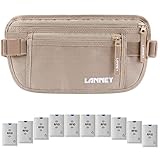
4. Money Belt for Travel, Slim RFID Blocking Women and Men Hidden Travel Pouch Under Clothes, Passport Holder Protect Cash Credit Card with 10 RFID Sleeves
Overview:
This ultra-slim RFID-blocking money belt delivers comprehensive electronic protection at an aggressive $9.98 price point. The LANNEY-designed pouch features three RFID-blocking layers, two zippered pockets with internal sections, and a hidden rear compartment for maximum security. Included are ten bonus RFID-blocking card sleeves, making this a complete anti-theft system for passports, cards, cash, and smartphones.
What Makes It Stand Out:
The value proposition is unmatched—RFID blocking, waterproof nylon construction, breathable mesh backing, and bonus sleeves for under $10. The front buckle security feature prevents unwanted opening, while the 24"-50" adjustable range accommodates virtually all body types. The hidden rear pocket adds a layer of security absent in many budget models.
Value for Money:
This is the market’s price-performance champion. Competing RFID belts cost 2-3x more without offering significantly better materials. The ten included sleeves (valued at $5-8 alone) make the belt itself virtually free. For travelers wanting maximum protection with minimal investment, nothing else comes close.
Strengths and Weaknesses:
Strengths: Unbeatable price with RFID blocking; bonus 10 card sleeves; waterproof material; breathable mesh back; wide size range; hidden rear pocket; front buckle security.
Weaknesses: Lower price may reflect durability concerns; brand recognition less established; bulkier than minimalist options; basic aesthetic design; stitching quality unproven long-term.
Bottom Line:
The definitive choice for cost-conscious travelers who refuse to skimp on security features. While premium brands offer superior refinement, this LANNEY belt provides identical RFID protection and more storage at a fraction of the cost. Perfect for occasional travelers and security-first buyers on tight budgets.
5. The Belt of Orion Running Belt & Slim Fanny Pack for Men & Women Anti-theft Passport Holder & Money Belt For Travel - Comfortable Phone Holder For Running, Hiking, & at the GYM - Travel 9"x4"

Overview:
The Belt of Orion transcends traditional money belts by merging fashion with function in a 9"x4" slim fanny pack designed for active lifestyles. This $27.95 running belt features three pockets for phones, passports, and wallets, with a no-bounce design that stays stable during running, hiking, or gym sessions. The adjustable 28"-45" range and secure locking zipper make it versatile for both men and women seeking stylish, hands-free convenience.
What Makes It Stand Out:
This belt prioritizes aesthetics without sacrificing utility—the sleek profile works equally well over workout gear or casual urban attire. The expanded dimensions accommodate larger smartphones that traditional hidden belts cannot. The locking zipper mechanism provides pickpocket deterrence typically absent in running belts, while the lightweight, moisture-wicking fabric ensures all-day comfort during high-intensity activities.
Value for Money:
At $27.95, it’s the priciest option but serves dual purposes as both travel security and fitness accessory. Dedicated running belts of similar quality cost $25-35 without travel-specific features like passport compartments. For active travelers, this eliminates needing separate gear, effectively saving money while delivering premium performance.
Strengths and Weaknesses:
Strengths: Stylish, modern design; accommodates large smartphones; no-bounce stability; locking zipper; versatile for travel and fitness; comfortable for extended wear; larger capacity.
Weaknesses: Not fully concealable under clothes; higher price point; no RFID protection; may be too bulky for formal travel; limited size range compared to some competitors.
Bottom Line:
Ideal for fitness-focused travelers who refuse to compromise on style or capacity. The Belt of Orion bridges the gap between security wallet and activewear accessory. While not truly “hidden,” its anti-theft features and stability make it perfect for adventurous travelers who prioritize accessibility and modern design over deep concealment.
6. VENTURE 4TH Money Belt for Travel – Hidden Under-Clothes RFID Blocking Passport Holder & Slim Travel Wallet Pouch for Men & Women to Protect Cash, Cards & Documents (Black)

Overview:
The VENTURE 4TH Money Belt is a premium under-clothes security solution designed for serious travelers. This slim-profile pouch combines RFID-blocking technology with robust construction to keep your valuables safe from both physical and electronic theft. Worn discreetly beneath clothing, it accommodates passports, cash, cards, and even large smartphones like the iPhone 16 Pro Max.
What Makes It Stand Out:
The lifetime replacement guarantee sets this belt apart, demonstrating exceptional manufacturer confidence. Its advanced RFID-blocking fabric protects against digital pickpocketing, while the two zippered pockets with mesh dividers offer superior organization. The breathable mesh back panel and water-resistant ripstop nylon ensure comfort during extended wear, and the adjustable waistband fits up to 56 inches securely.
Value for Money:
At $24.95, this sits in the mid-range price category but delivers premium features. The lifetime guarantee essentially eliminates replacement costs, while the professional-grade materials and construction rival products costing significantly more. Compared to basic models, the added RFID protection and warranty justify the investment.
Strengths and Weaknesses:
Pros include excellent RFID shielding, durable ripstop nylon construction, comfortable breathable mesh, spacious organized pockets, and unbeatable lifetime warranty. Cons are the higher price point and potential warmth in tropical climates due to the layered fabric design.
Bottom Line:
Ideal for frequent travelers prioritizing security and durability. The lifetime guarantee makes it a smart long-term investment for peace of mind during international adventures.
7. Money Belt- Travel Security Money Belt with Secret Compartment, Anti-Theft Nylon Hidden Money Pouch with Zinc Alloy Buckle for Dad Boyfriend Men, Business Travel Daily

Overview:
This budget-friendly travel money belt offers essential security without breaking the bank. Designed as a functional nylon belt with a concealed 70cm zipper pocket, it provides discreet storage for cash, keys, and small valuables during travel or daily activities. The minimalist design focuses on practicality over premium features.
What Makes It Stand Out:
The upgraded zinc alloy buckle adds a touch of sophistication uncommon at this price point. Its “weightless” design at just 190g makes it ideal for all-day wear, while the skin-friendly, quick-dry nylon fabric ensures comfort across various climates. The hidden pocket runs nearly the entire belt length, maximizing storage potential.
Value for Money:
At $8.59, this represents exceptional value. It undercuts most competitors while delivering core functionality. While lacking advanced features like RFID blocking, it provides reliable physical security at a fraction of premium belt costs, making it accessible for casual travelers.
Strengths and Weaknesses:
Pros include affordable pricing, lightweight construction, breathable fabric, adjustable sizing (26"-42"), and versatile daily use. Cons include no RFID protection, basic material quality, limited organizational features, and a less discreet appearance than under-clothing pouches.
Bottom Line:
Perfect for budget-conscious travelers seeking basic anti-theft protection. It delivers essential functionality at an unbeatable price, though security-focused users may want RFID-blocking alternatives.
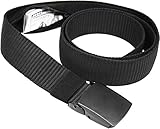
8. Money Belts for Travel for Men, Nylon Military Tactical Mens with Zinc Alloy Buckle, Security Money Belt with Hidden Money Pocket - Black
Overview:
This tactical-style money belt blends military-inspired aesthetics with practical travel security. Constructed from durable nylon with a robust zinc alloy buckle, it features a 19.6-inch hidden zippered pocket designed to conceal cash, passport copies, and small essentials. The design appeals to those preferring an overt utility look over discreet under-clothing pouches.
What Makes It Stand Out:
The military-tactical styling distinguishes it from typical travel belts, making it suitable for both outdoor adventures and duty use. The solid zinc alloy buckle provides reliable fastening, while the moisture-wicking nylon material offers durability and comfort. It’s explicitly designed as airport-safe, ensuring hassle-free security checks.
Value for Money:
Priced at $12.95, this belt occupies a sweet spot between budget and premium options. The tactical construction and versatile styling justify the moderate cost, offering better durability than basic models without reaching high-end prices. It’s particularly valuable for outdoor enthusiasts needing dual-purpose gear.
Strengths and Weaknesses:
Pros include rugged nylon construction, secure zinc alloy buckle, adjustable sizing (26"-42"), tactical versatility, and airport-friendly design. Cons include lack of RFID blocking, minimal pocket organization, overt tactical appearance may attract attention, and no warranty mentioned.
Bottom Line:
An excellent choice for travelers wanting durability and style versatility. The tactical design serves both travel and daily duty needs, though digital security requires separate RFID solutions.
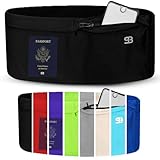
9. StashBandz Running Belt for Women & Men – No-Bounce Fanny Pack with 4 Secure Pockets & Zipper for Phone, Money & Essentials – Flip Belt Style Design for Running, Travel & Everyday Use
Overview:
The StashBandz Running Belt redefines travel security through athletic innovation. This spandex belt features four secure pockets and a patented no-bounce design that stays put during rigorous activity. Originally created for runners, its 6-inch high tubular construction comfortably accommodates phones, money, and essentials while remaining virtually invisible under clothing.
What Makes It Stand Out:
Seven international patents back this design, reflecting serious engineering investment. The moisture-wicking spandex eliminates chafing and bouncing, while top-loading pockets provide instant access without breaking stride. Its capacity exceeds standard runners’ belts, carrying twice the volume while maintaining a second-skin feel.
Value for Money:
At $24.99, this premium belt commands a higher price but delivers unique performance benefits. The patented technology and decade-long design refinement justify the cost for active users. For travelers who exercise on the road, it eliminates need for separate running and money belts.
Strengths and Weaknesses:
Pros include revolutionary no-bounce stability, superior moisture management, four-pocket organization, high capacity, and instant top-loading access. Cons include no advertised RFID protection, bulkier than minimalist belts, higher price point, and athletic design may not suit formal travel.
Bottom Line:
Outstanding for active travelers and fitness enthusiasts. If you run or hike while traveling, this dual-purpose belt offers unparalleled comfort and security that traditional money belts cannot match.
10. Money Belt For Travel Women Men Hidden Rfid Passport Holder For Travel (Black)

Overview:
This ultra-affordable money belt delivers RFID protection at a rock-bottom price point. The elastic stretch band design features three pockets including a mesh divider, accommodating various waist sizes while remaining slim enough to hide under clothing. Ten free RFID card holders sweeten this budget security package.
What Makes It Stand Out:
The $5.99 price is remarkably low for an RFID-blocking product. The inclusion of 10 bonus card sleeves adds exceptional value, essentially providing a complete digital security solution. Despite the low cost, it offers three-pocket organization and waterproof nylon construction with breathable backing.
Value for Money:
Unbeatable value proposition. No other RFID-blocking travel wallet approaches this price while including accessories. The cost is less than a single airport meal, making it accessible for all travelers. While build quality reflects the price, the core security features function adequately.
Strengths and Weaknesses:
Pros include incredibly low price, RFID blocking technology, three-pocket design, waterproof materials, free card holders, and unisex versatility. Cons include questionable long-term durability, basic construction quality, smaller capacity than premium options, and limited brand recognition.
Bottom Line:
The perfect entry-level option for price-sensitive travelers needing RFID protection. While not built for heavy use, it provides essential digital security at a price that’s hard to justify skipping.
Why Every Adventure Traveler Needs a Security Belt
The modern adventure traveler faces a unique paradox: we crave authentic, off-the-beaten-path experiences while carrying increasingly valuable digital and physical assets. Smartphones alone cost more than month-long budgets in many destinations. Add passports, credit cards, emergency cash, and hotel keys, and you’ve got a treasure trove that pickpockets dream about. Traditional solutions like money belts scream “tourist” and create awkward bulges, while hotel safes aren’t always available—or trustworthy—in remote locations.
A security belt solves this elegantly by leveraging the one thing every traveler already wears. Thieves target obvious valuables: backpacks, pockets, purses. They don’t typically strip-search your waistline. This psychological blind spot is your advantage. A quality adventure travel belt with a hidden zippered pocket lets you keep essential items on your body at all times, even during active pursuits like hiking, zip-lining, or that impromptu beach volleyball game. It’s security through subtlety, and it works.
Understanding Hidden Zippered Money Pockets
The concept seems simple: a zipper sewn into the inside of a belt creates a secret compartment. But the execution varies dramatically between manufacturers. The best designs integrate the pocket so seamlessly that even you might forget it’s there—until you need it. The pocket should run along a significant portion of the belt’s length, typically 18-24 inches, allowing you to distribute items flat rather than creating a noticeable lump.
Placement is critical. Interior-facing pockets (against your body) offer maximum security but can be slightly less convenient to access. Exterior-facing hidden pockets (on the outer side of the belt but still concealed) provide easier access but slightly less protection. The most sophisticated designs feature dual pockets—one quick-access exterior pocket for small bills and a deeper interior pocket for passports and larger documents.
The Psychology of Travel Security
Travel theft is often a crime of opportunity. Pickpockets scan for easy targets: distracted tourists fumbling with maps, people with obvious valuables, or those wearing obvious security gear that suggests they’re carrying something worth stealing. A hidden pocket belt exploits the “hiding in plain sight” principle. It doesn’t register as a security device because it looks like any ordinary belt.
This psychological advantage extends beyond theft deterrence. When you know your most critical items are secure, you travel with greater confidence. You’re more present, more relaxed, and more open to genuine interactions. That mental freedom is perhaps the belt’s greatest value—allowing you to focus on the vibrant market around you rather than the wallet in your pocket.
How Hidden Pockets Deter Theft
Professional thieves can spot a money belt from across a crowded square. The telltale strap around the neck or waistband bulge is a dead giveaway. But a belt? It’s part of your clothing. Even if someone were to pat you down—which is rare in non-police situations—they’d feel a normal belt. The zipper is typically positioned where the belt overlaps, often near the buckle or along the back where it sits against belt loops, making it virtually undetectable.
The design also forces a thief to work much harder. Extracting something from a hidden belt pocket requires unbuckling the belt, threading it through loops, and locating the zipper—all while in close physical contact. This isn’t a quick dip-and-grab operation. It’s high-risk, low-reward, and most criminals will simply move on to easier prey.
Key Features to Evaluate in Adventure Travel Belts
When shopping for your security belt, you’ll encounter a dizzying array of options. Price points range from budget-friendly basics to premium tactical designs. Understanding which features genuinely matter versus which are marketing fluff will save you money and disappointment. The difference between a belt that lasts one trip and one that becomes a decade-long travel companion often comes down to seemingly minor details.
Focus on the intersection of security, comfort, and durability. A belt that’s secure but uncomfortable will end up in your luggage. One that’s comfortable but poorly made will fail when you need it most. The sweet spot combines robust materials, intelligent design, and thoughtful construction.
Material Durability and Weather Resistance
Your belt will face saltwater, desert sand, jungle humidity, and everything in between. Nylon webbing with a high denier rating (1000D or higher) offers exceptional durability and quick-drying properties. Look for water-resistant coatings that won’t degrade after repeated washing. Some premium materials include ripstop weaving, which prevents small tears from spreading—a crucial feature when you’re miles from a replacement.
For tropical climates, antimicrobial treatments are invaluable. They prevent the funk that develops when sweat meets fabric day after day. UV resistance matters too, especially for desert or high-altitude travel where sun exposure can degrade inferior materials in weeks. The best belts specify their material composition and treatment processes rather than using generic “durable nylon” claims.
Zipper Quality and Concealment Design
The zipper is the heart of your security belt’s functionality. Cheap zippers corrode, stick, or break—usually at the worst possible moment. YKK zippers have become the industry gold standard for good reason: they’re self-lubricating, corrosion-resistant, and engineered for thousands of cycles. Look for water-resistant zipper tape and pulls that lie flat against the belt.
Concealment goes beyond just hiding the zipper track. The best designs use color-matched zipper tape that blends with the belt material. Some incorporate a fabric flap that covers the zipper entirely. Others position the zipper pull to tuck into a small loop or pocket, preventing it from jingling or catching on clothing. These details separate serious security gear from gimmicky tourist trinkets.
Buckle Types and Functionality
The buckle affects both security and convenience. Plastic buckles are lightweight and TSA-friendly but can crack under extreme stress. Metal buckles offer superior durability but may trigger airport metal detectors—though many are designed with minimal metal content to avoid this. Quick-release buckles let you remove the belt without threading it through loops, which is handy for airport security but could theoretically be opened by someone else.
Some innovative designs feature hidden buckles where the release mechanism is concealed, adding another layer of security. Others use traditional prong buckles with a security twist: the prong locks into place and requires a specific motion to release. Consider your primary travel style when choosing—frequent flyers might prioritize TSA-friendly designs, while adventure trekkers need bombproof durability.
Belt Width and Comfort Factors
A belt that’s too narrow (under 1.25 inches) may not support heavier items without curling. Too wide (over 1.75 inches), and it might not fit through your pant loops or could dig into your hips during long hikes. The sweet spot for most travelers is 1.5 inches—compatible with standard loops while providing adequate surface area for a substantial pocket.
Flexibility matters as much as width. A belt that’s too stiff will be uncomfortable when sitting for long flights or bus rides. Look for “broken-in” flexibility right out of the package—quality nylon webbing should bend easily but not collapse. Some belts incorporate a thin layer of padding along the interior for extra comfort, though this can add bulk.
Capacity and Pocket Dimensions
This is where many travelers miscalculate. That folded $100 bill? It’s thin. Your passport? Not so much. A quality hidden pocket should accommodate at least one passport, several bills, and two credit cards without creating a noticeable bulge. The pocket depth typically ranges from 18 to 24 inches, but width varies significantly.
Measure your passport’s folded dimensions and compare them to the pocket specs. Some belts offer expandable pockets with gusseted designs that increase capacity when needed but lie flat when empty. Others feature segmented pockets with dividers, letting you organize items so they don’t all clump together. Think about what you’ll actually carry—overloading a belt pocket defeats its purpose by making it obvious.
Material Matters: Choosing the Right Fabric
The material decision impacts everything from comfort to longevity to how the belt performs in different climates. Each fabric type brings distinct advantages and trade-offs that align with specific travel styles. Understanding these nuances prevents buyer’s remorse when your belt fails to meet expectations in the field.
Nylon and Polyester Options
These synthetic workhorses dominate the adventure travel market for good reason. High-denier nylon (1000D and above) offers exceptional abrasion resistance and dries within hours. Polyester provides better UV resistance and colorfastness, maintaining its appearance after months of sun exposure. Both materials accept waterproof coatings readily.
Look for belts specifying “solution-dyed” fabric, where pigment is added during the manufacturing process rather than applied afterward. This creates color that penetrates the entire fiber, preventing fading and maintaining a low-profile appearance. Some advanced nylons incorporate Cordura technology, originally developed for military applications, offering tear strength that’s literally bullet-resistant (though hopefully you’ll never need that feature).
Canvas and Cotton Blends
While less common in pure security belts, canvas options appeal to travelers prioritizing natural materials and classic aesthetics. Waxed canvas offers surprising water resistance and develops a beautiful patina over time. However, canvas is heavier, slower to dry, and more prone to staining than synthetics. It also lacks the inherent flexibility of nylon webbing.
Cotton-polyester blends attempt to split the difference, offering natural fiber comfort with synthetic durability. These work well for urban travel and light adventure but may not withstand rigorous trekking or water sports. If you choose canvas, ensure the hidden pocket uses a synthetic liner to prevent moisture wicking into your stored documents.
Leather Travel Belts: Pros and Cons
Leather security belts occupy a niche but important category. Full-grain leather offers unmatched durability and a sophisticated appearance that transitions seamlessly from jungle trail to business dinner. The material naturally conforms to your body over time, creating a custom fit. However, leather requires maintenance, performs poorly when wet, and adds significant weight.
Most leather security belts use a hybrid approach: leather exterior with a synthetic interior pocket structure. This maintains the aesthetic while improving functionality. Consider leather only if your travels blend urban sophistication with adventure, and you’re willing to care for the material properly. For pure wilderness trekking, stick with synthetics.
Zipper Technology: What to Look For
The zipper might seem like a minor component, but it’s the most frequently used part of your security belt and the most likely failure point. Understanding zipper technology helps you identify quality and avoid frustrating malfunctions in remote locations where repairs are impossible.
Water-Resistant Zippers
Standard zippers allow water to seep through the teeth, potentially soaking your cash and documents. Water-resistant zippers use rubberized or thermoplastic polyurethane (TPU) coatings that seal the teeth when closed. Some designs add a storm flap—a fabric overlay that covers the zipper track entirely. For tropical destinations or water-based adventures, this feature isn’t optional; it’s essential.
Test the zipper before committing. It should glide smoothly without catching, and the pull should feel substantial enough to grip with cold or wet fingers. Cheap water-resistant zippers often become sticky and difficult to operate after exposure to salt or sand. Quality versions maintain smooth operation even after repeated submersion.
Self-Repairing Zipper Mechanisms
YKK’s self-repairing design allows the zipper to realign itself if a tooth becomes misaligned—a common issue when the pocket is overstuffed. This feature alone can save your belt from catastrophic failure. The mechanism uses a specially shaped slider that guides misaligned teeth back into position as you zip.
Some premium belts take this further with double zipper pulls, allowing you to open the pocket from either end. This is surprisingly useful when you need to access something quickly without fully unzipping the entire compartment. It also provides a backup if one pull fails.
Zipper Placement and Accessibility
The zipper’s location determines both security and convenience. Belts with zippers positioned along the interior edge (facing your body) offer maximum stealth but require you to partially remove the belt for access. Exterior-edge zippers are easier to reach but slightly more visible. The best compromise places the zipper along the top edge of the belt, accessible by lifting your shirt slightly but hidden by the belt’s natural curve.
Consider how you’ll access the pocket in different situations. Can you retrieve cash discreetly while wearing a tucked-in shirt? Is the zipper pull small enough to avoid detection but large enough to operate with one hand? Some travelers prefer a tiny fabric loop on the zipper pull for easy gripping, while others want no pull at all, using a paperclip when access is needed.
Buckle Systems Explained
The buckle is more than a closure—it’s a potential vulnerability and a daily interaction point. The right buckle balances security, convenience, and durability based on your travel profile.
Plastic Buckles vs. Metal Buckles
High-density acetal plastic buckles are the go-to for most adventure travel belts. They’re lightweight, corrosion-proof, and strong enough for most applications. Look for buckles rated for at least 200 pounds of tensile strength. Metal buckles, typically aluminum or stainless steel, offer superior durability and a more refined appearance but add weight and may trigger metal detectors.
Some manufacturers use proprietary plastic blends with glass fiber reinforcement, achieving metal-like strength at a fraction of the weight. These are ideal for adventure travelers who need maximum durability without airport hassles. The finish matters too—matte textures resist showing scratches better than glossy surfaces.
TSA-Friendly Designs
Frequent flyers should prioritize belts with non-metallic buckles and minimal hardware. While TSA doesn’t officially prohibit metal buckles, they often trigger secondary screening, adding time and hassle to your airport experience. Some belts feature buckles that detach quickly, letting you send the belt through the X-ray machine while keeping it threaded through your pants.
The best TSA-friendly designs use plastic hardware throughout, including the buckle, keepers, and even the zipper pulls. They also avoid metal reinforcement in the pocket structure. These belts sail through security without a second glance, letting you keep your essentials on your person even during screening.
Hidden Buckle Features
Innovative designs hide the buckle release mechanism to prevent accidental or unauthorized opening. These might require pressing two points simultaneously or sliding a concealed latch. While this adds a slight learning curve, it prevents the nightmare scenario of your belt coming undone in a crowded area, potentially exposing your hidden pocket.
Some buckles incorporate tiny combination locks, though these add bulk and complexity. More practical are magnetic buckle systems that lock securely but release with a specific twisting motion. These are nearly impossible for someone else to open without your cooperation but remain easy for you to operate by feel alone.
Sizing and Fit Considerations
An improperly fitting security belt is worse than useless—it’ll be uncomfortable, obvious, and potentially insecure. Getting the size right requires more than matching your pant size.
Adjustable vs. Fixed Sizing
Most travel belts use adjustable designs with a long tail that trims to fit. This is ideal if your weight fluctuates during travel (common on long trips) or if you wear different pants with varying loop sizes. Fixed-size belts offer a cleaner appearance but less flexibility. Some premium belts offer both: a fixed size with a small range of micro-adjustment.
Consider how you’ll wear the belt. If you plan to layer it over bulky hiking pants in cold weather but also use it with lightweight travel shorts, you need significant adjustability. Belts with 8-10 inches of adjustment range accommodate most scenarios. The tail should be long enough to thread through keepers but not so long that it flaps or creates bulk.
How to Measure for the Perfect Fit
Measure around your waist where the belt will sit, typically through your pant loops, over any base layers you typically wear. Add 4-6 inches to this measurement for the tail length. Most manufacturers provide sizing charts—use them, but also read reviews to see if the belt runs true to size. Some adventure travelers size up to wear the belt over jackets or cold-weather gear.
The belt should fasten in the middle of its adjustment range, giving you room to tighten or loosen as needed. If you’re at the extreme end of the adjustment range in either direction, consider a different size. The tail should extend 2-4 inches past the buckle—enough to thread through keepers but not so much that it creates a bulge under your shirt.
Style Versatility: From Trail to Town
The best travel gear performs multiple roles, and your security belt should be no exception. The ability to transition from dusty trail to upscale restaurant without changing accessories is invaluable.
Low-Profile Designs for Urban Travel
In cities, subtlety is paramount. Look for belts with matte finishes, neutral colors (black, brown, dark gray), and minimal branding. The stitching should match the belt color, and any logos should be tone-on-tone or removable. Some urban-focused designs mimic high-end leather belts so convincingly that you’d never guess they contain security features.
The width should be standard—1.5 inches—to fit business casual attire. Avoid tactical-looking webbing or obvious utility features. The hidden pocket should be accessible enough that you can discreetly retrieve a credit card at a restaurant without drawing attention.
Rugged Styles for Outdoor Adventures
Trail-focused belts prioritize function over fashion. They feature reinforced stitching, high-visibility zipper pulls (easier to find with gloved hands), and aggressive textures that prevent slipping. Colors often include earth tones or camouflage patterns. These belts are built to withstand abrasion from hiking packs, mud, and constant moisture.
Durability features include bar-tack stitching at stress points, double-layered webbing in high-wear areas, and corrosion-resistant hardware. The hidden pocket often has a drainage grommet in case you get caught in a downpour or ford a river—because wet documents are only slightly better than stolen ones.
Converting Your Belt for Different Settings
Some innovative belts offer reversible designs—one side rugged and tactical, the other sleek and urban. Others have removable pocket inserts, letting you switch between maximum security and minimal bulk. If your travels blend environments, these convertible options are worth the premium.
Consider packing a simple belt cover or sleeve that slips over a tactical belt to camouflage it for city use. This DIY approach lets you carry one belt for entire multi-destination trips, adapting it as needed. A piece of dark fabric with Velcro closures can transform a trail belt into an urban accessory in seconds.
Security Beyond the Pocket
A hidden zipper is just the beginning. Modern security belts incorporate multiple layers of protection that work together to keep your valuables safe.
RFID Protection Considerations
While RFID-blocking fabric in belts sounds appealing, it’s largely solving a problem that barely exists. Modern contactless cards have robust encryption, and RFID skimming in public spaces is exceptionally rare. More importantly, a belt’s position on your body provides natural shielding, and the density of folded bills and cards further blocks signals.
That said, if RFID protection gives you peace of mind, look for belts that incorporate a thin metallic mesh layer in the pocket lining. Just be aware that this adds stiffness and may trigger metal detectors. A more practical approach is simply storing RFID-enabled cards in the middle of a stack of cash, which provides adequate shielding without specialized materials.
Slash-Resistant Features
In rare cases, thieves use razor blades to cut belts and run away with them. While uncommon, this risk is real in certain high-crime areas. Some security belts incorporate stainless steel wire or Kevlar threads woven into the webbing, creating a slash-resistant barrier. These belts are heavier and more expensive but provide peace of mind in specific destinations.
The trade-off is comfort. Stiff reinforcement can make the belt less flexible and more noticeable. For most travelers, the risk doesn’t justify the discomfort. However, if you’re traveling to regions known for this specific crime type, the added protection is worthwhile.
Decoy Pocket Strategies
Advanced travel belts sometimes include a second, more obvious pocket as a decoy. A thief might find this pocket, discover a small amount of cash, and move on, never realizing the real treasure lies in the better-concealed primary pocket. This approach plays on thief psychology—most want a quick score and won’t perform a thorough search.
You can create your own decoy system by keeping a small amount of cash in your regular pocket while the belt holds your main stash. If confronted, you can hand over the visible cash without revealing your deeper security. It’s a sad reality, but preparing for worst-case scenarios is part of intelligent travel planning.
Maintenance and Care Tips
Your security belt will face harsh conditions. Proper maintenance ensures it remains functional and discreet throughout years of adventures.
Cleaning Your Travel Belt
Most synthetic belts are machine washable, but this should be a last resort. The agitation can damage zipper components and hardware. Instead, hand wash with mild detergent in warm water, focusing on the interior pocket where sweat and grime accumulate. Use a soft brush to clean zipper teeth, removing sand and salt that cause corrosion.
For leather belts, use a damp cloth with saddle soap, conditioning the leather afterward to prevent cracking. Never submerge leather belts or expose them to direct heat for drying. Canvas belts can be scrubbed more aggressively but require thorough drying to prevent mildew.
Zipper Maintenance
The zipper is your belt’s Achilles’ heel. After washing, lubricate it with a specialized zipper wax or a tiny amount of beeswax. Work the zipper back and forth to distribute the lubricant. If a tooth becomes misaligned, gently realign it with tweezers before the problem worsens. Never force a stuck zipper—this usually breaks teeth or separates the track.
Store your belt with the zipper partially open to reduce stress on the slider. If the pull tab breaks, replace it immediately with a split ring or carabiner. A missing pull makes the pocket nearly impossible to access quickly when you need it most.
Storage Between Trips
Don’t cram your belt into a drawer where it develops permanent kinks. Store it flat or loosely coiled in a breathable bag. Keep it away from direct sunlight, which degrades nylon and fades colors. If you’ve been in saltwater environments, rinse the belt thoroughly before storage—salt crystals continue to abrade fibers even when dry.
Consider storing a few silica gel packets in the pocket to absorb moisture and prevent mildew. Check the belt every few months, operating the zipper and inspecting for wear. Catching issues early prevents failures during critical moments.
Common Mistakes Travelers Make
Even the best security belt fails if used improperly. Avoid these frequent errors that compromise both security and convenience.
First, overpacking the pocket creates a visible bulge that defeats the purpose. Your belt isn’t a replacement for your wallet—it’s for emergency funds and critical documents. Stick to flat items: folded bills, cards, and a photocopy of your passport. Bulky items like coins, keys, or a full passport create obvious lumps.
Second, accessing the pocket in public reveals its location. Practice retrieving items discreetly in private before your trip. Learn to access the pocket by feel alone, perhaps by lifting your shirt slightly while seated. The goal is to never draw attention to the belt’s special feature.
Third, wearing the belt only when you “feel unsafe” creates inconsistency. Thieves target tourists who look uncertain or who suddenly start checking their valuables. Make the security belt part of your everyday travel wardrobe, regardless of destination. This builds muscle memory and ensures you’re protected even when your guard is down.
Real-World Travel Scenarios
Understanding how your belt performs in specific situations helps you maximize its utility and avoid pitfalls.
Airport Navigation
Security checkpoints test your belt’s TSA-friendliness and accessibility. With a non-metallic belt, you can typically keep it on through body scanners, though you may need to remove it for metal detectors. The hidden pocket is perfect for storing your backup credit card and emergency cash during flights, keeping them on your person even when your carry-on is stowed.
During long layovers, the belt provides peace of mind when sleeping in airports. Your essentials remain secure even if you doze off. Just be mindful of how you position yourself—sleeping on your stomach can press items uncomfortably against your body.
Hostel and Shared Accommodation Security
Hostel lockers aren’t always reliable, and shared dorm rooms mean strangers have access to your space. While you shower or sleep, your belt stays with you. Wrap it around your waist inside your sleeping bag, or use it as a pillow by coiling it beneath your head. The items inside remain protected even if your main backpack is compromised.
Some travelers use their belt to secure small items to their bed frame, threading it through a backpack handle and locking the buckle. While not theft-proof, it adds a layer of deterrence in environments where opportunistic theft is common.
Public Transportation and Crowded Markets
These high-risk environments are where your belt truly shines. On packed buses or metro cars, you can stand comfortably without clutching your pockets. In dense markets, you can browse with both hands free, knowing your essentials are secure. The psychological benefit here is enormous—you appear confident and relaxed, making you a less attractive target.
If you need to access cash in a market, do so in a private corner or restroom. Remove what you need for the next hour and store it separately. Your belt should never be your working wallet—it’s your deep storage.
Budget vs. Premium Options: What You’re Paying For
Price differences in security belts often reflect genuine quality improvements rather than just branding. Understanding where your money goes helps you decide whether to economize or invest.
Budget belts ($15-25) typically use lower-denier nylon, standard zippers, and basic plastic buckles. They work adequately for occasional travelers or short trips but may show wear after a few months of continuous use. Stitching might be single-row rather than reinforced, and the hidden pocket may be shorter or less discreet.
Mid-range belts ($30-50) offer the best value for most travelers. They feature name-brand zippers, reinforced stitching, and better hardware. Materials are typically 1000D nylon or quality canvas, and the pocket design is more thoughtful. These belts often include warranty coverage and have been field-tested by serious travelers.
Premium belts ($60-100+) justify their cost through advanced materials (Kevlar reinforcement, military-spec hardware), innovative features (dual pockets, convertible designs), and exceptional craftsmanship. They’re built for expedition-level use and often come with lifetime warranties. For digital nomads or frequent adventure travelers, the investment pays for itself in reliability and peace of mind.
How to Pack Your Hidden Pocket Effectively
Packing strategy determines both security and accessibility. The goal is flat, distributed storage that doesn’t create pressure points.
Start with your passport—fold it in half if possible (check if your country permits this; many don’t), or store it flat against the belt’s interior. Next, add credit cards, stacking them together and orienting them in the same direction. Place folded bills flat on top of or beneath the cards, spreading them across the pocket’s length rather than stacking them in one spot.
If you carry a spare key, flatten it as much as possible and position it near the buckle where the belt is stiffest. Avoid coins—they’re noisy and create lumps. For medications, use flat blister packs rather than bottles. The ideal packed belt feels slightly thicker than empty but maintains flexibility. When you run your hand along it, you shouldn’t feel distinct individual items.
Frequently Asked Questions
Can I wear a security belt through airport body scanners?
Most non-metallic security belts can remain on during millimeter-wave body scans, but you’ll need to remove them for metal detectors. Belts with metal buckles or RFID shielding will likely trigger alarms. To avoid delays, choose belts with plastic hardware and pack metal items from the pocket in your carry-on before screening.
How much cash can I realistically hide in a travel belt?
Most belts comfortably hold 20-30 bills folded flat, which could be $600-3000 USD depending on denomination. However, carrying that much cash defeats the security purpose by creating bulk. A practical maximum is 10-15 bills plus cards and a passport copy. For larger amounts, distribute funds across multiple hiding spots.
Will the belt set off metal detectors at museums or government buildings?
Only if it contains metal components. Pure plastic-buckle belts with non-metallic zippers won’t trigger walk-through detectors. However, some high-security facilities require all belts to be removed regardless of material. In these cases, the hidden pocket’s contents remain secure on your person while you send just the belt through X-ray screening.
How do I access my belt pocket discreetly in public?
Practice the “adjustment” technique: pretend to adjust your belt or tuck in your shirt while quickly accessing the pocket. Restrooms provide the most privacy. In emergencies, you can access it while seated by lifting your shirt slightly and reaching under the table. The key is smooth, confident movement—never fumbling or looking nervous.
Can I swim or shower with my security belt on?
Most synthetic belts handle water fine, but it’s not recommended. Chlorine and saltwater degrade materials over time, and trapped moisture can damage documents. If you must wear it in water (for security reasons), rinse it thoroughly afterward and dry it completely. Consider a waterproof pouch inside the pocket for critical documents if water exposure is likely.
What’s the difference between a security belt and a money belt?
A money belt is a separate pouch worn under clothing, often obvious and uncomfortable. A security belt looks like a normal belt with a hidden pocket integrated into its design. Security belts are more discreet, more comfortable, and less likely to be targeted because they don’t look like security devices.
How long do quality travel belts typically last?
With proper care, a quality synthetic belt lasts 5-10 years of heavy use. Premium belts with lifetime warranties can last indefinitely. The zipper is usually the first component to fail, which is why investing in name-brand hardware matters. Replace your belt if the webbing shows fraying, the buckle cracks, or the zipper becomes unreliable.
Are security belts legal in all countries?
Yes, security belts themselves are legal everywhere. However, the items you store must comply with local laws. Some countries require you to carry your original passport at all times; a copy in your belt won’t suffice. Research local regulations before relying on your belt as primary document storage.
Can I store my phone in a security belt?
Only the smallest smartphones fit, and even then it’s impractical. The weight creates a noticeable sag, and the rigid shape is uncomfortable against your body. Phones are better carried in secure pockets or anti-theft bags. Reserve your belt for flat, flexible items like cash, cards, and documents.
Do I need a security belt if I’m staying in all-inclusive resorts?
Resorts aren’t immune to theft—beach theft, room burglaries, and pickpockets in tourist areas still occur. However, your risk profile is lower. A security belt makes sense for excursions outside the resort and as backup storage for emergency funds. Even in low-risk environments, having a secure place for your passport and backup card provides valuable peace of mind.'