Picture this: you’re three days into a backcountry trek, nestled in your tent as darkness settles over alpine meadows. Suddenly, a crashing sound erupts from your campsite. Your heart races until you remember your food supply is secured in a certified bear-proof canister fifty yards away. The bear investigates, paws at the container, eventually gives up, and wanders off. That peace of mind? It’s not luck—it’s engineering backed by rigorous testing.
The Interagency Grizzly Bear Committee (IGBC) certification isn’t just a sticker on plastic; it’s the gold standard that separates bear-resistant from bear-naïve. Whether you’re planning a weekend in Yosemite or a month through grizzly country, understanding what makes these canisters effective is as crucial as packing your first aid kit. This deep dive explores the technology, design principles, and real-world considerations that define truly bear-proof food storage—no product placements, just pure expertise to help you make an informed decision when choosing from the certified options available.
Top 10 Bear-Proof Food Canisters
Detailed Product Reviews
1. BearVault BV500 Journey Bear Resistant Food Container - Extra Large
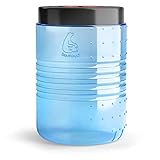
Overview: The BV500 Journey represents the pinnacle of BearVault’s lineup, engineered for serious backpackers tackling multi-week expeditions. With capacity for 7+ days of food, this transparent polycarbonate canister eliminates the frustration of rummaging through opaque containers while maintaining a surprisingly lightweight profile for its 700 cubic inch volume. Designed to meet stringent wildlife protection standards, it serves as both food vault and impromptu camp stool.
What Makes It Stand Out: The BV500’s transparent design revolutionizes food organization, letting you locate items without unpacking everything. Its tool-free lid operates reliably in freezing conditions where others seize up, and the integrated strap guides secure it externally when pack space is tight. Grizzly-certified by the IGBC and black bear-approved by SIBBG, it’s logged more backcountry miles than any competitor. The wide-mouth opening accommodates bulky items like trail mix bags whole, while rounded corners prevent pack abrasion.
Value for Money: At $94.95, the BV500 commands a premium but delivers exceptional value for thru-hikers and expedition planners. When amortized over hundreds of trail miles and compared to renting canisters ($5-10/trip) or replacing spoiled food after animal raids, it pays for itself within 10-15 trips. Alternative brands with similar capacity often weigh more or lack dual certification, making this the smart long-term investment.
Strengths and Weaknesses: Pros: Unmatched capacity-to-weight ratio, universal park approval, transparent sides, doubles as seating, proven bear survival record, tool-free operation in all conditions. Cons: Bulky for weekend warriors, premium price point may deter casual users, slightly heavier than minimalist options for sub-7-day trips.
Bottom Line: For adventurers planning extended backcountry travel, the BV500 is the definitive choice. Its combination of capacity, certified protection, and thoughtful design justifies every penny. Buy it once, hike anywhere with confidence.
2. BearVault BV475 Trek Portable Bear Resistant Canister - Large

Overview: The BV475 Trek fills the crucial middle ground in BearVault’s series, offering 5-6 days of capacity in a more packable silhouette than its larger sibling. At 650 cubic inches, it caters to long-distance hikers who need substantial food storage without the bulk of expedition-sized canisters. The reduced height allows sideways placement in mid-volume packs, solving a common packing headache while maintaining the brand’s signature transparent durability.
What Makes It Stand Out: Strategic strap guides set the BV475 apart, enabling secure external carry when interior space is premium. Its shorter stature integrates seamlessly with modern backpack profiles, eliminating the awkward top-heavy load of taller canisters. The same tool-free lid and wide opening simplify access during cold mornings, while the grizzly certification ensures you’re protected in the most demanding territories like Yellowstone and Glacier.
Value for Money: Priced at $89.95, the BV475 offers nearly identical value to the BV500 but targets a more specific user. For trips lasting 4-7 days, it hits the sweet spot—avoiding the weight penalty of over-sizing while preventing the capacity anxiety of smaller models. Compared to renting, it breaks even after roughly 12 trips, making it ideal for seasonal backpackers.
Strengths and Weaknesses: Pros: Excellent packability with strap guides, sideways fit in most packs, transparent design, proven bear resistance, versatile for solo or duo trips, camp stool functionality. Cons: $5 less than the larger BV500 may tempt upselling, limited to 6 days for hearty eaters, not quite weekend-warrior compact.
Bottom Line: The BV475 Trek is the thinking backpacker’s choice for week-long adventures. Its intelligent design compromises nothing on safety while optimizing pack integration. Perfect for those who find the BV500 excessive but the BV450 restrictive.
3. BearVault BV450 Jaunt Portable Bear Canister for Backpacking - Medium

Overview: The BV450 Jaunt distills BearVault’s expertise into a compact 440 cubic inch package perfect for weekend warriors and solo adventurers. Designed for 3-4 days of food, this canister proves that bear protection doesn’t require bulk. Its modest dimensions slip easily into smaller daypacks and weekend backpacks, while maintaining the rugged certification and transparent convenience that define the BearVault name.
What Makes It Stand Out: The Jaunt’s claim to fame is surviving 48 hours in a cage with two black bears—a testament to its construction. At just 2.1 pounds, it offers the lightest weight-per-volume ratio in the BearVault lineup, making it a favorite among ultralight enthusiasts on shorter trips. The transparent body remains a game-changer for organization, and its approval across all major parks (Yosemite, Sequoia, Olympic) means zero compliance guesswork.
Value for Money: At $83.95, the BV450 is the most accessible entry point into premium bear canister ownership. For hikers taking 3-4 day trips 3-5 times annually, it outperforms rental costs within two seasons. While slightly more expensive per cubic inch than larger models, its specialized design prevents you from carrying unnecessary weight on quick getaways.
Strengths and Weaknesses: Pros: Optimal size for weekend trips, lightest BearVault option, full dual certification, transparent sides, compact for smaller packs, proven bear defense, tool-free lid. Cons: Too small for groups or trips exceeding 4 days, premium price for limited capacity, frequent opening/closing can wear threads over years.
Bottom Line: The BV450 Jaunt is the weekend backpacker’s best friend—compact, certified, and cleverly designed. If your adventures rarely exceed four days, this is the only canister you’ll ever need. It packs protection without penalty.
4. NO-FED-BEAR UDAP Bear Resistant Canister, Hiking Camping Backpacking Hunting Food Storage Container with Carrying Case, 2 Gallons, BRCWC

Overview: Born from a bear attack survivor’s mission, the NO-FED-BEAR canister offers a unique perspective on wildlife protection. This 2-gallon (500 cubic inch) container prioritizes durability through a proprietary polymer blend reinforced with metal fasteners, weighing 2.4 pounds. The included carrying case adds versatility for external pack attachment, distinguishing it from bare-bones competitors. It’s a purpose-driven alternative to mainstream options.
What Makes It Stand Out: Mark Matheny’s survival story infuses this product with authentic credibility rarely found in gear design. The metal fastener reinforcement provides extra security where plastic lids might fail, and the travel case solves the common problem of how to strap a smooth canister to a pack. Its compact 8" x 10" dimensions fit well in smaller backpacks, making it practical for shorter trips where bulk is a concern.
Value for Money: At $64.99, this is the budget-conscious backpacker’s entry into bear-resistant storage—significantly cheaper than BearVault alternatives. The included case adds $15-20 value compared to buying accessories separately. However, the 500 cubic inch capacity limits trips to 3-4 days, and the lack of explicit IGBC/SIBBG certification (though “tested by experts”) may raise eyebrows with rangers.
Strengths and Weaknesses: Pros: Survivor-designed credibility, metal-reinforced construction, included carrying case, competitive price, compact dimensions, proprietary durable polymer. Cons: Unclear official certification status, smaller capacity than similarly priced options, opaque design complicates food location, narrower opening limits bulk items.
Bottom Line: The NO-FED-Bear is a solid value play for hikers prioritizing cost and story over maximum capacity. Verify park acceptance before purchasing, but for established campsites and personal peace of mind, it’s a worthy contender that supports a meaningful mission.
5. 10 Pack Bear Canister for Backpacking, Reusable Odor Proof Bear Bags Waterproof to Use with Bear Canister for Backpacking fit Camping Hiking Home Organization Water Sports

Overview: Critical Clarification: These are odor-proof storage bags, NOT certified bear-resistant canisters. The misleading title promises protection these 10 PEVA bags cannot legally provide. They function as supplemental odor barriers for use INSIDE approved hard-sided canisters or for non-bear country wildlife deterrence. At less than 50g each, they offer ultralight organization but zero structural defense against bears.
What Makes It Stand Out: The triple-track seal and waterproof construction excel at containing food odors and preventing moisture damage. For kayakers, river runners, or humid-climate hikers, these bags protect food from water and minor critters. The two size options (9.1" x 6.7" and 11.1" x 10.6") organize meals within a proper canister, and the food-grade PEVA material is washable and reusable—reducing waste from single-use zip-locks.
Value for Money: At $9.99 for 10 bags ($1 each), the price is unbeatable for odor-proof organization. However, value collapses if purchased as primary bear protection. They complement a real canister strategy but cannot replace it. Compared to commercial odor-barrier liners ($3-5 each), they’re economical for extending canister effectiveness.
Strengths and Weaknesses: Pros: Ultra-lightweight, waterproof, reusable, excellent odor containment for supplemental use, affordable, versatile for non-bear applications. Cons: NOT bear-proof, misleading product title, will not comply with park regulations, provides false sense of security, thin material vulnerable to punctures.
Bottom Line: Purchase these ONLY as accessories to a certified bear canister. They excel at keeping food dry and organized but will get you fined—or worse, cause a bear to be euthanized—if used alone. For true bear country, invest in a real canister; use these bags inside it for bonus odor control.
6. JIUSAIRUI Odor Proof Bear Bags for Food Backpacking: 3Pack Reusable Bear Proof Food Storage Designed to Use with Bear Canister for Backpacking fit Camping Hiking Water Sports

Overview: The JIUSAIRUI Odor Proof Bags offer an ultra-lightweight solution for backpackers seeking scent control. This three-pack provides waterproof storage designed to complement bear canisters or serve as a lightweight alternative where regulations permit. At just $8.99 total, these bags prioritize minimal weight and maximum versatility for outdoor enthusiasts.
What Makes It Stand Out: These bags excel in their featherlight construction and multi-environment durability. The double-seal zip closure ensures 100% waterproof protection up to 200 feet of submersion, making them ideal for river crossings and wet conditions. Their reusability and washability address sustainability concerns while providing odor containment for food, trash, toiletries, and scented items.
Value for Money: At $3.00 per bag, this represents exceptional value for scent control and waterproofing. Compared to rigid canisters costing $75-$100, these bags are a fraction of the price. However, they’re designed to work with canisters, not replace them where bears are prevalent and regulations require hard-sided containers.
Strengths and Weaknesses: Pros: Extremely lightweight and packable; genuinely waterproof; reusable and eco-friendly; versatile for multiple uses beyond food storage; affordable entry-level option.
Cons: Not IGBC certified as stand-alone bear protection; thin material may not withstand direct bear encounters; many national parks require hard-sided canisters; misleading “bear proof” marketing.
Bottom Line: These bags excel for scent management and waterproofing in low-risk areas but shouldn’t replace certified bear canisters where required. They’re best used as a supplementary layer of protection within approved canisters or in regions where hanging methods are permitted.
7. Backpackers’ Cache - Bear Proof Container

Overview: The Backpackers’ Cache presents a straightforward approach to bear-resistant food storage. This container focuses on the essential function of protecting provisions from wildlife interference. While the product description is notably sparse on specifications, it positions itself as a reliable option for campers needing basic bear deterrence.
What Makes It Stand Out: Simplicity is this container’s primary distinguishing feature. Without complex mechanisms or additional features, it reduces potential failure points. The design emphasizes proven bear deterrent functionality over bells and whistles, appealing to purists who value reliability over innovation.
Value for Money: At $87.95, this sits in the mid-range for bear canisters but offers limited described features compared to competitors. The price reflects certified protection without premium additions. Budget-conscious buyers may find better value in feature-rich alternatives at similar price points, while those seeking basic protection might justify the cost.
Strengths and Weaknesses: Pros: Certified bear-resistant design; straightforward operation without learning curve; durable construction; established brand reputation.
Cons: Heavy and bulky with no weight specified; no ergonomic features; lacking waterproofing or odor-sealing details; limited capacity information; expensive for basic functionality; no pressure release system.
Bottom Line: This container delivers reliable protection but feels outdated compared to modern alternatives. While it will keep bears out, the lack of ergonomic design, capacity details, and additional features makes it hard to recommend over similarly priced, more advanced options unless you specifically value minimalism.
8. Counter Assault Bear Keg Food Storage Container Yellow

Overview: The Counter Assault Bear Keg represents a premium, regulation-compliant solution for serious backcountry travelers. With IGBC and SIBBG approval, this bright yellow container meets requirements for most national parks where bear canisters are mandatory, providing 716 cubic inches of storage capacity.
What Makes It Stand Out: Certification is the key differentiator. Official approval from the Interagency Grizzly Bear Committee and Sierra Interagency Black Bear Group ensures this container meets rigorous testing standards. The high-visibility yellow color aids location at camp, while its robust construction withstands determined bear attempts.
Value for Money: At $99.95, this is the most expensive option reviewed, but compliance has its price. For backpackers visiting parks with strict canister requirements, this cost is non-negotiable. The investment protects both your food and bears from dangerous human-food conditioning, though budget-minded hikers may find comparable certified options for less.
Strengths and Weaknesses: Pros: Dual certification from leading wildlife agencies; proven bear-resistant construction; high visibility reduces loss risk; accepted in virtually all requiring parks; durable materials.
Cons: Premium pricing; heavier than some competitors; 716 cubic inches may be insufficient for longer trips; no ergonomic features mentioned; no pressure release valve.
Bottom Line: If regulatory compliance is your primary concern, this Bear Keg delivers peace of mind. While pricey and potentially heavier than alternatives, its widespread acceptance makes it ideal for park-hopping adventurers. Consider your typical destinations before investing, as less expensive certified options exist.
9. keepxaus Bear Bag Hanging Kit, 10L Waterproof Bear Bags for Food Backpacking Camping, Ultralight Bear Proof Canister Gear for Food Storage with Survival Nylon Ropes, Clips, Rock Pouch, Pulley System

Overview: The keepxaus Hanging Kit offers a complete tree-hanging solution for food protection. This $17.99 kit includes a 10L waterproof bag, two 10-meter ropes, climbing clips, a rock pouch, and a pulley system—providing everything needed for proper bear-bagging technique in one package.
What Makes It Stand Out: The integrated pulley system sets this apart from simple bag offerings. The 2-to-1 mechanical advantage makes hoisting heavy food bags significantly easier, reducing setup time and frustration. The inclusion of a rock pouch with self-adhesive tape demonstrates thoughtful design for solo backpackers.
Value for Money: Exceptional value for a complete system. Individual components would cost significantly more purchased separately. At under $18, this provides a functional alternative to $75+ canisters in areas where hanging is permitted, though it requires proper technique and suitable trees.
Strengths and Weaknesses: Pros: Complete all-in-one solution; ultralight at 210T polyester; pulley system reduces physical strain; versatile for various scented items; 3-year warranty; significantly cheaper than canisters.
Cons: Not approved for parks requiring hard-sided canisters; effectiveness depends on user skill and tree availability; hanging prohibited in some high-risk areas; less reliable than certified canisters.
Bottom Line: This kit excels for skilled backpackers in appropriate environments. If you’re willing to master hanging techniques and travel where it’s permitted, it offers tremendous weight and cost savings. However, verify regulations first—this is not a universal solution and should never replace canisters where mandated.
10. SABRE Frontiersman Bear Safe Food Storage Container, 11.86-Liter Storage Capacity, Locking Lid, Water and Airtight, Prevents Food Odors, Family Size and Longer Hike Usage, High Visibility Orange Color

Overview: The SABRE Frontiersman container balances high capacity with user-friendly design. Offering 11.86 liters (734.64 cubic inches), this bright orange canister accommodates multi-day provisions for groups or extended solo trips. The locking lid and odor-proof gasket provide comprehensive protection in bear country.
What Makes It Stand Out: Smart engineering distinguishes this model. The tapered design maximizes pack space efficiency while the pressure release valve prevents catastrophic failure during bear attempts. Ergonomic considerations minimize discomfort during transport, addressing a common complaint with rigid canisters.
Value for Money: At $75.25, this undercuts many premium competitors while offering superior capacity and features. The 11.86-liter volume provides excellent storage-per-dollar ratio for longer expeditions. While not the cheapest option, the feature set justifies the moderate premium over basic models.
Strengths and Weaknesses: Pros: Excellent 11.86L capacity; locking lid with odor seal; pressure release valve prevents breaking; ergonomic tapered design; high visibility orange; comfortable for extended wear.
Cons: Still bulky and heavy compared to hanging methods; may be oversized for short solo trips; locking mechanism could be complex in cold weather; not as widely certified as some competitors.
Bottom Line: This container hits the sweet spot for serious backpackers needing maximum storage without top-tier pricing. The thoughtful design features and generous capacity make it ideal for multi-day trips and small groups. Verify park-specific certification requirements, but for most applications, this offers outstanding functionality and value.
What Does IGBC Certification Actually Mean?
The Testing Process
IGBC certification involves live grizzly bears in a controlled sanctuary environment where containers face 60 minutes of determined assault from animals with 700+ psi bite forces and dagger-like claws. Testers fill containers with high-value food rewards—fish, peanut butter, honey—to ensure maximum motivation. If a bear breaches the container or removes the lid within that hour, it fails. This isn’t simulation; it’s a real-world stress test that accounts for bear intelligence, persistence, and raw power. The protocol also includes drop tests from heights simulating cliff-edge scenarios and environmental exposure tests for UV degradation and temperature extremes.
Why It’s the Gold Standard
Unlike manufacturer claims or anecdotal evidence, IGBC certification provides a third-party, scientifically validated guarantee. Many national parks and wilderness areas legally require IGBC-approved canisters specifically because they’ve witnessed bears defeat non-certified “bear-resistant” containers. The certification also protects bear populations—when bears succeed in accessing human food, they become habituated, increasing human-wildlife conflict and often resulting in the bear’s euthanasia. Your choice of a certified canister directly contributes to conservation efforts.
Understanding Bear Behavior: Why Canisters Work
How Bears Access Food
Bears don’t just smash and grab—they’re tactical problem-solvers. Black bears excel at manipulating latches with their dexterous paws, while grizzlies leverage brute force to crush or pry. Both species possess an olfactory sense seven times stronger than a bloodhound’s, detecting food odors from miles away. Canisters work by eliminating scent leakage through robust seals and by being too smooth or heavy to roll or manipulate into submission. The cylinder shape isn’t aesthetic; it’s specifically designed to prevent bears from getting leverage.
The Psychology of Bear Deterrence
When a bear encounters a canister, it triggers a cost-benefit analysis. The animal expends energy and risks injury for a potential reward. Certified canisters make the cost exceed the benefit within that critical 60-minute window. Over time, bears learn that these containers aren’t worth the effort, a behavior called “aversive conditioning.” This learned avoidance is why consistent use of certified canisters across a region gradually reduces bear-human incidents for everyone.
Key Features That Make a Canister Truly Bear-Proof
Material Durability and Construction
The most effective canisters use proprietary polymer blends—often polycarbonate or specialized ABS plastics—engineered for extreme impact resistance without shattering. Wall thickness typically ranges from 1/8 to 1/4 inch, with reinforced stress points around the lid and base. Some designs incorporate fiberglass or carbon fiber reinforcement. The material must withstand not just bear attacks but also the abuse of being thrown into packs, dropped on rocks, and exposed to subzero temperatures that make standard plastics brittle.
Lid Security Mechanisms
The lid represents the critical vulnerability. Quality designs require opposable thumbs or tools to open—something bears lack. Screw-top mechanisms with multiple start threads prevent cross-threading while requiring precise alignment that bears can’t manage. Latch systems often incorporate recessed buttons that need simultaneous depression from multiple points. The best designs make opening intuitive for humans with cold, tired hands but functionally impossible for paws, even with hundreds of pounds of force applied.
Size and Capacity Considerations
Capacity is measured in cubic inches or days of food, typically ranging from 300 cubic inches (3-4 days) to over 900 cubic inches (10+ days). The key is balancing adequate space with packability. Oversized canisters waste pack space and add unnecessary weight, while undersized ones force you to hang food illegally or store toiletries outside protection. Consider that you’ll need space not just for food but for scented items like sunscreen, toothpaste, and first-aid ointments.
Weight vs. Protection Trade-offs
Ultralight models under 2 pounds exist but often use thinner walls or smaller sizes, potentially compromising durability for extended trips. Standard models weigh 2.5-3.5 pounds, providing robust protection. The weight penalty is real, but compare it to the alternative: a failed hang resulting in lost food (and a dangerous early exit) or contributing to a bear’s death. For basecamp scenarios, heavier, more durable models make sense, while fastpackers might accept slightly thinner construction for speed.
Size and Capacity: Choosing the Right Volume
Weekender vs. Extended Trip Models
For 1-3 night trips, a 300-400 cubic inch canister suffices for one person, allowing you to pack efficiently without dead space. These smaller units often fit horizontally in daypacks. For weeklong adventures, 600-700 cubic inches supports one person for 7 days or two people for 3-4 days. Longer expeditions require either the largest canisters (900+ cubic inches) or strategic resupply points. Some backpackers pair two medium canisters for better weight distribution and redundancy—if one fails, you haven’t lost everything.
Calculating Your Food Storage Needs
A reliable formula: allocate 100 cubic inches per person per day for standard trail food, 125 cubic inches for bulkier items like fresh produce or packaged meals. Don’t forget non-food scented items, which can consume 50-100 cubic inches. Multiply by trip length, then add 20% buffer for inefficient packing. This calculation prevents buying an oversized canister “just in case” while ensuring you never face the dangerous situation of overflowing food that won’t fit.
Weight Considerations for Backpackers
Ultralight Options and Compromises
The lightest certified canisters approach 1.75 pounds using advanced materials like carbon-reinforced polymers. These save precious ounces but typically have smaller capacities (3-4 days max) and thinner walls that may show stress marks after repeated bear encounters. They’re ideal for experienced backpackers who prioritize speed and understand the limitations. The compromise comes in longevity—thinner walls degrade faster under UV exposure and may develop microcracks that compromise integrity over multiple seasons.
Packability and Weight Distribution
A 3-pound canister centered in your pack transforms weight distribution dramatically. Cylindrical models concentrate mass along your spine’s axis, while rectangular designs distribute it across a wider area. Some packs feature dedicated canister sleeves that position the weight optimally against your back. Consider how the shape affects your pack’s center of gravity—a poorly positioned canister can pull you backward on steep ascents or shift unexpectedly during scrambles.
Lid Mechanisms: The Critical Security Component
Screw-Top Systems
The most common design uses a threaded lid requiring 2-3 full rotations to remove. Quality implementations include a locking pin or tab that must be depressed before unscrewing. The threads themselves are often asymmetrical—bears can apply downward force but can’t generate the rotational torque needed while maintaining grip. In cold weather, look for threads with deeper grooves that resist ice buildup, which can effectively “weld” the lid shut.
Latch and Lock Designs
Some models use external latches requiring simultaneous operation from opposite sides—think of it as a two-handed safety on a firearm. Bears might depress one latch with their paw, but they can’t coordinate both while applying opening force. These designs excel in cold conditions since there are no fine threads to ice up. However, latch mechanisms have more moving parts that can break if the canister is dropped on rocks.
Tool-Required Opening Mechanisms
A few designs require a coin, key, or specialized tool to unlock. While this adds a step for humans, it eliminates any chance of bear success. The trade-off is keeping track of the tool—lose it, and you’re breaking into your own food supply with a rock. Some clever designs incorporate the tool into the canister’s base or strap it to the lid with a steel cable, ensuring it’s always available but not easily lost.
Material Science: What Makes Them Indestructible
Polymer Blends and Composites
The magic lies in proprietary polycarbonate blends that maintain flexibility at -40°F while resisting softening at 120°F. These materials include UV stabilizers that prevent brittleness after years of sun exposure. Impact modifiers are added to absorb energy without cracking—think of it as the difference between a car’s crumple zone and a rigid frame. Some manufacturers use rotational molding, creating a seamless construction with uniform wall thickness and no weak points at corners or seams.
Metal vs. Plastic: Pros and Cons
Aluminum canisters offer ultimate durability and can be repaired in the field with basic tools, but they’re significantly heavier (4-5 pounds) and dent permanently, potentially compromising the seal. They also conduct cold, making contents freeze faster in winter. Plastic excels in weight and maintains consistent performance across temperatures. The myth that “plastic is weaker” disappears when you see a certified polymer canister survive a grizzly’s full weight without deformation. For most users, modern polymers represent the optimal balance.
Ease of Use: Opening and Closing in the Wild
Cold Weather Performance
At 10°F, fine motor skills deteriorate rapidly. Lid mechanisms requiring precise pinching or small button presses become nearly impossible with gloved hands. Quality designs feature oversized, textured grip points that work with mittens. Some include anti-icing compounds molded into the plastic that reduce ice adhesion. Test your canister at home in a freezer before trusting it on a winter expedition—many failures occur when exhausted campers can’t access their food in subzero conditions.
Nighttime Access Challenges
Fumbling for a headlamp at 2 AM to access snacks or medication tests any design. Canisters with glow-in-the-dark or reflective lid markers save frustration. The opening process should be muscle-memory simple—complex sequences are hard to remember when you’re half-asleep. Some backpackers mark the “open” direction with bright tape. Consider how easily you can operate the mechanism with one hand while holding a headlamp in the other; this seemingly minor detail becomes critical during midnight bathroom breaks.
Packability: Fitting Canisters in Your Pack
Cylindrical vs. Rectangular Designs
Cylinders are structurally stronger and prevent bears from getting leverage, but they create dead space in rectangular packs. Rectangular canisters pack more efficiently but have corner stress points where bears can concentrate force. Hybrid designs with rounded corners attempt to split the difference. For internal frame packs, measure your pack’s diameter before choosing—many 700 cubic inch cylinders won’t fit horizontally in smaller packs, forcing vertical placement that raises your center of gravity.
Internal Pack Organization
Strategic packing transforms a canister from a burden to an asset. Place it centrally against your back, then pack soft items around it to prevent shifting. Some backpackers use the canister as a structural element, placing it where a frame sheet would normally sit. For multi-canister trips, position one high and one low to balance weight. The canister’s smooth exterior can also protect fragile items like cameras or satellite communicators—nestle them in socks and wedge them between the canister and pack wall.
Regulatory Compliance Beyond IGBC
National Park Requirements
IGBC certification is the baseline, but individual parks add layers. Yosemite and Sequoia-Kings Canyon require canisters that also pass their own visual inspection—some IGBC-certified models are rejected for being too easy for smaller black bears to carry away. Rocky Mountain National Park mandates canisters in specific corridors during summer months. Always check the specific regulations for your destination; websites are updated annually as bear behavior changes. Rangers can and do issue citations for non-compliance, with fines reaching $5,000.
Forest Service Regulations
National Forests operate under different guidelines. Many don’t require canisters but “strongly recommend” them, shifting liability to you. Designated Wilderness Areas within forests often have stricter rules. The challenge is inconsistency—a trail passing through multiple jurisdictions might require a canister for one mile, then allow hangs for the next ten. The safest approach is treating IGBC certification as your universal passport, ensuring compliance regardless of boundary changes.
Seasonal and Geographic Considerations
Grizzly Country vs. Black Bear Territory
Grizzlies are stronger and more aggressive but less dexterous than black bears. Canisters that survive grizzly testing are overkill for many black bear regions but provide peace of mind. Black bear country demands canisters that resist manipulation—bears here learn to unscrew lids and flip latches. In grizzly territory, pure crush resistance takes priority. If you adventure in both, choose a canister certified for grizzlies; it’s the universal standard that covers all scenarios.
Winter Storage Needs
Winter camping introduces new challenges. Bears in some regions don’t truly hibernate and can be active in winter. More importantly, canisters must withstand being frozen to contents, which expands and can crack weak seams. Winter models feature thicker walls and gaskets rated for extreme cold. In deep snow, canisters can be buried as a cache, but they must be waterproof, not just bear-proof. Some designs include pressure-relief valves to prevent vacuum sealing when temperatures fluctuate.
Maintenance and Longevity
Cleaning and Odor Control
A clean canister is an effective canister. Residual food odors attract bears even when empty. Use unscented soap and hot water after every trip, paying special attention to lid threads where grease accumulates. For deep cleaning, a diluted bleach solution (1:10 ratio) followed by thorough rinsing eliminates embedded smells. Never put canisters in dishwashers—high heat warps the seal. Store canisters with lids off to prevent mildew and odor buildup during the off-season.
Inspection and Replacement Schedules
After each trip, inspect for cracks, especially around stress points. Check lid threads for stripping and seals for deformation. A canister that’s survived a bear attack should be retired even if it looks intact—microfractures compromise future performance. Most manufacturers recommend replacement every 5-7 years with regular use, or immediately after any bear encounter. UV degradation is invisible but cumulative; if your canister has spent hundreds of days in alpine sun, consider preemptive replacement.
Common Mistakes That Compromise Bear-Proofing
Improper Storage Practices
The best canister fails if left next to your tent. Place it 100-200 feet downwind from sleeping areas, in a visible spot where you can monitor it. Never wedge it between rocks or trees—bears use these as leverage points. On slopes, position it where it can’t roll into water sources. Some campers tie bright flagging to the canister to locate it easily, but don’t attach ropes or cords that bears could use to carry it away.
Leaving Canisters Unlocked
It sounds obvious, but fatigue leads to errors. After accessing food, always verify the lid is fully secured. The “click” or resistance point should be unmistakable. Develop a ritual: close, lock, tug test. Some backpackers place a small rock on top as a visual reminder that it’s locked—if the rock is still there in the morning, you know you didn’t forget. This simple habit prevents the most common cause of canister failure.
Scent Management Failures
Bears smell through canisters to some degree. Double-bag smelly items in freezer bags before placing them inside. Avoid cooking near your canister storage site—food particles on the exterior act as a beacon. Some backpackers wipe down the canister exterior with pine needles or dirt to mask human scent traces. Never store canisters in your vehicle at trailheads; bears associate vehicles with food and will break windows to investigate.
Alternatives and When to Use Them
Bear Bags and PCT Methods
In some regions, the Pacific Crest Trail (PCT) method of hanging food remains legal and effective where trees are suitable. However, this requires perfect execution—most hangs fail because campers can’t throw high enough or bears learn to cut the rope. Bear bags offer no protection from crushing or rain. Consider them only in areas without canister requirements and where you’re expert in hanging technique. Even then, a canister is more reliable and requires no tree selection.
Permanent Food Lockers
Many established campsites feature metal bear boxes. These are convenient but often full during peak season. They also create “bear buffets” when improperly used—bears learn to check boxes and can smell residues. Never rely solely on their availability; always carry a canister as backup. Some remote cabins have pulley systems for hanging food inside structures, but these are rare and typically not accessible to general backpackers.
Price vs. Value: Investing in Protection
Budget-Friendly Options
Entry-level certified canisters start around $60-80, using simpler polymers and basic screw-top designs. They weigh slightly more and may have smaller capacities, but they pass the same IGBC tests as premium models. The value proposition is strong for occasional backpackers or those building their kit. However, cheaper models often have shorter lifespans and may become brittle faster in UV exposure. Consider cost-per-use over a 5-year ownership period.
Premium Features Worth the Cost
High-end models command $100-150 but offer tangible benefits: 30-40% weight reduction, better cold-weather performance, and integrated features like measuring marks for portion planning or transparent windows to locate items without opening. For frequent backpackers or those venturing into extreme conditions, the weight savings alone justify the cost. Think of it as insurance—when you’re 50 miles from the trailhead, the extra $50 seems insignificant compared to the protection provided.
Frequently Asked Questions
How do I know if a canister is truly IGBC certified?
Look for the official IGBC certification number molded into the plastic, not just a sticker. The IGBC website maintains a current list of approved models with photos for verification. When in doubt, check with park rangers before your trip.
Can bears smell food through these canisters?
While the seal is excellent, no container is completely odor-proof. Bears may detect faint scents, but the canister’s design prevents them from associating the smell with an accessible reward. Double-bagging and proper placement minimize attraction.
What happens if a bear does get my canister?
Stay calm and observe from a safe distance. Most bears give up within minutes. If a bear does carry it off, note the location and report to rangers. Don’t attempt retrieval while the bear is present. Canisters are designed to be recovered later, often intact.
Are IGBC-certified canisters waterproof?
Most are highly water-resistant but not submersible-proof. They’ll keep rain and dew out but may leak if submerged in a river crossing. Some models include O-ring seals rated for brief submersion, but treat them as water-resistant, not waterproof.
How far should I store my canister from camp?
The standard recommendation is 100-200 feet (30-60 meters) downwind from sleeping areas. In grizzly country, extend this to 300 feet. Always place it where you can see it from camp to monitor bear activity.
Can I fly with a bear canister?
Yes, they’re TSA-approved for carry-on and checked baggage. Pack them empty and open for inspection. Some travelers place a note inside explaining its purpose. The dense plastic can look suspicious on X-rays, so allow extra time for screening.
Do I need a canister in winter?
Check local regulations—some areas require year-round use. Even where not mandated, consider that bears in lower elevations may be active. Additionally, canisters protect food from rodents and other wildlife that remain active in winter.
How do I clean my canister in the backcountry?
Use biodegradable soap and hot water away from water sources. Strain food particles from wash water and pack them out. A dedicated small sponge stored inside the canister makes cleaning easier. Never use scented soaps that could attract wildlife.
Can I rent IGBC-certified canisters?
Many outdoor retailers and park visitor centers offer rentals for $5-10 per trip. This is ideal for occasional hikers or those trying different sizes before purchasing. Rental fleets are typically well-maintained and regularly inspected.
What’s the lifespan of a typical bear canister?
With proper care, 5-7 years of regular use. Replace immediately after any bear encounter, if cracks appear, or if the seal degrades. UV exposure is the silent killer—even unused canisters stored in garages with windows can become brittle over time.'