That dreaded feeling when you slip off your shoes mid-flight only to discover your ankles have transformed into puffy, unrecognizable versions of themselves. You’re not alone—up to 60% of long-haul travelers experience significant lower leg swelling, a phenomenon that goes far beyond mere cosmetic discomfort. The combination of prolonged immobility, cabin pressure changes, and dehydration creates a perfect storm for circulatory issues that can turn your dream vacation into a health concern before you even land.
Compression leg sleeves have evolved from medical devices into essential travel gear, offering a scientifically-backed solution that keeps blood flowing and ankles looking human after ten hours in economy. But not all compression is created equal. The difference between a sleeve that saves your legs and one that becomes a sweaty, binding torture device lies in understanding the nuances of compression technology, material science, and proper fit. Let’s dive into what makes compression sleeves your ankles’ best friend at altitude.
Top 10 Compression Leg Sleeves for Long Flights
Detailed Product Reviews
1. BLITZU Calf Compression Sleeves for Men and Women. Footless Compression Socks Support for Varicose Vein, Nursing, Running. Leg Sleeve Brace for Shin Splints, Pain Relief & Reduces Swelling Black L-XL

Overview: The BLITZU Calf Compression Sleeves deliver targeted graduated compression therapy in a footless design, ideal for those seeking relief from leg discomfort without covering their feet. Engineered for athletes, healthcare workers, and individuals managing circulation issues, these sleeves combine medical-grade compression with innovative kinesiology technology to address shin splints, varicose veins, and muscle fatigue during activity or long shifts.
What Makes It Stand Out: The patented kinesiology strips integrated into the sleeve design set this product apart, providing enhanced support that mimics professional taping techniques. This New York-developed technology offers superior stability and pain reduction compared to standard compression sleeves. The graduated compression profile specifically targets calf muscles to accelerate recovery while the breathable, moisture-wicking fabric ensures comfortable all-day wear in any climate.
Value for Money: At $9.99 for a single pair, these sleeves sit at the budget-friendly end of the compression therapy market while offering premium features typically found in $20+ products. The inclusion of patented kinesiology technology and medical-grade compression makes this an exceptional value, particularly for users needing consistent daily wear. Compared to disposable alternatives or prescription options, the durability and multi-condition support justify every penny.
Strengths and Weaknesses: Pros: Patented kinesiology strips provide enhanced support; graduated compression improves circulation effectively; breathable fabric suitable for extended wear; versatile for sports and medical use; clear sizing guidance. Cons: Single pair packaging limits backup options; footless design may not suit those needing ankle compression; sizing can be tricky for those between sizes.
Bottom Line: The BLITZU sleeves offer impressive performance-to-price ratio for anyone battling shin splints, varicose veins, or occupational leg fatigue. While the footless design and single-pair count may not suit everyone, the patented kinesiology technology and proven compression benefits make these a smart investment for targeted calf support and pain relief.
2. Cambivo 3 Pairs Calf Compression Sleeve for Women and Men,Leg Brace for Running, Cycling, Shin Splint Support for Working out(Black, Large-X-Large)
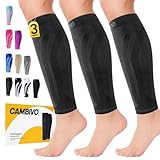
Overview: Cambivo delivers a three-pair bundle of calf compression sleeves designed for active individuals and professionals who spend extensive time on their feet. These sleeves target muscle stability, shin splint relief, and varicose vein management through graduated compression technology. The multi-pack approach ensures you always have a fresh pair ready, making them practical for daily training, work, or travel routines.
What Makes It Stand Out: The exceptional value of receiving three premium-quality sleeves in one package distinguishes this offering. Cambivo’s 3D knitting technology creates a seamless, second-skin fit that eliminates chafing while providing consistent compression. The fabric blend optimizes moisture management and odor control, allowing consecutive days of wear without performance degradation. This bundle approach serves both athletic recovery and medical support needs simultaneously.
Value for Money: At $17.99 for three pairs, each sleeve costs approximately $6, representing outstanding bulk value. This pricing structure allows users to rotate sleeves between workouts, laundry cycles, or keep spares in gym bags and vehicles. Compared to purchasing individual sleeves at $10-15 each, Cambivo’s bundle saves 40-60% while maintaining compression integrity and comfort standards equal to premium single-pair competitors.
Strengths and Weaknesses: Pros: Three-pair bundle offers excellent rotation options; seamless 3D knitting prevents irritation; effective for both athletic and medical applications; superior moisture-wicking properties; maintains compression after repeated washing. Cons: Limited color options in this bundle; compression level may feel too firm for first-time users; sizing chart requires careful measurement to avoid fit issues.
Bottom Line: Cambivo’s three-pair set is a cost-effective solution for anyone committed to regular compression therapy. The bundle format eliminates downtime between washes while delivering reliable shin splint relief and circulation support. For runners, healthcare workers, or frequent travelers, this represents one of the best value propositions in the compression sleeve market.
3. Full Leg Sleeves Long Compression Leg Sleeve Knee Sleeves Protect Leg, for Man Women Basketball, Arthritis Cycling Sport Football, Reduce Varicose Veins and Swelling of Legs

Overview: These full-leg compression sleeves provide comprehensive coverage from thigh to ankle, offering integrated support for the entire lower extremity. Designed for athletes and individuals managing arthritis, varicose veins, or post-injury recovery, the sleeves feature an adjustable wrap system for customized compression. The extended length ensures consistent circulation benefits across all major leg muscle groups and joints.
What Makes It Stand Out: The extra adjustable wrap provides targeted compression customization that standard sleeves cannot match, allowing users to focus support on problem areas like the knee or calf. Wear-resistant patella reinforcement protects high-stress areas during intense activity. The extensive size range (M to 4XL) accommodates a broader spectrum of body types than typical compression wear, ensuring proper fit for athletic and therapeutic users alike.
Value for Money: Priced at $22.99, these full-leg sleeves cost slightly more than basic calf-only options but eliminate the need for separate knee and calf sleeves. The integrated design provides better value than purchasing multiple specialized garments. For users requiring comprehensive leg support for arthritis, varicose veins, or sports protection, the durability and multi-zone compression justify the investment over cheaper, less durable alternatives.
Strengths and Weaknesses: Pros: Full-leg coverage provides comprehensive support; adjustable wrap allows customized compression; extensive size range ensures proper fit; reinforced patella area enhances durability; suitable for sleep and all-day wear. Cons: Higher price point than calf-only sleeves; full-length design may feel warm in hot climates; more challenging to put on and remove; material may bunch behind knees during deep flexion.
Bottom Line: These full-leg sleeves excel for users needing complete lower extremity support rather than isolated calf compression. The adjustable wrap system and extensive sizing make them particularly valuable for therapeutic applications. While the price and coverage may exceed casual runners’ needs, athletes managing multiple leg issues or seeking post-surgery support will find the targeted compression and durability well worth the investment.
4. Skylety Compression Leg Sleeve Full Length Leg Sleeves Sports Cycling for Men Women, Running, Basketball(L,Black)
Overview: Skylety offers a two-pair bundle of full-length compression sleeves providing coverage from ankle to upper thigh. These sleeves target multiple conditions including shin splints, muscle soreness, varicose veins, and sun protection during outdoor activities. The polyester-based fabric delivers moisture management and UV blocking while maintaining elasticity for unrestricted movement across various sports and fitness applications.
What Makes It Stand Out: The built-in silicone grip system ensures the sleeves maintain position during extended wear without slipping, a common frustration with full-length compression wear. The dual-pair packaging at a budget price point provides immediate backup options. The fabric’s dual function as compression therapy and sun protection makes these particularly valuable for outdoor athletes in sunny climates, eliminating the need for separate sunscreen application on covered areas.
Value for Money: At $9.99 for two pairs, this represents exceptional affordability at roughly $5 per sleeve. The value proposition strengthens when considering the full-leg coverage, silicone grip technology, and UV protection features typically found in $15-25 products. For budget-conscious athletes needing multiple sleeves for rotation or team sports requiring consistent uniform appearance, Skylety delivers professional features at entry-level pricing.
Strengths and Weaknesses: Pros: Two-pair bundle offers excellent value; silicone grip prevents slippage; full-length design provides comprehensive coverage; UV protection for outdoor use; breathable polyester fabric manages moisture effectively. Cons: Polyester may feel less soft than nylon blends; compression level may be insufficient for severe medical conditions; sizing runs elastic, potentially causing fit inconsistency; limited therapeutic compression compared to medical-grade options.
Bottom Line: Skylety’s dual-pack full-leg sleeves are perfect for recreational athletes and outdoor enthusiasts seeking affordable, stay-put compression. While medical users may require higher compression levels, the silicone grip system and sun protection make these ideal for sports applications. The unbeatable price-for-pair ratio allows users to stock multiple sets without financial strain, making them excellent for team purchases or frequent gym-goers.
5. Ruilaibao 2 Pack Full Leg Compression Sleeves, Long Knee Brace Support for ACL,PCL, Meniscus Tear, Arthritis, Tendinitis,Men And Women (Black, Large)

Overview: Ruilaibao’s full-leg compression sleeves focus on knee stability and injury prevention while providing graduated compression throughout the lower limb. Designed specifically for users managing ACL, PCL, meniscus tears, arthritis, and tendinitis, these sleeves integrate anti-slip silicone strips with moisture-wicking fabric to maintain position during intense activity. The construction balances therapeutic support with athletic performance enhancement.
What Makes It Stand Out: The dual anti-slip silicone strip design provides exceptional stability, preventing the sleeve from migrating during dynamic movements like cutting, jumping, or squatting. This feature is critical for post-injury users who cannot afford support displacement. The moisture-wicking premium fabric maintains breathability despite the full-length coverage, while the graded compression profile specifically targets post-surgical and chronic joint conditions rather than just general athletic recovery.
Value for Money: At $18.99 for two full-leg sleeves, the price aligns with mid-tier compression wear while offering specialized knee support features. The anti-slip technology and medical-oriented design justify the cost compared to generic sleeves lacking secure positioning systems. For users recovering from knee injuries or managing chronic conditions, the cost is significantly less than custom orthotics or multiple specialized braces, delivering integrated support in a single garment.
Strengths and Weaknesses: Pros: Dual silicone strips ensure superior stability; targeted support for knee injuries and arthritis; full-leg compression promotes comprehensive circulation; moisture-wicking fabric maintains comfort; suitable for both recovery and active use. Cons: May provide excessive compression for users only needing mild support; black color shows wear more quickly; sizing can be challenging for those between measurements; full-length design requires careful alignment to avoid bunching.
Bottom Line: Ruilaibao sleeves are specifically engineered for users prioritizing knee stability alongside full-leg compression benefits. The anti-slip technology makes them uniquely suitable for high-intensity activities and post-injury confidence. While casual users may find the specialized features unnecessary, anyone managing knee conditions or seeking reliable support during complex movements will appreciate the secure fit and therapeutic compression design.
6. BLITZU Calf Compression Sleeve for Women and Men, Shin Splint Sleeves for Varicose Veins, Nursing, Pregnancy, Running, Footless Compression Socks Support for Calf Muscle Pain Relief Black S-M
Overview: The BLITZU Calf Compression Sleeve delivers targeted compression therapy for athletes and individuals managing circulation issues. Designed for both women and men, this footless sleeve addresses shin splints, varicose veins, and pregnancy-related swelling through graduated compression technology. Its versatile design makes it suitable for running, nursing, or all-day wear without covering the foot.
What Makes It Stand Out: The patented kinesiology strips integrated into the sleeve set it apart from standard compression wear. Developed in New York, these strips provide enhanced support and stability while promoting natural pain relief. The graduated compression profile specifically targets calf muscle fatigue and improves circulation where it’s needed most. The breathable, moisture-wicking fabric ensures comfort during intense workouts or extended shifts.
Value for Money: At $9.99, this sleeve offers exceptional affordability without sacrificing functionality. Comparable products with kinesiology features typically cost $20-30, making BLITZU a budget-friendly entry point for compression therapy. While it may not match medical-grade durability, the price point allows users to purchase multiple pairs for rotation between activities.
Strengths and Weaknesses: Strengths:
- Patented kinesiology strips for targeted support
- Breathable fabric suitable for all-day wear
- Versatile for sports, medical, and pregnancy use
- Affordable entry-level pricing
Weaknesses:
- Compression level (mmHg) not specified
- Sizing can be tricky; between sizes recommendation may confuse
- Durability concerns with heavy daily use
- Limited to calf coverage only
Bottom Line: The BLITZU sleeve is an excellent choice for first-time compression wear users seeking affordable, versatile support for athletic recovery or mild circulation issues.
7. NEENCA Compression Leg Sleeve - Long Knee Sleeve, Ultra-thin Leg Sleeve with Graphene Ions Infused Fabric for Knee Pain Relief, Swelling, Arthritis, Poor Circulation, Runner, Sports

Overview: The NEENCA Compression Leg Sleeve represents premium compression technology with its innovative graphene ion-infused fabric. This ultra-thin, full-leg sleeve targets knee pain, arthritis, swelling, and poor circulation through advanced material science. Designed for 24/7 wear, it combines medical-grade compression with athletic performance features for comprehensive leg support and recovery.
What Makes It Stand Out: The proprietary graphene ion technology is the star feature, stimulated by body heat to optimize circulation and accelerate healing. Doctor-recommended and hospital-tested, this sleeve offers anti-inflammatory therapy without allergies or itchiness. The non-slip gel strips and high-elasticity fabric maintain position during intense activity, while the moisture-wicking properties ensure comfort around the clock.
Value for Money: At $29.89, this is a premium-priced compression sleeve. The investment is justified by the advanced graphene technology and medical-grade construction. While significantly more expensive than basic sleeves, it competes with prescription-level compression wear costing $50+. For those with chronic conditions or serious athletes, the price reflects legitimate innovation and therapeutic benefits.
Strengths and Weaknesses: Strengths:
- Patented graphene ion technology for enhanced healing
- Doctor-recommended for medical conditions
- Non-slip design stays in place during activity
- Suitable for 24/7 continuous wear
- Full leg coverage with targeted knee support
Weaknesses:
- Premium price point may deter casual users
- Graphene benefits lack long-term consumer studies
- May provide excessive compression for sensitive users
- Sizing requires careful measurement for proper fit
Bottom Line: For those seeking cutting-edge compression technology and medical-grade support, the NEENCA sleeve justifies its premium price through innovative materials and proven therapeutic benefits.
8. Ruilaibao 2 Pack Full Leg Compression Sleeves, Long Knee Brace Support for ACL,PCL, Meniscus Tear, Arthritis, Tendinitis,Men And Women (Black, Medium)
Overview: The Ruilaibao 2 Pack Full Leg Compression Sleeves offer comprehensive lower limb support at an accessible price point. These sleeves extend from thigh to calf, providing graded compression for ACL, PCL, meniscus tears, arthritis, and tendinitis. The two-pack configuration ensures you always have a fresh pair ready for athletic activities or daily wear without interruption.
What Makes It Stand Out: The full-leg design distinguishes it from calf-only sleeves, offering continuous compression across joints and muscles. Dual anti-slip silicone strips at the top prevent the sleeve from migrating during movement—a common frustration with longer compression wear. The moisture-wicking, skin-friendly fabric maintains comfort across diverse activities from basketball to hiking in various conditions.
Value for Money: At $18.99 for two sleeves, this represents excellent value at approximately $9.50 per unit. Full-leg compression sleeves typically retail for $15-25 each, making this bundle particularly attractive for athletes needing multiple pairs. The durability and performance match products costing significantly more, though medical-grade certification is absent from the product specifications.
Strengths and Weaknesses: Strengths:
- Two-pack provides excellent value and rotation
- Full-leg coverage for comprehensive support
- Effective anti-slip silicone strips
- Breathable, moisture-wicking fabric
- Versatile for multiple sports and activities
Weaknesses:
- Compression level (mmHg) not specified
- Brand recognition is limited in the market
- May be too warm for hot climate use
- Sizing chart accuracy concerns reported by some users
Bottom Line: The Ruilaibao sleeves deliver outstanding value for athletes seeking full-leg compression support without the premium price tag, making them ideal for regular training use.
9. Skylety Leg Sleeves Compression Long Knee Sleeve UV Preserve for Men Women Sport Basketball Football (Black, White, Blue,6 Pieces)

Overview: The Skylety Leg Sleeves set includes six compression sleeves offering UV protection and basic muscle support for active individuals. Designed for men and women, these lightweight nylon-spandex sleeves cover the entire leg with directional gradual stretch technology. The multi-pack provides exceptional convenience for daily athletes and outdoor enthusiasts who need regular rotation.
What Makes It Stand Out: The six-piece set at this price point is unmatched in value, allowing users to maintain fresh sleeves throughout the week. The integrated UV protection addresses sun exposure during outdoor sports—a feature rare in compression wear at this level. Dual silicone wave bands provide reliable positioning without constant adjustment, while the breathable fabric promotes air circulation during intense activity.
Value for Money: At $14.68 for six sleeves, the per-unit cost is under $2.50, making this the most economical option for casual compression needs. While not medical-grade, the value for recreational athletes, youth sports teams, or outdoor workers is exceptional. The durability reflects the price point, but the quantity offsets individual wear life limitations significantly.
Strengths and Weaknesses: Strengths:
- Unbeatable six-pack value and convenience
- UV protection for outdoor activities
- Lightweight, breathable fabric
- Effective non-slip silicone bands
- Gender-neutral design for sharing
Weaknesses:
- Minimal compression for therapeutic needs
- Durability concerns with frequent washing
- Not suitable for medical conditions
- Limited size adjustability
- Thin material offers minimal warmth or protection
Bottom Line: Perfect for casual athletes and outdoor enthusiasts needing basic leg protection and sun coverage, the Skylety sleeves excel in value and convenience for non-medical applications.
10. NURCOM 15-20 mmHg Compression Stockings for Women & Men, Footless Thigh High Compression Sleeves with Dot Silicone Band, Graduated Support Pressure Stockings-Ideal for Athletic, Medical, Travel Use

Overview: The NURCOM 15-20 mmHg Compression Stockings provide medical-grade graduated compression in a thigh-high, footless design. Engineered using Swiss SAG MST MKV pressure analysis technology and German medical-grade fabric, these stockings deliver precise 15-20 mmHg compression for varicose veins, edema, DVT prevention, and postoperative recovery. The targeted design serves medical professionals, travelers, and individuals with chronic venous conditions requiring verified therapeutic support.
What Makes It Stand Out: The verified medical-grade compression level and rigorous Swiss testing differentiate these from recreational compression wear. The innovative dot silicone band can be flipped if it feels too tight—a thoughtful solution to common thigh-high complaints. The footless design enhances versatility with various footwear, while the widened cuffs distribute pressure comfortably without constricting blood flow.
Value for Money: At $19.99 ($10 per unit assuming a 2-pack), these stockings offer professional-grade compression at consumer prices. Medical compression stockings typically cost $30-60 per pair, making NURCOM an excellent value for those needing legitimate therapeutic benefits. The premium German fabric and construction justify the investment for daily medical use and long-term durability.
Strengths and Weaknesses: Strengths:
- Certified 15-20 mmHg medical-grade compression
- Swiss-engineered pressure gradient technology
- Reversible silicone band prevents slippage
- Premium German medical fabric
- Suitable for serious venous conditions
Weaknesses:
- Thigh-high design may feel restrictive for some
- Footless style isn’t ideal for all users or preferences
- Requires careful sizing for therapeutic effect
- Limited style and color options available
- May be too warm for summer climate wear
Bottom Line: For those requiring verified medical-grade compression for chronic conditions, NURCOM stockings deliver professional results at an accessible price point, outperforming generic alternatives significantly.
Why Your Ankles Swell at 35,000 Feet
The Science of Cabin Pressure and Circulation
Airplane cabins are pressurized to simulate an altitude of 6,000-8,000 feet, which significantly lowers atmospheric pressure compared to sea level. This reduced pressure causes the fluids in your body to shift from blood vessels into surrounding tissues, particularly in your lower extremities where gravity already works against you. Simultaneously, the dry cabin air—often below 20% humidity—triggers mild dehydration, thickening your blood and slowing circulation. When you’re seated for extended periods, your calf muscles aren’t contracting to pump blood back toward your heart, creating venous stasis that allows fluid to pool in your ankles and feet.
Understanding Deep Vein Thrombosis (DVT) Risk
While swelling is uncomfortable, the more serious concern is the increased risk of blood clot formation. DVT occurs when blood clots develop in deep veins, typically in the legs, and can lead to life-threatening pulmonary embolisms if they travel to the lungs. Long-haul flights over four hours increase DVT risk two- to three-fold. Compression sleeves work by applying graduated pressure that narrows vein diameter, increasing blood flow velocity by up to 30-40% and reducing the likelihood of clot formation. This isn’t just about comfort—it’s about preventing a potentially fatal condition that affects approximately 1 in 4,500 long-haul travelers.
How Compression Leg Sleeves Work During Air Travel
Graduated Compression Explained
True compression sleeves utilize graduated pressure, meaning they’re tightest at the ankle and gradually loosen as they move up the calf. This gradient—typically 100% pressure at the ankle decreasing to 40-50% at the calf—creates a physiological pump that mimics the natural action of your calf muscles. The pressure gradient forces blood upward against gravity, preventing pooling and encouraging venous return to the heart. Look for sleeves specifying “graduated” compression; uniform pressure sleeves won’t provide the same circulatory benefits and may actually impede blood flow.
The Role of mmHg Ratings
Compression strength is measured in millimeters of mercury (mmHg), the same unit used for blood pressure. For travel purposes, 15-20 mmHg provides mild compression suitable for most healthy travelers on flights under eight hours. For longer journeys or those with higher risk factors, 20-30 mmHg offers moderate compression without requiring a prescription. Anything above 30 mmHg enters medical-grade territory and should only be used under physician guidance. The sweet spot for flight compression balances effectiveness with comfort—too little pressure won’t help, while excessive pressure can cause discomfort or even nerve compression.
Key Features to Look for in Flight-Ready Compression Sleeves
Compression Level: Finding Your Sweet Spot
Beyond the mmHg rating, consider the compression profile. Some sleeves offer targeted compression zones that focus pressure on specific muscle groups and venous pathways. For air travel, sleeves with enhanced compression around the Achilles tendon and peroneal area provide additional support where circulation tends to be weakest. If you’re new to compression, start with 15-20 mmHg for your first few flights to assess tolerance. Those with varicose veins, previous clotting episodes, or who’ve recently had surgery should consult a doctor about whether 20-30 mmHg is appropriate.
Material Matters: Breathability and Comfort
You’ll be wearing these for 8-16 hours straight, often in a warm, cramped environment. Look for moisture-wicking fabrics that blend nylon or polyester with spandex (elastane) in ratios that prioritize breathability—typically 70-80% synthetic fiber to 20-30% spandex. Avoid cotton blends that trap moisture and lose compression when damp. Advanced options incorporate silver ion or copper threading for antimicrobial properties, preventing odor buildup during marathon travel days. The fabric should feel smooth against your skin, not scratchy or overly synthetic.
Length Options: Calf vs. Full Leg
Calf-length sleeves ending just below the knee are the travel standard, providing targeted compression where it’s most needed while allowing freedom of movement. Full-leg sleeves extending to the thigh offer comprehensive coverage but can be challenging to position correctly and may roll down during movement. For most travelers, calf sleeves provide the optimal balance of effectiveness and practicality. Consider toeless designs if you prefer wearing your own socks over the sleeves, though integrated foot compartments can provide additional arch support and prevent the sleeve from riding up.
Sizing: The Make-or-Break Factor
How to Measure Your Legs Correctly
Improper sizing renders compression sleeves ineffective or even harmful. Measure your calf circumference at its widest point and your ankle circumference at the narrowest point above the ankle bone. Most quality brands provide detailed sizing charts requiring these two measurements. Take measurements first thing in the morning when swelling is minimal. If you fall between sizes, size up rather than down—overly tight sleeves can restrict arterial flow and cause more harm than good. Some premium options offer short, regular, and tall lengths based on calf length measurements, ensuring the graduated compression zones align properly with your anatomy.
Common Sizing Mistakes to Avoid
The most frequent error is choosing sleeves based on shoe size or height alone. Compression sizing is entirely about leg circumference, not overall body dimensions. Another mistake is measuring over clothing or at the wrong time of day. Post-workout or evening measurements will be inflated, leading to sleeves that feel too tight when you put them on fresh in the morning. Also watch for brands using European sizing without clear conversion charts—always verify measurements in centimeters and inches to avoid ordering errors.
Material Technologies and Fabric Blends
Nylon vs. Polyester Performance
Nylon offers superior softness and durability, maintaining compression through hundreds of washes without significant degradation. It molds better to leg contours and provides a more luxurious feel against the skin. Polyester excels in moisture management and quick-drying properties, making it ideal for travelers who may need to wash and dry sleeves overnight in a hotel. The highest-quality travel sleeves often use a nylon-polyester blend, combining nylon’s comfort and longevity with polyester’s moisture-wicking capabilities. Check the denier rating—lower denier numbers indicate finer, more breathable threads.
Moisture-Wicking and Antimicrobial Treatments
Advanced fabric treatments can make or break your in-flight experience. Look for sleeves with permanent moisture-wicking technology integrated into the yarn itself rather than surface treatments that wash away. Silver ion technology provides lasting antimicrobial protection, preventing the bacterial growth that causes odor after hours of wear. Some brands incorporate temperature-regulating phase-change materials that absorb excess heat when you’re warm and release it when cabin temperatures drop. These technologies add cost but dramatically improve comfort on 12+ hour flights.
Design Elements That Enhance Travel Comfort
Seamless Construction and Toeless Designs
Traditional seamed construction can create pressure points during extended wear, leading to discomfort or even skin irritation. Seamless or flat-seam designs distribute pressure evenly and eliminate chafing. Toeless options allow you to wear your preferred socks underneath, preventing toe compression and making bathroom trips easier. However, if you choose toeless sleeves, ensure the band at the opening isn’t constrictive—look for wide, soft bands that grip without digging. Integrated foot designs provide comprehensive compression but require careful toe box fitting to avoid cramped toes in tight shoes.
Stay-Up Technology and Silicone Bands
There’s nothing more annoying than sleeves that constantly slide down, requiring awkward mid-flight adjustments. Quality sleeves incorporate silicone grip bands at the upper cuff that create friction against your skin without pulling hair or leaving marks. The width and placement of these bands matter—wider bands (1-2 inches) distribute pressure better than narrow strips. Some designs use double silicone bands or micro-dot patterns that enhance grip while allowing skin to breathe. Test the grip by moving your leg through full range of motion before your flight; if they slide during pre-flight testing, they’ll be worse at altitude.
When to Put Them On: Timing Your Compression Strategy
Pre-Flight Preparation
Don’t wait until you’re buckled in to don your sleeves. Put them on 1-2 hours before departure while you’re still at home or in the hotel. This allows your circulation to adapt gradually and prevents the initial discomfort some people feel when first applying compression. Wearing them during your pre-flight routine—checking bags, navigating security, waiting at the gate—gets you accustomed to the sensation while providing protection during the often-lengthy boarding process. Keep them on for 1-2 hours after landing as well to help your system readjust to ground-level pressure.
In-Flight Best Practices
Once airborne, make a point to stand, stretch, or walk for 5 minutes every hour. Compression sleeves work best when combined with movement. Perform seated exercises: ankle circles, calf raises, and foot pumps every 30 minutes to activate your muscle pump. Stay hydrated—aim for 8 ounces of water per hour of flight time despite the inconvenience of bathroom trips. Dehydration thickens blood and counteracts compression benefits. Avoid crossing your legs, which creates pressure points and impedes venous return even with compression wear.
Price vs. Performance: What to Expect at Each Tier
Budget-Friendly Options
Entry-level compression sleeves ($15-30) typically offer basic graduated compression with standard nylon-spandex blends. These work adequately for occasional travelers on flights under six hours but often lack advanced moisture management and may lose compression after 20-30 washes. They usually have simpler sizing options and basic silicone grip bands. While functional, budget sleeves might not provide the comfort needed for all-day wear or repeated use on multi-leg journeys. Consider these a good starting point if you’re testing whether compression works for you.
Premium Features Worth the Investment
Mid-range to premium sleeves ($40-80) justify their cost through durable compression retention, advanced fabric technologies, and ergonomic design features. These maintain consistent mmHg ratings through 100+ washes and incorporate targeted compression zones, temperature regulation, and superior moisture management. Premium options often include detailed sizing with calf-length variations, seamless construction, and warranty programs. For frequent flyers or anyone taking flights over eight hours, the investment pays dividends in comfort and effectiveness. The best options in this range feel like a second skin rather than a medical device.
Care and Maintenance for Longevity
Washing and Drying Guidelines
Compression sleeves require gentle care to maintain their elasticity and compression profile. Always wash in cold water using mild detergent—never fabric softener, which coats fibers and reduces compression. Hand washing is ideal, but machine washing in a lingerie bag on delicate cycle is acceptable. Never wring or twist; gently press out excess water between towels. Air dry flat away from direct heat or sunlight. Never use a dryer, as heat breaks down spandex fibers and permanently reduces compression. With proper care, quality sleeves maintain effectiveness for 6-12 months of regular use.
When to Replace Your Sleeves
Even the best compression sleeves lose efficacy over time. Replace them when you notice they slip down more easily, feel less snug than when new, or show visible stretching at the ankle or calf. A good rule of thumb: if you can stretch the fabric much more easily than when purchased, the spandex has degraded. For frequent flyers using sleeves weekly, plan on replacement every 4-6 months. Occasional travelers can expect 12 months of reliable compression. Don’t risk ineffective compression on long flights—mark your calendar for replacement intervals.
Special Considerations for Different Travelers
For Frequent Flyers
If you’re in the air more than on the ground, build a rotation of 2-3 pairs to extend lifespan through less frequent washing. Consider keeping a dedicated pair in your carry-on so you’re never caught without them. Look for sleeves with reinforced construction in high-stress areas like the heel and toe box, as frequent use accelerates wear. Some brands offer subscription services that automatically send replacements every six months, ensuring you always have effective compression without having to track usage.
For Athletes and Active Travelers
Runners and cyclists often already own compression sleeves for recovery, but travel compression serves a different purpose. Recovery sleeves typically have higher compression levels (20-30 mmHg) that may be excessive for sedentary flight conditions. Consider dedicated travel sleeves with lighter compression (15-20 mmHg) designed for immobility rather than active recovery. If you’re traveling for competition, wear your travel sleeves during the flight, then switch to recovery sleeves post-arrival to address muscle fatigue from travel stress.
For Pregnant Passengers
Pregnancy increases DVT risk five-fold, making compression essential for expectant mothers flying after 20 weeks gestation. However, hormonal changes make leg swelling more pronounced and skin more sensitive. Look for maternity-specific sleeves with extra stretch in the calf area to accommodate changing leg dimensions and ultra-soft, seamless construction to prevent skin irritation. Consult your obstetrician about compression level—many recommend 15-20 mmHg for flights under four hours and 20-30 mmHg for longer journeys. Never use compression without medical approval during pregnancy.
Alternatives and Complementary Strategies
While compression sleeves are highly effective, they work best as part of a comprehensive circulation strategy. Consider compression socks if you prefer integrated foot coverage, though they can be harder to fit properly. Compression wraps offer adjustable pressure but require careful application to maintain graduated compression. Pair sleeves with proper hydration, in-seat exercises, and aisle walking. Some travelers benefit from pneumatic compression devices that actively massage legs, though these are bulky for carry-on only trips. Avoid diuretics like caffeine and alcohol, which worsen dehydration. Elevate your legs for 15-20 minutes after landing to help fluid redistribution.
Frequently Asked Questions
1. How tight should compression sleeves feel on a long flight?
They should feel snug but never painful. You should be able to slip two fingers under the cuff at your calf. If you experience numbness, tingling, or your toes become cold or discolored, remove them immediately—they’re too tight. The sensation should be similar to a firm handshake, not a tourniquet.
2. Can I wear compression sleeves through airport security?
Yes, compression sleeves are TSA-approved and don’t need to be removed. However, some travelers prefer to put them on after security to avoid extra scrutiny. If you wear them through, be prepared for possible additional screening if they trigger pat-down alarms. They won’t set off metal detectors.
3. Are there any medical conditions that make compression sleeves unsafe?
People with peripheral arterial disease (PAD), severe diabetic neuropathy, active skin infections, or certain heart conditions should avoid compression without medical clearance. If you have any circulatory disorders, consult your physician before use. Compression can worsen arterial insufficiency by further restricting blood flow.
4. How do I know if I need 15-20 mmHg or 20-30 mmHg compression?
For healthy travelers on flights under 8 hours, 15-20 mmHg is sufficient. Choose 20-30 mmHg if you have varicose veins, a history of DVT, are pregnant, or are flying 10+ hours. Start with lower compression if you’re new to compression wear—you can always upgrade if needed.
5. Can I sleep in compression sleeves during overnight flights?
Yes, sleeping in compression sleeves is safe and recommended for flights over 6 hours. The consistent pressure prevents fluid accumulation while you’re immobile. Ensure proper fit before dozing off, and perform ankle circles if you wake up during the flight to enhance circulation.
6. What’s the difference between compression sleeves and compression socks for flying?
Sleeves cover only calf to ankle, allowing you to wear your own socks. Socks provide integrated foot compression but require precise toe box fitting. Sleeves are easier to adjust and remove in cramped airplane bathrooms. Choose based on personal preference and foot comfort needs.
7. How long after landing should I keep compression sleeves on?
Wear them for 1-2 hours post-flight while you’re walking around and rehydrating. This helps your circulatory system readjust to ground-level pressure. Remove them if you experience discomfort, but keeping them on during baggage claim and transportation prevents rebound swelling.
8. Will compression sleeves make my legs hot and sweaty on the plane?
Quality sleeves with moisture-wicking technology and breathable fabric blends shouldn’t cause overheating. Avoid cotton blends and look for mesh ventilation zones. If you’re prone to sweating, consider lighter compression levels or brands specifically marketed for temperature regulation.
9. Can I wear compression sleeves on both legs if only one ankle tends to swell?
Always wear compression sleeves on both legs to maintain symmetrical circulation. Wearing only one can create a pressure imbalance and may actually worsen swelling in the uncompressed leg. Think of it as a system—your circulatory system works best when both legs receive the same support.
10. How do I prevent compression sleeves from rolling down during the flight?
Ensure you’re wearing the correct size—rolling almost always indicates sizing issues. Look for sleeves with wide silicone grip bands at the top cuff. Apply them to completely dry skin without lotions. If rolling persists, try a different brand with more aggressive grip technology or consider sleeves with adjustable upper straps.'