Imagine you’re stranded on a remote highway during a summer heatwave. Your car’s overheated, your phone has no signal, and the nearest town is 30 miles away. That half-empty water bottle rolling around your floorboard from last month suddenly becomes your most precious possession—but it’s not enough, and the plastic has been degrading in your hot car for weeks. This scenario plays out thousands of times annually, yet most drivers overlook the single most critical component of any vehicle emergency kit: reliable, long-lasting water.
Emergency water pouches with a 5-year shelf life represent a quantum leap in vehicular preparedness. Unlike conventional bottled water that breaks down chemically and physically within months of vehicle storage, these specialized containers are engineered to withstand extreme temperatures, resist punctures, and maintain purity for half a decade. Whether you’re a daily commuter, road trip enthusiast, or simply someone who values self-reliance, understanding how to select and store these lifesaving pouches could mean the difference between inconvenience and catastrophe.
Top 10 Emergency Water Pouches for Car Kits
Detailed Product Reviews
1. Datrex Emergency Water Packet 4.227 oz - 3 Day/72 Hour Supply (18 Packs) , White
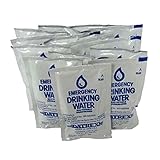
Overview: The Datrex Emergency Water Packet provides 18 individually sealed pouches containing 4.227 ounces of purified water each, designed to sustain one person for 72 hours. These packets meet rigorous safety standards with approvals from the Canadian Coast Guard, EC, and New Zealand authorities, plus a NATO Stock Number (NSN) certification. With a five-year shelf life and ultra-compact design, they’re engineered for emergency kits, vehicles, and outdoor adventures where space and weight are critical concerns.
What Makes It Stand Out: What distinguishes Datrex is its military-grade pedigree and multi-agency approvals that exceed typical consumer standards. The individual sachet design prevents catastrophic loss—if one leaks, you haven’t compromised your entire supply. The packaging uses superior materials specifically chosen for durability in extreme survival scenarios, from life rafts to earthquake kits. The pre-measured 4.227 oz portions align with emergency management guidelines for rationing.
Value for Money: At $14.70 for 18 packets, you’re paying approximately $0.82 per pouch or $0.19 per ounce. This represents solid mid-range value—cheaper than premium brands but more expensive than bulk bottled water. However, the certifications, specialized packaging, and five-year stability justify the premium over standard bottled water, which requires annual rotation and risks leakage.
Strengths and Weaknesses: Strengths include multi-national certifications, compact portability, individual packaging preventing total loss, and proven durability. Weaknesses involve small serving sizes that may prove insufficient for high-exertion scenarios, and the environmental impact of multiple plastic sachets versus larger containers.
Bottom Line: For certified, grab-and-go emergency hydration, Datrex delivers reliability. Perfect for vehicle glove boxes, workplace emergency kits, and hiking packs where verified performance outweighs cost concerns.
2. Mayday Pouch Water, Coast Guard Emergency Water, 5-Year Shelf LIfe, Disaster Preparedness Supplies for, Earthquake, Fire, Flood, Leak-Proof Pouches, 4.225 Oz/125Ml 50 Pack

Overview: Mayday’s 50-pack emergency water supply delivers 4.225-ounce pouches designed for serious disaster preparedness. These cartons contain purified, sterilized water with no additives, sealed in airtight, leak-proof packaging that withstands extreme temperatures from -40°F to 230°F. Meeting U.S. Pharmacopoeia standards and ISO 18813:2022 compliance, this bulk package serves schools, offices, vehicles, and comprehensive family emergency plans.
What Makes It Stand Out: The exceptional temperature tolerance sets Mayday apart—most competitors fail at freezing or extreme heat. ISO 18813:2022 compliance represents the latest international standard for survival craft rations, ensuring consistent quality. The reverse osmosis purification process exceeds typical filtration methods, while the 50-count bulk packaging provides serious volume for extended emergencies or multiple people.
Value for Money: At $74.96 ($0.35 per ounce), Mayday commands premium pricing. The per-packet cost exceeds smaller packs, but bulk purchasing reduces overall expense for large-scale needs. For organizations or families preparing multiple kits, the unit economics improve significantly. You’re paying for extreme environmental resilience and cutting-edge compliance, not just water.
Strengths and Weaknesses: Strengths include unmatched temperature resistance, bulk quantity, superior purification, and modern ISO compliance. Weaknesses are the high upfront cost and less convenient portability compared to smaller packs—the 50-pouch box is substantial. Individual pouches still generate plastic waste despite being more durable than bottles.
Bottom Line: Ideal for dedicated preppers, institutions, and families in extreme climates. The temperature resilience alone justifies the investment for those facing harsh conditions where standard pouches would fail.
3. SOS 78804 Emergency Drinking Water Pouch, 125ml

Overview: The SOS 78804 offers a single 125ml (4.227 oz) emergency water pouch designed for immediate deployment in survival situations. This product features the same purification standards as larger packs, with a five-year shelf life and ultra-compact design. Each pouch includes survival tips from Marvin B. Lark, providing practical emergency guidance alongside hydration. The individual sachet format minimizes loss potential and allows for strategic distribution across multiple kits.
What Makes It Stand Out: The primary advantage is accessibility—purchasing a single pouch allows users to test product quality before committing to bulk orders. The inclusion of professional survival tips directly on the packaging adds educational value beyond simple hydration. For those building custom kits or needing just a few supplemental packets, this eliminates waste from unnecessary multi-packs.
Value for Money: At $0.60 per pouch, the per-unit cost appears economical for trial purposes. However, this represents poor bulk value compared to multi-packs costing 30-50% less per ounce. The true value lies in risk-free sampling and the ability to purchase exact quantities needed for specialized applications like ultralight backpacking or small vehicle kits.
Strengths and Weaknesses: Strengths include low initial investment, survival tip inclusion, and flexibility for custom kit building. Weaknesses encompass unclear certification details in the single-pack listing, higher per-unit cost for bulk needs, and minimal practical value for family preparedness. The product description appears generic, possibly copied from bulk listings.
Bottom Line: Purchase this single pouch for testing or supplementing existing supplies. For comprehensive emergency preparation, invest in certified multi-packs from Datrex or Mayday for better value and verified specifications.
4. S.O.S Emergency Drinking Water – 62 Packets (4.22 oz Each) – 5-Year Shelf Life, Disaster Preparedness Supply, Portable Survival Water with Usage Tips – Ideal for Home, Car, Hiking, Camping
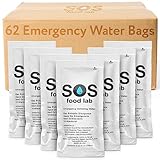
Overview: S.O.S delivers 62 emergency water packets, each containing 4.22 ounces of purified water with a five-year shelf life. This substantial supply serves multiple kits or extended emergencies, with individual sachets preventing total loss from punctures. The product carries Coast Guard, EC, and New Zealand approvals plus an NSN number, indicating military-grade quality. Each packet includes survival tips by Marvin B. Lark, offering practical emergency guidance.
What Makes It Stand Out: The 62-count configuration provides one of the highest quantities in consumer packaging, reducing per-unit cost significantly. The inclusion of expert survival tips on each sachet transforms basic hydration into a learning tool. Multi-national certifications and NSN assignment demonstrate rigorous testing beyond typical commercial products, ensuring reliability when municipal systems fail.
Value for Money: At $36.96 for 62 packets ($0.60 per pouch, $0.14 per ounce), this offers exceptional bulk value—among the lowest cost-per-ounce in certified emergency water. The large quantity suits families, multiple vehicles, or community preparedness without requiring pallet-level purchases. Compared to 18-packs, you save approximately 25% per ounce.
Strengths and Weaknesses: Strengths include bulk value, comprehensive certifications, survival tip inclusion, and proven durability. Weaknesses involve the “bronze approval” typo (likely NZ), substantial upfront cost for single-kit users, and environmental concerns from numerous small pouches. Storage requires more space than compact 12-packs.
Bottom Line: Outstanding choice for families and serious preppers seeking certified water at bulk pricing. The 62-pack balances value with verified performance for comprehensive emergency planning.
5. Datrex Emergency Water Packet - 3 Day/72 Hour Supply(12packets)
Overview: This Datrex 12-pack provides a genuine 72-hour water supply for one person, with each 125ml (4.227 oz) pouch delivering purified emergency hydration. The product maintains the same rigorous certifications as larger Datrex packages, including Coast Guard, EC, and New Zealand approvals plus NSN listing. With a clear expiration date of December 2027 and five-year shelf life, these pouches offer predictable rotation planning for vehicle kits, office emergency supplies, and personal go-bags.
What Makes It Stand Out: The explicit 12-packet, 72-hour configuration eliminates calculation guesswork for individual preparedness—simply grab one pack per person. Datrex’s reputation for life raft-grade packaging ensures durability in extreme conditions. The provided expiration date demonstrates batch transparency, allowing informed purchasing decisions rather than receiving mystery-dated inventory.
Value for Money: Priced at $12.49 ($1.04 per packet, $0.25 per ounce), this 12-pack costs more per unit than the 18-pack but requires lower total investment. For single-person kits or those testing Datrex quality, the reduced upfront cost proves attractive. The premium over bulk options purchases convenience and precise rationing.
Strengths and Weaknesses: Strengths include trusted brand certifications, clear expiration dating, perfect single-person quantity, and proven survival-grade packaging. Weaknesses encompass higher per-packet cost than larger packs and limited total volume for family needs. The smaller box offers less protection during shipping than denser 50-packs.
Bottom Line: Perfectly sized for individual emergency kits, vehicles, and introductory preparedness. While not the cheapest Datrex option, the convenience and transparency justify the modest premium for single-user applications.
6. Ready America The Survival Box, 1-Person, 3-Day Emergency Kit Includes 5 Year Emergency Food, Water, Emergency Blanket Portable Disaster Preparedness Go-Bag for Earthquake, Fire, Flood, Hurricane

Overview: The Ready America Survival Box delivers fundamental emergency supplies for one person over three days, packaged in a compact, transportable box. This entry-level kit targets budget-conscious consumers seeking basic preparedness for earthquakes, fires, floods, and hurricanes without complex gear or premium pricing. It simplifies the daunting task of emergency planning into a single purchase.
What Makes It Stand Out: Its streamlined approach focuses exclusively on core survival elements: hydration, sustenance, and warmth. The five-year shelf life on the Mayday food bar exceeds many competitors, while the pocket-sized emergency blanket offers surprising portability. The expandable box design balances storage efficiency with accessibility, making it ideal for apartment dwellers or vehicle storage where space is limited. The grab-and-go convenience cannot be overstated.
Value for Money: At $23.38, this kit represents exceptional affordability—purchasing these components separately would cost significantly more. While not comprehensive, it eliminates the research burden for beginners. However, the minimal water provision and basic food ration mean you’ll need supplemental supplies for robust preparedness in extreme conditions.
Strengths and Weaknesses: Strengths: Extremely affordable; compact, portable design; five-year food shelf life; includes essential trio (water, food, warmth); no assembly required. Weaknesses: Insufficient water for three days in hot climates; basic food bar lacks variety; minimal medical or tools; thin blanket provides limited warmth.
Bottom Line: Perfect as a starter kit or backup for office and vehicle use, but serious preppers should view it as a foundation to build upon rather than a complete solution.
7. Emergency Water Pouches 2 Day Supply (12 Count, 4.2 Fl Oz Each) - Triple Purified, UV Sterilized Filtered Drinking Water for Disaster Preparedness & Survival Kits - 5 Year Shelf Life, US Navy Approved

Overview: These Emergency Water Pouches provide a two-day supply of meticulously purified drinking water for crisis situations. Each 4.2-fluid-ounce pouch contains water that has undergone reverse osmosis filtration, UV sterilization, and ozonation, meeting the stringent standards of the U.S. Coast Guard and Navy. Designed for extreme reliability, these pouches serve as a cornerstone for disaster preparedness kits.
What Makes It Stand Out: The triple-purification process and dual military approvals set a gold standard for emergency water safety. Remarkable durability testing—including 118-foot drop tests and 862-pound burst strength—ensures these pouches survive catastrophic conditions. Their operational temperature range from -22°F to +149°F outperforms nearly all competitors, making them suitable for vehicles, outdoor storage, and harsh climates.
Value for Money: At $1.42 per pouch, you’re paying for certified, battle-tested reliability rather than mere hydration. While pricier than basic bottled water, the military approvals and extreme durability justify the premium for those prioritizing absolute dependability. The cost aligns with other professional-grade emergency supplies.
Strengths and Weaknesses: Strengths: Triple purification; USCG and Navy approved; extreme durability; wide temperature tolerance; compact single-serve design; five-year shelf life. Weaknesses: Small individual serving size; only two-day supply per package; higher cost per ounce than bulk options.
Bottom Line: An excellent choice for premium emergency kits where failure is not an option. Ideal for vehicles, boats, and extreme environments, though bulk buyers may want larger containers for extended supplies.
8. 72 HRS Emergency Water Pouches - Survival Water Packets, Emergency Rations, Long Shelf Life, Survival kit (Pack of 12)

Overview: The 72 HRS Emergency Water Pouches emphasize extreme long-term storage, claiming a remarkable 25-year shelf life for their survival water packets. This pack of twelve pouches targets preparedness enthusiasts who prioritize set-it-and-forget-it reliability for decades. Designed for both outdoor adventures and home emergency reserves, these packets promise enduring freshness without rotation headaches. The manufacturer focuses on convenience and longevity.
What Makes It Stand Out: The standout feature is the asserted quarter-century shelf life, far exceeding the typical five-year standard. This longevity claim positions the product as a one-time purchase for lifelong preparedness. The packaging focuses on easy storage and transport, appealing to those building comprehensive survival caches or family emergency plans that won’t require regular maintenance or monitoring.
Value for Money: At $24.99 for twelve pouches, the price is mid-range, but the value hinges entirely on the 25-year claim’s validity. If accurate, this eliminates replacement costs and labor, offering exceptional long-term value. However, the lack of regulatory approvals mentioned raises questions about this extraordinary assertion.
Strengths and Weaknesses: Strengths: Exceptional claimed shelf life; compact storage; suitable for long-term planning; convenient portion sizes. Weaknesses: Unverified shelf life claim; no mentioned regulatory approvals; higher price per ounce; vague purification details.
Bottom Line: Potentially revolutionary for ultra-long-term preparedness, but buyers should verify shelf life claims independently. Best suited for supplemental storage rather than primary emergency water until claims are confirmed.
9. Datrex Emergency Survival Water Pouch (Pack of 64), 125ml
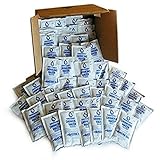
Overview: Datrex Emergency Survival Water Pouches offer a bulk solution with 64 individual 125ml sachets, providing approximately eight liters of emergency hydration. This comprehensive pack serves groups, families, or individuals building extensive emergency reserves. The brand’s established reputation and multiple international approvals lend credibility to this high-volume option for serious preparedness planning.
What Makes It Stand Out: The massive quantity in a single package distinguishes it from smaller packs, while individual sachets minimize waste and contamination risk. Datrex holds approvals from the Canadian Coast Guard, European Community, and New Zealand authorities, demonstrating rigorous safety standards. The pre-measured portions simplify rationing during extended emergencies, and compact sachets store efficiently in tight spaces.
Value for Money: At $35.88 for 64 sachets, the per-unit cost of $0.56 is highly economical for certified emergency water. This bulk pricing makes it practical for outfitting multiple kits, vehicles, or family members. While the initial investment is higher, the cost-per-liter beats most competitors, offering excellent value for comprehensive preparedness.
Strengths and Weaknesses: Strengths: Bulk quantity; multiple international approvals; minimal waste; cost-effective per unit; established brand reputation. Weaknesses: Small 125ml serving size; sachets less durable than rigid pouches; five-year shelf life shorter than some claims; requires more storage space cumulatively.
Bottom Line: Ideal for families or organizations preparing multiple emergency kits. The bulk format and certifications make it a smart choice for cost-conscious bulk buyers who prioritize regulatory approval over ultra-longevity claims.
10. Whirl-Pak Survival Water Bags - Outdoors and Camping 1 Liter Stand Up Emergency Water Bag (Pack of 3)

Overview: Whirl-Pak Survival Water Bags provide a reusable, large-capacity solution for emergency water storage and transport. This pack of three 1-liter bags serves outdoor enthusiasts and emergency planners who need portable, fill-on-demand containers. Unlike pre-filled pouches, these sterile bags offer flexibility for various water sources and situations where carrying pre-packaged water isn’t practical or economical for large quantities.
What Makes It Stand Out: The stand-up design and generous 1-liter capacity distinguish these from typical emergency water packaging. Factory-sealed sterility guarantees contamination-free storage when filled properly, while leakproof closure tabs provide security during transport. Their versatility extends beyond emergencies to camping, hiking, and international travel where water safety is uncertain and needs vary.
Value for Money: At $5.99 for three bags, this represents exceptional value for a reusable, sterile water storage system. While requiring manual filling and treatment, the cost is negligible compared to pre-filled alternatives. For those with access to purification methods, these bags deliver professional-grade storage at a fraction of the price of disposable options.
Strengths and Weaknesses: Strengths: Large 1-liter capacity; reusable and sterile; stand-up design; leakproof closure; extremely affordable; versatile for multiple uses. Weaknesses: Not pre-filled; requires purification knowledge; thinner material than rigid containers; not for long-term storage without treatment.
Bottom Line: Excellent supplement to pre-filled emergency water supplies. Best for active outdoors people and those with water purification capabilities, but shouldn’t replace ready-to-use emergency water in primary disaster kits.
Why Your Car Kit Needs Emergency Water
The Overlooked Lifeline in Your Vehicle
Most drivers meticulously maintain their vehicles—oil changes, tire rotations, brake inspections—yet neglect the human element: hydration. Your body can survive weeks without food but only days without water. In emergencies, from mechanical breakdowns to natural disasters, access to clean drinking water becomes immediately critical. Vehicle emergency kits typically prioritize flares, jumper cables, and first aid supplies, but without water, these tools only solve mechanical problems while ignoring human physiology.
Real-World Scenarios Where Water Becomes Critical
Consider the 2019 Virginia interstate shutdown where hundreds were stranded for over 24 hours during a winter storm, or the California wildfires that forced drivers to abandon vehicles and evacuate on foot. In these situations, potable water transforms from convenience to survival essential. Heat exhaustion, dehydration-induced confusion, and physical weakness compound emergency situations, making simple tasks like changing a tire or walking for help exponentially more dangerous. Emergency water pouches provide the hydration foundation that supports every other action you’ll take during a crisis.
Understanding 5-Year Shelf Life Technology
What “5-Year Shelf Life” Really Means
The 5-year designation isn’t marketing hyperbole—it’s a scientifically validated claim backed by rigorous testing. This timeframe represents the manufacturer’s guarantee that the water will remain microbiologically safe, chemically stable, and palatable when stored under recommended conditions. Unlike the “best by” dates on commercial bottled water (which primarily address taste rather than safety), emergency water pouches undergo accelerated aging tests, extreme temperature cycling, and contamination resistance protocols to earn this designation.
The Science Behind Long-Term Water Preservation
Manufacturers achieve extended shelf life through multiple synergistic technologies. Multi-layer laminated pouches create an oxygen and light barrier that prevents algae growth and chemical degradation. The water itself is typically purified through reverse osmosis, UV sterilization, and ozonation, achieving near-zero microbial counts before hermetic sealing. Some pouches incorporate nitrogen flushing to displace oxygen, eliminating the aerobic environment bacteria need to proliferate. This isn’t just filtered tap water—it’s pharmaceutical-grade H₂O in packaging that rivals military MRE standards.
Why Pouches Outperform Bottles for Storage
Traditional plastic bottles are PET (polyethylene terephthalate), which begins degrading above 120°F—a temperature easily reached in enclosed vehicles. This degradation releases antimony and aldehydes into the water while weakening the bottle structure. Pouches use metallized films and food-grade polyethylene layers that remain stable from -40°F to 160°F. Their flexible nature also prevents catastrophic failure; a puncture in one pouch doesn’t compromise your entire water supply, unlike a cracked bottle that leaks out all your reserves.
Key Features to Evaluate in Emergency Water Pouches
Material Integrity and Durability
The gold standard is a 7-layer construction: outer polyester for strength, aluminum foil core for light/oxygen barrier, and inner food-grade polyethylene. Look for puncture resistance ratings—quality pouches should withstand 50+ pounds of pressure without rupturing. Seam welding technology matters; radio-frequency (RF) welded seals create molecular bonds stronger than the material itself, preventing delamination during temperature fluctuations.
Size and Portability Considerations
Standard pouches range from 4-ounce single servings to 1-liter multi-use containers. For car kits, 4-ounce pouches offer superior portability and portion control, allowing precise rationing during extended emergencies. However, they generate more waste. Larger pouches provide better volume-to-packaging ratios but require consumption within 24 hours once opened. Consider a hybrid approach: small pouches for immediate hydration and larger containers for camp-style situations.
Temperature Resistance for Vehicle Storage
This is non-negotiable for automotive use. Verify the operational temperature range—premium pouches function from -40°F to 160°F. The packaging should explicitly state “vehicle safe” or “automotive grade.” Some manufacturers add UV inhibitors to prevent solar degradation, crucial for dashboards or rear window storage. Ask about thermal cycling tests; quality pouches survive 100+ freeze-thaw cycles without seal failure.
Leak-Proof Seal Technology
Examine the cap and seal design if the pouch is resealable. For single-use pouches, inspect the tear notch—should be easy to open without tools but robust enough to prevent accidental puncture. The best designs use tamper-evident caps that also serve as dust covers. Some advanced pouches feature hermetic seals that can be resealed with specialized clips, though this adds complexity. For vehicle storage, simplicity equals reliability.
BPA-Free and Food-Grade Certification
“Food-grade” is a minimum requirement; look for FDA 21 CFR 177.1520 compliance specifically for long-term storage. BPA-free is standard, but also verify the absence of phthalates, PFAS, and other endocrine disruptors. NSF International certification provides third-party validation of material safety. For military-grade assurance, seek pouches meeting MIL-STD-810G standards, which test for chemical resistance, fungal growth, and material toxicity.
Storage Best Practices for Vehicle Kits
Optimal Placement in Your Car
Never store water pouches in direct sunlight or on metal surfaces that amplify heat. The trunk is preferable to the passenger compartment, especially if it’s carpeted and insulated. Under-seat storage works if the area stays below 140°F during summer. For SUVs, consider the spare tire compartment—it’s typically insulated and dark. Avoid door pockets where pouches experience constant vibration and impact. Create a dedicated “emergency” sub-compartment using a MOLLE pouch or small dry bag to protect from abrasion.
Seasonal Considerations and Temperature Fluctuations
In climates with extreme seasons, implement a biannual inspection schedule. Summer heat accelerates material aging; winter freezing tests seal integrity. In desert regions, consider rotating every 2-3 years despite the 5-year rating. Mountain drivers should verify altitude pressure ratings—some pouches expand at high elevations and may rupture when returning to sea level. Use thermal blankets or reflective insulation wraps for additional protection in harsh environments.
Rotation Schedules and Monitoring
While pouches last five years, implement a “check and log” system. Create a waterproof inventory card listing purchase date, expiration date, and inspection notes. Check annually for swelling, seal discoloration, or material stiffness—early warning signs of degradation. Set calendar reminders at 4 years to consume and replace, giving you a buffer before actual expiration. Some preppers use a “first in, first out” rotation system, integrating pouches into camping supplies as they approach the 4-year mark.
Quantity Guidelines: How Much Water Do You Need?
The Golden Rule: One Gallon Per Person Per Day
FEMA’s baseline recommendation assumes moderate climate and minimal activity. For vehicle kits, this translates to 128 ounces per person daily. However, car emergencies rarely last more than 72 hours, so a 3-day supply (384 ounces per person) provides reasonable coverage. A family of four needs 1,536 ounces—nearly 400 4-ounce pouches or about 12 gallons. This seems excessive until you factor in water needed for hygiene, cooling, and potential vehicle repairs.
Adjusting for Climate and Activity Level
Desert drivers should double the baseline—extreme heat increases water loss through respiration and sweat by 50-100%. Cold climate travelers need extra for melting snow and maintaining core temperature. If your typical routes involve physical exertion (hiking, mountain biking), add 25% more. Pregnant women, children, and elderly require 20-30% additional volume. The key is customizing for your specific risk profile rather than blindly following generic recommendations.
Balancing Storage Space with Safety Needs
Space constraints force prioritization. A compact car might only accommodate 2-3 days of water for two people. In this case, supplement with water purification tablets and a compact filter, allowing you to treat found water sources. Use space-efficient storage configurations: pouches conform to irregular spaces better than rigid bottles. Vacuum-sealed pouches can be compressed further, though this risks damaging seals. Consider a tiered system: immediate-access pouches in the glove box, main supply in the trunk, and backup in a roof cargo box if equipped.
Beyond Drinking: Multi-Purpose Applications
First Aid and Medical Uses
Sterile water pouches can irrigate wounds when medical supplies are limited. The purified water meets USP standards for wound cleaning, reducing infection risk. In heat exhaustion scenarios, water soaked into cloth creates effective cooling compresses. For eye contamination (chemical spills, dust storms), the gentle flow from a pouch provides safer flushing than harsh streams. Some advanced first aid kits now include water pouches specifically for these applications.
Cooling and Hygiene Applications
A damp cloth on the back of your neck can lower core body temperature by 2-3°F during heat stress. Water pouches enable sponge baths, reducing risk of heat rash and infections in extended emergencies. Clean water is essential for sanitizing hands before eating or treating wounds. In winter, water can be warmed (not boiled in the pouch) and used as a heat source in sleeping bags or emergency blankets. The multi-functionality justifies the storage space investment.
Vehicle Maintenance Emergencies
Purified water can top off a radiator in a pinch—better than contaminated stream water that could corrode your cooling system. It cleans battery terminals when mixed with baking soda from your emergency kit. Water helps remove debris from windshield cracks before applying temporary repair resin. While not ideal for all mechanical uses, having contaminant-free water provides options when you’re far from help.
Common Mistakes to Avoid
Storing Regular Bottled Water in Your Car
This is the most frequent error. PET bottles leach antimony at rates 100x higher when exposed to vehicle temperatures, creating potential toxicity. The thin plastic cracks under thermal cycling, leading to silent leaks that empty your supply unnoticed. Bottled water isn’t sterile—algae and bacteria grow in the nutrient-rich environment, especially when sunlight penetrates clear plastic. By month six in a hot car, that “pure” bottled water can harbor more contaminants than tap water.
Ignoring Expiration Dates
Even 5-year pouches have limitations. The expiration date assumes ideal storage conditions; your hot car isn’t ideal. Pouches stored in extreme conditions may degrade faster. The date printed is a “best by” for optimal taste and safety margin—consume within this window. After expiration, the water may still be safe, but the risk of seal failure and chemical leaching increases exponentially. Don’t gamble with your survival; replace on schedule.
Choosing the Wrong Container Type
Flexible pouches excel for storage but require different handling than bottles. Don’t stack heavy objects on them—point pressure causes punctures. Avoid sharp folds that create stress points. Never store near chemical solvents, gasoline, or cleaning supplies; the packaging is permeable to vapors over time. Don’t assume all pouches are equal; some are designed for life rafts (short-term, saltwater exposure) while others are optimized for land-based vehicle storage.
Integration with Your Overall Car Emergency Kit
Complementary Items to Include
Water works synergistically with other supplies. Electrolyte tablets or powder packets convert water into hydration solutions, crucial for heat exhaustion recovery. Water-resistant storage bags protect pouches from external moisture and contamination. A metal cup or small pot allows you to boil water from alternative sources if pouches run dry. Include a permanent marker to write opening dates on pouches once accessed. A compact water filter provides backup purification capability.
Organizational Strategies
Use color-coded systems: blue pouches for drinking water, clear for multi-use. Store in dedicated MOLLE pouches attached to your emergency bag for quick removal. Create a “go bag” subset with 24 hours of water and essentials you can grab if abandoning the vehicle. Use vacuum-sealed bags to group pouches by purpose (drinking, medical, vehicle use). Implement a modular system where water can be easily transferred between vehicle, backpack, and home storage.
Quick-Access vs. Long-Term Storage
Designate immediate-access pouches in the glove box or center console—enough for 4-6 hours. These should be the easiest to open and most recently inspected. Main storage in the trunk holds the 72-hour supply, protected and insulated. Deep storage for extended scenarios might go in a roof box or under seats, checked annually. This tiered approach ensures you have water when you need it without compromising the integrity of your primary supply through constant handling.
Regulatory Standards and Certifications
FDA Compliance and Safety
True FDA compliance means more than just food-grade materials. Look for 21 CFR Part 129 compliance (bottled water processing) and Part 165 (beverages). The manufacturer should follow Current Good Manufacturing Practices (cGMP). FDA doesn’t “approve” products but regulates processes—reputable manufacturers undergo voluntary FDA facility inspections. Be wary of vague “FDA approved” claims without specific regulation citations.
Military Specifications (MIL-STD)
MIL-STD-810G is the benchmark for military equipment, testing for thermal shock, vibration, and impact. Water pouches meeting these standards survive the harshest vehicle environments. Look for specific test method citations: 810G Method 501.5 (high temperature), 502.5 (low temperature), and 514.6 (vibration). Some manufacturers exceed this with MIL-PRF-44073G, the specific spec for survival water rations. These pouches cost more but offer proven reliability.
Coast Guard Approval Ratings
If it’s good enough for life rafts, it’s good enough for your car. Coast Guard approval (160.026 series) requires pouches to survive salt spray, extreme temperatures, and prolonged submersion. Approved products must maintain integrity after 30 days floating in ocean water. While you won’t be at sea, this certification guarantees robustness against moisture, corrosion, and physical abuse that car environments create.
Cost Considerations and Value Analysis
Price Per Ounce vs. Price Per Pouch
The cheapest pouch isn’t the best value. Calculate cost per ounce: a $1.50 4-ounce pouch costs $0.375/ounce, while a $3 8-ounce pouch is $0.375/ounce—same value but different applications. However, premium 4-ounce pouches at $2 each ($0.50/ounce) might justify the cost through superior temperature ratings and military certification. Factor in replacement frequency; a 5-year pouch costing twice as much as a 3-year pouch offers better long-term value.
Bulk Purchasing Strategies
Buying cases of 100+ pouches reduces per-unit cost by 30-50%. Coordinate with family members or prepper groups for group buys. Some manufacturers offer “vehicle bundle” packs with 50 pouches and a storage bag at discount. Consider splitting costs across multiple vehicles in your household. Watch for sales during National Preparedness Month (September) and post-holiday clearance events. Buying directly from manufacturers often eliminates retail markup.
When Premium Features Justify Higher Costs
MIL-STD certification adds $0.20-0.40 per pouch but is worth it for extreme climates. Pouches with built-in filters cost more but provide backup purification. Resealable caps add $0.15 per pouch—valuable if you plan to ration partially used containers. For typical urban/suburban driving, mid-tier pouches suffice. For remote travel, off-roading, or extreme weather regions, premium features aren’t luxuries; they’re necessities.
Environmental Factors and Disposal
Eco-Friendly Packaging Options
Traditional multi-layer pouches are challenging to recycle due to aluminum and plastic lamination. However, newer mono-material pouches (100% polyethylene) offer easier recycling at specialized facilities. Some brands use post-consumer recycled content for outer layers. Biodegradable films are emerging but currently compromise shelf life. Look for manufacturers with take-back programs—they’ll recycle used pouches responsibly. The environmental cost of spoiled water from failed containers far exceeds the packaging footprint.
Proper Disposal After Expiration
Don’t simply toss expired pouches in the trash. The water inside, while potentially stale, is still purer than most tap water—use it for plants or non-potable cleaning. Cut pouches open to prevent landfill gas buildup. Rinse and separate layers if recycling facilities accept them. Some prepper communities organize pouch disposal days where concentrated amounts can be processed properly. Never burn pouches; they release toxic compounds.
Recycling Considerations
Check with TerraCycle and similar specialized recyclers for pouch programs. Some outdoor gear retailers offer collection bins for hard-to-recycle packaging. The aluminum layer, while thin, is valuable—recycling 1,000 pouches recovers enough aluminum for a beverage can. If recycling isn’t available, consider upcycling: clean pouches make excellent waterproof storage for matches, documents, and electronics. The prepper mantra “pack it in, pack it out” applies to emergency supplies too.
Testing and Quality Assurance
What Manufacturers Test For
Reputable manufacturers conduct microbiological testing (E. coli, coliform, heterotrophic plate count) every production batch. They perform seal integrity tests using dye penetration and pressure decay methods. Accelerated aging tests simulate 5 years of storage in just 3-6 months through elevated temperature and humidity. Drop tests from 10+ feet ensure impact resistance. Vibration tables simulate 50,000 miles of vehicle travel. Ask for Certificates of Analysis (COA) before purchasing bulk orders.
Red Flags in Product Descriptions
Beware of vague claims like “long shelf life” without specific year ratings. “BPA-free” is meaningless if other harmful chemicals aren’t addressed. Avoid products without batch numbers or manufacture dates—traceability is crucial. “Military-style” isn’t “Military-spec”; the hyphen makes a massive difference. Products claiming “unlimited shelf life” defy physics and should be avoided. Lack of contact information or physical address suggests a fly-by-night operation.
Third-Party Testing Importance
Independent verification from NSF, UL, or similar organizations provides unbiased validation. Look for ISO 9001 manufacturing certification, ensuring consistent quality processes. Some companies publish full test reports online—transparency indicates confidence. ConsumerLab and similar consumer advocacy groups occasionally test emergency water; check their databases. Third-party testing costs manufacturers significantly, so its presence separates serious suppliers from resellers of generic products.
Legal and Insurance Implications
Documenting Your Emergency Preparations
Photograph your water storage setup with timestamps—this creates evidence for insurance claims after vehicle damage or theft. Keep receipts and product specifications in a home file, not just in the car. Some insurance companies offer premium discounts for documented emergency preparedness. In liability situations (providing aid to others), having proper supplies demonstrates due diligence. Create a simple inventory spreadsheet tracking purchase dates, quantities, and expiration schedules.
Potential Liability Considerations
Good Samaritan laws protect those rendering aid, but providing contaminated water could create liability. Using certified emergency water pouches demonstrates you took reasonable precautions. If you regularly transport passengers (carpool, ride-share, family), you’re responsible for their safety too. Commercial vehicle operators may have OSHA requirements for emergency supplies. Documenting your regular inspections shows ongoing responsibility, not just one-time preparation.
Insurance Policy Benefits
Some comprehensive auto policies cover emergency supply replacement after vehicle damage. Homeowner’s insurance might cover supplies if you can prove they were stolen from a locked vehicle. Certain policies include roadside assistance credits for well-equipped vehicles. After natural disasters, FEMA assistance sometimes requires proof of prior preparedness. Check with your insurance agent about specific benefits—some companies are surprisingly supportive of proactive safety measures.
Advanced Tips for Serious Preppers
Creating Redundant Water Systems
Never rely on a single water source. Layer your strategy: 5-year pouches as primary, water purification tablets as backup, and a portable filter as tertiary. Include a metal container for boiling water from natural sources. Store some pouches in your car, others in your daily carry bag, and additional supplies in a separate cache. This redundancy ensures one failure doesn’t compromise your entire water security. Consider a 4x2x1 ratio: 4 parts stored water, 2 parts purification capability, 1 part collection container.
Supplemental Purification Methods
Even with pouches, include iodine tablets (5-year shelf life) and a compact UV purifier like a SteriPEN. A simple coffee filter pre-filters debris before chemical treatment. Activated charcoal removes chemical tastes if you must source from questionable supplies. Calcium hypochlorite granules (pool shock) create bleach solutions for large-scale purification—store separately in waterproof containers. These methods extend your 5-year supply indefinitely if you can find any water source.
Customizing for Regional Risks
Desert Southwest drivers need 2x water volume plus sun protection for storage. Pacific Northwest travelers should prioritize water-resistant packaging for wet environments. Hurricane zone residents need supplies that float and survive submersion. Mountain drivers require altitude-rated containers and melting snow capabilities. Urban commuters might focus on compact, discreet storage. Research your specific region’s disaster profile and adjust your water strategy accordingly—there’s no universal solution.
The Bottom Line on Vehicle Water Preparedness
Final Recommendations
Your emergency water strategy should be as personalized as your vehicle choice. Start with a 72-hour supply per person in certified 5-year pouches. Store them properly, inspect annually, and replace at 4 years. Supplement with purification methods and customize for your climate and travel patterns. The cost is minimal—typically under $50 for a comprehensive setup—while the value is immeasurable. Water isn’t just another item in your emergency kit; it’s the foundation upon which all other survival actions depend.
Making Your Decision
Evaluate your driving habits, passenger load, and regional risks. Research manufacturers thoroughly, prioritizing those with transparent testing and certifications. Buy in bulk to reduce costs but store intelligently to maximize space. Remember that the best emergency water pouch is the one you have when you need it, but the second-best is the one you can rely on after years of neglect. Your future self, stranded on that remote highway, will thank you for the foresight and investment in proper emergency water storage.
Frequently Asked Questions
Can I really store water pouches in my car during summer without them exploding?
Yes, quality 5-year shelf life pouches are specifically engineered to withstand temperatures up to 160°F. They undergo thermal expansion testing and use flexible materials that accommodate pressure changes. However, you should still avoid direct sunlight and store them in insulated areas like the trunk rather than the glove box.
What happens if my emergency water pouch freezes solid in winter?
Properly designed pouches handle freezing without rupturing. The flexible material expands with the ice, and RF-welded seals maintain integrity through freeze-thaw cycles. Once thawed, the water remains safe to drink. In fact, freezing can be a good indicator of seal quality—if it doesn’t leak when frozen, it’s well-made.
How can I tell if a water pouch has gone bad before the expiration date?
Inspect annually for swelling, which indicates gas production from microbial growth. Check for seal discoloration, material stiffness, or sticky residue on the exterior—signs of plasticizer migration. If the pouch smells chemical or the water tastes metallic upon opening, discard it. Any visible mold or cloudiness means immediate disposal.
Are these pouches really better than just rotating bottled water every few months?
Absolutely. The time and mental load of remembering to rotate monthly is unsustainable. Most people forget, and even with rotation, PET bottles degrade quickly. Emergency pouches offer true “store and ignore” convenience with scientifically proven safety margins. The cost difference is negligible compared to the peace of mind and actual reliability.
Can I use expired emergency water pouches for anything, or should I just throw them away?
Expired water is typically still safe for non-potable uses. Use it for vehicle coolant, cleaning wounds (if no better option), or watering plants. The packaging can be upcycled into waterproof storage for matches or documents. However, for drinking, always adhere to the expiration date—don’t risk your health to save a few dollars.
How many water pouches does a family of four actually need for a 72-hour emergency?
Following the one-gallon-per-person-per-day rule, you need 12 gallons (1,536 ounces) total. Using 4-ounce pouches, that’s 384 pouches. In reality, you can reduce this by 25% if you include electrolyte supplements and assume moderate conditions. A practical target is 300 pouches, supplemented with a portable filter for extended scenarios.
Do I need to worry about chemicals leaching from the plastic into the water over five years?
With certified emergency water pouches, no. They use food-grade, multi-layer materials specifically tested for long-term contact. The inner layer is pure polyethylene, which is chemically inert. The 5-year certification includes leaching tests for BPA, phthalates, and other contaminants. This is why certification matters—uncertified pouches may not have undergone this testing.
What’s the difference between emergency water pouches and regular bottled water besides packaging?
Emergency water undergoes multi-stage purification (reverse osmosis, UV, ozonation) to achieve near-sterility, while bottled water often contains natural minerals and some microbial content. The packaging is hermetically sealed with oxygen barriers, unlike bottled water’s breathable caps. Emergency water is tested for long-term stability; bottled water is designed for immediate consumption.
Can I refill and reuse emergency water pouches after opening them?
No—this defeats the purpose. The hermetic seal is broken, and the interior can’t be properly sterilized at home. Refilling introduces contamination, and the flexible material is designed for single use. Attempting to reseal creates weak points that will leak. Treat them as disposable and rely on separate, reusable containers for daily hydration needs.
Are there any legal restrictions on storing emergency water in my vehicle?
Generally, no—storing emergency supplies is encouraged. However, commercial vehicles may fall under DOT regulations requiring specific packaging. Some jurisdictions restrict fluid quantities in passenger compartments due to spill concerns (use trunk storage). If crossing international borders, declare emergency supplies to avoid customs issues. Always check local regulations for commercial or for-hire vehicles, which may have stricter rules.'