Your prized camera gear represents thousands of dollars of investment and countless hours of mastering your craft. Yet many traveling photographers discover the hard way that a standard camera bag offers woefully inadequate protection when you’re navigating airport baggage handlers, bouncing through safari vehicles, or hauling equipment through monsoon conditions. The difference between a successful shoot and a catastrophic gear failure often boils down to one critical decision: choosing the right heavy-duty equipment case.
Professional travel photographers understand that their cases aren’t just storage—they’re insurance policies that enable their livelihood. Whether you’re documenting wildlife in remote corners of the world, shooting destination weddings, or capturing adventure sports in extreme environments, your equipment case must perform as reliably as your camera. This comprehensive guide explores everything you need to know about selecting heavy-duty protection that matches your specific travel photography needs.
Top 10 Heavy-Duty Equipment Cases for Traveling Photographers
Detailed Product Reviews
1. VEVOR Weatherproof Hard Case, Heavy Duty Protective Dry Box with Pre-Cut Foam, Wheels & Retractable Pull Handles for Travel, Hunt, Military, Tactical, IP67 Waterproof Case for Cameras(57x45x28)

Overview: The VEVOR Weatherproof Hard Case delivers serious protection for valuable gear in demanding environments. Measuring 57x45x28cm with 2.5-3 cubic feet of storage, this IP67-rated dry box shields equipment from water, dust, and impacts. The wheeled design with retractable handle makes transporting heavy loads manageable for outdoor adventures, military applications, or professional shoots where gear survival is non-negotiable.
What Makes It Stand Out: The automatic pressure equalization valve prevents vacuum lock during altitude changes, crucial for air travel. The double-layer anti-theft design combines push-latch locks with padlock holes for serious security. Pre-cut foam allows custom organization for cameras, drones, or tactical equipment without additional cutting. The integrated wheels and dual handles provide genuine portability for a case this size, features rarely seen at this price point.
Value for Money: At $90.99, this case undercuts premium brands like Pelican by 50-70% while maintaining IP67 certification. You’re getting professional-grade waterproofing, pressure equalization, and customizable foam at a fraction of the cost. The wheeled design adds value typically reserved for $200+ cases. For budget-conscious professionals, this represents exceptional ROI when protecting thousands in equipment.
Strengths and Weaknesses: Strengths: IP67 waterproof rating; pressure equalization valve; wheeled mobility; customizable pre-cut foam; dual security features; large capacity Weaknesses: VEVOR lacks Pelican’s legendary durability reputation; foam density may be lower than premium options; plastic hardware longevity uncertain under extreme abuse; limited brand resale value
Bottom Line: This case is ideal for adventurers, photographers, and professionals seeking Pelican-level protection without the premium price. While it may not survive decades of military abuse like costlier alternatives, the feature set and waterproof reliability make it a smart buy for most users who need serious protection on a budget.
2. YOREPEK Tripod Carrying Case Bag, Light Stand Bag with 2 Protective Padding, 30.5" Large Photo Studio Equipment Case fit Tripods, Monopods, Speaker Stands, Boom Stands, Camcorder, Mic Stands, Travel
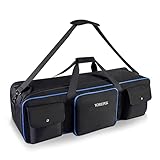
Overview: The YOREPEK Tripod Carrying Case offers practical protection for light stands, tripods, and studio accessories in a lightweight, affordable package. At 30.5 inches, it accommodates most standard tripods and monopods. The durable nylon construction with padded partitions provides basic impact resistance for everyday transport between locations, prioritizing portability and organization over heavy-duty armor.
What Makes It Stand Out: Three external pockets provide organized storage for accessories, while two removable partitions allow customization for different equipment shapes. The padded handles and adjustable shoulder strap offer versatile carrying options. Bottom bumpers elevate the bag from wet or dirty surfaces, a thoughtful detail for location work that prevents moisture seepage and keeps the bag cleaner during field use.
Value for Money: At $35.99, this bag costs less than a basic memory card while delivering functional organization and protection. Soft cases from premium brands often cost $80-120 without offering significantly better materials. For photographers prioritizing budget and portability over maximum protection, this represents excellent value for studio-to-location workflows where gear isn’t subjected to airline baggage handling.
Strengths and Weaknesses: Strengths: Extremely affordable; lightweight; multiple pockets; customizable interior; comfortable carrying options; bottom protection bumpers Weaknesses: Not waterproof; soft shell offers limited impact protection; nylon may wear faster than ballistic fabrics; no wheels for heavy loads; unsuitable for extreme conditions
Bottom Line: Perfect for studio photographers and hobbyists who need basic transport protection without breaking the bank. Don’t expect it to survive airline baggage handlers or torrential rain, but for car-based travel and local shoots, it organizes gear efficiently at an unbeatable price point.
3. VEVOR Studio Equipment Trolley Case, 35.83 x 11.81 x 14 in / 91 x 30 x 35.5 cm, Rolling Camera Bag, Carrying Bag with Wheels Straps Padded Compartment Handle, for Light Stands, Tripods, Telescopes

Overview: The VEVOR Studio Equipment Trolley Case bridges the gap between soft bags and hard cases, offering 62.5 liters of capacity in a rolling nylon package. Measuring 35.83 x 11.81 x 14 inches, it swallows light stands, tripods, and accessories while providing better protection than typical soft cases through its hybrid foam-plywood-honeycomb construction, making it ideal for mobile studios.
What Makes It Stand Out: Three carry modes—wheels, top handle, and shoulder strap—provide unmatched versatility. The hybrid protection system combines 8mm pearl foam, plywood base reinforcement, and honeycomb side panels, offering genuine shock absorption without the weight of a full hard case. Detachable dividers and mesh pockets enable sophisticated organization that adapts to various gear configurations.
Value for Money: At $108.99, it competes with premium soft cases while offering superior protection features. The wheeled design and hybrid armor typically cost $150-200 from established brands. For photographers needing mobility and moderate protection, this delivers pro features at a mid-range price, though it approaches the cost of entry-level hard cases.
Strengths and Weaknesses: Strengths: Versatile carrying options; large 62.5L capacity; hybrid foam/plywood/honeycomb protection; waterproof nylon exterior; customizable interior; mesh pockets Weaknesses: Soft-sided design can’t match hard case impact protection; price approaches basic hard cases; nylon durability uncertain long-term; no pressure equalization; limited security features
Bottom Line: An excellent choice for wedding and event photographers who need to roll gear through venues but don’t require hard case armor. The protection exceeds standard soft bags while maintaining portability. Consider a hard case instead for airline travel or extreme conditions where crushproofing is essential.
4. VEVOR Weatherproof Hard Case, Heavy Duty Protective Dry Box with Pre-cut Foam, Wheels Retractable Pull Handles for Travel, Hunt, Military, Tactical, IP67 Waterproof Case for Camera(21.7 * 13.4 * 9.5)

Overview: This compact VEVOR Weatherproof Hard Case provides IPX67-rated protection for cameras, drones, and sensitive equipment in a portable 21.7 x 13.4 x 9.5-inch package. The polycarbonate PP construction delivers genuine hard-shell defense against impacts, water, and dust for travelers and outdoor enthusiasts who need protection without bulk.
What Makes It Stand Out: The IPX67 rating (note the “X” prefix) indicates water and dust protection, though the standard is IP67. The wheeled design with telescopic handle is rare in cases this small, making airport navigation easier. Pre-cut foam simplifies customization for compact gear setups without additional expense, a convenience rarely included at this price tier.
Value for Money: At $73.99, this is one of the most affordable wheeled hard cases available. Comparable Pelican cases cost $150-200 for similar dimensions. While material thickness and latch quality may not match premium brands, the core protection and mobility features deliver outstanding budget value for occasional adventure use.
Strengths and Weaknesses: Strengths: Budget-friendly hard case; wheeled portability; polycarbonate construction; customizable foam; padlock compatibility; lightweight design; compact storage Weaknesses: Smaller capacity limits gear; IPX67 notation may indicate non-standard testing; hardware durability concerns under extreme use; foam quality below premium brands; limited size options
Bottom Line: Ideal for photographers and drone pilots needing portable, waterproof protection without premium costs. The wheeled design adds convenience for travel, though professionals working in extreme conditions should invest in certified IP67 cases from established brands. A smart entry-level hard case for hobbyists and semi-pros.
5. Pelican Vault v525 Case with Padded Dividers for Equipment, Electronics Gear, Camera (Black)

Overview: The Pelican Vault v525 represents the gold standard in protective cases, offering crushproof high-impact polymer construction in an airline carry-on friendly 22 x 14 x 9-inch form factor. Trusted by military, law enforcement, and professionals worldwide, this case delivers uncompromising protection for critical equipment where failure is not an option.
What Makes It Stand Out: Pelican’s legendary durability includes stainless steel lock hasps and push-button latches engineered for decades of service. The included padded dividers feature soft-touch felt and high-contrast colors for professional organization. Meeting airline carry-on dimensions eliminates checked baggage risks for valuable gear, while the automatic pressure equalization valve ensures easy opening after flights.
Value for Money: At $189.95, the Vault v525 commands a premium but justifies it through lifetime reliability and resale value. While VEVOR offers similar features for less, Pelican’s warranty, proven track record, and certified performance make this insurance for expensive equipment. For professionals, the cost is negligible compared to gear replacement, paying for itself with one prevented disaster.
Strengths and Weaknesses: Strengths: Industry-leading durability; certified weather resistance; airline carry-on size; premium padded dividers; stainless steel hardware; automatic pressure equalization; lifetime warranty reputation; high resale value Weaknesses: Expensive for casual users; 11.5 lbs empty weight adds travel burden; smaller capacity than similarly-priced VEVOR; overkill for inexpensive gear; premium pricing limits accessibility
Bottom Line: For professionals transporting $5,000+ in equipment, this is non-negotiable protection that pays for itself with one prevented disaster. Hobbyists and budget-conscious users may find better value elsewhere, but anyone whose livelihood depends on their gear should invest in Pelican peace of mind and proven reliability.
6. Regetek Waterproof Rolling Hard Case with Wheels, Customizable Foam 35"x 20"x 12", Equipment Transport Case for Camera, Drone,tool, IP67 Waterproof & Crushproof, Lockable, Inner 31.5" x 17.7" x 7.8"

Overview: The Regetek Waterproof Rolling Hard Case delivers professional-grade protection for fragile equipment in demanding environments. This heavy-duty case features exterior dimensions of 35" x 20" x 12" with a customizable foam interior measuring 31.5" x 17.7" x 7.8", making it ideal for cameras, drones, scientific instruments, and valuable tools. The IP67 rating ensures complete waterproofing and dustproofing, while crushproof polypropylene construction withstands harsh handling.
What Makes It Stand Out: The combination of IP67 waterproofing (submersion up to 3.3 feet) and crushproof design at this price point is exceptional. Eight press-pull latches with lockable buckles provide security, and the integrated wheels with three drag handles enable both solo rolling and team lifting. The customizable foam insert allows precise equipment fitting.
Value for Money: At $289.99, this case undercuts premium brands like Pelican by $100-200 while offering comparable protection. The included 2-year warranty covering replacement parts adds significant long-term value for professionals who depend on their gear.
Strengths and Weaknesses: Strengths include outstanding impact and water protection, versatile transport options, and generous warranty. The 25-pound weight with foam is substantial but expected for this protection level. The 7.8-inch interior depth may limit some equipment configurations. Some users report stiff latches initially.
Bottom Line: This is an excellent investment for professionals transporting expensive, fragile equipment. The waterproofing, durability, and warranty make it a smart alternative to costlier brands without sacrificing protection.
7. ITHWIU Multifunctional Tripod Bag 32 X 7 X 7 Inches / 81 X 18 X 18 cm Heavy Duty Tripod Carrying Case with Handle for Lights, Speakers, Cameras, Booms, Microphone Stands, Black

Overview: The ITHWIU Multifunctional Tripod Bag offers basic carrying solutions for photographers and videographers on a tight budget. Measuring 32 x 7 x 7 inches, this lightweight case accommodates tripods, light stands, and boom poles up to 32 inches in length. Constructed from water-resistant Oxford fabric, it provides fundamental weather protection for studio equipment during local transport.
What Makes It Stand Out: The sub-$20 price point makes this one of the most affordable tripod bags available. Its simple, foldable design allows for easy storage when not in use, and the waterproof material offers unexpected weather resistance at this price tier.
Value for Money: At $18.99, this bag delivers essential functionality for casual users. While lacking premium features, it costs 70-80% less than padded alternatives. For hobbyists or occasional shooters, it represents acceptable value, though professionals will find it inadequate for regular use.
Strengths and Weaknesses: Strengths include extreme affordability, lightweight portability, and water-resistant fabric. However, significant weaknesses exist: no internal padding, single handle (no shoulder strap), minimal structural protection, and limited organizational features. The narrow design won’t accommodate larger tripod heads or accessories.
Bottom Line: Suitable only for entry-level users transporting lightweight, inexpensive stands on a strict budget. Professionals or anyone with valuable equipment should invest in padded alternatives. Consider this a disposable solution for basic needs.
8. BAGSMART Rolling Camera Bag for DSLRs, Professional Large Camera Backpacks for Travelling Photographers, Photographic Rolling Case & Travel Suitcase, Black

Overview: The BAGSMART Rolling Camera Bag targets traveling photographers seeking versatile transport solutions. This 3-in-1 design functions as a roller bag, backpack, or standard luggage, adapting to various travel scenarios. Measuring 12.5 x 7.5 x 18.5 inches, it meets most international carry-on requirements while accommodating pro DSLR bodies, multiple lenses up to 400mm, and a 15.6-inch laptop.
What Makes It Stand Out: The convertible design is the headline feature—hideaway shoulder straps transform it into a backpack, while the removable insert converts it to regular luggage. Rip-stop fabric with reinforced corners and a 10mm padded insert provides robust protection. The included rain cover adds weather security.
Value for Money: At $69.99, this bag offers exceptional versatility. Competing roller bags start at $150+, while dedicated camera backpacks with similar capacity cost $100-200. Getting three bag styles in one package represents significant savings for travel photographers.
Strengths and Weaknesses: Strengths include adaptability, carry-on compliance, comprehensive padding, and laptop integration. The transparent accessory pockets aid organization. Weaknesses include potential size issues when overloaded (airline sizers vary), and the backpack straps may lack the comfort of dedicated hiking-style designs.
Bottom Line: An outstanding value for photographers who travel frequently. The 3-in-1 flexibility eliminates the need for multiple bags, making it ideal for hybrid shooters who navigate airports and outdoor locations.
9. samdew 30’’ Tripod Travel Bag, Photo Studio Equipment Case with Secure Buckles & Lens Storage Pocket, Large Photography Organizer for Light Stand, Monopod, Mic Stand, Camcorder, up to 30", Bag Only

Overview: The samdew 30" Tripod Travel Bag balances protection and organization for photographers carrying stands and accessories. Measuring 30 x 10 x 11.5 inches, this case features a multi-layer construction of velvet, pearl cotton, shock-absorbing sponge, and 600D water-resistant polyester, creating a protective cocoon for equipment during transport.
What Makes It Stand Out: The detachable divider with adjustable buckles allows customized compartmentalization, preventing gear collision. A dedicated lens storage pocket and multiple organizer pockets on the lid and front provide exceptional accessory management rarely seen in tripod bags at this price point.
Value for Money: At $63.99, this bag sits in the mid-range but delivers premium features. The multi-layer padding rivals cases costing $80-100, while the organizational versatility adds practical value. For photographers with multiple accessories, the pocket system justifies the investment.
Strengths and Weaknesses: Strengths include excellent multi-layer padding, versatile divider system, abundant pockets, and comfortable carrying options (padded handles and detachable shoulder strap). The 30-inch length fits most compact tripods. Weaknesses include insufficient length for full-sized tripods, lack of wheels for heavy loads, and no hard shell for crush protection.
Bottom Line: A well-designed bag for photographers prioritizing padding and organization over maximum length. Ideal for compact tripod systems and location shooters who need accessory management in a portable package.
10. YOREPEK Tripod Carrying Case Bag 50.5", Resistant Light Stand Bag with 2 Removable Padding, Photo Studio Equipment Case for Tripods, Monopods, Speaker Stands, Umbrellas, Gear, Mic Stand, Tent Pole

Overview: The YOREPEK Tripod Carrying Case Bag addresses the needs of photographers with extra-long equipment. At 50.5 inches, it accommodates full-sized tripods, boom poles, light stands, and even tent poles that won’t fit standard 30-40 inch bags. The heavy-duty nylon construction features waterproof and wear-resistant coating for durability in field conditions.
What Makes It Stand Out: The exceptional length is the primary differentiator, fitting equipment that most bags cannot. Four integrated bumpers on the bottom provide stability and protect the bag from ground moisture and dirt. Three front pockets (one zippered, two Velcro) offer practical accessory storage.
Value for Money: At $50.99, this bag offers excellent value for users needing extended length. Competing long bags typically cost $70-90, making this a budget-friendly option for videographers and photographers with tall stands.
Strengths and Weaknesses: Strengths include impressive length, durable waterproof nylon, versatile carry options (handles and adjustable shoulder strap), and stabilizing bumpers. The multi-pocket design aids organization. Weaknesses include unspecified padding details (likely minimal), no wheels for such a long bag, and potential over-sizing for users with standard tripods. The narrow diameter may not accommodate large tripod heads.
Bottom Line: The go-to choice for professionals with oversized equipment. If you need the length, this bag delivers durability and value. For standard tripods, however, the extra size creates unnecessary bulk.
Understanding the Importance of Heavy-Duty Protection
Why Standard Cases Fall Short for Travel Photography
Standard camera bags and backpacks prioritize accessibility and weight savings over ultimate protection. While they’re fine for casual day shoots or urban environments, they lack the structural integrity to withstand the crushing forces of overhead compartments, the impact of being dropped from cargo holds, or the penetration resistance needed against sharp objects. Heavy-duty equipment cases feature rigid exteriors, reinforced corners, and engineered suspension systems that distribute impact forces away from your valuable gear. The difference becomes starkly apparent when your case takes its first serious hit—your heart might skip a beat, but your equipment remains pristine inside.
The Real Cost of Equipment Damage on the Road
Beyond the obvious financial hit of replacing a $3,500 camera body or $2,000 lens, consider the hidden costs: missed assignment deadlines, lost client relationships, emergency shipping fees for replacement gear, and the creative opportunities that vanish when you’re sidelined. A professional photographer traveling to Antarctica once shared how a compromised case allowed salt spray to corrode his entire kit, resulting in over $25,000 in damage and a canceled six-month documentary project. When you calculate the total cost of ownership, investing in proper protection represents a fraction of one percent of your gear’s value—a small price for peace of mind.
Key Materials and Construction Methods
Polymer vs. Aluminum vs. Composite Cases
The material choice fundamentally shapes your case’s performance profile. Polymer cases, typically rotationally molded from high-impact polypropylene, offer exceptional chemical resistance, waterproofing, and impact absorption at moderate weight. Aluminum cases provide superior crush resistance and professional aesthetics but conduct temperature extremes and can dent permanently under severe impact. Composite hybrid cases attempt to balance these traits with carbon fiber reinforcements or fiberglass layering, though they command premium pricing. Your shooting environment should dictate material selection—polymer excels in marine and humid conditions, while aluminum suits controlled environments where crush protection is paramount.
Understanding IP Ratings and Waterproofing Standards
Ingress Protection ratings provide objective measures of sealing effectiveness. An IP67 rating guarantees complete dust protection and immersion up to one meter for 30 minutes—adequate for most travel scenarios. IP68 extends immersion depth and duration, essential for water-based photography. However, ratings only apply when cases are properly closed and seals are maintained. The rubber O-ring gaskets require regular inspection and silicone lubrication to maintain their compression seal. Some manufacturers exceed IP standards by testing at greater depths or pressures, so investigate actual testing protocols rather than relying solely on the rating number.
The Role of Pressure Equalization Valves
Traveling between altitude extremes—from sea level to mountain passes or pressurized aircraft cabins—creates dangerous pressure differentials that can compromise case seals or make lids difficult to open. Automatic pressure equalization valves use micro-porous membranes that allow air passage while blocking moisture and dust. Manual purge valves let you release pressure deliberately. For frequent flyers, automatic systems are non-negotiable, preventing the suction effect that can damage seals when landing. Ensure the valve design includes a protective cover that prevents accidental manipulation during transit.
Size and Capacity Considerations
Internal vs. External Dimensions
Airlines restrict external dimensions, but your gear fits according to internal measurements. The ratio between these numbers reveals construction efficiency. Premium cases minimize wall thickness while maximizing protection through intelligent engineering—reinforcing only high-stress areas rather than uniformly thick walls. A case with 20% more internal volume than competitors of equal external size represents significantly better value. Always request dimensioned drawings showing both measurements, including the lid depth versus base depth, which affects how you layer equipment.
Custom Foam vs. Pick-and-Pluck Systems
Custom laser-cut foam offers perfect gear fitment but locks you into a specific kit configuration. Pick-and-Pluck foam provides flexibility but can tear over time and may not support irregular shapes properly. The hybrid approach uses a solid foam base layer with modular dividers above, combining custom protection for critical items with adaptable space for accessories. Some advanced systems use layered foam of different densities—soft foam against gear surfaces, firm foam for structural support, and rigid foam for impact distribution. Consider how often your kit changes before committing to a foam strategy.
Planning for Future Gear Expansion
Smart photographers select cases with 20-30% capacity beyond their current needs. This accommodates lens upgrades, additional camera bodies, or specialized accessories without requiring a complete case replacement. However, oversized cases with minimal gear allow dangerous shifting during transport. Solve this by choosing cases with foam systems that can be reconfigured or supplemented with filler foam blocks. Some manufacturers offer expansion inserts that reduce internal volume temporarily until your gear collection grows.
Mobility Features for Travel
Wheel Systems That Actually Work
Not all wheels survive real-world travel. Look for polyurethane wheels with sealed bearings that resist grit and moisture. Inline skate-style wheels outperform cheap plastic casters on rough terrain. Test the axle strength—quality cases use through-axles that extend across the case width rather than stub axles that concentrate stress. Wheel placement matters: corner-mounted wheels provide better stability but reduce ground clearance, while inset wheels protect better but narrow the wheelbase. For photographers navigating cobblestone streets or sandy beaches, oversized “all-terrain” wheels make the difference between smooth transport and case-dragging frustration.
Handle Ergonomics and Durability
Extendable handles must lock positively at multiple heights to accommodate different users and stacking scenarios. Wiggle the handle when extended—excessive play indicates weak internal slides that will fail under load. The best designs use aircraft-grade aluminum tubes with stainless steel detent pins. Consider the handle’s stowed position—does it recess flush to prevent snagging, or protrude to risk damage? Some cases integrate secondary grab handles on all six faces, invaluable when loading into vehicles or overhead bins. Test the handle grip diameter and material; cold metal grips become uncomfortable in winter, while rubberized grips can degrade in tropical heat.
Strap and Carrying Configuration Options
While wheels dominate airport navigation, shoulder straps become essential for short distances or stairs. Look for cases with multiple attachment points allowing backpack, shoulder, or hand-carry configurations. Military-spec MOLLE webbing provides infinite customization for attaching pouches or securing the case to transport. Quick-detach strap systems let you remove straps when checking luggage, preventing entanglement in baggage systems. Padding width and breathability significantly impact comfort—3-inch wide straps distribute weight better than narrow versions, and mesh backing reduces sweat buildup during tropical shoots.
Security Features That Matter
Locking Mechanisms and TSA Compliance
TSA-approved locks prevent agents from cutting your locks for inspection, but not all TSA locks are equal. Look for cases with integrated lock housings rather than padlock hasps, which can be pried open. The best systems use double-throw latches that engage at multiple points, preventing case flex that could compromise seal integrity. Some advanced cases feature recessed combination locks with key overrides. Consider redundancy—having both integrated locks and padlock hasps provides backup security options. Remember that TSA locks only prevent casual theft; determined thieves with tools can breach any case, so insurance remains essential.
Tamper-Evident Design Elements
Subtle tamper indicators reveal if someone accessed your case. Some manufacturers include numbered security seals or integrated indicators that show if latches were opened. More sophisticated options feature electronic latch monitors that log opening times. For high-risk destinations, consider cases with hinges on the interior rather than exterior, preventing hinge pin removal. The placement of lock hasps matters—side-mounted hasps are harder to attack discreetly than front-mounted ones. Document your case’s condition with photos before transit to identify any damage or unauthorized access.
GPS Tracking Integration Considerations
Modern heavy-duty cases increasingly offer integrated GPS tracking pockets or mounting points. When evaluating these features, consider battery life (some trackers last weeks, others months), international cellular coverage, and subscription costs. Bluetooth trackers work for short-range location but fail when your case travels to different airport terminals. Some cases embed Faraday pockets allowing you to disable trackers during sensitive shoots while keeping them accessible. Evaluate whether the tracking system integrates with your existing gear insurance—some insurers offer premium discounts for GPS-enabled cases.
Weight vs. Protection Balance
The Airline Weight Limit Challenge
With most airlines limiting checked bags to 50 pounds (23 kg), every ounce matters. A heavy-duty case can weigh 15-20 pounds empty, leaving limited capacity for gear. Calculate your gear’s total weight before selecting a case, and consider distributing items across multiple cases to avoid overweight fees. Some photographers use a heavy-duty case for critical gear and a lighter case for accessories. Others remove non-essential components like divider systems during air travel, reinstalling them at the destination. Remember that weight savings shouldn’t compromise protection for your most valuable items.
Lightweight Materials That Don’t Compromise Protection
Advances in material science have produced ultra-lightweight options. Carbon fiber reinforced polymer can reduce weight by 30% compared to standard polypropylene while maintaining strength. Honeycomb-core panels provide rigidity with minimal mass. Some cases use magnesium alloy frames with polymer panels, optimizing the strength-to-weight ratio. However, these materials command premium prices—evaluate whether the weight savings justify the cost based on your travel frequency and physical capabilities. For occasional travelers, standard polymer offers better value; for frequent flyers or those with physical limitations, lightweight materials transform the travel experience.
Climate and Environmental Resistance
Temperature Extremes and Case Performance
From scorching deserts to sub-zero arctic shoots, temperature extremes test case materials. Standard polypropylene becomes brittle below -20°C, while aluminum conducts cold directly to your gear. Look for cases specifying operational temperature ranges. Some cases include thermal insulation layers or reflective coatings that reduce heat absorption. In extreme cold, consider cases with flexible TPE (thermoplastic elastomer) seals that maintain pliability. For desert shooting, light-colored cases reflect more solar radiation. Never leave cases in direct sunlight—the greenhouse effect can raise internal temperatures 40°F above ambient, potentially damaging batteries and LCD screens.
Dust and Sand Protection for Desert Shoots
Fine particulates pose unique challenges, infiltrating seals and abrading gear. Cases with labyrinth seal designs—multiple sealing surfaces that particles must navigate—outperform simple O-ring seals in dusty environments. Fully recessed latches prevent sand from jamming mechanisms. Some desert-specific cases feature filter screens over pressure valves. After exposure, cases should disassemble easily for cleaning—look for removable seals and accessible hinge points. Consider cases with smooth exterior surfaces that shed dust better than textured finishes that trap particles.
Humidity and Moisture Management
Waterproof cases can trap humidity inside, creating condensation when moving between climate zones. Some cases integrate silica gel compartments or active dehumidifiers. Others feature breathable but water-resistant membranes that allow moisture vapor to escape while blocking liquid water. In tropical environments, choose cases with antimicrobial foam treatments that resist mold and mildew. Vent your case briefly in air-conditioned rooms before sealing it for the night—this releases trapped humid air that would otherwise condense inside. Consider packing humidity indicator cards to monitor internal conditions during extended trips.
Organizational Systems and Accessibility
Modular Divider Systems
Rigid dividers provide better protection than soft ones by preventing gear compression during impacts. Look for dividers with structural ribs or honeycomb reinforcement. Hook-and-loop attachment systems should use wide bases that distribute loads, not narrow strips that tear away. Some premium systems use magnetic attachments or mechanical clips that won’t lose grip over time. Consider divider height—tall dividers prevent stacking but reduce flexibility, while short dividers allow layering but risk gear contact. The best systems combine fixed structural dividers with movable subdividers.
Lid Organizers and Accessory Pockets
A case’s lid often wastes valuable space. Quality cases feature molded lid organizers with clear pockets, elastic loops, and zippered compartments for cables, filters, and small accessories. These should attach securely without interfering with the main seal. Some designs use removable lid panels that convert to working trays at your location. Consider whether the lid organizer is waterproof—if the main seal fails, you don’t want water pooling in accessory pockets. Depth is crucial—shallow pockets prevent items from falling out when opened, while deep pockets accommodate larger accessories.
Airline Travel Specific Considerations
Carry-On vs. Checked Luggage Strategies
Critical gear belongs in carry-on cases that fit airline size restrictions, typically 22" x 14" x 9" for domestic flights. However, weight limits for carry-ons (often 40 pounds) can be restrictive. Many photographers use a heavy-duty carry-on for bodies and essential lenses, checking a larger case for lighting, tripods, and backup gear. Consider cases with low-profile designs that maximize internal volume while staying within dimensional limits. Some cases feature “stealth” designs that look like standard luggage rather than expensive equipment cases, potentially reducing theft targeting.
Understanding Airline Size Restrictions
International airlines enforce varying size limits—European carriers often have stricter requirements than US airlines. Some photographers choose cases that fit the most restrictive common denominator (often 55cm x 40cm x 20cm). Cases with removable wheels or handles provide flexibility—detach them to meet size requirements, reattach for ground transport. Always verify current restrictions before travel, as policies change frequently. Consider cases with printed dimension labels that match airline requirements, simplifying gate agent interactions. Some cases include compression straps that slightly reduce external dimensions when tightened.
Long-Term Durability and Warranty
What to Look for in Manufacturer Warranties
Premium case warranties range from lifetime limited to specific year terms. Read the fine print—does it cover airline damage, water intrusion, or just manufacturing defects? Some warranties require registration within 30 days of purchase. Others exclude “professional use,” which would void coverage for working photographers. Look for transferable warranties if you plan to upgrade cases. The best manufacturers offer “no questions asked” replacement programs, understanding that field use results in unpredictable damage. Warranty length often indicates manufacturer confidence in their product—companies offering lifetime warranties engineer accordingly.
Field Repairability
In remote locations, you can’t ship a case for repair. Evaluate whether latches, handles, and wheels are user-replaceable with standard tools. Some manufacturers provide field repair kits with spare parts. Cases with modular designs allow swapping damaged panels rather than replacing the entire case. Consider whether the manufacturer publishes repair manuals or provides video tutorials. Stainless steel hardware that you can disassemble beats riveted plastic construction that fails catastrophically. The ability to tighten loose latches or replace a damaged wheel in a hotel room can save your shoot.
Budget Considerations and Value
Total Cost of Ownership Analysis
A $400 case that lasts 10 years costs $40 annually—a bargain compared to a $150 case that fails in year two, potentially destroying $10,000 in gear. Factor in replacement foam costs (typically $50-150), accessory purchases like dividers, and potential insurance premium reductions for using certified protective cases. Some airlines waive oversized fees for certain professional equipment cases, creating ongoing savings. Calculate the cost per trip based on your travel frequency. Professional photographers traveling monthly should prioritize durability over initial price, while occasional travelers might accept shorter lifespans.
When to Invest vs. When to Save
Invest heavily in cases protecting your most expensive and irreplaceable gear—primary camera bodies, specialized lenses, and hard-to-rent equipment. Save on cases for accessories, cables, and support gear where failure consequences are lower. Consider a tiered approach: premium cases for air travel, mid-range cases for vehicle transport, and simple protection for studio storage. Some photographers buy previous-generation premium cases at discounts when new models release—the protection level remains excellent. Used cases from reputable brands often outperform new budget cases, as long as seals and latches remain sound.
Specialized Cases for Specific Photography Genres
Wildlife Photography Case Requirements
Wildlife photographers need cases that perform in dusty vehicles, resist animal interference, and protect against vibration on rough trails. Cases with reinforced bottom panels survive being slid in and out of safari vehicles hundreds of times. Earth-tone colors reduce visibility to animals. Silent latch operation prevents startling wildlife. Some cases integrate tripod mounting points on the exterior, allowing the case itself to serve as a stable shooting platform. Consider cases with rapid-access designs that let you grab a camera body while keeping other gear protected—split-lid designs or front-access panels prove invaluable when a leopard appears unexpectedly.
Underwater Photography Case Needs
While underwater photographers use dedicated housings for shooting, their support gear—chargers, batteries, laptops, spare parts—needs protection from salt spray and humidity. Cases with active corrosion resistance, like vapor-phase inhibitors or desiccant integration, protect sensitive electronics. Some cases feature double seals and pressure testing ports that verify integrity before each dive trip. Consider cases that float when loaded—a critical safety feature if gear goes overboard. Bright colors improve visibility on dive boats. Cases should drain quickly if flooded and disassemble completely for post-dive freshwater rinsing.
Case Maintenance and Care
Cleaning and Inspection Routines
After each trip, clean your case with mild soap and water, avoiding harsh chemicals that degrade seals. Inspect O-rings for nicks, flattening, or contamination—replace them annually with heavy use. Lubricate seals with silicone grease designed for the specific material (usually silicone or EPDM). Check latch springs for corrosion or weakness. Test pressure valves by submerging the empty case and observing for bubbles. Photograph your foam layout before disassembly—it provides a template for reconfiguration. Store cases with latches open to prevent seal compression set.
Storage Between Trips
Long-term storage requires preparation. Remove all gear and accessories to prevent compression marks. Place a humidity control packet inside and close the case to protect the seal. Store cases flat, not on their wheels, to prevent wheel deformation. Avoid stacking heavy items on cases in storage, which can stress latches. Climate-controlled storage prevents material degradation from temperature cycling. If storing for months, periodically open cases to air them out and check for condensation. Some photographers store cases with a light coating of UV protectant on exterior surfaces to prevent fading and embrittlement.
Real-World Testing Methods
DIY Drop and Water Tests
Before trusting a case with expensive gear, test it with dummy weight. Fill it with towels and drop it from waist height onto concrete—inspect for latch release or seal compromise. For water testing, submerge the empty, closed case in a bathtub for 30 minutes, checking for internal moisture. Test pressure equalization by flying with the empty case or using a vacuum chamber. These tests reveal weaknesses before they cause disasters. Document your tests with video—some insurance companies accept this as evidence of due diligence. Remember that one test doesn’t guarantee future performance; materials fatigue over time.
What Professional Photographers Actually Do
Pros don’t just test once—they establish baselines. They photograph case interiors before each major trip, creating evidence for insurance claims. They mark cases with unique identifiers (engraved plates or permanent markers) to prevent mix-ups and deter theft. Many pros carry spare seals and latches in their personal luggage. They establish relationships with local dealers at major destinations, ensuring rapid replacement if needed. Some subscribe to case manufacturer newsletters to learn about recalls or recommended maintenance updates. The most paranoid (and successful) pros even run GPS tracking tests before trips, verifying tracker performance in their specific case.
Making Your Final Decision
Creating a Personal Requirements Checklist
Develop a scoring matrix based on your specific needs: assign weights to factors like weight, waterproof rating, size, mobility features, and security. Rate each case you’re considering against these criteria. Include deal-breaker requirements—if you regularly shoot in saltwater environments, anything below IP67 is automatically disqualified. Consider your travel patterns: frequent flyers need different features than road-trip photographers. Involve your accountant—some cases qualify as business equipment deductions. The checklist removes emotion from the decision, focusing on objective needs.
Where to Physically Inspect Cases Before Buying
Online reviews only tell part of the story. Visit professional photography retailers that stock multiple brands—bring your actual gear to test fitment. Camera shows and trade exhibitions often have manufacturer representatives who can demonstrate features. Some rental houses rent protective cases, allowing field testing before purchase. Photography workshops in extreme environments sometimes partner with case manufacturers, providing real-world testing opportunities. If buying online, ensure the retailer has a generous return policy—reputable sellers understand that photographers need to verify fitment with their specific gear.
Frequently Asked Questions
What’s the minimum IP rating I should accept for international travel?
For general travel photography, IP67 provides adequate protection against rain, dust, and accidental submersion. If you shoot in monsoon regions, coastal environments, or transport gear on small boats, consider IP68. Remember that seals require maintenance—no rating protects against neglect.
How do I calculate the right case size without overpacking?
Lay out all gear on a flat surface, grouping items as they’ll be arranged in the case. Measure the outer dimensions of this layout, then add 2-3 inches in each dimension for foam and clearance. This prevents buying cases too small while avoiding oversized cases that waste weight allowance.
Are heavy-duty cases worth the weight penalty compared to premium backpacks?
For checked luggage, absolutely—the protection difference is orders of magnitude greater. For carry-on, it depends on your gear value and destination risk. A hybrid approach often works best: heavy-duty carry-on for irreplaceable items, backpack for accessible shooting gear at your destination.
How often should I replace case seals and O-rings?
With heavy use (monthly travel), inspect seals quarterly and replace annually. With occasional use, inspect annually and replace every 3-5 years. Always replace seals if you notice compression set (flattening), cracking, or if the case fails a water test. Carry spare seals on extended remote trips.
Can I use my heavy-duty case as a camera support or working platform?
Many photographers do, but verify your case’s load rating first. Cases with reinforced top panels and structural internal frames support light work. However, repeated use as a step or seat can stress latches and compromise seals. Dedicated case supports or folding platforms are safer for heavy use.
What’s the best way to label cases for airline travel?
Use durable luggage tags on external handles, but also place identical contact information inside the case. Some photographers laminate business cards and attach them to the interior lid. Avoid labels that scream “expensive camera gear”—plain, professional identification reduces theft targeting.
How do I prevent gear from shifting inside the case during transit?
Custom foam provides the best security, but modular dividers work if properly configured. Use filler foam blocks for empty spaces. Some photographers use Velcro straps to tether gear to divider walls. Test by shaking the closed case—if you hear movement, reconfigure. Slight compression of foam when closing indicates proper fit.
Should I choose a case with wheels or without?
For any case over 20 pounds loaded, wheels are essential. The question is integrated vs. removable wheels. Integrated wheels are more durable but add permanent size and weight. Removable wheels offer flexibility but can detach unexpectedly. For air travel, consider cases whose wheels can be removed to meet size restrictions.
What’s the ideal number of latches for security?
More latches distribute sealing pressure more evenly, but each adds weight and potential failure point. For small cases (under 20 inches), four latches suffice. Medium cases need six, and large cases benefit from eight or more. Look for double-throw latches that provide mechanical advantage and positive locking indication.
How do I maintain my case’s waterproofing after airline inspectors open it?
Always reseal your case yourself after TSA inspection—don’t assume agents properly closed it. Carry a small packet of silicone grease to re-lubricate seals if they appear dry. Inspect the seal seating before closing. Some photographers place “Please Reseal Properly” cards inside their cases, though effectiveness varies. Consider cases with tamper indicators so you know if it was opened.'