When you’re miles from pavement with nothing but dirt trails and determination ahead, the right gear can mean the difference between an epic adventure and a costly rescue. Overlanding demands tools that earn their keep in both space and weight, which is why the modern multi-function shovel has become a non-negotiable piece of kit for serious expedition travelers. These aren’t your grandpa’s garden spades—they’re engineered survival systems that combine a digging tool, wood-processing saw, and fire-starting capability into one compact package that lives in your rig’s recovery gear stash.
But not all multi-function shovels are created equal. The market has exploded with options featuring everything from flint-based fire starters to serrated edges that claim to fell trees. Understanding what actually works in the field versus what looks good in product photos requires digging deeper than marketing copy. Whether you’re building traction ramps in loose sand, clearing a campsite, or processing firewood for a cold night, your shovel’s design, materials, and ergonomics will directly impact your safety and success on the trail.
Top 10 Multi-Function Shovels with Saw Edge and Fire-Starter for Overlanders
Detailed Product Reviews
1. iChewie - Folding Emergency Shovel - Survival Entrenching Tool with Wood Saw Edge and Tactical Carry Case - 22.64" / 57.50cm, Black

Overview: The iChewie Folding Emergency Shovel positions itself as a budget-friendly tactical multi-tool for outdoor enthusiasts and emergency preparedness. At 22.64 inches extended and folding down to just 9.45 inches, this shovel promises versatility without breaking the bank. The inclusion of a wood saw edge and tactical carry case suggests it’s designed for more than just digging, targeting campers, preppers, and motorists seeking emergency gear.
What Makes It Stand Out: This shovel’s primary differentiator is its aggressive price point at under $10, making it one of the most affordable tactical shovels on the market. The 365-day manufacturer warranty provides peace of mind rarely seen at this price tier. Its ability to lock at both straight and 90-degree angles adds functional versatility for various tasks, from trenching to hoe-style chopping. The heat-treated 1050 high-carbon steel blade with 42-46° HRC rigidity offers respectable durability for light to moderate use.
Value for Money: Exceptional value for casual campers and those building emergency vehicle kits. While premium brands like SOG charge three times as much, the iChewie delivers comparable basic functionality. However, the 2.48-pound weight is noticeably heavier than competitors, and the Q195 steel handle may not withstand extreme abuse like premium options. For occasional use, the cost savings are substantial.
Strengths and Weaknesses: Strengths: Unbeatable price; included carry case; versatile angle adjustments; warranty coverage; high-carbon steel blade. Weaknesses: Heavy for backpacking; unknown brand reliability; potentially weaker handle construction; less refined folding mechanism than premium alternatives.
Bottom Line: The iChewie is ideal for budget-conscious buyers needing occasional-use versatility. For heavy-duty or frequent use, invest in a premium brand. For emergency kits and light camping, it’s a steal.
2. SOG Entrenching Tool- 18.25 Inch Folding Survival Shovel with Wood Saw Edge and Tactical Shovel Carry Case- Black (F08-N)
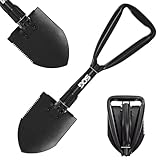
Overview: The SOG Entrenching Tool represents the gold standard in compact tactical shovels, bringing military-grade design to civilian outdoor enthusiasts. At 18.25 inches extended and weighing just 24.5 ounces, this tool balances portability with serious capability. SOG’s reputation for tactical excellence is evident in every detail of this folding shovel, making it a trusted choice for serious adventurers.
What Makes It Stand Out: SOG’s legendary build quality and lifetime support philosophy set this apart from budget competitors. The triangular handle design provides superior grip and torque transfer compared to standard tubular handles. Its 3-way folding design allows transformation into a pick or hoe, while the tempered high-carbon steel blade holds an edge exceptionally well for cutting and digging. The compact 10-inch folded size occupies minimal pack space.
Value for Money: At $29.83, it’s three times the price of budget alternatives but delivers proportionally better value for serious users. The weight savings alone—nearly a pound lighter than cheap competitors—justifies the cost for backpackers. SOG’s “take care of it and we’ll take care of you” policy means this could be the last shovel you buy, making it a long-term investment rather than a disposable tool.
Strengths and Weaknesses: Strengths: Premium brand reputation; lightweight design; superior materials; ergonomic triangular handle; versatile 3-way folding; excellent warranty support. Weaknesses: Higher price point; overkill for simple ash cleaning; smaller blade size limits earth-moving capacity.
Bottom Line: For dedicated outdoorsmen, preppers, and military personnel, the SOG is worth every penny. Casual users may find budget options sufficient, but this is the professional’s choice.
3. SoloWilder 12.6" Ash Shovel for Fire Pit & Fireplace - Manganese Steel Gardening Tool - Black

Overview: The SoloWilder Ash Shovel is a purpose-built tool designed specifically for fireplace and fire pit maintenance. Unlike tactical folding shovels, this 12.6-inch manganese steel shovel prioritizes heat resistance and ash management over digging performance. Its compact size and lightweight 0.5-pound design make it ideal for indoor hearth cleaning and outdoor fire pit maintenance.
What Makes It Stand Out: Specialized manganese steel construction offers superior heat resistance compared to general-purpose shovels, preventing warping when scooping hot coals. The extended 12.6-inch handle keeps hands safely away from heat sources, while the thickened rubber grip provides excellent control even with ash-covered gloves. The 6.3 x 4-inch scoop dimensions efficiently handle ash volumes without being unwieldy.
Value for Money: At $11.99, it occupies the middle ground between basic steel shovels and premium options. The manganese steel upgrade over standard carbon steel justifies the slight premium for fireplace owners who regularly manage hot ashes. This is a tool optimized for a specific task rather than a compromised multi-tool, delivering focused performance where it matters most.
Strengths and Weaknesses: Strengths: Excellent heat resistance; ergonomic non-slip handle; lightweight maneuverability; purpose-built design; safe operating distance. Weaknesses: Single-use application; not suitable for digging or outdoor survival; smaller scoop capacity than garden shovels.
Bottom Line: Fireplace and fire pit owners should choose this over tactical shovels for ash duty. For general outdoor use, look elsewhere. It’s a specialized tool that excels at its intended job.
4. Fire Beauty Fireplace Shovel - Ash Shovel-Fireplace Scoop-Ash Scoop-Gardening Shovel

Overview: The Fire Beauty Fireplace Shovel embraces simplicity with its straightforward steel construction and powder-coated finish. This no-nonsense tool arrives fully assembled and ready for immediate ash management duties. Designed for both indoor fireplaces and outdoor fire pits, its weather-resistant treatment ensures reliable performance across various environments without complicated features or adjustments.
What Makes It Stand Out: The ready-to-use, zero-assembly design immediately sets it apart from complex folding tools. Its powder-coated finish provides practical rust prevention that extends service life, particularly valuable for outdoor fire pits exposed to moisture. The tool focuses purely on ash scooping without unnecessary features, making it approachable for users wanting simple functionality without learning curves.
Value for Money: At $9.99, this shovel competes directly with budget options while offering weather resistance often missing at this price. While lacking premium material specifications, the durable coating and solid construction deliver reliable service for occasional to moderate use. This represents the minimum viable product for ash cleaning—functional but not exceptional, pragmatic for cost-conscious consumers.
Strengths and Weaknesses: Strengths: Immediate usability; effective rust prevention; simple, robust design; competitive pricing; versatile indoor/outdoor application. Weaknesses: Vague material specifications; basic handle ergonomics; no specialized heat resistance rating; limited brand recognition.
Bottom Line: For straightforward ash cleaning without breaking the bank, the Fire Beauty delivers. Dedicated fireplace owners may prefer enhanced materials, but this serves casual users admirably.
5. AWISEFULL Fireplace Shovel 12.6" Ash Shovel for Fire Pit & Garden, Heat Resistant Carbon Steel

Overview: The AWISEFULL Fireplace Shovel directly competes in the budget ash shovel category, offering carbon steel construction with heat-resistant properties at an attractive price point. Measuring 12.6 inches with a 0.5-pound weight, it mirrors premium alternatives while emphasizing high-temperature performance for fire pit and fireplace maintenance. This tool specifically targets users needing reliable ash management without paying for unnecessary features.
What Makes It Stand Out: This shovel combines the low price of $9.99 with explicit heat-resistant carbon steel construction—features often segregated into higher price tiers. The thick anti-slip rubber handle provides confident grip when handling hot materials, while the precisely sized 12.6-inch length offers optimal leverage without excessive bulk. It positions itself as a specialized tool with clear performance claims for high-heat environments rather than a generic scoop.
Value for Money: Outstanding value for fire pit owners needing heat-resistant performance on a budget. Matching competitors’ price while adding carbon steel construction and heat resistance creates a compelling proposition. The 0.5-pound weight ensures easy maneuverability during extended cleaning sessions without fatigue, outperforming heavier tactical shovels repurposed for ash duty.
Strengths and Weaknesses: Strengths: Heat-resistant carbon steel; comfortable rubber grip; lightweight design; competitive pricing; purpose-built for ash management. Weaknesses: Unknown brand reputation; limited warranty information; single-application design; not suitable for general digging tasks.
Bottom Line: The best value among dedicated ash shovels. Fireplace and fire pit owners get premium-relevant features without the premium price tag, making this a smart, focused purchase that outperforms generic alternatives.
6. Fire Beauty Fireplace Shovel - Ash Shovel-Fireplace Scoop-Ash Scoop-Gardening Shovel
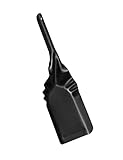
Overview: This compact fireplace shovel from Fire Beauty delivers a straightforward solution for ash removal and light-duty scooping tasks. Measuring 15 inches long with a 5-inch wide scoop, it balances maneuverability with adequate capacity for routine fireplace maintenance. The weather-resistant design extends its utility beyond the hearth, making it suitable for occasional outdoor use and light gardening work.
What Makes It Stand Out: The shovel’s primary distinction is its immediate usability—no assembly means it’s ready straight from the package. The rust-preventative paint treatment addresses a common failure point in metal fireplace tools, potentially extending its lifespan compared to untreated steel alternatives. Its compact dimensions allow for convenient storage alongside other hearth accessories without consuming excessive space, while the versatile design transitions smoothly between indoor ash cleanup and outdoor debris management.
Value for Money: At $9.99, this shovel sits at the budget end of the spectrum, making it highly accessible for homeowners needing fundamental ash removal capability. While premium stainless steel options command higher prices, this model delivers core functionality at nearly half the cost of mid-range alternatives. The weather-resistant coating adds value rarely found at this price point, representing a cost-effective choice for occasional users.
Strengths and Weaknesses: Strengths include its affordable pricing, ready-to-use design, rust prevention, and versatile indoor/outdoor capability. The compact size benefits storage-constrained spaces. Weaknesses involve basic construction quality typical of budget tools, smaller scoop capacity than larger models, and painted finish that may eventually chip under high-heat conditions. The unspecified steel thickness suggests lighter-duty construction than premium options.
Bottom Line: This Fire Beauty shovel serves occasional fireplace users and budget-conscious buyers seeking functional, no-nonsense ash removal. While not engineered for heavy-duty daily use, it capably handles basic maintenance tasks and offers surprising versatility for light gardening duty.
7. AWISEFULL 14.2" Fireplace Shovel - Ash Shovel for Fire Pit & Garden - Heat Resistant Stainless Steel

Overview: The AWISEFULL fireplace shovel elevates ash management with genuine heat-resistant stainless steel construction. At 14.2 inches long and 7.5 inches wide, it provides a broader scooping surface than many competitors despite its shorter length. Weighing just 0.8 pounds, it combines robust durability with easy handling for frequent fireplace maintenance and transitions seamlessly to garden and outdoor tasks.
What Makes It Stand Out: This shovel’s thick stainless steel head differentiates it from painted steel alternatives, offering authentic heat resistance for safely scooping hot embers and eliminating rust concerns entirely. Its versatility extends far beyond the hearth—equally effective for gardening, outdoor activities, and general cleaning tasks. This multifunctional design transforms it from a single-use accessory into a practical household tool that justifies its storage space through diverse applications.
Value for Money: Priced at $17.99, this model occupies the mid-range sweet spot where quality meets affordability. The stainless steel construction justifies the premium over basic painted models, offering superior longevity and genuine heat resistance. When compared to specialized garden trowels or fireplace tools often exceeding $25, its multifunctional capability represents excellent value for households needing both hearth and garden maintenance solutions.
Strengths and Weaknesses: Strengths include authentic stainless steel durability, true heat resistance, lightweight design, wide scoop capacity, and exceptional versatility across multiple applications. The material withstands harsh environments without degradation. Weaknesses are minimal: the shorter length may require more bending than longer models, and the price nearly doubles budget alternatives. Stainless steel also shows soot marks more visibly than painted surfaces, demanding occasional cleaning.
Bottom Line: For regular fireplace users seeking a durable, safe, and versatile tool, the AWISEFULL shovel is an excellent investment. Its stainless steel construction and multifunctional design justify the moderate price premium for quality-conscious buyers who value longevity and flexibility.
8. Folding Shovel, 18" Survival Shovel, Backpack Hiking Shovel, Military Grade Carbon Steel with Saw Edge, Collapsible with Carry Case

Overview: This 18-inch survival shovel diverges from traditional fireplace tools, targeting outdoor enthusiasts with military-grade carbon steel construction and a collapsible design. Unlike fixed shovels, it folds for backpack portability while featuring serrated edges for cutting roots and debris. Engineered for digging, clearing, and emergency situations, it serves as versatile survival gear rather than a simple ash removal tool.
What Makes It Stand Out: The folding mechanism transforms this from a static tool to portable survival equipment, collapsing small enough for hiking or camping packs. High-carbon steel provides exceptional durability, while the serrated edge adds cutting functionality absent in standard shovels. The ergonomic triangular handle delivers superior leverage and grip for demanding digging tasks in tough terrain, making it a true multi-functional outdoor implement.
Value for Money: At $16.14, this survival shovel delivers remarkable value, positioning itself below many dedicated camping shovels while offering comparable military-grade construction. The multi-functional design eliminates need for separate digging and cutting tools, potentially saving money for outdoor enthusiasts. Compared to single-purpose fireplace shovels in the same price range, it offers vastly superior versatility and durability for active users who prioritize portability.
Strengths and Weaknesses: Strengths include exceptional portability, rugged high-carbon steel construction, multi-functional serrated edge, ergonomic handle design, and included carry case. The tool excels in outdoor environments. Weaknesses involve inherent complexity—the folding mechanism introduces potential failure points absent in fixed tools. It’s over-engineered for simple ash cleanup and may prove too bulky for delicate fireplace work. Carbon steel requires maintenance to prevent rust when exposed to moisture.
Bottom Line: This folding shovel excels as survival and camping equipment but serves as a compromise for primary fireplace use. Perfect for outdoor adventurers needing a reliable, portable digging solution, though traditionalists may prefer a fixed tool dedicated specifically to hearth maintenance tasks.
Why Overlanders Need a Multi-Tool Shovel
The overlanding philosophy centers on self-reliance and minimalism, making multi-function tools inherently valuable. A shovel with integrated saw and fire starter eliminates three separate items from your kit, freeing up critical storage space in your rig. More importantly, these tools work synergistically in real-world scenarios. You might dig a fire pit, saw deadfall for fuel, and ignite it—all with the same implement. This workflow efficiency matters when you’re setting up camp at dusk or dealing with an emergency situation where time and energy are limited.
Beyond convenience, terrain management is fundamental to overlanding. You’ll encounter soft sand, mud, snow, and loose gravel where traction becomes your primary concern. A sturdy shovel lets you build escape ramps, clear debris from undercarriages, and create stable leveling platforms for rooftop tents. The saw component proves invaluable for trail maintenance, removing small obstacles, or gathering firewood where chainsaws aren’t permitted or practical. The fire starter, often overlooked until you need it, provides peace of mind when matches get wet or lighters fail at altitude.
Anatomy of a Premium Multi-Function Shovel
Understanding the architecture of these tools helps you separate genuine quality from gimmicky designs. The best models integrate three core functions seamlessly without compromising the primary digging capability. Each component should feel intentional rather than bolted-on as an afterthought. The relationship between shovel head, handle, and accessories determines both performance and longevity.
The Core Triad: Dig, Cut, Ignite
The shovel head must maintain proper geometry for effective digging—meaning adequate curvature, a reinforced cutting edge, and sufficient surface area to move material efficiently. The saw edge should be positioned to avoid interfering with digging motions while remaining accessible for cutting tasks. Fire starters typically mount in the handle or sheath, protected from impact and moisture but readily deployable. When these three elements work in harmony, you get a tool that feels like a natural extension of your hand rather than a compromised hybrid.
The Shovel Head: Your Primary Digging Tool
Don’t let flashy accessories distract from the shovel’s main job: moving earth. The head’s shape dramatically affects performance. A slightly cupped design with rolled edges prevents material spillage and provides structural rigidity. Look for a cutting edge that’s sharpened but not dangerously so—think utility knife rather than razor blade. This allows it to slice through roots and compact soil without turning into a safety hazard when you’re rummaging through gear.
Material Thickness and Tempering
High-carbon steel heads between 2.5mm and 3.5mm thick offer the sweet spot of durability and manageable weight. Thinner steel flexes under load and dents easily on rocks. Thicker steel adds unnecessary heft that you’ll feel after an hour of digging. Heat treatment matters enormously—a properly tempered head will bend rather than snap under extreme load, allowing field repairs with a rock or tire iron. Avoid cast iron or brittle stainless alloys that can shatter when you need them most.
Integrated Saw Edge Design Considerations
The saw component separates premium tools from toy-like imitations. A functional saw edge must have aggressive, properly shaped teeth that cut on both push and pull strokes. Single-direction teeth or shallow serrations might look impressive but will bind and frustrate you when processing anything thicker than a twig.
Tooth Geometry and Placement
Optimal tooth pitch for camp use ranges between 6 and 8 teeth per inch (TPI), similar to a quality pruning saw. This balances cutting speed with smoothness. The saw edge should run along one side of the shovel head, positioned so your knuckles clear the work surface during use. Some designs integrate a separate folding saw blade into the handle—a clever solution that protects the primary digging edge but adds mechanical complexity and potential failure points.
Fire-Starter Mechanisms Explained
Fire starters in shovels typically fall into two categories: ferrocerium rods and magnesium blocks with strikers. Ferro rods, often mislabeled as “flint,” throw 3,000-degree sparks when scraped with a hard steel edge. Quality rods should be at least 3/8-inch diameter to provide hundreds of strikes and enough material to grip securely.
Integration and Accessibility
The best implementations store the rod in a hollow handle compartment with a threaded cap, keeping it dry and protected. The striker should be a dedicated piece of hardened steel, not the shovel’s cutting edge—using the shovel itself damages the tool and produces inferior sparks. Test the system with cold, wet hands before trusting it in the backcountry. Some designs include a small tinder storage compartment in the handle, a thoughtful touch that shows the manufacturer actually understands wilderness firecraft.
Handle Systems and Length Adjustability
Handle design impacts leverage, packing efficiency, and user comfort. Telescoping handles offer adjustable length for different tasks—short for storage and precision work, extended for maximum digging leverage. However, each joint introduces potential failure points and slight wobble that can be annoying during heavy use.
Segmented vs. Telescoping Designs
Three-piece segmented handles that screw together provide bombproof reliability and pack down smaller than telescoping tubes, but require assembly. Telescoping systems deploy faster but rely on locking mechanisms that can jam with dirt or corrode in salty environments. Look for positive-locking systems with visible indicators that the joint is fully engaged. Handles should extend to at least 30 inches for comfortable digging; anything shorter forces you to work hunched over and wastes energy.
Material Science: What Your Shovel Should Be Made Of
The metallurgy of your shovel directly correlates with field performance and lifespan. For the head, 1055 or 1095 high-carbon steel offers excellent edge retention and toughness. These alloys can be sharpened in the field with a simple file and develop a patina that protects against rust. Powder-coated finishes add corrosion resistance but will chip eventually—inspect bare metal spots after each trip and touch up with rust-inhibiting paint.
Handle Materials: Strength-to-Weight Ratios
Aircraft-grade 6061-T6 aluminum handles provide the best balance of strength, weight, and corrosion resistance. Carbon fiber looks sexy and saves ounces but can shatter under impact and conducts cold poorly in winter—making gloves mandatory. Steel handles are indestructible but add pounds you don’t want to carry. Whatever the material, ensure the handle has a non-slip grip section, even if you plan to wear gloves. Textured rubber or machined knurling prevents catastrophic slips when you’re driving the blade into hardpan.
Weight vs. Durability Trade-offs
Every ounce matters when you’re packing a rig for extended travel, but durability is non-negotiable for recovery gear. The lightest multi-function shovels tip the scales around 2 pounds, while heavy-duty models can exceed 4 pounds. Your choice depends on vehicle size, typical terrain, and personal philosophy.
Finding Your Personal Balance
Solo travelers in lightweight vehicles should prioritize lighter tools, accepting that they’ll need to be more gentle with them. Overlanders in heavy-duty trucks with ample payload can afford the weight penalty of a beefier shovel that can double as a pry bar or anchor point. Consider the “two is one, one is none” principle—some travelers carry a lightweight primary shovel and stash a compact backup in their vehicle’s emergency kit.
Portability and Storage Solutions
How your shovel packs down determines where you’ll store it and how quickly you can deploy it. The most packable designs break down into a flat configuration that slides behind seats or mounts to MOLLE panels. Bulkier designs may require dedicated mounts on roof racks or spare tire carriers.
Sheath and Mounting Systems
A quality sheath protects both the tool and your vehicle’s interior from damage. Look for ballistic nylon with reinforced stitching and secure closures. The sheath should have multiple attachment options: MOLLE compatibility, belt loops, and D-rings for carabiners. Some designs include external pockets for storing the fire striker or a small sharpening stone—details that show real-world thinking. Avoid sheaths that fully enclose the saw edge, as they trap dirt and moisture that accelerates corrosion.
Ergonomics and Usability in the Field
A shovel that looks great online can become a wrist-wrecking nightmare after ten minutes of actual use. The grip circumference should match your hand size—too thick and you’ll fatigue quickly; too thin and you’ll lose control. Many handles feature a D-grip or T-grip at the end, which dramatically improves leverage when stepping on the blade’s shoulder to drive it into hard ground.
Balance and Swing Weight
The tool’s balance point should fall near where your forward hand naturally grips the handle. Too much weight in the head makes it feel club-like and uncontrolled. Too much weight in the handle reduces digging power. Swing weight—the perceived heft during motion—affects fatigue more than static weight. Test this by mimicking digging motions with the tool before committing to a purchase. If buying online, read reviews specifically mentioning balance and handling rather than just durability claims.
Safety Features and Best Practices
Any tool that combines sharp edges, digging force, and fire-starting sparks demands respect. The saw edge should have a protective cover or be positioned to minimize accidental contact when digging. Fire starters should be stored so they can’t be activated inadvertently by gear shifting in your vehicle.
Safe Handling Protocols
Develop muscle memory for which edge faces which direction during different tasks. Some overlanders mark the “safe” side of the handle with tape for quick visual reference. Never leave the shovel deployed in camp where someone might step on it in the dark. When passing the tool to another person, always present it handle-first with the blade pointed away. Teach any travel companions the location and operation of the fire starter before you need it—panic and unfamiliarity create dangerous situations.
Maintenance and Care in Harsh Environments
Your shovel will face mud, sand, salt, and moisture—often simultaneously. After each trip, disassemble the handle and clean all threads with a brush and fresh water. Dry thoroughly before reassembly. A drop of medium-strength thread locker on handle joints prevents them from vibrating loose on rough trails but still allows disassembly when needed.
Field Sharpening and Rust Prevention
Carry a small diamond file to touch up both the shovel edge and saw teeth. A sharp tool is safer and more efficient than a dull one. Apply a light coat of gun oil or dry lubricant to metal surfaces before long trips, especially in coastal or winter environments. Store the fire starter with a silica gel packet to absorb moisture. Inspect the o-ring seals on hollow handles annually—replace them at the first sign of cracking or compression set.
Price Tiers and What to Expect
Multi-function shovels range from budget-friendly $30 models to premium $200+ tools. Understanding what each price point delivers helps set realistic expectations and prevents costly mistakes.
Budget Tier ($30-$60)
These tools typically use lower-grade steel, simpler handle designs, and basic fire starters. They work for occasional weekend warriors but won’t withstand heavy daily use. Welds may be spotty, and locking mechanisms can wear quickly. The saw edges are often stamped rather than machined, resulting in poor cutting performance. Consider these entry-level options for light use or as backup tools.
Mid-Range ($60-$120)
This sweet spot offers the best value for serious overlanders. You get proper high-carbon steel heads, reliable locking mechanisms, and functional saw edges. Fire starters are typically full-sized ferro rods with dedicated strikers. Handles use quality aluminum with decent ergonomics. These tools will last years with proper care and handle 90% of what you’ll encounter.
Premium Tier ($120+)
Top-tier shovels justify their price through superior metallurgy, innovative designs, and exceptional warranties. You might find titanium components, replaceable saw blades, or integrated compasses and whistles. The engineering focuses on eliminating every gram without sacrificing strength. These are investment pieces for full-time travelers or those who push extreme terrain regularly.
Warranty and Manufacturer Support
A lifetime warranty means nothing if the company disappears or makes claims impossible to redeem. Research the manufacturer’s reputation in overlanding forums before purchasing. Look for companies that explicitly cover overlanding and off-road use—not just “normal use” which can be interpreted to exclude recovery situations.
What to Look for in a Guarantee
The best warranties cover the entire tool, including the fire starter rod, which is typically considered a consumable. Read the fine print for exclusions about “improper use” or “modifications.” Some manufacturers offer no-questions-asked replacement programs, while others require you to ship the tool back for evaluation—a dealbreaker when you’re mid-expedition. A few premium brands maintain service centers in popular overlanding regions, allowing for repairs or replacements on the road.
Common Mistakes Overlanders Make
Even seasoned travelers misjudge their shovel needs. The most frequent error is choosing a tool based on feature count rather than core functionality. A shovel with eight mediocre functions is worse than one with three excellent ones. Another mistake is buying based on online photos without handling the tool—ergonomics can’t be judged from specs alone.
Feature Creep and Redundancy
Some shovels incorporate knives, bottle openers, rulers, and even fish scalers. Ask yourself if you’d actually use these features or if you already carry better versions elsewhere. Each addition adds weight and potential failure points. The most successful designs focus on doing three things exceptionally well rather than ten things adequately. Also, avoid models where the fire starter requires complete disassembly of the handle to access—when you need fire, you need it now, not after five minutes of unscrewing components in the dark.
Frequently Asked Questions
What’s the ideal weight for an overlanding shovel?
Most quality multi-function shovels weigh between 2.5 and 3.5 pounds. Anything lighter may sacrifice digging leverage and durability; anything heavier becomes burdensome for frequent use. Your ideal weight depends on your vehicle type and physical strength, but aim for the lightest tool that still feels substantial enough for serious digging tasks.
Can I really process firewood effectively with a shovel’s saw edge?
Yes, but with realistic expectations. A well-designed saw edge with 6-8 TPI can handle branches up to 4-6 inches in diameter efficiently. It’s not a replacement for a chainsaw or dedicated bow saw for large trees, but for camp firewood and trail clearing, it’s surprisingly capable. The key is proper tooth geometry and maintaining a sharp edge.
How long should the fire starter last?
A quality ferrocerium rod (3/8-inch diameter) should provide 3,000-5,000 strikes. In practical terms, that’s several years of regular use. The striker will wear faster than the rod itself. Replace the striker when it becomes rounded or fails to produce good sparks. Store the rod dry and avoid striking it on the shovel blade, which damages both components.
Is a telescoping handle better than a segmented one?
Telescoping handles deploy faster and offer infinite adjustability, but have more potential failure points and can jam with grit. Segmented handles are more reliable and pack flatter, but require assembly. For most overlanders, three-piece segmented designs offer the best reliability, especially if you pre-assemble before hitting difficult terrain.
What’s the best way to mount a shovel on my vehicle?
Mount it somewhere accessible without opening doors or climbing on the vehicle. Popular locations include roof rack crossbars, spare tire carriers, or dedicated mounts on rear bumpers. Always use the provided sheath to protect both the tool and your vehicle’s finish. Ensure the mounting system locks to prevent theft and can’t be vibrated loose on rough trails.
Should I get a shovel with a pointed or rounded blade tip?
Pointed tips penetrate hard ground and cut through roots better but hold less material per scoop. Rounded tips excel at moving loose material like sand or snow. For overlanding versatility, a slightly pointed design with a reinforced tip offers the best compromise. Some premium models feature replaceable tips to adapt to different terrains.
How do I maintain the saw edge in the field?
Carry a small diamond file (6-inch single-cut) and touch up the teeth every few uses. File each tooth at its existing angle, typically 30-35 degrees. A few strokes per tooth maintain sharpness. Clean the saw edge after each use with a wire brush to remove sap and debris. Never use oil on the saw edge—it attracts dirt and reduces cutting efficiency.
Can I use the shovel as a pry bar in emergencies?
While tempting, this voids most warranties and risks catastrophic failure. Shovels aren’t designed for prying leverage and can snap, creating dangerous projectiles. If you must pry, use the shovel only for light-duty tasks like lifting a corner of a floor mat or shifting small rocks. For serious recovery, carry a dedicated pry bar or hi-lift jack. Some premium shovels are engineered with reinforced spines for limited prying, but check manufacturer specifications first.
What’s the difference between ferrocerium and magnesium fire starters?
Ferrocerium rods produce hot sparks when scraped. Magnesium blocks require you to shave off magnesium flakes (which burn extremely hot) and ignite them with a spark. Ferro rods are simpler, faster, and more reliable for most users. Magnesium blocks work when wet but take longer to prepare. Many quality shovels include a ferro rod as the primary starter due to its simplicity and reliability.
Do I need training to use these tools effectively?
Absolutely. Practice digging techniques, sawing mechanics, and fire starting in your backyard before relying on them in the wilderness. Learn proper body mechanics to avoid injury—digging is physically demanding. Test the fire starter in wind and rain. Understanding your tool’s capabilities and limitations prevents dangerous overconfidence. Consider taking a wilderness skills course that covers tool use and maintenance.'