There’s something magical about opening your van door to the smell of fresh coffee creamer and crisp vegetables after three days off-grid. That magic hinges on one critical piece of gear: a reliable dual-zone fridge and freezer. For van lifers, this isn’t just a luxury—it’s the difference between surviving on granola bars and actually thriving with home-cooked meals, frozen smoothie packs, and ice-cold beverages wherever you park.
Unlike traditional coolers that turn everything into a soggy mess or single-zone refrigerators that force you to choose between chilled goods and frozen essentials, dual-zone systems give you the freedom to run a true refrigerator and freezer simultaneously. This means you can keep your meat frozen solid for weeks while your greens stay perfectly crisp in a separate compartment. But not all dual-zone coolers are created equal, and choosing the wrong one can drain your batteries, take up precious space, or leave you with lukewarm disappointment. Let’s dive into everything you need to know to make the smartest choice for your mobile lifestyle.
Top 10 Car Coolers for Van Life
Detailed Product Reviews
1. EUHOMY 12 Volt Refrigerator, 59QT(55L) Electric Cooler, 12V Fridge APP Control, 12V Cooler -4℉~68℉, Portable Freezer 12/24V DC 100-240V AC for Camping, Travel, Truck, Home

Overview: The EUHOMY 59QT refrigerator is a high-capacity portable cooling solution designed for serious travelers, truckers, and outdoor enthusiasts. With a generous 55-liter capacity and dual-zone design, this unit functions as both fridge and freezer simultaneously. The included AC and DC adapters enable seamless transitions from home to vehicle use, while the 2-year technical support provides peace of mind for long-term ownership.
What Makes It Stand Out: This model’s dual storage zones effectively reduce odor transfer between frozen and refrigerated items—a rarity in portable units. The Bluetooth app control allows remote temperature management without accessing the unit, invaluable during road trips. Its advanced variable frequency compressor achieves rapid cooling from 68°F to 32°F in just 15 minutes, while the UL-certified ECO mode maintains efficient 45W average consumption. The three-level battery protection system intelligently prevents vehicle battery drain.
Value for Money: At $233.99, this represents a premium investment that justifies its cost through substantial capacity and sophisticated features. Comparable dual-zone units typically exceed $250, making this competitively priced. The energy efficiency translates to lower operating costs, while the robust construction and included adapters eliminate hidden expenses, delivering solid long-term value for frequent campers or commercial drivers.
Strengths and Weaknesses: Strengths include exceptional 55L capacity, dual-zone temperature control, rapid cooling performance, comprehensive battery protection, and versatile power options. The smartphone app integration adds modern convenience. Weaknesses involve its bulky footprint, which may challenge smaller vehicles, and the higher price point that could deter casual users. The weight, while not specified, likely requires two people for safe lifting when fully loaded.
Bottom Line: The EUHOMY 59QT is ideal for extended trips, families, or professionals requiring maximum cooling capacity with smart features. Its dual-zone functionality and app control set it apart, making it worth every penny for serious users despite its premium pricing and size.
2. EUHOMY 12 Volt Refrigerator, 32QT(30L) Electric Cooler, Car Fridge APP Control, Car Refrigerator 12/24V DC 100-240V AC, Portable Freezer Usable Battery for Camping, Travel, Truck, Outdoor

Overview: This 32QT EUHOMY model bridges the gap between compact portability and functional capacity, offering a unique battery-powered operation that liberates users from constant power sources. The 30-liter capacity suits couples or small families for weekend adventures, while the versatile power system accommodates home, vehicle, and standalone battery use for maximum flexibility.
What Makes It Stand Out: The integrated battery system delivering 6 hours of independent operation is this unit’s killer feature, enabling true off-grid capability without external power banks. The specialized compartment doubles as a charging station and storage for small essentials, maximizing space efficiency. APP control via Bluetooth provides convenient remote management, while the high-efficiency compressor achieves 77°F to 32°F cooling in 15 minutes. The addition of a USB charging port demonstrates thoughtful design for modern travelers.
Value for Money: Priced at $179.99, this model commands a moderate premium over basic units but undercuts competitors with similar battery integration. The included battery, dual power adapters, and 2-year support justify the cost. For users prioritizing off-grid independence, this eliminates separate power station purchases, representing excellent value despite slightly higher upfront investment.
Strengths and Weaknesses: Key strengths include battery-powered operation, app control, fast cooling, three-level battery protection, and practical features like recessed handles and USB charging. The 6-hour battery life covers most scenarios. Weaknesses include added weight from the battery, limited runtime for multi-day off-grid use, and smaller capacity than non-battery alternatives at similar prices. The battery will eventually require replacement.
Bottom Line: Perfect for adventurers needing occasional off-grid cooling without external power stations. The integrated battery and smart features make it a versatile, travel-ready solution worth the premium for those who value independence and convenience in a mid-sized package.
3. Feelfunn Car Fridge Portable 12 Volt Refrigerator - 22QT(21L) Electric Cooler 12/24V DC&110-240V AC, Fast Cooling Portable Freezer for Camping Travel Outdoor Truck RV SUV, -4~68°F

Overview: The Feelfunn 22QT refrigerator targets budget-conscious buyers seeking reliable portable cooling without sacrificing performance. This 21-liter unit serves solo travelers or couples perfectly, offering essential functionality in a compact, lightweight package. With dual AC/DC operation and solar adapter compatibility, it adapts to various scenarios from road trips to campsites.
What Makes It Stand Out: Remarkably affordable pricing combined with premium features distinguishes this model. The 45mm foam insulation layer exceeds many competitors, enhancing thermal retention. Solar adapter support provides eco-friendly off-grid potential rarely seen at this price. The whisper-quiet 42dB operation and shock-proof design ensure peaceful sleep and reliable performance on rough terrain. Rapid cooling (68°F to 32°F in 15 minutes) matches premium brands while consuming only 45W in ECO mode.
Value for Money: At $119.99, this represents exceptional value—among the lowest prices for a compressor-based portable fridge. It includes features typically reserved for pricier models: fast cooling, battery protection, solar compatibility, and 2-year support. The UL certification and robust insulation deliver reliability that budget competitors often lack, making this a smart purchase for cost-aware consumers.
Strengths and Weaknesses: Strengths include unbeatable price, fast cooling, excellent insulation, ultra-quiet operation, solar compatibility, and comprehensive battery protection. The compact size and hidden handles enhance portability. Weaknesses include limited 21L capacity unsuitable for families, absence of app control, and basic single-zone design. The brand lacks EUHOMY’s market presence, though the 2-year support mitigates this concern.
Bottom Line: The Feelfunn 22QT is the definitive budget champion, delivering compressor cooling and thoughtful features at an entry-level price. Ideal for solo adventurers or as a secondary fridge, it proves affordability doesn’t require compromising core performance.
4. EUHOMY 12 Volt Refrigerator, 19QT(18L) Compressor Electric Cooler APP Control, Car Fridge -4℉~68℉, Portable Refrigerator 12/24V DC 100-240V AC, Portable Freezer for Camping, Travel, Boat

Overview: EUHOMY’s 19QT model packs premium features into an ultra-compact 18-liter frame, targeting solo travelers, couples, and boaters needing minimal space consumption. Despite its small footprint, this unit maintains full freezer capability (-4°F to 68°F) and smartphone integration, proving that size reduction doesn’t necessitate feature stripping.
What Makes It Stand Out: The innovative magnetic sealing lid creates a superior airtight seal compared to traditional latches, enhancing insulation and durability for frequent access. APP control remains a standout feature in this compact class, allowing remote monitoring without opening the unit. The anti-shock design maintains operation at 30° inclines, critical for marine or off-road applications. Operating at just 42dB, it’s among the quietest units available, while the 15-minute rapid cooling performance matches larger models.
Value for Money: Priced at $134.99, this positions itself as a premium compact option. While cheaper 19QT alternatives exist, none offer the magnetic seal, app control, and EUHOMY’s support infrastructure. The energy-efficient 45W consumption and included adapters add value. For users prioritizing advanced features over raw capacity, the price premium is justified.
Strengths and Weaknesses: Strengths include innovative magnetic sealing, app control, ultra-quiet operation, anti-shock capability, rapid cooling, and three-level battery protection. The compact size fits virtually any vehicle. Weaknesses include the smallest capacity in the lineup, limiting utility for groups. The premium price per quart ratio may deter budget buyers. Single-zone design restricts simultaneous fridge/freezer use.
Bottom Line: An excellent choice for space-constrained applications where premium features matter more than capacity. The magnetic seal and app control differentiate it from basic compact units, making it ideal for solo travelers, boaters, or as a dedicated beverage cooler in any vehicle.
5. BougeRV 12 Volt Refrigerator 12V Car Fridge 23 Quart Portable Freezer Compressor Cooler 12/24V DC 110~240 Volt AC for Truck Van RV Camper SUV Travel Camping Road Trips Tailgating -8℉~50℉
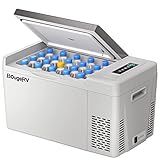
Overview: BougeRV’s 23QT refrigerator offers a balanced middle ground in capacity and performance, focusing on rapid deep freezing and energy efficiency. This 22.27-pound unit serves as a reliable mid-size option for couples and small families. With both AC and DC power cords included, it’s ready for immediate deployment across vehicles and campsites.
What Makes It Stand Out: This model achieves impressive -8°F temperatures, surpassing many competitors’ -4°F limits, with rapid cooling to -5°F in just 50 minutes. The ECO mode reduces power consumption below 36W, making it exceptionally efficient for sustained operation. BougeRV’s established reputation in the RV community provides confidence, while the shock-proof design handles 30° off-road angles. The lightweight construction relative to capacity enhances portability.
Value for Money: At $169.99, this sits in the competitive mid-range sweet spot. It undercuts EUHOMY’s 32QT battery model while offering superior freezing capability. The 2-year tech support and included power cords eliminate additional purchases. For users prioritizing freezing performance and brand reputation over smart features, this delivers strong value.
Strengths and Weaknesses: Strengths include superior deep freezing (-8°F), rapid cooling performance, excellent energy efficiency (sub-36W ECO mode), proven shock resistance, lightweight design, and reliable battery protection. The 23QT capacity hits a practical size balance. Weaknesses include the lack of app control, slightly louder 45dB operation versus premium competitors, and single-zone limitation. Insulation details are less specified than Feelfunn’s 45mm foam.
Bottom Line: BougeRV’s 23QT excels for users needing genuine freezing capability without premium pricing. Its rapid deep freeze and energy efficiency make it a practical choice for hunters, fishermen, and campers prioritizing performance over smartphone integration. A solid, no-frills workhorse.
6. Wagan EL6206 12V 6 Quart Personal Thermoelectric, 6 Liter Capacity, Portable Electric Cooler Warmer with 12/24V DC, Small Fridge for Car, RV, and Camping Use, UL Listed

Overview: The Wagan EL6206 is a compact 6-quart thermoelectric cooler/warmer designed for personal use in vehicles. This UL-listed unit offers a straightforward solution for keeping beverages and snacks at optimal temperatures during road trips, camping excursions, or daily commutes. Its small footprint makes it ideal for placement between seats or in tight trunk spaces without consuming valuable real estate.
What Makes It Stand Out: The thermoelectric technology eliminates harmful CFCs and refrigerants, making it an environmentally conscious choice. The dual-function design provides both cooling (to 36°F below ambient) and warming (to 140°F) capabilities, while the built-in carry strap enhances portability. The unit can hold nine 12-ounce cans, perfectly sized for individual or couple travel.
Value for Money: At $69.78, this Wagan model sits in the mid-range for thermoelectric units. While more expensive than passive coolers, it offers consistent temperature control without ice. However, compressor-based alternatives at similar prices now exist, making it less competitive than before for those needing true refrigeration.
Strengths and Weaknesses: Strengths include its compact dimensions, lightweight construction, eco-friendly operation, and reliable dual functionality. The UL certification ensures safety standards. Weaknesses include ambient-dependent cooling performance, slower temperature reduction, lack of included AC adapter for home use, and limited capacity for group travel.
Bottom Line: The Wagan EL6206 suits casual travelers needing basic cooling or warming. It’s reliable and eco-friendly but thermoelectric limitations mean it’s not a true refrigerator. Consider your temperature needs carefully before purchasing.
7. DOGHLY 12 Volt Car Refrigerator 11QT Portable Cooler -4℉-68℉, Compressor Fridge 12V/24V DC & 110-240V AC, Electric Cooler for Truck, RV, Camper, SUV, Travel, Camping & Road Trips (11QT)

Overview: The DOGHLY 11QT Car Refrigerator is a compressor-based portable fridge that delivers true freezing capability in a compact package. With a temperature range of -4°F to 68°F, this unit functions as both refrigerator and freezer, making it ideal for serious campers, truckers, and road trippers who need reliable food preservation beyond simple cooling.
What Makes It Stand Out: Unlike thermoelectric competitors, the compressor technology provides consistent performance regardless of ambient temperature. The dual power system (12/24V DC and 110-240V AC) offers seamless transitions between vehicle and wall outlets. Operating below 45dB, it’s quieter than many alternatives, while shockproof construction handles rough roads without damage.
Value for Money: At $69.99, this compressor fridge represents exceptional value—similar units typically cost $100-150. The ability to actually freeze items at this price point is remarkable, making it accessible for budget-conscious adventurers who previously couldn’t afford compressor technology.
Strengths and Weaknesses: Strengths include genuine freezing capability, versatile power options, low noise operation, energy efficiency, and durable build quality. The 10L capacity accommodates up to 14 cans. Weaknesses include the lesser-known brand reputation, potentially affecting long-term reliability predictions, and the relatively small capacity for extended family trips.
Bottom Line: The DOGHLY 11QT is a standout performer that punches above its price class. For anyone needing true refrigeration on the road without breaking the bank, this compressor-based unit is an excellent choice that outperforms thermoelectric alternatives.
8. High Road SnackStash Soft Car Cooler Bag for Cold and Hot Food Transport - Insulated Backseat Cooler Bag for Car, SUV, Truck or Van - Portable Soft Cooler with Storage Pocket and Bottle Holders
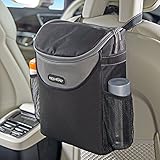
Overview: The High Road SnackStash is a soft-sided insulated cooler bag designed specifically for vehicle organization rather than active refrigeration. This non-electric solution attaches to seatbacks, providing convenient storage for drinks and snacks while maintaining temperatures through passive insulation for hours without any power consumption.
What Makes It Stand Out: The patented design serves dual purposes as both cooler and organizer, with a waterproof neoprene body and PEVA-lined interior. It keeps items cool for up to 30 hours or warm for 8 hours. The versatile mounting system fits any headrest, while multiple pockets provide additional storage for essentials like wipes and utensils.
Value for Money: At $22.99, the SnackStash is highly affordable compared to electric alternatives. It requires no ongoing power costs and eliminates the risk of draining vehicle batteries. For short trips and organizational needs, it delivers excellent utility per dollar without complexity.
Strengths and Weaknesses: Strengths include lightweight portability, versatile installation, extra organizational pockets, waterproof construction, and unbeatable price. It holds up to fifteen cans or eight 16-ounce bottles. Weaknesses include reliance on ice packs instead of true cooling, limited temperature control, reduced effectiveness in extreme heat, and potential liner puncture from sharp objects.
Bottom Line: The SnackStash excels as a budget-friendly organizational cooler for short journeys. While it won’t replace a powered fridge for long trips, it’s perfect for daily commutes, grocery runs, and keeping kids’ snacks accessible without complicated setup or power concerns.
9. Upstreman Electric Cooler & Warmer 10QT(9L) Capacity, Thermoelectric Car Fridge with Shoulder Strap, Plug In 12V DC Portable Car Food Warmer and Cooler for Travel, Camping, Picnic-AR09

Overview: The Upstreman Electric Cooler & Warmer is a 10QT thermoelectric unit that emphasizes premium features and portability. With a sleek aluminum alloy interior and thoughtful design elements, it targets users wanting more than basic functionality without stepping up to compressor models. It cools to 5°C and warms to 65°C.
What Makes It Stand Out: The aluminum lining claims 30% faster cooling than standard thermoelectric units, while user-friendly details include dual cup holders, a silicone phone pad, and an ergonomic shoulder strap. The streamlined high-top lid accommodates upright bottle storage, and the unit supports multiple power sources including optional battery packs for true portability.
Value for Money: Priced at $85.49, this is a premium thermoelectric option. While feature-rich, it competes directly with entry-level compressor fridges that offer superior cooling performance. The value proposition depends heavily on prioritizing portability and convenience features over raw cooling power and freezing capability.
Strengths and Weaknesses: Strengths include lightweight design (6.61 lbs), premium materials, excellent portability, smart organizational features, and versatile power compatibility. The aluminum interior improves efficiency. Weaknesses include thermoelectric limitations (only 20-25°C below ambient), no included AC adapter, high price relative to performance, and inability to freeze items.
Bottom Line: The Upstreman is ideal for users who value convenience and build quality over maximum cooling performance. It’s perfect for day trips and office use but falls short for serious camping where true refrigeration is needed. Consider compressor alternatives at this price point.
10. DollarDash 12 Volt Refrigerator, 11QT Mini Portable Car Fridge, Freezer Compressor Electric Cooler -4℉~68℉, 12/24V DC 100-240V AC for Truck Van RV SUV Travel Camping Road Boat Trips
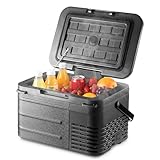
Overview: The DollarDash 12 Volt Refrigerator is an 11QT compressor-based fridge that prioritizes rapid cooling and sophisticated battery protection. Designed for adventurous travelers, it promises commercial-grade performance in a compact, vehicle-friendly package with advanced power management features that set it apart from budget competitors.
What Makes It Stand Out: The ultra-fast cooling capability drops temperatures to 32°F in just 15 minutes and -4°F within 50 minutes. The intelligent 3-level battery protection system prevents vehicle battery drain, customizable to different vehicle types. Operating at only 40dB and functioning reliably at 30° tilt, it’s built for off-road conditions where other units might fail.
Value for Money: At $69.99, this compressor fridge matches aggressive competitor pricing while adding sophisticated battery management. The combination of performance features and safety systems at this price point represents exceptional value for serious travelers who can’t afford equipment failure in remote locations.
Strengths and Weaknesses: Strengths include lightning-fast cooling, comprehensive battery protection, low power consumption (45W ECO mode), whisper-quiet operation, shockproof construction, and angle tolerance. The 11QT capacity fits fourteen cans. Weaknesses include the unknown brand’s long-term reliability, basic aesthetics, and limited capacity for group use.
Bottom Line: The DollarDash is a feature-packed powerhouse that rivals premium brands at a fraction of the cost. For anyone needing reliable freezing capability with peace-of-mind battery protection, this unit delivers professional performance on a budget. Highly recommended for overlanders and truckers.
Why Dual-Zone Cooling is a Game-Changer for Van Life
The Freedom of Fresh and Frozen
Living on the road means embracing spontaneity—those unexpected invitations to stay another week at a remote hot springs or the decision to take the scenic route through mountain passes. A dual-zone system fundamentally changes your food storage strategy by giving you genuine refrigeration and freezing capabilities in one unit. You can stock up on bulk frozen proteins during a Costco run, keep ice cream actually frozen for weekend celebrations, and still have a dedicated space for fresh produce that won’t accidentally freeze overnight. This separation eliminates the daily Tetris game of trying to keep sensitive items away from the cooling element while ensuring your frozen goods remain at safe temperatures.
Energy Efficiency on the Road
Modern dual-zone coolers with separate compressors or advanced cooling circuits let you turn off one zone when you don’t need it, dramatically reducing power draw. If you’re solo traveling and only need refrigeration, you can shut down the freezer compartment entirely. Conversely, if you’re prepping meals for a week-long adventure, you can max out the freezer while keeping the fridge in eco-mode. This flexibility translates to fewer solar panels, smaller battery banks, and longer stays in places without shore power—critical considerations when every amp-hour counts.
Understanding Dual-Zone Technology
How True Dual-Zone Systems Work
The term “dual-zone” gets thrown around loosely, but true dual-zone units feature completely independent temperature control for each compartment. Some budget models simply use a divider with a fan, which creates a temperature gradient rather than two distinct climates. Premium systems employ separate evaporator coils, individual compressors, or sophisticated damper systems that maintain precise temperatures even when ambient conditions fluctuate wildly. When shopping, look for units that explicitly state independent temperature control and can maintain a 40°F+ temperature differential between zones.
Temperature Range Capabilities
Quality dual-zone coolers typically offer refrigerator zones adjustable from 35°F to 50°F and freezer zones that reach 0°F or below. The best units can hit -8°F, perfect for long-term food preservation or making ice cubes. Pay attention to how quickly the unit can pull down temperatures from ambient conditions—this “recovery time” matters when you’re loading groceries on a hot day or when your van interior hits 100°F during summer afternoons. A slow-recovery unit will struggle to keep ice cream solid when you’re constantly opening the lid.
Compressor vs. Thermoelectric Cooling
For van life, compressor-based cooling is non-negotiable. Thermoelectric coolers simply can’t maintain freezing temperatures in hot environments and become inefficient drains on your electrical system. Compressor units, particularly those using Danfoss or Secop compressors, work like your home refrigerator—using refrigerant and a compression cycle to move heat effectively. They’ll keep ice cream frozen when it’s 110°F outside and run on minimal power thanks to variable-speed technology that adjusts cooling output based on demand.
Key Features to Evaluate Before Buying
Capacity and Size Considerations
Space in a van is measured in square inches, not square feet. Before falling in love with a 75-quart unit, grab a tape measure and map out your intended installation spot. Remember to account for ventilation clearance—most units need 2-3 inches of space on all sides except the bottom. Consider your travel style: a weekend warrior might thrive with a 45-quart unit, while full-timers living in a Sprinter van often need 60-75 quarts to reduce grocery runs. Think vertically too; taller units with basket systems sometimes offer better organization than wide, shallow models.
Power Consumption and Energy Ratings
Look beyond the manufacturer’s “average amp draw” claims and dig into the specs. The critical number is amp-hours per day at a specific ambient temperature—usually 90°F. A unit drawing 1.5 amps average might consume 36 amp-hours daily, but that can double in extreme heat. Check if the cooler has an Energy Star rating or equivalent certification. Variable-speed compressors are worth the premium; they ramp down to whisper-quiet operation once target temperatures are reached, sipping power rather than guzzling it.
Insulation Quality and Construction
Thick, high-density foam insulation (2-3 inches minimum) separates the premium coolers from the pretenders. Open the lid and feel the walls—quality units feel substantial and cold to the touch even after hours of operation. The lid seal should be a continuous, replaceable gasket that creates an airtight closure. Some manufacturers use vacuum-insulated panels for even better performance, though these come at a premium. Remember, better insulation means less compressor run time, which equals quieter nights and longer battery life.
Temperature Control Precision
Digital displays are standard, but the real question is accuracy. Look for units with temperature probes in both zones and displays that show actual temps, not just set points. Some advanced models feature Bluetooth-connected sensors that alert your phone if temperatures drift outside safe ranges—priceless insurance when you’re away from the van hiking. The control panel should be intuitive enough to adjust while half-asleep at 2 AM without accidentally switching zones or activating a defrost cycle.
Noise Levels for Peaceful Nights
That “quiet” cooler might sound fine in a showroom but become a sleep-disrupting nightmare in a van’s tight quarters. Quality units operate at 35-45 decibels—about the level of a library. Cheaper models can hit 55+ decibels, which is conversational speech level. Listen for fan noise, compressor vibration, and rattling lids. Some units mount the compressor on rubber isolation pads to minimize vibration transfer to your van’s structure. If possible, test the unit in person or watch video reviews with sound tests recorded in actual van installations.
Power Options and Compatibility
12V DC, 24V DC, and 110V AC Connections
Versatile power input is crucial for van life. Your cooler should seamlessly switch between 12V DC (van battery), 24V DC (some solar setups), and 110V AC (shore power or inverter). Auto-detecting voltage prevents blown fuses and fried electronics. Check the cigarette lighter plug quality—cheap connectors cause voltage drops and overheating. Hardwiring kits with Anderson connectors or dedicated 12V ports eliminate these issues and provide cleaner power delivery. Some units even include dual battery protection settings to prevent draining your starter battery.
Solar Panel Integration
If you’re running solar, your cooler becomes the heart of your electrical system. Calculate your cooler’s daily amp-hour consumption, then size your solar array and battery bank accordingly. A good rule: multiply the cooler’s daily draw by 3 to account for cloudy days and system inefficiencies. Many van lifers pair 200-300 watts of solar with 200-300 amp-hours of lithium batteries to run a dual-zone cooler indefinitely. MPPT charge controllers work better than PWM for this setup, as they extract more power during low-light mornings and evenings when the cooler is often working hardest.
Battery Protection Systems
Three-stage battery protection (High, Medium, Low) is essential. This feature monitors input voltage and shuts off the cooler before it drains your battery to critical levels. The “High” setting (around 12.2V cutoff) protects starter batteries, while “Low” (around 10.5V) maximizes runtime on deep-cycle house batteries. Some premium units offer customizable cutoff voltages via smartphone apps. Remember, lithium batteries have different voltage curves than AGM or lead-acid, so ensure your cooler’s protection settings are compatible with your battery chemistry.
Installation and Mounting Strategies
Built-in vs. Portable Designs
Built-in units offer sleek integration with ventilation systems, permanent wiring, and flush-mounting that saves space. They often have front-facing controls and reversible hinges for custom cabinetry. Portable units provide flexibility—pull it out for beach picnics or tailgating, or move it between vehicles. Many van lifers choose a hybrid approach: a portable unit secured in a permanent slide-out drawer system. This gives you the best of both worlds while protecting the cooler from road vibration and making contents accessible without crawling into the van.
Ventilation Requirements
Compressors generate heat that must dissipate, or efficiency plummets. Rear-venting units need clearance behind the cooler and often require external vent holes with fans. Top-venting models are more forgiving but still need airflow. Some creative van builders install computer fans connected to thermostats that activate when the compressor runs, ducting hot air outside. Never enclose a compressor cooler completely without ventilation—it’ll work overtime, consume more power, and fail prematurely. Check the manual for CFM requirements and design your installation accordingly.
Securing Your Cooler for Travel
A 60-pound cooler becomes a 200-pound projectile in a 60 mph crash if not properly secured. Use ratchet straps rated for at least 400 pounds, bolt through the van floor with backing plates, or install a custom mounting bracket system. The cooler should be accessible from inside the van without requiring you to unstrap it. Consider a slide-out tray with locking mechanisms—worth every penny when you’re grabbing ingredients in a rainstorm. Rubber isolation pads between the cooler and mounting surface reduce vibration and noise transmission.
Temperature Management in Extreme Conditions
Performance in Hot Climates
When desert camping in 110°F heat, your cooler works overtime. Park in shade whenever possible and consider insulating the cooler further with reflective blankets or custom foam covers. Some van lifers install small 12V fans that blow across the condenser coils when ambient temps exceed 95°F. Pre-cool your cooler at home on AC power before trips, and avoid opening the lid frequently. Load frozen items last so they help pull down the interior temperature quickly. Quality units maintain freezer temps in extreme heat but may need the fridge zone set a few degrees colder than usual.
Cold Weather Operation
Paradoxically, coolers can struggle in freezing weather too. Compressor oils thicken, and some units won’t start below 32°F ambient temperature. Look for models with low-temperature kits or internal heating elements that protect the compressor. Insulate any external plumbing or cooling lines if you’re winter camping. Some digital controls become sluggish in extreme cold—mechanical backup switches are a nice feature. If you’re storing the van in freezing temps, completely empty and dry the cooler to prevent cracked components from expanding ice.
Ambient Temperature Impact
Every cooler spec sheet shows performance at 90°F ambient, but real-world conditions vary dramatically. A unit that consumes 40 amp-hours at 90°F might use 60+ at 110°F and only 25 at 70°F. Plan your electrical system for worst-case scenarios. Interior van temperatures can soar 20-30°F above outside temps if you’re not ventilated—parking strategies and window coverings directly impact your cooler’s workload. Some advanced units display ambient temperature on the control panel, helping you monitor conditions and adjust settings proactively.
Smart Features and Connectivity
Bluetooth and Wi-Fi Monitoring
Bluetooth connectivity within 30-50 feet lets you check temperatures from your bed or camp chair. Wi-Fi models extend this range globally, alerting you if temperatures spike while you’re exploring town. These features aren’t just convenience—they’re peace of mind. Imagine getting a notification that your freezer is warming because someone left the lid ajar, allowing you to rush back before losing $200 in frozen food. The apps should work offline, logging data locally and syncing when you return to the van.
Mobile App Functionality
Beyond temperature monitoring, robust apps offer energy consumption graphs, compressor cycle tracking, and diagnostic alerts. You can adjust temperatures remotely, switch between eco and max modes, and download firmware updates. Some apps integrate with van electrical systems, showing combined power draw from all devices. Look for apps with good reviews and recent updates—abandoned apps become useless when OS updates break compatibility. Offline functionality is crucial; you don’t want to hike back to the van just because you lost cell service.
USB Charging Ports
Integrated USB ports seem like a minor perk until you’re charging your phone from the cooler while cooking outside. These ports typically draw from the cooler’s input power, so they don’t add load to your main battery. However, they do increase the cooler’s total power consumption slightly. Some units offer both USB-A and USB-C ports with fast charging. Consider whether the ports remain active when the cooler is in battery protection mode—you don’t want them draining your last reserves overnight.
Durability and Build Quality
Materials That Withstand the Road
Van life is hard on gear. Look for rotomolded polyethylene exteriors that resist impacts, UV degradation, and road salt. Metal corners should be reinforced with rubber bumpers. Stainless steel hardware prevents rust, and plastic latches should feel substantial, not flimsy. The lid should have a robust hinge system—many failures occur here after thousands of openings. Some premium units use automotive-grade materials tested for vibration resistance. Run your hand along edges and seams; quality construction feels solid and gap-free.
Weather Resistance Ratings
IP (Ingress Protection) ratings tell you how well the unit resists dust and water. IP24 handles splashes and light rain—fine for inside the van. IP64 or higher resists heavy spray, useful if you ever use the cooler outside. The control panel should have a sealed membrane or be recessed to prevent water ingress when wiping down surfaces. Drain plugs need threaded caps with O-rings. If you’re coastal camping, salt air corrosion resistance becomes critical—look for units specifically tested for marine environments.
Warranty and Longevity
A 5-year warranty on the compressor and 2-3 years on parts indicates manufacturer confidence. Read warranty terms carefully—some exclude “mobile or vehicular use,” which defeats the purpose for van lifers. Check online communities for real-world failure reports; patterns emerge quickly. User-replaceable components (fan blades, gaskets, control boards) extend usable life significantly. Some manufacturers offer refurb programs or sell spare parts directly. A $600 cooler that lasts 10 years costs less annually than a $300 unit that fails after two seasons.
Organizational Features That Matter
Removable Baskets and Dividers
Thoughtful organization transforms frustration into flow. Look for wire baskets that slide out smoothly, even when loaded. Dividers should be adjustable or removable to accommodate awkward items like gallon jugs. Some units offer shallow “crisper” baskets for delicate produce and deeper baskets for bulk items. Baskets that lift out completely make cleaning easier. Consider whether you can access the freezer basket without emptying the fridge section—some designs require removing everything, which gets old fast.
Interior Lighting
LED interior lights are standard, but placement matters. Lights mounted on the lid illuminate contents when open but can cast shadows. Side-mounted lights provide more even illumination. Motion-activated lights save power but should have manual overrides. Check if lights turn off automatically after 1-2 minutes—forgetting to close the lid slightly can drain batteries overnight. Some units offer red-light modes that preserve night vision during late-night snack raids.
Lid Design and Accessibility
Lids should open to at least 90 degrees and stay there without propping. Detachable lids are brilliant for tight installations where full swing isn’t possible. Some units have split lids, letting you access one zone without releasing cold air from the other. Gas struts add luxury but can fail in extreme cold. Consider whether the lid seal is replaceable—this is a wear item that will need replacement every few years. Lid latches should be operable with one hand and lock securely for travel.
Budget Considerations and Value
Initial Investment vs. Long-Term Savings
A premium dual-zone cooler costs $800-$1,500, while budget options start around $400. The difference isn’t just features—it’s efficiency. A cheap unit that consumes 60 amp-hours daily requires $400 more in solar panels and batteries to run than an efficient 35 amp-hour model. Factor in food waste from temperature fluctuations and the premium cooler pays for itself within two years for full-timers. That said, weekend warriors might not recoup the investment and could be perfectly happy with mid-range options.
Hidden Costs to Factor In
The sticker price rarely tells the full story. Add $50-100 for a hardwire kit, $100-200 for a slide-out tray, $30-50 for insulation blankets, and $20-40 for replacement baskets or accessories. If you’re installing in cabinetry, factor in ventilation fans ($30-60) and ducting. Some units require proprietary power cables that cost extra. Don’t forget the cost of a backup—many van lifers keep a cheap 12V cooler as emergency redundancy. Shipping for these heavy units can add $50-100, and some retailers charge restocking fees if you need to return.
Resale Value
Quality coolers hold value remarkably well. A three-year-old premium unit in good condition often sells for 60-70% of retail on van life forums or Facebook Marketplace. Budget units? Maybe 30% if you’re lucky. Brands with strong community followings command higher resale prices. Keep original packaging and manuals to maximize resale value. Document your installation with photos—buyers love seeing how gear integrates into real van builds. Some manufacturers offer trade-in programs when upgrading, though these are rare.
Maintenance and Cleaning Best Practices
Daily Care Routine
Wipe down the seal daily with a damp cloth to prevent debris from compromising the gasket. Empty the drain plug reservoir weekly to avoid standing water that breeds mold. Check that the cooler is level—a tilted unit makes the compressor work harder and can cause oil starvation. In dusty environments, blow compressed air through the condenser coils monthly. Keep the exterior clean; road grime can insulate the unit, reducing efficiency. A quick visual inspection of power cables prevents chafing issues before they become electrical problems.
Deep Cleaning Procedures
Every few months, remove all contents and baskets, then wash with mild soap and warm water. Avoid harsh chemicals that can damage plastic or leave residues. For stubborn odors, wipe with a baking soda solution, then rinse thoroughly. Clean the condenser coils with a soft brush and compressed air—never use water. Check the drain plug for clogs; a pipe cleaner works perfectly. Inspect the power cable for nicks or exposed wires. If your unit has a removable gasket, take it off and clean the channel underneath where grime accumulates.
Preventing Mold and Odors
Always dry the interior thoroughly after cleaning. Leave the lid propped open for a few hours when parked long-term. Place a small container of activated charcoal or coffee grounds inside to absorb moisture and odors. Store the unit unplugged but with the lid slightly ajar if you’re not using it for weeks. Never put hot food directly inside—let it cool first to reduce condensation. If mold appears, clean with a diluted vinegar solution (1:10 ratio) and dry completely. Some van lifers keep a small rechargeable dehumidifier inside during humid months.
Troubleshooting Common Issues
Temperature Fluctuations
If temperatures swing wildly, first check the obvious: is the lid closing fully? Is the seal clean? Next, verify the unit is level within 3 degrees. Power supply issues often masquerade as cooling problems—use a multimeter to confirm you’re getting stable voltage at the cooler’s input. In hot weather, ensure vents aren’t blocked and consider adding external ventilation. If one zone is fine but the other struggles, you might have a refrigerant leak or failed thermistor. Most issues stem from installation problems rather than unit failure, so methodically check your setup before assuming the cooler is defective.
Power Connection Problems
Intermittent power loss usually indicates a poor connection. Cigarette lighter plugs are notorious for this—hardwire the unit if possible. Check for voltage drop across long wire runs; you might need thicker gauge wire. Corroded terminals cause resistance and heat buildup—clean them with electrical contact cleaner. If the cooler shuts off randomly, your battery protection setting might be too aggressive. Some vehicles cut accessory power during ignition; wire the cooler directly to the house battery with an appropriate fuse. Always use a fuse within 12 inches of the battery connection.
Frost Buildup Solutions
Excessive frost indicates humid air infiltration—check the lid seal for gaps or damage. Opening the freezer too frequently accelerates frost buildup. If frost forms rapidly, the defrost cycle might be failing (in models that have one). Manual defrost by turning off the unit, removing contents, and letting ice melt naturally—never chip at it. To speed defrosting, place a pot of hot water inside with the lid closed. After defrosting, dry thoroughly and restart. Consider a unit with automatic defrost if you’re in humid climates; it adds complexity but saves manual labor.
Safety Considerations
Electrical Safety on the Road
Improperly installed coolers can cause fires. Use appropriately sized fuses—never bypass them. Wire gauge should handle 150% of the unit’s maximum draw. Install a master disconnect switch accessible from the driver’s seat. Check connections monthly for heat discoloration or melting. Keep a fire extinguisher rated for electrical fires within arm’s reach. If you smell burning plastic or see smoke, disconnect power immediately. Never run power cables through door jambs where they can chafe. Use grommets when passing wires through metal. Consider adding a smoke detector near your electrical system.
Food Safety While Traveling
The “danger zone” is 40°F to 140°F—food shouldn’t stay here more than two hours. Use wireless thermometers in both zones that log data. If your cooler fails, you have about 4 hours before refrigerated food becomes risky, less if it’s hot. Keep a backup cooler with ice packs for emergencies. When crossing borders, some foods are restricted—check regulations and plan accordingly. Frozen meat should stay at 0°F or below; use a thermometer to verify, don’t trust the cooler’s display alone. If frozen food partially thaws but still has ice crystals, it’s generally safe to refreeze, but use caution with poultry and seafood.
Secure Storage of Frozen Items
In a crash, a 20-pound frozen roast becomes a deadly projectile. Use bungee nets or cargo bars to secure items inside the cooler. Organize heavy items low and centered. Consider using freezer bins with locking lids for loose items. If you’re in bear country, the cooler alone isn’t bear-proof; you need separate bear canisters or a hard-sided storage box. Some van lifers install locking hasps on cooler lids for security in urban environments. Remember that frozen liquids expand—leave headspace in containers to prevent bursting.
Environmental Impact and Sustainability
Eco-Friendly Refrigerants
Traditional refrigerants like R134a have high global warming potential. Newer units use R600a (isobutane) or R290 (propane), which have negligible environmental impact if leaked. These natural refrigerants also improve efficiency by 10-15%. Check the spec sheet for refrigerant type—it’s often buried but worth finding. Some manufacturers participate in take-back programs for old units, ensuring proper refrigerant recovery. The EPA requires certified technicians for servicing; DIY refrigerant work is illegal and dangerous.
Energy Conservation Tips
Pre-cool items before loading to reduce the cooler’s workload. Fill empty space with frozen water bottles—they act as thermal mass, reducing compressor cycles. Keep the cooler full but not overpacked; air needs to circulate. Open lids quickly and close them immediately. Park with the cooler’s ventilation side facing shade. Use reflective window covers to reduce interior van temperatures. Some van lifers add extra insulation to the cooler’s exterior, though this can void warranties. Set temperatures slightly higher in winter—every degree saves power.
End-of-Life Disposal
When your cooler finally dies, don’t dump it illegally. Refrigerants must be recovered by certified facilities. Many appliance recyclers accept them for free or a small fee. Metal components are highly recyclable. Some manufacturers offer trade-in discounts for returning old units. Lithium batteries from smart features need separate disposal. Check with your local waste management for e-waste collection events. Document the disposal for warranty transfers if you’re replacing under warranty. Proper disposal prevents refrigerant release, which is 1,400 times more harmful than CO2.
Making the Final Decision
Assessing Your Specific Van Life Needs
Are you a weekend warrior or full-time nomad? Solo traveler or family of four? Do you boondock for weeks or stay at powered campgrounds? Your answers dictate capacity, power consumption priorities, and feature sets. Budget travelers might prioritize efficiency over smart features. Families need maximum capacity and organizational tools. Adventure athletes might value portability for basecamp setups. Create a realistic meal plan for a typical week and calculate the cubic footage required. Add 20% for flexibility. Consider your electrical system’s current capacity and upgrade budget.
Creating a Priority Checklist
Rank features by non-negotiables, nice-to-haves, and deal-breakers. Non-negotiables might include true dual-zone capability, 12V/110V input, and battery protection. Nice-to-haves could be Bluetooth, USB ports, and slide-out baskets. Deal-breakers might be noise above 50 decibels, single-zone design, or thermoelectric cooling. Assign point values and score potential units objectively. Join van life forums and search for “cooler problems” to see what issues real users report. Visit retailers that display units running—you can hear noise levels and feel build quality. Remember, the perfect cooler is the one that meets your specific needs, not the one with the most features.
Frequently Asked Questions
How much solar power do I need to run a dual-zone cooler full-time?
For most efficient 45-60 quart dual-zone coolers consuming 30-40 amp-hours daily, you’ll want 200-300 watts of solar panels and 200 amp-hours of lithium battery storage (or 300+ amp-hours of AGM). This provides enough overhead for cloudy days and other electrical needs. Panel orientation matters—tiltable mounts can increase winter harvest by 40%.
Can I run my dual-zone cooler while driving?
Yes, and you should. Most units are designed for mobile use and will run fine on vehicle power. Wire it to your house battery with an isolator or DC-DC charger so the alternator charges your house bank while driving. This pre-cools the unit before you park and reduces drain on your solar system. Just ensure your alternator can handle the additional load.
What’s the difference between a fridge/freezer and a freezer/fridge configuration?
The terms refer to which zone is larger. Fridge/freezer units have a larger refrigeration compartment (ideal for fresh food lovers), while freezer/fridge models prioritize frozen storage space. Some units let you reassign zones via the control panel, offering maximum flexibility. Consider your eating habits—if you buy frozen bulk meat, prioritize freezer space. If you shop farmers markets weekly, maximize refrigeration.
How long will a dual-zone cooler last in my van?
With proper installation and maintenance, quality compressor coolers last 8-12 years. The compressor itself often outlives the control electronics. Cheaper units might fail in 3-5 years, especially with heavy use. Keep it level, clean the coils, protect it from extreme heat, and avoid voltage spikes. Many failures are actually installation-related (poor ventilation, power issues) rather than manufacturing defects.
Is it better to buy one large dual-zone cooler or two separate single-zone units?
One large dual-zone unit is usually more efficient, takes up less total space, and simplifies wiring. However, two single zones offer redundancy—if one fails, you haven’t lost all cooling. They also allow placement flexibility, like a fridge inside and a freezer in an external storage box. For most van lifers, a single quality dual-zone is the practical choice, but full-timers in large vans sometimes opt for two mid-size units.
Can I use dry ice in my dual-zone cooler?
Generally no. Dry ice (frozen CO2) sublimates at -109°F, far colder than compressor coolers are designed for. This extreme cold can crack plastic components and damage seals. It also displaces oxygen in enclosed vans, creating a suffocation hazard. If you need supplemental cooling for transport, use regular ice in sealed containers, but never mix ice and compressor operation—melting ice can damage electronics.
Why does my cooler ice up even though it’s a frost-free model?
“Frost-free” doesn’t mean frost-proof. Opening the lid frequently, especially in humid conditions, introduces moisture that freezes. Check the lid seal for damage and ensure the unit is level. If frost builds rapidly, the automatic defrost may have failed. Manual defrost and monitor. In humid climates, some frost is inevitable—accept occasional defrosting as maintenance. Using a dehumidifier in your van reduces overall moisture and helps.
How do I know if my cooler’s compressor is failing?
Warning signs include: running constantly without reaching target temps, clicking sounds (failed start capacitor), unusual vibrations, or tripping breakers. Measure amp draw—if it’s significantly higher than rated, the compressor is struggling. Oil leaks around the compressor base indicate seal failure. If the unit cools unevenly or one zone fails completely while the other works, you might have a refrigerant leak or valve issue. Most compressor issues require professional service or replacement.
Can I install my cooler on its side to save space?
Never. Compressor coolers must remain within 3 degrees of level for proper oil circulation. Operating on its side will cause compressor failure within hours. Some units have “transport mode” that lets you tilt them temporarily for short moves, but this disables cooling. If space is tight, consider a front-opening built-in model designed for vertical installation, or redesign your layout. Horizontal operation is non-negotiable for compressor longevity.
What’s the best way to clean mold out of my cooler?
First, unplug and empty the unit completely. Mix a solution of 1 cup white vinegar per gallon of warm water. Scrub all surfaces with a soft brush, paying attention to gasket grooves and drain channels. For stubborn mold, use a diluted bleach solution (1 tablespoon per gallon) but rinse thoroughly and air out for 24 hours before use—bleach residue can damage food. After cleaning, run the empty cooler at max temp for 2 hours to dry completely. Prevent future growth by always drying after use and storing with the lid propped open.'