There’s a special kind of frustration that comes from flaking your rope onto a seemingly clean patch of dirt at the crag, only to find it caked with grit after a single pitch. That abrasive particles work their way into every fiber, accelerating wear, compromising handling, and potentially shortening your rope’s lifespan by months or even years. Enter the rope bag with a built-in tarp—a simple yet revolutionary piece of gear that serves as your rope’s mobile clean room, protecting your most critical lifeline from the ground up.
Unlike basic stuff sacks or repurposed duffels, these specialized bags integrate a dedicated ground cloth that keeps your rope isolated from dirt, pine needles, sand, and moisture. The best designs transform from compact carry systems into expansive, strategically shaped tarps that make rope management intuitive and efficient. Whether you’re a weekend sport climber or a seasoned multi-pitch trad veteran, understanding what separates a mediocre rope bag from an exceptional one will directly impact both your rope’s longevity and your daily crag experience.
Top 10 Rope Bags with Built-In Tarps
Detailed Product Reviews
1. Metolius Rope Tarp (Closeout)

Overview: The Metolius Rope Tarp is a minimalist’s dream, stripping away bulk to deliver pure rope management functionality. This oval-shaped tarp prioritizes simplicity and reliability over features, making it ideal for climbers who already have a pack system and just need dedicated rope protection. Its closeout status signals a proven design that’s being phased out, not because of performance issues, but likely due to market evolution.
What Makes It Stand Out: The distinctly colored rope end locators are a brilliant touch that prevents the frustrating midday tangle when you’re trying to locate rope ends quickly. The carabiner-compatible closure system eliminates heavy zippers or buckles that can fail, creating a featherweight package that packs down smaller than any full bag system. The oval shape maximizes ground coverage while maintaining a compact packed profile.
Value for Money: At $29.95, this tarp represents excellent value for sport and trad climbers who don’t need another full bag. It costs significantly less than integrated rope bags while solving the core problem of ground debris and rope organization. However, the need to purchase a carabiner separately adds $5-10 to the real cost, and you still need a separate pack for your gear.
Strengths and Weaknesses:
- Strengths: Ultralight and packable; intelligent color-coded rope ends; durable closure system; oval shape provides excellent coverage; affordable entry point
- Weaknesses: Carabiner not included; no shoulder straps or carrying system; minimal protection from rain; requires separate pack for gear; closeout means limited availability
Bottom Line: Perfect for experienced climbers with established gear systems who want simple, reliable rope protection without paying for redundant features.
2. Edelrid Liner Outdoor Rope Bag Available in Night/Oasis - 3.0 x 37.6 x 30.8 cm

Overview: The Edelrid Liner Outdoor Rope Bag strikes a balance between simplicity and functionality, offering a no-fuss solution for rope management at the crag. This mid-range option from a reputable German brand focuses on quick deployment and storage through its innovative funnel design. Measuring 3.0 x 37.6 x 30.8 cm, it provides adequate capacity for standard sport climbing ropes without unnecessary bulk.
What Makes It Stand Out: The funnel principle is the star feature—simply spread the tarp, flake your rope, and the design naturally guides it into the bag when you lift the corners. The two carrying straps integrated into the tarp make locating rope ends intuitive even when packed, saving precious time between routes. Compression straps help stabilize the load for approaches.
Value for Money: Priced at $32.90, the Liner sits in the sweet spot between basic tarps and premium rope bags. You’re paying for Edelrid’s engineering reputation and the clever funnel system, which genuinely speeds up rope management. While it lacks backpack straps and extensive pockets, it delivers core functionality at a fair price point that undercuts most feature-rich competitors.
Strengths and Weaknesses:
- Strengths: Efficient funnel storage system; rope end straps aid organization; compression straps stabilize load; reputable brand quality; quick setup and pack-up
- Weaknesses: No dedicated shoulder straps; limited gear storage; minimal padding; tarp size not specified; fewer features than similarly priced alternatives
Bottom Line: A smart choice for sport climbers who value quick transitions and trusted brand quality over extensive features, offering reliable performance without breaking the bank.
3. Tiiyee Rock Climbing Rope Bag, Arbor Rope Storage Bag Foldable Backpack with Large Rope Tarp Adjustable Shoulder Straps Waterproof Oxford Large Capacity Ultralight Outdoor Hike Gear Equipment(black)

Overview: The Tiiyee Rock Climbing Rope Bag delivers surprising versatility and capacity at a budget-friendly price point. Constructed from heavy-duty 500D Oxford fabric, this bag combines rope tarp and storage functions in one lightweight package. Its large capacity can accommodate multiple ropes plus additional gear, making it suitable for everything from single-pitch sport days to multi-pitch adventures where gear organization is critical.
What Makes It Stand Out: The built-in 144 x 106cm tarp with dual tie-in points provides substantial ground coverage, while the packable design folds into its own pocket for easy transport when empty. Weighing just 338g, it won’t burden your approach yet expands to carry at least four 45-meter ropes plus shoes. The waterproof Oxford cloth and sturdy hardware buckles demonstrate attention to durability often missing in this price range.
Value for Money: At $32.99, this Tiiyee bag offers exceptional value, packing features typically found in $60+ bags. The combination of large capacity, integrated tarp, and backpack straps makes it more versatile than the Edelrid Liner at a similar price. While brand recognition can’t match Petzl or Edelrid, the material specs and user reviews suggest reliable performance for cost-conscious climbers.
Strengths and Weaknesses:
- Strengths: Excellent capacity (4+ ropes); lightweight (338g); waterproof 500D Oxford fabric; integrated large tarp; adjustable backpack straps; packable design
- Weaknesses: Lesser-known brand; hardware durability unproven long-term; minimal internal organization; no dedicated gear loops; limited color options
Bottom Line: An outstanding value proposition for climbers wanting maximum features on a minimal budget, delivering premium capacity and versatility without the premium price tag.
4. PETZL KLIFF Rope Bag - 36-Liter Rope Bag for Sport Climbing With Removable Tarp - Red/Orange

Overview: The PETZL KLIFF represents the gold standard for sport climbing rope bags, engineered for climbers who demand premium functionality and durability. With 36 liters of storage and a removable 140 x 140cm tarp, this bag handles extended cragging sessions with ease. The KLIFF’s design reflects PETZL’s deep understanding of climbing ergonomics, creating a purpose-built tool that streamlines every aspect of rope management from parking lot to cliff base.
What Makes It Stand Out: The removable tarp offers unmatched versatility—use it independently for quick sessions or keep it attached for integrated protection. Two internal rope handles facilitate lightning-fast flaking and storage, while the zippered pocket keeps essentials accessible. The adjustable foam shoulder straps and sternum strap provide genuine carrying comfort for long approaches, a rarity in rope bags that often prioritize storage over ergonomics.
Value for Money: At $89.95, the KLIFF commands a premium but delivers proportional value. You’re investing in PETZL’s legendary quality control, innovative features that genuinely improve crag efficiency, and a design that will outlast cheaper alternatives. For climbers who spend 100+ days per year at the crag, the durability and functionality justify the cost. Weekend warriors may find better value elsewhere.
Strengths and Weaknesses:
- Strengths: Premium 36L capacity; removable large tarp; comfortable foam shoulder straps; internal rope handles; zippered accessory pocket; sternum strap; exceptional build quality
- Weaknesses: Premium price; overkill for occasional climbers; heavier than minimalist options; limited color choices
Bottom Line: The ultimate choice for serious sport climbers who view their rope bag as essential equipment worth investing in, offering unmatched functionality and durability for dedicated craggers.
5. Tiiyee Rock Climbing Rope Bag, Arborist Rope Storage Bag Portable Folding Shoulder Backpack Large Capacity Tarp Waterproof Oxford Cloth Outdoor Hike Rescue Camping Backpacking Gear Equipment

Overview: This Tiiyee Rock Climbing Rope Bag mirrors its sibling product but at an even more aggressive price point, making it arguably the best value in rope management systems. Sharing identical specifications—500D Oxford fabric, 338g weight, and 144 x 106cm integrated tarp—this version delivers the same impressive capacity for four 45-meter ropes plus gear. The versatile design transitions seamlessly from crag to travel, folding into its own pocket when not needed.
What Makes It Stand Out: The $21.69 price point is simply unbeatable for a full-featured rope bag with integrated tarp and backpack straps. The waterproof Oxford cloth construction provides durability typically reserved for premium brands, while the adjustable hardware buckles ensure secure load management. Its multipurpose nature extends beyond climbing to camping, travel, and family activities, maximizing utility for budget-conscious outdoor enthusiasts.
Value for Money: This represents extraordinary value, undercutting even basic tarps while offering complete bag functionality. At this price, you could purchase two for the cost of one mid-range competitor. The feature set rivals $60-80 bags, making it ideal for beginners, gym climbers transitioning outdoors, or anyone wanting backup rope storage. The primary trade-off is brand reputation versus tangible specifications.
Strengths and Weaknesses:
- Strengths: Unbeatable price; premium 500D Oxford fabric; large integrated tarp; lightweight design; backpack straps; packable; waterproof; versatile beyond climbing
- Weaknesses: Unknown long-term durability; minimal brand support; no internal organization; hardware quality uncertain over time; inconsistent quality control possible
Bottom Line: The definitive budget champion for climbers prioritizing value over brand prestige, delivering 90% of premium bag functionality at 25% of the cost.
6. Northwest Tarp & Canvas Rope/Anchor Bag, Blue Mesh, Heavy Duty, Great for Boats or Shore Lines

Overview: The Northwest Tarp & Canvas Rope/Anchor Bag is a specialized marine storage solution designed for boaters and dock workers. Constructed from PVC-coated polyester mesh, this heavy-duty bag measures 20" wide, 9" tall, and 5" deep, expanding to 16" at the opening. It’s purpose-built for managing wet ropes, anchors, and marine gear that require ventilation and quick drying.
What Makes It Stand Out: Unlike climbing-focused rope bags, this product serves the marine community with its unique mesh construction that promotes airflow and drainage. The heavy-duty reinforced mesh fabric prevents mildew and allows saltwater to escape, crucial for preserving marine equipment. Its space-saving design enables easy mounting in tight boat compartments or dock spaces where traditional solid bags would trap moisture.
Value for Money: At $51.79, this bag sits at the premium end for rope storage, but justifies its price through specialized marine-grade materials. While more expensive than basic canvas bags, the PVC coating and reinforced construction resist saltwater corrosion and UV damage far better than standard options, potentially outlasting cheaper alternatives by years in harsh marine environments.
Strengths and Weaknesses: Strengths include exceptional ventilation, durable marine-grade construction, compact footprint, and mildew resistance. The mesh design is perfect for wet environments. Weaknesses include limited versatility for non-marine use, lack of backpack straps for carrying, relatively high price point, and no built-in tarp for rope management. The 9" height may limit capacity for longer dock lines.
Bottom Line: This bag excels for its intended marine purpose but offers poor value for climbers or general outdoor use. Boaters needing durable, ventilated rope storage will find it worth the investment, while land-based adventurers should look elsewhere.
7. Rock Climbing Rope Bag portable Foldable climbing bag with Large Rope Tarp and Adjustable Shoulder Straps Waterproof Large Capacity Backpack ultralight Outdoor Hike Gear Equipment (orange)

Overview: This budget-friendly climbing rope bag targets entry-level climbers and outdoor enthusiasts seeking maximum versatility at minimal cost. Constructed from 500D Oxford fabric, it offers water resistance and durability while weighing only 338g. The bag features a built-in 144 x 106cm rope tarp and claims capacity for four 45m climbing ropes plus additional gear.
What Makes It Stand Out: The combination of an extremely low price point ($22.95) with included rope tarp creates exceptional value. Its foldable design allows it to pack down into its own pocket for travel, while the multipurpose functionality extends beyond climbing to hiking, camping, and travel. The lightweight construction won’t burden approach hikes.
Value for Money: Outstanding value. At under $23, it significantly undercuts competitors like Trango and Petzl while including a large tarp that many premium bags charge extra for. The 500D Oxford fabric, while not as burly as 1000D nylon, offers sufficient durability for recreational use at a fraction of the cost. This makes it ideal for beginners or as a backup bag.
Strengths and Weaknesses: Strengths include unbeatable price, included large tarp, lightweight design, foldable portability, and multipurpose versatility. The capacity is generous for its size. Weaknesses involve potential durability concerns with long-term heavy use, unknown brand reliability, basic hardware quality, and less refined features compared to premium options. The “waterproof” claim may be optimistic.
Bottom Line: Perfect for budget-conscious climbers, beginners, or as a secondary bag. While not built for professional abuse, it delivers core functionality at an irresistible price. Serious climbers may eventually upgrade but will struggle to find better value for casual use.
8. Trango Antidote Rope Bag - Climbing Rope Bag with Backpack Straps, Oversized Tarp, Rope ID Window, Rock Climbing & Bouldering
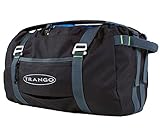
Overview: The Trango Antidote represents a premium climbing-specific rope bag from a brand with deep roots in the climbing community since 1991. Designed by climbers for climbers, it features adjustable double shoulder straps, an oversized tarp, and a unique clear window for rope identification without opening the bag.
What Makes It Stand Out: The integrated tarp window is a standout innovation that solves a real problem for climbers managing multiple ropes. The oversized tarp provides generous space for rope management and gear organization at the crag. Trango’s reputation and climbing-specific design philosophy ensure every feature serves a practical purpose, from the versatile carry options to the tangle-prevention system.
Value for Money: At $39.95, the Antidote occupies a sweet spot between budget options and high-end alternatives. You’re paying for thoughtful design, brand reliability, and specialized features like the ID window. While more expensive than generic bags, it costs less than premium brands like Petzl or Blue Ice while offering comparable functionality, making it a smart mid-range investment.
Strengths and Weaknesses: Strengths include innovative rope ID window, comfortable backpack-style carry, oversized protective tarp, excellent brand reputation, and climber-centric design. The build quality is reliable for regular use. Weaknesses include a price point double that of budget alternatives, unspecified rope capacity details, and limited color options. It lacks the extreme durability of 1000D fabric options.
Bottom Line: An excellent choice for dedicated climbers who value intelligent design and brand trustworthiness. The Antidote justifies its price through purposeful features and proven reliability. Ideal for regular sport climbers and boulderers seeking a balance of performance and value.
9. PAMLIAPY Arborist Rope Bag, 35L Tree Climbing Rope Bag, Arborist Equipment Bucket Backpack, Arborist Gear Carrier Bag with Side Pockets, Tough Rock Climbing Backpack, Rock and Tree Climbing Gear

Overview: The PAMLIAPY Arborist Rope Bag is a professional-grade equipment carrier engineered for arborists, tree care specialists, and serious climbers. Constructed from rugged 1000 denier fabric with a bucket-style design, this 35L bag accommodates substantial rope lengths while providing extensive organizational features for technical gear.
What Makes It Stand Out: The 1000D fabric construction offers exceptional durability unmatched by most recreational bags. Purpose-built arborist features include daisy chains and D-rings for tool organization, interior tie-off loops for rope ends, a quickdraw closure system, and side pockets specifically designed for handsaws and water bottles. The double-reinforced bottom protects against job site abuse.
Value for Money: At $33.87, this bag delivers professional-grade materials and features at a price near budget recreational options. The 1000D fabric alone typically commands premium pricing, making this an exceptional value for professionals needing reliable gear transport. It outperforms generic climbing bags in durability while costing less than many specialized arborist packs.
Strengths and Weaknesses: Strengths include extreme durability, high capacity (250ft of 1/2" rope), professional organizational features, versatile carry options (handles and backpack straps), and excellent price-to-performance ratio. The specialized design serves tree workers perfectly. Weaknesses include overbuilt construction for casual climbers, limited aesthetic appeal, potential excess weight for minimalist approaches, and a less established brand name in mainstream climbing.
Bottom Line: A top-tier choice for arborists and professionals who demand maximum durability. Casual climbers may find it overbuilt, but anyone regularly working in harsh conditions will appreciate its toughness and thoughtful features. Outstanding professional value.
10. CAMNAL Large Capacity Rope Bag, Waterproof Folding Shoulder Backpack with Tightness and Carry Straps, Arborist Throw Bag, Rock Climbing Backpack (300ft)

Overview: The CAMNAL Large Capacity Rope Bag positions itself as a versatile, waterproof solution for climbers and outdoor enthusiasts requiring reliable rope protection in wet conditions. Using composite waterproof fabric and precision-sewn polyester fiber, this bag accommodates approximately 300 feet of 1/2-inch line while offering ergonomic carry options for extended approaches.
What Makes It Stand Out: The waterproof construction distinguishes it from most water-resistant competitors, making it suitable for water sports and rainy conditions. The ergonomic design with adjustable shoulder and hand straps prioritizes comfort during long carries. Two-way rope markers prevent line loss, while the stylish aesthetic appeals to users wanting functional gear that looks good.
Value for Money: At $28.99, this bag offers compelling value for its waterproof capability and large capacity. It sits between budget and mid-range options, costing slightly more than basic bags but less than premium brands. The waterproof feature justifies the modest premium over standard water-resistant models, making it attractive for users in wet climates or multi-sport adventurers.
Strengths and Weaknesses: Strengths include genuine waterproof protection, ergonomic comfort, large capacity, versatile strap options, rope management features, and attractive styling. The multi-activity suitability expands its utility beyond climbing. Weaknesses include unknown brand durability, potential compromise between waterproofing and breathability, vague fabric specifications, and lack of established climbing community reputation. The “stylish” focus may sacrifice some ruggedness.
Bottom Line: An excellent option for climbers and outdoor users prioritizing waterproof protection and comfort at a reasonable price. While not from a legendary brand, its features and construction make it a smart choice for wet environments and multi-sport use. Ideal for recreational users wanting more than basic water resistance.
Why Your Climbing Rope Deserves Better Than the Ground
Your dynamic climbing rope represents one of the most significant investments in your rack, yet it’s constantly under assault from environmental contaminants. Microscopic quartz particles act like tiny knives, severing nylon fibers with every weighted move. Organic matter like leaves and bark retains moisture, creating a breeding ground for mildew that weakens the core. Even “clean” desert sand contains minerals harder than steel that grind away at the sheath with each rappel.
A rope bag with integrated tarp isn’t just a convenience—it’s proactive rope maintenance. By creating a consistent, clean workspace regardless of terrain, you’re effectively adding months of reliable service to your rope’s life. The psychological benefit is equally valuable: knowing your rope is protected allows you to focus on the climb rather than worrying about what your lifeline is dragging through.
Anatomy of a Rope Bag with Built-In Tarp
Understanding the fundamental components helps you evaluate designs critically rather than falling for marketing fluff. These hybrid systems blend two distinct pieces of gear into a cohesive unit, each element serving a specific purpose in rope protection and transport.
The Tarp: Your Rope’s First Line of Defense
The tarp component is the heart of the system, typically constructed from lightweight, durable fabrics like ripstop nylon or polyester. Quality tarps feature heat-sealed seams or reinforced edges to prevent fraying and maintain structural integrity. The shape matters more than you might think—rectangular designs offer maximum coverage but can be awkward to repack, while circular or tapered shapes pack more efficiently but may sacrifice some working area.
Look for tarps with contrasting color schemes or perimeter markings that define the edges clearly. This visual boundary helps partners stay on the tarp during busy crag sessions, preventing that maddening moment when someone steps off the edge and drags dirt back onto your clean zone.
The Bag: More Than Just Storage
The bag portion must do double duty: compress the tarp and rope for transport while providing easy access when you arrive. Premium designs feature dual-compartment systems that separate the rope from shoes, harnesses, and other gear that might transfer dirt. The closure system—whether drawstring, zipper, or roll-top—should seal completely without creating pressure points that could damage the rope over time.
Material Science: Balancing Durability and Packability
The weight-to-durability ratio defines a rope bag’s real-world performance. Ultra-lightweight siliconized nylon (silnylon) offers incredible packability and water resistance but sacrifices abrasion resistance—fine for occasional gym use but risky for gritty desert cragging. Heavier 420D to 630D ballistic nylon withstands serious abuse but adds noticeable weight to your approach.
The sweet spot for most climbers lies in 210D to 300D ripstop fabrics with PU coatings. These materials provide excellent tear resistance while remaining light enough for long approaches. Some manufacturers now use recycled ocean plastics, offering similar performance with reduced environmental impact. The coating’s quality matters immensely—a cheap PU coating will delaminate after a season, while premium treatments maintain flexibility and water resistance for years.
Capacity Considerations: From Gym Sessions to Big Walls
Rope bags typically range from 35 to 50 liters, but capacity numbers can be misleading. A 40-liter bag might technically hold your 70-meter rope, but packing it becomes a wrestling match that defeats the purpose of quick transitions. Always choose a bag rated for at least 10 liters more than your rope’s compressed volume.
For single-pitch cragging, a 35-40 liter bag accommodates a 60-70 meter rope plus essentials like a few draws and your lunch. Multi-pitch and alpine climbers should look at 45-50+ liter options that can handle twin or half rope systems plus emergency gear. Some expedition-worthy designs feature expandable collars that add 10-15 liters for those “just in case” scenarios without compromising the compact profile for shorter days.
Tarp Design: Features That Separate Good from Great
Not all integrated tarps are created equal. The difference between a frustrating experience and seamless rope management often lies in subtle design elements that only become apparent through repeated use.
Integrated vs. Removable Tarps: The Great Debate
Integrated tarps sew directly into the bag’s body, eliminating the risk of leaving your tarp behind. This design excels for climbers who value simplicity and never want to second-check their packing list. However, it can make cleaning the tarp more challenging and limits versatility.
Removable tarps connect via clips, buckles, or sleeves, offering modular flexibility. You can use the tarp independently for group sessions or replace it if damaged without buying an entirely new bag. The trade-off? That connection point becomes a potential failure point and adds a few ounces. Consider your organizational style—if you’re prone to losing gear, integrated might save you from yourself.
Coverage Area: How Much Space Do You Really Need?
A tarp measuring 4x5 feet (20 square feet) provides adequate space for a single 70-meter rope with room for your partner to work. However, crowded crags or multi-rope scenarios demand more real estate. Premium designs offer 6x6 feet or larger, giving you dedicated “clean” and “dirty” zones to stage gear without contaminating your rope.
Oversized tarps present a packing challenge, though. The best designs incorporate strategic folding patterns or color-coded corners that guide you through the repacking process, turning what could be a frustrating ordeal into a 30-second routine.
Corner Grommets and Anchor Points
Metal grommets in each corner might seem like overkill until you’re dealing with 30 mph winds at an exposed crag. These allow you to stake down the tarp using small rocks or specialized tarp stakes, preventing that embarrassing chase scene when a gust catches your tarp mid-flake. Some designs include integrated sand pockets or corner loops that accept trekking pole tips for improvised anchoring in loose terrain.
Carrying Systems: Comfort for the Approach March
A rope bag’s carrying system determines whether it becomes your favorite piece of gear or a source of shoulder pain. Basic models offer simple webbing handles or a single shoulder strap—adequate for short walks but torturous on mile-long approaches.
Look for padded, contoured shoulder straps that distribute weight across your collarbone and upper back. Sternum straps prevent the bag from shifting during scrambles, while removable waist belts transfer load to your hips for longer carries. The best designs allow you to tuck away or completely detach straps when not needed, preventing them from snagging on branches or gear at the base of routes.
Closure and Compression Systems
Drawstring closures dominate the market for their simplicity and reliability, but they leave gaps where dust can infiltrate during transport. Roll-top closures create a true seal against moisture and grit but require more fiddling to close properly. Zipper closures offer quick access but introduce a failure point that can render the bag useless if the track gets damaged.
Compression straps serve a dual purpose: they stabilize the load during approach hikes and allow you to shrink the bag’s profile when carrying minimal gear. Side-compression straps are particularly effective, cinching the load close to your back for better balance on technical terrain.
Weather Resistance: Beyond Just Dirt Protection
While most climbers focus on ground debris, moisture poses an equally serious threat to rope integrity. A quality rope bag with tarp should offer at least DWR (durable water repellent) coating on the bag body and a waterproof tarp bottom. This prevents morning dew or light rain from wicking into your rope fibers.
For climbers in wet climates, fully waterproof bags with welded seams and waterproof zippers provide peace of mind during unexpected downpours. Just remember that trapping moisture inside a waterproof bag can be worse than external exposure—always ensure your rope is completely dry before long-term storage, regardless of bag rating.
Organization Features: Pockets, Loops, and Compartments
A cavernous main compartment quickly becomes a black hole where your headlamp, guidebook, and snacks disappear. Thoughtful organization transforms a rope bag into a command center. Look for internal zippered pockets for valuables, external stretch mesh pockets for water bottles, and dedicated loops for securing your rope’s ends.
Some innovative designs feature a “rope end management system”—color-coded loops or pockets that keep your rope’s middle marker and ends easily identifiable. This seemingly small feature saves precious minutes when you’re trying to get on the rock before the afternoon storms roll in.
Weight Considerations for the Weight-Conscious Climber
Every ounce matters on long approaches or alpine missions, but skimping on features to save weight often backfires. A sub-500-gram rope bag might feel great on your back but likely uses thinner materials and minimal padding that compromise durability and comfort.
The functional sweet spot for most cragging applications falls between 600-800 grams. This weight class provides robust materials, adequate padding, and thoughtful features without feeling like a burden. For alpine climbing, consider a minimalist 400-gram bag for the approach, then use a lightweight ground cloth at the belay to save grams where it counts.
Price Tiers and What You Get at Each Level
Rope bags with integrated tarps typically fall into three price categories, each representing distinct value propositions. Budget options ($40-60) use simpler materials and basic designs but still outperform stuffing your rope into a regular backpack. Mid-range bags ($60-90) introduce better fabrics, more comfortable carry systems, and refined tarp designs that justify the investment for regular climbers.
Premium models ($90-150) justify their cost through exceptional durability, innovative features like rope-end management systems, and materials that maintain performance across years of abuse. For climbers who log 100+ days annually, the amortized cost difference becomes negligible compared to the extended lifespan of a protected rope. Consider your climbing frequency—a $120 bag that lasts five years costs less per use than a $60 bag that needs replacement after two seasons.
Sustainability in Rope Bag Manufacturing
The climbing community increasingly demands environmental responsibility from gear manufacturers. Several brands now construct rope bags from recycled fishing nets and ocean-bound plastics, diverting waste while maintaining performance standards. Bluesign certification ensures responsible chemical use and worker safety throughout the supply chain.
Durability itself is a sustainability feature—a bag that lasts eight years creates less environmental impact than replacing a cheaper option every two seasons. Look for repairable designs with replaceable straps and buckles rather than bags where a single failed component renders the entire unit trash-bound. Some manufacturers offer lifetime warranties and repair programs that align with Leave No Trace principles beyond the crag.
Pro Tips for Rope Management on the Tarp
Mastering rope bag technique elevates your crag efficiency. Always flake your rope onto the tarp with both ends accessible—this prevents the maddening search for the rope’s end when your partner is ready to start climbing. Use the tarp’s corners as designated zones: one corner for the rope end you’ll be tying in with, the opposite corner for your partner’s end, and the remaining corners for gear staging.
When stacking the rope for transport, maintain the same orientation to prevent twists and tangles. Many experienced climbers use a “lap coil” method on the tarp, creating neat, kink-free stacks that feed smoothly during the next use. If your bag features a rope-end management system, use it religiously—even a short 30-minute approach can turn an organized rope into a rat’s nest without proper end control.
Common User Errors That Compromise Rope Cleanliness
Even the best rope bag can’t protect your rope from user error. The most frequent mistake is stepping on the tarp edge, dragging dirt onto the clean surface. Establish a “no-step zone” within six inches of the tarp perimeter and enforce it with partners. Another critical error is packing a wet or damp rope, which creates a microclimate perfect for mildew and fiber degradation.
Failing to clean the tarp itself defeats the entire purpose. Shake it out after every session, and periodically wash it with mild soap to remove embedded grit. Many climbers religiously protect their rope but toss their bag into a dusty trunk, then wonder why their rope gets dirty despite using a tarp. Treat the entire system as a clean chain, not just individual components.
Care, Cleaning, and Longevity
Extending your rope bag’s lifespan requires minimal but consistent maintenance. Empty the bag completely after each use, turning it inside out to remove debris. Monthly, wipe down the tarp with a damp cloth and mild detergent, avoiding harsh chemicals that can degrade waterproof coatings. Never machine wash unless the manufacturer specifically approves it—the agitation can destroy seam tape and delaminate coatings.
Store your bag uncompressed in a cool, dry place with the tarp fully extended. Long-term compression can create permanent creases that compromise waterproofing and make the tarp difficult to lay flat. Inspect straps and buckles quarterly, tightening loose stitching before it becomes a catastrophic failure. A tube of Seam Grip applied to worn areas can add years to a well-loved bag’s service life.
Future Innovations in Rope Bag Design
The evolution of rope bags mirrors broader trends in outdoor gear. We’re seeing experimental designs with deployable rain flies that protect the entire tarp area during unexpected showers. Some prototypes feature integrated rope brushes that clean the sheath as you flake, though these add weight and complexity. Magnetic closure systems are emerging as alternatives to buckles and zippers, offering one-handed operation while wearing gloves.
Smart materials that change color when exposed to UV degradation could soon alert climbers when their bag’s fabric needs replacement. As climbing continues growing in popularity, expect to see more modular systems that adapt from single-pitch cragging to big wall bivies, maximizing versatility while minimizing gear closets.
Frequently Asked Questions
1. How often should I replace my rope bag with built-in tarp?
With proper care, a quality rope bag should last 5-8 years of regular use. Replace it when you notice significant abrasion on the tarp, delamination of waterproof coatings, or failure of critical hardware like buckles and strap attachment points. A good rule of thumb: if you’re questioning whether it’s still protective enough, it’s probably time for a new one.
2. Can I use a rope bag tarp on sharp or abrasive rock?
Most tarps use 210D-300D fabrics that resist abrasion but aren’t invincible. On sharp limestone or granite, place the tarp on your pack or a jacket first, or use a dedicated ground cloth underneath. The tarp’s primary job is protecting against dirt and moisture, not withstanding direct contact with rough rock.
3. What’s the best way to pack a wet rope?
If you must transport a wet rope, flake it loosely onto the tarp without stacking tightly. Leave the bag’s closure partially open to allow airflow, and unpack it immediately upon reaching home. Hang the rope and tarp separately to dry completely before storage. Never leave a wet rope in a sealed bag for more than a few hours.
4. Are integrated tarps better than separate rope tarps?
Integrated tarps excel for climbers who value simplicity and never want to forget their tarp. Separate tarps offer more versatility and easier replacement but require more conscious packing. Neither is inherently superior—it depends on your organizational habits and climbing style. Many guides prefer integrated for reliability, while alpine climbers often choose removable for weight savings.
5. How do I clean embedded dirt from my rope bag’s tarp?
Shake out loose debris, then scrub with a soft brush and mild soap solution. For stubborn grime, use a specialized gear wash like Nikwax Tech Wash. Rinse thoroughly and hang to dry completely. Avoid pressure washers or harsh detergents that can strip waterproof coatings. A clean tarp protects your rope better and packs more easily.
6. Can rope bags accommodate two ropes for multi-pitch or twin rope climbing?
Many 45-50 liter bags handle two 60-meter half ropes or twin ropes comfortably. Look for bags with wide openings and minimal internal obstructions. Some designs feature compression straps that help manage the bulk of two ropes. For big wall climbing with dedicated haul lines, consider a larger 60+ liter expedition bag.
7. Do rope bags provide enough protection for rope storage between climbing trips?
Rope bags work well for short-term storage (days to weeks) but shouldn’t replace proper long-term storage. For extended periods, remove the rope from the bag, flake it loosely, and store it in a rope bag or container in a cool, dry place away from chemicals and UV light. The bag’s compression can create memory kinks if left for months.
8. What’s the ideal tarp size for different climbing scenarios?
For single-pitch sport climbing, a 4x5 foot tarp suffices. Multi-pitch and trad climbing benefit from 5x6 feet or larger to accommodate gear staging. Alpine environments often require smaller 3x4 foot tarps due to limited belay ledge space. Consider your primary climbing style when choosing, and remember that larger tarps pack bigger but offer more versatility.
9. Are there rope bags specifically designed for ice climbing or wet environments?
Yes, ice climbing-specific bags feature waterproof tarp bottoms and fully sealed seams to protect against meltwater. They often include drainage grommets to prevent water pooling. Look for bags with bright interior colors that contrast against white snow and ice. Some designs incorporate fleece-lined pockets to keep gloves warm while belaying.
10. How do I prevent my rope from tangling inside the bag during transport?
Use the rope-end management system if your bag has one. If not, tie a loose overhand knot in each rope end and secure them to designated loops or corners inside the bag. Stack the rope in the same orientation it was flaked, and avoid over-compressing the bag. When you arrive, flake the rope onto the tarp in the same direction to maintain organization and prevent kinks.'