Stepping onto a crowded flight often feels like entering a floating petri dish. Between the recirculated cabin air, proximity to hundreds of strangers, and the dry atmosphere that leaves your sinuses vulnerable, it’s no wonder so many travelers arrive at their destinations with a scratchy throat or worse. While modern aircraft do use HEPA filtration systems, they don’t kick in until the engines are running—and they can’t protect you from the passenger inches away who’s coughing throughout the boarding process. Enter wearable air purifiers: personal defense systems that create a bubble of cleaner air around your breathing zone.
These compact devices have exploded in popularity among frequent flyers, but not all wearable purifiers are created equal. Understanding the technology, limitations, and key features is crucial before you invest in what could be either your best travel companion or an expensive placebo. This guide cuts through the marketing noise to give you the expert insights you need to make an informed decision about personal air purification at 35,000 feet.
Top 10 Wearable Air Purifiers for Crowded Flights
Detailed Product Reviews
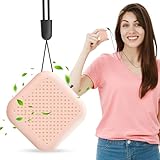
1. LIFTHONSO Portable Personal Air Purifier – Wearable Mini Air Purifier with 120 Hours Runtime | USB Rechargeable Filterless Ionic Device for Dust, Odor, Smoke & Pollutants
Overview:
The LIFTHONSO Portable Personal Air Purifier enters the market as an ultra-budget-friendly wearable ionizer designed for constant companionship. Weighing under a pound and offering an impressive 120-hour runtime, this device targets commuters, travelers, and anyone seeking a personal clean-air bubble without breaking the bank. Its filterless design uses electrostatic purification to create a 3-foot radius of negatively charged air.
What Makes It Stand Out:
The exceptional battery life at this price point is genuinely remarkable—most competitors offer 30-50 hours. The versatile wearing options (neck strap, clip, or desk placement) and break-away safety connector demonstrate thoughtful design. The proprietary “Power Boost Technology” claims superior pollutant filtration compared to rivals.
Value for Money:
At $23.23, this is among the most affordable legitimate options available. You’re getting triple the battery life of mid-range competitors for roughly half the price. While it lacks independent testing verification, the feature set exceeds expectations for the cost.
Strengths and Weaknesses:
Pros: Outstanding 120-hour battery; versatile mounting; silent operation; extremely lightweight; safety-conscious design. Cons: No independent lab testing data; ion output specifications aren’t disclosed; effectiveness claims lack third-party validation; build quality may reflect budget pricing.
Bottom Line:
Perfect for casual users wanting basic personal air purification during travel or daily commutes. Don’t expect medical-grade protection, but as an entry-level, maintenance-free option with marathon battery life, it delivers exceptional value for the investment.
2. Portable Air Purifier– Wearable Personal Ionizer for Cleaner Air Necklace, Compact & Rechargeable, Ideal for Travel, Office, and Outdoor Use – 120 million Ions

Overview:
This Portable Air Purifier positions itself as a stylish mid-range wearable ionizer focused on high-output performance. Generating 120 million negative ions, it targets fashion-conscious users unwilling to compromise on air purification power. With 30 hours of continuous operation, it suits daily commutes and office environments where recharging is accessible.
What Makes It Stand Out:
The claimed 120 million ion output exceeds most competitors in its class, suggesting a more aggressive approach to creating a personal clean-air zone. Its sleek, necklace-style design prioritizes aesthetics alongside function, making it one of the more fashion-forward options available.
Value for Money:
At $39.58, it sits in the competitive mid-tier range. While the ion count is impressive, the 30-hour battery life feels limited compared to cheaper alternatives offering 120+ hours. You’re paying for style and ion output, not endurance.
Strengths and Weaknesses:
Pros: High ion generation; attractive, lightweight design; simple operation; suitable for sensitive environments. Cons: Mediocre battery life; no specified safety certifications; lacks independent testing data; effectiveness radius isn’t quantified; marketing claims may be inflated.
Bottom Line:
A solid choice for users who prioritize design and high ion output over battery longevity. Best suited for office workers and urban commuters with regular charging access. The performance claims are promising but unverified, making it a calculated risk for the price.
3. ATUL WELLNESS Personal Wearable Air Purifier, Pocket Portable Air Cleaner for Car, Home & Travel, 3rd Gen 50 Million Anions/cm³, Rechargeable PM2.5 Smog & Odor Protection

Overview:
The ATUL WELLNESS Personal Wearable Air Purifier emphasizes holistic health benefits alongside technical performance. This third-generation device emits 50 million anions per cubic centimeter while delivering an extraordinary 150-hour battery life. Marketed toward wellness enthusiasts, it promises both physical and mental relief through cleaner personal air.
What Makes It Stand Out:
The marathon 150-hour runtime is class-leading, eliminating charging anxiety during week-long trips. The break-away safety clasp and minimalist aesthetic show user-centric design. Its wellness positioning—framing clean air as stress reduction—differentiates it from purely technical competitors.
Value for Money:
At $38.99, it offers the best battery-to-price ratio in the market. You’re getting premium-tier endurance for mid-range cost, plus thoughtful safety features. The filterless design eliminates ongoing expenses, enhancing long-term value.
Strengths and Weaknesses:
Pros: Exceptional 150-hour battery; safety-conscious lanyard; silent operation; maintenance-free; stylish, lightweight build. Cons: Lower anion density than some rivals; wellness claims lack scientific backing; no independent pathogen reduction data; effectiveness diminishes in highly polluted environments.
Bottom Line:
Ideal for frequent travelers and allergy sufferers needing reliable, long-lasting protection without constant recharging. While the holistic health claims should be taken with caution, the technical specifications and safety features make it a top contender in the sub-$40 category.
4. EEland Wearable Mini Air Purifier – F6I Portable Personal Negative Ion Air Ionizer Helps Reduce Pollen, Dust & Odors, USB Rechargeable, Silent, Filter-Free for Home, Office or Travel, White

Overview:
The EEland F6I Wearable Mini Air Purifier targets minimalists seeking straightforward, no-frills air purification. This ultra-compact device generates millions of negative ions while operating whisper-quietly for up to 15 hours. Its simple one-button control and global user base appeal to those wanting hassle-free personal air cleaning without complexity.
What Makes It Stand Out:
The emphasis on silent operation makes it uniquely suited for libraries, bedrooms, and quiet offices where fan noise is disruptive. Its intuitive single-button interface eliminates learning curves, while the “trusted worldwide” claim suggests broad market acceptance.
Value for Money:
At $29.99, it’s competitively priced for entry-level buyers. However, the 15-hour battery life significantly limits continuous use compared to similarly priced alternatives offering 120+ hours. Value depends entirely on your proximity to charging sources.
Strengths and Weaknesses:
Pros: Extremely quiet operation; simple controls; compact and lightweight; no filter maintenance; versatile placement options. Cons: Shortest battery life in its class; vague ion output specifications; no safety certifications mentioned; effectiveness claims lack independent verification; not ideal for extended travel.
Bottom Line:
Best for stationary use at desks, nightstands, or vehicles where USB charging is readily available. The ultra-quiet performance is its main selling point, but frequent travelers should look elsewhere. A decent budget option for specific use cases, not a versatile all-rounder.
5. AirTamer A310 Rechargeable Personal Air Purifier, Proven Performance, Virus and Pollutant Tested*, Black with Metal Travel Case

Overview:
The AirTamer A310 represents the premium tier of personal air purifiers with independently verified performance. Tested by the Kitasato Research Center, it achieves 99% reduction of Influenza A and E. Coli Phage within 20 minutes. CARB-approved with zero ozone emission, it targets health-conscious professionals and travelers seeking proven protection.
What Makes It Stand Out:
This is the only device with published, independent lab testing for virus and bacteria reduction—a critical differentiator. The CARB certification and zero ozone rating ensure safety, while the included metal travel case adds premium value. The 150+ hour battery matches the longest-lasting competitors.
Value for Money:
At $149.99, it’s triple the price of most alternatives. However, the scientific validation, safety certifications, and premium build justify the cost for those prioritizing proven efficacy over speculation. This is medical-grade peace of mind.
Strengths and Weaknesses:
Pros: Independently tested virus reduction; CARB certified zero ozone; exceptional 150+ hour battery; premium metal case; patented conductive lanyard; global trust. Cons: Significantly more expensive; bulkier than fashion-focused models; overkill for casual users; limited style options.
Bottom Line:
The definitive choice for healthcare workers, immunocompromised individuals, and serious travelers wanting verified protection. While expensive, it’s the only option with legitimate testing credentials. For those who demand proven performance over marketing claims, the premium is well worth it.
6. EEland Wearable Mini Air Purifier – F6I Portable Personal Negative Ion Air Ionizer Helps Reduce Pollen, Dust & Odors, USB Rechargeable, Silent, Filter-Free for Home, Office or Travel, Pink

Overview: The EEland F6I is a wearable personal air purifier designed for on-the-go air quality improvement. This compact device hangs around your neck or sits on nearby surfaces, generating millions of negative ions to combat pollen, dust, smoke, and odors in your immediate breathing zone. Weighing just ounces, it’s built for commuters, travelers, and office workers seeking portable protection without the bulk of traditional purifiers.
What Makes It Stand Out: This purifier’s filter-free design eliminates ongoing maintenance costs—a major advantage over HEPA-based alternatives. The USB-rechargeable battery delivers an impressive 15 hours of continuous operation, outlasting most workdays or long-haul flights. Its whisper-quiet operation ensures zero disruption during sleep, study, or meetings. The versatile form factor transitions seamlessly from a neck-worn accessory to a desk companion, car purifier, or airplane tray table unit. The intuitive one-button control simplifies operation for all ages.
Value for Money: At $29.99, the F6I sits in the sweet spot for entry-level wearable purifiers. The absence of filter replacements means your total cost of ownership remains low. Comparable devices range from $25-45, but few match this combination of battery life and silent operation. For budget-conscious buyers wanting to test personal ionization technology, this offers minimal financial risk.
Strengths and Weaknesses: Strengths include zero filter costs, ultra-quiet performance, all-day battery life, versatile placement options, and lightweight portability. Weaknesses involve the debated scientific efficacy of negative ions for health benefits, limited 3-foot effective range, and the polarizing pink color that may not suit professional settings. It also lacks the high ion output of premium competitors.
Bottom Line: The EEland F6I is a solid starter wearable purifier for travel and daily commutes. While it won’t replace whole-room filtration, it provides psychological comfort and modest particle reduction in personal spaces. Best suited for users prioritizing convenience and silence over maximum purification power.
7. Timeage Portable Air Purifier,Personal Air Purifier Necklace, Wearable Mini Air Ionizer Eliminates Pm2.5, Allergy Pollen,Smoke,Dust for Outdoor,Travel(Black)

Overview: Timeage’s necklace-style purifier creates a personal shield against airborne pollutants using high-density negative ion emission. Targeting PM2.5, pollen, dust, and smoke, this device is marketed toward vulnerable populations including children, students, and the elderly. The black, accessory-like design blends with everyday wear while promising cleaner air in complex environments like subways, planes, and offices.
What Makes It Stand Out: The device claims to release over 120 million negative ions—substantially more than budget alternatives—while remaining ozone-free and static-free. Its 850mAh battery provides up to 30 hours of runtime after just 3 hours of charging, doubling the endurance of many competitors. The noise-free operation and absence of replaceable parts make it genuinely hassle-free. The manufacturer explicitly positions it for those with lower resistance, showing targeted marketing clarity.
Value for Money: Priced at $39.99, this sits at the higher end of the wearable purifier spectrum. The extended battery life and higher ion output partially justify the premium. However, scientific consensus on personal ionizer efficacy remains mixed, making this a faith-based purchase. Compared to the $30 alternatives, you’re paying $10 extra for battery longevity and potentially stronger ion generation.
Strengths and Weaknesses: Strengths include exceptional battery life, high ion output, ozone-free certification, silent operation, and suitability for sensitive users. Weaknesses are the lack of independent performance verification, no mechanical filtration for guaranteed particle removal, and a price point that feels steep for unproven technology. The “protective cover” concept is more metaphorical than physical.
Bottom Line: The Timeage purifier suits frequent travelers and those wanting maximum battery life. While the technology’s benefits are debated, the build quality and features deliver peace of mind. Recommended for users prioritizing endurance and higher ion counts over budget considerations.
8. LIFTHONSO Portable Air Purifier for Travel, Gym, Office, Car – Wearable/Neckless Filterless Ionic Purifier, 50 Million Ions/cm³ for Dust, Allergies, Asthma, Odor Removal – 600 mAh Rechargeable

Overview: LIFTHONSO enters the wearable purifier market with a budget-friendly ionic device targeting active lifestyles. Marketed for travel, gym sessions, and office use, this sub-pound purifier generates 50 million ions per cubic centimeter. The break-away safety connector and adjustable conductive lanyard address practical safety concerns often overlooked by competitors, making it suitable for exercise and crowded spaces.
What Makes It Stand Out: The claimed 120-hour battery life on a single charge is unprecedented—if accurate, it dwarfs all competitors. Power Boost Technology promises enhanced cleaning power, while the proprietary conductive lanyard system ensures consistent ion emission. The break-away connector prevents choking hazards, a thoughtful addition for gym-goers. Its electrostatic purification covers a 3-foot radius without fans or filters.
Value for Money: At $26.23, this is the most affordable option in the comparison. The filterless design saves long-term costs, and the extreme battery claim—if true—offers unparalleled value. However, the 120-hour figure seems optimistic for a 600mAh battery and may represent standby time, not continuous use. Still, even 20-30 hours would make this a bargain.
Strengths and Weaknesses: Strengths include rock-bottom pricing, safety-focused design, break-away lanyard, and claimed marathon battery life. Weaknesses are the lower ion output (50 million vs. competitors’ 120M-500M), questionable battery life claim, and minimal brand recognition. The 600mAh capacity seems undersized for the advertised runtime.
Bottom Line: LIFTHONSO is perfect for budget-conscious buyers wanting to experiment with wearable purification. The safety features make it ideal for active users. While performance claims require skepticism, the low entry cost justifies the gamble. Best as a secondary device for gym or travel use rather than primary protection.
9. EEland Air Purifier – F2V Portable Personal Wearable Mini Negative Ion Air Ionizer, USB Rechargeable, Filter-Free & Quiet, Ideal for Travel, Commute, Home & Office, Gray or White
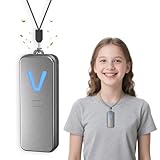
Overview: EEland’s F2V model shares its predecessor’s core technology but targets professionals with neutral gray and white color options. This wearable ionizer creates a personal clean-air zone by emitting high-density negative ions that interact with airborne particles. Designed for commuters and business travelers, it includes a travel case and maintains the brand’s emphasis on zero-maintenance operation.
What Makes It Stand Out: The included travel case adds premium value absent from the F6I model. The neutral color scheme suits corporate environments where pink might feel inappropriate. It maintains the same 15-hour battery life and whisper-quiet operation, while leveraging proven electrostatic purification principles. The filter-free design ensures no hidden costs or replacement hassles during important trips.
Value for Money: At $29.99, it matches the F6I’s price while offering more professional aesthetics and a protective case. This represents excellent value for business travelers needing discreet air purification. The total cost of ownership remains minimal compared to filter-based alternatives that require $20-40 annual replacement parts.
Strengths and Weaknesses: Strengths include professional color options, included travel case, silent operation, filter-free convenience, and all-day battery life. Weaknesses mirror other ionizers: limited scientific validation of health benefits, restricted personal-space range, and no active fan for air circulation. The ion output specifications are less detailed than competitors, making performance comparisons difficult.
Bottom Line: The F2V is EEland’s more mature offering for professional settings. While performance is identical to the F6I, the neutral colors and travel case justify choosing this variant. Ideal for business travelers and office workers wanting discreet, maintenance-free personal air treatment without aesthetic compromise.
10. Personal Air Purifier, Chartreey Wearable Air Purifier Necklace, True 502 Million/cm³ High-Speed Negative Ion Generator Eliminates Dust, Pollen, Smoke, Maintenance Free(Pearl White)

Overview: Chartreey’s premium necklace purifier dominates the ion output race with a staggering 502 million negative ions per cubic centimeter—nearly five times typical competitors. This pearl-white device combines fashion-forward design with serious air cleaning claims, targeting health-conscious users who won’t compromise on performance. Patented EMP and Electrostatic Isolation technologies promise triple-action purification without filters or ozone.
What Makes It Stand Out: The AI chip automatically adjusts ion output based on detected air quality, a feature unique in this price class. Multiple safety certifications (ISO, FCC, CE, RoHS) provide credibility lacking in budget brands. At just 34 grams, it’s featherlight. The German IF Award-winning design doubles as jewelry. Operating at only 5dB, it’s virtually silent, while zero-radiation and zero-static features ensure safety for pregnant women and seniors.
Value for Money: Priced at $35.99, it undercuts many premium competitors while offering superior specs. The 502 million ion output, AI adaptation, and certifications justify the cost for serious users. While still requiring faith in ionizer technology, the verified safety standards reduce risk compared to uncertified alternatives.
Strengths and Weaknesses: Strengths include industry-leading ion output, AI-driven performance, comprehensive safety certifications, award-winning design, ultra-silent operation, and suitability for sensitive populations. Weaknesses are the pearl white color’s practicality for daily wear, reliance on unproven health benefit claims, and no mechanical filtration backup. The complexity may exceed what casual users need.
Bottom Line: Chartreey is the performance leader in wearable ionizers. For users demanding maximum ion output with verified safety, this is the top choice. The AI features and certifications justify the moderate premium. Best for health-focused individuals, seniors, and those wanting both style and specs in personal air purification.
Why Cabin Air Quality Matters More Than You Think
Airplane cabins present a unique atmospheric challenge that goes beyond simple germ exposure. The pressurized environment operates at humidity levels between 10-20%—drier than most deserts—which compromises your mucosal membranes’ natural ability to trap pathogens. While HEPA filters capture 99.97% of particles during flight, they’re inactive during boarding and deplaning when passenger density and movement stir up the most contaminants. Research from the Journal of Environmental Health Research suggests you’re 100 times more likely to catch a cold on a plane than during normal daily activities. Add in volatile organic compounds from cleaning agents, jet fuel particles, and the simple reality of sharing air with 200+ people for hours, and the case for personal air protection becomes compelling.
How Wearable Air Purifiers Work
Wearable air purifiers function as miniature environmental control systems, but their effectiveness hinges entirely on the technology inside that sleek housing. Unlike room purifiers that process large volumes of air, these personal devices focus on creating a localized zone of cleaner air within your immediate breathing space—typically within 12-18 inches of the device. This proximity requirement means the technology must be efficient, quiet, and safe for continuous personal exposure.
Ionization Technology Explained
Most wearable purifiers use ionization, releasing millions of negative ions per second that attach to airborne particles. These negatively charged particles then cluster together or attach to positively charged surfaces, effectively removing them from the air you breathe. The science is sound—ions do cause particle aggregation—but the real-world efficacy depends on emission volume and proximity. High-quality devices emit 20-50 million ions/cm³, creating a measurable effect within your personal space. However, ionizers produce trace amounts of ozone as a byproduct, which is why certification standards become critical for safe use in confined spaces like airplane seats.
HEPA Filtration in Portable Devices
True HEPA filtration in wearable devices presents significant engineering challenges. The filters must be incredibly small while maintaining the 99.97% efficiency standard for 0.3-micron particles. Some hybrid designs incorporate micro-HEPA filters with tiny fans pulling air through the media. The limitation is airflow—most wearable HEPA units move only 1-3 cubic feet per minute (CFM), compared to 200+ CFM for desktop units. This means they clean air slowly within your breathing zone but can’t compete with the constant influx of new particles in a dynamic environment. For flights, HEPA-based wearables work best when combined with passive protection like a well-fitted mask.
Emerging Technologies: Photocatalysis and Beyond
Cutting-edge devices now incorporate photocatalytic oxidation (PCO) technology, using UV light and a titanium dioxide catalyst to destroy organic compounds at the molecular level. These systems don’t just trap particles—they break down viruses, bacteria, and VOCs into harmless water and CO2. The challenge is miniaturization; effective PCO requires specific contact time between contaminants and the catalyst. Some travel-focused models pair PCO with ionization for dual-action purification, though these premium devices often carry higher price tags and power demands that impact battery life.
Key Features to Evaluate Before Buying
Shopping for wearable purifiers requires looking beyond sleek marketing photos to the specifications that determine real-world performance. The difference between a device that genuinely reduces your exposure and one that’s merely decorative lies in these critical metrics.
Clean Air Delivery Rate (CADR) and Airflow
While CADR is standard for room purifiers, wearable devices rarely publish this metric honestly. Instead, focus on ion emission rates (measured in millions per cm³) or airflow CFM for fan-based models. For ionizers, look for minimum 15 million ions/cm³ output—anything less won’t create a meaningful clean air zone. For HEPA wearables, seek at least 2 CFM airflow. Be wary of vague claims like “purifies up to 50 square feet”—personal devices don’t work by area, they work by proximity.
Battery Life: The Make-or-Break Factor
A dead purifier is just dead weight in your carry-on. Battery performance varies wildly, from 4 hours in high-power modes to 30+ hours in eco settings. For transcontinental flights, you need minimum 10-12 hours of runtime. Check whether the battery is rechargeable via USB-C (most convenient for travel) and if the device operates while charging—crucial for long-haul journeys with power outlets at your seat. Lithium-ion batteries must stay under 100 watt-hours for TSA compliance, so verify specs before purchasing.
Noise Levels: Finding the Quiet Zone
Even 30 decibels can feel intrusive when your device hangs inches from your ear. Ionizers are silent (no moving parts), while fan-based HEPA models generate 20-40 dB—comparable to a whisper. Test videos can reveal actual operating noise; look for models with sleep modes that reduce fan speed. Remember, you’ll be wearing this through movies, conversations, and attempted sleep—acoustic discretion matters as much as purification performance.
Weight and Comfort for Long-Haul Flights
The best purifier is the one you’ll actually wear for 8+ hours. Neck-worn models typically weigh 3-6 ounces; anything heavier causes fatigue. Examine strap materials—silicone and medical-grade plastics resist skin irritation and are easy to sanitize. The device should sit close enough to your face to be effective (within 12 inches) but not so close it interferes with headphones, neck pillows, or reading positions. Ergonomic design that distributes weight evenly becomes critical on flights over 5 hours.
Design Styles and Wearability Options
Form factor directly impacts both efficacy and user experience. Your travel style and seating preferences should dictate which design philosophy matches your needs.
Neck-Worn Purifiers: The Most Popular Choice
Hanging like a pendant or sitting on your shoulders, neck-worn designs position the emission source near your nose and mouth—the ideal location for creating a clean air bubble. They’re hands-free, TSA-friendly, and work whether you’re window or aisle. The downside? They can interfere with over-ear headphones and might feel conspicuous in premium cabins. Look for models with adjustable airflow direction to avoid blowing air directly into your face, which causes dryness.
Clip-On and Lapel-Style Devices
These discreet units attach to your shirt collar or seatback pocket, offering subtlety that neck-worn models lack. They’re ideal for business travelers who need to maintain a polished appearance. However, the increased distance from your face (often 18-24 inches) reduces effectiveness, and they can snag on luggage or seatbelts. Some frequent flyers pair clip-ons with a lanyard for adjustable positioning during flight.
Mask-Integrated Purifiers
The newest category embeds micro-fans or ion emitters directly into face masks, creating active filtration rather than passive protection. These offer the highest theoretical protection but face social acceptance hurdles and can feel claustrophobic. For immunocompromised travelers or those in high-risk categories, they represent the gold standard—if you can tolerate the attention and physical sensation of forced air circulation across your face for hours.
Safety Certifications and Airline Compliance
A device that violates airline policies or emits harmful byproducts is worse than useless. Understanding regulatory landscape protects both your health and your wallet.
Understanding Ozone Emission Standards
The California Air Resources Board (CARB) sets the strictest ozone limits: 0.050 parts per million. Always verify CARB certification for ionizers, especially those using bipolar ionization. The FDA doesn’t regulate wearable purifiers as medical devices, so third-party testing from labs like Intertek or SGS becomes your only verification of safety claims. Request ozone test reports before purchasing—reputable manufacturers provide them.
TSA and International Flight Regulations
No specific TSA ban exists on wearable purifiers, but lithium battery restrictions apply. Devices with removable batteries face fewer scrutiny issues than sealed units. For international travel, check destination countries—Japan and South Korea have strict electromagnetic emission standards that some ionizers violate. Always carry your device in carry-on luggage; checked baggage temperature extremes can damage batteries and sensors. Some Middle Eastern and Asian carriers prohibit active ionization during flight, requiring devices to be powered off—verify with your specific airline’s dangerous goods department.
Effectiveness in Real-World Flight Conditions
Laboratory tests in static 10x10 rooms mean little when you’re wedged in 28-inch pitch economy seating. Real-world efficacy depends on several uncontrollable variables that manufacturers rarely disclose.
Limitations You Need to Know
Wearable purifiers cannot overcome direct coughs or sneezes within 2-3 feet—they’re not force fields. Their effectiveness drops dramatically in aisle seats due to constant passenger traffic disrupting the clean air zone. Turbulence and cabin air circulation patterns can sweep away your purified bubble in seconds. They’re least effective during boarding and deplaning when ambient particle counts are highest and the devices haven’t yet established a stable zone. Think of them as risk reduction tools, not immunity guarantees.
Maintenance and Long-Term Costs
That bargain device becomes expensive if it needs proprietary $30 filters every month. Calculate total ownership cost before committing.
Filter Replacement Schedules
HEPA-based wearables require filter changes every 3-6 months with regular use, costing $15-40 per replacement. Ionizers need periodic electrode cleaning—usually monthly—to maintain emission rates. Some models use washable collection plates that attract ionized particles, requiring weekly rinsing. Factor these tasks into your travel routine; a purifier you forget to maintain quickly becomes ineffective.
Cleaning and Upkeep on the Go
Travel exposes devices to sunscreen, sweat, and snack crumbs. Look for IPX4+ water resistance for easy wiping with sanitizing cloths. USB-C charging ports should have protective covers to prevent lint buildup. Consider carrying a small brush for cleaning ion emitters mid-trip—compressed air cans are prohibited in carry-ons but essential for maintenance. Some business travelers keep two units, rotating them for thorough cleaning between trips.
Making the Right Choice for Your Travel Style
The optimal device depends on your risk tolerance, typical flight duration, and seating preferences. Frequent short-haul flyers in window seats might prioritize battery life and discretion, while long-haul economy passengers need maximum ion output and comfort. Budget-conscious travelers should consider hybrid ionizer-HEPA models that balance upfront cost with filter expenses. For those who fly weekly, investing in a premium device with proven CARB certification and airline approval letters pays dividends in peace of mind. Always test your device on a short flight before relying on it for an international journey—comfort and efficacy reveal themselves only in the air.
Frequently Asked Questions
Do wearable air purifiers actually work on airplanes?
Yes, but with important caveats. High-quality ionizers emitting 20+ million ions/cm³ can measurably reduce particle concentrations within 12-18 inches of the device. They’re most effective for allergens and fine particles, less so for direct viral transmission from close contact. Think risk reduction, not absolute protection.
Are they allowed through TSA security?
Generally yes. TSA treats them as personal electronics. Ensure lithium batteries are under 100 watt-hours, pack in carry-on, and be prepared to remove for screening. Devices with remote-looking designs might warrant additional inspection—carry the user manual to explain functionality.
Can I wear one during the entire flight?
Most airlines permit continuous use, but policies vary. Some Asian carriers restrict active ionization. Check your airline’s dangerous goods policy before flying. Battery life is the practical limitation; bring a portable charger for devices that operate while charging.
Do they protect against COVID-19 and other viruses?
No device can guarantee protection. Ionizers may reduce airborne viral load in your breathing zone, but close-range droplet transmission remains the primary risk. Wearable purifiers should complement, not replace, masks and vaccination—especially for high-risk individuals.
What’s the difference between ionic and HEPA wearable purifiers?
Ionic models emit charged particles to clump contaminants together, are silent and filter-free, but produce trace ozone. HEPA models physically trap particles using a fan and filter, are bulkier and noisier, but generate no ozone and provide measurable filtration. Hybrids offer both technologies.
How long do batteries typically last?
Runtime spans 4-30+ hours depending on power settings. High-output modes drain batteries in 4-8 hours; eco modes extend to 20-30 hours. For flights over 6 hours, choose models with 12+ hour runtime or USB-C passthrough charging.
Are there any health risks from wearing these devices?
CARB-certified ionizers emit safe ozone levels below 0.050 ppm. Uncertified devices may exceed this, causing throat irritation and respiratory issues. People with asthma should consult their physician before using ionizers. HEPA models carry no ozone risk but may cause dryness from localized airflow.
Will it bother other passengers?
Most quality devices operate below 30 decibels—quieter than cabin ambient noise. Neck-worn models might draw curious looks but rarely cause complaints. Avoid models with visible LED lights that can disturb neighbors during overnight flights; look for “stealth mode” settings.
How much should I expect to spend?
Quality wearable purifiers range from $80 to $300. Budget under $100 gets basic ionizers with limited certification. $150-200 offers reliable performance and CARB compliance. Premium $250+ models include hybrid technology, longer battery life, and airline approval documentation.
Can children use wearable air purifiers on flights?
Yes, with precautions. Ensure the device is lightweight (under 3 ounces) and has child safety certifications. Young children may find neck-worn models uncomfortable; clip-on styles work better. Always supervise use and verify the device emits no detectable ozone—children’s lungs are more sensitive to irritants.'