Traveling as a light sleeper often feels like a cruel joke—while others drift into peaceful slumber the moment their seat reclines, you’re left wide-eyed and exhausted, hyper-aware of every flickering overhead light, muffled conversation, and engine hum. The cumulative sleep debt from a single red-eye flight can derail an entire vacation or business trip, leaving you foggy, irritable, and nowhere near your best self. Traditional travel pillows might offer basic neck support, but they do nothing to shield you from the sensory assault that keeps your brain stubbornly in wake-mode.
Enter the hooded travel pillow—a revolutionary hybrid that combines ergonomic neck support with a personal sanctuary hood designed specifically for sensory-sensitive sleepers. This isn’t just another travel accessory; it’s a strategic sleep solution that addresses the unique challenges light sleepers face in transit. By creating a micro-environment of darkness, dampening ambient noise, and providing consistent physical support, these innovative pillows transform airplane seats, train compartments, and car passenger seats into viable sleep spaces. This comprehensive guide will walk you through everything you need to know to choose the perfect hooded travel pillow, ensuring your next journey ends with you feeling refreshed rather than depleted.
Top 10 Hooded Travel Pillows for Light Sleepers
Detailed Product Reviews
1. LOLEX™ Hooded Pro Travel Pillow - Memory Foam Neck Support Pillow for Airplane, Flight - Super-Soft Pure Cotton Fabric, Maximum Privacy & Light-Block Design, Lightweight Full Travel Kit - Dark Grey

Overview: The LOLEX Hooded Pro Travel Pillow redefines in-transit comfort with a thoughtful blend of privacy features and premium materials. This dark grey neck support system combines memory foam cushioning with an integrated hood, creating a personal sanctuary for weary travelers. Designed for airplanes, cars, and long journeys, it prioritizes both ergonomic support and sensory isolation.
What Makes It Stand Out: Unlike competitors reliant on polyester, LOLEX uses pure cotton fabric that feels genuinely soft against skin while remaining breathable and lightweight. The adjustable hood doesn’t just block light—it creates a psychological barrier for undisturbed rest. The memory foam employs 5-second return technology, molding precisely to neck contours without the slow rebound of cheaper alternatives. Its 360-degree support structure prevents the dreaded head-forward slump.
Value for Money: Priced in the premium tier, this pillow justifies cost through material quality alone. Cotton covers typically add $15-20 to competitor prices, while the integrated hood eliminates separate eye mask purchases. The included compression bag and durability of high-resilience foam mean this outlasts three budget alternatives, making it economical for frequent flyers.
Strengths and Weaknesses: Strengths: Skin-friendly cotton construction; effective privacy hood; responsive memory foam; compact storage design; excellent gift presentation Weaknesses: Higher initial investment; cotton may show wear faster than synthetics; hood adjustment takes practice; dark color shows lint
Bottom Line: For travelers prioritizing natural materials and privacy, the LOLEX delivers exceptional comfort that justifies its premium price. Frequent flyers will appreciate the durability and thoughtful design.
2. Lights Out Hooded Travel Pillow - Memory Foam Neck Support with Germ Shield Hood for Airplane Sleep Privacy, Ultra Plush Fleece, Micro Air-Fiber Beads, Chiropractor Recommended (Adjustable)
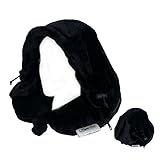
Overview: The Lights Out Travel Pillow targets health-conscious travelers with its innovative Germ Shield technology and unique micro air-fiber bead filling. This chiropractor-endorsed design emphasizes hygiene and customizable support, moving beyond conventional memory foam approaches. The ultra-plush fleece hood creates a barrier against both light and airborne contaminants.
What Makes It Stand Out: The Germ Shield hood treatment addresses a rarely-discussed travel concern: germ exposure in confined spaces. Micro air-fiber beads offer superior airflow compared to dense memory foam, preventing heat buildup and pressure points. Chiropractor involvement ensures the ergonomic design maintains proper cervical alignment, while adjustability accommodates various neck sizes and sleeping positions.
Value for Money: While priced above basic travel pillows, the health-focused features provide unique value. The Germ Shield technology and professional design input typically command premium pricing. For travelers concerned about airplane hygiene or those who find memory foam too restrictive, this represents a worthwhile investment that replaces multiple travel accessories.
Strengths and Weaknesses: Strengths: Germ-resistant hood technology; excellent breathability; chiropractor-approved ergonomics; fully adjustable fit; plush fleece comfort Weaknesses: Bead filling lacks contouring of memory foam; bulkier than compressible foam; premium price point; fleece may be too warm for some climates
Bottom Line: Ideal for hygiene-focused travelers and those seeking alternatives to traditional memory foam. The professional design credentials make it a smart choice for anyone with neck sensitivity or health concerns.
3. Travel Neck Pillow with 100% Light-Blocking Hood – Ergonomic Memory Foam Support Pillow for Airplane, Long Flights, Road Trips, Office and Car, Full Head and Neck Support with Skin-Friendly Cover
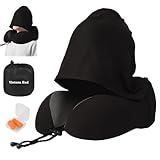
Overview: This travel pillow commits to complete sensory deprivation with its double-layer milk silk hood that guarantees zero light leakage. Engineered for serious sleepers, it combines gel-infused memory foam with rapid compression technology, transforming from full-size support to a 6x4-inch pouch in seconds. It’s designed for travelers refusing to compromise on rest quality.
What Makes It Stand Out: The 100% blackout hood uses a milk silk outer layer with breathable inner mesh—eliminating the need for separate eye masks while preventing heat buildup. Gel-infused memory foam actively dissipates heat, addressing the sweaty-neck problem plaguing standard foam. The 3-second compression system is genuinely innovative, making this the most portable full-featured option available.
Value for Money: Premium-priced but delivers multiple accessories in one: blackout hood, cooling foam, compression system, earplugs, and washable cover. Comparable performance would require purchasing a $30 pillow, $15 eye mask, and $10 compression sack separately. The 1-year warranty adds confidence to the investment.
Strengths and Weaknesses: Strengths: True 100% light blockage; cooling gel infusion; ultra-fast compression; comprehensive accessory bundle; machine-washable cover; risk-free warranty Weaknesses: Premium pricing; complex hood may overwhelm minimalists; compression mechanism durability untested long-term; slightly firmer feel
Bottom Line: For frequent flyers and light-sensitive sleepers, this is the gold standard. The cooling technology and genuine portability make it worth every penny for those serious about sleep quality.
4. Mewaii Travel Neck Pillow with Hood for Airplanes,Memory Foam,Breathable Ice Silk & Soft Velvet,Double-Sided,Removable to Clean,Adjustable Strap,Portable Travel Pillow for Long Flights Adults & Teens

Overview: Mewaii brings personality to travel comfort with its kawaii-inspired hooded design and reversible dual-fabric construction. This pillow serves style-conscious travelers who refuse to sacrifice function for aesthetics. The memory foam core provides reliable support while the interchangeable surfaces adapt to seasonal temperature changes.
What Makes It Stand Out: The reversible design featuring ice silk for cooling and velvet for warmth effectively creates two pillows in one, eliminating the need for separate seasonal purchases. The cute cat-eared hood adds a playful element while still blocking 80% of cabin light. Two distinct color options flip to match outfits or moods, making it as much a fashion accessory as a travel necessity.
Value for Money: Mid-range pricing with high-end versatility. Competing pillows require separate purchases for different seasons; Mewaii’s dual-fabric approach saves $20-30. The detachable, washable cover extends lifespan, while the adjustable strap grows with users from teen to adult, offering years of use.
Strengths and Weaknesses: Strengths: Year-round reversible comfort; adorable kawaii aesthetic; two-color versatility; removable washable cover; adjustable for all ages; lightweight portability Weaknesses: Only 80% light blockage; whimsical design may not suit professionals; less ergonomic refinement than medical-grade options; velvet side attracts lint
Bottom Line: Perfect for teens, young adults, and gift-givers. The seasonal versatility and charming design make it an excellent value for style-conscious travelers who prioritize adaptability over absolute darkness.
5. Vzpeun Travel Pillow - Hooded Neck Pillow Airplane Memory Foam Filling for Plane, Office, Cars Sleeping, Road Trip, Long Flights, Portable Plane Accessories, Includes Eye Mask & Earplugs (Black)

Overview: Vzpeun delivers a pragmatic, all-in-one sleep solution with its convertible hooded design and comprehensive accessory package. The pillow focuses on adaptable support through its magic strap closure system, allowing users to customize chin and neck positioning. The hood stows away when not needed, transitioning seamlessly from private cocoon to standard U-pillow.
What Makes It Stand Out: The magic strap system provides genuine 360-degree ergonomic support, actively preventing head-forward collapse better than static designs. The hood’s dual-mode functionality—fully deployable or completely hidden—offers unmatched versatility. The breathable cool-pass outer fabric with moisture-wicking inner layer addresses temperature regulation without complex cooling technologies.
Value for Money: Positioned as a mid-range option, it includes premium features: removable washable cover, included eye mask and earplugs, and convertible hood. Comparable bundles typically cost 30% more. The non-toxic, allergen-free foam and durable construction ensure longevity, making it economically sound for regular travelers.
Strengths and Weaknesses: Strengths: Excellent adjustable support; versatile stowable hood; superior breathability; complete accessory set; easy-clean removable cover; compact roll-up storage Weaknesses: Hood light-blocking percentage unspecified; bulkier than compression designs; black color shows wear; strap system has learning curve
Bottom Line: A versatile workhorse for practical travelers. The adjustable support and included accessories make it a smart, no-nonsense choice for families and business travelers seeking reliable comfort without premium pricing.
6. FlyHugz® 2.0 Hooded Travel Pillow – 2026 Original Release – Memory Foam Neck Pillow with Adjustable Hood & Premium Elastic Washable Cover – First Class Comfort for Flights, Road Trips & Sleep- Pink

Overview: The FlyHugz 2.0 revolutionizes travel rest by combining memory foam neck support with an integrated adjustable hood. Weighing under 6 ounces, this 2026 release creates a private sanctuary for anxious flyers and light sleepers in crowded planes and trains.
What Makes It Stand Out: The anxiety-reducing hood design blocks light and distractions while providing a comforting, enclosed feeling. The 5-second rebound memory foam quickly molds to neck contours, and the premium elastic fabric offers breathability and sweat resistance. An upgraded Velcro strap ensures a secure, customizable fit for all neck sizes.
Value for Money: Positioned in the premium range, this pillow justifies its price through dual-functionality that replaces separate eye masks and blankets. The washable, durable cover extends longevity, offering better long-term value than standard neck pillows that lack hygiene features.
Strengths and Weaknesses: Pros: Ultra-lightweight portability; machine-washable premium fabric; effective privacy hood; quick-adapting memory foam; compact compression for travel. Cons: Hood may trap heat in warm climates; limited color selection; Velcro may degrade with frequent use; hood fit varies by head size.
Bottom Line: Perfect for privacy-conscious travelers and nervous flyers, the FlyHugz 2.0 delivers innovative comfort. Despite minor warmth concerns, it’s a smart investment for frequent travel.
7. Vzpeun Neck Pillow for Travel - Hooded Memory Foam Plane Pillow for Airplane, Office, Cars Sleeping, Long Flight Must Haves, Portable Road Trip Essentials for Adults Gray

Overview: The Vzpeun travel pillow delivers ergonomic support through dual-density memory foam with a clever integrated hood design. This gray travel essential targets commuters and flyers seeking adaptable comfort with added privacy features for diverse sleeping positions.
What Makes It Stand Out: The dual-density foam provides tailored support whether leaning forward or sideways, while the adjustable chin support clasp prevents head slump. The transformative hoodie feature smoothly pulls out for privacy or tucks away discreetly. The complete travel set includes eye mask and earplugs, offering a bundled solution.
Value for Money: This mid-range pillow offers exceptional value by bundling accessories that would cost $15-25 separately. The moisture-wicking, washable cover and compact storage sack enhance practicality, making it more economical than purchasing items individually for frequent travelers.
Strengths and Weaknesses: Pros: Superior chin support prevents forward head drop; breathable moisture-wicking fabric; included accessories add value; compact roll-up design; versatile for office and travel use. Cons: Brand recognition is limited; hood coverage is modest compared to oversized designs; gray color shows wear; dual-density foam may feel firm for some preferences.
Bottom Line: An excellent all-in-one solution for practical travelers. The Vzpeun pillow combines solid ergonomic design with useful accessories, making it a cost-effective choice for regular commuters and flyers.
8. Travel Pillow with Extra Large Hood for Airplane Long Flights Privacy and Comfort Memory Foam with Velvet Cover for Road Trip Head&Neck Support for Plane Office Cars Sleeping & Rest (Navy Blue)
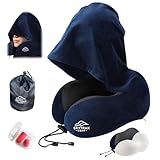
Overview: This travel pillow prioritizes maximum privacy with its oversized hood design, targeting long-haul flyers who need to escape cabin lights and unwanted attention. The navy blue velvet cover adds a touch of luxury while promising magnetic therapy benefits.
What Makes It Stand Out: The extra-large hood provides superior coverage compared to standard hooded pillows, creating a true personal space. The magnetic stone fabric lining claims to reduce fatigue, while the combination of drawstring and anti-slip zipper allows precise fit adjustment. High-density memory foam ensures consistent support.
Value for Money: Falling in the upper-mid price range, the pillow’s value hinges on its oversized hood and unique magnetic fabric features. For privacy-focused travelers, the premium over basic models is justified, though the therapeutic claims remain subjective.
Strengths and Weaknesses: Pros: Exceptional hood coverage for maximum privacy; removable velvet cover; dual adjustment system; high-density memory foam; compact roll-up design. Cons: Magnetic benefits are scientifically unproven; navy color limited; slightly bulkier than minimalist designs; velvet may retain heat in warm environments.
Bottom Line: Best suited for travelers who prioritize privacy above all else. While magnetic claims are debatable, the oversized hood and comfortable foam make it a strong contender for long-haul flights.
9. Neck Pillow for Travel, Premium Carbon-Infused Memory Foam, Cooling Fabric Pillow for Airplane, 360° Neck Support for Long Flights, Hooded Travel Pillowl for Planes, Cars and Office, Hooded, Pink

Overview: This innovative travel pillow integrates carbon-infused memory foam with a cooling fabric cover, addressing common travel pillow complaints about odor and heat. The 360° support design targets travelers seeking hygienic, temperature-regulated comfort across multiple environments.
What Makes It Stand Out: The carbon-infused foam actively minimizes odors and maintains freshness during extended trips. The wrap-around design provides balanced support from all angles, preventing head tilt. The cooling fabric cover delivers a refreshing sensation, while the built-in hood offers modest privacy without adding bulk.
Value for Money: Positioned as a premium option, the price reflects innovative material technology. For travelers in hot climates or those sensitive to memory foam odors, the investment pays dividends in comfort and hygiene compared to standard foam pillows.
Strengths and Weaknesses: Pros: Odor-resistant carbon infusion; effective cooling fabric; 360° balanced support; lightweight portability; machine-washable cover. Cons: Hood is functional but not oversized; pink color may not suit all; carbon benefits may seem gimmicky; cooling effect diminishes over time.
Bottom Line: An excellent choice for warm-weather travelers and those prioritizing freshness. The carbon infusion and cooling features justify the premium for hygiene-conscious flyers, despite the modest hood size.
10. Travel Pillow with Extra Large Hood for Airplane Long Flights Privacy and Comfort Memory Foam with Skin-Friendly Cover for Road Trip Head&Neck Support for Plane Office Cars Sleeping & Rest(Colorful)

Overview: This colorful variant of the oversized hood travel pillow combines maximum privacy with style options. Designed for long-haul comfort, it features a skin-friendly cover with magnetic stone fabric lining and adaptable fit mechanisms for personalized support.
What Makes It Stand Out: The extra-large hood dwarfs standard designs, creating an immersive private space. Unlike its navy counterpart, this version offers multiple color choices for style-conscious travelers. The magnetic stone fabric claims therapeutic benefits, while the drawstring and anti-slip zipper provide dual adjustment points for security.
Value for Money: Similar to other oversized hood models, this mid-to-high range pillow commands a premium for its enhanced privacy features and color variety. The washable cover and compact design add practical value, though magnetic claims should be weighed skeptically.
Strengths and Weaknesses: Pros: Oversized hood for superior privacy; multiple color options; removable skin-friendly cover; adjustable fit system; high-density memory foam support. Cons: Magnetic benefits lack scientific backing; larger hood adds slight bulk; colorful fabrics may show stains; heavier than minimalist alternatives.
Bottom Line: Perfect for travelers wanting both privacy and personal expression. The oversized hood delivers exceptional seclusion, making it ideal for long flights, though therapeutic claims remain questionable.
Understanding Light Sleepers’ Travel Challenges
The Science Behind Light Sleep
Light sleepers experience shorter sleep cycles and spend less time in deep, restorative sleep stages. Your brain’s arousal threshold—the level of stimulus required to wake you—is significantly lower than that of deep sleepers. This heightened sensitivity isn’t a character flaw; it’s a neurological trait where your nervous system remains more alert to potential threats. During travel, this trait becomes particularly problematic because you’re exposed to unpredictable stimuli: sudden announcements, cabin pressure changes, neighboring passengers’ movements, and inconsistent lighting. Understanding this biological basis helps explain why standard travel pillows, which only address neck discomfort, fail to solve the real problem: sensory overload.
Common Travel Disruptions
The modern travel environment is a perfect storm of sleep disruptors. Overhead reading lights create uneven illumination across your face, while blue light from neighboring screens suppresses melatonin production. Engine noise operates at low frequencies that penetrate standard earplugs, and the constant drone of conversation creates irregular sound patterns your brain can’t easily ignore. Physical disturbances include armrest battles, seat kickers, and temperature fluctuations from air conditioning vents. For light sleepers, each of these factors alone would be manageable, but their combination creates a chaotic sensory environment that makes quality sleep nearly impossible without proper equipment.
Why Traditional Travel Pillows Fall Short
Standard U-shaped travel pillows address just one dimension of the sleep equation: cervical support. While important, this single-focus design ignores the multifaceted nature of light sleepers’ needs. They leave your face exposed to light, do nothing to muffle sound, and often shift during movement, creating new disturbances. The materials frequently trap heat, causing discomfort that triggers wakefulness. Most importantly, they fail to create the psychological sense of security and enclosure that many light sleepers need to relax enough to fall asleep in public spaces.
What Makes a Hooded Travel Pillow Different?
The Integrated Hood Advantage
The defining feature of these pillows is the attached hood, which extends coverage from your neck to your head, creating a portable sleep cocoon. This integrated design means you don’t have to juggle separate eye masks, earplugs, and neck pillows—everything works as a cohesive system. The hood provides consistent coverage that won’t slip off like traditional eye masks, and because it’s attached to the pillow structure, it moves with you rather than against you when you shift positions. This unified approach eliminates the gaps and discomfort points that occur when combining multiple separate sleep accessories.
Privacy and Sensory Control
For light sleepers, psychological comfort is as crucial as physical support. A hooded pillow creates a defined personal space that signals to your brain that it’s safe to sleep, even in a crowded environment. The hood acts as a visual barrier, blocking peripheral light and movement that might trigger your alert system. Many designs incorporate slightly rigid front panels that maintain their shape, preventing the fabric from collapsing against your face—a common complaint with standard eye masks that can feel claustrophobic. This controlled environment reduces the cognitive load of processing external stimuli, allowing your nervous system to downshift into sleep mode.
Beyond Neck Support
While cervical alignment remains important, hooded pillows address the full sleep ecosystem. The hood portion can be positioned to cover ears, providing mild sound dampening that complements earplugs. Some designs feature extended flaps that can be tucked around your shoulders, creating insulation against temperature changes. The materials are often selected for breathability and moisture-wicking properties, addressing the overheating issues that plague standard memory foam pillows. This holistic approach recognizes that for light sleepers, every sensory input must be managed to achieve quality rest.
Key Features to Look For
Adjustable Hood Tightness
The hood’s fit critically impacts both comfort and effectiveness. Look for designs with adjustable drawstrings, Velcro straps, or elastic toggles that let you customize the tension around your head. Too loose, and light leaks in; too tight, and you’ll experience pressure points that become painful over time. The best systems allow micro-adjustments even while wearing the pillow, so you can fine-tune the fit without fully waking. Pay attention to where the adjustment mechanisms sit—buckles or knots at the back of your head can create uncomfortable pressure when leaning against a seat.
Neck Support Mechanisms
Hooded pillows employ various support strategies beyond simple foam filling. Some feature internal plastic or wire frames that maintain structure, preventing the dreaded head-bob that jerks you awake. Others use strategic foam density variations—firmer foam along the spine with softer cushioning at the sides. The height and thickness should match your typical sleeping position; side sleepers need taller support to fill the gap between shoulder and head, while back sleepers require slimmer profiles that don’t push the head forward. Test whether the pillow maintains its shape under weight or compresses completely, losing all support.
Fabric Quality and Feel
The material touching your face for hours matters immensely. Seek out ultra-soft, brushed fabrics that feel gentle against skin without causing irritation. Seam placement is crucial—flat-lock seams prevent the chafing that standard stitched edges can cause. The fabric should have some stretch to accommodate movement but enough structure to maintain the hood’s shape. Consider hypoallergenic options if you have sensitive skin, and avoid materials with strong chemical odors that can trigger headaches or nausea during travel.
Closure Systems
How the pillow secures around your neck affects both comfort and stability. Magnetic closures offer quick release but may trigger issues for those with pacemakers or sensitive skin. Snap buttons provide secure fastening but can press into your neck if poorly positioned. Zipper closures offer the most secure seal but may create stiffness. Some advanced designs use overlapping fabric panels that naturally cling without hardware, eliminating pressure points entirely. Consider how easily you can put on and remove the pillow in cramped spaces, especially if you wear glasses or have limited mobility.
Materials and Fillings Explained
Memory Foam Options
Traditional memory foam provides excellent contouring but retains heat—a dealbreaker for many light sleepers who run warm. Newer gel-infused memory foam incorporates cooling particles that dissipate heat more effectively. Shredded memory foam offers better airflow and adjustability, allowing you to customize the loft by removing or adding fill. However, memory foam’s weight can make the pillow bulky for carry-on luggage, and its slow rebound means it may not adapt quickly to position changes during turbulent flights.
Microbead Fillings
Tiny polystyrene beads create a unique texture that conforms instantly to your shape while remaining highly breathable. The lightweight nature makes these pillows ideal for travelers counting every ounce. However, beads can shift during movement, potentially creating thin spots that compromise support. They’re also notoriously noisy when you move, which might disturb you or your neighbor. Over time, beads compress and lose volume, requiring replacement sooner than foam options. The environmental impact of plastic beads is another consideration for eco-conscious buyers.
Inflatable Designs
Air-filled pillows offer unmatched portability, deflating to nearly flat for packing. Modern versions use soft flocked surfaces that feel less like a beach ball and more like fabric. The firmness is fully adjustable via inflation level, letting you fine-tune support. The downside? Potential for leaks, the crinkling sound of shifting, and less natural contouring than foam. Some light sleepers find the sensation of air movement disconcerting, and temperature changes can cause the air inside to expand or contract, altering the pillow’s feel mid-flight.
Hybrid Approaches
The most sophisticated hooded travel pillows combine materials strategically. A core of supportive foam might be surrounded by a plush fiberfill layer for softness, with a separate inflatable chamber for adjustable height. Some designs feature removable inserts, letting you switch between materials based on travel duration or personal preference. These modular systems offer the best of all worlds but typically come at a premium price point and may have more components that could fail or get lost.
Hood Design Considerations
Coverage Area and Depth
The hood’s dimensions determine how effectively it blocks light and creates privacy. A shallow hood that barely covers your eyes won’t provide the darkness you need. Look for designs that extend at least to your eyebrows when pulled down, with side panels that wrap far enough forward to block peripheral vision. The depth should accommodate various head sizes without feeling confining. Some designs feature extended neck flaps that can be tucked into your shirt collar, preventing drafts and creating a more sealed environment.
Breathability Factors
A hood that traps heat and moisture will quickly become uncomfortable, causing you to wake up sweaty and overheated. Seek out designs with mesh panels strategically placed away from light-entry points, allowing hot air to escape. Some advanced models incorporate active cooling fabrics that feel cool to the touch and maintain lower temperatures. The fabric’s moisture-wicking capability is crucial—materials that pull sweat away from your skin prevent the clammy feeling that can jolt you awake.
Light-Blocking Capabilities
Not all hood fabrics block light equally. Hold potential options up to a bright light source in the store to test opacity. Darker colors naturally block more light than light colors, but some specialized fabrics use dense weaves or light-absorbing coatings to achieve blackout conditions even in lighter shades. The hood should maintain its structure when you lean back, preventing the fabric from pressing against your eyelids—a sensation many find disturbing. Some designs include a built-in eye mask layer for absolute darkness.
Sound-Dampening Properties
While no travel pillow will replace good earplugs, the hood’s fabric can provide meaningful sound reduction. Thicker, denser materials absorb more sound waves than thin, stretchy fabrics. Some designs incorporate acoustic panels or multiple fabric layers specifically engineered to dampen noise. The hood’s fit around your ears matters—gaps allow sound to penetrate, while a snug seal creates a modest barrier. Consider how the hood interacts with headphones; some designs accommodate over-ear headphones underneath, while others would compress them uncomfortably.
Size and Portability Factors
Packed Dimensions
Your hooded travel pillow needs to fit comfortably in your carry-on without consuming space needed for other essentials. Inflatable models compress to the size of a paperback book, while premium foam options might be as bulky as a rolled-up jacket. Check the packed dimensions listed on product specifications, and consider whether the pillow includes a compression sack or straps to minimize its footprint. Some designs attach to luggage handles, freeing up interior space entirely.
Weight Considerations
Every ounce counts when you’re navigating airports or rushing to catch connections. Foam pillows typically weigh between 12-18 ounces, while inflatable versions can be under 8 ounces. Microbead options fall in the middle range. The weight distribution matters too—a pillow that’s front-heavy will pull forward uncomfortably, while balanced designs feel more natural. For frequent flyers, the weight savings of an inflatable might outweigh the comfort trade-offs, while occasional travelers may prioritize plushness over packability.
Attachment Options
How you transport the pillow when not in use affects its practicality. Clips that attach to backpack straps keep it accessible for spontaneous naps during layovers. Some designs feature built-in straps that secure around luggage handles, preventing the pillow from dangling or getting caught. Consider whether these attachment points are sturdy enough for frequent use and whether they add bulk to the packed pillow. Removable straps are ideal—you can detach them when not needed to streamline the profile.
Compressibility
The ability to squish the pillow into tight spaces without permanent deformation is crucial for travelers with overstuffed bags. Memory foam with slow rebound compresses well but takes time to regain shape. Shredded foam can be vacuum-compressed for packing. Inflatables obviously compress completely when deflated. Test how quickly the pillow returns to full loft after compression—if it takes 30 minutes to expand, you can’t use it immediately after unpacking. Some pillows include compression straps that let you manually squeeze out air, reducing volume by up to 60%.
Adjustability and Customization
Strap Systems
The neck closure system determines both security and comfort. Single-strap designs are simplest but may allow the pillow to rotate during sleep. Dual-strap systems with cross-body stabilization prevent shifting but add complexity. Look for straps with soft, wide surfaces that distribute pressure rather than creating thin pressure lines. Quick-release buckles are essential for emergencies—you need to remove the pillow rapidly without fumbling. The strap length should accommodate various neck sizes and clothing thicknesses, from thin t-shirts to bulky sweaters.
Removable Components
Modular designs let you adapt the pillow to different travel scenarios. A removable hood allows you to use just the neck pillow portion when sensory blocking isn’t needed. Detachable covers make washing easier and let you switch between fabric types based on climate. Some designs include removable foam inserts so you can adjust firmness or replace compressed fill without buying a whole new pillow. Consider how securely these components attach—loose connections mean parts could separate during use or get lost in transit.
Modular Designs
Advanced hooded pillows feature interchangeable modules: different hood fabrics for hot vs. cold climates, varying foam densities for short vs. long flights, or even battery-powered heating/cooling elements. This adaptability means one pillow can serve multiple purposes, justifying a higher initial investment. The connection points between modules should be robust yet easy to operate, even when half-asleep. Magnetic attachment systems work well for this, allowing groggy adjustments without precise alignment.
Temperature Regulation Features
Cooling Technologies
Gel-infused memory foam, phase-change materials, and active cooling fabrics can prevent the overheating that plagues many travelers. These technologies absorb and dissipate body heat, maintaining a consistent cool feel against your skin. Some designs incorporate ventilation channels within the foam itself, allowing air to circulate. The hood’s interior lining should also use cooling materials—your head releases significant heat, and a hot hood will wake you quickly. Be skeptical of marketing claims; look for specific technology names and user reviews that confirm cooling effectiveness over extended periods.
Breathable Fabrics
Natural fibers like bamboo-derived rayon or merino wool excel at temperature regulation, keeping you cool when it’s warm and warm when it’s cool. Synthetic performance fabrics with mesh structures also work well. The fabric’s breathability is measured in grams per square meter (GSM)—lower numbers generally indicate better airflow but may sacrifice opacity. The best hooded pillows use different fabrics in different zones: dense, light-blocking material for the front-facing hood panels, and breathable mesh for the neck and crown areas.
Moisture-Wicking Properties
Sweat management is critical for comfort and hygiene. Moisture-wicking fabrics pull perspiration away from your skin to the fabric’s outer surface, where it can evaporate. This prevents the clammy, sticky feeling that can startle you awake. Look for hydrophilic treatments or inherent fiber properties that facilitate this process. The fabric should dry quickly—if it stays damp for hours, it becomes a breeding ground for bacteria and odors. Some premium options include antimicrobial treatments that remain effective through multiple washes.
Durability and Maintenance
Fabric Strength
Travel pillows endure significant stress—being crushed in bags, pulled taut around your head, and exposed to oils and sweat. The fabric’s denier rating indicates its durability; higher numbers mean stronger threads. Reinforced stitching at stress points, particularly where straps attach and along seam lines, prevents blowouts. Abrasion-resistant fabrics on high-wear areas extend lifespan. Consider whether the fabric pills after friction—fuzzy surfaces not only look worn but can irritate skin and reduce the hood’s light-blocking effectiveness.
Washing Instructions
Regular cleaning is essential for hygiene, but complicated care routines mean the pillow won’t get washed frequently enough. Machine-washable designs with removable covers are ideal—pop the cover in with your regular laundry and wipe down the foam core. Check whether the foam itself can be washed or just spot-cleaned; accumulated sweat and oils will eventually degrade even high-quality foam. The hood’s fabric should maintain its properties after washing—some light-blocking coatings wash off, and some cooling treatments lose effectiveness. Always follow manufacturer instructions to avoid voiding warranties.
Zipper and Seam Quality
Zippers are common failure points. Look for large-tooth, sturdy zippers that won’t separate under tension. The zipper track should be covered with fabric to prevent it from contacting your skin. Seams should be double-stitched or use flat-lock construction that lies flat rather than creating ridges. Poor seam quality leads to fill leakage, especially with microbead pillows. Test the seam strength by gently pulling at the fabric edges—if you see threads separating, the construction won’t survive rigorous travel use.
Price Ranges and Value
Budget-Friendly Options
Inexpensive hooded travel pillows (typically under $30) often use basic polyester fabrics and simple foam fills. While they provide the core functionality, expect compromises in durability, temperature regulation, and adjustability. The hood may be a thin flap rather than a structured enclosure, and closures might use cheap plastic buckles. These can be adequate for occasional travelers or as an introduction to the concept. However, frequent travelers will likely find themselves replacing budget options within a year as materials compress and degrade.
Mid-Range Investments
Priced between $30 and $60, these pillows offer the best value for most travelers. You’ll find better materials like gel-infused foam or bamboo fabrics, more sophisticated adjustment systems, and thoughtful design details like hidden pockets or integrated straps. The hood construction is typically more robust, with better light-blocking and breathability balance. These pillows often come with warranties of one to two years, indicating manufacturer confidence. For light sleepers who travel monthly, this price range provides noticeable performance improvements without breaking the bank.
Premium Features
High-end hooded travel pillows ($60+) incorporate advanced materials like phase-change cooling fabrics, modular designs, or proprietary ergonomic shapes. These often result from extensive R&D and user testing, with features like anatomically correct cervical curves and acoustically engineered hoods. The durability is exceptional—many last five years or more with proper care. While the initial cost is high, the per-use cost for frequent travelers can be lower than replacing mid-range options. Consider this tier if you travel weekly or have specific medical needs like chronic neck pain.
Travel-Specific Considerations
Airline Compatibility
Airplane seats present unique challenges: limited recline, fixed headrests, and narrow spaces. Your hooded pillow shouldn’t push your head so far forward that you can’t rest against the seatback. Consider designs with slim back profiles that don’t interfere with the headrest. The hood must accommodate seatback entertainment screens—some designs have cutouts or flexible panels that let you peer out without removing the entire hood. For bulkhead seats or premium cabins with lie-flat beds, you might want a different pillow entirely, as hooded designs excel most in upright or slightly reclined positions.
Car Travel Adaptability
Car seats differ from airplane seats in recline range and headrest design. A pillow that works perfectly on a plane might push your head at an awkward angle in a car. Look for designs with flexible support that works across various seat angles. The hood should accommodate seatbelt placement without creating gaps around your neck. For passenger use, consider whether the hood obstructs your view of side mirrors or creates blind spots that could be dangerous. Some designs allow you to wear the hood rotated to the side, blocking window light while maintaining visibility.
Train and Bus Usage
These modes involve more frequent stops, passenger turnover, and varied seating. Your pillow should be easy to put on and remove quickly as you board and disembark. The hood’s coverage becomes even more valuable in these environments, where lighting is inconsistent and passenger proximity is high. Consider darker colors that hide dirt from frequent handling. Attachment clips that secure the pillow to your bag are particularly useful when moving through stations. The ability to compress the pillow quickly when you need to vacate your seat is also valuable in these transit modes.
Health and Ergonomic Benefits
Spinal Alignment
Proper cervical alignment prevents the neck pain and headaches that can compound travel fatigue. The pillow should maintain your head in a neutral position, neither tilted forward nor forced backward. Some designs include lumbar extensions that support the upper spine, addressing the forward head posture common during travel. The hood’s weight distribution should be balanced so it doesn’t pull your head to one side. For light sleepers, maintaining alignment throughout the night is crucial—any misalignment creates discomfort that interrupts already fragile sleep cycles.
Pressure Point Relief
The best hooded pillows distribute weight evenly across contact points, preventing the numbness and tingling that can wake you. Look for contoured designs with cutouts for ears, preventing painful compression. The hood’s edges should be padded rather than thin fabric that digs into your forehead or cheeks. Some advanced designs use variable-density foam that softens under pressure points while remaining supportive elsewhere. This is particularly important for side-sleepers who rest their face against the hood interior.
Circulation Support
Neck compression from tight straps or overly firm foam can restrict blood flow, causing your hands to fall asleep or creating that pins-and-needles sensation that jerks you awake. Straps should be wide and padded, and the neck opening should be generously sized. Some designs feature cutouts along the carotid artery area to prevent dangerous compression. The hood’s fit should be snug enough to stay in place but not so tight that you feel your pulse throbbing against the fabric. Good circulation is essential for light sleepers, as any physical discomfort becomes a sleep-ending distraction.
Common Mistakes to Avoid
Prioritizing Style Over Function
It’s tempting to choose a pillow that looks sleek and Instagram-worthy, but aesthetic features often compromise functionality. Thin, fashion-forward hoods rarely block light effectively. Minimalist designs may sacrifice crucial adjustment features. Focus on performance specifications rather than appearance. A bulky but effective pillow that guarantees sleep is infinitely more valuable than a stylish one that leaves you exhausted. Read user reviews from fellow light sleepers, not just style bloggers, to gauge real-world effectiveness.
Ignoring Return Policies
Even with thorough research, a pillow might not work for your specific needs. Some companies offer 30-day trials, allowing you to test the pillow on an actual trip. Without this option, you’re stuck with an expensive mistake. Check whether you can return used products—some retailers only accept unopened returns, which is useless for testing sleep gear. The best manufacturers stand behind their products with satisfaction guarantees, understanding that sleep is personal and what works for one person may fail for another.
Overlooking Material Allergies
Travel pillows press against your face and neck for extended periods, making material sensitivities critical. Latex foams can trigger reactions in sensitive individuals. Certain dyes and chemical treatments cause skin irritation or respiratory issues. If you’re prone to allergies, look for OEKO-TEX or CertiPUR-US certifications that verify the absence of harmful substances. Natural materials like organic cotton or bamboo may be worth the premium if you have sensitive skin. Don’t assume “hypoallergenic” marketing claims are regulated—look for specific certifications.
How to Test Before Buying
In-Store Testing Tips
If possible, try the pillow in a simulated travel position. Sit in a chair with a similar recline to an airplane seat and wear the pillow for at least 10 minutes. Check for pressure points, heat buildup, and whether the hood stays in place when you move. Bring a small flashlight to test light-blocking by shining it at various angles. Try adjusting the fit while wearing it—can you tighten the hood without seeing what you’re doing? If the store has a mirror, observe whether the hood creates a complete seal or gaps where light enters.
Online Shopping Strategies
Without physical testing, rely heavily on detailed reviews from verified purchasers who identify as light sleepers. Look for video reviews that demonstrate the hood’s coverage and adjustment mechanisms. Check the company’s measurement specifications and compare them to your own head and neck dimensions. Many online retailers now offer virtual try-on features or AR visualization tools. Pay attention to the number of reviews—products with hundreds of reviews provide more reliable consensus than those with just a handful. Filter reviews to see comments about durability after months of use, not just first impressions.
Trial Period Importance
A pillow might feel perfect for the first hour but cause discomfort after three hours—the typical length of a short flight. Only extended use reveals issues like heat retention or gradual loss of support. Companies offering 30-day or longer trials understand that travel gear needs real-world testing. During your trial period, use the pillow in different settings: your couch, a car ride, and if possible, an actual flight. Keep notes on what works and what doesn’t. Don’t settle for “good enough”—with so many options available, you should find one that feels custom-made for your needs.
Care and Maintenance Tips
Cleaning Frequency
Wash removable covers after every major trip to prevent oil and sweat buildup that degrades fabrics and creates odors. The foam core needs cleaning less frequently—every 3-4 trips unless visibly soiled. Spot-clean spills immediately with a damp cloth to prevent stains from setting. For inflatable models, wipe down with disinfectant wipes regularly, paying attention to valve areas where moisture can accumulate. A pillow that smells fresh is more inviting and less likely to trigger allergies that could disturb your sleep.
Storage Best Practices
Don’t store your pillow compressed for extended periods—this permanently degrades foam and creates creases in the hood fabric. Allow it to fully expand and air out for 24 hours after returning from a trip before packing it away. Store in a breathable cotton bag rather than plastic, which traps moisture and encourages mold. Keep it in a cool, dry place away from direct sunlight that can fade fabrics and break down foam. If you won’t use it for months, consider storing it loosely in a closet rather than squashed in a storage bin.
Longevity Enhancement
Rotate the pillow periodically to distribute wear evenly. If it has removable inserts, flip them occasionally. Replace worn straps or damaged hood panels promptly—many manufacturers sell replacement parts, extending the pillow’s life. Avoid over-tightening straps, which stresses seams and foam. When not in use, keep the pillow in its uncompressed state to maintain loft. With proper care, a quality hooded travel pillow should last 3-5 years of regular use, making it a worthwhile investment in your travel comfort and sleep health.
Frequently Asked Questions
How do hooded travel pillows compare to using a regular neck pillow with a separate eye mask?
The integrated design eliminates gaps where light leaks in and prevents the eye mask from slipping during movement. The hood moves with your head as a single unit, maintaining consistent coverage, whereas separate pieces can shift independently and require constant readjustment. Additionally, the hood provides more comprehensive coverage around the sides of your head, blocking peripheral light and movement that a standard eye mask misses.
Can hooded travel pillows completely block out sound?
No travel pillow can replace quality earplugs or noise-canceling headphones, but a well-designed hood provides meaningful sound dampening by covering your ears with dense fabric. This reduces high-frequency sounds and creates a psychological barrier that helps your brain filter out ambient noise. For maximum effectiveness, pair your hooded pillow with foam earplugs—the combination addresses both physical and mental aspects of noise disturbance.
Are these pillows suitable for people who sleep hot?
Many modern hooded travel pillows incorporate cooling technologies specifically for hot sleepers. Look for gel-infused foams, phase-change materials, and breathable mesh panels. Some designs allow you to wear the hood loosely, creating airflow while still blocking light. Avoid fully enclosed hoods if you tend to overheat; instead, choose styles with open sides that focus coverage on the eyes while letting heat escape from the top and sides of your head.
Will a hooded travel pillow fit in my carry-on bag?
Most designs compress to about the size of a standard neck pillow, though some premium foam versions are bulkier. Inflatable models pack down to nearly flat, while foam options with compression straps reduce volume by 40-60%. Many attach to luggage handles or backpack straps, eliminating the need to pack them inside your bag. Always check the packed dimensions in the product specifications and compare them to your bag’s capacity before purchasing.
How do I clean a hooded travel pillow without damaging it?
Remove any detachable covers and machine-wash them according to the care label—most are fine on a gentle cycle. Spot-clean foam cores with a mixture of mild detergent and water, then allow to air-dry completely (24-48 hours) before use. Never submerge foam in water or put it in a washing machine. Inflatable models can be wiped with disinfectant wipes. Always ensure the pillow is fully dry before storing to prevent mold and odor development.
Can I wear glasses or headphones with a hooded travel pillow?
Many designs accommodate glasses with contoured side panels that create space for frames. Over-ear headphones often fit underneath the hood, though this depends on the hood’s depth and the headphones’ size. Some pillows have designated headphone cable routing to prevent tangling. If you wear glasses, look for styles with soft, flexible hood edges that don’t press frames into your temples. Consider trying the pillow with your specific glasses or headphones before committing.
Are hooded travel pillows safe to use while driving?
These pillows are designed for passengers, not drivers. The hood severely restricts peripheral vision and could be dangerous if worn while operating a vehicle. Some designs allow you to wear the hood rotated to the side, blocking window glare while maintaining forward visibility, but even this is not recommended for active driving. For road trips, use the neck support portion only, saving the hood feature for when you’re a passenger.
How long does a quality hooded travel pillow typically last?
With proper care, a mid-range to premium hooded travel pillow should last 3-5 years of regular use. Signs it’s time for replacement include permanent compression of the foam (it doesn’t rebound after being squeezed), loss of light-blocking capability due to fabric thinning, or damaged straps that can’t be replaced. Budget options may need replacement after 1-2 years. The hood’s fabric typically wears out before the neck support portion, so some manufacturers offer replacement hoods to extend the pillow’s life.
Do hooded travel pillows work for side sleepers on planes?
Yes, but the design matters significantly. Side sleepers need taller neck support to fill the gap between shoulder and head, preventing lateral bending. Look for asymmetric designs with extra padding on one side. The hood should have soft, flexible panels that conform to your face when pressed against the seat or window. Some pillows include a “side-sleeping mode” where you can adjust the fill to create a firmer edge. Avoid overly rigid hoods that press uncomfortably against your face in the side position.
What should I do if the hood feels claustrophobic?
Start by wearing it loosely, focusing only on light blocking rather than a tight seal. Many people find that using the hood for short periods initially helps them acclimate. Choose designs with structured front panels that don’t collapse against your face. Some pillows have hoods that can be completely removed, letting you use just the neck portion until you feel comfortable adding the hood. If claustrophobia persists, consider open-top designs that cover your eyes and ears but leave the crown of your head exposed to the open air.