Packing for a trip often feels like playing Tetris with your wardrobe—stuffing, squeezing, and sitting on your suitcase just to zip it shut. Overpacking isn’t just about bringing too many clothes; it’s about the chaos that ensues when organization takes a backseat to “what if” scenarios. Every seasoned traveler knows the dread of arriving at their destination with a wrinkled mess that resembles a laundry pile more than a curated wardrobe.
Enter garment folders—the unsung heroes of strategic packing that transform chaotic suitcases into models of efficiency. These ingenious tools don’t just compress your clothing; they reimagine how you approach packing entirely. By providing structure and systematic folding methods, garment folders help you pack more intentionally while actually reducing wrinkles and maximizing every square inch of your luggage. Whether you’re a chronic over-packer or simply seeking a smarter way to travel, understanding how these devices work will revolutionize your pre-trip routine.
Top 10 Garment Folders
Detailed Product Reviews
1. Thule Garment Folder

Overview: The Thule Garment Folder addresses a perennial travel problem: wrinkled clothing. Designed for business travelers and neat packers alike, this organizer compresses up to 12 garments while minimizing creases. Its sleek profile slides into most carry-on luggage, making it ideal for short business trips where presentation matters. The inclusion of a lightweight folding board with integrated instructions demonstrates Thule’s commitment to user-friendly design.
What Makes It Stand Out: The folding board with printed folding instructions sets this apart from competitors. Many folders assume you know the technique; Thule teaches you systematically. The adjustable compression wings apply even pressure across your clothing, maximizing space without creating new wrinkles. The durable webbing handle feels substantial in hand, allowing confident retrieval from tightly packed bags. Thule’s reputation for rugged, Scandinavian-designed gear extends naturally to this travel essential.
Value for Money: Positioned in the mid-to-premium range, the Thule folder justifies its price through thoughtful engineering and brand reliability. While budget options exist, they often lack the instructional component and robust construction. For professionals who frequently travel with dress shirts and slacks, the cost-per-use becomes negligible compared to hotel pressing fees or arriving rumpled.
Strengths and Weaknesses: Pros:
- Folding board includes helpful instructions
- Excellent compression mechanism
- Durable handle and construction
- Holds up to 12 items efficiently Cons:
- Premium pricing may deter occasional travelers
- Limited color options
- Folding board adds minimal weight
Bottom Line: Perfect for business travelers who value both organization and instruction. The Thule Garment Folder delivers on its promise of wrinkle reduction with premium build quality that justifies the investment.
2. Eagle Creek Pack-It Reveal Garment Folder - Travel Garment Bag with Compression Wings to Maximize Luggage Space - Convenient Top Handle - Quick Drying Material - Black - Large
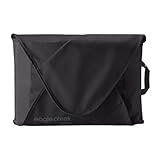
Overview: Eagle Creek’s Pack-It Reveal Garment Folder brings four decades of travel expertise to garment organization. This large-capacity folder accommodates up to 12 items while employing premium mesh compression wings to maximize luggage space. Designed for discerning travelers, it fits within most carry-on dimensions while providing superior wrinkle prevention for business attire and casual wear alike.
What Makes It Stand Out: The washable recycled polyester construction distinguishes this from competitors. Spills and odors don’t permanently compromise the folder—simply machine wash it (excluding the board). The mesh compression wings provide visibility while maintaining even pressure. Eagle Creek’s heritage since 1975 lends credibility; this isn’t a newcomer but a refined tool from adventure travel specialists who understand real-world packing challenges and durability requirements.
Value for Money: As a premium offering, the price reflects sustainable materials and proven durability. Comparable folders lack the washable feature, making this superior for long-term value. Frequent travelers will appreciate the recycled construction and easy maintenance, effectively reducing replacement costs. It competes directly with Thule while adding eco-conscious benefits that matter to modern consumers.
Strengths and Weaknesses: Pros:
- Machine-washable recycled polyester
- Mesh wings allow breathability
- Established brand with warranty support
- Quick-drying material Cons:
- Large size may not fit all carry-ons
- Premium price point
- Folding board cannot be washed
Bottom Line: Ideal for environmentally conscious travelers who prioritize hygiene and durability. The Eagle Creek folder’s washable design and compression capability make it a smart long-term investment for frequent flyers.
3. Slate Travel Garment Folder - 17" Packing Folder - Wrinkle Free Luggage Organizer
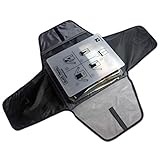
Overview: The Slate Travel Garment Folder offers a straightforward approach to wrinkle-free packing in a 17-inch format. While product details are limited, this folder follows standard design principles of premium garment organizers: a rigid folding board and compression wings to keep clothing neat during transit. Sized for carry-on compatibility, it targets travelers seeking basic functionality without brand premiums.
What Makes It Stand Out: The 17-inch dimension suggests accommodation for larger garments or more generous folding than standard 15-inch models. Its minimalist branding appeals to those who prefer function over marketing. The product name emphasizes “wrinkle-free” performance, indicating confidence in core functionality. For travelers overwhelmed by feature-heavy options, this represents a back-to-basics alternative focusing on the fundamental job: keeping clothes presentable upon arrival.
Value for Money: Without detailed features, assessing value requires inference. Typically, no-frills garment folders retail 30-40% below premium competitors. If priced accordingly, this offers solid value for occasional travelers or those testing the garment folder concept. The risk lies in unknown material quality and compression effectiveness—potential buyers should verify construction details and return policies before purchasing to avoid disappointment.
Strengths and Weaknesses: Pros:
- 17-inch size may fit larger items
- Simplified, focused design
- Potentially budget-friendly pricing
- Unbranded aesthetic Cons:
- No listed features or materials
- Unknown brand reputation
- Unclear washing instructions
- Compression mechanism unspecified
Bottom Line: Best for budget-conscious travelers comfortable with uncertainty. Verify specifications before buying, but the Slate folder could deliver basic wrinkle prevention at a competitive price point for casual use.
4. Eagle Creek Pack-It Reveal Garment Folder - Travel Garment Bag with Compression Wings to Maximize Luggage Space - Convenient Top Handle - Quick Drying Material - Black - Medium

Overview: The medium-sized Eagle Creek Pack-It Reveal Garment Folder balances capacity with versatility, holding up to 12 items while fitting more carry-on configurations than its large sibling. This iteration maintains the brand’s signature washable recycled polyester construction and mesh compression wings, offering identical durability in a more universally compatible package for travelers using various bag sizes.
What Makes It Stand Out: The medium dimensions solve the large version’s potential fit issues while retaining all premium features. The washable, quick-drying recycled polyester remains a standout material choice, allowing easy cleaning between trips. Eagle Creek’s mesh wings provide compression with ventilation, preventing moisture buildup during extended travel. The brand’s lifetime warranty and adventure-travel heritage differentiate it from fashion-focused competitors, promising field-tested durability across countless journeys.
Value for Money: Priced similarly to the large version, the medium offers better value for most travelers due to superior compatibility with standard carry-on dimensions. The eco-friendly materials and washable design justify the premium over basic folders. For frequent travelers using various bag sizes, this versatile medium format eliminates guesswork about fit and provides consistent performance across different luggage types.
Strengths and Weaknesses: Pros:
- Universal carry-on compatibility
- Washable recycled polyester
- Mesh wings for breathability
- Lifetime warranty backing Cons:
- Same price as large version
- Limited color options in medium
- Slightly less capacity than large
Bottom Line: The medium Eagle Creek folder hits the sweet spot for most travelers. Its size versatility, combined with washable construction and proven compression, makes it the most practical choice in the Pack-It Reveal line for everyday use.
5. Eagle Creek Pack-It Reveal Garment Folder - Travel Garment Bag with Compression Wings to Maximize Luggage Space - Convenient Top Handle - Quick Drying Material - Blue Dawn - Large

Overview: The Eagle Creek Pack-It Reveal Garment Folder in Blue Dawn offers identical functionality to the black large version but adds a refreshing color option for style-conscious travelers. Holding up to 12 garments with premium mesh compression wings, this large folder fits most carry-on luggage while minimizing wrinkles. The vibrant blue hue helps identify your organizer in shared accommodations or packed closets quickly.
What Makes It Stand Out: Beyond the signature washable recycled polyester and mesh compression system, the Blue Dawn colorway provides aesthetic differentiation. Travel gear often defaults to black; this alternative expresses personality while maintaining professional functionality. The quick-drying material and adventure-ready construction remain, but the color choice makes this particularly appealing to travelers tired of generic luggage accessories and wanting visual organization.
Value for Money: Matches the black large version’s pricing exactly, making color preference the only decision factor. The premium cost is justified through sustainable materials, washability, and Eagle Creek’s lifetime warranty. For those already investing in premium gear, the color option adds no extra cost while providing practical benefits—easily spotting the folder among dark luggage interiors and adding personal style to functional equipment.
Strengths and Weaknesses: Pros:
- Attractive Blue Dawn color option
- Same washable, recycled construction
- Mesh compression wings
- Quick-drying material Cons:
- Color may show dirt more than black
- Large size can be bulky in smaller bags
- Premium pricing tier
Bottom Line: Choose the Blue Dawn version if you value style alongside function. It delivers the same excellent compression and wrinkle prevention as the black large folder, with a personalized touch that brightens your packing routine without compromising performance.
6. Garment Packing Folder For Travel Clothes Organizer Travel Garment Bag Luggage Accessory Black

Overview: This garment packing folder delivers essential travel organization for budget-conscious travelers. Measuring 17.1×12.2 inches with polyester construction, it promises wrinkle-free transport for dresses, collared shirts, and slacks through a simple folding and compression system designed for occasional use.
What Makes It Stand Out: The four-wing compression design provides impressive wrinkle protection while maximizing luggage capacity. Its transparent viewing window eliminates frustrating rummaging, allowing instant identification of contents. Available in multiple colors, families can assign different hues to each member, making it perfect for group travel. The versatility extends beyond air travel to road trips and hotel stays.
Value for Money: This folder positions itself as a cost-effective alternative to premium brands, delivering core functionality at approximately half the price. While using basic polyester instead of advanced materials, the effective compression system and practical visibility features offer genuine value for travelers who prioritize function over brand prestige and don’t require expedition-grade durability for weekly business trips.
Strengths and Weaknesses: Strengths include affordable pricing, effective four-wing compression, clear visibility, versatile sizing, and family-friendly color options. Weaknesses involve uncertain brand longevity, basic polyester that may show wear after repeated use, unspecified item capacity, and lack of premium features like grab handles or washable materials. The construction suggests moderate durability compared to high-end alternatives.
Bottom Line: A smart entry-level choice for casual travelers and families. If you travel occasionally and want organized, relatively wrinkle-free clothing without premium cost, this packing folder delivers reliable performance where it matters most.
7. Osprey Ultralight Garment Folder Packing Organizer, Black

Overview: Osprey’s Ultralight Garment Folder addresses the critical needs of weight-conscious travelers. At just 0.41 pounds and 15.7×11×2 inches, this minimalist organizer prioritizes packability and portability for those who count every ounce without sacrificing essential functionality for wrinkle-resistant transport.
What Makes It Stand Out: The remarkable weight-to-function ratio distinguishes this folder in a crowded market. Osprey’s legendary build quality ensures durability despite the featherlight design. The streamlined dimensions fit efficiently into carry-ons and backpacking packs, making it ideal for one-bag travelers and ultralight enthusiasts who refuse compromise between weight savings and garment care.
Value for Money: While commanding a premium price, the folder justifies cost through significant weight savings and brand reliability. For frequent flyers avoiding checked baggage fees or backpackers reducing pack weight, the investment pays dividends in mobility and comfort. Less weight-focused travelers may find better value in feature-rich alternatives that offer more organizational bells and whistles.
Strengths and Weaknesses: Strengths include exceptional lightness, compact dimensions, trusted brand reputation, and efficient space usage. Weaknesses involve minimal features (no compression wings mentioned), limited capacity information, and premium pricing that may not suit budget travelers. The sparse product details suggest a bare-bones approach that prioritizes weight over organizational features, potentially limiting its versatility.
Bottom Line: Perfect for ultralight backpackers and frequent flyers obsessed with weight savings. If shaving pounds from your luggage transforms your travel experience, this Osprey folder delivers essential garment protection with minimal penalty. Otherwise, consider feature-rich alternatives.
8. Eagle Creek Pack-It Reveal Garment Folder - Travel Garment Bag with Compression Wings to Maximize Luggage Space - Convenient Top Handle - Quick Drying Material - Storm Grey - Large
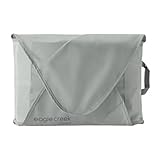
Overview: Eagle Creek’s Pack-It Reveal Garment Folder represents decades of travel gear expertise in a premium package. This large folder combines recycled polyester construction with intelligent design to protect up to 12 garments while maximizing luggage space through advanced compression technology for discerning travelers.
What Makes It Stand Out: The premium adjustable mesh compression wings deliver superior wrinkle prevention compared to basic folders. A quick-grab handle enhances portability between bags and hotel closets, while washable materials (excluding the folding board) simplify maintenance after messy journeys. The quick-drying recycled polyester construction reflects Eagle Creek’s commitment to sustainability without sacrificing the durability expected from adventure-tested gear.
Value for Money: Positioned at the premium end, this folder commands higher pricing but delivers exceptional longevity and performance. For frequent business travelers or adventure seekers who live from their luggage, the investment amortizes quickly. The durable build and lifetime-quality materials prevent replacement costs, making it economical over years of heavy use compared to replacing cheaper alternatives annually.
Strengths and Weaknesses: Strengths include premium mesh compression, high capacity (12 items), sustainable materials, convenient grab handle, brand reputation since 1975, and washable design. Weaknesses involve higher price point and large dimensions that may not fit smaller carry-ons or ultra-minimalist packing strategies. The size, while spacious, requires careful consideration of your specific luggage dimensions before purchasing.
Bottom Line: An outstanding investment for serious travelers. If you prioritize wrinkle-free clothing, durability, and sustainable materials for frequent trips, this Eagle Creek folder delivers professional-grade performance that justifies its premium cost through years of reliable service.
9. Eagle Creek Pack-It Reveal Garment Folder - Travel Garment Bag with Compression Wings to Maximize Luggage Space - Convenient Top Handle - Quick Drying Material - Blue Dawn - Medium
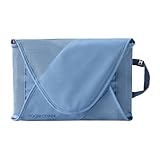
Overview: The Eagle Creek Pack-It Reveal Medium Garment Folder delivers the same premium quality as its larger sibling in a more versatile size. Holding up to 12 items with identical mesh compression wings and sustainable construction, this Blue Dawn variant suits travelers seeking professional organization without the maximum bulk that can challenge smaller carry-on compliance.
What Makes It Stand Out: This medium size maintains all premium features—adjustable mesh wings, quick-grab handle, washable recycled polyester—in a more luggage-friendly format. The Blue Dawn colorway offers a refreshing alternative to standard black, while the same quick-drying materials and compression technology ensure wrinkle-free results. The dimensions strike an optimal balance between capacity and packability.
Value for Money: Sharing the premium price point of the large version, this folder offers better value for travelers using standard carry-ons. The identical construction quality and feature set mean you’re not sacrificing performance for size, making it a smarter choice for most users unless you regularly pack maximum capacity or use oversized luggage.
Strengths and Weaknesses: Strengths include premium features in versatile size, sustainable materials, convenient grab handle, and brand reliability since 1975. The medium dimensions fit most carry-ons perfectly. Weaknesses include premium pricing and slightly reduced capacity compared to the large version. Some users may find the 12-item capacity optimistic for bulkier garments like jackets or sweaters.
Bottom Line: The sweet spot for most travelers. If you want Eagle Creek’s renowned quality in a size that works for the majority of luggage, this medium folder delivers premium performance without the bulk of its larger counterpart.
10. BoxLegend V3 Shirt Folder Board Tshirt Clothes Folder Folding Board Durable Laundry Sorter Helper Liner, Black

Overview: The BoxLegend V3 Shirt Folder Board revolutionizes laundry day while offering unexpected travel utility. Constructed from upgraded environmentally-friendly PP material, this folding board creates perfectly uniform folds in four simple steps, transforming chaotic drawers and suitcases into models of organization for tee shirts, polo shirts, dress shirts, shorts, jeans, pants, pajamas, and towels.
What Makes It Stand Out: Unlike traditional packing folders, this tool excels at creating consistent, space-saving folds for diverse clothing types. Its ability to fold down to 11.6×9.5 inches makes it surprisingly packable for travel, while the hanging holes enable convenient home storage. The child-friendly operation means even five-year-olds can achieve perfect folds, making it a family laundry solution.
Value for Money: Extremely affordable and built to last, this board delivers exceptional value for home organization enthusiasts. For travelers, it provides a dual-purpose solution: streamline your closet daily and pack efficiently for trips. The durable PP construction prevents the cracking common in cheaper boards, eliminating replacement costs and providing years of service.
Strengths and Weaknesses: Strengths include versatility across clothing types, child-friendly operation, compact storage, durability, and dual home/travel utility. Weaknesses include lack of compression wings, no handle for portability, and primary design focus on home use rather than dedicated travel compression. It organizes but doesn’t compress like purpose-built travel folders.
Bottom Line: A game-changer for home organization with bonus travel benefits. If you want perfectly folded clothes daily and a packing aid for trips, this affordable board delivers. For pure travel compression, consider dedicated garment folders instead.
Understanding Garment Folders and Overpacking
What Exactly Are Garment Folders?
Garment folders are structured packing systems designed to hold folded clothing between rigid or semi-rigid boards, then compress the entire bundle with straps or zippers. Unlike packing cubes that simply contain items, folders actively shape and compress your clothing into flat, manageable rectangles. The design typically includes a folding board with guidelines for precise folding, creating uniformly sized packets that stack efficiently in your luggage. This methodical approach eliminates the guesswork and inconsistency of hand-folding, ensuring each piece occupies optimal space while maintaining its condition during transit.
The Psychology Behind Overpacking
Overpacking stems from decision anxiety and fear of being unprepared. We pack extra outfits for “just in case” moments, duplicate items out of uncertainty, and fill every available space because emptiness feels wasteful. Garment folders combat this mindset by imposing physical limits—you can only fit what the folder accommodates. This constraint paradoxically liberates you from decision paralysis, forcing intentional choices about what you truly need. The visual organization also provides psychological comfort, allowing you to see your entire wardrobe at a glance rather than digging through layers of chaos.
How Compression Technology Works
Modern garment folders employ mechanical compression rather than vacuum sealing. When you secure the straps or close the zipper, you apply even pressure across the entire surface area of your folded clothing. This pressure expels trapped air between fabric layers while maintaining the structural integrity of each garment. The key difference from rolling or stuffing is the uniform distribution of force—no single item bears excessive pressure, which means fewer creases and less fabric distortion. The result is a flat, dense packet that reduces volume by 30-50% without requiring bulky vacuum bags or electricity.
Key Features That Maximize Space
Folding Board Mechanisms
The heart of any garment folder is its folding board system. Premium models feature adjustable boards that accommodate different clothing sizes—from slim dress shirts to bulky sweaters. Look for boards with printed folding guides that show exactly where to place shoulders, sleeves, and hems. Some advanced designs include hinged sections that fold inward, creating perfect creases while protecting buttons and collars from pressure damage. The board’s rigidity prevents clothes from shifting during travel, maintaining the compression achieved during packing.
Compression Straps and Zippers
Compression mechanisms vary significantly in effectiveness. Strap-based systems offer incremental tightening, allowing you to fine-tune pressure based on fabric thickness. Zipper closures provide faster operation but less adjustability. The most effective folders combine both—a zipper for initial closure, followed by secondary straps for final compression. Pay attention to strap placement; crisscross patterns distribute pressure more evenly than parallel straps. Buckle quality matters too—durability-tested plastic or metal hardware ensures your compression won’t loosen during bumpy flights or rough handling.
Material Stretch and Recovery
The folder’s own material influences compression performance. Panels with slight stretch accommodate overstuffing without warping permanently, while rigid panels maintain consistent pressure but offer less forgiveness. Four-way stretch fabrics around the perimeter allow the folder to expand slightly as you close it, then contract to maintain tension. This elastic recovery is crucial for keeping clothes compressed throughout your journey, especially when temperature and altitude changes cause fabrics to expand slightly.
Size Variations for Different Garments
One size doesn’t fit all in garment folders. Shirt-sized folders typically measure 15x10 inches when closed, perfect for 8-12 items. Pant folders run longer—around 18x12 inches—to accommodate full-length trousers without double-folding. Dress folders offer extra width and height for formal wear, while modular systems let you mix sizes within the same suitcase. Consider your typical wardrobe when selecting sizes; business travelers need shirt folders, while vacationers might prioritize pant and casual wear sizes.
Material Matters
Durable Nylon and Polyester Options
Most garment folders use high-denier nylon or polyester for durability. 420D nylon offers excellent tear resistance while remaining lightweight, while 600D polyester provides maximum abrasion protection for checked luggage. These synthetic materials resist moisture and dry quickly if spills occur. Look for reinforced stitching at stress points—particularly where straps attach to the folder body. Some manufacturers double-stitch these areas or add bar-tack reinforcements to prevent blowouts when the folder is fully compressed.
Lightweight Mesh Panels
Strategic mesh placement serves two purposes: ventilation and visibility. Mesh panels along the edges allow air circulation, preventing musty odors during multi-day trips. Central mesh windows let you identify contents without opening the folder—crucial for quick retrieval in hotel rooms. The mesh should be fine-weave to prevent snagging while remaining breathable. Ultralight versions use monofilament mesh that adds mere grams to the overall weight, essential for carry-on only travelers watching every ounce.
Water-Resistant Coatings
Travel rarely goes perfectly, and luggage sometimes encounters rain, spills, or humid conditions. Water-resistant coatings on garment folder exteriors provide crucial protection. PU (polyurethane) coatings repel light moisture, while DWR (durable water repellent) treatments cause water to bead and roll off. These coatings don’t make folders waterproof but buy you precious time to move luggage out of downpours or clean up spills before they seep through to your clothes. The coating should be applied to both outer fabric and interior lining for comprehensive protection.
Eco-Friendly Material Choices
Sustainable travelers now have options made from recycled PET bottles or ocean-bound plastics. These materials perform identically to virgin synthetics but reduce environmental impact. Some eco-conscious manufacturers use bluesign® certified fabrics, ensuring responsible production processes. While typically priced 10-20% higher, these options align with minimalist travel philosophies—buying fewer, better-quality items that last. The durability of recycled materials often matches or exceeds conventional options, making them smart long-term investments.
Size and Capacity Considerations
Shirt and Blouse Sizes
Standard shirt folders accommodate 8-12 items depending on thickness. For business trips requiring fresh shirts daily, calculate one folder per 3-4 days of travel. The folding board should match your shirt size—too small and you’ll create extra folds; too large and you’re wasting space. Women’s blouse folders often include extra width for broader necklines and sleeve variations. Consider whether you prefer folding shirts traditionally or using the “military fold” method, as some boards are optimized for specific techniques.
Pants and Trouser Dimensions
Pant folders need extra length to prevent creasing at the knees. Quality designs measure at least 17 inches long when closed, allowing pants to fold once at the waist and once at the hem. For jeans and heavy trousers, capacity drops to 4-6 items versus 8-10 for lightweight dress pants. Some folders include a separate compartment for belts or accessories, keeping them from creating bulges in your packed clothes. The width should accommodate pants laid flat without overlapping, which causes uneven compression.
Dress and Jacket Options
Formal wear requires specialized folders with extra height—typically 20+ inches—to protect length without double-folding. These often include foam padding at the shoulders to maintain structure and prevent hanger bumps from forming. Jacket folders feature wider boards to accommodate shoulder breadth and may include separate panels for lining versus outer fabric. While bulkier than shirt folders, they still compress formal wear more efficiently than traditional garment bags, especially when paired with other folders in a suitcase.
Customizable Configurations
Modular folder systems let you combine sizes like puzzle pieces within your luggage. Half-width folders pair with full-width ones to create custom layouts. Some brands offer connecting straps that link multiple folders together, preventing them from shifting during transit. This flexibility proves invaluable for irregularly sized luggage or trips requiring diverse wardrobe types. You might configure two shirt folders and one pant folder for business travel, then reconfigure to one dress folder and two casual wear folders for a weekend wedding.
Organizational Benefits Beyond Space-Saving
Visual Inventory Systems
Garment folders transform your suitcase into a visual catalog. When you open your luggage, you see organized packets rather than a jumbled pile. This visibility eliminates the “did I pack that?” anxiety and prevents duplicate packing. Many travelers photograph their closed folders as a packing list reference, making repacking for return trips foolproof. The uniform appearance also helps you quickly identify which folder contains formal wear versus casual clothes, saving time during multi-destination trips with varied dress codes.
Category Separation
Assigning folders by category creates a logical packing system. One folder for tops, another for bottoms, a third for undergarments and sleepwear. This separation means you only open one packet at a time, keeping other clothes pristine. For family travel, assign each person a different colored folder system, eliminating mix-ups in shared suitcases. Business travelers might separate meeting outfits from casual evening wear, maintaining professionalism without unpacking everything upon arrival.
Wrinkle Prevention Strategies
The compression in garment folders prevents clothes from shifting and creasing during transit. Unlike rolling, which creates circular crease patterns, folding boards create sharp, intentional creases along natural garment lines. Many folders include tissue paper or plastic sheets to place between delicate items, preventing friction wrinkles. The key is pulling fabric taut against the board before compressing—loose fabric will wrinkle regardless of the folder quality. For maximum wrinkle resistance, pack slightly damp dress shirts; the compression and transit time create a pressing effect.
Quick Access Design Elements
Some folders feature partial zippers or flap openings that let you retrieve a single item without unpacking the entire bundle. This proves invaluable for long trips where you need to access specific pieces without disrupting your entire organization. External pockets on folder exteriors can hold accessories like ties, scarves, or jewelry, keeping coordinated outfits together. Quick-grab handles on folder edges let you slide packets in and out of tightly packed luggage without disturbing surrounding items.
Packing Techniques for Maximum Efficiency
The Military Roll vs. Folder Method
While rolling saves space for casual items like t-shirts and underwear, garment folders excel for structured pieces. The military roll works by eliminating air within each item individually, while folders eliminate air between items collectively. For optimal packing, combine both methods: roll undergarments and place them in gaps between folders, use folders for shirts, pants, and dresses. This hybrid approach maximizes every cubic inch of your luggage while keeping each item type in its ideal compression state.
Layering Strategies
Sequence matters when loading folders. Place heavier items at the bottom of the folder (when laid flat) and lighter items on top. This ensures even weight distribution and prevents delicate fabrics from bearing excessive pressure. For mixed-content folders, layer tissue paper between different fabric types to prevent dye transfer and friction damage. When compressing, tighten straps gradually in a star pattern—top left, bottom right, top right, bottom left—to maintain even pressure across the entire stack.
Mix-and-Match Wardrobe Planning
Garment folders encourage capsule wardrobe thinking. Since each folder holds a limited number of items, you’re forced to choose versatile pieces that work in multiple combinations. A single folder might contain three shirts, two pants, and a jacket that create six distinct outfits. This limitation becomes liberation—you pack less but wear more combinations. The visual organization also helps you see gaps in your wardrobe planning before you leave home, preventing the “nothing matches” dilemma at your destination.
Seasonal Clothing Considerations
Bulky winter clothes require different folder strategies. Use larger, more robust folders with stronger compression straps for sweaters and heavy pants. Consider under-filling these folders slightly to avoid over-compressing insulation materials. For summer travel, lightweight folders with mesh panels prevent moisture buildup from humidity. Layering a dryer sheet between items in humid climates keeps clothes fresh. The folder’s flat profile actually works better for bulky items than rolling, which creates uneven diameter bundles that waste suitcase space.
Travel Scenarios Where Garment Folders Excel
Business Travel Efficiency
For professionals, garment folders are non-negotiable. They keep suits, shirts, and ties in presentation-ready condition, eliminating the need for hotel ironing or steaming. A well-packed folder allows you to go directly from airport to meeting without wardrobe worries. The organization also speeds up security checks—TSA agents can see your neatly packed clothes without creating a mess. For multi-city business trips, folders let you pre-plan outfits for each location, unpacking only what’s needed for each stop.
Family Vacation Organization
Traveling with children multiplies packing chaos exponentially. Assigning each family member colored folders keeps clothes separated in shared suitcases. Kids can be responsible for their own folders, learning organization skills while parents maintain oversight. For beach vacations, separate wet and dry clothes using water-resistant folders. The visual system helps parents quickly locate specific items—no more digging for a child’s swimsuit while everyone waits impatiently. Folders also compress bulky items like kids’ sweatshirts, freeing space for souvenirs on return trips.
Adventure Travel Solutions
Adventure travel presents unique challenges: gear, layered clothing, and unpredictable weather. Garment folders organize base layers, mid-layers, and outer shells into distinct packets. This proves crucial when changing conditions require quick wardrobe adjustments on the trail. Durable, water-resistant folders protect technical fabrics from abrasion and moisture in rugged duffel bags. The compression also reduces volume for items like fleece jackets and puffy coats, making room for essential gear without checking extra bags.
Extended Stay Management
For trips longer than two weeks, garment folders become wardrobe management systems. Rather than unpacking everything into unfamiliar drawers, you live directly from your folders, maintaining organization throughout your stay. This approach is ideal for vacation rentals with limited storage or business travelers in extended-stay hotels. You can rotate folders between suitcase and closet, keeping off-season items compressed while accessing current needs. The system also simplifies laundry management—dirty clothes return to empty folders, keeping them separate from clean items.
Integration with Other Packing Systems
Compatibility with Carry-On Luggage
Garment folders align perfectly with carry-on dimensions. Standard 21-inch spinner suitcases accommodate 2-3 medium folders stacked flat, utilizing the entire depth efficiently. The rigid structure of folders actually protects fragile items packed around them, like toiletries or electronics. For budget airlines with strict weight limits, folders help you maximize capacity within size constraints. The flat packets slide easily under airline seats when overhead bins fill up, unlike irregularly shaped packing cubes or loose items.
Working with Packing Cubes
Folders and cubes aren’t competitors—they’re collaborators. Use folders for structured clothing and cubes for soft items like underwear, socks, and t-shirts. The flat folders create stable layers in your suitcase, while cubes fill gaps and irregular spaces. Some travelers place a small cube inside a partially filled folder, maximizing every inch. The key is assigning each tool its strength: folders for compression and wrinkle prevention, cubes for containment and flexibility. This hybrid system creates the most efficient packing configuration possible.
Toiletry and Accessory Coordination
Advanced packing involves coordinating folders with accessory organizers. Place jewelry, belts, and ties in small pouches that nestle between folder packets. Some folders include built-in pockets specifically for these items, keeping complete outfits together. For liquid toiletries, position folders as barriers between toiletry bags and clothing, providing an extra layer of leak protection. The firm structure of folders prevents crush damage to items like hats or delicate shoes packed alongside them.
Tech Gear Organization
In our connected world, tech gear competes for luggage space. Garment folders create stable platforms for packing tech organizers on top. The flat, rigid surface distributes weight evenly across laptops, tablets, and chargers packed beneath. Some travelers use a folder as a makeshift divider, separating tech gear from clothing entirely. For carry-on only trips, this separation speeds up security screening—simply remove the tech layer while clothes remain perfectly organized in folders below.
Cost and Value Analysis
Budget-Friendly Entry Points
Entry-level garment folders ($15-25) offer basic functionality without frills. These typically use lighter-weight materials and simple strap systems but still provide significant space savings. They’re ideal for occasional travelers testing the system or those prioritizing cost over durability. While lacking premium features like water-resistant coatings or reinforced stitching, they compress clothes effectively for several trips. The value proposition is clear: even basic folders outperform loose packing, making them worthwhile investments for any traveler.
Mid-Range Feature Sets
The $30-50 range delivers the sweet spot of features and durability. These folders include adjustable boards, quality zippers plus backup straps, and water-resistant treatments. Materials in this bracket withstand frequent use, making them suitable for monthly travelers. You’ll find thoughtful details like corner reinforcements, smooth-gliding zippers, and ergonomic strap buckles. The compression efficiency improves noticeably, with better pressure distribution and longer-lasting tension. For most travelers, this range offers the best return on investment.
Premium Investment Pieces
High-end folders ($60+) target frequent flyers and luxury travelers. They feature aircraft-grade aluminum boards, military-spec fabrics, and lifetime warranties. The compression systems include mechanical advantage features like ratcheting straps that apply uniform pressure without excessive hand strength. These folders often include modular components, allowing customization for different trip types. While the price seems steep, the durability means one folder might last a decade of heavy use, making the per-trip cost negligible for road warriors.
Long-Term Durability Factors
Evaluate durability by examining seam construction, hardware quality, and material density. Double-stitched seams with binding tape edges prevent fraying. YKK zippers and Duraflex buckles indicate manufacturer confidence in longevity. Material denier (the “D” rating) directly correlates with abrasion resistance—300D suffices for carry-on, while 600D+ survives checked baggage handling. Consider the warranty as a durability indicator; companies offering lifetime guarantees engineer products to last, reducing replacement costs and environmental waste.
Sustainability and Environmental Impact
Reducing Luggage Weight
Every pound matters in air travel’s carbon equation. By compressing clothes efficiently, garment folders let you use smaller, lighter luggage. This weight reduction translates to lower fuel consumption, especially when multiplied across millions of travelers. A family of four switching from large checked bags to carry-ons saves approximately 80 pounds per trip. Over a year of travel, this reduction becomes environmentally significant. The folders themselves add minimal weight (8-12 ounces), making their net impact on luggage weight negligible compared to the space savings they enable.
Durability Over Disposable Solutions
Fast fashion extends to fast packing solutions—cheap cubes and bags that tear after a few uses. Quality garment folders last years, reducing landfill waste. The rigid boards protect clothing from damage, extending garment life by reducing wrinkles and crushing. This durability aligns with sustainable travel’s core principle: buy less, use longer. A $50 folder used 50 times costs $1 per use and prevents countless plastic bags or disposable organizing attempts. The environmental payoff compounds when you factor in reduced clothing replacement due to better care.
Recycled Material Options
Eco-conscious manufacturers now produce folders from ocean plastics and post-consumer recycled materials. These options perform identically to virgin materials while diverting waste from landfills and waterways. The recycling process for PET into fabric uses 59% less energy than producing new polyester. Some companies even offer take-back programs, recycling worn folders into new products at end-of-life. While slightly pricier, these options let travelers align their packing habits with environmental values without sacrificing performance.
Minimalist Travel Philosophy
Garment folders inherently promote minimalism by limiting what you can pack. This constraint encourages thoughtful consumption and versatile wardrobe choices. Minimalist packing reduces the environmental impact of manufacturing, transporting, and eventually disposing of excess clothing. By mastering folder-based packing, you develop skills applicable to everyday life—valuing quality over quantity and intentionality over abundance. This mindset shift extends beyond travel, influencing purchasing decisions and reducing overall consumption patterns.
Common Mistakes to Avoid
Overstuffing Folders
The most frequent error is treating folders as bottomless pits. Overstuffing strains zippers, warps boards, and creates uneven compression that wrinkles clothes. Follow capacity guidelines—if you can’t close the folder with moderate pressure, remove items. Overstuffed folders also become rigid blocks that don’t conform to luggage shapes, wasting space around the edges. The compression system works best when clothes have slight room to settle; crushing them beyond the folder’s design limits defeats the purpose and damages both folder and garments.
Wrong Size Selection
Choosing folders based on luggage rather than clothing type causes problems. A traveler who packs mostly dresses but buys shirt-sized folders ends up with awkwardly folded garments and wasted space. Conversely, using oversized folders for small items prevents effective compression. Assess your actual wardrobe before purchasing—measure your most-packed items and select folders accordingly. Remember that mixing sizes often works better than forcing everything into one universal size. The goal is matching folder dimensions to your clothing dimensions.
Ignoring Fabric Types
Not all fabrics compress equally. Delicate silks and linens require tissue paper barriers between items to prevent creasing. Heavy woolens shouldn’t be compressed as tightly as cotton, which can damage the fibers. Stretch fabrics need slightly looser compression to maintain elasticity. Compression can set wrinkles permanently into some synthetic blends if left packed too long. Understanding your clothing’s material properties ensures you adjust compression levels and packing duration appropriately, preserving garment quality alongside space savings.
Poor Placement in Luggage
Even perfectly packed folders fail when placed incorrectly in your suitcase. Always position folders flat, not on edge, to maintain compression. Place them against the suitcase’s flat side for stability, not in the domed lid where they’ll shift. Heavy folders should go near the wheels to maintain bag balance. Avoid placing folders directly against hard objects that can imprint through the board. Thoughtful placement ensures your careful packing survives the journey intact.
Maintenance and Care
Cleaning Procedures
Most garment folders clean easily with a damp cloth and mild soap. Avoid machine washing, which can warp boards and damage compression hardware. For stubborn stains, spot-clean with gentle detergent, then air dry completely before storing. Mesh panels may attract lint—use a fabric roller or vacuum attachment periodically. If your folder develops odors, sprinkle baking soda inside, let sit overnight, then shake out thoroughly. Never use harsh chemicals or bleach, which can degrade water-resistant coatings and fabric strength.
Storage When Not in Use
Store folders flat or loosely rolled to maintain board shape. Avoid placing heavy objects on top that could cause permanent warping. Keep them in a dry, climate-controlled environment—extreme heat or cold can affect plastic components and fabric coatings. If straps have elastic elements, leave them unfastened during storage to prevent elastic fatigue. Some travelers hang folders in closets using the grab handles, keeping them accessible for last-minute trips while maintaining their shape.
Zipper and Strap Maintenance
Zippers require occasional lubrication—run a graphite pencil tip along the teeth or use specialized zipper wax. Check strap stitching regularly, reinforcing loose threads before they fail. Buckles benefit from silicone spray applied sparingly to moving parts. If straps lose elasticity, you can often purchase replacement sets from manufacturers rather than replacing the entire folder. Clean grit and debris from zipper pulls and buckle mechanisms after sandy or dusty trips to prevent abrasion damage.
Odor Prevention Techniques
Moisture causes most folder odors. Ensure clothes are completely dry before packing, and air out folders between trips. Silica gel packets placed inside during storage absorb ambient moisture. For active travelers, antimicrobial fabric treatments prevent bacteria growth from sweat-soaked clothes. Cedar blocks or lavender sachets provide natural odor control without chemical fragrances. Never store folders in plastic bags, which trap humidity and promote mildew growth.
Frequently Asked Questions
How many garment folders fit in a standard carry-on suitcase?
Most 21-inch carry-ons accommodate 2-3 medium-sized garment folders stacked flat, plus additional items in remaining spaces. The exact number depends on folder thickness when compressed and your other packing needs.
Do garment folders really prevent wrinkles better than rolling?
For structured garments like dress shirts and pants, yes. Folders create intentional creases along natural fold lines and maintain consistent pressure, preventing the shifting that causes wrinkles. Rolling works better for soft, casual items like t-shirts.
Can I use garment folders for winter coats and bulky sweaters?
Yes, but choose larger folders designed for heavy items and avoid maximum compression, which can damage insulation fibers. Consider these items take up more folder space, reducing total capacity per folder.
Are garment folders TSA-friendly?
Absolutely. Their organized, flat profile makes security screening smoother. Officers can easily see contents without disrupting your packing, and the structured design protects items during bag inspections.
How much weight do garment folders add to my luggage?
Quality folders weigh between 8-16 ounces depending on size and materials. This minimal weight is offset by the space savings and organization benefits, often allowing you to use a smaller, lighter bag overall.
What’s the difference between garment folders and packing cubes?
Folders compress and structure clothing into flat packets with rigid boards, while cubes simply contain loosely packed items. Folders excel at wrinkle prevention and space maximization for specific clothing types; cubes offer flexibility for varied items.
Can I wash garment folders in a washing machine?
No. Machine washing warps the internal boards and damages compression hardware. Spot clean with a damp cloth and mild soap, then air dry completely before use or storage.
How long do garment folders typically last?
With proper care, quality folders last 5-10 years of regular travel. Premium models with lifetime warranties can last indefinitely. Durability depends on frequency of use, handling, and adherence to care instructions.
Do I need different sizes of garment folders?
Most travelers benefit from at least two sizes—one for shirts/tops and one for pants/bottoms. If you frequently pack dresses, jackets, or travel with family, additional sizes provide optimal organization and compression.
Are garment folders worth the cost compared to cheap plastic bags?
Yes. While plastic bags compress clothes, they tear easily, trap moisture, and provide no structure or wrinkle prevention. A quality folder’s durability, protection, and organization benefits make it far more cost-effective over time.