Every morning, thousands of cyclists face the same dilemma: how to seamlessly transition from bike to boardroom without looking like they’ve just completed a triathlon. The right cycling commuter backpack with a helmet holder isn’t just a convenience—it’s a game-changer that transforms your daily ride from a logistical headache into a streamlined, sophisticated experience. Whether you’re navigating five miles of urban traffic or crushing a twenty-mile multi-modal commute, the perfect pack becomes an extension of your body, not a burden on it.
But here’s what most buyers miss: not all helmet holders are created equal, and the best cycling commuter backpack for your specific needs depends on a complex interplay of factors that go far beyond just strapping your lid to the outside. From sweat-wicking ventilation systems that save your work shirt to weatherproofing that protects your laptop during unexpected downpours, the devil is in the details. This guide cuts through the marketing noise to give you the expert-level insights you need to make a decision you’ll be grateful for every single ride.
Top 10 Cycling Commuter Backpacks with Helmet Holders
Detailed Product Reviews
1. Bicycle Cycling Backpack - Water Resistant Biking and Bike Commuter Lightweight Backpack with Helmet Mesh Holder, Men and Women

Overview: This 16L cycling backpack from Bobilife targets commuters and recreational riders seeking a lightweight, breathable solution. Weighing just 0.84 pounds, it features a suspension system with mesh shoulder straps, padded back panel, and sponge lumbar padding. The water-resistant nylon construction includes an integrated helmet mesh holder, reflective safety elements, and side pockets for bottles and essentials.
What Makes It Stand Out: The standout feature is the advanced ventilation system designed specifically for cyclists. The flexible yoke and mesh components work together to minimize back sweat during rides. The deployable helmet net tucks away neatly when not in use, maintaining the pack’s streamlined profile. Reflective logo and design elements enhance visibility without adding weight, while the compact 3D shape keeps the load close to your body for better stability.
Value for Money: At $53.95, this pack sits in the mid-range category. The price is justified by its specialized cycling ergonomics and thoughtful ventilation features that cheaper alternatives lack. While you can find basic daypacks for less, the cycling-specific design elements and durable water-resistant materials make it a worthwhile investment for regular riders.
Strengths and Weaknesses: Strengths include exceptional breathability, ultra-lightweight design, quality construction with robust zippers, and versatile multi-scenario use. The helmet holder is practical and discreet. Weaknesses are the limited 16L capacity for longer trips, minimal organizational compartments compared to larger packs, and water-resistant (not waterproof) fabric that may not handle heavy downpours.
Bottom Line: Ideal for daily commuters and weekend cyclists prioritizing comfort and ventilation. The lightweight design and smart features make it excellent for short to medium rides.
2. Reflective Motorcycle Backpack – Hi Viz EDC Commuter Bag for Riders, Night Travel, and Daily Use with Helmet Holder, Laptop Compartment, Ventilated Back, Urban Gear (green backpack)
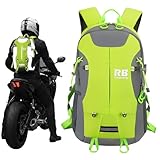
Overview: This 35L hi-viz backpack addresses motorcycle and bike commuters’ safety and storage needs. Priced at $89.99, it features maximum visibility reflective panels, a dedicated laptop compartment, and ventilated back padding. The ergonomic design reduces strain during long rides, while the external helmet net provides hands-free gear management. Multiple compartments and side water pockets offer extensive organization.
What Makes It Stand Out: The high-visibility reflective panels are the defining feature, providing 360-degree visibility for night riding. The 35L capacity strikes an excellent balance between commuter needs and manageable size. The ventilated back system with adjustable straps is specifically engineered for riding posture, and the inclusion of a laptop compartment makes it a true EDC solution for professional commuters.
Value for Money: While more expensive at $89.99, the premium reflects its specialized safety features and larger capacity. Comparable motorcycle-specific bags often exceed $100, making this competitively priced. The combination of hi-viz materials, laptop protection, and robust construction provides strong value for daily riders who prioritize safety and functionality.
Strengths and Weaknesses: Strengths include exceptional visibility, generous 35L capacity, dedicated laptop protection, superior ventilation, and versatile storage options. The helmet holder is sturdy and accessible. Weaknesses are the higher price point, potentially bulky size for cyclists preferring minimalism, and the green color may not suit all style preferences despite its safety benefits.
Bottom Line: A premium choice for serious commuters prioritizing safety and capacity. The hi-viz design and thoughtful features justify the investment for regular night riders.
3. Helmet Backpack for Motorcycle Cycling, Large Capacity Waterproof Helmet Holder, Helmet Storage Bag Hiking Backpack

Overview: This versatile helmet backpack at $45.99 offers a large capacity solution for riders and outdoor enthusiasts. Constructed from 100% high-density nylon, it features waterproof and tear-resistant properties. The pack measures 11.8"L x 6.7"W x 18.5"H, weighs 2.86 lbs, and includes expandable helmet straps that accommodate various gear including sports balls. Two main compartments unfold 90-180 degrees for easy access.
What Makes It Stand Out: The adaptable helmet carrying system distinguishes this pack—it securely holds motorcycle helmets, bicycle helmets, or sports equipment with adjustable straps. The 180-degree opening design provides suitcase-like access to contents, eliminating digging. The included embroidered patch with magic sticker allows personalization. Reflective piping adds safety without compromising the streamlined aesthetic.
Value for Money: At $45.99, this backpack delivers excellent value for its waterproof construction and versatile functionality. Similar capacity waterproof packs typically cost $60-80. The multi-purpose design extends value beyond cycling to hiking, travel, and sports, making it cost-effective for users needing one bag for multiple activities.
Strengths and Weaknesses: Strengths include true waterproof protection, versatile helmet/gear straps, excellent access with wide-opening design, durable nylon construction, and reflective safety elements. Weaknesses are the heavier 2.86-pound weight, limited breathability features compared to cycling-specific packs, and basic shoulder strap padding for extended wear.
Bottom Line: A solid all-purpose choice for riders needing waterproof protection and versatile gear storage. Great for multi-sport users who value durability over ultra-lightweight design.
4. Helmet Backpack for Motorcycle Riders, Waterproof Large Capacity Backpack with Holder, Helmet Bag for Storage Hiking Cycling, Motorcycle Backpacks Motorcycle Riders Accessories for Men Women Black
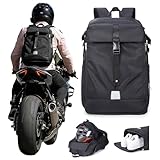
Overview: This Seafew helmet backpack offers budget-friendly versatility at $28.99. Measuring 12.2"L x 4.7"W x 18.1"H and weighing 2.74 lbs, it features waterproof high-density nylon construction. The pack includes expandable helmet straps, two main compartments, and a 90-180 degree unfolding design. Reflective piping enhances visibility, while adjustable breathable straps provide basic comfort for various outdoor activities.
What Makes It Stand Out: The aggressive pricing is this pack’s primary differentiator, making waterproof helmet storage accessible to budget-conscious buyers. Despite the low price, it maintains core functionality: adjustable helmet straps accommodate multiple gear types, and the wide-opening design provides good access. The neutral black color appeals to users wanting versatility across different settings.
Value for Money: Exceptional value at $28.99—this is among the most affordable waterproof helmet backpacks available. While materials and features reflect the price point, it delivers essential functionality without major compromises. For occasional riders or those testing helmet backpack concepts, the financial risk is minimal. Comparable features in branded alternatives cost twice as much.
Strengths and Weaknesses: Strengths include unbeatable price, waterproof construction, versatile helmet holder, adequate storage capacity, and reflective safety details. Weaknesses involve thinner padding on straps and back panel, potentially less durable zippers and hardware, and a narrower 4.7" width limiting bulkier items. Stitching quality may not match premium alternatives.
Bottom Line: A budget champion for casual riders and outdoor enthusiasts. Delivers core functionality at an accessible price, though frequent users may want to invest more in durability.
5. Hutigertech Motorcycle Cycling Helmet Backpack, Large Capacity Waterproof Helmet Holder, Storage Bag Hiking Backpack
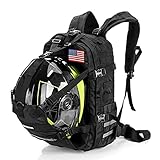
Overview: The Hutigertech helmet backpack, priced at $46.99, mirrors many features of similar products while emphasizing durability and capacity. Constructed from 100% high-density nylon, it measures 11.8"L x 6.7"W x 18.5"H and weighs 2.86 lbs. The pack offers expandable helmet straps, two main compartments with 90-180 degree access, and reflective piping. A magic sticker panel allows for patch customization, and breathable mesh padding provides comfort.
What Makes It Stand Out: This pack positions itself as a reliable mid-tier option with proven design elements. The slightly wider 6.7-inch depth compared to budget alternatives allows better storage of bulky items. The included embroidered patch adds value for users wanting immediate personalization. The brand focuses on heavy-duty construction with reinforced stress points, appealing to users prioritizing longevity over ultralight weight.
Value for Money: At $46.99, this represents fair value for a waterproof, multi-purpose backpack. It costs slightly more than the cheapest alternatives but offers improved construction quality. The price aligns with market standards for non-premium waterproof packs with specialized features. For regular users, the durability improvements over budget options justify the modest price increase.
Strengths and Weaknesses: Strengths include robust waterproof nylon, versatile helmet straps, good access with wide-opening design, reflective safety features, and decent capacity. The construction feels more substantial than budget options. Weaknesses are the relatively heavy weight, basic ventilation system compared to cycling-specific packs, and brand recognition remains limited compared to established names. The magic sticker panel may wear over time.
Bottom Line: A dependable workhorse for regular riders seeking waterproof protection without premium pricing. Offers balanced performance for multi-sport outdoor enthusiasts.
6. Helmet Holder for Backpack - Secure Bike/Ski/Snowboard Helmet Carrier with 4-Side Elastic Straps & 8 Carabiners, Protective Shell Cover for Cycling, Motorcycle, Hiking Accessories

Overview: This versatile helmet carrier transforms any backpack into a helmet transport system. The double-layer elastic mesh attaches via eight carabiners, accommodating various helmets externally. It folds compactly when not in use and doubles as a cargo net, offering versatility without requiring a new backpack.
What Makes It Stand Out: The four-side reinforced elastic strap system creates an adaptive cradle that prevents helmet bounce during rough rides. Eight heavy-duty carabiners provide multiple attachment points for stability. The protective shell cover adds weather resistance, while tear-resistant nylon mesh ensures durability. Its universal compatibility works with existing gear you own.
Value for Money: At $9.65, this delivers exceptional value versus $30-$80+ dedicated backpacks. The double-layer construction and included carabiners punch above their price class. For occasional use or as a backup solution, it’s nearly unbeatable, offering core functionality without premium cost.
Strengths and Weaknesses: Strengths include universal backpack compatibility, ultralight portability, simple installation, and remarkable affordability. The shock-absorbing elastic system secures various helmet sizes effectively. Weaknesses involve limited weather protection versus integrated backpacks, reliance on your backpack’s quality, and external visibility reducing theft deterrence. The mesh may stretch with heavy repeated use.
Bottom Line: An excellent entry-level solution for budget-conscious riders with quality backpacks. Perfect for occasional transport or short commutes. While lacking comprehensive features of dedicated backpacks, its unbeatable price and clever design make it worthy for casual cyclists and motorcyclists prioritizing value.
7. JLDTOP Motorcycle Helmet Backpack Bag for Men/Women, Large Capacity Biker Backpack with Reflective Strips/USB Charging Port, Helmet Carrier for Riding Travel Hiking (Black)

Overview: This dedicated helmet backpack integrates modern conveniences with functional storage. Measuring 11.4"L x 6"W x 17.3"H, it features adjustable straps for securing helmets, basketballs, or soccer balls. The large main compartment provides organized storage for daily essentials, making it suitable for commuting and outdoor adventures.
What Makes It Stand Out: The built-in USB charging port with external routing allows convenient device charging on the go. Large reflective strips enhance nighttime visibility for safer riding. The 300D cationic waterproof fabric keeps contents dry, while the versatile design accommodates multiple sports equipment types beyond just helmets.
Value for Money: At $39.99, this mid-range backpack offers excellent feature balance. It includes premium amenities like USB charging and reflective safety elements typically found in higher-priced models. The large capacity and waterproofing justify the cost for regular riders seeking modern functionality without premium pricing.
Strengths and Weaknesses: Strengths include the USB charging capability, reflective safety features, waterproof fabric, large storage capacity, and multi-sport versatility. The dedicated helmet straps provide secure transport. Weaknesses include the mid-tier 300D fabric (less durable than 900D+ alternatives), power bank not included, and potential bulkiness for minimalist users.
Bottom Line: A versatile, feature-rich backpack perfect for tech-savvy riders and multi-sport enthusiasts. The USB charging and reflective elements make it ideal for daily commuters. While fabric durability is moderate, the functionality and price point create strong value for regular use.
8. Oumurs Reflective Motorcycle Backpack with Helmet Holder, Water-resistant 1680D Oxford Fabric, 35L Large Capacity, Long Distance Travel Backpack
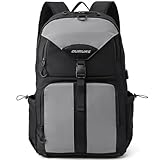
Overview: This premium touring backpack is engineered for serious long-distance riders. Constructed from rugged 1680D Oxford fabric with waterproof coating, it offers 35 liters of organized storage. The ergonomic design prioritizes comfort during extended wear, while extensive reflective material ensures maximum visibility on multi-day journeys.
What Makes It Stand Out: The innovative dual-holding system securely accommodates helmets and sports balls of various sizes. Large reflective panels (not just strips) provide superior nighttime safety. The breathable, pressure-reducing carry system with ventilation channels minimizes shoulder strain during heavy loads, setting a new comfort standard.
Value for Money: At $78.99, this premium backpack justifies its price through superior materials and engineering. The 1680D fabric, waterproof zippers, and ergonomic system rival $100+ competitors. For touring riders who spend hours wearing their pack, the comfort and durability represent excellent long-term investment value.
Strengths and Weaknesses: Strengths include premium 1680D construction, extensive reflectivity, ergonomic comfort system, 35L capacity, and waterproof zippers. The dual-holding system is versatile and secure. Weaknesses include higher cost, heavier weight due to robust materials, and potential overkill for casual riders or short commutes.
Bottom Line: The ultimate choice for serious touring riders and long-distance travelers. Premium materials, superior comfort, and exceptional safety features justify the investment. While excessive for casual use, it’s unbeatable for those prioritizing durability and ergonomics on extended adventures.
9. Seibertron Waterproof Large Capacity Molle Motorcycle Helmet Holder/Cycling Helmet Storage/Hiking Helmetcatch Bag/Backpack Also Fit Basketball Football Soccer Backpack Black
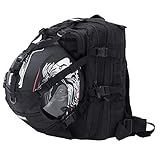
Overview: This tactical-style backpack features a Molle webbing system for modular customization. Made from 900D waterproof fabric, it accommodates full-face helmets, basketballs, and hydration bladders. The high-strength alloy zippers and military-inspired design appeal to riders wanting adaptable, rugged gear for multiple outdoor activities.
What Makes It Stand Out: The extensive Molle system allows unlimited attachment customization for pouches and gear. Hydration bladder compatibility adds versatility for hiking and cycling. The 900D fabric offers superior durability compared to standard backpacks. Its tactical aesthetic and functionality serve motorcycle riders, hikers, and sports enthusiasts equally well.
Value for Money: At $49.99, this backpack offers tactical-grade durability at a reasonable price. The 900D waterproof fabric and Molle system typically command higher prices. For users wanting modular versatility across multiple activities, it provides better value than buying separate specialized bags.
Strengths and Weaknesses: Strengths include rugged 900D waterproof fabric, Molle customization, hydration bladder compatibility, high-strength alloy zippers, and versatile helmet/sports equipment storage. Weaknesses involve water-resistant (not waterproof) zippers and stitching, tactical appearance not suiting all riders, and minimal reflective safety elements for night riding.
Bottom Line: An excellent tactical option for gear enthusiasts and multi-sport users. The Molle system and hydration compatibility make it incredibly versatile. While lacking some rider-specific safety features, its durability and customization potential offer strong value for adventurous users wanting one bag for multiple activities.
10. IMAGOA Motorcycle Backpack for Men, Waterproof Helmet Backpack with Reflective & Laptop Pocket, Large Motorcycle Bag Helmet Bag for Travel Daily Trips Office Trips, Black

Overview: This budget-friendly helmet backpack targets daily commuters and office workers who ride. Measuring 50x36x20 cm, it accommodates various helmet types plus 15-inch laptops. The polyester/nylon waterproof construction includes reflective strips and breathable foam padding, making it practical for both professional and recreational use.
What Makes It Stand Out: The dedicated laptop pocket separates it from many competitors, appealing to commuting professionals. Double-opening design with multiple pockets enables excellent organization. Side and chest straps provide weight distribution and stability. The waterproof zippers and seams offer genuine wet-weather protection rarely seen at this price point.
Value for Money: At $31.99, this delivers exceptional value with features typically found in $50+ backpacks. The laptop compartment, waterproof construction, and reflective safety elements create a compelling package for budget-conscious commuters. It effectively bridges motorcycle gear and daily office functionality.
Strengths and Weaknesses: Strengths include laptop compartment, waterproof design, reflective safety features, breathable padding, chest straps for stability, and multi-functional versatility. The large capacity handles various helmet styles. Weaknesses include unknown long-term durability of budget materials, potential bulk for office environments, and less premium feel than higher-priced alternatives.
Bottom Line: The perfect entry-level commuter backpack that seamlessly transitions from motorcycle to office. Maximum features at a minimal price make it ideal for daily riders on a budget. While not built for extreme touring, its practicality and affordability are unbeatable for urban professionals.
Why a Dedicated Cycling Commuter Backpack Matters
Cycling-specific backpacks are engineered with a fundamentally different philosophy than standard daypacks or hiking packs. They address the unique biomechanical demands of riding posture, the constant vibration from road surfaces, and the aerodynamic considerations that casual bags ignore entirely. A proper cycling commuter backpack positions weight lower on your back, stabilizing your center of gravity and preventing the bobbing motion that throws off your balance at traffic lights.
The integration of a helmet holder transforms your pack from simple cargo carrier to complete commuting system. Without it, you’re either dangling your helmet from handlebars (a theft invitation) or carrying it awkwardly by hand through subway stations and office lobbies. The best designs integrate helmet storage so seamlessly that you barely notice it’s there—until you need it.
Understanding Helmet Holder Mechanisms
External Bungee Systems
The most common approach uses adjustable bungee cords or shock cords threaded through dedicated attachment points. These systems offer maximum versatility, accommodating everything from sleek road helmets to bulky mountain bike lids with visors. Look for cord locks that let you tension the system quickly with one hand—crucial when you’re juggling coffee and bike lock at your destination.
Integrated Stowaway Pockets
Premium commuter backpacks feature dedicated helmet pockets that expand from the pack’s body when needed and compress flat when empty. These typically use stretch mesh or expandable nylon panels that maintain a low profile. The advantage? Zero flapping straps and a cleaner aesthetic that doesn’t scream “cyclist” when you’re walking into a client meeting.
Magnetic and Quick-Release Buckles
Emerging designs incorporate Fidlock magnetic buckles or similar quick-release mechanisms that secure helmets with a satisfying snap. These systems excel in speed and security but require careful engineering to avoid scratching helmet surfaces. The best implementations use rubberized contact points and precisely calculated strap angles.
Capacity Considerations: Right-Sizing Your Pack
The golden rule of cycling commuter backpacks: carry only what you need, but never wish you’d brought more. Capacity directly impacts your riding dynamics—an overstuffed 30-liter pack becomes a sail in crosswinds, while an undersized 15-liter bag forces you to strap items externally, creating imbalance.
For minimalist commuters with just a laptop, lunch, and lock, 18-22 liters hits the sweet spot. This range provides enough volume for essentials without encouraging overpacking. If you’re hauling a change of clothes, shoes, and gym gear, step up to 25-28 liters but scrutinize the pack’s compression system—empty space is as problematic as overstuffing.
The internal layout matters more than raw volume. A 20-liter pack with smart organization often carries more efficiently than a 25-liter sack with a single cavernous compartment. Look for tapered designs that position weight closer to your body and feature internal dividers that prevent load shifting during aggressive cornering.
Weatherproofing: From Light Drizzle to Downpour
Water resistance exists on a spectrum, and manufacturers’ claims require careful interpretation. “Water-resistant” typically means coated fabrics and YKK zippers that handle light rain for 15-20 minutes. “Waterproof” implies welded seams, roll-top closures, and submersible protection—often overkill for commuters but essential if you ride through monsoon seasons.
The critical vulnerability point isn’t the main fabric—it’s the zipper. Water-resistant zippers with PU coatings or storm flaps are non-negotiable for electronics protection. Better yet, some cycling-specific packs position laptop compartments against your back, using your body as a shield while keeping water entry points on the pack’s outer face.
Don’t overlook the helmet holder’s weather protection. A soaked helmet in a downpour becomes a waterlogged mess that drips on office floors. Premium designs include a small rain cover that extends over the helmet holder or position the helmet under a protective flap that shields it from direct spray.
Ergonomics and Fit: Your Spine Will Thank You
Cycling posture—hips hinged forward, spine relatively flat—creates unique pressure points that standard backpacks exacerbate. The best cycling commuter backpacks feature a torso length adjustment system that positions the hip belt (if included) correctly and keeps shoulder straps from riding up.
Look for asymmetrical shoulder strap designs that curve away from your neck, preventing the chafing that occurs when you’re looking over your shoulder for traffic. Sternum straps should slide vertically on rails, not just snap into fixed positions, allowing precise placement regardless of your chest height.
The back panel’s contour is crucial. A slight lumbar curve with firm padding prevents the pack from sagging into the space above your glutes—a common issue that causes lower back fatigue on longer rides. Some designs incorporate a polyethylene framesheet that provides structure without weight, distributing loads across your entire back rather than concentrating pressure on two small points.
Ventilation Systems: Beating the Sweaty Back Syndrome
The dreaded “sweaty back” is the cyclist’s curse, turning a professional outfit into a damp mess before you even arrive. Modern ventilation systems go beyond simple mesh panels. 3D-molded back panels with vertical air channels create a chimney effect, channeling airflow from your lower back up and out as you ride.
Some premium packs suspend the entire pack body away from your back using a tensioned mesh panel—think of it as a trampoline for your gear. This design maximizes airflow but adds depth, making the pack protrude further. For commuters riding shorter distances in business attire, this trade-off is usually worth it.
Pay attention to moisture-wicking materials in contact with your body. Hydrophobic foams that don’t absorb sweat dry significantly faster than standard EVA foam. A few packs even incorporate antimicrobial treatments that prevent the bacterial buildup causing that permanent “locker room” smell after months of daily use.
Organization Features: Pockets, Compartments, and Accessibility
The Quick-Access Hierarchy
Your commuting backpack should offer tiered access levels. A small top pocket for keys, wallet, and transit pass needs to be reachable without removing the pack—crucial for security checkpoints or subway turnstiles. Side pockets should accommodate a U-lock and water bottle simultaneously without creating a bulky silhouette.
Internal Architecture
Look for a clamshell opening that lets the pack lie flat like a suitcase, making it easy to pack dress shirts without wrinkling. Dedicated shoe compartments with ventilated mesh keep dirty soles separate from clean clothes while allowing them to air out. Some designs feature a “floating” laptop sleeve that suspends your device above the pack’s bottom, protecting it from impact when you set the bag down hard.
Helmet Holder Integration
The helmet holder’s placement affects the entire pack’s balance. Models that position the helmet low, near the pack’s center of gravity, prevent the top-heavy wobble that occurs when helmets dangle from upper bungees. The best systems also include a small zippered pocket within the helmet holder area for storing helmet accessories like light mounts or visors.
Visibility and Safety Features
Reflectivity isn’t an afterthought—it’s a primary design element in quality cycling commuter backpacks. Look for wide-angle reflective strips that catch headlights from multiple directions, not just directly behind. Some packs integrate reflective yarns directly into the fabric weave, creating a subtle daytime appearance that transforms into a beacon at night.
Light attachment points should be reinforced and positioned to avoid glare in your eyes when riding. The best designs offer multiple attachment loops—one high for a blinking taillight, one low near the helmet holder for secondary visibility. Some even include light-diffusing pockets that turn a standard bike light into a glowing panel.
Color psychology matters. While black looks professional, it disappears in shadows. Charcoal gray with reflective elements often provides better visibility while maintaining office-appropriate aesthetics. Some manufacturers offer “murdered-out” black packs with stealth reflectivity that only appears when illuminated—perfect for riders who want safety without sacrificing style.
Material Durability: What Your Backpack Is Really Made Of
Fabric Weights and Deniers
“Denier” measures fiber linear density, but higher isn’t always better. A 1680D ballistic nylon bottom panel provides excellent abrasion resistance where your pack contacts pavement, while 420D nylon on the sides keeps weight down. The sweet spot for main pack bodies is 500D-1000D, balancing durability with packability.
Coating Technologies
PU (polyurethane) coatings provide water resistance and structure, but thickness matters. A 0.5mm PU coating adds significant weather protection without the toxic manufacturing of PVC. Some eco-conscious brands use TPU (thermoplastic polyurethane) or even C0 DWR (durable water repellent) finishes that avoid PFCs entirely.
Hardware Quality
YKK zippers are the industry standard for good reason—they’re self-lubricating and field-repairable. But look beyond the brand to the zipper gauge: #8 or #10 zippers on main compartments handle years of overstuffing better than #5 zippers. Buckles should be Duraflex or similar acetal resin, which doesn’t become brittle in cold weather like cheaper nylon hardware.
Weight Distribution and Load Management
A loaded cycling commuter backpack should feel like part of your body, not a separate entity fighting your movements. Internal aluminum stays or composite framesheets are essential for loads over 15 pounds, preventing the pack from barreling into your back when you brake hard. These stays should be removable for lighter days, giving you flexibility.
Compression straps serve dual purposes: they stabilize loads and reduce pack volume when underfilled. Horizontal compression straps across the pack’s face are particularly valuable—they pull weight closer to your spine, improving handling. Some designs include “load lifter” straps at the shoulder strap tops that angle the pack slightly forward, counteracting the backward pull of a heavy load.
The helmet holder itself affects weight distribution. When empty, it should compress flat and add minimal bulk. When loaded, it should position the helmet close to the pack’s body, not create a pendulum effect that swings as you ride. Test this by loading a pack and leaning forward into cycling position—the helmet shouldn’t shift significantly.
Laptop and Tech Protection
Your laptop is likely your most valuable single item, yet many packs treat it as an afterthought. Look for a dedicated, padded sleeve with at least 5mm of high-density foam on all sides. The sleeve should be elevated from the pack’s bottom—aim for at least 2 inches of clearance to survive accidental drops onto concrete.
Some cycling-specific packs feature a side-access laptop compartment, letting you remove your computer without opening the main clamshell. This is invaluable for airport security or quick office entries. The compartment should have its own water-resistant zipper, separate from the main pack’s opening, creating redundant protection.
Cable management matters more than you’d think. Internal daisy chains or elastic loops keep charging cords organized and prevent them from tangling with your U-lock or shoes. A small, RFID-blocking pocket for credit cards and passport adds security for multi-modal commuters who pass through crowded transit hubs.
Expandability and Compression Systems
The ideal cycling commuter backpack adapts to variable loads—a light day with just laptop and lunch versus a heavy day with gym gear and groceries. Roll-top closures offer the most expandable volume, typically adding 5-7 liters of capacity when unfurled. However, they sacrifice quick access, making them better for longer recreational rides than urban commuting.
Zippered expansion gussets provide a more structured solution. These vertical zippers allow the pack to grow in depth while maintaining its silhouette. When closed, compression straps keep everything sleek and aerodynamic. Look for expansion systems that don’t compromise the helmet holder’s stability—some poorly designed packs let the helmet sag when expanded.
Modular attachment systems like MOLLE webbing or daisy chains let you add accessories: a tool pouch, extra water bottle holder, or even a detachable hip belt for heavy loads. The key is subtlety—webbing should be tone-on-tone and low-profile so your pack doesn’t look tactical in professional settings.
Maintenance and Cleaning Best Practices
Salt from sweat and road grime will destroy your backpack faster than any crash. Monthly cleaning extends pack life dramatically. Most quality packs can be machine washed on gentle cycle (cold water, no detergent with fabric softeners), but always remove framesheets and hip belts first. Better yet, hand wash with a soft brush and tech wash designed for outdoor gear.
Zippers need quarterly lubrication. A graphite pencil rubbed along the teeth works in a pinch, but zipper-specific wax or silicone lubricant lasts longer and doesn’t attract dirt. Pay special attention to the helmet holder’s zipper or hardware—it collects road spray that you might not notice.
Drying technique matters. Never use a dryer; heat degrades PU coatings and melts lamination. Instead, stuff the pack with towels to absorb moisture, then hang it upside down with all compartments open. A fan speeds drying and prevents mildew in those inevitable hidden pockets where water pools.
Price vs. Value: Making Smart Investment Decisions
The cycling commuter backpack market spans $50 to $300+, but price doesn’t always correlate with quality for your specific needs. Entry-level packs ($50-100) often use decent materials but cut corners on ergonomics and warranty. Mid-range options ($100-180) typically offer the best value—premium fabrics, thoughtful organization, and solid warranties without luxury brand markup.
Premium packs ($180-300) justify their cost through durability and features that pay dividends over years of daily use. A $250 pack that lasts five years costs less per ride than a $75 pack that fails in 18 months. Look for lifetime warranties that cover manufacturing defects and even some wear-and-tear—a sign the manufacturer stands behind their engineering.
Consider cost-per-use. If you commute 200 days annually, a $200 pack costs $0.20 per ride over five years. Suddenly, upgrading from a basic model to one with better ventilation and organization feels like a bargain when it means arriving fresh and organized instead of sweaty and frustrated.
Sustainability and Eco-Friendly Options
The cycling community increasingly demands environmental responsibility from gear manufacturers. Recycled materials are now mainstream—many quality packs use 100% recycled nylon or polyester without performance compromises. Bluesign certification ensures fabrics are produced with minimal environmental impact and no harmful chemicals.
Some brands offer repair programs, replacing zippers or straps for a nominal fee rather than forcing you to discard the entire pack. This circular approach saves money and reduces waste. Look for companies that publish their carbon footprint and use recyclable packaging—small details that signal genuine commitment, not greenwashing.
Durability itself is the ultimate sustainability feature. A pack that lasts a decade prevents multiple replacements from entering landfills. Prioritize quality construction over trendy designs, and choose classic colors that won’t look dated in three years. Your wallet and the planet both benefit from buying once and buying right.
Frequently Asked Questions
How do I know if a helmet holder will fit my specific helmet type?
Most universal helmet holders accommodate standard road, mountain, and commuter helmets up to 68cm circumference. If you wear an extra-large helmet or one with an unusual shape (like aero road helmets), measure its dimensions and compare them to the holder’s expanded size. Bungee systems offer more flexibility than fixed pockets.
Will carrying my helmet on the backpack damage it over time?
Quality helmet holders use wide straps and soft contact points that distribute pressure across the helmet’s shell. Avoid systems that pinch or concentrate force on vents. Store the helmet with the buckle fastened to prevent strap damage, and clean road grime monthly to prevent strap deterioration.
Can I use a cycling commuter backpack for other activities like hiking or travel?
Absolutely. The ergonomic features that make these packs great for cycling—ventilated backs, stable loads, weather resistance—translate perfectly to hiking and urban travel. Just be aware that helmet holders and bike-specific organization might add unnecessary bulk for ultralight backpacking.
How much should I expect to spend for a quality pack with a reliable helmet holder?
Plan on $120-180 for a pack that balances durability, features, and warranty. Below $100, helmet holders are often flimsy afterthoughts. Above $200, you’re paying for premium materials or brand cachet—worth it for daily long-distance commuters, but overkill for occasional riders.
What’s the best way to clean salt stains from the helmet holder area?
Mix equal parts white vinegar and water, then gently scrub with a soft brush. The vinegar neutralizes salt without damaging fabrics. Rinse thoroughly and air dry. For stubborn stains, a specialized gear cleaner like Nikwax Tech Wash works better than household detergents, which can leave residues that attract more dirt.
Do I need a waterproof backpack if I only ride in light rain?
Not necessarily. A water-resistant pack with a quality DWR coating and storm-flapped zippers handles light rain for 20-30 minutes. Keep a packable rain cover in a side pocket for unexpected downpours. Full waterproofing adds weight and cost—worth it only if you regularly face heavy rain or long exposure.
How do I prevent my backpack from causing shoulder pain on long rides?
First, ensure proper fit: the pack should sit high on your back, not sagging onto your glutes. Second, keep the load under 10% of your body weight. Third, look for packs with load lifter straps and a sternum strap that distributes weight across your chest. If pain persists, consider a pack with a removable hip belt to shift weight to your pelvis.
Are magnetic helmet holders secure enough for rough roads?
High-quality magnetic systems like Fidlock are surprisingly secure, rated for several kilograms of force. However, they excel with smooth road helmets. For mountain bike helmets with visors or rough urban terrain, traditional bungee systems offer more versatile security. Test the magnetic hold by shaking the loaded pack vigorously before trusting it on pothole-filled streets.
What’s the difference between men’s and women’s specific cycling backpacks?
Women’s specific models typically feature shorter torso lengths, narrower shoulder straps set closer together, and hip belts shaped for wider pelvises. However, body shape varies individually—many women find “men’s” packs comfortable and vice versa. Focus on fit measurements rather than gender labels, and try packs on with weight if possible.
How often should I replace my cycling commuter backpack?
With proper care, a quality pack lasts 5-7 years of daily use. Replace it when you notice: delamination of waterproof coatings, permanent compression of foam padding, frayed stitching on load-bearing seams, or zipper teeth that no longer align properly. A failing pack can damage expensive contents like laptops, making timely replacement cost-effective.'