Packing for a trip involves countless micro-decisions, but few items impact your daily comfort quite like deodorant. For those navigating the delicate balance of sensitive skin and wanderlust, the quest for the perfect travel companion extends beyond mere odor protection. The modern traveler in 2026 faces a marketplace saturated with aluminum-free options promising everything from 48-hour freshness to skin microbiome harmony, yet not all deliver on these claims when put to the test of TSA lines, tropical humidity, and the physiological stress of crossing time zones.
The shift away from aluminum-based antiperspirants isn’t merely a trend—it’s a dermatological imperative for many, especially when skin barriers are compromised by travel-related factors like dehydration, friction from backpacks, and exposure to unfamiliar water compositions. Understanding what makes an aluminum-free deodorant genuinely suitable for both travel logistics and sensitive skin requires digging beneath marketing buzzwords into formulation science, packaging engineering, and real-world performance metrics.
Top 10 Aluminum-Free Travel Deodorants for Sensitive Skin
Detailed Product Reviews
1. Vanicream Aluminum-Free Gel Deodorant - 2 oz - Unscented Formula for Sensitive Skin

Overview: Vanicream’s Aluminum-Free Gel Deodorant delivers fragrance-free odor protection specifically engineered for ultra-sensitive skin. This water-based gel formula comes in a compact 2-ounce tube and represents the brand’s dermatologist-backed approach to minimal-ingredient skincare, making it a go-to for reactive skin conditions and those with multiple chemical sensitivities.
What Makes It Stand Out: The “trust” ingredient philosophy manifests in a radically stripped-down formula free from virtually every known irritant: no aluminum, baking soda, talc, alcohol, gluten, botanical extracts, or essential oils. Its water-based gel texture absorbs quickly without sticky residue, and the kid-friendly designation makes it uniquely suitable for family use across age groups, including children.
Value for Money: At $4.92 per ounce, this is the premium option in the category. The higher cost reflects its pharmaceutical-grade formulation and specialized positioning for reactive skin types. For those requiring this level of ingredient purity, the price premium over mass-market alternatives is medically justified and often recommended by dermatologists.
Strengths and Weaknesses: Strengths include unparalleled ingredient safety, true unscented neutrality, dermatologist testing, and suitability for children. The gel format provides clean application without white marks. Weaknesses center on the high price per ounce, limited 2-ounce size, and the fact that as a deodorant (not antiperspirant), it doesn’t control sweat—only odor, which may disappoint some users expecting dryness.
Bottom Line: Ideal for individuals with eczema, contact dermatitis, or those seeking the cleanest possible formula. The investment pays dividends for reactive skin, though budget-conscious buyers with moderate sensitivities may find comparable performance in cheaper alternatives.
2. Dove Deodorant Stick Sensitive for 72 Hour Odor Protection Aluminum Free 2.4 oz

Overview: Dove’s latest launch offers 72-hour odor protection in a traditional stick format designed specifically for sensitive skin. This aluminum-free deodorant combines extended protection with Dove’s signature skincare approach, incorporating prebiotic glycerin and hydrating ingredients in a 2.4-ounce package that glides on smoothly without tugging.
What Makes It Stand Out: The 72-hour protection claim leads the category, surpassing typical 24-48 hour promises. The formula includes prebiotic glycerin to support skin’s natural microbiome—a unique feature among drugstore options. The soft floral scent provides gender-neutral appeal without overpowering, while the baking soda-free composition reduces irritation risk for delicate underarm skin.
Value for Money: At $2.91 per ounce, this sits in the mid-range pricing tier. You’re paying for advanced odor-control technology and skincare benefits rather than basic protection. The price reflects Dove’s research-backed formulation and brand trust without reaching premium dermatological brand levels, making it accessible for daily use by most consumers.
Strengths and Weaknesses: Strengths include industry-leading 72-hour odor control, moisturizing properties that leave underarms soft, gentle formula suitable for post-shave use, and pleasant subtle fragrance. The stick format offers familiar, mess-free application. Weaknesses include the scent potentially clashing with perfume, slightly higher cost than budget options, and that some users may not need or believe the 72-hour claim for everyday use.
Bottom Line: An excellent choice for active individuals seeking maximum odor protection duration with skin-conditioning benefits. The 72-hour claim makes it particularly valuable for travel or long workdays, though those preferring unscented formulas should look elsewhere.
3. Ivory Aluminum Free Deodorant, Notes of Aloe, 24hr Gentle Deodorant, Dermatologist Tested, Baking Soda Free, Paraben Free, 2.4 oz

Overview: Ivory’s aluminum-free deodorant provides 24-hour gentle odor protection with subtle notes of aloe in a 2.4-ounce stick. Positioned as an ethical, budget-friendly option, this dermatologist-tested formula emphasizes plant-powered ingredients and cruelty-free values while skipping common irritants like baking soda and parabens.
What Makes It Stand Out: At $1.97 per ounce, it’s the most affordable aluminum-free option in this lineup. The brand’s commitment to cruelty-free practices and plant-based conditioners appeals to ethically conscious consumers seeking responsible personal care. The formula maintains drugstore accessibility while delivering genuinely gentle protection without harsh chemicals.
Value for Money: Exceptional value defines this product. It offers reliable daily protection at nearly half the cost of premium competitors. While lacking advanced features like prebiotics or 72-hour claims, it delivers core functionality without compromise on ingredient safety or ethical standards, making it accessible to all budgets.
Strengths and Weaknesses: Strengths include unbeatable price point, dermatologist testing, cruelty-free certification, pleasant aloe fragrance, and plant-based skin conditioning. The 24-hour protection is adequate for most daily routines. Weaknesses include shorter protection duration compared to 48-72 hour competitors, less sophisticated odor-fighting technology, and the scent may not suit those wanting fragrance-free options or with fragrance sensitivities.
Bottom Line: The smart choice for budget-conscious shoppers who prioritize ethical manufacturing and gentle ingredients. While protection lasts only a day, the value proposition and clean conscience make it ideal for regular daily use without breaking the bank.
4. Dove Aluminum Free Deodorant for Women 3 Count Sensitive 72 hour odor protection 2.6 oz
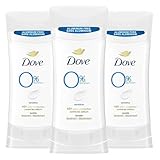
Overview: This three-count package of Dove’s aluminum-free deodorant sticks provides sensitive skin protection in a convenient bulk format. Each 2.6-ounce stick offers 48-hour odor protection with Dove’s signature ¼ moisturizers, making it a practical choice for committed users who want to stock up on a trusted brand and reduce shopping frequency.
What Makes It Stand Out: The multi-pack delivers significant per-stick savings while maintaining Dove’s skin-kind formulation. The alcohol-free, baking soda-free recipe specifically addresses post-shave irritation, and the enhanced 2.6-ounce size provides more product than standard sticks. The easy-glide application ensures comfortable daily use without pulling at delicate underarm skin.
Value for Money: At $2.38 per ounce, the bulk pricing undercuts the single Dove Sensitive Stick, offering approximately 11% savings while providing more product per stick. The three-pack structure reduces packaging waste and shopping frequency, adding convenience value for regular users who appreciate having backups ready and minimizing store trips.
Strengths and Weaknesses: Strengths include cost savings in bulk, moisturizing formula that leaves underarms smooth and soft, reduced irritation for sensitive skin, and larger stick size. The 48-hour protection is reliable for most users. Weaknesses include the single Dove Sensitive Stick offering 72-hour protection, requiring upfront commitment to three sticks, and the lack of scent description may concern fragrance-sensitive buyers.
Bottom Line: Perfect for Dove loyalists who use deodorant daily and appreciate bulk savings. The 48-hour protection is sufficient for most lifestyles, making this three-pack a practical, skin-friendly investment that balances performance with economy.
5. Almay Deodorant for Women, Gel Antiperspirant, Hypoallergenic, Dermatologist Tested for Sensitive Skin, Fragrance Free, 2.25 Oz

Overview: Almay’s gel antiperspirant offers a critical distinction from other products reviewed here: it prevents sweat, not just odor. This 2.25-ounce fragrance-free gel is specifically formulated for sensitive skin with hypoallergenic, dermatologist-tested ingredients that prioritize gentleness while delivering clinical wetness protection.
What Makes It Stand Out: As the only true antiperspirant in this group, it provides wetness protection through aluminum salts while remaining gentle enough for reactive skin. The quick-drying gel formula leaves zero white residue on skin or clothing—a common complaint with solid antiperspirants. Being fragrance-free and alcohol-free minimizes irritation risks typically associated with sweat-blocking products.
Value for Money: At $1.91 per ounce, it’s the least expensive option per weight in this comparison. However, the antiperspirant category typically commands lower prices than natural deodorants. The value proposition hinges entirely on whether you need sweat prevention or prioritize aluminum-free formulations, as this contains aluminum compounds.
Strengths and Weaknesses: Strengths include actual sweat protection, no white marks, fast-drying application, hypoallergenic testing, and lowest cost per ounce. The fragrance-free profile suits scent-sensitive users. Weaknesses: contains aluminum (a dealbreaker for many seeking aluminum-free options), smaller 2.25-ounce size, and gel texture may feel sticky initially as it dries. Those avoiding aluminum entirely must look elsewhere despite the sensitive skin claims.
Bottom Line: Choose this if wetness protection is your primary concern and you don’t mind aluminum content. For those specifically seeking aluminum-free deodorants, this is the wrong category entirely despite its sensitive skin credentials and attractive price point.
6. Ivory Aluminum Free Deodorant, Notes of Coconut, 24hr Gentle Deodorant, Dermatologist Tested, Baking Soda Free, Paraben Free, 2.4 oz

Overview: Ivory’s aluminum-free deodorant offers a gentle, coconut-scented solution for odor protection at a remarkably accessible price point. This 2.4-ounce stick provides 24-hour odor defense without harsh chemicals, making it an excellent entry-level choice for those transitioning from conventional antiperspirants. The dermatologist-tested formula excludes aluminum, baking soda, and parabens while incorporating plant-based skin conditioners for comfortable daily wear.
What Makes It Stand Out: The standout feature is Ivory’s legacy of gentle cleansing combined with modern clean-beauty standards. The subtle coconut fragrance delivers a light, tropical aroma without overwhelming synthetic notes. Being cruelty-free aligns with ethical consumer values, while the baking soda-free formulation prevents the irritation common in many natural deodorants. The brand’s widespread availability in drugstores makes clean deodorant accessible beyond specialty retailers.
Value for Money: At $1.65 per ounce, this represents exceptional value in the aluminum-free category. Competing natural deodorants typically cost $4-8 per ounce, making Ivory a budget-friendly workhorse. You’re getting dermatologist testing, reputable brand backing, and reliable performance for less than half the price of premium alternatives, with minimal compromise on ingredient integrity.
Strengths and Weaknesses: Strengths include unbeatable affordability, gentle coconut scent, trusted brand reputation, and cruelty-free certification. The formula glides smoothly without residue and works effectively for moderate daily activity. Weaknesses involve limited scent options, potential need for reapplication during intense sweating, and less sophisticated odor-neutralizing technology compared to pricier competitors. The fragrance, while pleasant, may not mask strong odors as effectively as essential oil-based formulas.
Bottom Line: Ivory’s aluminum-free deodorant is the smart choice for budget-conscious consumers seeking reliable, gentle odor protection. It delivers core clean-deodorant benefits without the premium price tag, making it ideal for first-time natural deodorant users or as a dependable daily staple.
7. DIZURDE Natural Deodorant Cream Antiperspirant for Men & Women | Aluminum Free Deodorant for Sensitive Skin | Long-Lasting Protection, Stain-Free, Travel Size Essential

Overview: DIZURDE’s cream deodorant challenges the stick-format monopoly with a travel-friendly jar formulation designed for sensitive skin. This aluminum and baking soda-free cream combines aloe vera, almond oil, tea tree oil, zinc oxide, and glycerin to neutralize odor naturally. The 1.23-ounce travel size prioritizes portability while promising all-day protection without fabric stains, making it a versatile option for active lifestyles.
What Makes It Stand Out: The cream-to-skin application allows for precise, controlled coverage and direct absorption of active ingredients. Its stain-free guarantee addresses a major pain point of natural deodorants, ensuring no white marks or yellow pit stains on clothing. The unisex formulation eliminates gendered marketing while the compact size meets TSA requirements, perfect for gym bags or carry-ons. Each ingredient is selected specifically for odor-neutralizing properties rather than filler.
Value for Money: At $8.12 per ounce, DIZURDE sits in the mid-range natural deodorant bracket. While pricier than drugstore options, the value lies in its unique cream format, travel convenience, and targeted ingredient blend. For frequent travelers or those frustrated by deodorant stains, the premium over conventional sticks is justified. However, budget shoppers may find comparable protection in less expensive alternatives.
Strengths and Weaknesses: Strengths include portable travel size, stain-free formula, gentle natural ingredients, and versatile unisex appeal. The cream application can be more hygienic than sticks when using fingertips. Weaknesses involve the messiness of cream application without applicators, smaller volume requiring more frequent repurchases, and higher cost per ounce. Some users may find the texture takes getting used to, and it may not withstand extreme athletic activity as long as clinical-strength options.
Bottom Line: DIZURDE excels for travelers and professionals needing reliable, stain-free odor protection in a portable format. Accept the cream application learning curve and premium price for the convenience and fabric-safe guarantee it delivers.
8. ATTITUDE Deodorant for Sensitive Skin, Aluminum Free & Baking Soda Free, Gentle & Vegan, Long-Lasting Odor Protection, Unscented, 2.64 Oz

Overview: ATTITUDE’s unscented deodorant targets the most sensitive consumers with its EWG VERIFIED, 96% natural-origin formula. This 2.64-ounce stick eliminates aluminum, petrolatum, alcohol, mineral oil, and artificial dyes while incorporating oat extract, magnesium hydroxide, and cornstarch for gentle odor control. The fragrance-free design serves those with scent sensitivities or who prefer their deodorant to disappear completely after application.
What Makes It Stand Out: EWG VERIFICATION sets this apart, providing third-party validation that ingredients meet strict health standards. The oat extract addition soothes irritation-prone underarms, while the vegan, dermatologically-tested formula appeals to ethically-minded consumers. Being unscented isn’t just fragrance-free—it’s completely neutral, making it ideal for layering with perfumes or for migraine sufferers triggered by scents. The recyclable packaging reinforces the brand’s environmental commitment.
Value for Money: At $4.30 per ounce, ATTITUDE commands a premium justified by its certifications and ingredient transparency. While more expensive than drugstore naturals, it’s competitive within the verified-clean beauty space. Consumers pay for EWG scrutiny, vegan formulation, and specialized sensitive-skin design. For those prioritizing ingredient safety over cost, the price premium delivers peace of mind that’s hard to quantify.
Strengths and Weaknesses: Strengths include rigorous EWG verification, truly unscented formulation, gentle oat extract soothing, vegan credentials, and travel-friendly size. The formula glides smoothly without tugging and provides reliable protection for office and light activity. Weaknesses center on the premium price, limited availability compared to mass brands, and potential inadequacy for heavy sweating. Some users may miss having a scent option, and the odor protection, while solid, may not match baking soda-based naturals for intensity.
Bottom Line: ATTITUDE is the gold standard for sensitive skin sufferers seeking verified clean ingredients without fragrance. Pay the premium for EWG validation and ethical formulation if ingredient purity tops your priority list.
9. HUMBLE BRANDS Aluminum-Free Deodorant, Vegan and Cruelty- free, Formulated for Sensitive Skin, Simply Unscented, 2.5 Ounce (Pack of 1)

Overview: HUMBLE BRANDS strips deodorant to its bare essentials with just four ingredients: non-GMO corn starch, magnesium hydroxide, wild candelilla wax, and MCT oil. This minimalist approach eliminates every potential irritant while maintaining effective odor control. The 2.5-ounce unscented stick caters to purists and sensitive-skin users who want transparency and simplicity without sacrificing performance or ethical standards.
What Makes It Stand Out: The radical ingredient minimalism is unprecedented—four recognizable components with no hidden fragrances, preservatives, or fillers. Leaping Bunny certification provides the gold standard in cruelty-free verification. Wild-harvested candelilla wax creates a uniquely smooth glide rarely achieved in baking soda-free formulas. The brand’s commitment to “nothing bad” extends beyond marketing to a genuinely pure formulation that lets each ingredient’s function shine.
Value for Money: At $3.76 per ounce, HUMBLE BRANDS offers excellent value for a certified cruelty-free, vegan deodorant with such ingredient integrity. It’s priced competitively with mid-range naturals while delivering superior transparency. You’re paying for simplicity and certification rather than complex formulations, making it economical for those who value minimalism. The price reflects small-batch quality without boutique-brand markup.
Strengths and Weaknesses: Strengths include ultimate ingredient transparency, Leaping Bunny certification, smooth application, non-irritating formula, and antioxidant benefits from MCT oil. The minimalist approach eliminates guesswork for allergy sufferers. Weaknesses involve the lack of scent options, potentially weaker odor control for heavy sweaters compared to multi-ingredient formulas, and smaller brand recognition limiting retail availability. The unscented nature may feel clinical, and some users might need time to adjust to the different sweat sensation aluminum-free products create.
Bottom Line: HUMBLE BRANDS is perfect for minimalists and purists wanting the simplest effective deodorant possible. Choose it for unmatched ingredient transparency and ethical certification at a fair price point.
10. Dove Aluminum-Free Deodorant For Women Sensitive For 24 Hour Alcohol Free Odor Protection Safe for Sensitive Skin 2.6 oz

Overview: Dove’s aluminum-free offering brings drugstore accessibility and skincare expertise to the natural deodorant category. This 2.6-ounce stick provides 24-hour odor protection while incorporating Dove’s signature 1/4 moisturizers to soothe and condition underarms. The alcohol-free, aluminum-free formula specifically targets post-shave irritation, making it a transitional product for long-time antiperspirant users seeking gentler options without abandoning familiar brand trust.
What Makes It Stand Out: The 1/4 moisturizers differentiate Dove from most natural deodorants that focus solely on odor control. This formulation actively improves underarm skin texture while you wear it. The post-shave recovery benefit addresses a specific need often ignored by natural brands. Dove’s massive retail presence ensures consistent availability and competitive pricing. The brand’s research-backed approach to sensitive skin carries credibility that niche naturals can’t match.
Value for Money: At $3.03 per ounce, Dove delivers exceptional value for a recognizable brand offering specialized skincare benefits. It undercuts most natural deodorants while providing comparable aluminum-free protection plus moisturizing advantages. For shoppers already buying Dove body care, this integrates seamlessly without budget disruption. The value proposition strengthens when considering the moisturizers replace separate underarm care products.
Strengths and Weaknesses: Strengths include trusted brand reputation, moisturizing formula, post-shave soothing, smooth application, widespread availability, and alcohol-free composition. The 24-hour protection claim holds for moderate activity. Weaknesses involve less natural ingredient focus than competitors, potential synthetic components not disclosed in features, and gendered marketing that may alienate male users. The formula may not satisfy purists seeking fully natural ingredient lists, and heavy sweaters might find protection insufficient compared to clinical-strength options.
Bottom Line: Dove’s aluminum-free deodorant is the ideal transition product for conventional antiperspirant users wanting familiar brand reliability with added skincare benefits. It balances effectiveness, comfort, and value for everyday sensitive skin needs.
Why Aluminum-Free Deodorants Are Essential for Sensitive Skin Travelers
Understanding Aluminum’s Role in Traditional Antiperspirants
Aluminum compounds in conventional antiperspirants work by temporarily plugging sweat ducts, reducing moisture through a chemical reaction with skin proteins. While effective for sweat control, this mechanism creates a cascade of potential issues for sensitive skin types. The occlusion can trap bacteria and irritants against the skin, while the metal salts themselves may trigger inflammatory responses, particularly when skin is already stressed from travel-related factors like dry airplane air or sunscreen residue mixing with sweat.
The Sensitive Skin Connection
Travel inherently compromises skin barrier function. Changes in climate, water hardness, sleep schedules, and diet all influence how your skin reacts to products. For sensitive skin sufferers, this means a deodorant that works perfectly at home might cause redness, itching, or burning when used in a different environment. Aluminum-free formulas eliminate the primary irritant while allowing the skin’s natural detoxification process to continue unimpeded—a critical factor when your body is already adapting to new surroundings.
What Defines a Travel-Friendly Deodorant in 2026
Size and Portability Factors
The ideal travel deodorant balances efficacy with minimalist packing principles. Look for containers under 3.4 ounces (100ml) for liquid or cream formulas to ensure TSA compliance, but also consider the shape. Flat, oval tubes slide more efficiently into packing cubes than traditional round sticks. Some innovative designs feature twist-up mechanisms that lock completely flat, preventing accidental deployment in your dopp kit. Weight matters too—every ounce counts toward carry-on limits, with premium options using lightweight aluminum or recycled paper tubes instead of heavy glass.
TSA Compliance and Air Travel Regulations
Solid stick deodorants remain the easiest format for air travel, as they’re not subject to the liquids rule. However, advanced cream-to-powder formulas and sprays require careful attention to container size. In 2026, TSA scanners have become more sophisticated at detecting density variations, meaning overly thick pastes might receive additional scrutiny. Pro tip: keep cream deodorants in their original packaging with ingredient labels intact to expedite screening. For international travel, remember that some countries restrict specific essential oils commonly used in natural deodorants, so check destination regulations.
Key Ingredients to Seek in Aluminum-Free Formulas
Natural Odor-Neutralizing Agents
Magnesium hydroxide has emerged as the gold standard for sensitive skin, neutralizing odor-causing bacteria without the pH disruption of baking soda. Zinc ricinoleate, derived from castor oil, traps odor molecules before they release their characteristic smell. Probiotics and fermented ingredients work by promoting beneficial skin flora that outcompete odor-producing bacteria—an approach particularly valuable when traveling disrupts your microbiome. Look for formulas listing these as primary ingredients rather than buried at the end of the ingredient list.
Skin-Soothing Components
Travel-stressed skin craves barrier support. Colloidal oatmeal provides immediate calming effects, while ceramides help rebuild compromised skin barriers. Aloe vera juice (not just powder reconstituted) offers hydration without oiliness. For those prone to ingrown hairs from waxing before beach vacations, willow bark extract provides gentle exfoliation. The concentration matters—ingredients should appear within the first five listed to ensure therapeutic levels.
Moisture-Absorbing Alternatives
Since aluminum-free deodorants don’t stop sweat, they must manage it effectively. Arrowroot powder and tapioca starch absorb moisture without the potential irritation of cornstarch. Some advanced formulas incorporate silica microspheres that create a silky feel while wicking away wetness. For extreme climates, look for products combining multiple absorbents with different particle sizes for layered protection.
Ingredients That Should Be on Your Avoidance List
Common Irritants Hiding in “Natural” Products
Baking soda (sodium bicarbonate) remains the most common culprit in natural deodorant rashes, despite its odor-neutralizing efficacy. Its alkaline pH disrupts skin acid mantle, causing friction burns especially problematic during active travel. Essential oils like cinnamon, clove, and peppermint oils can be phototoxic and irritating at concentrations above 0.5%. Even “fragrance-free” products may contain masking fragrances—always scan for “parfum” or “aroma” on labels.
Synthetic Fragrances and Preservatives to Watch For
While phenoxyethanol is generally safe, it can cause reactions in extremely sensitive individuals, particularly when combined with hot climates that increase skin permeability. Parabens, though increasingly rare, still appear in some formulations. More concerning are undisclosed phthalates used to extend fragrance longevity—these endocrine disruptors have no place in products applied to delicate underarm tissue. Methylisothiazolinone, a potent preservative, is a known sensitizer banned in leave-on products in some regions but still found in travel sizes from certain manufacturers.
The Evolution of Deodorant Formats for Modern Travelers
Solid Stick Innovations
Modern aluminum-free sticks have evolved beyond simple oil-and-butter bases. Some feature “smart waxes” that melt at skin temperature but remain stable in luggage exposed to heat. Others use mesh delivery systems that deposit a micro-layer of product, preventing over-application that leads to residue on clothing. Look for sticks with domed tops that contour to underarm curves, ensuring even coverage without multiple passes that irritate skin.
Cream and Paste Applications
Cream formulas offer the most flexibility for dosage control and multi-area application (think inner thighs to prevent chafing during long walks). The best travel versions come in shallow, wide-mouthed jars that allow access without digging under nails, or in silicone-squeezable tubes with one-way valves preventing contamination. Some advanced pastes transform from cream to powder upon contact, eliminating greasy transfer onto silk blouses or performance fabrics.
Spray and Mist Options
Fine-mist sprays using compressed air instead of propane or butane propellants provide refreshment without alcohol sting. These excel for mid-day reapplication over clothing or for full-body use after hostel showers with questionable water pressure. The particle size matters—too large and you waste product; too fine and you risk inhalation. Opt for sprays with lockable nozzles and opaque bottles to protect light-sensitive ingredients.
Single-Use and Wipe Formulations
Biodegradable wipes infused with deodorant solution solve the carry-on liquid dilemma while offering hygiene in situations without shower access. However, many contain drying alcohols. Seek alcohol-free versions with moisturizing agents, packaged in resealable packs with moisture-lock technology to prevent the last few wipes from drying out mid-trip.
Packaging Innovations That Matter for Travel
Refillable and Sustainable Designs
The zero-waste movement has reached travel deodorants. Magnetic refill systems allow you to pack multiple scent options in one compact case. Some brands offer paper tubes with wax-lined interiors that withstand humidity but biodegrade after use—perfect for multi-month backpacking trips where you can compost packaging. Evaluate the refill mechanism; it should click securely without requiring excessive force that could break nails or frustrate tired travelers.
Leak-Proof and Temperature-Resistant Containers
There’s nothing worse than discovering coconut oil-based deodorant has liquefied and coated your toothbrush. Look for containers with silicone gaskets and double-wall construction. Some premium options feature phase-change materials in the walls that absorb heat, keeping contents stable up to 120°F (49°C). For cold climates, ensure the container won’t crack if frozen—flexible silicone sleeves or TSA-approved metal tins work best.
Performance Expectations: What Realistic Results Look Like
Understanding the Difference Between Deodorant and Antiperspirant
Managing expectations is crucial. Aluminum-free deodorants neutralize odor but won’t stop sweat. During travel, you will perspire—that’s healthy. The goal is odor control, not dryness. A quality formula should keep you socially fresh for 8-12 hours under normal conditions, less during intense activity. Reapplication is normal and shouldn’t be viewed as product failure. Plan for twice-daily application in hot destinations or during active sightseeing days.
Managing Expectations During Physical Activity
Hiking Machu Picchu or dancing at a music festival requires different standards than museum visits. For high-exertion travel, pair your deodorant with moisture-wicking clothing and consider complementary products like absorbent powder. Some travelers find success with “layering”—applying a thin base layer of deodorant, then a dusting of powder, then another light layer of deodorant for maximum protection during marathon travel days.
Fragrance Considerations for Sensitive Skin
Essential Oils vs. Fragrance-Free Options
While lavender or citrus scents feel refreshing, essential oils remain common allergens. For truly sensitive skin, fragrance-free is safest. If you prefer scent, look for products using hydrosols (flower waters) at low concentrations, or single-note essential oils like chamomile or sandalwood at under 0.3% concentration. Remember that scent perception changes with altitude—what seems subtle at sea level can become overwhelming in pressurized cabins.
How Scent Intensity Affects Travel Comfort
Strong fragrances can trigger headaches in confined spaces like airplanes or trigger allergies in travel companions. They also signal “tourist” in regions where neutral body scent is culturally preferred. Opt for scents that dissipate within 30 minutes of application, leaving you smelling like nothing rather than like a product. This approach respects both your skin and cultural sensitivities.
Budget and Value Analysis for Travel-Sized Products
Price Per Use Calculations
Travel sizes often cost 30-50% more per ounce than full sizes. Calculate value by estimating applications per container—a 2oz cream might provide 60-80 uses, while a 1.7oz stick offers 40-50. Consider whether the premium for travel sizing is justified, or if decanting from a full-size product into a reusable silicone container makes more sense for your trip length. Some brands offer “travel starter kits” with multiple small sizes, allowing you to test formulas before investing in full sizes.
When to Invest in Premium Formulations
Premium doesn’t always mean better, but certain scenarios justify higher costs. Trips exceeding three weeks, destinations with extreme climates, or travel involving frequent outfit changes (business meetings to adventure activities) benefit from sophisticated formulas with extended wear claims. Conversely, weekend getaways or resort vacations where showers are readily available don’t require $20 travel deodorants.
Sustainability and Ethical Manufacturing in 2026
Cruelty-Free and Vegan Certifications
Leaping Bunny and PETA certifications ensure no animal testing, but dig deeper for “vegan” claims. Beeswax, commonly used in natural deodorants, isn’t vegan. Carmine, a red dye occasionally used in tinted formulas, comes from insects. For travelers prioritizing ethics, look for comprehensive certifications from Ethical Consumer or B Corp status, which audit entire supply chains—including mining practices for zinc and magnesium.
Carbon-Neutral Production and Packaging
Some brands now offset manufacturing emissions through verified reforestation projects. Packaging made from ocean-bound plastic prevents waste from entering waterways—crucial for travelers visiting coastal destinations. However, be wary of greenwashing; legitimate sustainability includes refill programs and take-back initiatives where you can return empty containers to any retailer worldwide.
Climate and Destination-Specific Selection Criteria
Hot and Humid Environments
Tropical destinations require formulas with higher concentrations of moisture absorbers and antimicrobial ingredients. Look for products containing activated charcoal or kaolin clay, which manage both wetness and odor effectively. Avoid shea butter-heavy formulas that can feel greasy in 90% humidity. Instead, seek mango butter or babassu oil bases that absorb quickly.
Cold and Dry Conditions
Arctic or high-altitude travel presents opposite challenges. Cold reduces sweat but increases skin dryness and sensitivity. Formulas rich in ceramides and squalane protect against windburn while providing odor control. Avoid sprays with high alcohol content that further dry skin. Stick formats can become brittle in cold; cream formulas in squeezable tubes remain pliable and easier to apply.
High-Altitude Travel Considerations
Cabin pressure affects more than your ears—it changes how products feel and perform. At 35,000 feet, evaporation rates increase, potentially leaving behind irritating concentrated ingredients. Formulas with humectants like glycerin maintain skin hydration. Avoid products with high essential oil concentrations that can cause dizziness in low-oxygen environments.
The Transition Period: What Travelers Need to Know
Timeline for Adjusting to Aluminum-Free Formulas
Switching before travel is wise but requires timing. Most people experience a 2-4 week adjustment period as sweat glands recalibrate and skin microbiome rebalances. During this phase, you may sweat more and experience temporary odor changes. Starting the transition 6 weeks before departure allows your body to stabilize, ensuring you aren’t dealing with detox symptoms while navigating foreign transit systems.
Managing the Detox Phase While Traveling
If you must transition during travel, pack backup options. Some travelers use charcoal soap washes mid-day to manage increased odor during the detox phase. Others apply a thin layer of clay mask to underarms overnight to accelerate the purging of aluminum residues. Most importantly, choose travel accommodations with laundry facilities during the first week, as you may need to wash shirts more frequently.
Application Techniques for Maximum Efficacy on the Road
Pre-Application Skin Preparation
Clean, dry skin is non-negotiable. In humid destinations, use a cool blow dryer on underarms for 30 seconds post-shower to ensure complete dryness. Exfoliate gently once weekly with a soft washcloth to prevent product buildup, which can cause irritation. If showering isn’t possible, use micellar water on a reusable cotton round to cleanse the area before reapplication.
Optimal Timing and Frequency
Apply deodorant at night before bed. This counterintuitive strategy allows active ingredients to absorb without competing with daytime sweat. Morning application then serves as a booster layer. For cream formulas, warm a pea-sized amount between fingers for 5 seconds before applying—this improves spreadability and reduces the amount needed.
Reapplication Strategies During Long Travel Days
Carry a small pot for midday touch-ups, but don’t apply over sweaty skin. Instead, use blotting papers (the same ones for your face) to absorb moisture first, then apply a thin layer. For stick users, a single swipe is sufficient—over-application leads to product waste and stained clothing.
Storage and Care Tips for Travel Deodorants
Temperature Extremes and Product Integrity
Never store deodorant in checked luggage holds where temperatures can drop below freezing or exceed 100°F. Carry it in your personal item, insulated in a pouch away from direct sunlight. If your product does melt, don’t panic—refrigerate it upright for 2 hours, then stir gently with a clean tool before re-solidifying in the freezer for 30 minutes. This redistributes ingredients evenly.
Hygiene Practices in Shared Accommodations
Hostel bathrooms and gym lockers introduce contamination risks. Always close containers completely and store in a clean ziplock bag. For jarred products, use a dedicated spatula rather than fingers. Consider UV-C sanitizing wands to periodically disinfect container exteriors, especially after they’ve been in shared showers.
Gender-Neutral Formulations vs. Targeted Products
The Science Behind Gender-Specific Marketing
Hormonal differences affect sweat composition and volume, but not as dramatically as marketing suggests. Most “men’s” deodorants simply contain stronger fragrances and more drying agents, while “women’s” versions include skin-conditioning ingredients beneficial to all genders. The base formulation for odor control remains fundamentally identical.
Why Most Travelers Benefit from Universal Formulas
Universal formulas eliminate packing duplicates for travel companions and reduce decision fatigue. They’re typically formulated for the most sensitive common denominator, making them ideal for delicate skin. Plus, they avoid the “pink tax” pricing common in women’s personal care products, offering better value per ounce.
Expiration Dates and Shelf Life Realities
How Travel Conditions Accelerate Degradation
Heat, light, and air exposure degrade natural ingredients faster than synthetic alternatives. A deodorant lasting 12 months at home might spoil in 6 months when subjected to tropical sun and frequent opening. Vitamin E and rosemary extract are natural preservatives, but they have limits. Write the opening date on the container with a permanent marker and replace travel deodorants every 3-4 months if used frequently.
Signs Your Deodorant Has Gone Bad
Changes in texture (graininess, separation), color darkening, or off smells indicate spoilage. More subtly, if the product suddenly causes irritation it never did before, oxidation may have created new compounds. Rancid oils not only smell unpleasant but can damage skin. When in doubt, replace it—skin infections from contaminated products ruin trips far more than spending $15 on a new stick.
Frequently Asked Questions
Will aluminum-free deodorant keep me fresh on a 15-hour flight?
Yes, but preparation matters. Apply a thorough layer the night before travel, then reapply before boarding. The recycled air on planes is exceptionally dry, which actually reduces bacterial odor production. Pack individually wrapped biodegradable wipes in your carry-on for a discreet mid-flight refresh if needed. Choose a formula with zinc ricinoleate for maximum odor-trapping power in confined spaces.
How can I prevent irritation when applying after shaving?
Wait at least 30 minutes post-shave before application, or shave at night and apply deodorant in the morning. Look for formulas containing allantoin or panthenol that actively heal micro-cuts. Some travelers swear by applying a thin layer of fragrance-free moisturizer as a barrier before deodorant, but test this at home first as it can reduce efficacy. Avoid any product with denatured alcohol immediately after shaving.
Can I bring my natural deodorant in my carry-on bag?
Solid sticks face no restrictions. Creams, pastes, and sprays must be in containers 3.4 ounces (100ml) or smaller and fit in your quart-sized liquids bag. In 2026, TSA’s new CT scanners can better differentiate product types, but keeping creams in their original labeled containers prevents manual bag checks. Consider solid formats for minimalist travel—one less liquid to worry about.
What should I do if my deodorant melts in tropical heat?
First, don’t open it while melted—this introduces contaminants. Place it upright in a refrigerator for 2-3 hours to partially solidify, then stir gently with a clean utensil to remix separated oils. Freeze for 30 minutes to set completely. For future prevention, store it in a hotel mini-fridge or insulated lunch bag with a frozen water bottle during day trips. Powder-based formulas are inherently melt-proof for extreme climates.
How long does the detox period really last when switching?
Most people experience noticeable changes for 2-3 weeks, with full adjustment by week 4-6. During travel, the timeline may extend due to stress and environmental changes. You’ll likely sweat more initially as glands become unblocked, and odor may temporarily intensify. Pack backup shirts and consider layering a light dusting of antimicrobial body powder over your deodorant during weeks 2-3 for extra insurance.
Are fragrance-free deodorants effective for strong odor?
Absolutely. Fragrance doesn’t neutralize odor—it masks it. Effective fragrance-free formulas rely on magnesium hydroxide, zinc oxide, or probiotic ferments to eliminate odor at the source. They’re often more effective than scented versions because they don’t add potential irritants. For severe odor concerns, look for activated charcoal as a primary ingredient; it adsorbs odor molecules rather than covering them up.
What’s the difference between baking soda and magnesium-based formulas for sensitive skin?
Baking soda is alkaline (pH 9) and disrupts skin’s natural acid mantle, causing irritation and chemical burns, especially when friction is involved. Magnesium hydroxide has a much higher pH but works differently—it reacts with fatty acids in sweat to create odor-neutralizing compounds without pH disruption. For sensitive skin, magnesium-based formulas reduce irritation incidents by approximately 80% compared to baking soda formulas.
How often should I reapply during active travel days?
Plan for twice-daily application: once in the morning and once mid-afternoon during a rest break. However, reapply after any activity where you’ve heavily sweat and can clean the area first. Over-application without cleansing leads to buildup that irritates skin and stains clothes. On exceptionally long days (16+ hours), a third application before dinner is reasonable, especially in hot climates.
Can I use the same aluminum-free deodorant on my feet or inner thighs?
Yes, most formulas are safe for anywhere skin touches skin. Cream and stick formats work well for preventing chafing on inner thighs during walking tours. For feet, apply at night to clean, dry feet and between toes. The antimicrobial ingredients help control odor and prevent athlete’s foot. However, use a separate container or clean hands to avoid transferring foot bacteria to underarms. Consider a dedicated travel-size stick just for feet on hiking trips.
What if I develop a rash while traveling and don’t have my usual remedies?
First, stop using the product immediately. Clean the area with cool water only—no soap. Apply a cold compress for 10 minutes to reduce inflammation. If you have access to plain yogurt or aloe vera gel (from the plant, not bottled), apply a thin layer as a soothing mask. Pharmacies worldwide carry 1% hydrocortisone cream, which is safe for short-term use on underarm rash. For future trips, pack a small tube of colloidal oatmeal or calendula cream as a just-in-case remedy.'