Imagine slipping on a base layer at the start of a month-long adventure and never worrying about laundry, odor, or comfort until you return home. It sounds like outdoor industry folklore, but merino wool’s legendary 30-day odor resistance isn’t marketing hyperbole—it’s biochemistry meets textile engineering. For thru-hikers, digital nomads, and anyone who’s ever stuffed a suitcase with too many shirts, this natural fiber represents a fundamental shift in how we think about clothing performance.
But not all merino base layers are created equal, and that “30 days” promise depends on a complex interplay of fiber quality, fabric construction, and user behavior. Before you invest in what might become the most versatile garment in your wardrobe, understanding the nuances behind the claims will save you money, disappointment, and potentially some awkward social situations. Let’s unpack what separates genuinely long-wearing merino from the pretenders.
Top 10 Merino Wool Base Layers for Long-Lasting Odor Resistance
Detailed Product Reviews
1. Merino.tech Merino Wool Base Layer Mens Set - Heavyweight, Midweight, Lite Merino Wool Thermal Underwear For Men Top, Bottom (X-Large, Black Oil)

Overview: This comprehensive men’s base layer set provides premium thermal protection with its midweight 250 g/m² construction. The package includes a long-sleeve top, bottoms, and a bonus merino wool beanie valued at $24, creating a complete cold-weather system. Crafted from 100% superfine 17.5-micron merino wool, it delivers exceptional softness without the traditional wool itch.
What Makes It Stand Out: The three-piece system offers head-to-toe merino coverage in one purchase. The ultra-fine 17.5-micron fibers provide remarkable softness while maintaining durability. Natural temperature regulation keeps you comfortable across seasons, and superior odor resistance allows for extended wear between washes—ideal for multi-day backpacking trips or daily commutes.
Value for Money: At $109.99 for three pieces, you pay roughly $37 per item—significantly below individual purchase costs. Comparable merino base layers typically run $70-90 each, with quality beanies at $20-30. The gift-ready packaging adds presentation value. For outdoor enthusiasts, this investment outperforms cheaper synthetics that deteriorate faster and retain odors.
Strengths and Weaknesses: Strengths include the complete system approach, premium fiber quality, natural moisture-wicking, versatile midweight rating, and multi-day odor control. The brand’s satisfaction guarantee provides purchase confidence. Weaknesses involve the high-maintenance care—hand washing and flat drying require more effort than machine-washable synthetics. The set may prove too warm for mild climates or high-intensity activities.
Bottom Line: An excellent choice for cold-weather adventurers seeking premium performance and convenience. The included beanie and superior merino quality justify the price premium over budget options. Perfect for skiers, hikers, and winter commuters wanting reliable thermal regulation without bulk.
2. Merino Wool Base Layer Women Pants 100% Merino Wool Leggings Heavyweight, Midweight, Lite Thermal Underwear Bottom and Socks (Medium, Black)
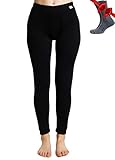
Overview: These women’s merino wool leggings deliver targeted lower-body thermal protection with added sock value. The midweight 250 g/m² construction provides versatile warmth for outdoor activities or daily winter wear. Made from 100% superfine 18.5-micron merino wool, this package includes leggings and merino hiking socks valued at $21, focusing on core warmth where it matters most.
What Makes It Stand Out: The specialized bottom-focused design offers premium quality without paying for a full set you might not need. The included merino socks complete the lower-body system, eliminating cold spots at the ankles. At 18.5 microns, the fibers provide excellent softness while potentially offering enhanced durability over finer micron counts. The washer-safe care (though hand wash is recommended) provides easier maintenance than many premium merino options.
Value for Money: At $59.95 for leggings and socks, this package saves approximately $20-25 compared to purchasing separately. Individual merino leggings typically cost $60-80, with quality merino socks at $15-20. This makes it an accessible entry point into premium merino without the $100+ investment of a full set. The cost-per-wear becomes excellent given merino’s durability and odor resistance.
Strengths and Weaknesses: Strengths include focused lower-body coverage, included socks for complete protection, easier care instructions, and natural temperature regulation. The 18.5-micron fiber balances softness with durability. Weaknesses include the lack of a matching top for full coverage, limited color options, and that machine washing may reduce lifespan despite being “safe.” The midweight rating may feel too warm for indoor use or milder climates.
Bottom Line: Ideal for women seeking quality merino leggings without committing to a full set. The included socks and competitive pricing make this a smart value purchase. Perfect for hikers, skiers, or anyone wanting superior lower-body thermal regulation with minimal bulk and maintenance hassle.
3. Merino Wool Base Layer Mens Bottom Pants 100% Merino Wool Heavyweight, Midweight, Lite Thermal Underwear Long Johns and Socks (Large, Black 250)

Overview: These men’s merino wool long johns provide targeted thermal protection for the lower body with bonus sock value. The midweight 250 g/m² construction delivers versatile warmth for outdoor adventures or everyday winter comfort. Constructed from 100% superfine 17.5-micron merino wool, the package includes bottoms and merino hiking socks, focusing on core insulation where it’s most critical.
What Makes It Stand Out: The dedicated bottom-layer approach lets you invest in premium quality without paying for unnecessary pieces. The included merino socks eliminate ankle gaps in your thermal system. At 17.5 microns, these fibers achieve exceptional softness that rivals cashmere while maintaining wool’s performance benefits. The temperature regulation keeps you comfortable across varying activity levels, from sedentary office days to vigorous hikes.
Value for Money: At $58.99 for both pieces, you’re paying under $30 per item—exceptional for 17.5-micron merino. Comparable merino bottoms alone typically cost $70-85, with merino socks adding another $15-20. This represents one of the best price-to-quality ratios in premium base layers. The durability and odor resistance ensure years of use, making the initial investment more economical than replacing cheaper synthetics annually.
Strengths and Weaknesses: Strengths include premium 17.5-micron softness, targeted lower-body coverage, included socks, natural moisture-wicking, and multi-day odor control. The midweight versatility suits various temperatures. Weaknesses include lack of matching top for full coverage, limited style options, and care ambiguity—listing both washer/dryer safe and hand wash recommendations. The flatlock seams might not suit those with extreme sensitivity.
Bottom Line: An outstanding value for men prioritizing lower-body warmth and premium fiber quality. The 17.5-micron softness and included socks make this a top choice for outdoor enthusiasts. Perfect for skiing, hiking, or winter commuting where lower-body thermal regulation is paramount.
4. Merino.tech Merino Wool Base Layer Women Set - Midweight Merino Wool Underwear Women Top, Bottom (Black Oil, Medium)

Overview: This women’s merino wool base layer set offers complete upper and lower body thermal protection in one elegant package. The midweight 250 g/m² construction provides versatile warmth suitable for outdoor sports or daily winter wear. Made from 100% superfine 17.5-micron merino wool, the set includes a long-sleeve top, leggings, and a bonus beanie valued at $24, ensuring comprehensive coverage from head to toe.
What Makes It Stand Out: The three-piece women’s system eliminates the guesswork of mixing and matching separates while providing cohesive performance. The 17.5-micron fibers deliver exceptional softness against sensitive skin without the itch associated with traditional wool. Natural temperature regulation adapts to your activity level, keeping you comfortable during both high-exertion climbs and relaxed apres-ski moments. The odor-resistant properties enable multiple wears between washes.
Value for Money: At $109.99 for three premium merino pieces, each item costs approximately $37—well below market rate for 17.5-micron quality. Comparable women’s merino tops and bottoms typically run $65-85 each, with beanies adding $20-30. The coordinated set ensures optimal layering performance while the gift packaging adds presentation value. For serious winter enthusiasts, this investment outperforms synthetic alternatives that lose loft and develop odors quickly.
Strengths and Weaknesses: Strengths include the complete three-piece system, premium fiber softness, natural moisture management, versatile midweight rating, and gender-specific tailoring. The satisfaction guarantee reduces purchase risk. Weaknesses involve the demanding care routine—hand washing and flat drying require time and attention. The midweight construction may prove excessive for mild climates or indoor use. Limited color selection restricts personalization.
Bottom Line: An excellent investment for women seeking premium full-body thermal protection. The included beanie and superior 17.5-micron quality justify the price. Ideal for skiers, winter hikers, and outdoor professionals wanting reliable, odor-free performance across multiple days of use.
5. Merino.tech Merino Wool Base Layer - Mens 100% Merino Wool Long Sleeve Thermal Shirts Heavyweight, Midweight, Lite with Socks(Medium, 320 Charcoal Grey)

Overview: This men’s heavyweight merino wool base layer top delivers maximum thermal protection for extreme cold conditions. The substantial 320 g/m² construction provides serious insulation for winter sports, ice fishing, or frigid commutes. Made from 100% superfine 17.5-micron merino wool, the package includes the heavyweight shirt and merino hiking socks, focusing on core upper-body warmth with complete foot coverage.
What Makes It Stand Out: The 320 g/m² heavyweight rating offers superior warmth-to-weight ratio for extreme conditions without the bulk of traditional thermals. The 17.5-micron fibers maintain remarkable softness despite the heavy fabric weight. This top excels at temperature regulation even when wet, making it ideal for high-sweat activities in cold environments. The natural odor resistance supports extended expeditions where laundry facilities are nonexistent.
Value for Money: At $64.99 for a heavyweight merino top and socks, this package offers strong value. Individual heavyweight merino shirts typically cost $80-100, with merino socks adding $15-20. You’re getting premium 17.5-micron quality in a specialized heavy weight at a midweight price point. For those facing genuinely cold conditions, this investment prevents the need for multiple lighter layers, reducing overall gear costs.
Strengths and Weaknesses: Strengths include exceptional warmth from 320 g/m² weight, premium fiber softness, included socks, superior moisture management, and expedition-ready odor control. The versatility across extreme conditions is outstanding. Weaknesses include limited usability in mild temperatures, potential for overheating during high-intensity activity, and the premium price point for a single top. The heavyweight construction may feel restrictive compared to lighter options.
Bottom Line: Perfect for men confronting serious cold who need maximum warmth without bulk. The heavyweight rating and 17.5-micron quality make this a specialist’s choice. Ideal for ice climbers, winter campers, and outdoor workers in frigid climates where dependable thermal protection is non-negotiable.
6. Merino.tech Merino Wool Base Layer Women - 100% Merino Wool Heavyweight, Midweight, Lite Long Sleeve Thermal Shirt and Socks (Small, Black 250)

Overview: This midweight 250 g/m² merino wool base layer top from Merino.tech delivers core warmth with included hiking socks, making it an accessible entry point into premium base layers. Constructed from 100% superfine 17.5 micron merino wool, it provides natural temperature regulation for year-round comfort during hiking, travel, or daily wear.
What Makes It Stand Out: The bundled $21 merino wool socks add immediate value, while the cool packaging makes this gift-ready straight out of the box. Unlike blended alternatives, the pure merino construction offers superior odor resistance and moisture management. The fabric’s natural temperature regulation keeps you comfortable across varying conditions without the bulk of synthetic alternatives.
Value for Money: At $59.95 for a top and socks, this package undercuts buying pieces separately by roughly 25%. While pricier than synthetic sets, the 100% merino construction justifies the investment for those prioritizing natural performance. The multi-weight availability (165-320 g/m²) lets you choose the exact warmth level needed.
Strengths and Weaknesses: Strengths include true 100% merino softness, excellent odor control, versatile midweight rating, and included socks. The cool packaging enhances gifting appeal. Weaknesses center on care requirements—hand washing is recommended for longevity, which demands more effort than machine-washable blends. The single-top package means you’ll need separate bottoms for full coverage.
Bottom Line: This Merino.tech top excels as a starter piece for merino newcomers. The sock bundle and pure wool construction offer genuine value, though the care requirements and lack of bottoms may limit its appeal for some. Ideal for travelers and outdoor enthusiasts seeking natural performance without committing to a full set.
7. Merino.tech Merino Wool Base Layer Women Set - Heavyweight, Lite, Midweight Merino Thermal Underwear for Women Top, Bottom (Large, 250 Chocolate)
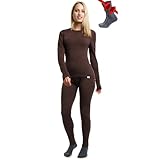
Overview: Merino.tech’s complete midweight set delivers head-to-toe warmth with a top, bottom, and bonus socks—all in 100% superfine 17.5 micron merino wool. The 250 g/m² weight hits the sweet spot for versatile cold-weather performance, from ski slopes to winter commutes, while maintaining the natural breathability merino is known for.
What Makes It Stand Out: This is a true three-piece system with the $21 sock value built-in, eliminating the guesswork of piecing together a base layer wardrobe. The 100% merino construction across all pieces ensures consistent moisture-wicking and odor resistance. The chocolate colorway offers a stylish alternative to standard black, and the gift-ready packaging makes it presentation-perfect.
Value for Money: At $99.99 for three pieces, you’re paying roughly $33 per item—competitive with mid-tier synthetics but with merino’s premium benefits. Comparable separates would cost $120+, making this set a smart bundle. The consistent fabric weight and quality across pieces add coordination value.
Strengths and Weaknesses: Strengths include complete coverage, pure merino performance, coordinated set design, and excellent odor control. The all-in-one convenience is undeniable. Weaknesses include the hand-wash recommendation for optimal lifespan, which may deter low-maintenance users. As a midweight-only option, it may not suit extreme cold without additional layers.
Bottom Line: This Merino.tech set represents outstanding value for those wanting full merino benefits without the a la carte price tag. The three-piece bundle covers all bases for most winter activities, though care requirements demand commitment. Perfect for dedicated outdoor enthusiasts ready to invest in natural fiber performance.
8. Merino.tech Women’s Merino Wool Base Layer Set - Zip-Up Heavyweight, Midweight Thermal Top & Bottom (Medium, 320 Charcoal Grey Zip-up)
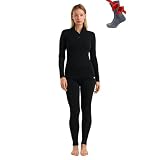
Overview: This heavyweight 320 g/m² zip-up set from Merino.tech provides maximum warmth for frigid conditions. The package includes a quarter-zip top, matching bottoms, and merino socks, all crafted from 100% superfine 17.5 micron wool. Designed for extreme cold, this set prioritizes insulation while maintaining merino’s signature breathability.
What Makes It Stand Out: The zippered neck delivers critical venting during high-output activities, a feature rarely found in heavyweight sets. At 320 g/m², this is Merino.tech’s warmest offering, making it ideal for sub-zero adventures. The charcoal grey colorway provides a sleek, technical aesthetic, while the included socks complete the head-to-toe system.
Value for Money: Priced at $124.99, this premium set costs about 25% more than the midweight version but delivers significantly more warmth per dollar. For extreme cold specialists, this specialized performance justifies the upcharge. Comparable heavyweight separates would exceed $150, making the bundle economically sound.
Strengths and Weaknesses: Strengths include exceptional warmth-to-weight ratio, versatile zip-neck ventilation, complete three-piece system, and pure merino benefits. The heavyweight rating excels in static cold exposure. Weaknesses include potential overheating during intense activity, the highest price point in the lineup, and demanding hand-wash care. The heavier fabric may feel bulky under trim outer layers.
Bottom Line: This heavyweight zip-up set is Merino.tech’s warmest offering, best suited for stationary cold-weather activities like ice fishing or winter camping. The zip neck adds versatility, but the premium price and care requirements demand serious commitment. For extreme cold warriors, it’s worth every penny.
9. DANISH ENDURANCE Merino Wool Base Layers Women, Women’s Thermal Sets for the Extreme Cold, Black, Medium

Overview: Danish Endurance targets extreme cold with a durable 250 g/m² merino-polyamide blend set. The 90% merino wool delivers natural performance while 10% polyamide reinforcement enhances durability and shape retention. Designed for harsh conditions, this set balances merino’s benefits with practical longevity for serious outdoor athletes.
What Makes It Stand Out: The polyamide reinforcement addresses pure merino’s durability concerns without sacrificing core benefits. OEKO-TEX Standard 100 certification and mulesing-free sourcing appeal to ethically conscious consumers. Raglan sleeves and flatlock seams prevent chafing during active use, while the black colorway offers universal layering compatibility.
Value for Money: At $104.95, this set positions itself between midweight and heavyweight pure merino options. The durability enhancement extends lifespan, improving long-term value. Ethical certifications and reinforced construction justify the modest premium over budget alternatives.
Strengths and Weaknesses: Strengths include enhanced durability, ethical manufacturing, machine-washable convenience, and chafe-free design. The blend maintains merino’s temperature regulation while adding resilience. Weaknesses include slightly reduced softness compared to 100% merino, less odor resistance than pure wool, and limited style options. The 10% synthetic content may disappoint purists.
Bottom Line: Danish Endurance excels for active users who prioritize durability and ethical sourcing over pure merino softness. The reinforced blend withstands rigorous use better than pure wool, making it ideal for backcountry skiers and mountaineers. A smart compromise between performance and practicality.
10. LEADHALO Midweight Merino Wool Base Layer Women Set, Moisture Wicking Warm Women’s Thermals Top and Bottom for Ski Snowboard Black M

Overview: LEADHALO’s midweight set delivers merino performance at a budget-friendly price point. The 250gsm construction using 18.5 micron fibers provides reliable warmth for skiing, snowboarding, and winter wear. This two-piece set focuses on active use with a form-fitting design that layers smoothly under technical outerwear.
What Makes It Stand Out: This set’s machine-washable care and sub-$70 price make merino accessible to cost-conscious buyers. The 18.5 micron fiber rating ensures decent softness, while the temperature-regulating properties adapt to varying activity levels. The sleek black design transitions seamlessly from mountain to lodge.
Value for Money: At $68.99, this is the most affordable full merino set reviewed, undercutting competitors by 30-45%. While brand reputation is less established, the specifications match pricier options. For those wanting merino benefits without premium pricing, this offers compelling value.
Strengths and Weaknesses: Strengths include unbeatable price, machine-washable convenience, versatile styling, and adequate performance for recreational use. The form fit works well under technical shells. Weaknesses include unknown long-term durability, lack of included socks, potentially less refined construction than premium brands, and limited size/color options.
Bottom Line: LEADHALO democratizes merino wool with this budget-friendly set. While it may not match the longevity of premium brands, the performance-to-price ratio is exceptional for casual skiers and seasonal users. Perfect for trying merino without financial commitment, though serious enthusiasts may prefer established brands.
The Science Behind Merino Wool’s Odor Resistance
Understanding Lanolin and Its Role
Merino wool’s secret weapon against stench begins with lanolin, a natural wax produced by sheep to waterproof and protect their fleece. While most lanolin gets removed during commercial processing, trace amounts remain bound to the fiber core, creating an inhospitable environment for odor-causing bacteria. This isn’t just about masking smells—it’s active bacterial suppression. The fatty acids in residual lanolin literally break down the cell membranes of gram-positive bacteria like Staphylococcus epidermidis, which are the primary culprits behind body odor.
The Microscopic Structure of Merino Fibers
At 16.5 to 24 microns in diameter, merino fibers are less than half the thickness of human hair, but their structure is what makes them extraordinary. Each fiber features overlapping cuticle scales that point inward toward the root, creating a smooth surface that bacteria can’t easily colonize. More importantly, the fiber’s hydrophilic core can absorb up to 35% of its weight in moisture while the hydrophobic exterior repels water. This pulls sweat away from your skin and locks it inside the fiber where bacteria can’t access it, essentially trapping odor at the source before it can volatilize into that familiar gym-locker aroma.
What “30 Days of Wear” Really Means
The Difference Between Field Testing and Lab Results
When brands make extended-wear claims, they’re often referencing controlled field tests where participants wear the garment during moderate activity with daily airing. Lab results using antimicrobial testing standards like AATCC 100 might show 99.9% bacterial reduction, but real-world performance involves variables like diet, personal microbiome, and activity intensity. A base layer worn for 30 days on a Camino de Santiago pilgrimage will perform differently than one used for 30 consecutive CrossFit sessions. The key is understanding that “30 days” typically means “30 days of normal wear with proper airing between uses” rather than “30 days of continuous sweaty exertion.”
Real-World Variables That Affect Performance
Your personal pH balance, the hardness of your water, and even the type of backpack strap covering the shoulder panels can impact odor resistance. Diet plays a surprisingly large role—high-sulfur foods like garlic and cruciferous vegetables can overwhelm even merino’s defenses. Climate matters too: garments aired in dry, sunny conditions regenerate faster than those in humid environments. The 30-day benchmark assumes you’re not re-wetting the fabric with fresh sweat daily without drying time, which is why many ultralight travelers pack two base layers and rotate them.
Key Fiber Specifications That Matter
Micron Count: The Softness Factor
Micron count directly correlates with both comfort and performance. Fibers under 18.5 microns feel virtually itch-free against bare skin and have more surface area per gram, enhancing moisture management. However, ultrafine fibers (16.5 microns) are more delicate and may pill faster. For 30-day durability, the sweet spot is 18.5 to 19.5 microns—fine enough for comfort, robust enough to withstand extended wear without disintegrating. Anything above 21 microns and you’ll feel the scratchiness by day three, which defeats the purpose of a garment you want to live in.
Fabric Weight: From Ultralight to Heavyweight
Fabric weight, measured in grams per square meter (gsm), determines temperature regulation more than odor resistance, but it affects the equation indirectly. Ultralight layers (120-150 gsm) dry faster but hold less moisture, making them ideal for high-exertion activities but potentially less effective for multi-day odor control in cold conditions. Midweight options (200-250 gsm) offer the best balance for extended wear, providing enough fiber density to trap odor molecules while maintaining breathability. Heavyweight fabrics (300+ gsm) can actually harbor more bacteria if they stay damp, requiring more diligent airing.
Fiber Length and Staple Strength
Long-staple merino fibers (over 80mm) resist pilling and maintain structural integrity through repeated wear and stretching. Staple strength, measured in newtons per kilotex, indicates how well fibers withstand breakage. For 30-day performance, look for garments made from fibers with a staple strength above 35 N/ktex—this ensures the fabric won’t develop thin spots or holes where bacteria can accumulate. Shorter fibers work loose and create a fuzzy surface that traps dead skin cells, becoming a buffet for microbes.
Fabric Construction Techniques
Knit Patterns and Airflow
The difference between a jersey knit and a rib-knit affects more than aesthetics. Jersey knits create a smooth face that’s less prone to pilling but can feel clingy when damp. Mesh or eyelet knits strategically placed in high-sweat zones (underarms, center back) dramatically improve drying time and reduce bacterial load. Some manufacturers use a hybrid construction: a denser knit in odor-prone areas and an open mesh in heat-dump zones. This zoned approach can extend wearable life by 40-50% compared to uniform fabric construction.
Seam Placement and Chafe Zones
Flatlock seams are table stakes for base layers, but their placement reveals design sophistication. Shoulder seams should be offset from pack strap lines, and side seams need to be rotated forward to avoid hip belt pressure points. Poor seam placement creates micro-abrasions that damage fibers and create crevices for bacteria. For extended wear, look for seamless torso constructions or fully fashioned knitting where the garment is shaped on the machine rather than cut and sewn—this eliminates seam bulk entirely.
Gusseted Designs for Mobility
A diamond-shaped gusset in the underarm or crotch isn’t just for range of motion; it prevents fabric from staying stretched against skin. When base layers remain taut in flex zones, moisture gets trapped and bacteria proliferate. Gussets allow the fabric to return to its original shape, maintaining air circulation. This mechanical advantage becomes crucial around day 10 of continuous wear when fabric fatigue starts compromising performance.
Fit and Sizing Considerations
Next-to-Skin vs. Relaxed Fit
The 30-day odor resistance claim assumes a snug but not compression-tight fit. Too loose and the fabric can’t effectively wick moisture; too tight and it stays saturated against your skin, overwhelming the fiber’s capacity. The ideal fit leaves no more than 3-5mm of air space between fabric and skin in most areas, with slightly more room in the underarms. Remember that merino stretches about 15% with wear, so a garment that feels perfect in the store will be baggy by day seven.
Layering Systems: How Base Layers Interact
Your base layer doesn’t work in isolation. Mid layers that trap moisture against it can create a bacterial breeding ground, nullifying merino’s advantages. Fleece and synthetic insulation work best when there’s a slight air gap. For true 30-day performance, consider your entire system: a merino base layer under a breathable wind shirt will outlast one trapped under a non-breathable rain shell. The base layer’s collar design matters too—a high collar protects neck skin but can accumulate sweat if your mid-layer has a tight neck.
Seasonal Performance Variables
Warm Weather Adaptations
In temperatures above 70°F, even the best merino struggles with 30-day claims unless activity levels are low. The key is maximizing surface area exposure to air. Some warm-weather merino blends incorporate nylon mesh panels or use a looser gauge knit that increases airflow by 30-40%. These adaptations sacrifice some durability but prevent the garment from becoming a soggy, odorous mess. For desert environments, lighter colors reflect heat and reduce sweat production, indirectly preserving odor resistance.
Cold Weather Insulation Properties
Below freezing, merino’s moisture management becomes even more critical. Sweat that freezes inside the fiber matrix can physically damage the cuticle structure over time, reducing odor control. Midweight fabrics with a brushed interior create tiny air pockets that insulate while keeping the outer face dry. However, this loft can compress permanently if you wear heavy layers over it continuously. Rotating between two base layers every few days allows the fibers to recover their structure and maintain antimicrobial effectiveness.
Care and Maintenance for Maximum Longevity
Washing Frequency: Less Is More
Paradoxically, washing too often degrades merino’s odor resistance. Each wash cycle strips away more lanolin and mechanically stresses the fibers. For 30-day testing, most users wash every 7-10 days of active wear, or every 14-20 days for light use. The magic is in the airing: hanging your base layer in direct sunlight for 2-3 hours between wears allows UV radiation to kill surface bacteria and helps the fibers release trapped moisture. A quick rinse in a stream (no soap) can extend wear time between proper washes without damaging the fabric.
Detergent Selection and Water Temperature
When you do wash, pH-neutral detergents specifically formulated for wool are non-negotiable. Regular detergents are too alkaline and strip the fiber’s protective layers. Look for enzyme-free formulas; protease enzymes break down protein-based stains but also digest wool fibers. Water temperature should stay below 30°C (86°F)—hot water causes felting, which compresses the fiber structure and reduces surface area for moisture management. Never use fabric softener; it coats fibers with a hydrophobic film that traps bacteria.
Drying Methods That Preserve Fiber Integrity
Machine drying is merino’s nemesis, even on low heat. The mechanical tumbling and temperature fluctuations cause irreversible fiber damage. Lay garments flat on a towel, reshape them while damp, and air dry away from direct heat. For extended trips, roll the base layer in a towel to squeeze out moisture, then wear it damp—your body heat will finish the drying process without structural damage. This “wear-dry” method actually helps maintain the fiber’s crimp and resilience.
Common Misconceptions About Merino Wool
The “Itchy Wool” Myth
The scratchiness people associate with wool comes from coarse fibers (>25 microns) that don’t bend when they contact skin, triggering nerve receptors. Quality merino’s fine fibers bend easily, making them imperceptible. However, “superfine” doesn’t always mean “durable.” Some manufacturers over-soften fibers with chemical treatments that strip the cuticle, reducing odor resistance. If a base layer feels suspiciously soft, check the micron count—anything marketed as “ultra-soft” without specifying sub-18 micron fibers may have been compromised.
Price vs. Performance Expectations
A $150 merino base layer won’t necessarily last three times longer than a $50 one, but the price difference often reflects fiber grading and construction quality. Budget options typically use shorter staple fibers and basic knits, which may still achieve 30 days of wear but will show pilling and thinning by day 15. Premium pricing usually indicates longer staples, zone construction, and ethical sourcing. Calculate cost per expected wear-day: a $120 shirt that reliably performs for 30 days costs $4 per day, while a $40 shirt that fails at day 10 costs $4 per day and leaves you stinky.
Environmental and Ethical Considerations
Mulesing-Free Certifications
Mulesing, the surgical removal of skin from sheep to prevent flystrike, remains controversial. While it doesn’t directly affect fiber performance, the stress on animals can impact wool quality. Mulesing-free certifications (RWS, ZQ Merino) guarantee ethical treatment, which correlates with healthier fleece. Stressed sheep produce weaker fibers with more break points, reducing garment lifespan. For a 30-day base layer, fiber integrity is paramount, making ethical sourcing a performance issue, not just a moral one.
Sustainable Grazing Practices
Regenerative grazing, where sheep rotate through pastures, actually improves soil carbon sequestration. This isn’t just eco-marketing; healthier pastures produce sheep with better nutrition, resulting in stronger, more resilient wool fibers. Some brands now provide carbon-negative claims based on these practices. A base layer made from such wool may have 10-15% better durability due to superior fiber quality, directly supporting those 30-day wear claims through agricultural science.
Carbon Footprint of Long-Lasting Garments
The most sustainable garment is the one you don’t replace. A merino base layer that truly lasts 30 days of wear replaces ten synthetic shirts that get washed after each use. When calculating environmental impact, factor in water usage: one merino shirt requiring 3 washes over 30 days versus ten synthetics needing 30 washes. The energy savings in heating water and running dryers often offsets merino’s higher initial production footprint within the first year of use.
Performance Benchmarking Standards
Industry Testing Protocols
No universal standard exists for “30-day odor resistance,” but several tests provide proxies. The AATCC 30 test measures antifungal activity, while ISO 20743 assesses antibacterial properties on textiles. More relevant is the “sniff test” protocol used by some brands, where trained panelists rate odor on a 1-10 scale after controlled wear periods. Look for brands that publish actual test data rather than vague claims. Some even partner with thru-hiking organizations for real-world validation, which is more valuable than lab numbers.
What to Look for in Manufacturer Claims
Vague statements like “naturally odor resistant” are meaningless. Specific claims should reference fiber micron, fabric weight, and testing methodology. “Maintains <2.0 odor rating after 30 days of wear with daily airing” is a concrete, testable statement. Be wary of brands that claim 30 days without specifying activity level or airing requirements. The best manufacturers provide context: “tested during 8-hour hiking days in 60-70°F weather with overnight airing.” This transparency indicates confidence in actual performance rather than marketing fluff.
The Psychology of Extended Wear
Breaking the Daily Laundry Habit
Our cultural conditioning around cleanliness often sabotages merino’s potential. The first week of wearing the same shirt daily feels psychologically uncomfortable, even if it doesn’t smell. This “laundry habit” is reinforced by synthetic fabrics that do require daily washing. Merino challenges this paradigm, but it requires a mental shift. Start with a 7-day challenge, then extend to 14. By day 30, you’ll have rewired your relationship with clothing cleanliness and truly appreciate the freedom merino provides.
Mental Shifts for Ultralight Travelers
Ultralight backpackers who commit to single-shirt trips report a surprising benefit: reduced decision fatigue. When you have one base layer that works for everything, you stop thinking about what to wear and focus on the experience. The 30-day claim becomes a proxy for simplicity and freedom. This psychological advantage is why many long-distance hikers become merino evangelists—they’re not just selling a shirt, they’re selling a mindset of unencumbered adventure.
Troubleshooting Common Issues
When Odor Resistance Seems to Fade
If your merino base layer starts smelling after a week instead of a month, the issue is usually residue buildup, not fiber failure. Mineral deposits from hard water, or soap scum from improper rinsing, coat fibers and trap bacteria. A “strip wash” with a cup of white vinegar in cold water can dissolve these deposits without damaging the wool. If odor returns immediately after washing, you’ve likely got a bacterial colony living in the fabric that requires an enzymatic cleaner specifically designed for technical wool.
Pilling Prevention Strategies
Pilling isn’t just cosmetic—it creates fuzzy spots where bacteria thrive. The pills themselves are broken fibers that have worked loose, indicating structural degradation. To minimize pilling, wash inside-out in a mesh bag, avoid abrasion from backpack straps, and don’t wear the garment during high-friction activities like rock climbing. If pilling starts, use a fabric shaver immediately; don’t pull pills by hand, as this pulls more fibers loose and accelerates the problem.
Integration With Your Existing Wardrobe
Color Selection for Versatility
For true 30-day wear, color choice affects psychological comfort and practicality. Dark colors (navy, charcoal) hide salt stains and look “fresh” longer but show lint and dust. Light colors (gray, tan) reflect heat and hide deodorant residue but reveal dirt. The compromise is heathered or marled fabrics that camouflage both. For multi-sport use, choose colors that work for trail, town, and travel—avoid bright athletic colors if you want to wear the same shirt to dinner on day 28.
Multi-Sport Applications
A base layer that works for 30 days of hiking may fail at 30 days of cycling due to different sweat patterns and saddle abrasion. For truly versatile performance, consider the “80% rule”: choose a base layer optimized for your primary activity, knowing it will be adequate for others. A midweight crew neck excels for hiking and travel but works for casual runs and gym sessions. Trying to optimize for everything usually means compromising on the 30-day claim for your main use case.
Cost Analysis: Investment vs. Replacement
Price Per Wear Calculations
Let’s do the math: a quality merino base layer costs $100-150. If it truly delivers 30 days of wear between washes and lasts 300 total days before replacement, that’s $0.33-0.50 per wear. Compare this to a $25 synthetic shirt that needs washing after each use and lasts 50 wears before piling and stretching: $0.50 per wear plus laundry costs. The financial case becomes stronger when you factor in water, detergent, and time. For extended travel where laundry access costs $5-10 per load, merino pays for itself on one three-week trip.
Warranty and Repair Programs
Several premium brands offer repair services that can double a garment’s lifespan. A small hole repaired in week 20 doesn’t compromise the 30-day odor resistance for the remaining life of the shirt. Some companies provide free repairs for life, while others charge a nominal fee. This isn’t just eco-friendly marketing—it’s a performance feature that maintains the integrity of your odor-management system. A patched merino shirt often outperforms a new budget synthetic because the fiber quality remains superior even after repair.
Frequently Asked Questions
How does merino wool compare to silver-ion treated synthetics for odor control?
Silver-ion treatments are effective but wash out over time, typically lasting 20-30 washes before performance drops significantly. Merino’s odor resistance is inherent to the fiber and lasts the garment’s lifetime. However, silver treatments can provide stronger initial bacterial kill rates, making them better for short, high-intensity trips. For 30-day continuous wear, merino’s sustained performance wins.
Can I really wear the same merino base layer for 30 days straight without washing?
Yes, but with caveats. The claim assumes daily airing, moderate activity levels, and no pre-existing skin conditions. Most users find they need to rinse or wash every 7-10 days during active use. The 30-day figure represents maximum potential under ideal conditions, not a guarantee. Your personal microbiome and diet significantly impact results.
Why does my merino shirt still smell after washing?
Residual odor usually means detergent buildup or bacterial colonization in the fabric. Switch to a wool-specific detergent and do a vinegar soak. If that fails, the bacteria may have penetrated deep into the fiber core, which can happen if the garment was left damp for extended periods. In this case, an enzymatic wool wash might help, but severe cases are often permanent.
Does fabric weight affect odor resistance more than fiber micron?
They work synergistically. Fine micron fibers (18.5) in a midweight fabric (200gsm) provide the best balance. Heavyweight fabrics can hold more moisture and bacteria if they stay damp, while ultralight fabrics have less total fiber to absorb odor molecules. Micron count matters more for comfort and initial performance; fabric weight affects long-term moisture management during extended wear.
How do I know if a merino base layer will last 30 days before buying?
Check for specific fiber metrics: micron count under 19.5, staple length over 80mm, and fabric weight between 180-220gsm. Look for zone construction and flatlock seams. Most importantly, read detailed reviews from thru-hikers or long-term travelers who’ve tested beyond the typical 3-5 day period. Brands that provide wear-test data are more reliable than those making vague claims.
Will wearing deodorant with my merino base layer reduce its odor resistance?
Most deodorants are compatible, but antiperspirants containing aluminum compounds can leave residues that clog fiber pores. Natural deodorants with baking soda can alter pH and reduce wool’s effectiveness. If you must use deodorant, apply it the night before and let it dry completely, or use a minimal amount of a wool-safe formula. Many long-term merino users find they need less deodorant over time as their skin microbiome adjusts.
Can merino wool’s odor resistance be restored after it fades?
Partially. A strip wash with vinegar can remove residue buildup, and lanolin-rich wool conditioners can replenish some of the fiber’s natural protection. However, if the fiber structure is physically damaged through felting or abrasion, the odor resistance is permanently compromised. Prevention through proper care is far more effective than restoration.
Is there a break-in period for merino wool base layers?
Interestingly, yes. The first 3-5 wears allow the fibers to relax and conform to your body shape. Some users report slightly reduced odor resistance during this period as the fibers’ cuticle scales adjust. After this break-in, performance typically improves as the garment develops a personalized fit that optimizes moisture movement away from your skin.
How does blending merino with nylon or spandex affect 30-day odor performance?
Small amounts of spandex (2-5%) for stretch have minimal impact on odor resistance and improve fit longevity. Nylon blends (20-30%) increase durability but can create hydrophobic zones where moisture pools, potentially reducing odor control in those areas. For maximum 30-day performance, stick to 100% merino or blends with less than 10% synthetic content.
What’s the environmental impact of not washing a shirt for 30 days?
Significant. Skipping 29 wash cycles saves approximately 1,160 gallons of water and 29 kWh of electricity. The carbon footprint reduction is roughly equivalent to driving 50 fewer miles. When multiplied across a wardrobe, this behavioral shift represents one of the most impactful personal climate actions you can take, making merino’s odor resistance an environmental superpower, not just a convenience.'