Every mile you travel tells a story—what if your backpack could tell one of planetary redemption? As we barrel toward 2026, the convergence of advanced recycling technology and conscious consumerism has birthed something remarkable: backpacks that don’t just carry your gear, but carry the weight of ocean cleanup on their shoulders. These aren’t novelty items or greenwashed marketing ploys; they represent a fundamental shift in how we think about performance gear, waste transformation, and the true cost of convenience.
The ocean plastic crisis looms larger than ever, with an estimated 8-12 million metric tons entering marine ecosystems annually. Yet innovation thrives under pressure. Today’s recycled ocean-plastic backpacks rival their virgin-material counterparts in durability, style, and functionality—while actively funding cleanup operations and providing economic incentives for coastal communities. Whether you’re a digital nomad, weekend warrior, or daily commuter, understanding what makes these packs genuinely impactful versus merely trendy is crucial. Let’s dive deep into the world of ocean-plastic backpacks and explore how your next purchase can ripple across ecosystems.
Top 10 Recycled Ocean-Plastic Backpacks
Detailed Product Reviews
1. GOT BAG - PRO PACK Every Day Backpack with a 15” Laptop Sleeve & Luggage Strap, Eco-Conscious Bag Made of Recycled Ocean Impact Plastic™ (Black Color)

Overview: The GOT BAG PRO PACK is a premium 25-liter daily backpack crafted from recycled Ocean Impact Plastic. Designed for eco-conscious professionals and travelers, it combines sustainability with functional urban aesthetics. The bag features a dedicated 15-inch laptop sleeve and multiple compartments for organized storage.
What Makes It Stand Out: This backpack’s authenticity shines through its vertically integrated supply chain—GOT BAG directly collects ocean plastic through their Indonesian cleanup initiatives. As a certified B Corporation and PETA-approved vegan brand, they offer complete transparency. The water-repellent fabric, dual-access laptop compartment, and integrated luggage strap demonstrate thoughtful design that bridges daily commutes and international travel.
Value for Money: At $149, the PRO PACK sits in the premium category, yet delivers tangible environmental impact that justifies the cost. Comparable quality backpacks from Patagonia or Timbuk2 often exceed this price without direct ocean cleanup involvement. You’re investing in both durability and measurable ecological restoration.
Strengths and Weaknesses: Strengths:
- Genuine ocean cleanup impact
- B Corp certification
- Durable, water-repellent construction
- Versatile laptop access
- Travel-ready features
Weaknesses:
- Premium pricing may deter budget buyers
- Limited color options
- 25L capacity insufficient for extended travel
Bottom Line: Ideal for professionals prioritizing verified environmental impact without compromising on quality or functionality. The PRO PACK delivers on its promises.
2. GOT BAG - ROLLTOP EASY Backpack, Backpack for Hiking & Travel with a 16” Laptop Sleeve, Eco-Conscious Bag Made of Recycled Ocean Impact Plastic™ (Black Color)

Overview: The ROLLTOP EASY is a versatile, expandable backpack from GOT BAG’s ocean plastic collection. With its signature rolltop closure, this 31-liter bag adapts from daily carry to weekend trips while maintaining the brand’s commitment to sustainability.
What Makes It Stand Out: The rolltop design offers exceptional flexibility, expanding from compact to 31L capacity while weighing only 1.57 pounds—remarkably light for a durable pack. GOT BAG’s direct ocean cleanup model remains the core differentiator. The 16-inch laptop sleeve accommodates larger devices, and compression straps stabilize varying loads.
Value for Money: Priced at $108.95, this represents excellent value in the sustainable backpack market. It’s significantly more affordable than the PRO PACK while offering greater capacity. Rolltop packs from competitors like Fjällräven or Cotopaxi typically cost $120-$180 without the direct environmental impact story.
Strengths and Weaknesses: Strengths:
- Expandable capacity
- Extremely lightweight
- Direct ocean cleanup sourcing
- Water-repellent fabric
- Comfortable padded back
Weaknesses:
- Rolltop access less convenient than zippers
- Minimal internal organization
- May feel unstructured when underfilled
Bottom Line: Perfect for eco-minded users needing adaptable storage. The rolltop flexibility and lightweight build make it a smart, sustainable choice.
3. SUN’Y Escapes Backpack Beach Chair - Made w/Ocean Bound Plastics, Customizable w/MOLLE Accessories, Ultra Lightweight, Low-Seat Natural Comfort, Durable, Rust Free & Waterproof - Nautical Navy
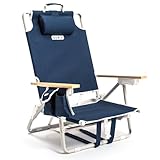
Overview: The SUN’Y Escapes beach chair integrates seating and carrying functionality into one eco-conscious package. Constructed from ocean-bound plastics, this ultra-lightweight chair transforms into a backpack for effortless beach transport while supporting sustainable manufacturing.
What Makes It Stand Out: The MOLLE attachment system distinguishes this from typical beach chairs, allowing customization with pouches and accessories. Its four-position recline and low-profile seat height provide natural, ergonomic comfort closer to the sand. The rust-free frame and waterproof fabric ensure longevity in harsh saltwater environments.
Value for Money: At $99.99, it competes with premium beach chairs from Tommy Bahama or RIO, yet offers superior portability and eco-credentials. The backpack conversion eliminates separate carrying gear, effectively providing two products for one price. Comparable backpack chairs cost $80-$120 without ocean plastic construction.
Strengths and Weaknesses: Strengths:
- Innovative backpack design
- Ocean-bound plastic construction
- MOLLE customization
- Four recline positions
- Rust-resistant hardware
Weaknesses:
- Low seat height may challenge taller users
- Limited storage capacity
- MOLLE system may be overkill for casual users
Bottom Line: An excellent choice for eco-conscious beachgoers wanting hands-free convenience and customizable comfort without environmental compromise.
4. NIXON Mode Pack - Black/Charcoal - Made with REPREVE® Our Ocean™ and REPREVE® recycled plastics.

Overview: The NIXON Mode Pack is a compact 20-liter daypack constructed from REPREVE® Our Ocean™ and recycled plastics. This minimalist backpack prioritizes clean design and functional access for daily urban use or light travel, measuring 40.5cm x 26.5cm x 14cm.
What Makes It Stand Out: The large panel-loading main compartment offers superior access compared to top-loading designs, making it easy to pack and retrieve items. The material composition specifically uses REPREVE® Our Ocean™ plastics, focusing on ocean-bound plastic prevention. Nixon’s approach emphasizes material innovation with a 600D main body and reinforced 1680D bottom panel for enhanced durability where it matters most.
Value for Money: At $45.50, this is an accessible entry point into sustainable backpacks. It’s significantly more affordable than GOT BAG options while still using ocean-bound plastics. Similar sized daypacks from Herschel or JanSport cost $40-$60 without recycled ocean materials, making this competitively priced for the eco-conscious consumer.
Strengths and Weaknesses: Strengths:
- Excellent price point
- Panel-loading convenience
- Durable reinforced bottom
- Lightweight design
- Brand credibility
Weaknesses:
- Limited capacity (20L)
- No dedicated laptop sleeve mentioned
- Minimal organizational features
- Less environmental transparency than B Corps
Bottom Line: A solid budget-friendly option for those wanting sustainable materials without premium costs. Ideal for students and casual users.
5. SUN’Y Escapes Backpack Beach Chair - Made w/Ocean Bound Plastics, Customizable w/MOLLE Accessories, Ultra Lightweight, Low-Seat Natural Comfort, Durable, Rust Free & Waterproof - Sea Green

Overview: The Sea Green variant of SUN’Y’s Escapes beach chair delivers the same innovative backpack-chair hybrid design using ocean-bound plastics. This ultra-lightweight solution combines portability, comfort, and environmental responsibility for beach enthusiasts.
What Makes It Stand Out: Beyond the core backpack conversion feature, the MOLLE webbing system enables personalized accessory attachment—uncommon in beach furniture. The four-position recline mechanism and low-profile seating position create an ergonomic, grounded beach experience. The sea green colorway offers a fresh alternative to traditional navy.
Value for Money: Matching the navy version at $99.99, this chair represents strong value by merging two functions. It eliminates need for separate beach bags and chairs, while its ocean-bound plastic construction adds ethical value absent in standard $60-$90 beach chairs. The durability ensures multiple season use.
Strengths and Weaknesses: Strengths:
- Hands-free backpack transport
- Sustainable materials
- Customizable MOLLE system
- Lightweight portability
- Four reclining angles
Weaknesses:
- Low seat height requires effort to rise from
- Backpack straps may be uncomfortable when wet
- Limited integrated storage
Bottom Line: Perfect for environmentally aware beach lovers seeking practical innovation. The sea green color and versatile design make it a standout sustainable choice.
6. SUN’Y Escapes Backpack Beach Chair - Made w/Ocean Bound Plastics, Customizable w/MOLLE Accessories, Ultra Lightweight, Low-Seat Natural Comfort, Durable, Rust Free & Waterproof - Seashell White

Overview: The SUN’Y Escapes Backpack Beach Chair reimagines seaside lounging with an eco-conscious twist. This innovative hybrid combines a lightweight backpack with a reclining beach chair, crafted from ocean-bound plastics that directly address marine pollution. At $99.99, it targets environmentally aware consumers who refuse to compromise on functionality or comfort.
What Makes It Stand Out: The MOLLE attachment system sets this apart from typical beach chairs, allowing users to customize their setup with pouches and accessories. The low-profile seat height creates a natural, grounded feeling perfect for beach lounging, while four recline positions accommodate reading, napping, or socializing. Beachwood armrests add an unexpected touch of elegance rarely seen in this category.
Value for Money: Positioned between budget options and premium brands like Hurley or Costco’s specialty chairs, the $99.99 price reflects its sustainable materials and versatile design. Comparable eco-friendly beach chairs often exceed $120, making this a mid-range investment that delivers both environmental impact and practical features.
Strengths and Weaknesses: Strengths include genuine sustainability credentials, remarkable lightness, customizable MOLLE system, and thoughtful details like the beverage holder and storage pocket. The rust-free aluminum frame ensures longevity. Weaknesses center on the low-seat design, which may challenge taller users or those with mobility issues. The MOLLE system, while innovative, might be unnecessary for minimalist beachgoers.
Bottom Line: For eco-conscious beach lovers seeking a feature-rich, portable chair, the SUN’Y Escapes delivers. It successfully balances environmental responsibility with user-focused design, though the low profile requires consideration.
7. GOT BAG - ROLLTOP LITE Backpack, Hiking & Travel with a 15” Laptop Sleeve, Eco-Conscious Bag Made of Recycled Ocean Impact Plastic™ (Driftwood Color)
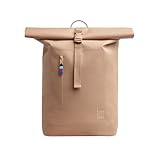
Overview: The GOT BAG ROLLTOP LITE represents the pinnacle of sustainable backpack design, transforming ocean-bound plastic into a sleek, waterproof carry solution. At $149, this B Corporation-certified pack directly funds Indonesian cleanup initiatives while delivering professional-grade performance for urban commuters and trail explorers alike.
What Makes It Stand Out: Unlike brands that simply purchase recycled materials, GOT BAG orchestrates its own ocean recovery operations, ensuring traceable impact. The high-frequency welded seams create true waterproof protection—not just water resistance—keeping contents dry in downpours. Weighing only 2.2 pounds, it defies expectations for durability, while the detachable laptop sleeve adds versatility for work-to-weekend transitions.
Value for Money: Premium pricing reflects genuine environmental impact and technical excellence. Similar waterproof rolltops from Patagonia or Fjällräven command $180+, making the ROLLTOP LITE a competitive value proposition. The included laptop sleeve and B Corp certification justify the investment beyond mere materials.
Strengths and Weaknesses: Major strengths include authentic sustainability mission, complete waterproofing, lightweight construction, and clean aesthetic. The padded back and chest strap enhance carry comfort. However, the rolltop design sacrifices quick-access pockets, and organization remains limited compared to conventional backpacks. The minimalist interior may frustrate those needing dedicated compartments.
Bottom Line: Ideal for eco-conscious adventurers and commuters prioritizing weather protection and ethical manufacturing. The ROLLTOP LITE proves sustainability and performance aren’t mutually exclusive.
8. CRAFTYLINES Eco-Friendly Casual Backpack RECYCLED FROM 18 PLASTIC BOTTLES | Stylish Laptop Backpack Fits 15.6 Laptop/Tablet for Men & Women | Daypack, Travel Bag, Sustainable BookBag
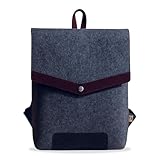
Overview: The CRAFTYLINES Eco-Friendly Casual Backpack democratizes sustainable fashion with its impressive $25.99 price point. Constructed from recycled PET felt derived from 18 plastic bottles, this minimalist daypack proves eco-consciousness doesn’t require premium spending. Designed for urban professionals and students, it accommodates 15.6-inch laptops while maintaining a clean, versatile aesthetic.
What Makes It Stand Out: The value proposition is undeniable—few recycled backpacks under $30 offer genuine laptop protection and water-resistant properties. The fold-over flap with snap closure provides security without bulk, while the minimalist design transitions seamlessly from campus to coffee shop. Transforming 18 bottles into a functional bag creates tangible environmental impact at an accessible price.
Value for Money: This is where CRAFTYLINES dominates. Comparable recycled backpacks from established brands start at $60+, making this less than half the typical cost. While materials and construction reflect the price, the core functionality and sustainability credentials remain intact, offering exceptional entry-level value.
Strengths and Weaknesses: Strengths include unbeatable affordability, genuine recycled materials, water-resistant fabric, and lightweight comfort. The minimalist aesthetic appeals to modern tastes. Weaknesses involve thinner padding, basic organization with limited pockets, and less robust stitching than premium alternatives. Long-term durability under heavy loads remains unproven.
Bottom Line: Perfect for budget-conscious buyers seeking their first sustainable backpack. It delivers core eco-friendly functionality without financial strain, though heavy users may eventually upgrade.
9. Rucksack RPET 900D schwarz

Overview: The Lightpak RPET 900D Rucksack brings German engineering sensibility to sustainable backpack design. At $102.48, this business-focused pack utilizes recycled PET nylon fibers to create a durable, feature-rich carry solution for professionals and frequent travelers. The 900D density suggests serious durability while maintaining eco-credentials.
What Makes It Stand Out: The anti-theft concealed opening provides peace of mind in crowded cities, while the integrated USB charging port with internal cable caters to modern connectivity needs. A trolley strap allows seamless integration with rolling luggage, and the zip compartment on the shoulder strap offers quick-access storage—features rarely combined in eco-friendly packs.
Value for Money: Positioned in the mid-premium range, it competes directly with conventional nylon backpacks from Samsonite or Targus. The recycled materials add value without inflating price, making it a smart choice for professionals seeking sustainability without sacrificing business-ready functionality. The feature set justifies the cost against non-eco alternatives.
Strengths and Weaknesses: Strengths include robust 900D construction, comprehensive anti-theft design, USB convenience, and professional aesthetics. The padded laptop compartment with fixing straps excels at device protection. Weaknesses include limited brand recognition, generic black design lacking personality, and potential over-engineering for casual users. The recycled content percentage isn’t specified.
Bottom Line: An excellent choice for business travelers prioritizing security and functionality. It successfully merges eco-materials with professional features, though style-conscious buyers may find it conservative.
10. Sakroots On The Go Sling Bag for Women in Eco-Twill, Large Convertible Crossbody Backpack With Main Zipper Closer, Made From Recycled Materials - Indigo Spirit Desert
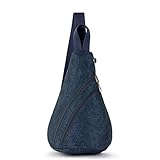
Overview: The Sakroots On The Go Sling Bag infuses eco-conscious design with bohemian artistry. At $59, this convertible crossbody/backpack supports Oceana’s ocean protection mission while delivering practical style for everyday adventures. Made from REPREVE Eco Twill derived from recycled plastic bottles, it balances sustainability with free-spirited aesthetics.
What Makes It Stand Out: Exclusive artist prints differentiate Sakroots from utilitarian eco-brands, transforming a functional bag into a fashion statement. The convertible sling-to-backpack design offers versatility, while the Indigo Spirit Desert pattern supports Oceana directly. PETA-approved vegan certification and recycled interior lining demonstrate comprehensive environmental commitment.
Value for Money: Competing in the accessible fashion-accessory segment, $59 represents fair value for a cause-supporting, versatile bag. Similar-sized sling bags from Kipling or Sherpani cost $70+, often without recycled materials or charitable partnerships. The artistic element and dual-purpose design enhance worth.
Strengths and Weaknesses: Strengths include unique artistic style, genuine ocean conservation support, versatile carrying options, and water-repellent fabric. The compact size suits urban exploration. Weaknesses involve limited capacity for larger laptops, sling design may not distribute weight as evenly as two-strap packs, and the specific aesthetic won’t suit all tastes. The 9" width restricts bulkier items.
Bottom Line: Perfect for eco-conscious women seeking style with substance. It successfully merges fashion, function, and environmental advocacy, though capacity limits make it best for daily essentials rather than heavy loads.
The Ocean Plastic Crisis and Your Backpack Choice
Your backpack is more than a vessel for laptops and water bottles—it’s a daily statement of values. The connection between that forgotten plastic bottle bobbing in the Pacific and the fabric on your shoulders isn’t metaphorical; it’s molecular. When you choose a pack made from recovered ocean plastic, you’re participating in a closed-loop system that intercepts waste before it degrades into microplastics or entangles marine life. But not all “ocean-friendly” claims carry equal weight. Understanding the scope of marine pollution helps contextualize why material sourcing matters. Coastal communities in Southeast Asia, the Caribbean, and Mediterranean face the brunt of plastic accumulation, turning local waterways into toxic soup. The backpacks emerging from this crisis don’t just repurpose waste—they fund infrastructure that prevents future pollution at the source.
What Makes a Backpack “Ocean-Plastic” Certified?
Certification in the ocean-plastic space remains a wild west of terminology, but legitimate frameworks are crystallizing. True ocean-plastic backpacks derive material from plastic waste collected within 50 kilometers of coastlines—classified as “ocean-bound”—or directly from maritime cleanup operations. The Ocean Bound Plastic certification, managed by Zero Plastic Oceans, sets the gold standard, requiring chain-of-custody documentation from collection through manufacturing. Look for transparent brands that disclose the exact percentage of ocean plastic versus other recycled content. A pack claiming “made with ocean plastic” might contain only 5% marine-sourced material blended with post-consumer PET. The gold standard? 100% ocean-recovered PET for the main fabric, with details on which ocean region contributed the waste. Authentic certification includes GPS coordinates of collection points, batch numbers, and third-party verification—details that separate genuine impact from feel-good fluff.
Understanding Ocean-Bound Plastic vs. Ocean-Recovered Plastic
This distinction isn’t semantic nitpicking—it’s the difference between prevention and cure. Ocean-bound plastic is collected from land-based sources before it reaches waterways, typically from unmanaged coastal waste streams. This approach is more cost-effective and prevents the material from degrading in saltwater, yielding higher-quality fibers. Ocean-recovered plastic, pulled directly from the sea, undergoes more aggressive degradation from UV exposure, salt corrosion, and biofouling. While dramatically more challenging to process, it directly cleans existing pollution. The most impactful brands use a hybrid approach: ocean-bound plastic for primary fabric integrity, with ocean-recovered material featured in accent pieces or limited editions. When evaluating packs, check if brands specify the ratio—quality manufacturers will be transparent about sourcing challenges and material limitations.
Why 2026 Is a Pivotal Year for Sustainable Backpacks
The 2026 landscape marks a technological inflection point. Chemical recycling advancements now break down ocean-sourced PET into molecular building blocks, removing contaminants and restoring material strength to near-virgin quality. This eliminates the performance gap that plagued early ocean-plastic packs, which often felt brittle or faded quickly. Additionally, new legislation in the EU and California requires “green” claims to meet stringent verification standards, forcing transparency upon the industry. The market has also matured beyond early adopters; mainstream outdoor retailers now dedicate floor space to verified sustainable collections. This mainstreaming drives economies of scale, dropping prices from premium to accessible. Perhaps most critically, 2026 sees the launch of the Global Plastics Treaty framework, binding nations to cleanup commitments that create steady supply chains for ocean-plastic materials. Your purchase timing couldn’t be better—quality is peaking while costs normalize.
Key Features to Look for in Ocean-Plastic Backpacks
Don’t sacrifice performance for principle. The best ocean-plastic packs compete head-to-head with conventional premium backpacks across every metric. Start by assessing the denier rating—look for 300D to 600D for daily use, 800D+ for rugged adventure. The weaving pattern matters too; ripstop construction prevents tears from spreading, crucial when the material has undergone multiple recycling cycles. Stitching should use recycled polyester thread (often overlooked but vital for true circularity), with reinforced bar tacking at stress points. Zippers are a weak link in many sustainable packs; demand YKK Natulon zippers made from recycled PET, which maintain the brand’s legendary reliability while closing the loop. Hardware like buckles and adjusters should be from recycled ocean plastic or, alternatively, durable recycled nylon—avoid virgin plastic accents that undermine the core mission.
Material Quality and Durability
Ocean-plastic fabric quality varies dramatically based on collection methods and cleaning processes. The gold standard involves multiple purification stages: mechanical washing, chemical decontamination, and supercritical CO2 cleaning that removes salt, algae, and micro-pollutants without water waste. Ask brands about their “fiber length retention”—shorter fibers create weaker yarn. Top-tier manufacturers blend ocean plastic with minimal additives to maintain tensile strength. Look for abrasion resistance testing data; legitimate packs provide Martindale test results showing fabric withstands 4,000+ cycles before pilling. UV resistance is another tell—ocean plastic inherently contains UV stabilizers from its previous life, but premium packs add non-toxic coatings to prevent the rapid degradation that plagued early models. The touch test matters: quality fabric feels substantial, not papery, with a tight weave that resists snagging.
Water Resistance and Weatherproofing
Ironically, gear made from ocean plastic needs to repel water effectively. The membrane technology matters more than the face fabric. Look for PFC-free DWR (durable water repellent) coatings that shed rain without fluorinated chemicals that harm waterways. For serious weather protection, seek packs with recycled TPU laminates or PU coatings rated to 10,000mm water column pressure—the same standard as quality rain jackets. Seam taping is non-negotiable; it should be fully taped with recycled thermoplastic adhesive. Some 2026 models feature face fabrics woven so tightly they achieve water resistance without coatings, relying on the inherent properties of densely packed recycled fibers. This “mechanical waterproofing” avoids chemical treatments altogether, representing the cutting edge of sustainable performance. Test the pack’s base too—many skimp on waterproofing where it contacts wet ground.
Ergonomic Design and Comfort
A sustainable backpack that hurts your shoulders ends up in a landfill—defeating the purpose. Ocean-plastic packs must deliver the same ergonomic excellence as conventional gear. The back panel should feature contoured, recycled EVA foam with ventilation channels, molded from factory waste rather than virgin material. Shoulder straps need multi-density construction: firmer foam near the attachment points for load transfer, softer foam against your body for comfort. The hip belt is critical for loads over 20 pounds; look for recycled ocean-plastic webbing with reinforced stitching and pivoting attachment points that move with your gait. Load lifters—those small straps connecting the shoulder harness to the pack body—should be adjustable and made from recycled material. A common flaw in budget ocean-plastic packs is using rigid, uncomfortable back panels to save cost; premium models use articulated designs that flex with your spine while maintaining structure.
Capacity and Organization
Size your pack to your actual carry, not aspirational adventures. 20-25 liters suits daily commuters; 30-40 liters handles overnight trips; 50+ liters is multi-day territory. Ocean-plastic packs often feature modular designs with removable components, reducing waste by adapting to different uses. Internal organization reveals manufacturing quality—look for pockets lined with contrasting-color recycled fabric (makes contents visible) and bonded rather than stitched seams in high-wear areas. Laptop sleeves should be suspended above the pack bottom to prevent impact damage, padded with recycled felt or foam. External organization matters too: stretch-woven pockets made from recycled ocean plastic should retain shape when loaded, and daisy chains or gear loops should be bar-tacked for strength. Avoid packs with excessive organization—each pocket adds weight and potential failure points; minimalist designs often prove more durable and versatile.
Closure Systems and Security
The way your pack opens and closes impacts both security and weather resistance. Roll-top closures dominate ocean-plastic packs for good reason—they create a watertight seal without zippers, reduce material waste in manufacturing, and offer expandable capacity. However, they sacrifice quick access. Zippered main compartments with storm flaps provide better security; ensure the zipper is a two-way design for versatility. Magnetic Fidlock buckles, made from recycled metal alloys, offer one-handed operation and auto-alignment—premium hardware that signals serious design. For anti-theft, some 2026 models integrate cut-resistant recycled ocean-plastic panels in vulnerable areas, woven with high-density polyethylene fibers. Lockable zippers are essential for travel; check if the pulls accommodate TSA-approved locks. The closure system should feel deliberate, not an afterthought—it’s often where brands cut corners on sustainable packs.
The Manufacturing Process: From Ocean to Shoulder
Traceability transforms a recycled backpack from product to story. The journey begins with coastal collection networks, often employing local fisherfolk who intercept plastic before it enters deep water. This waste is manually sorted by plastic type (PET bottles are ideal), then shredded and hot-washed to remove labels, caps, and contaminants. The clean flakes are extruded into pellets, which are spun into yarn through mechanical recycling—melting and re-forming without breaking chemical bonds. Chemical recycling, emerging in 2026, depolymerizes plastic back to monomers, achieving virgin-like purity but at higher energy cost. The yarn is woven into fabric, often in facilities powered by renewable energy to offset recycling’s carbon footprint. Dyeing presents a challenge; low-impact dyes and solution dyeing (adding pigment to the molten plastic before extrusion) reduce water pollution. Finally, cutting and sewing optimize pattern efficiency to minimize fabric waste, with offcuts recycled into accessory items. The entire process should be mapped and audited—leading brands provide QR codes linking to batch-specific supply chain data.
Certifications and Transparency: Cutting Through Greenwashing
In 2026, savvy consumers demand receipts for sustainability claims. Beyond Ocean Bound Plastic certification, look for B Corp status, which audits entire social and environmental performance. The Global Recycled Standard (GRS) verifies recycled content and tracks material through the supply chain, prohibiting certain chemicals and requiring ethical labor practices. For ocean-specific impact, the Oceanworks Guarantee provides third-party verification of marine plastic sourcing with blockchain tracking. Blue Sign certification ensures the manufacturing process itself doesn’t pollute waterways—a critical concern when processing contaminated ocean waste. Some brands now publish Life Cycle Assessments (LCAs) showing carbon footprint per pack, comparing ocean-plastic versions to virgin-material equivalents. Be wary of vague terms like “ocean-inspired” or “marine-friendly” without data. True transparency includes acknowledging limitations: maybe only 70% of the pack is ocean plastic due to hardware constraints. Honest brands celebrate progress while acknowledging the journey isn’t perfect.
Price vs. Value: Understanding the Investment
Ocean-plastic backpacks typically command a 20-40% premium over comparable virgin-material packs, but the value equation extends beyond sticker price. Factor in the embedded cost of cleanup: collection, sorting, and decontamination are labor-intensive. However, economies of scale are rapidly reducing this gap. A $150 ocean-plastic pack that lasts 10 years costs less per use than a $60 pack replaced every two years. Durability data shows premium ocean-plastic fabric now matches virgin polyester in abrasion tests, eliminating the replacement penalty early eco-products suffered. Consider the externalized costs you’re not paying: ocean cleanup funding, coastal community employment, and reduced virgin plastic production. Some brands offer repair programs using recycled patches, further extending value. Watch for “impact multipliers”—companies that commit to removing additional plastic from the ocean for each pack sold, effectively doubling your investment’s environmental return. The true cost of a cheap conventional pack includes pollution you don’t see; ocean-plastic packs internalize those costs upfront.
Style Meets Sustainability: Design Trends for 2026
Gone are the days when eco-friendly meant drab and crunchy. 2026’s ocean-plastic backpacks embrace aesthetic sophistication. Color palettes draw from marine environments: deep indigos, seafoam greens, and coral oranges, achieved through salt-water-reactive dyes that create subtle variations, making each pack unique. Minimalist Scandinavian design dominates urban packs, with clean lines and hidden organization. For outdoor packs, retro-futuristic aesthetics pair 1970s color blocking with 2026 material tech. Modular systems are trending—detachable daypacks, interchangeable straps, and expandable collars let one pack serve multiple purposes, reducing overall consumption. Texture plays a key role; some brands leave slight imperfections in the weave as a tactile reminder of the material’s origin. Customization is emerging: 3D-knitted ocean-plastic panels allow on-demand production with zero waste, letting consumers choose patterns and pocket configurations. The most forward-thinking designs incorporate biodegradable thread in non-structural seams, planning for end-of-life disassembly where ocean-plastic components can be re-recycled.
Care and Maintenance: Extending Your Backpack’s Life
A well-maintained ocean-plastic pack can last decades, maximizing its environmental payoff. Cleaning requires care: avoid harsh detergents that strip DWR coatings and release microfibers. Instead, use a specialized tech wash like Nikwax Tech Wash (itself bottled in recycled ocean plastic) and a soft brush on stubborn spots. Never machine wash—agitation damages fibers and releases microplastics. Hand wash in a bathtub, then air dry away from direct sunlight to prevent UV degradation. For saltwater exposure (ironic, given the material’s origin), rinse thoroughly with fresh water to prevent crystalline abrasion. Store loosely packed in a dry place; compressed storage creases the protective coatings. Repair promptly: small tears become big problems. Many brands offer free repair kits with recycled patches and thread. For zipper maintenance, apply beeswax-based lubricant rather than petroleum products. At end-of-life, return to the manufacturer if they have a take-back program; true circular design means the pack gets shredded and re-spun into next-generation gear. Avoid landfill at all costs—ocean plastic that re-enters the waste stream defeats its entire purpose.
The Bigger Picture: Impact Beyond the Bag
The ripple effect of choosing ocean-plastic gear extends far beyond your shoulders. Each pack purchased funds collection infrastructure in vulnerable coastal regions, creating formal employment where informal waste picking was dangerous and exploitative. In Haiti, the Philippines, and Indonesia, these programs pay above-market rates for collected plastic, turning pollution into currency. The manufacturing shift pressures larger brands to adopt similar practices, mainstreaming ocean plastic across product lines. On a molecular level, every ton of ocean plastic repurposed is 5.7 tons of CO2 emissions avoided compared to virgin polyester production. The visibility of ocean-plastic packs educates others, sparking conversations that multiply impact. Some companies partner with research institutions, using a portion of profits to study microplastic capture and develop biodegradable alternatives. Your purchase becomes a data point proving consumer demand for radical transparency, encouraging investment in chemical recycling facilities that can handle contaminated marine waste. The backpack becomes a talisman, a daily reminder that linear consumption models are obsolete, and that regenerative design is not just possible but preferable.
Frequently Asked Questions
How durable are ocean-plastic backpacks compared to regular backpacks?
Modern ocean-plastic backpacks match or exceed virgin-material durability. Advances in chemical recycling and fiber blending have closed the performance gap. Premium packs undergo the same abrasion testing (Martindale tests) as conventional gear, typically achieving 4,000+ cycles. The key is sourcing—ocean-bound plastic that hasn’t degraded in saltwater yields stronger fibers. Look for brands that publish third-party durability data and offer warranties comparable to traditional packs (5+ years).
Do ocean-plastic backpacks smell like the ocean?
No—if they do, something’s wrong. Legitimate ocean-plastic fabric undergoes intensive decontamination: hot washing, chemical purification, and often supercritical CO2 cleaning that eliminates odors, salt, and organic matter. The final product should be odorless. Any lingering smell suggests inadequate processing or that the plastic wasn’t properly cleaned. Quality manufacturers test for residual contaminants and publish purity specs. If your pack arrives with a chemical or oceanic odor, return it and question the brand’s processing standards.
Are these backpacks actually helping clean the ocean, or is it greenwashing?
It depends on verification. Genuine impact requires third-party certification (Ocean Bound Plastic, Oceanworks), transparent supply chain mapping, and quantified cleanup metrics. Legitimate brands fund collection networks in coastal communities and can tell you exactly how many kilograms of plastic were recovered per pack. Be skeptical of vague claims without data. True impact also includes fair wages for collectors and investment in preventing future pollution. Check for B Corp status and published impact reports—these separate authentic efforts from marketing spin.
How do I clean my ocean-plastic backpack without releasing microplastics?
Hand washing is essential. Fill a bathtub with cool water and use a gentle tech wash designed for synthetic fabrics. Agitate gently with your hands, focusing on soiled areas with a soft brush. Avoid machine washing, which releases hundreds of thousands of microfibers. After washing, don’t rinse under running water; instead, drain and refill the tub to rinse. Air dry only. For regular maintenance, spot clean with a damp cloth. Some brands include a Guppyfriend washing bag for occasional deeper cleans—these capture microfibers even during hand washing.
Why are ocean-plastic backpacks more expensive?
The premium reflects real costs: manual coastal collection, sorting contaminated material, and intensive cleaning processes. Collection networks pay fair wages to local communities, and chemical recycling (needed for purity) is energy-intensive. However, the gap is narrowing as scale increases. Consider the cost-per-use over a decade versus cheaper packs that fail faster. Some brands also embed “impact contributions”—funding additional cleanup beyond the material itself. You’re paying for durability, verified impact, and supply chain ethics, not just fabric.
Can ocean-plastic backpacks be recycled again at end-of-life?
Yes, but it requires proper disassembly. The PET fabric is highly recyclable, but mixed materials (zippers, foam, coatings) complicate the process. Leading brands design for circularity: using mono-material construction where possible, recycled thread that can be dissolved, and take-back programs that handle separation. Return your worn-out pack to the manufacturer rather than throwing it away. Some cities now accept textile recycling for synthetic fabrics—check local facilities. The goal is infinite recyclability, though hardware limitations mean we’re not quite there yet.
What capacity should I choose for daily use vs. travel?
For daily commuting, 20-25 liters balances capacity with portability—enough for a laptop, lunch, and layer without bulk. Frequent travelers should consider 30-35 liters for carry-on compliance and weekend versatility. Multi-day trekking demands 50+ liters with robust suspension. The 2026 trend is modular systems: a 25L base pack with detachable daypack lid or expandable roll-top that grows from 20L to 35L. This adaptability reduces the need for multiple packs, aligning with minimalist and sustainable principles.
How do I verify a brand’s ocean-plastic claims?
Demand specifics. Legitimate brands provide: 1) Certification numbers (Ocean Bound Plastic, GRS) you can verify online, 2) GPS coordinates or region names for collection sites, 3) Percentage breakdown of ocean plastic vs. other materials, 4) Third-party audit reports, 5) Batch-level QR codes linking to supply chain data. Check their website for an “Impact” or “Transparency” page with raw data, not just photos. B Corp certification adds credibility. If a brand can’t answer these questions clearly, it’s likely greenwashing.
Are there any performance trade-offs with ocean-plastic materials?
Early-generation packs suffered from stiffness and color fading, but 2026 technology has eliminated most trade-offs. The remaining differences are minor: ocean-plastic fabric may be slightly heavier due to denser weave for durability, and extreme colorfastness (resistance to sun fading) can lag 5-10% behind virgin polyester—though this is improving. Some ultra-lightweight packs still use virgin material to shave ounces, but for 95% of users, performance is indistinguishable. The bigger trade-off is often cost, not capability.
What happens to the ocean plastic that can’t be turned into backpacks?
Not all collected plastic is PET bottle grade. Mixed plastics, heavily degraded fragments, and non-PET types get diverted to other applications: construction materials, outdoor furniture, or energy recovery in advanced facilities. Leading collection programs sort rigorously, sending high-quality PET to textile production and lower-grade plastic to cascading uses. Some innovators are developing chemical recycling that can handle mixed ocean plastic, breaking it down to basic molecules for rebuilding into pure PET. The goal is zero waste: every kilogram collected finds a useful application, funding the entire operation.'