Every journey begins with a single step, but for the modern eco-conscious traveler, that step is increasingly measured in plastic bottles diverted from our choking oceans. As we look toward 2026, the travel gear industry is riding a turquoise wave of innovation, transforming ghost nets and washed-up waste into sophisticated daypacks that rival their virgin-material counterparts in both performance and style. But not all ocean-plastic packs are created equal, and navigating the sea of marketing claims requires more than good intentions.
This guide dives deep into what makes a recycled ocean-plastic daypack truly sustainable, durable, and worthy of your next adventure. Whether you’re a digital nomad hopping between co-working spaces, a weekend warrior tackling coastal trails, or a conscious commuter navigating urban jungles, understanding the nuances of material science, ethical manufacturing, and design innovation will empower you to invest in gear that genuinely heals the planet while carrying your world.
Top 10 Recycled Ocean-Plastic Daypacks
Detailed Product Reviews
1. GOT BAG - ROLLTOP EASY Backpack, Backpack for Hiking & Travel with a 16” Laptop Sleeve, Eco-Conscious Bag Made of Recycled Ocean Impact Plastic™ (Black Color)

Overview: The GOT BAG ROLLTOP EASY transforms ocean waste into a versatile 31-liter everyday pack weighing merely 1.57 pounds. Its rolltop closure expands from a streamlined urban profile to full capacity, accommodating everything from gym gear to weekend essentials. The black colorway and minimalist aesthetic suit professional environments while the 16-inch laptop sleeve adds tech-friendly functionality for modern commuters.
What Makes It Stand Out: Direct supply chain transparency distinguishes this pack—GOT BAG sources Ocean Impact Plastic from its own Indonesian cleanup initiatives rather than third-party suppliers. B Corporation certification validates genuine environmental commitment beyond greenwashing. The rolltop design offers rare capacity flexibility in the eco-bag category, while compression straps and an adjustable chest strap deliver load stability typically absent in lightweight sustainable packs.
Value for Money: At $108.95, this occupies the mid-range sustainable backpack market. Competitors like Patagonia and Cotopaxi charge $120-$150 for similar recycled packs with less traceability. The water-repellent fabric, expandable design, and verified ocean cleanup funding justify the premium over budget options, though it stops short of full waterproofing found in higher-priced technical packs.
Strengths and Weaknesses: Strengths include authenticated sustainability credentials, impressive 31-liter expandability, featherlight weight, and versatile organization with bottle pockets and luggage strap. The rolltop provides adequate weather protection for light rain. Weaknesses center on water-repellent (not waterproof) construction, which risks electronics in downpours. The price may challenge budget buyers, and fully expanded capacity can overwhelm smaller frames.
Bottom Line: Ideal for ethically-minded professionals and students wanting verified sustainable materials with adaptable storage. The ROLLTOP EASY balances environmental impact with practical urban functionality, though true waterproofing requires upgrading to the LITE model.
2. NIXON Mode Pack - Black/Charcoal - Made with REPREVE® Our Ocean™ and REPREVE® recycled plastics.

Overview: The NIXON Mode Pack delivers clean urban styling in a compact 20-liter frame for $45.50. Constructed from REPREVE Our Ocean fabric, this panel-loader prioritizes accessibility over expandable capacity. At 40.5cm x 26.5cm x 14cm, it accommodates 15-inch laptops while maintaining a slim silhouette for crowded subways and office environments. The black/charcoal color scheme offers subtle versatility across settings.
What Makes It Stand Out: The suitcase-style panel-load main entry eliminates the frustrating digging associated with top-loading designs. Nixon demonstrates material intelligence by using 600D REPREVE Our Ocean fabric for the main body and upgrading to 1680D REPREVE on abrasion-prone bottom panels. The dedicated padded media pocket provides tablet protection without requiring a separate case.
Value for Money: Exceptional affordability defines this pack. Most REPREVE-based backpacks start at $75, making the Mode Pack nearly 40% cheaper than sustainable competitors. While lacking B Corp certification and direct cleanup programs, it delivers legitimate recycled ocean plastics and practical organization at a price point accessible to students and entry-level eco-conscious consumers.
Strengths and Weaknesses: Strengths include unbeatable price, intelligent panel-loading access, strategic fabric reinforcement, and professional aesthetics. The 20-liter capacity perfectly suits daily commuting without bulk. Weaknesses include limited capacity for travel, absence of a true laptop sleeve, and no weather resistance or chest strap for load stabilization. The minimalist feature set reflects its budget positioning.
Bottom Line: Perfect for cost-conscious commuters seeking authentic sustainable materials without premium pricing. The Mode Pack sacrifices expandability and certifications for accessibility, making it an excellent gateway into eco-friendly gear for urban users.
3. GOT BAG - ROLLTOP LITE Backpack, Hiking & Travel with a 15” Laptop Sleeve, Eco-Conscious Bag Made of Recycled Ocean Impact Plastic™ (Driftwood Color)
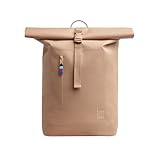
Overview: The ROLLTOP LITE advances GOT BAG’s mission with genuine waterproof protection in a 26-liter driftwood-colored pack. Weighing 2.2 pounds, this model features high-frequency welded seams that maintain dryness inside and out. The detachable 15-inch laptop sleeve offers rare versatility, converting from tech-heavy commuter pack to lightweight hiking bag. The natural driftwood aesthetic stands apart from standard black recycled bags.
What Makes It Stand Out: True submersion-level waterproofing differentiates this from water-repellent competitors. Welded seam construction ensures complete moisture protection while preserving the signature rolltop design. The removable laptop sleeve is a brilliant innovation—detach it for trail use to shed weight, then reattach for office days. This dual-purpose functionality is virtually nonexistent in sustainable packs.
Value for Money: At $149.00, the LITE commands a premium but delivers technical features matching $180+ waterproof packs from Ortlieb and similar brands. The direct ocean plastic sourcing and B Corp certification add ethical value absent in mainstream technical bags. For users facing rainy commutes or outdoor adventures, the waterproofing justifies the $40 increase over the ROLLTOP EASY.
Strengths and Weaknesses: Strengths include exceptional welded-seam waterproofing, verified supply chain transparency, innovative detachable sleeve, and comfortable padding system. The rolltop maintains expandability while ensuring weatherproofing. Weaknesses include higher cost, slightly heavier weight than the EASY model, and reduced 26-liter maximum capacity. The light driftwood color may require more frequent cleaning.
Bottom Line: Outstanding for eco-conscious adventurers and commuters in wet climates who demand performance without compromising values. The ROLLTOP LITE justifies its premium through legitimate waterproofing and ethical manufacturing, serving as a long-term investment for sustainability-minded outdoor enthusiasts.
Understanding the Ocean-Plastic Crisis and Your Travel Footprint
The term “ocean plastic” evokes powerful imagery, but the reality is more complex than beaches littered with water bottles. An estimated 8-12 million metric tons of plastic enter marine ecosystems annually, with much of it sinking to depths we can’t see or fragmenting into microplastics that infiltrate the food chain. Your choice of travel gear creates a ripple effect far beyond your itinerary.
What Exactly Is a Recycled Ocean-Plastic Daypack?
A legitimate ocean-plastic daypack sources its primary materials from plastic waste recovered from marine environments, coastal collection points, or ocean-bound waterways. This includes abandoned fishing nets (ghost nets), plastic bottles collected within 50 kilometers of coastlines, and debris removed during ocean cleanup operations. The plastic is sorted, cleaned, shredded, and extruded into yarn that becomes the fabric of your pack. However, the percentage of ocean-sourced material versus post-consumer recycled plastic matters significantly—look for brands that specify the exact blend rather than using vague “ocean-inspired” language.
The True Environmental Impact of Ocean-Plastic Recovery
Recovering plastic from marine environments does more than clean up beaches. It prevents further breakdown into microplastics, protects marine life from entanglement and ingestion, and provides economic incentives for coastal communities to participate in cleanup efforts. The carbon footprint of collecting and processing ocean plastic is often higher than virgin plastic due to logistics, but the net environmental benefit—when accounting for ecosystem protection and reduced future pollution—makes it a compelling choice for travelers who prioritize planetary health over convenience.
Key Features That Define a Premium Ocean-Plastic Daypack
The market’s best ocean-plastic daypacks share common DNA that separates them from greenwashed imposters. Understanding these features helps you distinguish between a pack that merely carries the aesthetic of sustainability and one that embodies it.
Material Composition: Beyond the Marketing Hype
High-quality ocean-plastic daypacks typically use rPET (recycled polyethylene terephthalate) derived from ocean-bound bottles, woven into durable fabrics ranging from 300 to 600 denier. The gold standard includes a percentage of nylon from recovered fishing nets, which offers superior abrasion resistance. Pay attention to the fabric’s GRS (Global Recycled Standard) certification percentage—premium packs in 2026 should contain at least 70% certified recycled content, with the ocean-plastic portion clearly itemized. Some cutting-edge manufacturers are incorporating ocean-harvested polypropylene from rope and buoys, creating hybrid fabrics with unique performance characteristics.
Fabric Weave and Denier: Decoding Durability
Denier isn’t everything, but it’s a crucial starting point. For daypacks, 420D ocean-plastic ripstop strikes the ideal balance between weight and durability for most travelers. The weave pattern matters as much as the denier—tight, high-thread-count weaves with ripstop grids resist tearing and abrasion better than loosely woven fabrics, even at higher deniers. For adventure travelers who subject packs to rock scrapes and bushwhacking, look for reinforced panels in high-wear areas using 600D or higher, even if the main body uses lighter material to save weight.
Hardware and Zippers: The Devil’s in the Details
A daypack’s weakest links are often its buckles and zippers. Premium ocean-plastic packs in 2026 increasingly feature hardware made from recycled ocean plastic or recycled aluminum. YKK Natulon zippers, made from recycled PET, have become the industry benchmark for smooth operation and longevity. Buckles from brands like Duraflex or Woojin Plastic that specifically use marine-recovered materials signal a manufacturer’s commitment to comprehensive sustainability rather than fabric-deep green marketing.
Capacity and Organization: Finding Your Perfect Fit
The perfect daypack capacity depends entirely on your travel DNA. A pack that’s ideal for a minimalist urban explorer becomes frustratingly inadequate for a parent traveling with kids or a photographer hauling gear.
Volume Considerations for Different Travel Styles
Daypacks typically range from 15 to 30 liters. For 2026’s eco-conscious travelers, 18-22 liters represents the sweet spot for versatility—spacious enough for a laptop, water bottle, light jacket, and lunch, yet compact enough for museum visits and crowded markets. Ultralight minimalists can thrive with 15 liters, while gear-intensive adventurers should target 25-30 liters. Remember that ocean-plastic fabrics don’t yet match virgin nylon for weight-to-strength ratios, so expect a premium pack to weigh 10-15% more than its conventional equivalent at the same capacity.
Compartment Design for Digital Nomads and Adventure Seekers
Modern ocean-plastic daypacks must balance clean aesthetics with functional organization. Look for clamshell-opening main compartments for easy packing, dedicated padded laptop sleeves that suspend devices above the pack’s bottom, and external water bottle pockets that actually accommodate 1-liter bottles. Hidden RFID-blocking pockets made from recycled materials protect digital security, while external daisy chains and gear loops—constructed from ocean-plastic webbing—add modularity without compromising sustainability. The best designs integrate organization seamlessly rather than adding weight with excessive pockets.
Comfort and Ergonomics: All-Day Wearability
A sustainable pack that hurts to wear ends up in the back of your closet—defeating its entire environmental purpose. Comfort engineering in ocean-plastic daypacks has evolved dramatically, with manufacturers solving unique challenges posed by recycled materials.
Suspension Systems and Back Panel Ventilation
Ocean-plastic fabrics traditionally lacked the pliability of virgin materials, but 2026’s top packs use strategic paneling and advanced weaving to create airflow channels. Look for injection-molded back panels using recycled materials that create space between your back and the pack, or tensioned mesh systems that suspend the pack away from your body. The best designs use ocean-plastic-derived foams for padding, maintaining sustainability throughout the suspension system rather than defaulting to virgin EVA foam.
Strap Design and Load Distribution
Shoulder straps should feature multi-layer construction with ocean-plastic face fabric, recycled foam padding, and breathable mesh against your body. Sternum straps with elasticized sections improve load stability and breathing, while removable waist belts on larger daypacks transfer weight to your hips during extended wear. The strap attachment points—often overlooked—should be bar-tacked with high-tenacity recycled thread, as this is where most packs fail under load.
Weather Resistance and Protection
Ocean environments are unforgiving, and gear designed from marine waste should inherently understand moisture management. But water resistance in sustainable packs requires careful scrutiny of treatments and construction methods.
Water-Repellent Coatings: Eco-Friendly Options
Traditional DWR (durable water repellent) coatings contain PFAS chemicals that persist in the environment—the very problem ocean-plastic recovery aims to solve. Leading ocean-plastic daypacks now use C0 DWR finishes derived from plant-based sources or siliconized treatments that are PFAS-free but still bead water effectively. These eco-DWR treatments require more frequent reapplication, but that’s a small trade-off for avoiding forever chemicals. Some manufacturers are experimenting with naturally hydrophobic ocean-plastic blends that resist water without any coating.
Built-In Rain Covers and Sealed Seams
For travelers in unpredictable climates, integrated rain covers made from recycled materials offer peace of mind. Better yet, some 2026 packs feature seam-sealed main compartments using recycled TPU tape, creating genuinely water-resistant protection for electronics without a separate cover. The rain cover’s storage pocket should be discreet and accessible, not an afterthought that disrupts the pack’s clean lines.
Authentication and Certifications: Avoiding Greenwashing
The ocean-plastic space attracts opportunistic marketing as aggressively as it attracts legitimate innovators. Learning to read the sustainability receipts separates authentic impact from feel-good fiction.
Third-Party Verifications to Trust
GRS certification is the baseline—insist on it. For ocean-specific claims, look for Oceanworks Guaranteed certification, which verifies the plastic was recovered from marine environments or ocean-bound sources. B Corp certification indicates holistic environmental and social responsibility beyond just materials. The Ocean Bound Plastic certification by Zero Plastic Oceans ensures collection within 50km of coastlines. Be wary of vague “ocean-friendly” claims without specific third-party backing.
Supply Chain Transparency
Authentic brands publish supply chain maps showing exactly where their ocean plastic is collected, processed, and manufactured. Some include QR codes on packs that link to batch-specific impact reports detailing the amount of plastic recovered, carbon footprint, and community impact. This level of transparency costs more but represents the future of ethical manufacturing. If a company can’t tell you which coastline contributed to your pack, they’re likely buying generic recycled plastic and riding the ocean-plastic trend.
Price vs. Value: Investing in Sustainable Gear
Ocean-plastic daypacks command premium prices, but understanding what drives those costs helps you recognize genuine value versus marketing inflation.
Understanding the True Cost of Ocean-Plastic Products
Collecting ocean plastic is labor-intensive and logistically complex. Coastal cleanup operations, manual sorting, and specialized cleaning processes add 20-40% to material costs compared to virgin plastic. Add fair wages for recovery workers, third-party certifications, and smaller production runs, and you have a product that simply costs more to make. Expect to pay $120-180 for a premium 20-liter ocean-plastic daypack—anything significantly cheaper either cuts corners on ethics or durability, while prices above $200 should include exceptional features or lifetime warranties.
Longevity and Warranty Considerations
A pack that lasts a decade has a lower annual environmental cost than replacing a cheap pack every two years. Premium ocean-plastic daypacks should carry warranties of at least 3-5 years, with some brands offering lifetime repairs. Check warranty terms carefully—does it cover normal wear, or only manufacturing defects? The best programs include free repairs for any damage, recognizing that extending product life is the ultimate sustainability strategy.
Care and Maintenance: Extending Your Pack’s Life
Ocean-plastic fabrics have different care requirements than virgin materials. Proper maintenance dramatically extends lifespan and maintains performance.
Cleaning Techniques for Recycled Materials
Avoid harsh detergents that can strip eco-DWR coatings and weaken recycled fibers. Use mild, biodegradable soap and cool water, scrubbing gently with a soft brush. Never put ocean-plastic packs in a washing machine—the agitation stresses recycled fibers more aggressively than virgin materials. For saltwater exposure (ironic given the source), rinse thoroughly with fresh water to prevent crystallization that can abrade fabric from the inside out. Air dry away from direct sunlight, which can degrade recycled materials faster than virgin fabrics.
Repairability and End-of-Life Programs
The most sustainable pack is one you can repair. Look for external daisy chains and standard-width webbing that local cobblers can replace, zippers with removable pulls, and brands that sell replacement buckles and straps. Some manufacturers offer take-back programs where worn-out packs are disassembled, with usable parts harvested for repairs and remaining materials recycled into new production—creating a true closed-loop system. Ask about these programs before buying; they indicate a brand’s commitment to circular design.
The Future of Ocean-Plastic Gear: 2026 Trends
The ocean-plastic revolution is accelerating, with several emerging trends reshaping what eco-conscious travelers can expect. Chemical recycling technologies are enabling the conversion of mixed ocean plastics into high-performance materials indistinguishable from virgin nylon. We’re seeing the rise of “ocean-positive” products that remove more plastic from the environment than they use in manufacturing. Modular designs that allow you to replace individual components rather than entire packs are gaining traction. Perhaps most exciting is the integration of blockchain-based tracking, letting you trace every gram of ocean plastic in your pack back to its recovery location with immutable proof.
Frequently Asked Questions
How much ocean plastic is actually in these daypacks, and how can I verify the claim?
Most premium packs contain 70-90% recycled content, with 40-60% specifically from ocean-bound or marine sources. Verify claims by checking for Oceanworks Guaranteed or Zero Plastic Oceans certification, and look for brands that publish specific material breakdowns rather than vague percentages. Some manufacturers now include QR codes linking to batch-specific impact data.
Do ocean-plastic daypacks last as long as traditional nylon packs?
When properly constructed, yes. High-quality ocean-plastic fabrics match virgin nylon for abrasion resistance and tear strength, though they may be slightly heavier. The key is construction quality—reinforced stress points, premium zippers, and proper seam allowances matter more than material origin. Expect 5-10 years of regular use from a premium ocean-plastic pack with proper care.
Why are ocean-plastic daypacks more expensive than regular recycled packs?
Ocean plastic requires specialized collection, sorting, and cleaning processes that add 20-40% to material costs. Coastal recovery operations pay fair wages to cleanup crews, and logistics from remote beaches are expensive. Certifications and smaller production runs further increase costs. You’re paying for authentic environmental impact, not just recycled content.
Can I recycle my ocean-plastic daypack at the end of its life?
Most ocean-plastic packs are technically recyclable, but municipal recycling programs rarely accept them due to mixed materials (fabric, foam, metal zippers). The best option is manufacturer take-back programs that disassemble packs and properly recycle components. If that’s unavailable, remove metal hardware and recycle the fabric through textile recycling programs like TerraCycle.
What’s the difference between “ocean-bound” and “ocean-recovered” plastic?
Ocean-bound plastic is collected within 50 kilometers of coastlines before it enters the ocean, while ocean-recovered plastic is removed directly from marine environments. Both are valuable, but ocean-recovered plastic is more expensive and environmentally impactful since it addresses existing pollution. Many brands use a mix of both; transparency about the ratio is a sign of authenticity.
How do I maintain the water resistance of my ocean-plastic pack?
Reapply eco-friendly DWR spray every 6-12 months depending on use. Clean with mild soap and cool water, as dirt and oils compromise water repellency. Avoid machine washing and fabric softeners. For packs with seam sealing, check tape adhesion annually and repair any lifting with specialized seam tape to maintain waterproof integrity.
Are there any performance trade-offs with ocean-plastic materials?
Early ocean-plastic fabrics were stiffer and less colorfast than virgin materials, but 2026’s materials have largely closed the gap. The main trade-off is weight—ocean-plastic packs are typically 10-15% heavier than ultralight virgin nylon packs of equivalent capacity. They also require gentler care to maximize lifespan. Performance in abrasion and tear resistance now equals or exceeds virgin materials in premium products.
How can I spot greenwashing in ocean-plastic marketing?
Beware of vague terms like “ocean-inspired” or “marine-friendly” without specific certifications. If a brand doesn’t disclose the exact percentage of ocean plastic or name their certifying body, be skeptical. Check if the company only uses ocean plastic in visible exterior panels while using virgin materials elsewhere. True commitment means comprehensive use throughout the product.
What’s the carbon footprint comparison between ocean-plastic and virgin-material packs?
Ocean-plastic collection and processing typically creates 20-30% higher carbon emissions than virgin plastic production due to logistics and cleaning. However, lifecycle analyses show net environmental benefits when accounting for avoided ecosystem damage, reduced future microplastic pollution, and social benefits to coastal communities. The true impact is measured in ocean health, not just carbon grams.
Will ocean-plastic daypacks become more affordable as the market grows?
Prices should decrease 10-15% by 2027 as collection infrastructure scales and chemical recycling reduces processing costs. However, they’ll likely remain 20-30% more expensive than virgin-material packs because ethical collection and certification will always cost more. The goal isn’t price parity with unsustainable products—it’s creating a market where environmental impact is properly valued.'