There’s a moment every backcountry traveler dreads—the snap of a twig at 2 a.m., the huff of something large moving through camp, the realization that your food supply isn’t as secure as you thought. On a seven-day wilderness expedition, your food cache isn’t just sustenance; it’s your lifeline. And in bear country, it’s also a potential invitation to a dangerous encounter. The difference between a transformative journey and a catastrophic one often comes down to a single piece of gear: your bear-proof food container.
Week-long trips present unique challenges that weekend warriors never face. You’re not just storing a couple days of trail mix and energy bars—you’re protecting a complex resupply strategy involving dehydrated meals, fresh foods, cooking oils, and scented toiletries that collectively tell a compelling olfactory story to every bear within miles. This guide dismantles the complexities of multi-day food protection, separating marketing hype from life-saving engineering while helping you make informed decisions that protect both wildlife and your wilderness investment.
Top 10 Bear-Proof Food Containers for 7-Day Backpacking
Detailed Product Reviews
1. BearVault BV500 Journey Bear Resistant Food Container - Extra Large
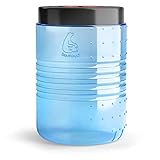
Overview: The BearVault BV500 Journey represents the gold standard in bear-resistant food canisters for serious backpackers. This extra-large container offers an impressive capacity designed for multi-day expeditions lasting a week or longer, making it the preferred choice for thru-hikers and group outings where calorie-dense meal planning is critical.
What Makes It Stand Out: The transparent polycarbonate construction is a game-changer, allowing you to locate items without unpacking everything. Its tool-free lid design operates smoothly even in cold conditions, while the wide opening accommodates larger food items. The BV500 doubles as a convenient camp stool—a practical dual function that saves pack space. Critically, it’s certified by both the IGBC (Grizzly) and SIBBG (Black Bear) testing programs and approved by all national parks requiring canisters.
Value for Money: At $94.95, this is a premium investment, but one that pays dividends across years of reliable use. When amortized over countless trail miles, the cost per day is minimal. Cheaper alternatives exist, but none match the BV500’s proven track record, extensive park approvals, and user-friendly features that reduce frustration in the backcountry.
Strengths and Weaknesses: Pros include exceptional capacity, clear visibility, robust certifications, multi-purpose design, and universal land manager acceptance. The primary drawback is weight and bulk for solo ultralight enthusiasts on shorter trips. The price point may also deter budget-conscious hikers.
Bottom Line: For multi-day adventures in bear country where canisters are mandated, the BV500 is the definitive choice. Its combination of capacity, durability, and thoughtful design justifies the investment for serious outdoor enthusiasts.
2. NO-FED-BEAR UDAP Bear Resistant Canister, Hiking Camping Backpacking Hunting Food Storage Container with Carrying Case, 2 Gallons, BRCWC

Overview: The NO-FED-BEAR canister enters the market with a compelling backstory, designed by bear attack survivor Mark Matheny. This 2-gallon capacity container targets backpackers seeking reliable protection at a moderate weight of 2.4 pounds, complete with a dedicated carrying case for external pack attachment.
What Makes It Stand Out: The survivalist origin lends credibility to its design philosophy, reinforced by an included bear safety tips booklet reviewed by government professionals. The proprietary polymer blend construction promises durability while keeping weight reasonable. The included carrying case offers versatility—strap it externally when pack space is tight or internal capacity is insufficient.
Value for Money: Priced at $64.99, this canister undercuts premium competitors by $20-30 while including accessories others charge extra for. The value proposition strengthens for hikers prioritizing weight savings over maximum capacity. However, the “tested by experts including bears” claim lacks the specific IGBC/SIBBG certification clarity that park regulations often require.
Strengths and Weaknesses: Pros include competitive pricing, included carrying case, survivor-designed credibility, and lighter weight. The 500 cubic inch capacity suits 3-5 day trips but falls short for longer expeditions. The ambiguous certification status could create issues with rangers in some jurisdictions. Documentation is less comprehensive than market leaders.
Bottom Line: A solid mid-range option for weekend warriors and section hikers comfortable verifying local regulations. Verify certification acceptance before purchasing for specific park systems.
3. Backpackers’ Cache - Bear Proof Container

Overview: The Backpackers’ Cache Bear Proof Container occupies a curious middle ground in the bear canister market. With minimal marketing description, this product appears to offer standard hard-sided protection without the feature-rich positioning of competitors, relying instead on fundamental functionality.
What Makes It Stand Out: Frankly, little distinguishes this canister based on the provided information. Its primary selling point seems to be simplicity—offering basic, no-frills protection that “discourages bears from raiding campsites.” This minimalist approach may appeal to purists overwhelmed by feature-heavy alternatives.
Value for Money: At $87.95, it sits between budget and premium options without clear justification. Without specified weight, capacity, certification details, or unique features, assessing value becomes speculative. Competitors at this price point typically offer transparent construction, tool-free lids, or verified testing credentials. The lack of information forces buyers to accept uncertainty.
Strengths and Weaknesses: Pros include presumed reliability as a hard-sided container and potentially straightforward operation. The overwhelming cons include unspecified specifications, unknown certifications (critical for legal compliance), ambiguous capacity, and no stated weight. The vague description raises questions about manufacturer transparency and long-term product evolution.
Bottom Line: Difficult to recommend without further research. Serious backpackers must demand clarification on IGBC/SIBBG certification, exact dimensions, and weight before considering this canister. Opt for better-documented alternatives unless this specific model is mandated by your destination.
4. JIUSAIRUI Odor Proof Bear Bags for Food Backpacking: 3Pack Reusable Bear Proof Food Storage Designed to Use with Bear Canister for Backpacking fit Camping Hiking Water Sports

Overview: The JIUSAIRUI Odor Proof Bear Bags represent a fundamentally different approach to wildlife deterrents. These flexible, ultra-lightweight bags prioritize scent containment over physical resistance, specifically targeting ultralight backpackers in areas where hanging is permitted but canisters aren’t mandatory.
What Makes It Stand Out: The three-pack offers remarkable versatility at negligible weight, featuring double-seal closures claimed waterproof to 200 feet. Their reusability and multi-use potential for toiletries or trash extend value beyond food storage. At essentially $3 per bag, they’re among the most affordable wildlife deterrent options available.
Value for Money: Exceptional value at $8.99 for three bags. However, this value exists in a specific context: as a supplement to proper bear-resistant storage, not a replacement. Where canisters are legally required, these provide zero compliance value. For hang-friendly areas, they enhance protection by reducing scent signatures.
Strengths and Weaknesses: Pros include incredible weight savings, waterproofing, reusability, and cost-effectiveness. The critical weakness is the marketing’s dangerous implication of being a “bear proof” alternative to canisters. No soft bag withstands determined bear investigation. They’re also technique-dependent—improper hanging negates any scent-proof benefit.
Bottom Line: Use these exclusively as a scent-reduction layer within a proper canister or only in jurisdictions where hanging is legally sufficient. You should never substitute these for approved hard-sided canisters where regulations mandate them. A smart supplement, but a dangerous primary defense.
5. Tough Bison Bear Bag Hanging Kit - 10L Waterproof Bear Proof Food Storage Bag, 2 Straps, Rock Sack & 2 Ropes with 4 Safety Clips for Hiking, Kayaking, Camping, Outdoor Adventures

Overview: The Tough Bison Bear Bag Hanging Kit provides a complete system for suspendable food storage, combining a 10-liter waterproof bag with hanging hardware including straps, ropes, and safety clips. This all-in-one solution specifically targets campers in areas where counterbalancing or bear-bagging remains legally acceptable.
What Makes It Stand Out: The integrated kit eliminates the guesswork of assembling components separately. The waterproof construction protects against rain and river crossings, while the 10-liter capacity suits long weekends. The included rock sack and multiple attachment points demonstrate thoughtful design for efficient hangs.
Value for Money: At $21.99, it’s an affordable entry point into hanging systems. Comparable to purchasing components individually but with added convenience. However, the value proposition assumes the user possesses the skill and environmental conditions (appropriate trees) to execute proper hangs—factors outside the product’s control.
Strengths and Weaknesses: Pros include completeness, waterproofing, versatility as a dry bag, and lightweight design. Significant cons include the inherent limitations of hanging techniques: many bears learn to defeat hangs, suitable trees are scarce above treeline, and improper technique is common. Not approved where canisters are mandatory. Provides no protection if a bear reaches the bag.
Bottom Line: This kit is suitable only for experienced hikers in areas where hanging is legally permitted and actually effective. Supplement with odor-proof liners and perfect your technique. For most bear country travel, invest in a certified canister instead. This system fills a narrow, shrinking niche.
6. TAINESS Odor Proof Storage Bags Reusable Bear Bags for Food Backpacking No-Odor Zipper Barrier Bags Fit Home Organization, Food Storage,Freezer Safe (5p-8.5x10in)

Overview: The TAINESS Odor Proof Storage Bags offer a simple, reusable solution for keeping food smells contained during backpacking trips or home storage. This set includes five 8.5x10-inch bags made from food-grade PEVA material, designed to provide an airtight, leak-proof barrier for your provisions. Unlike single-use plastic bags, these can be cleaned and reused multiple times, making them an eco-friendly choice for environmentally conscious outdoor enthusiasts.
What Makes It Stand Out: These bags feature a specialized zipper barrier system that effectively locks in odors, preventing wildlife from detecting your food stash. The freezer-safe design extends their utility beyond the trail, allowing you to use them for meal prep and long-term food storage at home. The PEVA construction is tear-resistant and durable enough for repeated use, while remaining lightweight enough for backpacking. Their compact size makes them ideal for portioning out single meals or storing snacks.
Value for Money: At $9.49 for a five-pack ($1.90 per bag), these represent solid mid-range value. They’re significantly more affordable than hard-sided bear canisters and cost less per use than disposable freezer bags over time. While not a complete bear-proof solution on their own, they provide excellent odor protection as part of a comprehensive food storage system. The multi-purpose design maximizes your investment for both outdoor and kitchen use.
Strengths and Weaknesses: Strengths include food-grade safety, true reusability, effective odor containment, freezer compatibility, and versatile sizing for organization. The compact dimensions work well for short trips or supplementing larger systems. Weaknesses involve the zipper mechanism, which may eventually wear out with heavy use, and the smaller capacity that won’t suffice for multi-day solo trips. They’re also not puncture-proof against sharp objects in your pack.
Bottom Line: These TAINESS bags are a practical addition to any backpacker’s kit, particularly for weekend warriors and those who value dual-purpose gear. Use them as odor-proof liners within your existing food storage system or for organizing meals in bear canisters. While not a standalone solution in bear country, they deliver reliable scent control and everyday utility that justifies the modest investment.
7. 10 Pack Bear Canister for Backpacking, Reusable Odor Proof Bear Bags Waterproof to Use with Bear Canister for Backpacking fit Camping Hiking Home Organization Water Sports

Overview: This comprehensive ten-pack provides versatile odor-proof storage with two different bag sizes for various backpacking needs. The set includes five 9.1x6.7-inch and five 11.1x10.6-inch bags, all featuring triple-track seals and specialized odor-blocking technology. Made from high-strength, food-grade PEVA material, these bags are completely waterproof and designed to withstand harsh outdoor conditions while keeping wildlife at bay.
What Makes It Stand Out: The dual-size offering provides flexibility for storing everything from single meals to bulkier items like clothing or toiletries. The triple-track seal creates a more reliable barrier than standard zip closures, while the specialized odor-proofing technology actively neutralizes scents rather than just containing them. Each bag weighs under 50 grams and folds down to palm-size, making them exceptionally packable for weight-conscious backpackers. The waterproof construction protects contents from river crossings and rain.
Value for Money: At $9.99 for ten bags ($1.00 each), this represents exceptional value—one of the most economical odor-proof solutions available. The per-bag cost is lower than most competitors, and the two-size variety eliminates the need to purchase separate sets. For group trips or extended expeditions requiring multiple bags, this bulk pack offers significant savings over buying individual bags or expensive hard-sided canisters.
Strengths and Weaknesses: Strengths include the unbeatable price point, dual-size versatility, true waterproofing, ultra-lightweight design, and effective triple-track seals. The ten-bag quantity supports complex organization systems. Weaknesses involve PEVA’s limited puncture resistance compared to heavier fabrics, and the lack of a hanging system means you’ll need separate rope and carabiners. The thin material requires careful handling to avoid tears from sharp food packaging.
Bottom Line: This ten-pack delivers outstanding value for backpackers seeking reliable odor control on a budget. The waterproof feature and size variety make them suitable for diverse applications beyond food storage. While they require careful handling and supplemental hanging gear, the performance-to-price ratio is hard to beat. Ideal for beginners, group trips, or as backup odor-proof liners in your existing system.
8. keepxaus Bear Bag Hanging Kit, 10L Waterproof Bear Bags for Food Backpacking Camping, Ultralight Bear Proof Canister Gear for Food Storage with Survival Nylon Ropes, Clips, Rock Pouch, Pulley System

Overview: The keepxaus kit provides a complete bear bag hanging solution in one package, eliminating the need to source components separately. This system includes a 10L waterproof bear bag made from 210T polyester, two 10-meter nylon ropes, two climbing clips with spiral locks, and a rock pouch for easy throwing. The integrated pulley system reduces the physical effort required to hoist heavy food loads into trees, making it practical for solo backpackers.
What Makes It Stand Out: This is a true all-in-one system with thoughtful engineering. The 2-to-1 pulley mechanism mechanically advantages your lifting force, crucial when hanging multiple days’ worth of food. The detachable shoulder strap converts the bag for easy carrying to and from camp. The self-adhesive rock pouch prevents stones from falling during throws, a common frustration with DIY systems. The 210T polyester material effectively contains odors while remaining durable enough for repeated use.
Value for Money: At $17.99, this kit offers excellent value compared to purchasing a quality bag, ropes, carabiners, and pulley hardware separately. Similar component-based systems often exceed $25-30. The included 3-year warranty demonstrates manufacturer confidence and protects your investment. For backpackers wanting a proven, ready-to-use solution without the research and assembly hassle, the premium over basic bags is justified.
Strengths and Weaknesses: Strengths include the complete package design, labor-saving pulley system, durable 210T polyester construction, thoughtful accessories like the rock pouch, and robust warranty coverage. The 10L capacity suits multi-day trips. Weaknesses involve slightly more weight than ultralight alternatives, and the fixed components mean you can’t customize rope lengths. The pulley system adds complexity that some minimalist hikers may prefer to avoid.
Bottom Line: The keepxaus kit is ideal for backpackers who want a reliable, ready-to-deploy hanging system without DIY guesswork. The pulley mechanism and quality components justify the moderate price premium over basic bags. While not the absolute lightest option, it strikes an excellent balance between functionality, durability, and convenience. Perfect for those prioritizing ease of use and comprehensive odor protection in bear country.
9. AOLEBA Ultralight Bear Bag Kit - 10L Bear Proof Food Storage for Backpacking & Camping, Includes Reflective Paracord Rope, Survival Gear for Outdoor Adventures

Overview: The AOLEBA kit delivers a complete bear bag hanging system at a budget-friendly price point. This 10L storage solution features a dual-layer construction with 600D Oxford cloth exterior and food-grade PEVA waterproof lining. The package includes two shoulder straps for backpack-style carrying, a rock throwing bag, two heavy-duty D-hooks, and two 32-foot reflective paracord ropes in high-visibility colors. The 2-to-1 pulley system reduces lifting effort by half.
What Makes It Stand Out: The reflective paracord is a standout safety feature, making the hanging system visible at night and preventing accidental entanglement. The dual-layer construction balances durability and odor containment, while the backpack straps provide comfortable transport to hanging sites. At under $9, it’s one of the most affordable complete kits available. The bright orange and fluorescent green ropes help locate your food in low-light conditions—a practical detail many premium kits overlook.
Value for Money: At $8.99, this kit offers remarkable value, undercutting most competitors by 40-60%. You receive a complete hanging system including bag, ropes, hardware, and pulley mechanism for less than the cost of many standalone bags. While material quality reflects the price point, the included components and functional design make it an unbeatable entry-level option for beginners testing bear bagging techniques without significant financial commitment.
Strengths and Weaknesses: Strengths include the incredibly low price, complete kit contents, reflective safety ropes, backpack carry straps, and functional pulley system. The 10L capacity handles multi-day food supplies. Weaknesses involve the 600D Oxford cloth being heavier than ultralight alternatives, potential quality control issues at this price, and PEVA lining being less durable than integrated waterproof fabrics. The hardware may not match premium carabiner strength.
Bottom Line: The AOLEBA kit is perfect for cost-conscious backpackers, beginners, or as a backup system. While it sacrifices some durability and weight savings compared to premium options, it delivers all essential functionality at an accessible price. The reflective ropes add valuable safety. If you’re new to bear bagging or need an economical solution for occasional use, this kit provides exceptional bang for your buck. Consider upgrading hardware for extended expeditions.
10. JIUSAIRUI 7.8Oz Ultralight Bear Bag Hanging Kit: 30D Waterproof Bear Proof Food Storage for Backpacking and Camping Alternative to Bear Canister (10L)

Overview: The JIUSAIRUI kit targets ultralight backpackers with a complete system weighing just 7.8 ounces. The 10L bag uses double-layered 30D silicone-coated nylon for exceptional weight savings while maintaining odor-blocking and water-resistant properties. The kit includes two 10-meter ropes, two carabiners, a stone bag, and a clear instruction manual. When packed, the entire system compresses to half-palm size, easily attaching to your pack with the included carabiners.
What Makes It Stand Out: The 30D nylon with silicone coating represents premium ultralight materials typically found in high-end gear. This construction provides excellent odor containment while remaining highly packable. The sub-8-ounce total weight rivals many standalone bags without hardware. The included instruction manual helps beginners master proper hanging technique quickly. The abrasion-resistant coating withstands tree bark and branch friction better than standard nylon at this weight class.
Value for Money: Priced at $15.99, this kit occupies the middle ground between budget and premium ultralight options. While more expensive than basic kits, it offers genuine weight savings that justify the cost for ounce-counting backpackers. Comparable ultralight systems often exceed $20-25. The no-questions-asked warranty adds value and reduces risk. For those prioritizing weight reduction without sacrificing functionality, the price premium is reasonable.
Strengths and Weaknesses: Strengths include exceptional lightweight design, premium 30D silicone-coated nylon, compact packability, complete component set, and strong warranty support. The odor-blocking performance is excellent for the weight. Weaknesses involve the thin material requiring careful handling to avoid punctures, and the minimalist hardware may not suit heavy loads. The 30D fabric, while surprisingly durable, lacks the robust feel of heavier materials.
Bottom Line: The JIUSAIRUI kit is ideal for ultralight backpackers and thru-hikers who scrutinize every ounce. It delivers professional-grade materials and complete functionality at a competitive weight. While requiring more careful handling than heavier systems, the performance-to-weight ratio is outstanding. If your priority is minimizing pack weight while maintaining reliable bear-proof storage, this kit deserves serious consideration. The warranty mitigates concerns about the ultralight construction.
Why Bear-Proofing is Non-Negotiable for Week-Long Wilderness Trips
Seven days in the backcountry means you’re essentially operating a mobile pantry. Unlike shorter excursions where you might risk a simple hang, extended trips amplify every mistake exponentially. A single food reward for a bear doesn’t just endanger your trip—it creates a pattern. Bears possess extraordinary memory, and a food-conditioned bear is a dead bear walking. Your responsibility extends beyond personal safety to the entire ecosystem’s health.
The mathematics are sobering: a 7-day food supply for one hiker typically weighs 12-15 pounds and occupies 4,000-5,000 cubic inches. This volume attracts not just black bears but increasingly common grizzlies in shared territories. A compromised storage system doesn’t mean losing lunch; it means evacuating early, potentially starving, or facing a dangerous wildlife confrontation. The container you choose becomes your trip’s insurance policy.
Decoding Bear Behavior: What Really Attracts Them
The Olfactory Superpower
Bears don’t just smell food—they construct detailed mental maps of caloric density. A black bear’s sense of smell is 2,100 times more powerful than a human’s, capable of detecting a food source three miles away. On week-long trips, you’re not just storing obvious items like jerky and chocolate. The sunscreen on your hands, the toothpaste residue in your spit, the fuel fumes on your pack—all create a scent signature that bears can follow like a highway.
Hyperphagia and Seasonal Urgency
During late summer and fall, bears enter hyperphagia, consuming 20,000+ calories daily to prepare for hibernation. Your meticulously planned 7-day menu represents a jackpot worth days of foraging. Spring bears emerge from dens metabolically desperate, while mothers with cubs are unpredictably aggressive. Understanding these cycles isn’t academic—it’s crucial for selecting containers that perform when bears are most motivated.
The Certification Maze: IGBC, SIBBG, and What They Actually Mean
Interagency Grizzly Bear Committee Standards
The IGBC certification isn’t a suggestion—it’s a torture test. Containers undergo assault by captive grizzlies for 60 minutes. If the bear breaches it (creates a hole larger than 1 inch or removes more than 10% of food contents), it fails. The rigorous protocol means certified containers have withstood forces exceeding 1,000 PSI of bite pressure. However, certification is species-specific; IGBC-approved doesn’t always mean black bear-proof in practical field conditions.
Sierra Interagency Black Bear Group Testing
SIBBG focuses on black bear behavior, which differs significantly from grizzlies. Black bears are more dexterous, capable of manipulating latches and exploiting design weaknesses. A container passing SIBBG testing ensures protection against the most common backcountry culprit. For 7-day trips in California’s Sierra Nevada, this certification is mandatory legal compliance, not optional gear selection.
Calculating Capacity: How Much Space Do You Really Need?
Volume vs. Weight Paradox
Most backpackers fixate on weight but underestimate volume. A bear canister’s capacity is measured in cubic inches or liters, but your food’s packed volume differs drastically from its loose volume. Dehydrated meals compress remarkably, while fresh foods like cheese and tortillas create dead space. For seven days, plan on 600-700 cubic inches per person per day as a baseline, then add 20% for inefficient packing.
Food Type Compression Strategies
Your menu architecture directly impacts container efficiency. Powdered foods like protein mixes and dehydrated vegetables pack into corners. Hard containers like spice bottles waste space. Repackage everything into flexible bags, vacuum-sealing when possible. For week-long trips, consider a two-container system: one for Days 1-4 (accessed frequently) and another for Days 5-7 (sealed and cached).
The Weight Penalty: Balancing Protection with Packability
Grams Per Day Metrics
The ultralight community rightfully scrutinizes every ounce, but bear canisters present a unique conundrum. Quality containers weigh 2-3 pounds empty, adding roughly 0.4 pounds per day of food protected. On a 7-day trip, this penalty becomes less significant when amortized across your total food weight. The real weight consideration isn’t the container—it’s the inefficient packing that forces you to carry a larger, heavier canister than necessary.
Ultralight Strategies for Extended Trips
For obsessively weight-conscious hikers, consider a hybrid approach: hard-sided canister for high-odor foods (meats, cheeses, cooked items) and an Ursack Major (bear-resistant bag) for low-odor items like dehydrated vegetables and pasta. This splits weight and volume while maintaining protection where it matters most. However, check local regulations—many areas mandate hard-sided containers exclusively.
Hard-Sided Containers: The Gold Standard Explained
Polymer Construction and Impact Resistance
Modern bear canisters utilize polycarbonate blends or specialized polypropylene copolymers. These materials exhibit both rigidity (preventing bears from crushing) and ductility (absorbing impact without shattering). The wall thickness—typically 0.3-0.5 inches—creates a weight-bearing structure that distributes claw and bite forces across the entire surface. Look for seamless construction; welded joints are failure points.
Metal Variants and Thermal Conductivity
Aluminum canisters offer superior penetration resistance but conduct cold, potentially freezing food contents at high altitudes. They also dent permanently, compromising structural integrity. Polymer containers may deform but often return to shape, maintaining their protective envelope. For 7-day alpine trips where temperatures drop below freezing, polymer’s insulating properties become a functional advantage beyond bear protection.
Soft-Sided Alternatives: When Flexibility Matters
Woven Kevlar and UHMWPE Fabrics
Ursack and similar products use ultra-high-molecular-weight polyethylene (UHMWPE) or Kevlar blends rated to 2,500+ pounds of tear strength. Bears can crush contents but cannot tear the fabric. The limitation? Bears can still slobber on your food, contaminating it with saliva and bacteria. For week-long trips, this means packing food in waterproof, odor-proof bags inside the Ursack—a redundancy that adds complexity.
Regulatory Limitations and Proper Usage
Critical misunderstanding: Ursacks are not universally legal. Yosemite, Sequoia, and many Rocky Mountain parks prohibit them outright. Where permitted, they require specific tying techniques to trees using knots that bears cannot untie. The learning curve is steep, and failure modes include improper tying, tree branch failure, and bear persistence crushing contents. For 7-day trips, the risk of food loss through contamination often outweighs the weight savings.
Material Science: Polymers, Composites, and Bear-Resistant Engineering
Stress Distribution and Failure Modes
When a bear bites down, force concentrates at the contact point. Quality containers feature rounded geometries that distribute this stress. Sharp corners create stress risers where cracks propagate. The material’s modulus of elasticity determines whether it flexes or fractures under load. Premium containers use glass-filled polymers that increase stiffness without adding significant weight, preventing the catastrophic failure that occurs when bears create leverage points.
UV Degradation and Longevity
Polymers exposed to high-altitude UV radiation degrade over time, becoming brittle. Quality containers include UV inhibitors that extend usable life to 10+ years. However, hairline cracks from drops on rocks create micro-failure points. Inspect your container before each trip by flexing it slightly and listening for cracking sounds. A compromised container on day one of a seven-day trip is a trip-ending liability.
Locking Mechanisms: Screw Tops, Latches, and Bear-Defeating Designs
Threaded Lid Systems
The classic screw-top design works because bears lack opposable thumbs and cannot generate the coordinated rotational force needed. However, cross-threading in cold weather or with gloved hands creates a sealed container you cannot open. Look for lids with aggressive thread pitch (fewer rotations to seal) and tactile indicators confirming proper engagement. Some designs incorporate backup locking tabs that require simultaneous depression and rotation—simple for humans, impossible for paws.
Latch-Based Systems and Dexterity Exploits
Some newer models use multiple latches requiring simultaneous operation. Black bears have learned to defeat single-latch systems by batting the container until it pops open. The best designs require two hands or a specific sequence of motions. Test this yourself: can you open it with mittens? If yes, a determined bear might figure it out. The sweet spot is complexity that frustrates bears without frustrating cold, tired hikers.
Odor Management: Beyond the Container Itself
Pre-Trip Preparation Protocols
Odor-proof bags inside your canister are not optional—they’re essential. Use OPSAK or similar FDA-approved barrier bags that block scent molecules. Pre-pack all food at home, then wipe down the exterior with isopropyl alcohol. Store your canister in a separate room from where you pack. The night before your trip, place the sealed canister outside. These steps prevent ambient odors from contaminating the container’s exterior.
In-Field Scent Hygiene
Never cook near your sleeping area. Establish a 200-foot triangle: cooking area, storage area, sleeping area. After meals, change clothes and store cooking clothes with your canister. Use unscented sunscreen and insect repellent. The toothpaste you spit should be broadcast widely, not concentrated. On 7-day trips, scent accumulates on pack straps, hip belts, and tent floors—wipe these with unscented wipes regularly.
Strategic Packing: Tetris for Backcountry Nutrition
Daily Ration Modules
Pack each day’s food in a labeled quart-sized freezer bag. This serves three purposes: portion control, easy access without digging, and emergency rationing if you lose part of your supply. Place Day 7 at the bottom, Day 1 at the top. For bear canisters, pack dense items first to create a stable base, then wedge softer items into voids. Think of it as creating a solid food brick that doesn’t shift and create scent pockets.
Void Space Elimination
Air is your enemy. It allows scent molecules to circulate and food to shift, creating noise that attracts bears. Use tortilla chips as structural elements, crackers as spacers. Powdered milk fills gaps between bags. Every cubic inch should serve a purpose. For week-long trips, consider repackaging liquids like olive oil into flexible flasks that conform to the container’s shape, eliminating rigid bottle dead space.
Campsite Protocol: Where and How to Store Your Container
The 100-Yard Rule (and Why It’s Sometimes Wrong)
Conventional wisdom says store canisters 100 yards from camp. However, terrain matters more than distance. Place your container in a depression or behind a downed log where a bear cannot roll it away. Avoid cliffs, rivers, and thick brush where retrieval becomes dangerous. In alpine zones above treeline, create a rock cairn around the canister to prevent rolling. The goal is making it inconvenient for bears without making it impossible for you to retrieve at dawn.
Elevation and Airflow Strategies
Bears often patrol along contour lines. Store your canister uphill from common game trails but not on exposed ridges where wind amplifies scent dispersion. The ideal spot is a small bench 50-100 feet above a drainage, with good airflow to dissipate scent but not broadcast it valley-wide. Mark the location with a subtle cairn or GPS waypoint—retrieving a canister in the dark after a bear has moved it is a nightmare scenario.
Group Dynamics: Scaling Systems for Multiple Hikers
Container Distribution Mathematics
For two hikers on a 7-day trip, you face a choice: one massive canister or two standard ones. Two 700-cubic-inch canisters offer redundancy and easier packing than a single 1,400-cubic-inch monster. If one fails or is lost, the trip continues. For three or more hikers, a centralized caching system with one “kitchen” canister accessed by all and personal ration canisters stored separately reduces scent concentration and simplifies camp management.
Color Coding and Ownership Systems
In group scenarios, identical canisters create confusion. Use colored tape or reflective markers to identify ownership. Establish a strict protocol: only the owner opens their canister, preventing multiple people from handling containers and transferring scents. For guided trips, consider a master inventory list laminated and stored with the kitchen canister, enabling quick assessment of supplies without opening containers unnecessarily.
Seasonal Variations: Spring Hyperphagia to Winter Hibernation
Spring Emergence Hunger
Post-hibernation bears have lost 30% of their body weight and possess ravenous desperation. Their metabolism is still sluggish, making them more persistent but less powerful. Container choice matters less than placement—hungry spring bears will investigate anything. In snow conditions, canisters can freeze to the ground, making retrieval difficult. Store them on foam pads or branches to prevent freezing.
Fall Hyperphagia Intensity
Late-season trips face the most determined bears. They’re packing on 3-5 pounds daily and your 7-day food supply represents a significant calorie windfall. During this period, use secondary deterrents: place containers in open areas where bears feel exposed, and consider adding a small amount of unscented silica gel inside to absorb moisture that might amplify scent. Never store containers near berry patches or salmon streams—bears are already concentrated there.
Cleaning and Maintenance: Extending Your Container’s Lifespan
Post-Trip Decontamination
After a 7-day trip, your container harbors more than food residue—it holds memories for bears. Wash with unscented dish soap, then wipe with a diluted bleach solution (1:10 ratio) to denature proteins. Pay special attention to lid threads and sealing surfaces. Store containers with lids OFF to prevent odor accumulation and gasket compression. A sealed, dirty canister in a hot garage becomes a scent bomb that contaminates future trips.
Field Repairs and Inspection
Carry a small tube of food-safe silicone sealant. If you drop your canister and create a hairline crack, a field repair can save your trip. More importantly, inspect the lid’s O-ring seal before each trip. A degraded seal allows scent escape even if the bear can’t open the container. Replace O-rings annually or when you notice compression set. The $2 O-ring protects your $80 container and $200 food investment.
Critical Errors: What NOT to Do in Bear Country
The “Just For A Minute” Mistake
Leaving your canister open while cooking is like sending a dinner invitation. Bears can appear silently in under 60 seconds. The most common failure mode isn’t bear strength—it’s human error. On week-long trips, complacency peaks around day 4. Establish a ritual: lid comes off only when actively retrieving food, then immediately resealed and locked. No exceptions, not even for “just grabbing a snack.”
Decoy Containers and False Security
Some hikers store “sacrificial” food in a separate bag, hoping bears will take it and leave the main supply. This trains bears to associate humans with food rewards, endangering future hikers. Worse, it rarely works—bears take the decoy, then investigate the canister out of curiosity. Your container should be the only food source in camp, period. Anything else is unethical and ineffective.
Regulatory Compliance: Navigating Park Requirements
Mandatory vs. Recommended Zones
Yellowstone requires canisters only in specific backcountry zones. The Sierras mandate them virtually everywhere. Research isn’t just about legality—it’s about enforcement. Rangers conduct spot checks, and fines exceed $5,000 in some jurisdictions. More importantly, carrying a non-approved container means your permit can be revoked mid-trip, forcing evacuation. Check the specific land management agency’s approved list; a container legal in Yosemite may be prohibited in Rocky Mountain National Park.
The Interagency Coordination Problem
Federal, state, and tribal lands often have conflicting requirements. A 7-day traverse crossing jurisdictional boundaries might require different containers for different segments. Some areas accept Ursacks with specific counterbalancing techniques; others mandate hard-sided only. The solution? Carry the strictest standard required on your route. When planning, contact each ranger station directly—websites are often outdated, and regulations change mid-season based on bear activity.
Frequently Asked Questions
Do I really need a bear canister for a 7-day trip if I’m an expert at hanging food?
Expertise doesn’t change physics. After day 3, your hang becomes less effective as scent accumulates on rope and tree bark. Bears in high-traffic areas have learned to cut ropes or wait for you to lower the bag. For week-long trips, the sheer volume of food makes a proper hang nearly impossible to execute perfectly every night. Canisters aren’t just recommended—they’re ethically mandatory for extended stays.
How do I calculate the exact size container needed for my specific menu?
Weigh and measure every food item before your trip, then pack it into a cardboard box of known volume. Add 15% for inefficient packing and another 10% for group shared items. For 7 days, most solo hikers need 700-800 cubic inches. Better to have 10% extra space than to force an overstuffed lid that won’t seal properly. Remember, altitude and cold make food more brittle, increasing packed volume.
What’s the realistic weight penalty for carrying a bear canister on a long trail?
Quality canisters weigh 2-3 pounds, but the penalty diminishes on longer trips. Spread over 7 days, that’s 0.3-0.4 pounds per day of food protected. Compare this to the 2-3 pound penalty of carrying extra food because a bear stole your improperly hung supply. The psychological weight of worrying about your food every night is immeasurable. Modern polymer canisters have reduced the penalty significantly from early models.
Can I use an Ursack instead of a hard canister for a week-long trip?
Only where legally permitted and never as a direct replacement. Ursacks excel for short trips or as supplements but fail in two critical ways for 7-day journeys: bears can crush contents into inedible paste, and saliva contamination creates food safety issues. For week-long trips, use an Ursack only for low-odor, crush-resistant items like pasta, with a hard canister for everything else. Always check current regulations—many areas ban Ursacks during fall hyperphagia.
How far should I store my canister from camp, really?
The 100-yard rule is a minimum, not a target. Terrain dictates distance more than measurement. Store it where a bear cannot roll it off a cliff or into water, but also where you can safely retrieve it in darkness. In practice, 70-150 yards works if you follow the “depression and barrier” method. The key is breaking the association between your sleeping area and food scents, not achieving a specific distance.
What about toothpaste, deodorant, and other scented items?
Everything with a scent goes in the canister. This includes sunscreen, bug spray, lip balm, menstrual products, and even the wrapper from your energy bar. Bears don’t distinguish between “food” and “scented non-food.” The exception is fuel canisters—while they have odor, storing them with food risks contamination. Keep fuel separate but still away from camp. For 7-day trips, dedicate a small odor-proof bag for toiletries to prevent cross-contamination.
How do I pack fresh foods like cheese or tortillas without them becoming bear bait?
Pre-freeze hard cheeses and vacuum-seal them. They’ll thaw slowly and remain edible through day 4-5. Tortillas pack flat against the canister wall, creating structure. Wrap them in a paper towel inside a freezer bag to absorb moisture. The key is layering: place odoriferous items in the center, surrounded by bland starches. Never pack fresh meats on trips longer than 3 days—the risk of spoilage and scent amplification isn’t worth it.
What should I do if I find a bear has moved or damaged my canister?
First, assess from a safe distance using binoculars. If the canister is breached, abandon the area immediately—bears often return to finish the job. If intact but moved, approach cautiously making noise. Document any damage with photos for warranty claims. Check for saliva on the exterior and clean thoroughly before opening. Always carry 2-3 days of emergency rations in a separate odor-proof bag for exactly this scenario. Your 7-day trip just became a 4-day exit.
Are there rental programs for bear canisters, and are they reliable?
Most major parks and many outdoor retailers rent IGBC-approved canisters for $5-10 per day. However, rental units have unknown histories—micro-cracks from previous drops, worn O-rings, or scent contamination. Inspect rentals meticulously before leaving the desk. For 7-day trips, the rental cost often approaches purchase price. Consider buying if you plan more than two week-long trips in bear country. Your own well-maintained container beats a rental with mysterious past trauma.
How do I clean my canister after a trip to prevent attracting bears on the next one?
The post-trip cleaning ritual is non-negotiable. Wash with hot water and unscented soap, then sanitize with a dilute bleach solution. Pay obsessive attention to lid threads and sealing surfaces. Store it in a sealed plastic bin with baking soda, lid OFF, in a location separate from where you pack food. Never store it in your pantry or gear closet. Before your next trip, wipe it down again with alcohol. A clean canister should smell like nothing, not “clean”—bears don’t care about your soap’s fresh scent.'