There’s a moment every solo female traveler recognizes—that split-second pause before leaving your accommodation where you mentally catalog your valuables. Phone, passport, cash, cards. The silent calculation of risk versus necessity as you decide what to carry and what to leave behind. This mental checklist becomes as routine as checking your flight status, but it doesn’t have to be a source of constant low-level anxiety. Hidden pocket clothing has evolved from niche travel gear into sophisticated, stylish apparel that functions as your personal security system, allowing you to explore confidently without the telltale bulk of money belts or the vulnerability of traditional bags.
But not all hidden pockets are created equal. A poorly designed secret compartment can be worse than none at all—uncomfortable, obvious, or inaccessible when you need it most. This comprehensive guide moves beyond generic product roundups to equip you with the expert knowledge to evaluate, select, and utilize hidden pocket clothing that genuinely enhances your safety and peace of mind. Whether you’re navigating Bangkok’s night markets, hiking Patagonian trails, or enjoying Parisian cafés, you’ll learn how to build a versatile wardrobe that protects your essentials without compromising style, comfort, or accessibility.
Top 10 Hidden Pocket Clothing for Solo Female Travelers
Detailed Product Reviews
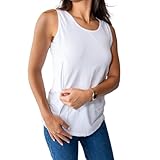
1. Clever Travel Companion Womens Tank Top with 2 Hidden Zipper Pockets, 100% Pickpocket Proof Holiday Tour Sleeveless Tee Shirt (White, Medium)
Overview:
The Clever Travel Companion Women’s Tank Top in white, medium, offers a practical solution for secure travel. With two hidden zipper pockets integrated into the sides, this sleeveless tee provides discreet storage for cards, cash, and small valuables. Made from a cotton-polyester-elastane blend, it promises comfort and durability for extended wear during trips.
What Makes It Stand Out:
The dual-pocket design sets this apart from single-pocket alternatives, allowing you to organize essentials separately. The pockets’ placement along the sides is genuinely clever—easily accessible to the wearer but virtually invisible to others. The metal zippers feature soft cotton cover tabs that prevent skin irritation, a thoughtful detail for all-day comfort. The fabric blend strikes an excellent balance between breathability and structure, maintaining its shape while feeling soft against skin.
Value for Money:
At $32, this tank sits in the mid-range for specialized travel apparel. Compared to traditional money belts ($15-25) or neck pouches ($10-20), you’re paying a premium for integrated, stylish security. However, the quality materials and dual-pocket convenience justify the cost for frequent travelers who prioritize both safety and aesthetics. It doubles as regular clothing, eliminating the need for separate security accessories.
Strengths and Weaknesses:
Strengths include genuinely concealed pockets, comfortable fabric blend, versatile styling options, and machine washability. The white color works well under light clothing. Weaknesses: the price may deter occasional travelers, white shows stains easily, and the fit runs slightly small. The pockets, while secure, have limited capacity for larger smartphones.
Bottom Line:
This tank top is an excellent investment for frequent travelers seeking discreet security without sacrificing style. The two-pocket design offers superior organization, and the quality construction ensures longevity. While pricier than basic money belts, its dual functionality as both clothing and security makes it worthwhile for serious travelers.
2. Wallet Sleeve Wallet Socks - Anti Pickpockets Crew Socks for Women and Men w/Genius Hidden Zipper Pockets for Travel, Running

Overview:
Wallet Sleeve’s Anti-Pickpocket Crew Socks provide an ingenious bottom-up approach to travel security. These unisex socks feature two hidden zippered pockets discreetly concealed beneath reinforced cuffs, offering a novel way to store cards, cash, and keys during travel, running, or daily activities. Priced accessibly, they target active individuals seeking hands-free convenience.
What Makes It Stand Out:
The TSA-friendly zippers that won’t trigger metal detectors are a game-changer for airport security, eliminating the awkward removal of security pouches. The strong elastic cuffs ensure the pockets stay flush against your leg, maintaining discretion even during vigorous movement. The moisture-resistant cotton construction addresses the primary concern of storing valuables next to sweaty feet, while the unisex sizing (9-12) accommodates most adults.
Value for Money:
At $9.99, these socks are a budget-friendly security solution. Traditional travel pouches start at $10-15, while these combine everyday sock utility with hidden storage. Even if used occasionally for travel, they function perfectly as regular crew socks, making them a practical dual-purpose purchase. The price point allows buying multiple pairs for extended trips without breaking the bank.
Strengths and Weaknesses:
Strengths include unbeatable price, TSA-friendly design, genuine portability, and unisex appeal. The moisture-resistant fabric is practical for active use. Weaknesses: limited storage capacity compared to torso-based solutions, potential discomfort if overfilled, and durability concerns around zipper stress points. The sock-based location requires removing shoes for access, which can be inconvenient. Washing may wear down zippers faster than dedicated security wear.
Bottom Line:
These socks are a smart, affordable addition to any traveler’s security arsenal, particularly for those who prioritize airport convenience. While not a replacement for larger security pouches, they excel as a secondary hiding spot for emergency cash or backup cards. Perfect for runners and minimalists who value hands-free simplicity.
3. Clever Travel Companion Womens Tank Top with 1 Hidden Zipper Pocket, 100% Pickpocket Proof Holiday Tour Sleeveless Tee Shirt (Black, Small)

Overview:
The Clever Travel Companion Women’s Tank Top in black, small, offers streamlined security for travelers preferring a minimalist approach. Featuring a single hidden zipper pocket instead of the dual-pocket design, this sleeveless tee maintains the brand’s commitment to discreet protection while simplifying storage. The black colorway provides better stain resistance and enhanced concealment under dark clothing.
What Makes It Stand Out:
The single-pocket configuration actually benefits travelers who want simplicity—no confusion about which pocket holds what. The black color is more practical than white for extended travel, hiding sweat, dirt, and wear more effectively. The same high-quality 86% cotton blend ensures comfort, while the pocket’s side placement remains truly hidden from potential thieves yet easily accessible when you need your card or cash.
Value for Money:
At $32, this version presents a value dilemma—it’s priced identically to the two-pocket model despite offering half the storage. You’re paying for the same quality construction and clever design, but with reduced functionality. For travelers who only need to stash one card and some cash, it’s sufficient, but the two-pocket version objectively offers better value. The black color’s practicality partially offsets the single-pocket limitation.
Strengths and Weaknesses:
Strengths include superior color choice for travel, same comfortable fabric blend, discreet pocket placement, and versatile layering potential. The minimalist design reduces bulk. Weaknesses: identical pricing to the superior two-pocket version, limited organizational options, and the same sizing issues (runs small). Single-pocket design offers no backup if you need to separate cash from cards.
Bottom Line:
Choose this black single-pocket version only if you specifically prefer the color and travel extremely light. For most travelers, the two-pocket model in white provides better value and organization despite the less practical color. It’s a quality garment but strategically outmatched by its sibling product at the same price point.
4. Clever Travel Companion Womens Tank Top with 2 Hidden Zipper Pocket, 100% Pickpocket Proof Holiday Tour Sleeveless Tee Shirt (White, X-Small)
Overview:
The Clever Travel Companion Women’s Tank Top in white, X-Small, delivers the same dual-pocket security as its larger counterparts but tailored for petite frames. This specialized sizing ensures that smaller travelers don’t have to compromise on functionality or deal with ill-fitting security apparel. The two hidden zipper pockets maintain the brand’s signature side placement for optimal discretion.
What Makes It Stand Out:
The availability of X-Small sizing addresses a significant gap in travel security apparel, which often runs too large for petite individuals. The proportional pocket placement ensures that even on a smaller frame, the zippers remain accessible and truly hidden. The same quality construction and dual-pocket advantage are preserved, making this a rare find for travelers who typically struggle to find properly fitted security clothing.
Value for Money:
At $32, the pricing aligns with other sizes in the line, which is commendable—no “petite tax” here. The value proposition mirrors the medium version: you’re paying for integrated security that doubles as stylish apparel. For X-Small wearers, the alternative is often expensive tailoring or settling for loose, obvious money belts. The dual-pocket design maximizes utility in a compact form factor, justifying the cost for frequent petite travelers.
Strengths and Weaknesses:
Strengths include true-to-size X-Small fit, preserved dual-pocket functionality, quality fabric blend, and the same clever concealment design. The white color layers well under most clothing. Weaknesses: extremely limited size availability may sell out quickly, white shows wear, and the tight fit leaves no room for error in sizing. The pockets’ capacity is slightly reduced proportionally, though still functional for cards and folded cash.
Bottom Line:
This X-Small version is a godsend for petite travelers who’ve struggled to find effective security apparel that actually fits. The dual-pocket design and proper sizing make it worth every penny of the $32 price tag. If you’re an X-Small frequent traveler, this is your best option for discreet, comfortable security.
5. MZCYHCSD Pink Reflective Safety Vest for Women with Pockets, High Visibility Construction Work Vest for Lady Workers/Drivers, ANSI Type R Class2, M

Overview:
The MZCYHCSD Pink Reflective Safety Vest combines high-visibility protection with feminine design for women in construction, driving, or outdoor work. Meeting ANSI Type R Class 2 certification, this vest ensures 360-degree reflectivity visible from over 150 meters. The adjustable drawstring waist creates a flattering fit while maintaining safety standards, addressing the common complaint of boxy, unflattering safety gear.
What Makes It Stand Out:
The X-shaped adjustable waist is revolutionary for women’s safety apparel, transforming a typically shapeless garment into something that actually flatters while meeting rigorous safety requirements. The omni-directional reflective strips cover front, back, sides, and shoulders—exceeding many competitors’ coverage. At just 180g (cellphone weight), it’s remarkably lightweight and packable, folding to palm size for easy storage in a work bag or vehicle.
Value for Money:
At $14.99, this ANSI-certified vest is exceptional value. Comparable certified vests typically run $20-35, often without gender-specific tailoring. The inclusion of adjustable features and comprehensive reflectivity at this price point makes it a budget-friendly yet compliant choice. For occasional night runners or warehouse workers, it’s affordable enough to keep multiple vests handy.
Strengths and Weaknesses:
Strengths include ANSI certification, 360-degree reflectivity, adjustable waist for fit, breathable polyester fabric, machine washability, and incredible lightness. The pink color offers visibility while feeling less industrial. Weaknesses: pink may not suit all workplace dress codes, 100% polyester can be less breathable than mesh alternatives, and the sizing chart requires careful consultation. Limited color options may deter those wanting traditional hi-vis yellow.
Bottom Line:
This vest is an outstanding value for any woman needing certified high-visibility protection. The adjustable waist and lightweight design set it apart from bulkier, boxier alternatives. While the pink color won’t work for every environment, its performance, certification, and price make it a top recommendation for female construction workers, drivers, and night runners seeking compliant safety gear that actually fits well.
Why Hidden Pocket Clothing is Your First Line of Defense
The reality of solo female travel is that you are often perceived as a target, regardless of your destination’s overall safety rating. Petty theft, pickpocketing, and bag snatching transcend geography, thriving in tourist hotspots from Barcelona to Buenos Aires. Hidden pocket clothing neutralizes this threat by eliminating the visible cues thieves depend on. When your phone isn’t in an external bag pocket and your cash isn’t in a traditional wallet, you’ve already removed yourself from the opportunist’s radar. This isn’t about paranoia—it’s about strategic invisibility that lets you blend into your environment rather than broadcasting “tourist with valuables.”
Decoding Hidden Pocket Types: From Zippered Seams to Secret Panels
Understanding pocket architecture is fundamental to making informed choices. Zippered seams integrate directly into garment construction, often running along side seams or waistbands, creating flat compartments that sit flush against your body. Panel pockets involve an additional layer of fabric sewn inside the garment, typically in bras, undershirts, or leggings, offering more depth but requiring careful fit assessment. Converted pockets transform traditional pockets by adding security features like double Velcro closures or internal organizers. Modular systems use detachable pouches that can be repositioned within different garments—a versatile but potentially less secure option if not properly integrated.
The Rise of Hybrid Designs
Modern travel apparel increasingly combines multiple pocket types within single garments. A travel scarf might feature both a zippered seam pocket for cards and a larger panel pocket for a phone, while travel jeans could incorporate both traditional front pockets with RFID blocking and a hidden zippered compartment in the waistband. These hybrid designs recognize that different items require different security levels and accessibility needs.
Essential Security Features That Separate Premium from Problematic
A truly secure hidden pocket must meet five non-negotiable criteria. First, the closure mechanism should be pickpocket-proof—this means quality zippers with locking pulls, double-sided Velcro that requires two-handed operation, or magnetic snaps positioned in ways that make silent opening impossible. Second, the pocket depth must accommodate your largest essential (typically a smartphone) plus allow for item retrieval without contortion. Third, reinforced stitching at stress points prevents pocket failure when loaded. Fourth, the pocket opening should be positioned where you can naturally monitor it with casual touch—near your natural hand-resting position. Fifth, RFID-blocking technology should be integrated into pockets designed for cards and passports, not added as an afterthought.
Fabric Technology: The Intersection of Comfort and Security
The best hidden pocket clothing uses fabric innovation to enhance both wearability and protection. Four-way stretch materials with high elastane content maintain garment shape even when pockets are loaded, preventing the sagging that reveals pocket contents. Moisture-wicking synthetics keep items dry against your skin while preventing the chafing that can occur with heavier loaded pockets. Ripstop weaves provide durability without bulk, crucial for garments that will face repeated stress. Anti-odor treatments become essential when wearing security garments for extended periods between washes. The ideal fabric weight balances opacity—so pocket contents don’t show through—with breathability for all-day comfort in varied climates.
The Psychology of Discretion: How True Hidden Pockets Remain Invisible
Effective hidden pocket design understands that visual and behavioral cues betray security measures. Pockets that create visible bulk, asymmetrical draping, or require awkward access movements defeat their purpose. Visual discretion means pockets are positioned along natural garment lines—seams, waistbands, hems—where additional fabric doesn’t alter the silhouette. Access discretion ensures you can retrieve items with movements that mimic normal behavior: adjusting your scarf, fixing your hair, or simply crossing your arms. The best designs allow you to access essentials while maintaining conversation and eye contact, rather than the telltale “security pat-down” dance that signals you’re checking valuables.
Strategic Placement: Mapping Pocket Location to Risk and Accessibility
Different body positions offer varying levels of security and comfort for concealed storage. Waistband pockets excel for flat items like cash and cards, sitting naturally at your center of gravity without affecting movement. Bra and undershirt pockets provide ultimate security for small essentials but require privacy for access. Thigh and calf pockets in leggings or pants distribute weight well for larger items but demand careful fit testing to avoid chafing. Scarf and wrap pockets offer excellent capacity but remain more vulnerable to grab-and-run theft. Upper arm pockets in jackets or long-sleeve shirts provide surprising security for cards and keys during active pursuits. Your ideal configuration depends on your body type, activity level, and what you’re willing to retrieve in semi-public spaces.
Balancing Capacity and Bulk: The Loading Strategy
Overloading hidden pockets creates discomfort and visible lines that scream “tourist with money belt.” The key is strategic distribution: never place all valuables in one location. Spread essentials across multiple garments—phone in leggings, cash in scarf, backup card in bra pocket, passport in jacket. This limits loss if one garment is compromised. Weight distribution matters; a heavy phone in one pocket requires counterbalancing items or careful positioning to prevent garment sag. Item selection for hidden pockets should prioritize what you need immediate access to (transit card, small cash) while deeper storage holds items needed less frequently (backup credit card, emergency cash). The golden rule: if you can feel the weight pulling or see an outline, you’ve overloaded.
Style Versatility: Building a Wardrobe That Transitions Seamlessly
The most practical hidden pocket clothing doesn’t look like travel gear. Neutral color palettes in black, navy, olive, and heather gray maximize outfit combinations while masking potential pocket outlines. Classic silhouettes—straight-leg pants, A-line dresses, v-neck tees—avoid trendy details that date the garment and work across cultural contexts. Convertible designs like wrap dresses with internal pockets or reversible jackets with storage on both sides offer multiple looks while maintaining security features. Consider dress codes for your destinations: hidden pocket maxi dresses work for conservative regions, while secure athletic wear suits adventure travel. The goal is clothing that performs at a morning market, afternoon museum, and evening restaurant without requiring outfit changes.
The Layering System: Coordinated Security Across Multiple Garments
Smart travelers think in systems, not single items. A base layer with bra or undershirt pockets holds your most critical backup items—emergency cash, spare card, copies of documents. A mid-layer like a travel cardigan or light jacket provides accessible pockets for daily use items. An outer layer such as a secure scarf or wrap offers additional capacity for bulkier items or serves as a decoy to distract from where you actually store valuables. This redundancy means you can remove layers in changing temperatures without losing security coverage. The system approach also allows you to adapt to different risk environments, adding layers in high-theft areas and streamlining in safer locations.
Quality Indicators: Reading Between the Stitches
Professional-grade hidden pocket clothing reveals its quality through specific construction details. Double-stitched seams with reinforced bar tacking at pocket corners prevent tearing under load. Bonded or taped edges inside pockets eliminate bulk and prevent items from snagging. YKK zippers or equivalent high-quality brands with metal (not plastic) teeth offer durability and smoother operation. Fabric pattern matching at pocket openings demonstrates thoughtful design—if the pattern aligns perfectly across a hidden zipper, the manufacturer invested in precision. Interior finishing matters; clean, serged edges inside pockets indicate quality construction that won’t fray with use. Run your fingers along pocket interiors—rough edges or loose threads predict early failure.
The Pre-Trip Testing Protocol: Stress-Testing Before You Go
Never trust a hidden pocket until you’ve tested it under realistic conditions. The 48-hour home trial involves wearing the garment fully loaded during your normal activities—cooking, cleaning, working at your desk—to identify pressure points or discomfort. The shake test: load pockets and vigorously shake the garment upside down; if anything shifts or opens, it will fail in active travel scenarios. The silhouette test requires trying the garment on in front of a mirror, then having a friend observe from multiple angles to spot any telltale bulges. The access speed drill times how quickly you can retrieve specific items without looking—if you fumble, you need more practice or better design. Finally, the laundry test ensures pockets maintain their shape and closures function after washing.
Budget Realities: Investment Pieces vs. Strategic Savings
Hidden pocket clothing exists across price points, but cost often correlates with sophistication. Investment territory ($80-150 per piece) typically includes patented pocket designs, premium fabrics, and reinforced construction that lasts hundreds of wears. This makes sense for frequently used items like travel pants or versatile jackets. Mid-range options ($40-80) offer solid security features but may use simpler pocket designs or standard fabrics—ideal for occasional travelers or specific-use items like travel scarves. Budget-friendly pieces (under $40) can be effective for low-risk items or short trips but often compromise on fabric quality or pocket durability. The smart strategy involves investing in base layers and daily-wear pants, while saving on outer layers or accessories that face less stress.
Sustainable Security: Eco-Conscious Choices in Travel Apparel
The intersection of security and sustainability is increasingly important. Recycled polyester and organic cotton blends now incorporate the same performance features as virgin materials—four-way stretch, moisture management, and durability. Bluesign certification ensures environmentally responsible production without toxic chemicals that could irritate skin in close-fitting security garments. Fair Trade manufacturing matters more in travel clothing, as ethical production often correlates with better quality control and worker attention to detail in complex pocket construction. Durability over disposability is inherently sustainable; a $120 pair of travel pants that lasts five years generates less waste than replacing $30 pants annually. Look for brands offering repair programs for worn pockets—a sign they stand behind their construction.
Cultural Intelligence: Adapting Your Security Strategy by Destination
What works in Tokyo may draw unwanted attention in Marrakech. High-context cultures where modesty is valued require hidden pockets in garments that provide full coverage—maxi skirts, long-sleeve tunics, loose trousers. In these environments, form-fitting security leggings might be worn only as a base layer under traditional clothing. Hot climates demand breathable fabrics and minimal layering, making scarf pockets and lightweight dress pockets more practical than multiple base layers. Urban versus rural dynamics matter; cities with professional pickpocket rings require more sophisticated, deeply hidden pockets than rural areas where theft is more opportunistic. Research local dress norms before selecting your security wardrobe—being secure but culturally insensitive creates different problems. In some regions, the presence of any pockets in women’s clothing is unusual, making truly invisible design even more critical.
Tech-Ready Designs: Accommodating Modern Travel Essentials
Today’s traveler carries more than cash and passports. Smartphone dimensions continue growing, requiring pockets that accommodate 6.5-inch screens without stretching. Wireless earbud cases need small, secure pockets with soft linings to prevent scratching. Portable chargers and cables require pockets with cord management features to prevent tangling. RFID-blocking technology must now protect against both traditional skimming and newer long-range reading attempts—look for multi-frequency blocking, not just basic RFID. AirTag or Tile integration is emerging in premium designs, with dedicated pockets that optimize tracker signal while keeping the device secure. Consider TSA-friendly pocket placement for items you must remove at security—pockets that allow quick access without disrobing streamline airport experiences.
DIY Modifications: Enhancing Your Existing Wardrobe
You don’t need to replace your entire closet. Sew-in pocket panels can be added to existing leggings or pants using iron-on adhesive tape and basic hand-stitching for reinforcement. Convert traditional pockets by sewing a small zippered pouch inside the existing pocket bag—this maintains the original look while adding security. Scarf transformation involves sewing a simple zippered pouch into the hem of a large square scarf, creating instant hidden storage. Bra pocket hacks use small adhesive pouches designed for runners, positioned strategically inside bra bands. Jacket upgrades can incorporate interior dump pockets made from ripstop nylon, sewn into lining seams. The key is using matching thread and fabric so modifications remain invisible, and testing weight distribution before relying on DIY pockets for critical items.
Critical Errors That Compromise Your Security
Even perfect garments fail with poor usage habits. Accessing hidden pockets in public repeatedly trains observers to your security strategy; use bathroom stalls or private corners for retrieval. Over-reliance on a single garment means losing everything if that piece is stolen or left behind—distribute across multiple items. Ignoring fit changes as pockets load up; a garment that fits perfectly empty may become restrictive or revealing when loaded. Neglecting to secure closures after access—zippers left open a quarter-inch defeat the entire purpose. Storing identical items in multiple pockets (two credit cards in two different pockets) creates confusion during legitimate use and doubles loss if one pocket is compromised. Forgetting to empty security pockets before laundry damages both items and garments, and creates a chaotic recovery scramble.
Smart Packing: Curating Your Security Wardrobe Without Overpacking
Building a functional travel wardrobe means maximizing utility per item. The 5-piece security core includes: one pair of travel pants with waistband and thigh pockets, one travel bra or undershirt with panel pockets, one versatile dress with side-seam storage, one travel scarf or wrap with multiple compartments, and one jacket with interior pockets. This foundation provides 8-10 hidden pockets across different body positions. Color coordination ensures these pieces work together in multiple combinations. Fabric consistency—choosing items with similar care requirements—simplifies laundry on the road. Seasonal adaptation means selecting base pieces for your primary climate, then adding one climate-specific layer (fleece for cold, UV shirt for hot) with its own security features. The goal is arriving at your destination with everything you need and nothing that serves only one purpose.
Maintenance and Care: Preserving Functionality on Extended Trips
Long-term travel demands on-the-go garment care. Zipper maintenance requires occasional waxing with beeswax or a candle stub to maintain smooth operation—especially important in dusty environments. Stitch reinforcement can be done with hotel sewing kits; focus on pocket corners and closure attachment points. Odor management for base layers involves sink washing with concentrated detergent, then air-drying completely before rewearing—damp security garments chafe and lose shape. Fabric refreshing without full washing uses vodka sprays or specialized fabric fresheners to extend wear between laundry days. Pocket interior cleaning prevents grit accumulation that can damage phone screens or scratch cards; use a damp cloth turned inside-out to wipe pocket bags. Emergency repairs for torn pockets can use safety pins as temporary closures, but plan for proper stitching as soon as possible—a compromised pocket is a security liability.
Beyond the Garment: Developing a Holistic Security Mindset
Hidden pocket clothing is a tool, not a talisman. Situational awareness remains your primary defense—garments buy you time, not invincibility. Behavioral consistency means not patting your pockets compulsively; this signals their location. Backup planning involves keeping color copies of documents in your main luggage and digital backups in secure cloud storage. Communication protocols ensure someone knows your general itinerary and when to expect check-ins. Trust your instincts over any security product; if a situation feels wrong, remove yourself regardless of how well-concealed your valuables are. The most sophisticated hidden pocket system fails if you flash cash while deciding on a restaurant or leave your secured jacket unattended. These garments work best when combined with the soft skills of experienced travelers: confidence, observation, and adaptability.
Frequently Asked Questions
How many hidden pockets do I realistically need for a two-week solo trip?
Aim for a minimum of six hidden pockets distributed across three garments. This allows you to separate cash, cards, phone, passport copy, and backup items while maintaining redundancy. Quality matters more than quantity—two well-designed pockets beat five poorly executed ones.
Can hidden pocket clothing really replace my daypack or crossbody bag?
For urban exploration and daytime activities, absolutely. A well-designed security wardrobe can carry your daily essentials. However, you’ll still need a bag for water bottles, guidebooks, layers, and souvenirs. Think of hidden pockets as your vault, not your entire luggage system.
What’s the best way to access hidden pockets without drawing attention?
Practice the “natural gesture” technique. If your pocket is in a waistband, practice reaching for it while appearing to adjust your shirt. For bra pockets, use the “hair fix” maneuver. Rehearse these movements at home until they become fluid and unconscious.
Are hidden pockets comfortable enough for all-day wear in hot climates?
Premium designs using moisture-wicking, lightweight fabrics are comfortable even in tropical conditions. The key is proper fit and not overloading pockets. In extreme heat, prioritize pockets in looser garments like dresses or wraps rather than form-fitting base layers.
How do I handle airport security with items in hidden pockets?
Place items you’ll need to remove (laptop, liquids, sometimes phones) in easily accessible pockets or your carry-on. Keep documents and valuables in pockets you can access quickly if asked, but avoid patting them down visibly in line. TSA agents are familiar with travel clothing and won’t be suspicious of discreet pockets.
Will hidden pocket clothing look bulky on petite frames?
Properly designed garments maintain silhouette regardless of size. Look for pieces specifically offered in petite sizes, as pocket placement is scaled accordingly. Avoid overloading and prioritize vertical pocket designs that follow body lines rather than horizontal ones that can add width.
How do I wash hidden pocket clothing without damaging the pockets or contents?
Always empty pockets completely before washing—check twice. Close all zippers and fasten Velcro to prevent snagging. Turn garments inside-out to protect pocket construction. Use gentle cycles and avoid high heat drying, which can warp zippers and elastic. Air dry when possible.
Can I sew my own hidden pockets into regular clothing effectively?
Yes, with limitations. Simple zippered pouches can be added to loose garments, but achieving the seamless integration of professional designs requires pattern-making skills. DIY works best for supplementing existing pockets or adding storage to non-critical items like scarves.
Are RFID-blocking pockets really necessary, or is it just marketing hype?
RFID skimming is a real but relatively low-probability risk. However, quality travel clothing includes this feature as standard, so you’re not paying extra for it. The peace of mind is worth it, especially in crowded tourist areas where skimming devices might be used. Consider it cheap insurance.
How long does quality hidden pocket clothing typically last with regular travel use?
Professional-grade pieces should last 3-5 years of heavy use with proper care. The first components to fail are usually zipper pulls and elastic waistbands. Look for replaceable zipper pulls and reinforced waistbands to extend lifespan. Budget options may show wear in 1-2 years, particularly at pocket stress points.'