Standing at the base of your first glaciated peak, heart racing with anticipation, you’ll quickly realize your ice axe is more than just another piece of gear—it’s your lifeline, your balance point, and your trusted companion on terrain where every step demands respect. Choosing the right ice axe as a beginner mountaineer isn’t about finding the most expensive or technical tool; it’s about understanding the delicate balance between safety, versatility, and the specific demands of your mountain objectives.
Many newcomers make the costly mistake of either overspending on professional-grade tools they aren’t ready for, or underestimating their needs with inadequate equipment that compromises safety. This comprehensive guide cuts through the marketing noise and technical jargon to equip you with the knowledge to select an ice axe that matches your skill level, typical terrain, and growth trajectory as a mountaineer. We’ll explore every critical feature, demystify industry terminology, and help you make an informed decision that keeps you secure while building confidence in the mountains.
Top 10 Ice Axes for Beginner Mountaineers
Detailed Product Reviews
1. Bobillow Outdoor Camping Ice Axe Walking Pick for Camping Aluminum Alloy Mountaineering Axe Glacier Climbing Tool Lightweight Design,70 Cm (Blue)

Overview:
The Bobillow Outdoor Camping Ice Axe positions itself as an accessible entry point into winter mountaineering gear. Measuring 70cm with a blue aluminum alloy construction, this tool targets recreational users tackling snowbanks, glacier walks, and basic winter hiking. Its design emphasizes lightweight handling and versatility for those building their cold-weather skills without breaking the bank.
What Makes It Stand Out:
The 70cm length offers extended reach for self-arrest and probing, while the dual-function head features both a toothed pick and a wide scraping end. The contoured handle with integrated teeth at the base provides additional grip options and snow detection capabilities. The aluminum build keeps weight manageable for day trips and training scenarios, making it less intimidating for newcomers.
Value for Money:
At $85.99, the Bobillow sits in the budget-to-midrange category. It undercuts steel-headed alternatives by $15-30, making it attractive for beginners hesitant to invest heavily. However, aluminum picks wear faster than steel and offer less secure ice penetration, potentially necessitating earlier replacement for frequent users. The value proposition depends entirely on your usage frequency and technical demands.
Strengths and Weaknesses:
Strengths include its lightweight design, comfortable ergonomic grip, versatile dual-ended functionality, and approachable price point. Weaknesses center on the aluminum pick’s durability concerns, questionable performance on hard ice, and the 70cm length feeling unwieldy for technical climbing or shorter users. It’s also not certified for technical mountaineering.
Bottom Line:
The Bobillow suits novice mountaineers and casual winter hikers prioritizing weight savings and affordability over technical performance. For serious alpine routes or frequent use, invest in a steel-headed alternative. This is a solid training tool and emergency backup, but not a primary axe for demanding conditions where your life depends on it.
2. Neve Ice Axe
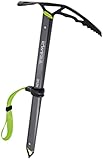
Overview:
The Neve Ice Axe represents a traditional steel-headed workhorse built for serious mountaineering. At 57cm and 475g, this forged chromoly tool prioritizes durability and reliable performance over ultralight aspirations. It comes equipped with a Touring Leash, signaling its readiness for glacier travel and technical alpine terrain where proven reliability matters more than weight savings.
What Makes It Stand Out:
Forged chromoly steel construction throughout the pick and adze delivers exceptional durability and bite in hard ice. The ergonomic shaping optimizes chopping efficiency, while dual carabiner holes on head and spike enable versatile leash and tether configurations. The included Touring Leash adds immediate value for technical applications, saving you an additional $20-30 purchase.
Value for Money:
Priced at $103.43, the Neve commands a premium over aluminum alternatives. This cost is justified by the steel construction’s longevity and the included accessories. For climbers regularly encountering icy conditions, the investment pays dividends in safety and performance. Occasional users may find the price steep for their needs, but serious mountaineers understand steel’s worth.
Strengths and Weaknesses:
Strengths include outstanding durability, excellent ice penetration, ergonomic comfort, comprehensive leash compatibility, and proven reliability on technical routes. Weaknesses are its heavier weight compared to modern aluminum axes, shorter 57cm length limiting reach for some users, and higher cost that may deter beginners. The weight is noticeable on long approaches.
Bottom Line:
The Neve is a dependable choice for committed mountaineers and alpine guides who demand steel-headed performance. Its weight is acceptable for those prioritizing security over speed. This axe excels on technical routes and hard ice where aluminum tools might falter. A worthwhile investment for serious adventurers who regularly venture into demanding alpine environments.
3. FUSIONKEI Pick Axe 8 in 1, Folding Pickaxe Mattock with Multi-Purpose Garden Hoe and Survival Knife, Stainless Steel Pick Axes for Digging, Ice Chipping and Weeding

Overview:
The FUSIONKEI Pick Axe boldly reimagines the traditional ice axe as a multi-purpose survival tool. This 8-in-1 folding mattock combines a stainless steel pick and hoe with integrated survival features like a knife, whistle, and glass breaker. Marketed for camping, gardening, and emergencies, it diverges significantly from mountaineering-specific designs and should be evaluated as a versatile utility tool, not climbing protection.
What Makes It Stand Out:
The innovative folding mechanism and bionic double-head design offer unmatched versatility for non-technical scenarios. The integrated survival kit components transform it into a compact emergency preparedness tool. Its detachable nature allows for easy storage in vehicles or backpacks, making it ideal for car campers and survivalists who value multi-functionality over specialization.
Value for Money:
At $29.99, this tool delivers extraordinary feature density per dollar. However, this value proposition comes with critical caveats. It is NOT a certified mountaineering ice axe and should never be used for climbing, self-arrest, or glacier travel where life depends on the tool. For its intended purposes, the value is exceptional.
Strengths and Weaknesses:
Strengths include incredible versatility, compact storage, corrosion resistance, anti-slip handle, and unbeatable price. Fatal weaknesses for mountaineering include: not designed for self-arrest, questionable strength at folding joints, stainless steel’s brittleness under impact, and lack of proper certification for climbing applications. The pick geometry is wrong for secure ice placement.
Bottom Line:
Purchase this as a camping multi-tool or emergency car kit component, NOT as a mountaineering ice axe. For gardening, trail maintenance, and survival scenarios, it’s a clever, cost-effective solution. For any technical snow or ice travel, invest in a proper UIAA-certified ice axe. The FUSIONKEI serves a different purpose entirely and should never be trusted with your life in the mountains.
4. BLUE ICE Blackbird Ice Axe - Black 60cm
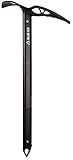
Overview:
The BLUE ICE Blackbird stands as a refined classic piolet for modern alpinists. Built with a stainless steel head and aluminum shaft, this 60cm axe balances weight savings with reliable performance. It includes comprehensive protector set and dual-textured grip, targeting mountaineers seeking premium quality without excessive weight penalties. The brand’s reputation for alpine-specific gear adds confidence.
What Makes It Stand Out:
Weighing just 330g (49cm version), the Blackbird achieves remarkable lightness through thoughtful material selection. The dual-textured grip enhances control during self-arrest, while stainless steel rivets and pick ensure durability. Including both pick and spike protectors demonstrates attention to detail and user safety, saving you additional purchases and protecting your pack.
Value for Money:
At $109.95, the Blackbird commands a premium price justified by its sophisticated construction and included accessories. It competes directly with high-end European brands while offering comparable performance. For serious alpinists, the weight savings and durability represent solid long-term value that justifies the initial investment.
Strengths and Weaknesses:
Strengths include exceptional lightweight design, premium stainless steel components, ergonomic dual-textured grip, comprehensive protector set, and reputable brand heritage. Weaknesses center on the premium pricing that may exceed beginner budgets and aluminum shaft’s reduced durability compared to full-steel designs in rocky terrain. The 60cm length may not suit all users.
Bottom Line:
The Blackbird excels as a primary axe for experienced mountaineers and alpinists prioritizing weight and performance. Its classic design proves versatile for glacier travel, ski mountaineering, and general alpine routes. While expensive, the quality justifies the cost for those who demand reliable, lightweight gear. An excellent investment for serious mountain travel where every gram matters.
5. TRANGO Altum Ice Ax - Lightweight Aluminum Mountaineering Axe, Steel Pick, Plantable Shaft, Alpine Climbing, Green, 55 cm

Overview:
The TRANGO Altum Ice Ax emerges as a purpose-built tool for weight-conscious alpinists and ski mountaineers. The 55cm version weighs just 393g, featuring an ultralight aluminum shaft paired with a high-performance steel pick. Designed by climbers, it emphasizes technical functionality for modern alpine pursuits where speed and efficiency are paramount.
What Makes It Stand Out:
The textured aluminum shaft with integrated rubber grip pad provides superior handling during critical self-arrest maneuvers. The clip point in the head facilitates quick anchor building, while the plantable shaft design enhances belay options. Multiple length options (45-65cm) ensure proper sizing for diverse users and applications, from ski mountaineering to technical alpine routes.
Value for Money:
At $84.95, the Altum offers premium features at a competitive mid-range price. It undercuts many competitors while delivering professional-grade specifications. The combination of steel pick and aluminum shaft provides an optimal balance of performance, weight, and cost that appeals to serious enthusiasts who want technical features without premium pricing.
Strengths and Weaknesses:
Strengths include outstanding weight-to-performance ratio, excellent grip design, versatile anchor features, steel pick durability, and attractive pricing. Weaknesses include aluminum shaft’s vulnerability to damage in rocky terrain and potential flex under extreme loads compared to full-steel alternatives. The green color may not appeal to all users.
Bottom Line:
The Altum is an exceptional choice for alpine climbers and ski mountaineers seeking lightweight performance without sacrificing safety. Its thoughtful design features and competitive pricing make it accessible to dedicated enthusiasts. While not as bombproof as all-steel axes, it hits a sweet spot for those counting ounces on technical routes. Highly recommended for performance-driven mountaineers.
6. Trango Raptor Ice Tool - Technical Ice Climbing Axes for Waterfall Ice, Mixed Routes & Mountaineering with Modular Picks, Standard Model
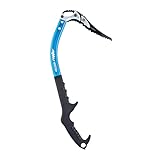
Overview: The Trango Raptor stands as a purpose-built technical ice tool engineered for climbers pushing limits on waterfall ice and mixed terrain. This isn’t your general mountaineering axe—it’s a specialized weapon designed for steep, technical climbing where precision and reliability are non-negotiable. With its aggressive geometry and modular design, the Raptor targets intermediate to advanced ice climbers seeking professional-grade performance without the premium price tag of top-tier competitors.
What Makes It Stand Out: The carbon/kevlar composite shaft construction sets the Raptor apart, delivering exceptional vibration dampening that keeps your hands fresh during marathon climbing sessions. The ergonomic dual pommel grips provide versatile hand positions for both daggering and matching, while the tapered pick design (4mm to 3mm) penetrates hard ice effortlessly and cleans smoothly for rapid successive placements. Removable 45g pick weights allow customization based on route demands, making it adaptable for both brittle alpine ice and plastic waterfall conditions.
Value for Money: At $189.95, the Raptor occupies a sweet spot in the technical tool market—significantly less expensive than the Petzl Nomic or Black Diamond Viper, yet offering comparable performance. The included ice pick and protective cover add value, though mixed climbers will need to purchase alternate picks separately. For dedicated ice enthusiasts, this represents a smart investment in durable, high-performance gear.
Strengths and Weaknesses: Strengths include excellent vibration reduction, versatile grip options, lightweight construction, and modular customization. Weaknesses involve the additional cost of mixed picks, potential overkill for beginners, and slightly less refined finishing than pricier European competitors. The aggressive geometry also requires adjustment for climbers transitioning from more traditional tools.
Bottom Line: The Trango Raptor delivers exceptional technical performance at a mid-range price point. Ideal for serious ice climbers building their first dedicated quiver or veterans seeking a reliable backup, it successfully balances innovation, durability, and value. Highly recommended for waterfall ice and mixed climbing enthusiasts ready to move beyond entry-level tools.
7. TRANGO Altum Ice Ax - Lightweight Aluminum Mountaineering Axe, Steel Pick, Plantable Shaft, Alpine Climbing, Gold, 45 cm

Overview: The TRANGO Altum represents a no-nonsense approach to general mountaineering and alpine travel. Weighing a mere 309 grams in the 45cm configuration, this axe prioritizes weight savings without sacrificing essential functionality. Designed for ski mountaineering, glacier travel, and moderate snow slopes, it serves as a reliable companion for climbers who count every ounce during long approaches and high-altitude expeditions where technical difficulty remains moderate.
What Makes It Stand Out: The textured aluminum shaft combined with a rubber grip pad delivers surprisingly secure handling during self-arrest scenarios, addressing a common weakness in ultralight designs. The clip point in the head facilitates quick anchor building, while the plantable shaft design enables secure snow belays. TRANGO’s climber-centric design philosophy shines through in practical details that matter when you’re cold and tired at altitude.
Value for Money: At $84.95, the Altum offers exceptional value in the ultralight category. Comparable axes from premium brands often cost 50-100% more while delivering similar performance for non-technical applications. The price-per-centimeter ratio ($188.78/100cm) remains competitive, making it accessible for beginners and budget-conscious alpinists seeking reliable gear without financial strain.
Strengths and Weaknesses: Strengths include outstanding weight-to-cost ratio, versatile sizing options (45-65cm), secure grip features, and practical anchor-building capabilities. Weaknesses involve aluminum shaft durability concerns on rocky terrain, limited utility for technical ice, and the 45cm length proving too short for general mountaineering—most users should opt for 55cm or 65cm versions.
Bottom Line: The TRANGO Altum excels as a lightweight, budget-friendly mountaineering axe for non-technical alpine terrain. Perfect for ski mountaineers, glacier travelers, and climbers seeking a secondary axe, it delivers essential functionality at an unbeatable price. Choose longer lengths for general mountaineering to maximize versatility.
8. CAMP Corsa Alpine Ice Axe - 65 cm
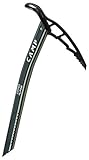
Overview: The CAMP Corsa Alpine occupies the extreme lightweight end of the mountaineering axe spectrum, targeting weight-obsessed alpinists and ski mountaineers. At just 65cm with a steel head, this Italian-designed tool challenges conventional wisdom about necessary heft for effective snow and ice travel. It’s purpose-built for fast-and-light ascents where every gram matters more than chopping performance or durability on rock.
What Makes It Stand Out: The Corsa’s primary distinction is its feathery construction without resorting to a completely aluminum head. The steel pick maintains better bite and durability than all-aluminum alternatives, while the nylon spike plug prevents snow packing inside the shaft—a thoughtful detail that proves invaluable during extended plunging. The compact head slot integrates seamlessly with CAMP’s proprietary leash system, creating a cohesive ecosystem for technical terrain.
Value for Money: Priced at $128.00, the Corsa Alpine commands a premium for its minimal weight. While significantly lighter than traditional axes, it costs more than basic steel models offering greater versatility. The value proposition hinges entirely on your weight priorities—if shaving grams justifies sacrificing some functionality, it’s worth the investment. Otherwise, more balanced options exist at similar price points.
Strengths and Weaknesses: Strengths include exceptional lightness, steel pick durability, smart snow-plug design, and clean leash integration. Weaknesses involve minimal adze functionality, reduced chopping power, vulnerability to bending on rock, and the need to purchase accessories separately. The 65cm length may prove unwieldy for shorter climbers or those preferring compact tools.
Bottom Line: The CAMP Corsa Alpine serves a narrow but important niche: ultralight alpine travel on snow and moderate ice. Ideal for ski mountaineering and speed alpinism, it sacrifices versatility for weight savings. Choose this axe only if minimal mass is your absolute priority, understanding its limitations in technical or rocky terrain.
9. Neve Ice Axe
Overview: The Neve Ice Axe delivers a traditional mountaineering tool updated with modern ergonomics and thoughtful features. Weighing 515 grams at 65cm, this axe prioritizes durability and functionality over weight savings, making it ideal for climbers tackling varied terrain including snow, ice, and occasional rock. The forged chromoly steel construction signals serious intentions for routes where gear takes a beating and reliability trounces ultralight trends.
What Makes It Stand Out: The ergonomic adze design optimizes chopping performance while maintaining comfort during extended use—an often-overlooked detail that matters when building platforms or cutting steps. The inclusion of a Touring Leash (model 1305) adds immediate value, eliminating a separate purchase. Dual carabiner holes on head and spike provide versatile tethering and racking options, demonstrating practical design thinking for complex alpine missions.
Value for Money: At $101.85, the Neve presents excellent value for a complete, ready-to-climb package. The forged steel construction and included leash typically command $130-150 from premium brands. While heavier than modern ultralight alternatives, the robust build quality and comprehensive feature set justify every dollar for climbers prioritizing durability and versatility over minimal weight.
Strengths and Weaknesses: Strengths include bombproof steel construction, ergonomic design, included leash, versatile tethering options, and reliable plunging spike. Weaknesses center on the 515-gram weight, which feels substantial compared to modern alternatives, and the lack of advanced vibration dampening or modular features found in technical tools.
Bottom Line: The Neve Ice Axe excels as a durable, versatile workhorse for traditional mountaineering and alpine climbing. Perfect for climbers who value reliability over weight savings, it handles everything from glacier travel to moderate ice with confidence. An excellent choice for beginners or as a rugged backup axe for technical missions.
10. Petzl, Gully Ice Axe Adze, Ultra-Light ice Axe for Technical Mountaineering and steep Skiing

Overview: The Petzl Gully represents the pinnacle of ultralight technical axe design, engineered for steep skiing and technical mountaineering where every gram impacts performance. Weighing a remarkable 280 grams at 45cm, this axe defies conventional expectations, delivering surprising capability in a package lighter than many water bottles. It’s designed for specialists who demand technical features without weight penalty during high-consequence ski descents and alpine traverses.
What Makes It Stand Out: The banana-shaped pick profile facilitates both aggressive penetration and easy extraction—critical for efficient movement in technical terrain. The innovative TRIGREST handrest enables tool-free hand position adjustment, adapting instantly from plunging to daggering modes. The beveled spike design allows compact pack storage while minimizing injury risk when racked externally, showcasing Petzl’s attention to real-world usage scenarios.
Value for Money: At $199.95, the Gully commands premium pricing but delivers unique capabilities. No competitor matches its combination of technical features and sub-300g weight. For steep skiers and technical alpinists, the performance justification is clear. However, general mountaineers will find better value in more versatile, less expensive options. The price reflects specialized engineering, not broad utility.
Strengths and Weaknesses: Strengths include class-leading lightness, technical pick geometry, adjustable handrest, compact design, and minimalist yet functional adze. Weaknesses involve the premium price, limited chopping power, reduced durability compared to steel axes, and specialized nature unsuitable for general mountaineering or heavy use on rock.
Bottom Line: The Petzl Gully dominates its niche as the ultimate ultralight technical axe. Ideal for steep ski mountaineering and technical alpine routes where weight is paramount, it sacrifices versatility for specialized performance. Highly recommended for expert users who understand its limitations and can exploit its unique advantages in appropriate terrain.
Why Every Beginner Mountaineer Needs the Right Ice Axe
Your ice axe serves three critical functions that no other piece of equipment can replicate: self-arrest during a fall, balance and security while traveling on snow and ice, and creating anchors for protection or rescue scenarios. For beginners, mastering these fundamentals requires an axe designed for learning—not for elite mixed climbing. The right tool will have forgiving geometry, intuitive handling, and robust construction that withstands the inevitable abuse of early technique development. Using an inappropriate axe creates a dangerous feedback loop: poor performance leads to lack of confidence, which results in hesitant movement and increased risk exposure.
Understanding the Anatomy of an Ice Axe
Before diving into selection criteria, you must understand the three primary components that define an ice axe’s character and capability. Each element plays a distinct role in performance, and subtle variations dramatically affect suitability for different mountain environments.
The Head: Pick, Adze, and Hammer
The head assembly represents the business end of your ice axe. The pick provides purchase in ice and hard snow during self-arrest and climbing. Its shape—ranging from gently curved to aggressively drooped—determines penetration efficiency and release characteristics. The adze, a broad chopping blade opposite the pick, excels at cutting steps, platforms, and clearing snow. Some axes feature a hammer instead, designed for pounding protection like pitons or snow pickets. For most beginners, an adze configuration offers greater versatility for general mountaineering.
The Shaft: Your Connection Point
The shaft serves as your primary grip surface and dictates overall handling dynamics. Modern shafts feature ergonomic curves, rubberized grips, and strategic texturing that improve control during technical moments. The shaft’s cross-sectional shape—oval, round, or asymmetric—affects how securely you can grip the axe with gloves and how it feels during self-arrest practice. Length and curvature variations transform the axe’s character from a simple walking staff to a technical climbing tool.
The Spike: Traction on Snow and Ice
The spike at the shaft’s base provides secure purchase during plunging techniques on snow slopes and serves as a third point of contact during glacier travel. A well-designed spike features sharp edges that bite into firm snow without catching on rocks or ice. Some models incorporate replaceable spikes, extending the axe’s lifespan after seasons of wear on abrasive snow and scree.
Types of Ice Axes: Which Category Fits Your Journey?
Mountaineering ice axes exist along a spectrum, and understanding where you fall on that continuum prevents costly mismatches between tool and terrain.
Classic Mountaineering Axes
These traditional tools feature relatively straight shafts, moderate pick curvature, and balanced proportions ideal for general snow travel, basic self-arrest practice, and non-technical glacier routes. Their straightforward design prioritizes reliability and ease of use over specialized performance. For beginners tackling peaks like Mount Rainier or introductory routes in the Alps, this category represents the optimal starting point.
Technical Ice Tools
Highly curved shafts, aggressively drooped picks, and ergonomic grips define these specialized tools built for steep ice and mixed climbing. While tempting for their advanced appearance, these axes prove cumbersome and counterintuitive for learning fundamental mountaineering skills. Their aggressive geometry actually makes basic self-arrest techniques more difficult to execute properly for novices.
Hybrid Axes: The Best of Both Worlds
Modern hybrid designs incorporate subtle shaft curves and moderately technical picks while maintaining versatility for general mountaineering. These tools accommodate progression into steeper terrain without requiring immediate replacement. However, beginners should ensure the hybrid features don’t compromise fundamental self-arrest ergonomics—the pick shouldn’t be so drooped that it resists smooth rotation during practice.
Length Matters: How to Size Your First Ice Axe
Proper length selection fundamentally affects your axe’s utility as a walking aid and self-arrest tool. The traditional sizing method—holding the axe at your side and checking if the spike touches your ankle—provides a starting point, but modern thinking emphasizes activity-specific optimization. For general mountaineering, an axe that reaches between your boot top and ankle offers versatility across varied terrain.
Consider your primary use case: longer axes (65-75cm) excel on moderate snow slopes where you’ll plunge the shaft frequently for balance. Shorter lengths (55-65cm) provide better control on steeper terrain and more compact carrying. Taller climbers often benefit from slightly longer axes to maintain comfortable posture during extended use, while shorter climbers may find standard lengths unwieldy. The key is avoiding extremes—overly long axes become clumsy in technical sections, while excessively short axes compromise self-arrest leverage.
Weight vs. Durability: Finding Your Sweet Spot
Every ounce matters on summit day, but durability concerns loom larger when your life depends on tool integrity. Beginner-friendly ice axes typically weigh between 450-550 grams, striking a balance between robust construction and manageable heft. Ultralight models under 400 grams often achieve weight savings through thinner shafts and minimalist heads that sacrifice durability and confidence-inspiring feel.
Conversely, heavier training axes around 600 grams provide excellent durability for technique development but become fatiguing during long approaches. The optimal beginner’s axe feels substantial enough to trust during self-arrest drills yet light enough that you won’t hesitate to carry it on every objective. Remember: the best ice axe is the one you actually bring on your climbs.
Material Science: What Your Ice Axe Is Made Of
Modern ice axes utilize sophisticated materials engineering that directly impacts performance, longevity, and cost. Understanding these material choices helps you prioritize features aligned with your budget and climbing goals.
Steel Components: The Gold Standard
High-carbon steel remains the dominant material for picks, adzes, and spikes due to its exceptional strength and edge retention. Manufacturers use various steel alloys, heat treatments, and coatings to balance hardness with fracture resistance. Chromoly steel offers excellent durability at moderate cost, while more exotic alloys provide enhanced performance at premium prices. The pick’s steel quality directly affects how well it maintains its sharpness after repeated use on rock and ice.
Aluminum Shafts: Lightweight Efficiency
Aircraft-grade aluminum alloys dominate shaft construction, offering an ideal strength-to-weight ratio for general mountaineering. Manufacturers often use different alloys for the upper and lower shaft sections, optimizing for strength where needed while minimizing overall weight. Anodized finishes protect against corrosion and provide grip texture. Premium shafts feature internal reinforcement in high-stress areas, improving durability without adding significant weight.
Carbon Fiber: Premium Performance
High-end axes incorporate carbon fiber shafts for maximum weight reduction and vibration damping. While undeniably lightweight and technically impressive, carbon axes carry significant price premiums and can be less durable in impact scenarios common during beginner learning curves. The material’s stiffness also transmits more feedback during use, which some climbers prefer but others find harsh. For first-time buyers, the value proposition rarely justifies the expense.
Pick Design Demystified: Curved, Reverse-Curved, and Neutral
Pick geometry dramatically influences penetration, holding power, and release characteristics across different snow and ice conditions. Classic mountaineering picks feature gentle, neutral curves that slide smoothly into snow during self-arrest while providing adequate purchase for basic climbing moves. This forgiving geometry helps beginners develop proper technique without fighting overly aggressive tool design.
Reverse-curved or “drooped” picks, common on technical tools, excel on steep water ice but require precise technique and substantial force to extract. For general mountaineering, avoid picks with excessive droop—these complicate self-arrest mechanics and provide minimal benefit on moderate terrain. Some modern picks incorporate subtle teeth patterns or serrations that improve holding power without compromising self-arrest performance.
Shaft Curvature: Straight, Curved, or Technical?
Shaft design has evolved significantly from traditional straight profiles. Modern mountaineering axes often feature subtle curves that improve clearance during steep snow climbing while maintaining self-arrest ergonomics. These gentle bends position your hand more naturally during dagger techniques and reduce shaft flex when torquing the tool in snow.
Highly curved technical shafts provide exceptional clearance for overhanging ice but compromise the axe’s utility as a walking staff and self-arrest tool. For beginners, a straight or gently curved shaft offers the most versatility. The curve should be gradual enough that the axe still plunges cleanly into snow and feels intuitive during self-arrest practice. Some manufacturers offer modular shafts with interchangeable grips, allowing customization as skills progress.
Adze or Hammer: Making the Right Choice
The secondary tool on your axe head significantly impacts versatility. Adzes excel at cutting steps, platforms, and snow anchors—essential skills for classic mountaineering. Their broad blade efficiently chops through firm snow and ice, creating secure footing or belay stances. For glacier travel and general snow climbing, the adze proves invaluable for route preparation and emergency situations.
Hammers primarily drive protection into rock or ice, a technique less common in beginner mountaineering contexts. While useful for advanced climbers carrying pitons or snow pickets, hammers offer limited utility for those focused on fundamental skills. Some axes feature interchangeable heads, allowing you to switch between adze and hammer as objectives evolve. For your first axe, prioritize the adze unless you have specific technical climbing goals.
Safety Ratings: Understanding T-Rated vs B-Rated
Industry-standard ratings provide crucial insight into an axe’s strength and intended use. The CE/EN certification system classifies axes as either Basic (B-rated) or Technical (T-rated). B-rated axes undergo testing to 2.5 kN of force, suitable for general mountaineering, self-arrest, and basic snow climbing. These lighter tools meet the demands of most beginner objectives while offering excellent weight savings.
T-rated axes must withstand 5 kN of force, indicating exceptional durability for technical climbing, leverage moves, and severe conditions. While the added strength provides peace of mind, T-rated axes typically cost more and weigh more than their B-rated counterparts. For beginners, a B-rated axe offers adequate safety margins for learning environments, though those planning rapid progression into technical terrain may justify the T-rated investment.
Leash Systems: Traditional, Elastic, or Leashless?
How you connect to your axe affects security, convenience, and safety during drops. Traditional wrist leashes, consisting of adjustable webbing loops, prevent loss and provide security during climbs. However, they complicate self-arrest practice and can become entangled during rope work. Modern elastic leashes offer similar security with greater stretch and reduced bulk, improving handling dynamics.
Leashless systems, popular in technical climbing, rely on ergonomic grips and wrist loops for security. While offering maximum freedom, they demand greater skill and increase drop risk for beginners. For your first axe, consider a removable leash system that allows you to practice both configurations. The ability to quickly detach the leash during glacier travel or complex rope scenarios adds valuable versatility as your skills develop.
Budget Considerations for Your First Investment
Quality ice axes for beginners typically range from $80 to $180, with premium models exceeding $250. The sweet spot for value lies in the $120-$160 range, where manufacturers offer durable construction, thoughtful design, and reliable performance without unnecessary frills. Avoid budget options under $80, which often use inferior steel that dulls quickly and shafts prone to bending under load.
Consider this purchase as a long-term investment in safety. A well-maintained quality axe serves for decades, making the per-use cost negligible. Factor in potential resale value—reputable brands retain 60-70% of their value if you decide to upgrade. Some retailers offer package deals including leashes and protective picks, providing better value than individual component purchases.
Essential Features for Beginner-Friendly Ice Axes
Several design elements specifically benefit those developing mountaineering fundamentals. Look for axes with rubberized grip zones on the shaft, providing secure handling during self-arrest without adding significant weight. A comfortable, ergonomic head shape prevents hand fatigue during extended use and improves control during technical moments.
Replaceable pick and spike options extend the axe’s lifespan, though this matters more for frequent climbers. A durable head coating resists corrosion from mountain moisture and reduces maintenance requirements. Finally, consider axes with integrated carabiner holes in the head, facilitating easy racking and security when not in use.
Proper Maintenance: Protecting Your Investment
Your ice axe requires minimal but consistent care to ensure reliable performance. After each outing, clean the pick, adze, and spike with a wire brush to remove dirt and ice buildup. Dry the axe thoroughly before storage to prevent rust, paying special attention to the head and any nicks in the finish. Apply a light coat of mineral oil to steel components during long-term storage.
Periodically inspect the shaft for cracks, dents, or significant scratches that could compromise structural integrity. Check the head attachment for looseness—some designs allow retightening, while others require professional service. Sharpen the pick and adze using a fine file, maintaining the original bevel angles. Never store your axe in a damp pack or unventilated gear closet, as moisture accelerates corrosion.
Training and Technique: Your Axe Is Only as Good as Your Skills
The finest ice axe provides no benefit without proper training. Enroll in a certified mountaineering course that emphasizes self-arrest practice on controlled slopes. Practice each grip position—self-arrest, dagger, and piolet canne—until transitions become instinctive. Master the art of plunge stepping and how your axe integrates with footwork on varying snow angles.
Seek instruction on building snow anchors, cutting steps, and evaluating terrain where axe use becomes critical. Many guiding services offer single-day skills clinics focused specifically on ice axe techniques. Remember that muscle memory develops through repetition; practice in safe, controlled environments before relying on skills in consequential terrain. Your axe is a tool, but your knowledge and judgment are the ultimate safety measures.
When to Upgrade: Growing Beyond Your First Ice Axe
As your skills progress and objectives become more technical, your first axe may limit performance. Signs it’s time to upgrade include: regularly climbing slopes steeper than 50 degrees where the straight shaft hinders efficient movement, transitioning to waterfall ice climbing, or requiring tools for mixed rock and ice routes. However, many climbers find their first general mountaineering axe remains perfect for classic routes and ski mountaineering long after acquiring technical tools.
Consider keeping your first axe as a backup or loaner after upgrading. Its familiarity and proven reliability make it ideal for introducing partners to mountaineering. The progression isn’t about replacing your first axe but expanding your quiver to match diverse climbing styles. Most accomplished mountaineers own multiple axes, selecting the appropriate tool for each objective’s specific demands.
Frequently Asked Questions
How do I know if I’m ready to use an ice axe?
If you’re planning routes that cross glaciers, permanent snowfields, or slopes steeper than 30 degrees, you need an ice axe and proper training. The readiness isn’t about skill level—it’s about terrain exposure. Take a certified course before your first glaciated climb.
Can I use one ice axe for everything?
A quality mountaineering axe handles everything from glacier travel to moderate snow climbing. However, steep waterfall ice and technical mixed routes require specialized tools. Most beginners should prioritize versatility over specialization.
What’s the difference between an ice axe and an ice tool?
Ice axes are designed for general mountaineering with longer shafts and versatile geometry. Ice tools are shorter, more curved technical implements built specifically for steep ice and mixed climbing. The terms aren’t interchangeable.
How often should I sharpen my ice axe?
Inspect the pick before each trip and sharpen when you notice rounded edges or difficulty penetrating ice. Most recreational mountaineers sharpen 1-2 times per season. Heavy users or those climbing rock-hard ice may need monthly maintenance.
Is a T-rated axe worth the extra cost for beginners?
Generally, no. B-rated axes provide ample strength for learning environments and typical mountaineering routes. Invest in training and experience before upgrading to T-rated equipment. The exception is if you plan rapid progression into technical climbing.
Should I buy a leash with my first ice axe?
Yes, a removable leash system offers the best versatility for beginners. It prevents loss during early climbs while allowing you to practice leashless techniques as skills develop. Avoid permanent leashes that complicate self-arrest training.
How long should my first ice axe last?
With proper care, a quality axe lasts 10-20 years of regular use. The pick and spike may need replacement after heavy seasons, but the shaft and head typically outlast other climbing gear. This durability justifies investing in quality upfront.
Can I travel with my ice axe on airplanes?
Most airlines allow ice axes in checked baggage but never in carry-on. Pack it in a protective case or wrap the head securely. Declare it at check-in and verify specific airline policies, as regulations vary internationally.
What’s the best way to practice self-arrest safely?
Find a controlled, consistent snow slope of 20-30 degrees with a safe runout. Wear a helmet, bring a partner, and start slowly. Practice each position—head up, head down, on your back, on your stomach—until movements become automatic. Professional instruction is essential.
How do I store my ice axe between seasons?
Clean thoroughly, dry completely, and apply a light coat of oil to steel components. Store in a cool, dry place away from direct sunlight. Hang it or store horizontally to prevent shaft warping. Avoid damp basements or hot attics that accelerate material degradation.'