Picture this: you’re exploring a bustling market in Bangkok, trekking through Costa Rica’s cloud forests, or diving along Indonesia’s coral reefs. The tropical heat and humidity are relentless, turning every adventure into a battle against dehydration. While that ice-cold beer might call your name, your body is silently screaming for something far more critical: electrolytes. Rehydration salts aren’t just another item to tick off your packing list—they’re your lifeline to staying healthy, energized, and out of the clinic when traveling through paradise.
Understanding what makes rehydration salts effective (and what makes some options little more than expensive flavored water) can mean the difference between the trip of a lifetime and a vacation derailed by heat exhaustion. This guide cuts through the marketing noise to equip you with everything you need to know about selecting and using rehydration salts specifically for tropical environments, where sweat losses exceed anything you’d experience at home.
Top 10 Rehydration Salts for Tropical Travel
Detailed Product Reviews
1. SaltStick Electrolyte FastChews - 60 Tropical Mango Chewable Tablets - Salt Tablets for Running and Hydration, Electrolyte Chews - 60 Count

Overview: SaltStick FastChews deliver electrolyte replacement in a convenient chewable tablet designed for athletes on the move. These tropical mango-flavored tablets dissolve in your mouth, enabling rapid absorption through buccal mucosa tissue. With 60 tablets per bottle, the recommended protocol is two tablets every 15-30 minutes during activity to maintain electrolyte balance and prevent muscle cramping.
What Makes It Stand Out: The chewable format distinguishes SaltStick from powder and capsule competitors. The formulation closely mirrors the electrolyte profile lost in sweat, providing 100mg sodium and 30mg potassium per two-tablet serving. Fast absorption through mouth tissue bypasses digestion for quicker relief. The Informed Choice certification ensures competitive athletes can use them safely, while natural stevia sweetening and no artificial colors appeal to health-conscious consumers. Multiple flavor options prevent taste fatigue.
Value for Money: At $19.95 per bottle ($0.33 per tablet, $0.66 per serving), these sit in the mid-range. While pricier than basic salt tablets, they eliminate mixing hassles and packaging waste. Compared to sports drinks, they’re more portable, though the per-serving cost is higher than bulk powders. The 60-count bottle yields 30 servings—reasonable for regular training but requiring frequent repurchase for endurance athletes.
Strengths and Weaknesses: Strengths include unmatched portability, rapid absorption, clean ingredient profile, and flavor variety. No water needed for consumption. Weaknesses include lower electrolyte content per serving than some competitors, requiring more frequent dosing. The chewing action may be inconvenient during intense activity, and some users dislike the texture. The bottle depletes quickly during ultra-distance events.
Bottom Line: SaltStick FastChews excel for runners, cyclists, and triathletes seeking convenient, rapid electrolyte replacement without gastrointestinal distress. They’re ideal for those prioritizing clean ingredients and portability over maximum electrolyte density. For ultra-distance events, supplement with additional sources.
2. Liquid I.V.® Hydration Multiplier - Grapefruit | Electrolyte Powder Drink Mix | 1 Pack (16 Servings)

Overview: Liquid I.V. revolutionizes hydration with a science-backed powder mix delivering three times the electrolytes of leading sports drinks. This grapefruit-flavored variety includes 16 single-serve packets, each mixing with 16 ounces of water. Powered by Cellular Transport Technology, the formula enhances rapid fluid absorption, making it popular among serious athletes and wellness enthusiasts seeking efficient rehydration.
What Makes It Stand Out: The proprietary Hydrascience technology is clinically tested to hydrate faster than water alone. Each serving contains eight vitamins and nutrients, including 100% daily value of B3, B5, B6, and B12. The bright, citrusy grapefruit flavor with agave notes tastes genuinely refreshing rather than medicinal. The non-GMO, gluten/soy/dairy-free formulation accommodates dietary restrictions, while convenient packets eliminate measuring errors and mess.
Value for Money: At $24.11 for 16 servings ($1.51 per serving), this is premium-priced. While significantly more expensive than basic sports drinks or salt tablets, the vitamin enrichment and advanced hydration technology justify costs for many users. You’re paying for research-backed efficacy and convenience, not just electrolytes. For occasional use, the price is steep; for regular training or critical hydration needs, it’s competitive with other premium brands.
Strengths and Weaknesses: Strengths include superior hydration science, great taste, comprehensive vitamin profile, and mess-free portability. The formula dissolves easily without clumping. Weaknesses include higher cost per serving that limits budget-friendly daily use. Some find the flavor too sweet despite natural sweeteners. The single-flavor pack lacks variety, and the 16-serving quantity depletes quickly for heavy users requiring frequent repurchase.
Bottom Line: Liquid I.V. is worth the investment for endurance athletes, travelers combating dehydration, or anyone seeking rapid, efficient hydration with added nutritional benefits. If you prioritize performance over price and appreciate great taste, this premium option delivers exceptional results.
3. VALI Electrolyte Salts Rapid Oral Rehydration Replacement Pills. Hydration Nutrition Powder Supplement, Recovery & Relief Fast. Fluid Health Essentials. Keto Salt Mineral Tablets. 120 Veggie Capsules
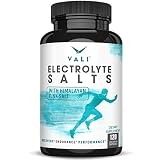
Overview: VALI Electrolyte Salts adopt a minimalist approach with unflavored veggie capsules designed for rapid rehydration without fillers. Each bottle contains 120 capsules—the highest quantity among competitors. Formulated for keto and paleo dieters, these pills contain a balanced blend of sodium, potassium, calcium, magnesium, zinc, Vitamin D3, and Himalayan pink salt for comprehensive mineral support during intense activity.
What Makes It Stand Out: The unflavored capsule format eliminates sugar, carbs, and artificial flavors entirely—a rarity in the electrolyte market. The inclusion of Vitamin D3 and Himalayan pink salt adds unique value for holistic health. At 120 capsules, it’s designed for extended use. Transparent labeling and third-party testing appeal to discerning consumers wanting clean supplements without proprietary blends. The keto-friendly formulation specifically targets low-carb athletes’ unique needs.
Value for Money: At $22.99 for 120 capsules ($0.19 per capsule), this is the most economical choice. Even at 2-3 capsules per serving, the per-use cost remains under $0.60, significantly cheaper than powders or chewables. For daily supplementation or frequent training, the value is exceptional. You’re receiving premium ingredients without the premium price tag, making it accessible for budget-conscious athletes seeking long-term supplementation.
Strengths and Weaknesses: Strengths include unbeatable cost-per-serving, clean ingredient profile, suitability for restrictive diets, and high capsule count. No mixing or measuring required. Weaknesses include the lack of flavor that may feel uninspired compared to tasty alternatives. Capsules require water to swallow, which isn’t always convenient during activity. Absorption is slower than chewables or dissolved powders, and the unflavored nature might discourage consistent use among those who prefer flavored options.
Bottom Line: VALI Electrolyte Salts are perfect for keto athletes, budget-conscious users, and those preferring tasteless supplementation. They’re ideal for pre- and post-workout use rather than mid-activity consumption. If you value clean ingredients and cost savings over flavor, this is your best bet.
4. Fluid Tactical - 25 Count Electrolyte Powder | Variety Pack | Travel Ready Drink Mix | Extreme Re-Hydration

Overview: Fluid Tactical is engineered for extreme conditions, targeting industrial workers, firefighters, and endurance athletes facing intense heat stress. This variety pack includes 25 single-serve packets with five fruity flavors, each delivering a potent electrolyte punch. The formulation focuses on high sodium content and essential minerals without excess sugar or artificial additives, prioritizing serious hydration needs.
What Makes It Stand Out: The professional-grade formulation contains 300mg sodium per serving—significantly higher than most consumer products. Designed by professionals based on real science, it addresses severe dehydration and cramp prevention in demanding environments. The variety pack offers flavor rotation, preventing taste fatigue during all-day use. Its no-nonsense approach appeals to those needing reliable performance without marketing fluff or unnecessary ingredients.
Value for Money: At $21.99 for 25 servings ($0.88 per serving), Fluid Tactical offers solid middle-ground pricing. It’s more affordable than premium brands like Liquid I.V. but pricier than basic salt tablets. For the high electrolyte content and professional formulation, the value is strong. The variety pack adds value by letting users test flavors. For occupational use where performance is critical, the cost is easily justified and competitive with industrial hydration solutions.
Strengths and Weaknesses: Strengths include high sodium content for heavy sweaters, variety flavors, clean ingredient profile, and occupational-focused design. Mixes easily without residue or clumping. Weaknesses include the intense formulation that may be overkill for casual gym-goers. Some flavors might taste too salty for sensitive palates. It lacks the vitamin enrichment found in premium competitors, and the 25-count pack is smaller than some alternatives requiring more frequent repurchase.
Bottom Line: Fluid Tactical is ideal for construction workers, first responders, ultra-endurance athletes, and anyone exercising in extreme heat. If you sweat heavily and need serious electrolyte replacement, this professional-grade option delivers. Casual athletes may find it too potent for their needs and should consider milder alternatives.
Why Rehydration Salts Are Non-Negotiable for Tropical Destinations
Tropical climates create a perfect storm for dehydration. Humidity levels above 60% prevent sweat from evaporating efficiently, forcing your body to work harder to cool itself. You can lose 1-2 liters of fluid per hour during moderate activity, and with that fluid goes essential electrolytes: sodium, potassium, chloride, and magnesium. Water alone can’t replace these losses. In fact, drinking large amounts of plain water without electrolytes can lead to hyponatremia—a dangerous dilution of blood sodium levels that causes nausea, headaches, and in severe cases, seizures. Rehydration salts follow the World Health Organization’s decades of research into optimal electrolyte replacement, creating a solution that your intestines absorb faster than water alone.
The Science Behind Oral Rehydration Therapy
Oral Rehydration Therapy (ORT) revolutionized global health in the 1960s when researchers discovered the sodium-glucose co-transport mechanism. Essentially, glucose molecules in the small intestine act as a “pump,” pulling sodium and water across the intestinal wall into the bloodstream. This discovery means that properly formulated rehydration solutions can rehydrate a person as effectively as IV fluids, but without medical intervention. For travelers, this translates to rapid recovery from heat exposure, food poisoning, or that extra round of cocktails last night. The key is the precise ratio: too much sugar slows absorption, while too little compromises the pumping mechanism.
Decoding the Formulation: What Makes Rehydration Salts Effective
The gold standard for rehydration salts stems from WHO formulations, but not all products meet these criteria. Look for solutions containing specific electrolyte concentrations: sodium (60-90 mEq/L), potassium (15-25 mEq/L), chloride (50-80 mEq/L), and citrate or bicarbonate (8-12 mEq/L) to correct acidosis. The glucose concentration should sit between 75-110 mmol/L. Many commercial products skimp on sodium because it tastes unpleasant, but this defeats the purpose—sodium drives fluid retention and replaces what’s lost in sweat. In tropical conditions, you need the full-strength formulation, not a watered-down “wellness” version.
Key Features to Evaluate Before You Buy
When evaluating rehydration salts for tropical travel, prioritize these characteristics: osmolarity (how concentrated the solution is), electrolyte completeness, dissolution speed, packaging durability, and temperature stability. Tropical environments test these factors more severely than temperate climates. A powder that clumps in humidity becomes useless. Packaging that tears easily leaves you with a mess in your daypack. Consider whether the product requires precise measuring—single-serve packets often trump bulk containers when you’re dripping sweat and trying to mix a solution in a moving tuk-tuk.
The Osmolarity Debate: Hypotonic vs. Isotonic Solutions
Osmolarity measures the concentration of particles in a solution compared to blood plasma. Isotonic solutions match plasma concentration (~275-295 mOsm/L), while hypotonic solutions are less concentrated. For tropical travel, hypotonic formulations generally outperform isotonic ones. They empty from the stomach faster and promote more rapid fluid absorption in the small intestine. However, extremely low osmolarity (below 200 mOsm/L) may not provide enough sodium for heavy sweat losses. The sweet spot for tropical conditions lies between 220-250 mOsm/L—low enough for rapid absorption, but concentrated enough to replace substantial electrolyte losses.
Electrolyte Ratios Matter More Than You Think
The ratio between electrolytes influences how your body uses them. Sodium-to-potassium ratios should approximate 3:1 to match sweat composition. Magnesium, often overlooked, prevents muscle cramps and supports energy production—look for formulations with 5-10 mg per serving. Calcium plays a role too, though in smaller amounts. Beware of products loaded with trace minerals like zinc or manganese in high doses; while beneficial in small amounts, they can cause nausea when you’re already dehydrated. The formulation should prioritize the “big four” (sodium, potassium, chloride, glucose) before adding bonus minerals.
Sugar Content: Finding the Sweet Spot for Absorption
Sugar isn’t just for taste—it’s the critical co-transporter for sodium. However, many commercial products overdose sugar to mask the salty taste. Excess glucose (above 110 mmol/L) actually reverses fluid absorption, pulling water back into the intestine and causing diarrhea. In tropical heat, this is disastrous. Look for products with 13-18 grams of sugar per liter of prepared solution. Some advanced formulations use rice-based starches or maltodextrin instead of simple glucose, providing the same transport mechanism with a lower osmotic load and gentler blood sugar impact—ideal for travelers managing energy levels throughout long, hot days.
Portability and Packaging Considerations
Your rehydration salts must survive tropical conditions. Individual foil packets offer the best protection against moisture, but check the seal quality—cheap packets split at the seams. Some brands use biodegradable materials, which is environmentally commendable but may compromise barrier protection. Consider packet size: larger packets that make 500-750ml are more versatile than tiny 250ml servings. For extended trips, look for strip packaging where packets are connected but easily separable; this prevents individual packets from getting lost while allowing you to carry only what you need for a day hike.
Flavor Profiles That Actually Work in the Tropics
Taste perception changes in heat and when you’re dehydrated. What seems pleasantly fruity at home can become cloying or nauseating when you’re sweating profusely. Citrus flavors (lemon, lime, grapefruit) tend to hold up best in tropical conditions, providing a perception of freshness. Berry flavors often taste artificial and heavy. Unflavored options exist for purists but can be challenging to drink in large volumes. Some formulations include subtle ginger, which can soothe nausea—a common symptom of heat exhaustion. Avoid products with strong artificial sweeteners; they can leave a metallic aftertaste that intensifies in heat.
Natural vs. Synthetic Ingredients: Making an Informed Choice
“Natural” doesn’t always mean better in rehydration science. While coconut water-based powders offer natural electrolytes, their sodium content is typically too low for severe dehydration. Natural fruit powders provide flavor but can ferment in humidity. Synthetic electrolytes are chemically identical to natural ones and offer precise dosing. The real differentiator is the absence of unnecessary additives: artificial colors, preservatives, or “proprietary blends” that obscure actual electrolyte amounts. For tropical travel, prioritize transparency and efficacy over marketing terms. If a product lists “natural flavors” without specifying what they are, question what else they’re hiding.
Tablets, Powders, or Liquid Concentrates: Which Format Wins?
Each format has distinct advantages for tropical travel. Powders offer the best electrolyte-to-weight ratio and mix into large volumes, but require clean water and vigorous shaking. Tablets eliminate measuring errors and dissolve with minimal effort—crucial when you’re exhausted—but often contain binders that slow absorption. Liquid concentrates mix instantly but weigh more and risk leaking in your pack. For most tropical travelers, a hybrid approach works best: tablets for emergency situations and on-the-go use, powders for daily preventive hydration back at your accommodation. Whatever you choose, test the dissolution time before you travel; some tablets take 15+ minutes to fully dissolve in lukewarm water.
Dosage Flexibility for Different Scenarios
Tropical travel demands adaptable dosing. You need different strengths for different situations: maintenance hydration during a city walking tour, therapeutic rehydration after severe food poisoning, and rapid replacement after intense activity. Look for products that provide clear guidance on adjusting concentration. Some powders allow you to use half-packets for mild dehydration, while tablets can be split. The ability to titrate your dose prevents overconsumption of electrolytes when you’re just slightly dehydrated and ensures you can ramp up when crisis hits. Products with rigid “one packet per 250ml” instructions lack the flexibility serious travelers need.
Safety Certifications and Quality Standards to Look For
In the supplement industry, certifications separate reputable products from snake oil. For rehydration salts, prioritize products manufactured in facilities with GMP (Good Manufacturing Practice) certification. NSF Certified for Sport or Informed Sport testing ensures the product contains what it claims without contaminants—critical in regions where counterfeit supplements are common. While WHO endorsement is the gold standard, few commercial products achieve it. Instead, look for adherence to WHO ORS formula on the label. Third-party testing for heavy metals is essential, as electrolyte sources can be contaminated. In tropical countries, buy only from reputable pharmacies or pack sufficient supplies from home; counterfeit rehydration salts can worsen dehydration.
Cost-Per-Serving Analysis for Budget-Conscious Travelers
Price varies dramatically, from $0.30 to $3.00 per serving. Calculate cost based on the volume of effective solution produced, not just packet count. A $2 packet that makes 750ml of proper ORS is cheaper than a $0.50 packet making 250ml of diluted solution. Bulk tubs seem economical but often lose potency in tropical humidity before you finish them. For extended travel (3+ months), mid-range single-serve packets ($0.75-$1.25 per serving) offer the best balance of cost, convenience, and efficacy. Consider that a single case of severe dehydration in a foreign hospital costs far more than a supply of quality rehydration salts.
Environmental Impact and Sustainable Options
Single-use packets generate plastic waste in countries with limited recycling infrastructure. Some brands now use compostable packaging, but these may degrade prematurely in humid conditions. A reusable container with bulk powder reduces waste but requires diligent moisture protection. Look for brands that participate in plastic offset programs or support clean water initiatives in the regions you visit. The most sustainable option is effective prevention: staying hydrated reduces the total number of packets you’ll need. Never flush unused solution down drains in eco-sensitive areas; the electrolyte load can disrupt local water systems.
How to Properly Prepare and Store Rehydration Salts in Tropical Climates
Preparation mistakes compromise efficacy. Always use clean, potable water—never assume tap water is safe. Mix in a container with volume markings; eyeballing concentrations leads to ineffective solutions. If using boiled water, let it cool before adding salts; heat degrades some compounds. Once mixed, consume within 12 hours or refrigerate; bacteria grow rapidly in sugar solutions at room temperature. Store unused packets in a waterproof container with desiccant packets. Never leave them in direct sunlight, even in your pack—UV rays degrade packaging and contents. In extremely humid conditions, consider vacuum-sealing your supply.
Integrating Rehydration Salts Into Your Daily Travel Routine
Don’t wait for dehydration to strike. In tropical heat, drink 200-300ml of diluted rehydration solution every morning as preventive maintenance. After any activity, replace 150% of fluid losses by weight—if you lose 1kg through sweat, drink 1.5 liters over the next few hours. Alternate between plain water and rehydration solution throughout the day to avoid electrolyte overload. For alcohol consumption (common on vacation), drink a serving before bed and another upon waking—the glucose helps metabolize alcohol while replacing lost electrolytes. Keep a few packets in your daypack, first-aid kit, and even your money belt; dehydration can incapacitate you far from your main supplies.
Frequently Asked Questions
1. Can I just use sports drinks instead of rehydration salts in the tropics?
Sports drinks typically contain only 10-25% of the sodium needed for effective rehydration and are designed for exercise, not tropical heat stress. Their high sugar content can worsen dehydration by pulling water into your intestines. While better than plain water, they don’t meet WHO standards for treating dehydration.
2. How do I know if I’m dehydrated enough to need rehydration salts?
In tropical climates, don’t wait for obvious signs. If you’re urinating less than every 4 hours, or your urine is darker than pale yellow, start using them. Other early indicators include headache, fatigue, and irritability. By the time you feel thirsty, you’re already 2-3% dehydrated.
3. Are there any side effects from using rehydration salts daily?
When used as directed, side effects are minimal. Some people experience mild bloating if they drink too quickly. Those with hypertension should monitor sodium intake, though the short-term use typical of travel is generally safe. Always follow package instructions—overly concentrated solutions can cause nausea.
4. Can I make my own rehydration salts if I run out?
DIY solutions are risky without precise measurement. The WHO homemade recipe (1 liter water + 6 level teaspoons sugar + ½ level teaspoon salt) works in emergencies, but getting the ratios wrong can be dangerous. Commercial products ensure accuracy. If you must DIY, use a proper measuring spoon and taste-test—it should be no saltier than tears.
5. Do rehydration salts expire, and how quickly do they lose potency?
Most have a 2-3 year shelf life if stored properly. Once opened, use within days. In tropical heat and humidity, potency can decline faster, especially for vitamin-added formulations. Check for clumping or off-smells. When in doubt, replace your supply before major trips—it’s inexpensive insurance.
6. Will rehydration salts help with jet lag?
Indirectly, yes. Dehydration worsens jet lag symptoms. Using rehydration salts during and after long flights, combined with strategic water intake, can reduce fatigue and headache severity. The glucose also helps stabilize blood sugar during irregular meal times.
7. Are they safe for children and elderly travelers?
Yes, and they’re often essential for these groups who are more vulnerable to dehydration. Use pediatric formulations for young children, which have lower osmolarity. For elderly travelers with heart or kidney conditions, consult a doctor beforehand but generally, WHO-standard ORS is safer than dehydration.
8. Can I mix rehydration salts with juice or coconut water for better taste?
Don’t mix with other beverages—it alters the precise osmolarity needed for optimal absorption. If you must improve taste, add a squeeze of fresh lemon or lime after mixing, not before. Coconut water has too much potassium and too little sodium to be used as a base.
9. How many packets should I pack for a two-week tropical vacation?
Pack 1-2 packets per day for preventive use, plus 5-10 extra for emergencies. For a two-week trip, that’s 20-40 packets. It’s better to overpack—they weigh virtually nothing and can be lifesavers for travel companions or locals you meet.
10. Do I need different formulations for different activities (diving, hiking, city touring)?
The same WHO-based formulation works across all activities, but dosage timing changes. For diving, hydrate before and after dives. For hiking, sip continuously. For city touring, use preventively in the morning and evening. Some brands offer “maintenance” vs. “therapeutic” strengths, which can be useful but aren’t strictly necessary if you adjust concentration.'