Navigating airport security with your everyday carry can feel like walking through a minefield of regulations. One misplaced item in your pocket and you’re either surrendering a beloved tool at the checkpoint or scrambling to find checked baggage. For travelers who rely on multi-tools for work, adventure, or peace of mind, the solution isn’t leaving gear behind—it’s choosing smarter gear. Bladeless, TSA-approved multi-tools have evolved from stripped-down compromises to sophisticated pieces of engineering that prove you don’t need a knife blade to be prepared for anything.
Understanding what makes a multi-tool truly TSA-compliant goes far beyond simply removing the blade. It’s about mastering the nuances of security regulations, material science, and functional design. Whether you’re a frequent flyer, a digital nomad, or someone who simply refuses to be caught unprepared, this guide will equip you with everything you need to select, pack, and travel confidently with a multi-tool that works as hard as you do.
Top 10 TSA-Approved Multi-Tools Without Blades
Detailed Product Reviews
1. NexTool Mini Multitool - 9 in 1 Keychain Multitool with Needle Nose Pliers, Scissors, SIM Extractor and Screwdrivers for Travel, EDC, TSA Approved

Overview: The NexTool Mini Sailor Lite packs nine essential tools into a keychain-friendly form factor designed for modern travelers and everyday carry enthusiasts. At just 2.78 inches closed and 2.38 ounces, this bladeless multitool prioritizes airport security compliance while delivering legitimate functionality through needle-nose pliers, wire cutters, scissors, dual screwdrivers, and a notably rare SIM extractor tool.
What Makes It Stand Out: The deliberate TSA-approved design distinguishes this from conventional multitools, eliminating the knife blade entirely rather than requiring removal. The inclusion of a SIM extractor directly addresses modern travel pain points, while the 420J2 stainless steel construction offers corrosion resistance in a truly pocketable package. The keychain integration is seamless, making it genuinely forgettable until needed.
Value for Money: At $21.98, this sits in the mid-range for keychain multitools. The price is justified by the thoughtful travel-centric design and quality materials. While you can find cheaper alternatives, the TSA compliance and specialized tool selection save you from confiscation risks and the hassle of checking baggage for a single tool.
Strengths and Weaknesses: Strengths: True TSA compliance; ultra-compact keychain design; includes SIM extractor; 420J2 stainless steel; no blade removal required; lifetime warranty support. Weaknesses: Lack of knife limits utility for some users; small pliers offer limited torque; scissors are miniature; no pocket clip option.
Bottom Line: Ideal for frequent flyers and minimalist EDC carriers who prioritize travel compliance over cutting tasks. The NexTool Mini delivers reliable performance for common fixes and tech emergencies without security headaches.
2. Kilimanjaro 910055 Ascend 9 in 1 Multi-Tool -with TSA Compliant, Long Nose Pliers, Wire Stripper, Bottle Opener, Scissors, Phillips and Slotted Screwdriver, Single Cut File, Tweezers, Key Chain
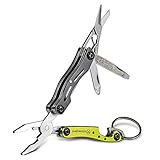
Overview: The Kilimanjaro Ascend positions itself as a travel-ready multitool with a straightforward eight-tool configuration (despite the “9 in 1” naming). Measuring under seven inches and bladeless, it meets TSA requirements while offering long-nose pliers, wire stripper, scissors, dual screwdrivers, file, tweezers, and bottle opener on a keychain ring.
What Makes It Stand Out: The set screw construction is this tool’s most distinctive feature, allowing users to adjust and restore tool tension over time—a maintenance-friendly approach rarely seen in budget multitools. The long-nose pliers provide better reach than typical keychain models, while the dedicated wire stripper adds electrical work capability.
Value for Money: Priced at $23.35, the Ascend competes directly with the NexTool Mini but offers slightly different tool priorities. The adjustable construction adds long-term value, though the generic branding and unspecified steel grade may concern quality-focused buyers. It’s fairly priced for a TSA-compliant tool with maintenance features.
Strengths and Weaknesses: Strengths: TSA compliant; adjustable set screws; long-nose pliers; wire stripper included; keychain-ready; lifetime adjustability. Weaknesses: Ambiguous tool count; no specified steel grade; lacks unique modern tools (SIM extractor); tweezers are flimsy; no warranty details provided.
Bottom Line: A solid choice for travelers wanting maintainable tools, but overshadowed by competitors with better material specs and travel-specific features. Consider this if you value tool restoration over premium steel.
3. BIBURY Mini Multitool BI2052AB, EDC Multitool Scissors w/Window Breaker, Seat Belt Cutter, Bottle Opener for Outdoor Survival, TSA Approved Keychain Multi-tool Cool Gadget, Gifts for Men and Women

Overview: BIBURY’s BI2052AB shifts focus from traditional pliers-based design to emergency preparedness, centering on a robust scissors mechanism supplemented by a window breaker, seat belt cutter, and replaceable scalpel blade. This 5.4-ounce keychain tool targets drivers and outdoor enthusiasts with survival-oriented features in a 3.07-inch package.
What Makes It Stand Out: The emergency extraction tools—window breaker and seat belt cutter—are rare inkeychain formats, making this a legitimate vehicle safety device. The replaceable scalpel blade system provides surgical sharpness for precision cutting, while TSA compliance requires simple blade removal rather than permanent omission, offering flexibility.
Value for Money: At $27.99, this is the most expensive option reviewed. The premium reflects specialized emergency features and replaceable blade system. For city drivers and outdoor adventurers, the safety utilities justify the cost, but casual users may find better value in traditional multitools.
Strengths and Weaknesses: Strengths: Emergency window breaker/seat belt cutter; replaceable scalpel blades; TSA adaptable; 3Cr13 stainless steel; includes two spare blades; full-size scissor feel. Weaknesses: Heaviest at 5.4 oz; highest price; blade removal required for TSA; limited pliers functionality; overkill for office environments.
Bottom Line: Essential for commuters and outdoor enthusiasts prioritizing emergency preparedness over everyday repairs. The BIBURY excels as a vehicle EDC tool but proves excessive for minimalist travelers or general household use.
4. Mini Multitool Knife 12 in 1 Small Pocket Multi Tool with Knife and Pliers - Best Small Multi Purpose All in One Utility for Men & Women - Best Gear Accessory for EDC Work Camping Hiking 2229

Overview: This no-name 12-in-1 multitool delivers maximum function at a minimum price, incorporating actual knife blades alongside spring-loaded pliers, wire tools, screwdrivers, and a saw. The skeletonized aluminum handles reduce weight to 3.5 ounces despite the 4.3-inch length, targeting budget-conscious users who refuse to compromise on tool variety.
What Makes It Stand Out: The sub-$9 price point is unprecedented for a 12-function multitool with included nylon sheath. Unlike travel-focused competitors, this embraces knife blades—both plain and serrated—plus a saw, making it genuinely useful for camping and outdoor tasks. The unique handle design cuts weight while maintaining full-size tool feel.
Value for Money: At $8.99, this represents exceptional value, costing less than a single fast-food meal. While material quality (420 stainless steel, aluminum handles) suggests moderate durability, the sheer tool count and included sheath make it a compelling starter option or backup tool.
Strengths and Weaknesses: Strengths: Unbeatable price; 12 functions including knives; lightweight skeleton design; includes sheath; true pliers-based design; versatile for outdoor use. Weaknesses: NOT TSA compliant; lower-grade materials; aluminum handles less durable; no warranty information; questionable long-term reliability.
Bottom Line: Perfect for camping, glove boxes, and budget EDC setups where knife functionality is essential and travel isn’t a concern. An excellent gift or introduction to multitools, but serious users should invest in premium brands for daily hard use.
5. NexTool Pocket Tool E1, Pocket Knife Multi-Tool with Replaceable Folding Utility Knife, Dual Head Screwdriver and Scissors, Mini Multitool for EDC Carry, Engraving, Cutting and Repair, Small Multitool

Overview: The NexTool E1 bridges the gap between utility knife and multitool, emphasizing cutting performance through a replaceable #11 exacto blade system alongside nine other functions. At 79mm closed and 95 grams, this pocket clip-equipped tool targets DIY enthusiasts and precision workers who need sustained sharpness without sharpening stones.
What Makes It Stand Out: The replaceable utility blade system is the star feature, providing scalpel-like sharpness for detailed work, package opening, and engraving. The 30Cr13 stainless steel (harder than HRC50) offers superior edge retention on permanent tools, while the dual-purpose screwdriver combines flat and Phillips heads in one component, saving space.
Value for Money: Priced at $26.98, the E1 commands a premium justified by its advanced steel and blade replacement system. Including three spare blades adds immediate value. For users who constantly dull knife edges, the replaceable blade design pays for itself in time saved.
Strengths and Weaknesses: Strengths: Replaceable utility blades; premium 30Cr13 steel; pocket clip; dual-head screwdriver; includes three spare blades; compact and lightweight. Weaknesses: Questionable TSA compliance (contains knives); smaller pliers than dedicated multitools; limited screwdriver reach; price approaches full-size multitools.
Bottom Line: Excellent for crafters, warehouse workers, and detail-oriented users who prioritize cutting performance over pliers strength. The E1 is a specialized hybrid tool that excels in its niche but isn’t a true replacement for traditional multitools or dedicated travel tools.
6. SWISS+TECH ST53130 Pocket Multi-Tool Kit (22-in-1) Tool with Wrenches, Allen Drivers (Single Pack)

Overview:
The SWISS+TECH ST53130 Pocket Multi-Tool Kit packs an impressive 22 functions into a pocket-sized stainless steel chassis. This heavy-duty tool combines wrenches, Allen drivers, and various other implements in a compact form factor designed for recreational use and minor repairs. The integral locking system ensures each tool leg stays securely in place during use, addressing a common failure point in lesser multi-tools. At $36.51, it positions itself in the mid-to-premium segment of pocket tools, targeting users who refuse to compromise on capability despite size constraints.
What Makes It Stand Out:
The 22-in-1 configuration is remarkable for a tool this compact, offering genuine full-sized functionality that rivals larger multi-tools. The heavy-duty stainless steel construction provides durability that budget alternatives lack, while the integral locking system adds a crucial safety dimension often missing in pocket-sized competitors. This locking mechanism prevents accidental collapse during torque applications, making it practical for real-world repairs rather than just emergency use.
Value for Money:
At $36.51, this tool sits between budget keychain gadgets and full-sized multi-tools like Leathermans. The price is justified by the stainless steel build and locking system, though it’s steep compared to basic alternatives. For users needing serious capability without belt-holster bulk, it represents solid value.
Strengths and Weaknesses:
Strengths include exceptional tool count, robust locking mechanism, and professional-grade materials. Weaknesses involve potential weight in a pocket, limited wrench size range, and a price point that may deter casual users. The complexity might overwhelm those wanting simplicity.
Bottom Line:
Ideal for DIY enthusiasts and outdoor recreationists who need comprehensive tool access without carrying a full multi-tool. The locking system and build quality justify the investment for serious users, though casual buyers may find better value in simpler options.
7. tinyTak Mini Safety Box Cutter : Dependable Magnetic Box Opener - Lightweight TSA Approved Knife Alternative (1 Pack)
Overview:
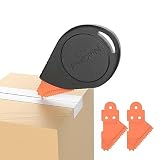
The tinyTak Mini Safety Box Cutter reimagines package opening with a radical focus on user safety and travel convenience. Weighing a mere 0.14 ounces, this TSA-approved tool uses a strong plastic compound blade to slice through tape and cardboard without the injury risks of metal knives. Its matte finish provides excellent grip while the moderate magnetic strength allows convenient storage on metal surfaces without damaging electronics or magnetic cards. At $7.99, it’s an ultra-affordable addition to any keychain or pocket.
What Makes It Stand Out:
The safety-first design philosophy distinguishes this from traditional box cutters. The plastic blade material passes TSA screening, eliminating travel anxiety about forgotten pocket items. Its featherweight construction ensures you won’t notice it until needed, while the unique cutting technique—pounding tape to create a hole before sliding through—prioritizes finger protection over raw cutting power. The balanced magnet solves the common problem of where to store a small tool.
Value for Money:
At $7.99, this is impulse-buy territory. For frequent travelers or online shoppers, it pays for itself by preventing one confiscated metal blade or one emergency room visit. Comparable safety cutters cost $10-15, making this an excellent value proposition.
Strengths and Weaknesses:
Strengths include unparalleled safety, travel approval, negligible weight, and clever magnetic storage. The primary weakness is the learning curve; mastering the pound-and-slide technique requires practice. It’s also limited to box cutting tasks and lacks the versatility of a true multi-tool. Plastic blade durability remains a question for heavy use.
Bottom Line:
Perfect for travelers, warehouse workers, and safety-conscious consumers. Accept its single-purpose limitation and learning curve, and you’ll have the most travel-friendly package opener available. Don’t expect it to replace a proper knife.
8. WYN Multi-Tool Capsule | Discreet Everyday Carry | Keychain Multi-Tool with Blade, Screwdrivers, Pry Bar & Carabiner | TSA Safe | Gift for Men, Women, Birthday (Titanium)

Overview:
The WYN Multi-Tool Capsule brings minimalist design philosophy to everyday carry tools. Machined from titanium, this discreet capsule integrates six essential functions—cutting blade, Phillips and slotted screwdrivers, pry bar, clean-touch button, and carabiner—into a form factor that disappears on a keychain. The TSA-safe design prioritizes travel convenience, while the clean-touch button addresses post-pandemic hygiene concerns by helping users avoid direct contact with public surfaces. At $24.95, it targets style-conscious EDC enthusiasts.
What Makes It Stand Out:
The capsule aesthetic is genuinely unique in a market dominated by butterfly-fold designs. The titanium construction offers exceptional strength-to-weight ratio and corrosion resistance while remaining airport-friendly. The integrated clean-touch button demonstrates thoughtful modern design, addressing real-world hygiene concerns that most tool makers ignore. The carabiner ring doubles as both attachment point and ergonomic handle, maximizing utility in minimal space.
Value for Money:
Titanium EDC tools typically command $30-50, making $24.95 reasonable for the material and design innovation. You’re paying for discretion and material quality over raw tool count, which aligns with its urban-focused mission.
Strengths and Weaknesses:
Strengths include premium titanium build, truly discreet profile, travel safety, and hygiene-forward design. Weaknesses center on limited tool selection—six functions may disappoint those wanting comprehensive capability. The blade, while sharp, isn’t replaceable and may dull with heavy use. The pry tool’s small size limits leverage.
Bottom Line:
Excellent for urban professionals and frequent flyers prioritizing discretion and style over versatility. If you need a full tool kit, look elsewhere. For everyday package opening, light repairs, and hygiene-conscious surface interaction, it’s a sophisticated choice that blends seamlessly into modern life.
9. Gerber Gear Splice Pocket Knife EDC Multitool with Blade, Scissors, Screwdrive and, Bottle Opener, Black

Overview:
The Gerber Gear Splice Pocket Knife leverages the brand’s legendary reputation in a 9-in-1 keychain format. This EDC multi-tool combines spring-loaded scissors, fine and serrated blades, multiple drivers, bottle opener, and file in a 2.4-inch closed length that weighs just 2.5 ounces. The dual-blade approach and robust scissor mechanism demonstrate Gerber’s understanding of real-world cutting needs. Backed by a limited lifetime warranty, it balances capability with pocket-friendly portability at $26.99.
What Makes It Stand Out:
The spring-loaded scissors are a standout feature rarely executed well in such small tools, providing genuine cutting power for threads, zip ties, and packaging. Offering both fine and serrated edges maximizes material versatility without compromising the compact form. Gerber’s warranty support adds long-term value absent from no-name competitors. The thoughtful driver selection covers most common screw sizes encountered in daily life.
Value for Money:
At $26.99, you’re paying a modest premium for the Gerber name and warranty. Comparable no-brand tools cost $15-20, but the scissor quality and blade steel justify the upcharge for users who rely on their EDC daily.
Strengths and Weaknesses:
Strengths include excellent scissor mechanism, dual blade types, reputable brand backing, and ideal keychain proportions. Weaknesses involve small tool size making detailed work challenging, limited driver reach in deep screw wells, and the black finish wearing over time. The file is quite small for serious metalwork.
Bottom Line:
A top-tier keychain multi-tool for those who value scissors alongside blades. The Gerber guarantee provides peace of mind, while the compact size ensures consistent carry. Choose this over cheaper alternatives if you’ll use it weekly—it earns its place through reliable performance and brand support.
10. 14-In-1 Multitool with Safety Locking, Professional Stainless Steel Multitool Pliers Pocket Knife, Bottle Opener, Screwdriver with Nylon Sheath ,Apply to Survival,Camping, Hunting and Hiking 1 Pcs

Overview:
This 14-In-1 Multitool delivers surprising comprehensiveness at a budget price point. For $9.99, users get pliers (long nose, round nose, cutting), multiple screwdrivers, knives (plain and serrated), hook remover, file, scraper, and can/bottle openers—all with a safety locking system. The professional stainless steel construction and included nylon sheath suggest ambitions beyond its price class. Measuring compactly when folded, it targets outdoor enthusiasts needing survival, camping, and hiking utility without financial commitment.
What Makes It Stand Out:
The safety locking system is exceptional at this price, engaging every tool and blade (except pliers) when fully open—a feature typically reserved for $40+ multi-tools. The comprehensive 14-function set leaves few tasks unaddressed, while the dedicated hook remover shows outdoor-specific thinking. Including a nylon sheath adds carry versatility usually omitted in budget tools.
Value for Money:
At $9.99, this represents extraordinary value. Comparable locking multi-tools from major brands cost 4-5 times more. While steel quality and fit-and-finish won’t match premium options, the feature set alone justifies the price for occasional users.
Strengths and Weaknesses:
Strengths include unbeatable price, safety locking mechanism, comprehensive tool selection, and outdoor-focused features. Weaknesses involve potential durability concerns with heavy use, bulkier pocket carry than advertised, and tools that may loosen over time. The steel may require more frequent sharpening than premium alloys.
Bottom Line:
Perfect for entry-level users, emergency car kits, or occasional campers not ready to invest in a Leatherman. The locking system provides safety confidence, while the price allows risk-free experimentation. Don’t expect heirloom quality, but anticipate reliable performance for light-to-medium tasks. A smart backup tool even for those owning premium multi-tools.
Understanding TSA Regulations for Multi-Tools
The Transportation Security Administration operates under a complex set of guidelines that often leave travelers confused about what’s actually permitted in carry-on luggage. Multi-tools exist in a gray area that requires careful interpretation of the rules.
The 3-1-1 Rule and Multi-Tools
While the 3-1-1 rule primarily governs liquids, its principle of “size matters” extends to multi-tools. The overall dimensions of your tool can trigger additional scrutiny, even if every individual component meets regulations. Compact designs that fit comfortably in the palm of your hand typically face fewer questions than bulkier models that might be perceived as potential weapons.
Prohibited Items vs. Permitted Items
TSA maintains an exhaustive list of prohibited items, but the key distinction for multi-tools centers on blades and sharp objects. Any cutting edge longer than 4 inches is automatically disqualified from carry-on status. However, the absence of a blade doesn’t guarantee approval—tools with overly aggressive points, weighted components designed for striking, or those that could be wielded as clubs may still be confiscated at the discretion of security officers.
Why Bladeless is the Safest Bet
Even tools with removable blades introduce risk. TSA agents don’t have time to disassemble your gear during a busy screening shift, and subjective judgment calls can go against you. Bladeless designs eliminate ambiguity entirely, transforming your screening experience from a potential confrontation into a non-event. This peace of mind alone justifies the investment in a purpose-built travel tool.
Why Go Bladeless? The Case for TSA-Friendly Tools
The modern bladeless multi-tool represents a paradigm shift in portable functionality. Manufacturers have responded to travel restrictions with creative engineering that often surpasses traditional designs in versatility.
Eliminating Confiscation Anxiety
Every seasoned traveler has a story about losing gear at security. That sinking feeling when an agent pulls your bag for secondary screening creates unnecessary stress. Bladeless tools function as psychological insurance—you know before you even reach the airport that your gear complies with regulations, allowing you to focus on your journey rather than your pockets.
Versatility Without the Blade
Innovative designers have replaced traditional knife blades with tools that serve multiple purposes. Package openers with safety edges, micro-scissors for precision work, and pry bars that double as scrapers prove that cutting tasks don’t require a conventional blade. Many bladeless tools actually offer more functional diversity than their bladed counterparts by reallocating the space and weight typically consumed by a knife.
The Rise of Bladeless Design Innovation
The constraints of TSA compliance have sparked a renaissance in tool design. Engineers now prioritize clever mechanisms, ergonomic layouts, and hybrid functions. This competitive pressure means today’s bladeless tools feature smoother pivots, better materials, and more intuitive interfaces than ever before—benefits that all users enjoy, regardless of travel frequency.
Key Features to Look for in TSA-Approved Multi-Tools
Not all bladeless multi-tools are created equal. The best models balance comprehensive functionality with travel-specific considerations.
Pliers and Gripping Mechanisms
Needle-nose pliers often serve as the backbone of a quality multi-tool. Look for spring-loaded designs that reduce hand fatigue during extended use. The jaw should grip securely without excessive wobble, and wire cutters should handle at least 12-gauge copper wire. Some advanced models include replaceable cutter inserts, extending the tool’s lifespan significantly.
Screwdrivers and Bit Drivers
A robust bit driver system dramatically expands your tool’s capabilities. Flathead and Phillips drivers are baseline requirements, but Torx, hex, and Robertson bits prove invaluable for travelers who might need to repair electronics, adjust eyeglasses, or tighten luggage hardware. The best designs store bits internally and accept standard 1/4-inch hex bits, allowing customization.
Scissors (Under 4 Inches)
Scissors represent the most common point of confusion in TSA regulations. The 4-inch measurement applies to the blade length from pivot to tip, not the overall tool size. High-quality scissors should cut through paracord, zip ties, and packaging with minimal effort. Spring-assisted opening and precise blade alignment separate premium tools from budget options that quickly develop play and dull edges.
Bottle and Can Openers
These seemingly simple tools reveal manufacturing quality through their geometry. A well-designed bottle opener hooks securely under caps without slipping, while the can opener should pierce metal cleanly without requiring excessive force. Some models combine these functions into a single implement, saving space for additional tools.
File and Edge Tools
Diamond-coated files handle everything from fingernail maintenance to deburring rough edges. Look for files with both fine and coarse surfaces. Some bladeless tools include safety cutters—small, recessed blades designed for slicing tape and cordage that TSA typically permits because they can’t be used as weapons.
Measuring Tools and Rulers
Integrated rulers (usually 3-4 inches) help with quick measurements on the go. Some tools embed both metric and imperial scales, while others include protractor functions for angle measurements. These features weigh virtually nothing but add legitimate utility for travelers who might need to measure luggage dimensions or complete quick repairs.
Material Matters: Durability vs. Weight
Your multi-tool’s materials determine its longevity, weight, and resistance to the elements you’ll encounter during travel.
Stainless Steel Options
420HC and 154CM stainless steel offer excellent corrosion resistance and edge retention for cutting tools. For structural components, 420 stainless provides adequate strength at a reasonable price point. Premium tools might use S30V steel for scissors and wire cutters, maintaining sharpness through hundreds of uses. The trade-off is weight—stainless steel tools typically range from 5 to 8 ounces.
Titanium and Lightweight Alloys
Titanium reduces weight by 30-40% compared to steel while offering superior corrosion resistance. However, it commands a premium price and can be more brittle under extreme torque. Aluminum alloys provide a middle ground, offering decent strength at half the weight of steel, though they scratch and dent more easily. For ultralight travelers, every ounce matters, making titanium worth the investment.
Plastic and Composite Components
High-strength composites like G-10 or carbon fiber reinforced nylon reduce weight and eliminate conductivity concerns for electricians. These materials excel for handle scales but shouldn’t bear structural loads. Avoid tools with cheap ABS plastic components that crack under stress. Quality composites feel solid, resist temperature extremes, and provide secure grip even when wet.
Size and Portability Considerations
The best multi-tool is the one you’ll actually carry, making size and form factor critical decision points.
Pocket-Friendly Dimensions
Ideal pocket tools measure under 4 inches when closed and stay under 0.7 inches thick. This profile disappears into a front pocket but remains accessible. Tools that exceed 5 inches often require belt sheaths, which create additional screening questions and travel inconvenience. The “sweet spot” balances comfortable carry with tool accessibility.
Keychain vs. Pocket vs. Bag Storage
Keychain tools prioritize minimalism, typically offering 5-7 functions in a 2-inch package. They’re perfect for urban travelers but lack the leverage for serious work. Pocket tools provide the best versatility-to-size ratio. Bag-based tools can be larger but risk getting lost in luggage or creating screening complications if you forget to transfer them to your carry-on after checking bags.
Weight Limits for Comfortable Carry
The psychological threshold for everyday carry sits around 6 ounces. Heavier tools get left behind “just this once,” defeating their purpose. Ultralight enthusiasts should target under 3 ounces, while those prioritizing function over featherweight can accept up to 8 ounces if the toolbelt or suspension clip distributes weight effectively.
Tool Configuration: What Functions Are Most Useful?
Your travel patterns should dictate your tool selection. A business traveler needs different functions than an adventure photographer.
The Traveler’s Essential Toolkit
The core set includes: spring-loaded pliers, wire cutters, scissors, flathead and Phillips screwdrivers, bottle opener, and a file. This combination handles 90% of common travel tasks, from repairing luggage to opening packages to performing minor hotel room maintenance. Add a package opener and tweezers for comprehensive coverage.
Office-Friendly Functions
For business travelers, prioritize precision screwdrivers (including tiny electronics bits), scissors for documents, a pen, and perhaps a small ruler. Avoid aggressive textures or tactical aesthetics that might alarm colleagues. Tools with polished finishes and subdued branding blend better in professional environments.
Outdoor and Emergency Features
Adventure travelers benefit from ferrocerium rod holders, whistle integrations, and cord cutters. Some bladeless tools include glass breakers—verify these are TSA-compliant, as some agents interpret them as strike weapons. Package hooks that double as tent line tensioners add utility without bulk.
Customization and Modularity
The ability to swap bits, add accessories, or reconfigure tool layouts extends a multi-tool’s relevance. Look for models with accessible pivot screws and standard bit interfaces. Some premium tools allow users to remove unwanted implements entirely, creating a truly personalized travel companion.
The Importance of Compliance Labeling
Marketing claims about TSA approval don’t always match reality. Understanding compliance verification protects your investment.
What “TSA-Compliant” Really Means
No manufacturer receives official TSA “approval.” Instead, they design tools to comply with published guidelines. “TSA-compliant” is a self-declaration based on interpretation of rules. Reputable brands invest in legal review and often test prototypes with actual TSA screening scenarios, but final authority always rests with the agent at the checkpoint.
Official Documentation and Certifications
The most trustworthy brands provide printed compliance cards or digital documentation explaining how their tool meets regulations. Some include ruler markings directly on the tool to prove scissor length. While not legally binding, this documentation demonstrates good faith and often persuades agents during secondary screening. Keep a digital copy on your phone as backup.
Self-Verification Before Travel
Measure your tool’s scissors yourself—don’t trust manufacturer specs. Use calipers for precision. Check for any sharp points that might be interpreted as weapons. If a tool feels aggressive or tactical, it probably will to a TSA agent too. When in doubt, mail the tool to your destination or pack it in checked luggage for that trip.
Common Pitfalls to Avoid When Choosing
Even experienced travelers make mistakes when selecting TSA-friendly tools. Awareness of these traps saves money and frustration.
Assuming All Bladeless Tools Are Approved
Some bladeless tools include other prohibited features like brass knuckle grips, concealed compartments, or weighted striking surfaces. Others have scissors that exceed the 4-inch limit by a hair’s breadth. Always verify every component against current TSA guidelines, which change periodically.
Overlooking Scissor Length Restrictions
The 4-inch rule measures the cutting blade only, but some manufacturers measure overall length. A tool with 3.9-inch blades might have 4.1-inch scissors when measured from pivot to handle tip. This ambiguity has caused countless confiscations. Always choose tools with clear safety margins—3.5 inches or less eliminates doubt.
Ignoring Local and International Laws
TSA compliance doesn’t guarantee acceptance by airport police, customs officials, or international security agencies. Some countries prohibit multi-tools entirely, regardless of configuration. Research destination-specific regulations before international travel, and consider carrying printed translations explaining your tool’s functions.
Buying Cheap Knockoffs
Budget tools often use softer steel that dulls quickly, creating a paradox: you press harder, increasing injury risk, and the tool becomes more dangerous. Poor tolerances lead to tool play that can pinch fingers or fail under load. Invest in proven brands that stand behind their products with warranties and clear compliance information.
How to Pack Your Multi-Tool for TSA Screening
Proper presentation can mean the difference between smooth passage and a lengthy delay.
Carry-On vs. Checked Baggage Strategies
Always pack TSA-approved tools in your carry-on where you can present them if questioned. Never place them in checked luggage unless absolutely necessary—lost checked bags mean lost tools. If you must check the tool, secure it inside a hard case within your luggage to prevent theft and damage.
Declaring Your Tool at Security
Proactive declaration rarely helps and can actually draw unwanted attention. TSA agents are trained to identify threats through imaging; an unsolicited announcement may trigger unnecessary secondary screening. Simply place your bag on the belt and let the process work. If asked, respond clearly: “It’s a TSA-compliant bladeless multi-tool.”
Best Practices for Smooth Screening
Pack your multi-tool in an easily accessible pocket of your carry-on—not buried at the bottom. Consider placing it in a small tray by itself if you anticipate questions. Remove any keychain accessories that might obscure the tool’s profile in the X-ray. Ensure the tool is closed and locked to prevent it from opening during screening.
International Travel Considerations
TSA approval provides zero protection abroad. International travel demands additional research and preparation.
When TSA Approval Doesn’t Guarantee Entry
Many countries have stricter regulations than the United States. The UK prohibits multi-tools with locking blades (including locking screwdrivers) in carry-ons. Japan has zero tolerance for any tool that could be used as a weapon, with interpretation left to individual officers. Australia requires tools to be packed in checked luggage regardless of design.
Country-Specific Tool Regulations
Create a reference list of destinations and their rules. The EU generally follows similar guidelines to TSA but enforces them more strictly. Middle Eastern countries often prohibit any multi-tool in carry-ons. Southeast Asian nations vary dramatically—Singapore is strict, while Thailand is more lenient. When traveling internationally, default to checked luggage or leave the tool home.
Documentation and Declaration Strategies
For international travel, carry a copy of the destination’s regulations in both English and the local language. Some travelers photograph their tool alongside a ruler to document compliance. Consider obtaining a letter from your employer if the tool is professionally necessary. These steps don’t guarantee success but demonstrate due diligence if questioned.
Maintenance and Care for Longevity
A quality multi-tool should last decades with proper care. Travel-specific maintenance differs from standard tool upkeep.
Cleaning and Lubrication
Travel exposes tools to salt air, humidity, and grit. Rinse your tool with fresh water after beach destinations, then dry thoroughly. Apply a single drop of lightweight oil (like mineral oil) to each pivot monthly. Avoid heavy greases that attract dirt. For tools used in food service (opening packages), use food-safe lubricants like coconut oil.
Preventing Rust and Corrosion
Even stainless steel can rust in humid environments. Store tools with a small silica gel packet in your luggage. If rust appears, use a pencil eraser to remove it gently—abrasive methods remove protective coatings. For severe corrosion, soak in white vinegar for 30 minutes, then neutralize with baking soda solution.
Tool Tightening and Adjustments
Travel vibrations loosen pivot screws. Carry a compatible bit or hex key in your checked luggage (never in carry-on) for on-the-road adjustments. Check tool tension before each trip—implements should open smoothly without wobble. Over-tightening creates stress fractures; snug but not strained is the goal.
Price vs. Value: Making Smart Investment Choices
Multi-tools range from $15 to $200+. Understanding the value curve helps you spend wisely.
Budget-Friendly Options Under $30
These tools typically use 420 stainless steel and offer 8-12 functions. They’re functional for occasional travelers but lack durability for daily use. Expect looser tolerances and more frequent sharpening. The value proposition works if you travel infrequently and don’t demand peak performance.
Mid-Range Value Sweet Spot
Between $40 and $80, you’ll find tools with better materials (154CM steel), more precise manufacturing, and 15-20 functions. This range offers the best balance for most travelers. Tools in this bracket often include lifetime warranties and demonstrate thoughtful design choices that reveal real-world testing.
Premium Tools Worth the Investment
Above $100, you’re paying for titanium construction, S30V steel, modularity, and brand reputation. These tools suit frequent flyers and professionals who use their multi-tool daily. The cost amortizes over years of reliable service. Premium tools often retain 60-70% of their value on the secondary market, making them less of an expense and more of an asset.
Warranty and Brand Reputation
A company’s support after purchase reveals more about quality than any marketing claim.
What a Good Warranty Covers
Top-tier brands offer lifetime warranties covering defects and sometimes even wear. Read the fine print—some warranties exclude “professional use” or require registration within 30 days. The best warranties are transferable and require no receipt, following the tool itself. This matters for travelers who might need service while abroad.
Customer Service Responsiveness
Test a brand’s support before purchase. Email a question about TSA compliance and measure response time and helpfulness. Brands that reply within 24 hours with detailed, knowledgeable answers will support you when it counts. Check social media for customer service interactions—companies that resolve issues publicly demonstrate accountability.
Community Reviews and Real-World Testing
Reddit communities like r/EDC and r/multitool provide unfiltered feedback. Look for patterns rather than individual complaints. A tool with 50 reviews mentioning loose scissors after three months has a design flaw. Pay attention to reviews from frequent travelers who discuss TSA experiences specifically—these reveal real compliance success rates.
Real-World Scenarios: When Your Tool Saves the Day
Theoretical utility means nothing without practical application. These scenarios demonstrate why bladeless tools earn their place in your pocket.
In-Flight Emergencies
A tray table that won’t latch, an overhead bin that sticks, or a fellow passenger’s broken glasses hinge—all have been solved mid-flight with TSA-approved tools. Flight attendants appreciate passengers who can assist with minor mechanical issues without creating security concerns. Your tool transforms from convenience to asset.
Hotel Room Fixes
Loose toilet seats, wobbly desk legs, and curtain rods that won’t stay closed plague hotel rooms worldwide. A multi-tool lets you address these annoyances without waiting for maintenance. The ability to tighten a screw or pry a stuck window creates immediate comfort and demonstrates self-reliance.
Destination Adventures
Bladeless tools excel at setting up camp, adjusting camera equipment, and repairing gear on the trail. The lack of a blade becomes irrelevant when you have scissors that cut paracord, pliers that handle hot pot handles, and screwdrivers that adjust trekking poles. Many outdoor enthusiasts prefer bladeless designs even where blades are legal because they’re more versatile for campsite tasks.
Unexpected Travel Hiccups
Lost luggage locks, broken suitcase wheels, and rental car adjustments happen without warning. Your multi-tool serves as a portable repair shop. The psychological benefit proves equally valuable—knowing you’re prepared reduces travel stress and allows you to focus on experiences rather than logistics.
Frequently Asked Questions
Can TSA agents still confiscate a TSA-approved tool?
Yes, TSA agents have final authority at the checkpoint. While properly designed bladeless tools comply with regulations, agents can exercise discretion if they believe an item poses a threat. However, reputable TSA-compliant tools are confiscated in less than 1% of screenings when packed properly. Carrying manufacturer compliance documentation significantly reduces this risk.
Are there any bladeless tools that TSA specifically prohibits?
Tools with brass knuckle handles, concealed compartments, weighted striking ends, or those interpreted as kubotans can be prohibited despite lacking blades. Additionally, any tool with scissors exceeding 4 inches or with locking mechanisms that create overly rigid structures may be denied. Always verify each component against current TSA guidelines.
What’s the maximum size for scissors in a TSA-approved multi-tool?
Scissor blades must measure 4 inches or less from the pivot point to the tip of the blade. This measurement excludes the handle portion. For safety, choose tools with blades measuring 3.5 inches or less to account for measurement interpretation differences. Spring-loaded scissors are permitted and often preferred for their convenience.
Do I need to declare my multi-tool at security?
No, proactive declaration is unnecessary and may draw unwanted attention. Place your carry-on bag on the screening belt normally. TSA agents are trained to identify compliant tools through X-ray imaging. Only mention the tool if an agent specifically asks about an item in your bag during secondary screening.
Can I bring multiple TSA-approved tools in my carry-on?
Yes, TSA doesn’t limit the quantity of compliant tools. However, traveling with numerous tools may raise suspicion about your intentions. For practical purposes, one quality multi-tool plus a small backup is reasonable. If you’re carrying tools for professional purposes, consider documentation explaining their work-related necessity.
Are TSA-approved tools allowed in all countries?
No. TSA approval only applies to U.S. airport security. International destinations often have stricter regulations. The UK prohibits locking blades (including some locking screwdrivers). Japan and Singapore have zero-tolerance policies that can include any multi-tool. Always research destination-specific rules before international travel.
How do I know if a tool’s scissors meet the 4-inch rule?
Measure from the center of the pivot screw to the tip of the blade using a ruler or caliper. Do not include the handle or finger loops in this measurement. Many manufacturers now etch the blade length directly on the scissors for easy verification. When purchasing online, request this specific measurement from the seller if it’s not clearly stated.
What should I do if my tool is confiscated despite being TSA-compliant?
Remain calm and polite. Ask to speak with a supervisor and present any compliance documentation. If confiscation proceeds, request a receipt and the agent’s badge number. You can file a complaint with TSA’s Contact Center and potentially recover the item through their claims process. However, these situations are rare with properly designed tools.
Can I add custom tools to my TSA-approved multi-tool?
Modifying your tool voids manufacturer warranties and potentially compromises TSA compliance. Custom additions like longer bits or aftermarket accessories might introduce prohibited features. If you require specific functions, purchase a modular tool designed for customization from a reputable brand that maintains compliance across all configurations.
Are there any airlines that have stricter rules than TSA?
Airlines cannot override TSA regulations for carry-on items, but they can impose additional restrictions on what they consider “personal items” versus “carry-on luggage.” Some international carriers have been known to interpret rules more conservatively at boarding. Always check your airline’s specific prohibited items list, especially for regional carriers in countries with strict tool laws.'