There’s nothing quite like the sinking feeling of watching your carefully packed suitcase disappear on the airport conveyor belt, wondering if everything inside will arrive intact—or arrive at all. While we can’t control every aspect of air travel, securing your checked luggage with the right TSA-approved lock is one of the simplest yet most effective ways to protect your belongings. But here’s the thing: not all TSA locks are created equal. That bargain-bin three-pack might save you five dollars now, but could cost you hundreds in compromised security later.
This comprehensive guide dives deep into everything you need to know about selecting, using, and maximizing TSA locks for your checked baggage. We’ll explore the nuanced differences between lock types, decode security features that actually matter, and reveal insider tips that frequent flyers swear by. Whether you’re a once-a-year vacationer or a weekly road warrior, understanding these critical details will transform you from a nervous luggage-checker into a confident, informed traveler who knows their belongings are genuinely protected.
Top 10 TSA Locks for Checked Luggage
Detailed Product Reviews
1. SURE LOCK TSA Compatible Travel Luggage Locks, Inspection Indicator, Easy Read Dials - 2 pack

Overview: These SURE LOCK TSA-compatible locks offer travelers a practical two-pack solution for securing luggage and other valuables. Featuring a robust alloy body and flexible steel cable design, they accommodate various luggage types from standard suitcases to specialized cases like Pelican or gun cases. The 4-inch cable provides versatility while maintaining TSA compliance, allowing agents to inspect baggage without damaging the lock.
What Makes It Stand Out: The inspection indicator sets these locks apart—a pop-up button immediately alerts you if TSA has opened your luggage, enabling on-the-spot verification of your belongings. The high-contrast white numerals on black dials eliminate frustrating squinting at airport carousels. Setting your combination is refreshingly simple using a basic pen to flick an internal switch, avoiding complex mechanisms that often confuse users.
Value for Money: At $10.95 for two locks, this represents excellent mid-range value. You’re paying approximately $5.48 per lock for features typically found in premium options. The lifetime money-back guarantee demonstrates manufacturer confidence and protects your investment. Comparable locks without inspection indicators often cost $8-12 individually, making this dual-pack particularly economical for frequent travelers.
Strengths and Weaknesses: Strengths include the durable alloy construction, innovative inspection indicator, user-friendly dial design, and straightforward combination setting. The flexible cable handles non-standard luggage situations effectively. Weaknesses include the 3-digit combination offering only 1,000 possible codes (less secure than 4-digit alternatives) and the lack of a mandatory TSA relock feature found in some competitors.
Bottom Line: These locks deliver outstanding value for security-conscious travelers who prioritize the inspection alert feature. While the 3-digit combination provides adequate deterrence, the pop-up indicator and robust build quality make them ideal for frequent flyers wanting immediate TSA access notification.
2. TSA Approved Cable Luggage Locks, Re-settable Combination with Alloy Body

Overview: This premium TSA-approved lock from Forge emphasizes maximum security and reliability for discerning travelers. Engineered with a special alloy body, reinforced steel cable, and patented internal mechanisms, it’s backed by an unconditional lifetime guarantee. The 4-inch cable design threads through standard zippers and hard case lock holes while providing flexibility for various applications beyond luggage.
What Makes It Stand Out: The standout feature is the mandatory relock mechanism—TSA agents must re-secure your lock before removing their key, eliminating the common problem of luggage arriving unlocked after inspection. The lever-based combination setting system prevents accidental code changes during rough handling, a frequent complaint with cheaper locks. Forge’s confidence is evident in their unconditional lifetime guarantee, promising replacement if you manage to break it.
Value for Money: Priced at $20.19, this sits at the premium end of the market. However, the lifetime guarantee, superior materials, and unique relock feature justify the cost for serious travelers. When factoring in potential replacement costs of cheaper locks that fail, the investment pays off. Budget locks at $6-8 often lack these security features and durability, making this worthwhile for frequent flyers prioritizing absolute reliability.
Strengths and Weaknesses: Strengths include exceptional durability, the critical relock feature, easy lever-based combination setting, versatile cable design, and comprehensive lifetime warranty. The 3-digit combination is straightforward but offers fewer combinations than 4-digit alternatives. The higher price point may deter casual travelers, and the lack of an inspection indicator means you won’t know if TSA accessed your bag.
Bottom Line: This lock is worth every penny for frequent travelers who refuse to compromise on security. The mandatory relock feature alone prevents countless security breaches. While pricier than basic options, the lifetime guarantee and robust construction make it a one-time purchase for reliable travel security.
3. Forge TSA Approved Luggage Locks 4 Digit Combination TSA Travel Locks with TSA008, Open Alert Indicator, Zinc Alloy Body for Luggage, Suitcase, Backpack, and More. Black 2 Locks.

Overview: The Forge Optimus represents the latest evolution in TSA lock technology, offering two premium locks with advanced security features. These locks feature the modern TSA008 key system with a unique round key that cannot be duplicated, paired with a 4-digit combination for 10,000 possible codes. The zinc alloy construction ensures durability while the open alert indicator provides immediate TSA access notification.
What Makes It Stand Out: The TSA008 key system is the newest Travel Sentry standard, offering superior security over older systems. The combination of a 4-digit code and the advanced key cylinder creates dual-layer protection. The relock mechanism ensures TSA agents must secure the lock before removing their key. At just 2.46 ounces each, they’re lightweight yet robust, and the high-contrast dials remain readable in low-light airport environments.
Value for Money: At $13.75 for two locks ($6.88 each), these offer premium features at a mid-range price. The TSA008 system and 4-digit combination typically command $15-20 per lock from competitors. Including an open alert indicator and relock mechanism at this price point represents exceptional value. The unconditional lifetime guarantee further protects your investment, making it cost-effective for frequent travelers.
Strengths and Weaknesses: Strengths include the advanced TSA008 key system, 4-digit security, open alert indicator, mandatory relock feature, lightweight design, and lifetime guarantee. The premium materials resist corrosion and physical attacks. Potential weaknesses include slightly higher cost than basic 3-digit locks and the TSA008 system being newer (though this is actually a security advantage). Some users may prefer simpler 3-digit combinations for faster access.
Bottom Line: These locks hit the sweet spot between advanced security and reasonable pricing. The TSA008 system and 4-digit combination provide excellent protection, while the alert indicator and relock feature offer peace of mind. Ideal for security-conscious travelers wanting modern protection without premium pricing.
4. Puroma 2 Pack TSA Approved Luggage Locks, 4 Digit Combination Travel Locks Resettable Code Lock with Zinc Alloy Body for Suitcase, Toolbox, Backpack, Bag, Gym Locker (Black)

Overview: Puroma delivers a budget-friendly two-pack of TSA-approved locks featuring 4-digit combinations and durable zinc alloy construction. These locks prioritize versatility, handling everything from luggage to gym lockers with their flexible cable design. The 10,000 possible combinations provide enhanced security over standard 3-digit locks, while the lightweight build makes them convenient for daily use and travel.
What Makes It Stand Out: The exceptional affordability combined with 4-digit security is the primary draw. At under $9 for two locks, accessing 10,000 combination possibilities is remarkable value. The white-on-black dials ensure easy reading in various lighting conditions. The versatile cable design threads through backpack zippers, toolbox latches, and gym locker holes, making these locks practical beyond just travel scenarios.
Value for Money: At $8.99 ($4.50 per lock), this is among the best value propositions available. Competing 4-digit locks typically cost $10-15 each. While lacking premium features like inspection indicators, the core functionality—TSA compliance, robust zinc alloy body, flexible cable, and relock requirement—matches locks costing twice as much. For budget-conscious travelers or those needing multiple locks, this two-pack is difficult to beat.
Strengths and Weaknesses: Strengths include incredible affordability, 4-digit security, durable zinc alloy construction, versatile cable application, and the mandatory TSA relock feature. The easy-to-read dials and resettable code add user convenience. Weaknesses include the absence of an inspection indicator, unknown long-term durability compared to premium brands, and limited warranty information. The budget price may reflect compromises in internal mechanism refinement.
Bottom Line: These locks are perfect for travelers wanting 4-digit security on a tight budget. While they lack advanced features, the core functionality is solid. Ideal for occasional travelers, families needing multiple locks, or securing gym lockers and backpacks where premium features aren’t critical. The value proposition is undeniable.
5. Puroma TSA Approved Luggage Travel Locks with Open Alert Indicator, 4 Digit Combination Resettable Code Zinc Alloy Lock for Suitcase, Backpack, Bag, Toolbox, Locker (2 Pack, Black)

Overview: Puroma’s enhanced travel lock two-pack combines 4-digit security with an open alert indicator at an aggressive price point. These locks feature premium zinc alloy and reinforced steel construction designed to resist physical attacks. The flexible cable design accommodates various applications, from suitcases to gym lockers, while the red alert indicator provides immediate visual confirmation of TSA inspections.
What Makes It Stand Out: The inclusion of an open alert indicator at this price level is exceptional—typically a premium feature. The red indicator pops up when TSA opens the lock, allowing immediate baggage verification. Combined with 10,000 combination possibilities and a mandatory relock mechanism, these locks offer security features usually found in $15-20 locks. The user-friendly unlock button design simplifies operation.
Value for Money: At $7.99 ($4.00 per lock), this represents outstanding value. Getting 4-digit security, an inspection indicator, TSA relock requirement, and durable construction for under $4 per lock is remarkable. Comparable locks with similar features cost $12-18 each. This pricing makes it feasible to secure multiple bags or equip family members without significant investment, perfect for budget-savvy travelers refusing to sacrifice key security features.
Strengths and Weaknesses: Strengths include unbeatable pricing, 4-digit security, open alert indicator, mandatory relock feature, durable materials, and versatile cable design. The corrosion-resistant build suits various environments. Weaknesses include potentially less refined internal mechanisms than premium brands, limited warranty details, and brand recognition concerns compared to established names. The extreme value may raise questions about long-term durability.
Bottom Line: These locks offer the best value for feature-conscious budget travelers. The inspection indicator and 4-digit combination at this price are unmatched. While not premium-tier, they provide essential security features without compromise. Perfect for families, frequent travelers on a budget, or anyone wanting maximum features for minimum investment.
6. Forge TSA Luggage Combination Lock - Open Alert Indicator, Easy Read Dials, Alloy Body- Ideal for Travel, Lockers, Bags (Black 4PK)
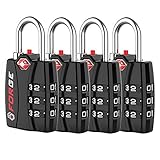
Overview: The Forge TSA Luggage Combination Lock 4-pack delivers premium security for travelers who demand more than basic protection. These locks feature a robust alloy body with steel shackles and patented internal mechanisms designed to withstand rough handling. The set includes four black locks, each offering TSA-approved access for security inspections while keeping your belongings protected.
What Makes It Stand Out: The standout feature is the Open Alert Indicator—a red pop-up tab that immediately shows if TSA has inspected your bag, eliminating guesswork. Unlike conventional locks that agents can leave unsecured, Forge’s design forces relocking before the agent’s key can be removed, ensuring your luggage is never left vulnerable. The unconditional lifetime guarantee demonstrates exceptional confidence in durability.
Value for Money: At $23.75 ($5.94 per lock), these cost more than budget options but justify the premium through superior construction and intelligent features. Basic TSA locks lack the alert system and forced-relock mechanism, making Forge ideal for frequent flyers who value security transparency. The four-pack provides excellent coverage for multiple bags or family travel.
Strengths and Weaknesses: Strengths include the durable alloy construction, innovative alert indicator, forced relocking feature, and lifetime warranty. The easy-to-set combination takes seconds to program. Weaknesses: combination-only design may not suit those preferring key locks, and the price exceeds basic alternatives. Some users might find the red indicator slightly bulky.
Bottom Line: These locks are an excellent investment for security-conscious travelers. The inspection alert system provides peace of mind that cheaper locks cannot match, making them worth every penny for regular flyers.
7. Samsonite Omni 2 28-Inch Large Checked Hardside Luggage with 360° Spinner Wheels - Scratch Resistant Hardshell - TSA Lock - Expandable Polycarbonate Shell for Lightweight Travel - Nova Teal

Overview: The Samsonite Omni 2 is a premium 28-inch hardside spinner designed for extended trips. Constructed from scratch-resistant polycarbonate, this luggage maximizes packing power while maintaining a lightweight profile at 10.8 pounds. The Nova Teal colorway adds style to durability, and the built-in TSA lock provides security without keys.
What Makes It Stand Out: This Amazon-exclusive model features oversized multi-directional spinner wheels that deliver effortless maneuverability through crowded airports. The expandable design adds packing flexibility, while the 10-year warranty backed by Samsonite’s rigorous testing sets it apart from competitors. The scratch-resistant shell maintains its appearance trip after trip.
Value for Money: Priced at $157.63, the Omni 2 sits in the mid-range for premium hardside luggage. While cheaper alternatives exist, Samsonite’s reputation for durability and the extensive warranty justify the investment. Comparable brands with similar features often cost $200+, making this a smart value for quality-conscious travelers.
Strengths and Weaknesses: Strengths include the durable polycarbonate construction, smooth spinner wheels, integrated TSA lock, expandable capacity, and industry-leading warranty. The lightweight design helps avoid overweight fees. Weaknesses: the 28-inch size may exceed some airline restrictions, and the 10.8-pound weight is heavier than ultra-light models. The Nova Teal color may show scuffs more visibly than darker options.
Bottom Line: The Samsonite Omni 2 is a reliable workhorse for frequent travelers seeking durable, feature-rich luggage. The 10-year warranty provides long-term value, making it a worthwhile investment for those who prioritize quality and brand reliability over bargain pricing.
8. Master Lock 4688D Set Your Own Combination TSA Approved Luggage Lock, 1 Pack, Silver

Overview: The Master Lock 4688D offers a straightforward, budget-friendly TSA-approved locking solution for occasional travelers. This single silver lock features a metal body with a vinyl-covered cable shackle, providing basic security for luggage, backpacks, or lockers. The 3-digit combination is user-settable without tools.
What Makes It Stand Out: Its primary distinction is accessibility—nearly everyone can afford this $6.39 lock. The flexible cable shackle accommodates various zipper pulls and locker latches that rigid shackles cannot. Master Lock’s widespread availability means easy replacement if needed, and the simple design requires no learning curve.
Value for Money: At $6.39, this is among the cheapest TSA locks available. For travelers taking one or two trips annually, it provides adequate security without unnecessary expense. However, frequent flyers will find better long-term value in premium options with durability guarantees and inspection alerts. It’s essentially a disposable lock for light use.
Strengths and Weaknesses: Strengths include the ultra-low price, flexible cable design, easy combination setting, and trusted brand name. It’s lightweight and TSA-approved. Weaknesses: single-pack limits value, vinyl cable wears over time, no open-alert indicator, and the metal body is less robust than forged alloy alternatives. The lock can be left unsecured by TSA agents.
Bottom Line: This lock serves budget-conscious travelers or those needing a spare. While it lacks advanced features, it fulfills basic TSA requirements at an unbeatable price. Consider upgrading if you travel frequently or need multi-lock sets.
9. Forge 1’’ Wide 1.8’’ Tall, TSA Approved Luggage Locks: Key Locks for Travel. Ultra Secure Dimple Key Travel Locks Alloy Body Luggage Locks. Black 2 Pack.

Overview: Forge’s key-based TSA locks provide a premium alternative to combination models, offering enhanced security through advanced key technology. This 2-pack features compact 1" x 1.8" alloy bodies with steel shackles, utilizing the TSA006 dimple key system. Each lock is keyed alike, simplifying key management while maintaining high security standards.
What Makes It Stand Out: The dimple key system represents a significant upgrade from traditional single-bitted keys, offering superior pick resistance and reliability. The keyed-alike convenience means one key opens both locks, reducing keyring bulk. These locks cannot be duplicated at hardware stores, adding a layer of security against unauthorized copying.
Value for Money: At $13.95 for two ($6.98 each), these cost slightly more than basic combination locks but offer premium security features. The dimple key system and inability to duplicate keys justify the modest premium for security-conscious users. For those who’ve forgotten combinations or prefer key access, the value is excellent.
Strengths and Weaknesses: Strengths include the high-security dimple key system, keyed-alike convenience, durable alloy construction, compact size, and no combination to remember. The TSA006 system is reliable. Weaknesses: losing keys means lock replacement, key carrying is required, and some users prefer combination convenience. The 2-pack may be insufficient for larger families.
Bottom Line: These locks are perfect for travelers prioritizing security over convenience. The dimple key system offers genuine anti-pick protection, making them ideal for international travel or securing valuable equipment. Just don’t lose the keys.
10. Kono Lightweight 28 Inch Expandable Luggage with Quiet Spinner Wheels TSA Lock, Scratch and Drop Resistant PC+ABS Hardside Durable Large Checked Suitcase, Cream White & Brown
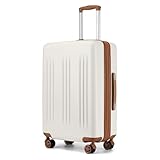
Overview: Kono’s 28-inch expandable hardside suitcase delivers premium features at a budget-friendly price point. The PC+ABS shell provides scratch and drop resistance while keeping weight manageable. Measuring 30" x 19.1" x 11.8" with expansion capability, this Cream White & Brown spinner offers style and functionality for extended trips.
What Makes It Stand Out: The TPE wheels deliver noticeably quieter operation than standard plastic wheels—a rare feature at this price. The YKK zipper ensures smooth, jam-free operation, while the 2-inch expansion layer adds 20% capacity when needed. The 5-year warranty provides confidence despite Kono being a lesser-known brand.
Value for Money: At $129.99, this undercuts major brands by $30-50 while offering comparable features. The TPE wheels and YKK zipper are typically found on premium luggage costing $200+. For budget-conscious travelers wanting quality components, the value proposition is compelling, though the PC+ABS blend may not be as durable as pure polycarbonate.
Strengths and Weaknesses: Strengths include the quiet TPE wheels, reliable YKK zipper, expandable design, attractive price, and 5-year warranty. The lightweight construction helps avoid fees. Weaknesses: the PC+ABS blend is less premium than pure polycarbonate, brand recognition is limited, and the light color may show dirt. The warranty is shorter than Samsonite’s 10-year coverage.
Bottom Line: Kono offers exceptional value for travelers seeking premium features without the premium price tag. The quiet wheels and quality zipper make it a smart choice for frequent flyers on a budget, though brand-conscious buyers may prefer established names.
Understanding TSA Locks: What They Are and Why You Need Them
TSA locks are specially designed padlocks that security screeners can open using universal master keys without damaging the lock or your luggage. The system was developed through a partnership between the Transportation Security Administration and lock manufacturers under the Travel Sentry protocol. Only locks bearing the distinctive red diamond logo are certified TSA-approved, ensuring they can be opened by TSA agents at any U.S. airport.
The fundamental purpose extends beyond simple theft deterrence. While standard locks might keep casual thieves at bay, they’ll be cut off immediately if your bag requires inspection—leaving your luggage unsecured for the remainder of its journey. TSA locks solve this catch-22 by providing security against unauthorized access while allowing legitimate security screenings to proceed smoothly. This dual functionality makes them non-negotiable for smart travelers who check bags regularly.
The Evolution of TSA-Approved Lock Standards
The Travel Sentry system emerged in 2003, two years after 9/11 dramatically changed airport security protocols. Before this standardized approach, travelers faced a brutal choice: leave luggage unlocked and vulnerable, or lock it and risk TSA cutting off the lock for inspection. The solution involved creating seven master key designs that TSA agents could access, while manufacturers built locks with corresponding internal keyways.
This system isn’t static—it evolves as security threats and technology advance. The original standards focused primarily on mechanical reliability, but modern evaluations now include pick resistance, durability testing under extreme temperatures, and even cyber security considerations for electronic locks. Understanding this evolution helps you recognize why older TSA locks might not offer the same protection level as newer models, even if they display the red diamond logo.
Types of TSA Locks for Checked Luggage
TSA-Approved Combination Locks
The most popular category features rotating dials that open when you enter the correct numeric sequence. These eliminate the need for tiny keys that travelers inevitably lose. Premium combination locks offer four-digit sequences providing 10,000 possible combinations versus three-digit models with only 1,000 options. Look for models with easily readable numbers, smooth dial rotation, and a scramble feature that automatically resets the dials when you close the shackle.
TSA-Approved Keyed Locks
Traditional key-operated locks appeal to travelers who prefer physical keys over remembering combinations. The best models feature double-ball locking mechanisms that resist shimming attacks and come with multiple keys. However, the critical disadvantage remains: lose that key during your trip, and you’re locked out of your own luggage. Some premium keyed locks now include LED lights on the keyway for easier operation in dim hotel rooms.
TSA Cable Locks
These versatile locks use a flexible steel cable instead of a rigid shackle, threading easily through irregularly placed zipper pulls or hard-shell luggage handles. The cable’s flexibility proves invaluable for securing multiple compartments or when zipper tabs don’t align perfectly. High-quality cables feature braided steel construction with vinyl coating to prevent scratching your luggage. The trade-off involves slightly reduced cut resistance compared to solid shackles.
TSA Latch Locks
Specifically designed for hard-sided luggage with integrated locking systems, these replace factory-installed latches with TSA-compliant versions. They provide seamless aesthetics and superior security since they’re mounted directly to the luggage frame. Installation typically requires drilling, making them permanent upgrades best suited for frequent travelers with premium hard-shell cases.
Biometric TSA Locks
The newest innovation incorporates fingerprint scanning technology, allowing you to open your lock with a touch while TSA agents use their master key. These battery-powered devices store multiple fingerprints and often include backup combination entry. While incredibly convenient, they introduce concerns about battery life during extended trips and electronic component reliability in extreme weather conditions.
Key Security Features to Evaluate
Shackle thickness directly correlates with cut resistance—measured in millimeters, with premium locks offering 3mm+ hardened steel shackles that resist bolt cutters. Internal mechanism complexity matters more than external appearance; locks with anti-pick pins and false gates dramatically increase security against manipulation. The reset mechanism should require deliberate action (like a pen press or lever pull) to prevent accidental combination changes during transit.
Examine the lock’s body construction. Solid metal bodies withstand impact better than hollow ones, and those with anti-shim technology prevent thieves from bypassing the locking mechanism entirely. Some advanced models feature tamper indicators that show if TSA accessed your bag, giving you immediate visual confirmation of inspection.
Material and Construction Quality
Zinc alloy bodies offer the best balance of strength, weight, and corrosion resistance for most travelers. Premium locks might use brass or stainless steel for enhanced durability, though this adds weight. The internal components—springs, locking pawls, and combination wheels—should be manufactured from non-corrosive metals, not plastic, which becomes brittle in cold cargo holds.
Weather sealing deserves consideration if you travel to humid destinations or check bags containing moisture. Look for rubber gaskets around the shackle holes and sealed combination dials. Powder-coated finishes resist scratching better than paint, maintaining both appearance and protection against rust.
Locking Mechanism Deep Dive
The difference between wafer and pin tumbler mechanisms significantly impacts security. Pin tumbler systems, found in higher-end locks, use varying length pins that must align perfectly, offering superior pick resistance. Wafer mechanisms, common in budget locks, use flat wafers that are easier to manipulate.
For combination locks, the detent system—the clicks you feel when rotating dials—should be crisp and precise. Vague, mushy detents suggest poor manufacturing tolerances that could allow someone to feel for the correct combination through tactile feedback. Premium locks incorporate false gates that make this technique nearly impossible.
Size and Weight Considerations for Air Travel
Every ounce matters when airlines enforce strict weight limits. A quality TSA lock typically weighs between 2-4 ounces. Oversized locks can snag on conveyor belts and handling equipment, potentially damaging your luggage. The ideal lock body measures approximately 1.5 x 2.5 inches—large enough to grip comfortably but small enough to avoid catching.
Consider the shackle clearance—the space between shackle and body. You need at least 1/4 inch to accommodate most zipper pulls, but excessively tall shackles become leverage points for attacks. Some innovative designs feature rotating shackles that lay flat against the body when locked, reducing snag risk.
Ease of Use: Setting and Resetting Combinations
The setup process should be intuitive but secure. Standard procedure involves opening the lock, pressing a reset button (often with a pen tip), setting your new combination, then releasing the button. Quality locks require firm, deliberate pressure on the reset mechanism to prevent accidental changes.
Best practices for combination selection include avoiding obvious sequences (1234, 0000, your birth year) and never using your address or phone number. Instead, choose a meaningful but non-personal number combination. Write it down separately from your luggage—perhaps stored in your phone’s secure notes or emailed to yourself.
Common TSA Lock Mistakes Travelers Make
Using non-TSA locks on checked bags guarantees they’ll be cut off if inspection is needed. Another frequent error involves setting the combination and immediately forgetting it—always test the new combination several times before locking your luggage. Travelers also mistakenly assume TSA locks make bags theft-proof; they deter opportunistic thieves but won’t stop determined criminals with proper tools.
Failing to check for the red diamond logo is perhaps the most critical mistake. Counterfeit TSA locks flood online marketplaces, lacking the proper internal keyway. These will be destroyed during inspection. Always verify the logo is physically embossed or printed on the lock body, not just on packaging.
TSA Regulations and Compliance: What You Must Know
TSA agents have the authority to open any checked bag for security reasons. While they’re trained to relock TSA-approved locks, they accept no liability if the lock is damaged during inspection. The master key system covers seven key designs (TSA001 through TSA007), and not every agent carries all seven keys at all times.
International travel introduces complexity. While many countries recognize Travel Sentry standards, some nations’ security agencies don’t have master keys and may cut locks regardless of certification. For international trips, consider TSA locks as deterrents rather than guarantees, and always purchase travel insurance covering luggage contents.
When TSA Needs to Access Your Luggage
If screening technology flags your bag, TSA will first attempt to open it with their master key. If successful, they’ll conduct the inspection, place a notification card inside, and relock it. If the lock is non-compliant or malfunctions, they’ll cut it using bolt cutters. This process occurs under video surveillance, and you can request inspection footage if you believe items were mishandled.
The notification card is your proof of inspection. Check it immediately upon retrieving your bag. If items are missing or damaged, this card is essential for filing claims. Photograph your packed luggage before closing it, focusing on high-value items, to create a visual inventory for potential disputes.
Troubleshooting Your TSA Lock
A stuck lock often results from debris in the combination wheels or a misaligned internal mechanism. Try gently tapping the lock body while rotating the dials. For forgotten combinations, some locks allow discovery through a process of feeling for subtle changes in dial tension, though this varies by model quality.
If the shackle won’t close, check that it’s fully extended and aligned. Bent shackles from baggage handling require replacement—don’t attempt to straighten them, as this weakens the metal. For electronic locks, carry the backup key or memorize the override combination, as battery failure is the most common issue.
Alternatives to Traditional TSA Locks
Heavy-duty plastic security seals provide tamper evidence without lock functionality—they’re one-time use but TSA-friendly. Luggage straps with integrated TSA locks offer double security, compressing your bag while securing it. For high-value contents, consider tamper-evident bags that show clear signs of opening.
Some travelers forego locks entirely, relying on travel insurance and strategic packing. This approach works best when you pack valuables in carry-on luggage and use checked bags only for clothing and replaceable items. However, this leaves your belongings vulnerable to casual theft during baggage claim waits.
Best Practices for Using TSA Locks Effectively
Lock every zipper on your bag, not just the main compartment. Side pockets are prime targets for quick theft. For soft-sided luggage with multiple zippers, use a cable lock to secure them all together. Hard-shell cases benefit from latch locks on each closure point.
Consider a two-lock strategy: a primary lock for main access and a secondary cable lock securing all compartments. This layered approach frustrates thieves who must defeat multiple mechanisms quickly. Always lock your bag before checking it, and verify the lock is secure by giving it a firm tug.
Frequently Asked Questions
Can TSA locks completely prevent theft from my checked luggage?
No lock provides absolute security. TSA locks deter opportunistic thieves and prevent tampering during transit, but determined criminals with proper tools can defeat them. They primarily protect against casual theft and ensure your bag remains secured after legitimate TSA inspections.
What should I do if TSA damages my lock during inspection?
Document the damage immediately with photos and retain the TSA inspection notice placed inside your bag. You can file a claim with TSA, though they’re not liable for lock damage during necessary security procedures. Consider it a cost of maintaining security and replace the lock promptly.
Are combination or keyed TSA locks more secure?
Both offer comparable security when properly manufactured. Combination locks eliminate key loss risks but can be vulnerable to observation attacks. Keyed locks remove memorization requirements but create key management challenges. Choose based on personal preference rather than perceived security differences.
How can I tell if a TSA lock is genuine and not counterfeit?
Look for the embossed red diamond Travel Sentry logo on the lock body itself, not just packaging. Purchase from reputable retailers rather than unknown online sellers. Genuine locks have smooth operation and solid weight. Counterfeits often feel lightweight and have loose-fitting components.
Do TSA locks work internationally?
They provide deterrence worldwide, but only TSA agents have master keys. Foreign security agencies may cut them during inspections. For international travel, consider them a theft deterrent rather than inspection-proof security, and always secure valuables in carry-on luggage.
What happens if I forget my TSA lock combination?
Most quality locks allow combination recovery through a specific procedure outlined in the manual—often involving feeling for subtle dial changes. Without this, you’ll need to cut the lock yourself. Always test new combinations multiple times and store them securely before traveling.
Can I use multiple TSA locks on one piece of luggage?
Absolutely, and it’s recommended for bags with multiple compartments. Use a cable lock to secure several zipper pulls together, or individual locks on each access point. This layered approach significantly increases security and frustrates quick theft attempts.
How often should I replace my TSA locks?
Replace them every 2-3 years of regular use, or immediately after any sign of damage or malfunction. The internal springs and mechanisms wear over time. If the lock becomes difficult to open or shows visible corrosion, replace it before your next trip.
Are expensive TSA locks worth the investment?
Premium locks offer superior materials, more complex internal mechanisms, and better weather sealing. For frequent travelers or those checking valuable items, the investment pays dividends in reliability and security. Occasional travelers can find adequate protection in mid-range options.
Can I pack TSA locks in my carry-on luggage?
Yes, TSA locks are permitted in both carry-on and checked baggage. Many travelers pack spare locks in their carry-on to replace any cut during inspection or to secure luggage at their destination. They pose no security concerns and are explicitly allowed by TSA regulations.'