Imagine you’re hundreds of meters above the valley floor, hands gripping cold steel cables as you traverse a sheer limestone face. The exposure is exhilarating, but one piece of equipment stands between you and catastrophe: your via ferrata lanyard. This isn’t just another item in your gear closet—it’s your dedicated lifeline, engineered specifically for the unique demands of iron paths. While standard climbing gear has no place here, a properly selected via ferrata lanyard with an integrated energy absorber transforms what could be a dangerous fall into a controlled, survivable event.
Choosing the right lanyard requires more than grabbing the first option you see at the gear shop. The market has evolved dramatically, with sophisticated energy absorption systems, ergonomic carabiner configurations, and materials designed to withstand years of mountain abuse. Whether you’re a first-timer eyeing your inaugural Klettersteig or a seasoned alpinist planning a Dolomites epic, understanding the nuances of these specialized systems will fundamentally change how you move through vertical terrain. Let’s dive deep into what separates a mediocre lanyard from one that could save your life.
Top 10 Via Ferrata Lanyards with Energy Absorbers
Detailed Product Reviews
1. MEDALE 2.0 Via Ferrata Set, Y-Shaped Elastic Webbing Lanyard with Double Gate Safety Connectors, Compact Energy Absorber and Zippered Inspection Pouch, EN 958:2017 Certified

Overview: The MEDALE 2.0 Via Ferrata Set positions itself as a feature-rich, safety-certified option for climbers in the 40-120 kg weight range. This EN 958:2017 compliant lanyard combines elastic webbing with a stainless steel swivel system, addressing common frustrations with tangling during ascents. The Y-shaped design features double-gate safety connectors and a zippered pouch for the energy absorber, allowing for easy inspection and maintenance.
What Makes It Stand Out: The integrated swivel system is the star feature, preventing the elastic arms from twisting and ensuring smooth operation on fixed lines. The zippered inspection pouch for the PES energy absorber offers transparency for safety checks that many competitors lack. The 20 mm elastic webbing provides excellent flexibility while maintaining durability, and the double-gate connectors offer reliable security with quick operation.
Value for Money: At $133.95, the MEDALE 2.0 sits in the competitive mid-range segment. It undercuts premium brands like Petzl while offering comparable safety certification and additional features like the swivel and inspection pouch. For recreational climbers seeking professional-grade features without the brand premium, this represents solid value.
Strengths and Weaknesses: Strengths include the anti-tangle swivel, inspectable energy absorber, EN certification, and competitive pricing. The double-gate connectors are user-friendly even with gloves. Weaknesses include MEDALE’s lesser-known brand status compared to Petzl or Camp, potentially raising questions about long-term durability despite certifications. The weight isn’t specified, which may concern ounce-counting alpinists.
Bottom Line: The MEDALE 2.0 is an excellent choice for intermediate via ferrata enthusiasts who prioritize functionality and safety features over brand name. The swivel system and inspection pouch add real value, making it a smart purchase for regular users.
2. PETZL, Scorpio Vertigo Lanyard, Via ferrata lanyard with VERTIGO WIRE-LOCK carabiners

Overview: Petzl’s Scorpio Vertigo Lanyard brings the brand’s legendary reliability to via ferrata climbing. Designed for users between 40-120 kg, this system features the innovative VERTIGO WIRE-LOCK carabiners and an ultra-compact absorption system. The elasticized arms provide excellent extension capacity while the short harness connection piece minimizes interference during walking, creating a streamlined experience on the mountain.
What Makes It Stand Out: The VERTIGO WIRE-LOCK carabiners are engineered for ergonomic operation across various hand sizes, with an automatic locking system that works reliably even with gloves. The ultra-compact absorber design keeps weight and bulk minimal, while the elastic arms’ long extension capacity facilitates smooth progression. The short arm can be used for resting on rungs, adding versatility.
Value for Money: Priced at $119.00, this represents one of Petzl’s more accessible via ferrata offerings. While it lacks some premium features of higher-end models, the brand’s reputation for quality and safety justifies the cost. It competes directly with mid-range alternatives while offering superior resale value and proven durability.
Strengths and Weaknesses: Strengths include Petzl’s trusted brand heritage, excellent carabiner ergonomics, compact design, and automatic locking system. The elastic arms perform well during movement. Weaknesses include the absence of a swivel system, which can lead to tangling, and no inspection pouch for the absorber. The basic feature set may feel limited compared to similarly priced competitors.
Bottom Line: The Scorpio Vertigo is ideal for climbers who trust the Petzl name and want reliable, no-fuss performance. It’s a dependable workhorse that prioritizes proven design over innovative features, perfect for both beginners and experienced alpinists.
3. MEDALE 360 Via Ferrata Set with Swivel, Y-Shaped Elastic Webbing Lanyard with Double Gate Safety Connectors, Compact Energy Absorber and Stainless Steel Swivel, Meets EN 958:2017 Standards

Overview: The MEDALE 360 Via Ferrata Set appears to be the brand’s premium offering, building on the 2.0 model with enhanced features for serious climbers. Meeting EN 958:2017 standards for users 40-120 kg, this Y-shaped system incorporates stainless steel swivel technology, double-gate connectors, and an inspectable energy absorber. The “360” designation suggests full rotational freedom, addressing one of the most common annoyances in via ferrata climbing.
What Makes It Stand Out: Like its sibling, the 360 features a tangle-free swivel system that maintains arm orientation throughout complex movements. The 20 mm elastic webbing provides durability and comfort, while the zippered pouch allows visual inspection of the high-strength PES energy absorber. The double-gate connectors offer security with operational ease, and the stainless steel swivel component suggests upgraded hardware over the 2.0 version.
Value for Money: At $159.95, the MEDALE 360 commands a premium price that approaches Petzl territory. While it offers desirable features like the swivel and inspection access, the price gap over the 2.0 model is significant without clear specification differences. This positions it as a tougher sell for budget-conscious buyers but potentially worthwhile for those wanting premium features from a less mainstream brand.
Strengths and Weaknesses: Strengths include the effective anti-tangle swivel, inspectable absorber, robust webbing, and safety certification. The stainless steel hardware promises longevity. Weaknesses include ambiguous differentiation from the cheaper 2.0 model, brand recognition deficit versus Petzl, and premium pricing that may not be justified without performance data.
Bottom Line: The MEDALE 360 is a capable via ferrata set for climbers who want swivel functionality and inspection capability at a price point between budget and premium brands. Consider it seriously if you value these specific features, but compare closely with the 2.0 model for value.
4. Petzl, Lanyard Scorpio Vertigo, Via ferrata Lanyard with Vertigo carabiners

Overview: The Petzl Scorpio Vertigo Lanyard represents the pinnacle of the brand’s via ferrata offerings, weighing a mere 365 grams. This ultra-compact system is engineered for climbers who refuse to compromise on weight or performance. Suitable for 40-120 kg users, it features elastic strands with exceptional elongation capacity, ergonomic VERTIGO WIRE-LOCK carabiners, and thoughtful details like an integrated identification card for equipment tracking throughout its lifetime.
What Makes It Stand Out: At just 365 grams, this is exceptionally lightweight. The ultra-compact energy absorber minimizes bulk while maintaining full safety compliance. The VERTIGO WIRE-LOCK carabiners feature a keylock system to prevent accidental snagging, dual-action automatic locking, and large openings for easy operation. The short strand design allows comfortable resting on rungs, and the dedicated marking area enables easy identification.
Value for Money: At $175.00, this is the most expensive option reviewed, but the premium is justified for serious enthusiasts. The weight savings, compact design, and Petzl’s legendary reliability create strong value for alpine climbers where every gram matters. Compared to heavier alternatives, the performance benefit justifies the cost for frequent users.
Strengths and Weaknesses: Strengths include class-leading weight, exceptional compactness, superior carabiner design with anti-snag keylock, and professional-grade construction. The identification system aids gear management. Weaknesses include the premium price point and lack of a swivel system. The minimal harness connection, while reducing interference, offers less versatility than some competitors.
Bottom Line: This is the premium choice for dedicated via ferrata enthusiasts and alpinists who prioritize weight savings and compact design above all else. If you climb frequently and value every gram, the Scorpio Vertigo is worth the investment.
5. CAMP Kinetic Rewind Via Ferrata Lanyard
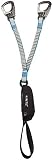
Overview: The CAMP Kinetic Rewind Via Ferrata Lanyard brings Italian engineering innovation to the via ferrata market. Featuring the proprietary Rewind webbing system and Hercules squeeze-activated carabiners, this lanyard stays compressed and out of the way during climbing. Compliant with the revised EN 958 standard, it offers a unique approach to managing rope clutter while maintaining safety for users across typical weight ranges.
What Makes It Stand Out: The 22 mm Rewind webbing is the defining feature, designed to stay compressed and minimize interference during movement. The Hercules carabiners use a squeeze-activation mechanism that many find more intuitive than traditional gates. A durable webbing twist ring maintains proper lanyard orientation, preventing the spinning and tangling issues that plague conventional designs without needing a heavy metal swivel.
Value for Money: At $149.95, the Kinetic Rewind sits in the upper mid-range, competing directly with premium feature sets from lesser-known brands. The innovative webbing management system and quality carabiners justify the price for climbers frustrated with tangled lanyards. It offers a compelling alternative to both budget and premium options.
Strengths and Weaknesses: Strengths include the innovative compressed webbing design, user-friendly Hercules carabiners, effective twist ring for orientation, and solid safety compliance. The system reduces bulk and clutter effectively. Weaknesses include CAMP’s smaller market presence compared to Petzl, potentially affecting resale and long-term support. The squeeze-activated carabiners may require adjustment for users accustomed to traditional locking mechanisms.
Bottom Line: The CAMP Kinetic Rewind is an excellent choice for climbers seeking innovative solutions to common via ferrata frustrations. If tangled lanyards drive you crazy, the Rewind webbing system alone makes this worth considering. A strong contender in the mid-range category.
6. CAMP Kinetic Gyro Rewind Pro Via Ferrata Lanyard
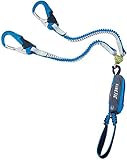
Overview: The CAMP Kinetic Gyro Rewind Pro represents the pinnacle of via ferrata safety technology, engineered for serious alpine adventurers who demand uncompromising performance. This premium lanyard system integrates innovative anti-twist mechanics with lightweight construction, positioning itself at the $219.95 price point for dedicated enthusiasts who frequent exposed routes.
What Makes It Stand Out: The patented Gyro system featuring three independently rotating swivels is the star innovation, virtually eliminating the frustrating tangling and twisting that plagues conventional lanyards during complex sequences. The 22mm Rewind webbing lanyards maintain a compressed profile, staying neatly out of your way until needed. Horai squeeze-activated carabiners offer intuitive one-handed operation even with gloves, while the Rewind Webbing Twist Ring ensures proper orientation and rapid harness connection without fumbling.
Value for Money: At $219.95, this lanyard commands a premium but delivers professional-grade features that justify the investment for frequent via ferrata climbers. Comparable systems from Petzl or Black Diamond with similar anti-twist technology often exceed this price point, making the Kinetic Gyro Rewind Pro competitive in the high-performance category. The durability and enhanced safety features translate to long-term value for serious users.
Strengths and Weaknesses: Strengths include exceptional anti-twist performance, compact design, premium carabiners, and intuitive handling. The lightweight stitched shock absorber maintains a low profile without sacrificing protection. Weaknesses center on the premium price tag, which may deter casual users. The sophisticated Gyro system also adds mechanical complexity that requires proper maintenance and understanding.
Bottom Line: For dedicated via ferrata enthusiasts tackling challenging routes regularly, the CAMP Kinetic Gyro Rewind Pro justifies its premium price through revolutionary anti-twist technology and professional-grade components. Casual climbers may find better value elsewhere, but serious adventurers will appreciate the performance gains.
7. C.A.M.P. Kinetic GYRO Rewind PRO Via Ferrata Set

Overview: The C.A.M.P. Kinetic GYRO Rewind PRO offers a slightly refined take on the brand’s premium via ferrata system, priced at $206.00. This variant maintains the core anti-twist technology while implementing a tear-off energy absorber and ergonomic enhancements, targeting climbers seeking professional performance with subtle cost savings over sibling models.
What Makes It Stand Out: The triple knuckle Gyro system remains the defining feature, preventing strap twisting through independent rotation points. The 19mm stretch webbing arms utilize a rewind mechanism that contracts when not under load, reducing clutter on your harness. Ergonomically designed Echo carabiners feature large openings for easy anchor connection, while the twisted loop with wolf mouth knot provides a secure, traditional harness attachment method that some purists prefer over newer systems.
Value for Money: At $206.00, this set undercuts similar premium models while retaining essential Gyro technology. The tear-off absorber design may require replacement after a significant fall, representing a future cost consideration but potentially offering better impact absorption. For climbers prioritizing function over the latest connectors, this presents solid value in the premium tier, balancing advanced features with practical economics.
Strengths and Weaknesses: Strengths include reliable anti-twist performance, comfortable ergonomics, and proven connection methods. The slightly thinner 19mm webbing reduces weight and bulk. Weaknesses involve the tear-off absorber’s single-use nature and the marginally thinner webbing, which may concern some users. The wolf mouth knot, while reliable, requires proper tying knowledge and periodic inspection.
Bottom Line: The C.A.M.P. Kinetic GYRO Rewind PRO strikes an excellent balance between premium features and practical value. It’s ideal for experienced climbers who appreciate traditional connection methods and don’t mind the tear-off absorber trade-off. A worthy competitor to higher-priced alternatives.
8. ROCK EMPIRE DynaGo Via Ferrata Set, Aqua

Overview: The ROCK EMPIRE DynaGo Via Ferrata Set enters the market as a budget-conscious option at $126.00, offering essential safety for via ferrata enthusiasts without the premium frills of higher-end competitors. The minimalist feature listing suggests a focus on core functionality over advanced innovation, targeting newcomers to the sport.
What Makes It Stand Out: The most compelling aspect is its accessible price point, making via ferrata safety equipment attainable for beginners or occasional adventurers. The Aqua colorway provides visual appeal and visibility on the wall. While detailed specifications are sparse, ROCK EMPIRE’s reputation for producing reliable entry-level climbing gear suggests competent basic performance sufficient for moderate routes and recreational use.
Value for Money: At less than half the cost of premium systems, the DynaGo represents exceptional value for money. This pricing strategy removes financial barriers for newcomers to the sport or families outfitting multiple members. While it lacks sophisticated anti-twist systems and premium connectors found in $200+ alternatives, it fulfills fundamental safety requirements for standard via ferrata courses where advanced features provide diminishing returns.
Strengths and Weaknesses: Strengths include affordability, accessibility for beginners, and presumably adequate safety ratings for recreational use. The lightweight design is implied by the minimalist approach. Weaknesses stem from the lack of detailed specifications, making it difficult to assess maximum load ratings, carabiner quality, or advanced features like anti-twist technology. The absence of information about energy absorber type raises questions for serious climbers.
Bottom Line: The ROCK EMPIRE DynaGo is a sensible choice for beginners, casual climbers, or those on tight budgets. While it won’t impress seasoned alpinists, it provides essential safety at an unbeatable price. Verify certification details before purchase and reserve for moderate routes rather than extreme exposures.
9. PETZL, Lanyard Scorpio Eashook, Via ferrata Lanyard with EASHOOK carabiners

Overview: The PETZL Scorpio Eashook leverages the brand’s legendary reputation in vertical safety, offering a mid-tier via ferrata lanyard at $191.00. While the provided features are minimal, PETZL’s consistent innovation history suggests reliable performance with user-friendly design elements centered around the proprietary EASHOOK carabiners and proven energy absorption systems.
What Makes It Stand Out: The EASHOOK carabiners likely represent the key differentiator, presumably featuring an intuitive opening mechanism that simplifies one-handed operation during challenging sequences. PETZL’s engineering excellence typically includes optimized energy absorption systems and durable webbing construction. The Scorpio series traditionally balances weight, comfort, and safety, making this a versatile all-around performer for regular via ferrata enthusiasts seeking trusted brand reliability.
Value for Money: Positioned between budget and premium options, the $191.00 price reflects PETZL’s brand premium without reaching the top-tier cost of specialized anti-twist systems. For climbers valuing proven reliability and thoughtful ergonomics over cutting-edge gimmicks, this represents fair value. The investment buys peace of mind from a company with decades of vertical expertise and robust quality control standards that professionals worldwide trust.
Strengths and Weaknesses: Strengths include PETZL’s impeccable reputation, likely excellent ergonomics, reliable energy absorption, and user-friendly carabiners. The brand’s global support network and clear product documentation are intangible benefits. Weaknesses derive from the placeholder feature descriptions, creating uncertainty about specific technologies like anti-twist capabilities, webbing dimensions, or weight. Without detailed specs, direct comparison to competitors remains speculative but generally favorable.
Bottom Line: The PETZL Scorpio Eashook is a safe bet for climbers who trust established brands and prioritize reliability over novel features. While documentation is sparse here, PETZL’s track record suggests competent performance. Ideal for intermediate to advanced climbers seeking proven quality without paying for unnecessary complexity.
10. WELKFORDER Double Leg 6-Foot Safety Lanyard for Consturction Shock Absorber Stretchable Lanyard with Snap & Rebar Hook Connectors ANSI Z359.13-2013 Complaint
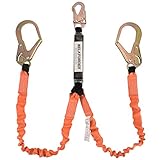
Overview: The WELKFORDER Double Leg Lanyard targets construction and industrial applications rather than recreational via ferrata, priced aggressively at $49.99. ANSI Z359.13-2013 compliance certifies it for workplace fall arrest systems, with specifications indicating heavy-duty construction for professional use in demanding environments like roofing and window cleaning.
What Makes It Stand Out: The dual-leg design allows continuous tie-off while moving between anchor points, critical for construction work. ANSI certification to rigorous standards, including 5,000-pound minimum breaking strength and 900-pound average arresting force, demonstrates legitimate safety engineering. The stretchable internal elastic combined with external tubular webbing provides both mobility and durability. Snap and rebar hooks with 3,600-pound gate ratings meet industrial specifications for structural connections.
Value for Money: At $49.99, this lanyard dramatically undercuts climbing-specific gear, offering certified fall protection for a fraction of the cost. For construction workers, roofers, or window cleaners, this represents exceptional professional value. However, the price reflects industrial mass production, not the refined ergonomics and weight savings climbers demand, making it economical for its intended purpose but misaligned with sport climbing needs.
Strengths and Weaknesses: Strengths include dual-leg versatility, ANSI certification, robust construction, and impressive load ratings. The stretchable design enhances worker mobility. Weaknesses include substantial weight and bulk unsuitable for athletic movement, industrial aesthetics, and hooks designed for structural steel rather than via ferrata cables. The 6-foot length may prove cumbersome on technical routes requiring frequent clipping.
Bottom Line: The WELKFORDER lanyard excels for construction and industrial applications but is inappropriate for via ferrata climbing. While technically capable of arresting falls, its weight, bulk, and hook design create practical disadvantages on mountain routes. Purchase for workplace safety, not recreational climbing.
Understanding Via Ferrata Lanyards: Your Lifeline on Iron Paths
What Exactly Is a Via Ferrata Lanyard?
A via ferrata lanyard is a purpose-built personal protective equipment (PPE) system designed exclusively for protected climbing routes. Unlike traditional climbing quickdraws or via ferrata kits made from slings and carabiners, modern lanyards incorporate a critical component: the energy absorber. This device dissipates the enormous forces generated during a fall, reducing impact on both the climber and the via ferrata infrastructure. The system typically consists of two arms (Y or T configuration) with carabiners at the ends, connected to a central energy absorber and a harness attachment point.
The Critical Role of Energy Absorbers
The energy absorber is the heart of the system. When you fall, your body generates tremendous kinetic energy. Without absorption, this energy would transfer directly to your harness and body, causing catastrophic injury. The absorber works by deploying a braking mechanism—typically tearing stitched webbing or compressing a specially designed pack—that converts kinetic energy into heat and work, extending the stopping distance and reducing peak forces. This isn’t just theoretical; it’s a proven technology that has revolutionized via ferrata safety since its introduction.
How Energy Absorbers Work: The Physics of Fall Protection
Tear-Pack vs. Progressive Braking Systems
Modern energy absorbers generally fall into two categories. Tear-pack systems use sacrificial webbing stitched in a specific pattern that progressively tears under load, providing consistent energy dissipation. These are reliable and have a long track record, but they’re single-use—once deployed, the lanyard must be retired. Progressive braking systems use mechanical or hybrid designs that can sometimes be reset after a minor fall, though most manufacturers still recommend replacement after any significant impact. Understanding this distinction helps you evaluate long-term value and post-fall protocols.
Y-Lanyards vs. T-Lanyards: Choosing Your Configuration
The configuration debate centers on movement efficiency and safety margins. Y-lanyards feature two arms of equal length meeting at the energy absorber, creating a symmetrical system that’s intuitive for clipping sequential anchor points. T-lanyards have a main stem with a shorter secondary arm, which can reduce clutter and weight but requires more practice to clip smoothly. Your choice depends on route style—complex, closely-spaced cables favor Y-lanyards, while long, straightforward routes might suit T-lanyards. Consider your experience level and typical terrain before committing.
Key Safety Standards and Certifications
Never purchase a via ferrata lanyard without proper certification. The gold standard is UIAA 128, which specifies rigorous testing for energy absorption, static strength, and durability. European Norm EN 958 is equally critical, ensuring the lanyard meets strict EU safety requirements. Look for both certifications on any model you consider—these aren’t bureaucratic checkboxes but life-saving benchmarks that guarantee the device will perform as advertised during a fall. Avoid any lanyard lacking these marks, regardless of price or marketing claims.
Essential Features to Evaluate
Beyond certification, scrutinize the details. The energy absorber’s deployment force should initiate between 2.5-3.5 kN—enough to activate during a fall but not so sensitive that normal movement triggers it. Check the overall system strength; both arms must independently hold at least 15 kN. Pay attention to the stitch patterns and bar tacking quality on the webbing. Premium lanyards use contrasting color threads in critical seams, making wear and damage visually obvious during inspection.
Carabiner Considerations: Gates, Locks, and Geometry
Your lanyard’s carabiners are your direct interface with the via ferrata cable. Look for large gate openings (at least 20mm) to accommodate thick cables and awkward clipping positions. The gate mechanism should be smooth but resistant to accidental opening—screw-gates offer security but slow you down, while auto-locking systems provide speed with slightly more complexity. Carabiner shape matters too: slightly curved spines help the biner sit naturally on cables, reducing cross-loading risks. Weight matters on long routes, but never sacrifice strength for a few grams.
Length and Reach: Finding Your Sweet Spot
Total lanyard length affects both safety and efficiency. Arms measuring 50-60cm provide adequate reach for comfortable clipping while keeping you close enough to the rock to maintain balance. Longer arms increase fall distance and potential pendulum swings, while shorter ones force awkward reaches that slow progress and increase fatigue. Some models feature adjustable arms, offering versatility but adding complexity and potential failure points. For most users, fixed-length arms in the 55cm range hit the optimal balance.
Material Matters: Durability in Harsh Environments
Via ferrata lanyards face UV radiation, abrasion against rock and steel, and repeated flexing. Premium models use high-tenacity polyamide or Dyneema-blend webbing with protective sheaths over high-wear areas. The energy absorber housing should be robust enough to withstand being stepped on or crushed in a pack. Consider climate—if you’ll be climbing in wet conditions frequently, look for materials with minimal water absorption and quick-drying properties. Some manufacturers apply hydrophobic treatments that maintain strength when wet.
Elasticity vs. Static Design: The Trade-offs
Elasticized arms have become increasingly popular, offering reduced bulk and less tangling when not under tension. The stretch—typically 20-30%—also reduces slack when clipped closely to anchors. However, elasticity adds a slight rebound effect during falls that some purists argue complicates the energy absorption sequence. Static arms provide predictable behavior but can feel cumbersome. Test both types if possible; the right choice often comes down to personal preference and climbing style rather than absolute safety superiority.
Maintenance and Inspection: Extending Your Lanyard’s Life
Your lanyard demands meticulous care. After each use, inspect every centimeter of webbing for cuts, abrasions, or chemical contamination. Flex the energy absorber pack gently—any crunching sounds or unusual stiffness indicate internal damage. Check carabiners for gate function and sharp edges that could damage the webbing. Store it loosely coiled in a dry, dark place away from chemicals, heat sources, and your car’s trunk. Never wash it in a machine; mild soap and hand-washing only. This routine takes minutes but could reveal life-threatening damage.
Proper Usage Techniques for Maximum Safety
Even the best lanyard fails if used incorrectly. Always clip both carabiners before moving past an anchor, ensuring at least one is connected at all times. Keep the energy absorber positioned correctly—never let it hang upside down or get twisted. When traversing, clip the downstream biner first to minimize fall distance. Practice smooth transitions at home before your first big route. Remember: the lanyard protects against falls, not against poor technique or fatigue. It’s a backup, not a substitute for solid movement.
Common Mistakes That Compromise Safety
The most dangerous error is using a via ferrata lanyard for other climbing activities—it’s not designed for lead climbing or top-roping. Another frequent mistake is clipping both carabiners to the same anchor point, which negates the redundancy built into the system. Don’t shorten the arms by clipping them back to themselves; this alters the energy absorption dynamics. Never modify your lanyard or attempt to repair a damaged one. And perhaps most commonly, climbers forget that these are consumable items with finite lifespans, even without a fall.
When to Retire Your Lanyard: The Non-Negotiables
Retirement criteria are strict for good reason. Any lanyard that has arrested a fall must be immediately removed from service—no exceptions. Visible damage to the webbing, including cuts deeper than 1mm or significant abrasion, means retirement. If the energy absorber shows any sign of deployment, even partial, it’s done. Most manufacturers recommend a maximum lifespan of 5-10 years from the production date, regardless of condition, due to material degradation. Keep a log of purchase date and usage hours; when in doubt, retire it. Your life is worth more than the replacement cost.
Budget vs. Performance: Making Smart Investment Choices
Price correlates with features and durability, but the most expensive lanyard isn’t automatically the best for you. Entry-level certified models from reputable brands provide excellent safety at moderate cost. Premium prices buy you lighter weight, more durable materials, and refined ergonomics—worthwhile for frequent users but overkill for occasional climbers. Consider cost-per-use: a $150 lanyard used 50 times costs $3 per outing. That’s cheap insurance. Never compromise on certification to save money, but don’t assume you need professional-grade gear for recreational use.
Environmental and Ethical Considerations
Modern via ferrata lanyards have environmental impacts worth considering. Some manufacturers now use recycled materials in webbing and packaging. Durability itself is an environmental factor—a longer-lasting lanyard reduces waste. Consider repairability; some brands offer replacement parts for minor components, extending overall lifespan. When retiring a lanyard, check if the manufacturer has a recycling program. The outdoor industry is increasingly addressing end-of-life gear disposal, and supporting brands with robust environmental policies aligns your safety choices with ecological values.
Frequently Asked Questions
How do I know if my via ferrata lanyard is UIAA certified?
Look for the UIAA 128 marking permanently printed or stitched on the energy absorber pack or webbing. This should be accompanied by a CE mark with a four-digit notified body number. Reputable manufacturers display this prominently; if you can’t find it, contact the manufacturer with the product’s serial number for verification.
Can I use my via ferrata lanyard for rock climbing or mountaineering?
Absolutely not. Via ferrata lanyards are specifically designed and tested for falls onto steel cables, not dynamic rope systems. Using them for rock climbing could result in equipment failure, improper energy absorption, and severe injury or death. Always use discipline-specific gear.
What’s the difference between a tear-pack and a progressive energy absorber?
Tear-pack absorbers use stitched webbing that tears in a controlled manner during a fall, providing consistent deceleration. Progressive systems use mechanical or hybrid designs that can sometimes be reset after minor incidents. Tear-packs are single-use but extremely reliable; progressive systems offer potential reusability but are more complex.
How often should I inspect my lanyard?
Conduct a visual and tactile inspection before each use, checking for cuts, abrasion, and proper function. Perform a detailed inspection every 3-6 months, even with light use, and always after any fall or impact. Keep a written log of inspections and any incidents.
Is a heavier lanyard stronger or safer?
Not necessarily. Weight often reflects materials and features rather than strength. All certified lanyards must meet the same minimum strength requirements. Modern lightweight materials like Dyneema can be stronger than heavier nylon while reducing weight. Choose based on durability and features, not mass.
Can I repair a frayed section of webbing myself?
Never. Any modification or repair voids certification and compromises the entire system’s integrity. Manufacturers use specific stitch patterns, thread types, and bar-tacking machines that cannot be replicated in the field. A frayed lanyard must be retired immediately.
What’s the ideal length for via ferrata lanyard arms?
For most adults, arms of 50-60cm provide the best balance of reach and safety. This length allows comfortable clipping while minimizing potential fall distance. Taller climbers or those on routes with widely-spaced anchors might prefer slightly longer arms, but never exceed 80cm.
How do temperature extremes affect my lanyard?
Extreme cold can make some plastics brittle and affect gate function, while intense heat can degrade nylon over time. Store your lanyard at room temperature when possible. For alpine routes, check manufacturer specifications—most quality lanyards function reliably from -20°C to +50°C.
Should I choose screw-gate or auto-locking carabiners?
Screw-gates offer ultimate security and simplicity but slow transitions. Auto-locking systems speed up clipping but require practice to use smoothly. For beginners, screw-gates teach good habits. For experienced climbers on long routes, auto-locking systems reduce fatigue. Many climbers own both types for different applications.
How do I properly clean my via ferrata lanyard?
Hand-wash in lukewarm water with mild, non-detergent soap. Avoid harsh chemicals, bleach, or fabric softeners. Rinse thoroughly and air-dry away from direct sunlight and heat sources. Never machine wash or dry, as agitators and heat can damage fibers and compromise strength.'