There’s a moment every crack climber knows—the sharp sting of granite slicing into the back of your hand as you torque your fist into an off-width, or the raw burn of sandstone chewing through your skin during a 50-foot hand jam session. Unlike face climbing, where your fingers dance across holds, crack climbing demands that you become the hold itself. Your hands transform into wedge-shaped tools, jammed, twisted, and locked into places nature never intended them to go. It’s a beautiful, brutal dance that leaves most climbers with flappers, bruised knuckles, and a deep respect for the simple genius of tape gloves.
But here’s the thing: not all tape gloves are created equal. Slap on the wrong tape with poor technique, and you’ll still bleed through while losing the dexterity needed to feel the crack. Master the art of taping, however, and you unlock a world of painless jamming, extended sessions, and the confidence to throw your hands into that sharp dihedral without hesitation. This guide dives deep into the craft of building perfect tape gloves—from understanding the biomechanics of crack climbing to selecting materials and applying techniques that keep your hands protected without sacrificing performance.
Top 10 Climbing Tape Gloves for Crack Climbing
Detailed Product Reviews
1. Ocun Crack Gloves Pro for Advanced Rock & Crack Climbing, Lightweight Protective Outdoor Recreation Gloves, Medium

Overview:
The Ocun Crack Gloves Pro represent the pinnacle of crack climbing protection for serious climbers. Engineered with microfiber stretch suede and advanced CAT Rubber 1.5, these medium-sized gloves deliver exceptional grip and durability for demanding routes. Czech-designed since 1998, Ocun combines innovative engineering with precise manufacturing. The Pro version targets advanced climbers who prioritize performance and hand safety during intense crack climbing sessions where every bit of friction matters.
What Makes It Stand Out:
The CAT Rubber 1.5 compound provides noticeably superior stickiness compared to standard versions, crucial for confidence on technical cracks. The single elastic strap with 3D finger loops creates a precise, glove-like fit that eliminates bulk while the dedicated thumb cover adds critical protection often overlooked in other designs. Unlike Velcro closures that can catch or wear out, the elastic system maintains a low profile and consistent tension throughout your climb.
Value for Money:
At $54.95, these sit at the premium end, but the investment is justified for dedicated crack climbers. The enhanced rubber compound and durable construction translate to longer lifespan and better performance than budget alternatives. When compared to hand taping or dealing with injuries, the cost becomes reasonable. The included 2-year manufacturer’s warranty provides additional peace of mind that cheaper competitors rarely match.
Strengths and Weaknesses:
Pros: Superior CAT 1.5 rubber adhesion; precise 3D finger loop fit; thumb protection; durable microfiber suede; low-profile elastic strap; 2-year warranty.
Cons: Premium price point; medium size only fits specific hand dimensions; may be excessive for occasional crack climbers; break-in period required.
Bottom Line:
For advanced climbers regularly tackling challenging cracks, the Ocun Crack Gloves Pro are worth every penny. The grip and protection improvements over standard models are tangible, making them a smart long-term investment for serious practitioners.
2. Ocun Crack Gloves for Crack Climbing I Rock Climbing Gloves, Medium

Overview:
The standard Ocun Crack Gloves offer a well-balanced solution for intermediate to advanced climbers seeking reliable hand protection without the premium cost. These medium-sized gloves utilize microfiber stretch suede paired with CAT Rubber 1.1, delivering solid performance for most crack climbing scenarios. The Czech-manufactured design emphasizes comfort and security, featuring a tuck-away Velcro closure that stays flush against your wrist during climbs.
What Makes It Stand Out:
The thoughtful Velcro design prevents snagging on rock or gear, a common annoyance with traditional closures. The microfiber stretch suede conforms to your hand shape over time, creating a personalized fit that maintains sensitivity for feeling subtle rock features. The CAT Rubber 1.1 compound, while not as aggressive as the Pro version’s 1.5, still provides excellent friction that significantly outperforms bare hands or basic tape jobs.
Value for Money:
Priced at $39.95, these gloves hit the sweet spot for value-conscious climbers. You get Ocun’s reputable engineering and a 2-year warranty at a price that’s $15 less than the Pro model. For climbers who split time between crack and face climbing, this represents a more practical investment than the premium version. They cost slightly more than budget brands but deliver superior durability and performance that pays off over multiple seasons.
Strengths and Weaknesses:
Pros: Excellent grip with CAT 1.1 rubber; comfortable stretch suede; secure tuck-away Velcro; 2-year warranty; proven Czech engineering; good durability.
Cons: Less adhesive than Pro version; Velcro may lose effectiveness over time; medium size limits fit options; minimal thumb protection.
Bottom Line:
These gloves are the smart choice for most climbers. They offer the best balance of performance, protection, and price, making them ideal for regular crack climbing without overspending on features you might not need.
3. Ocun Crack Gloves for Crack Climbing I Rock Climbing Gloves, Small
Overview:
The Ocun Crack Gloves in Small deliver the same trusted performance as the standard model but in a size that properly fits smaller hands. Many women and younger climbers struggle with ill-fitting gear, and these gloves address that gap directly. Using microfiber stretch suede and CAT Rubber 1.1, they provide the essential balance of protection and sensitivity that crack climbing demands, without the bulk that can plague one-size-fits-all solutions.
What Makes It Stand Out:
Having a properly sized glove is transformative for technique and confidence. The Small version ensures the finger loops and palm protection align correctly with petite hand anatomy, eliminating dangerous slippage or uncomfortable bunching. The tuck-away Velcro closure scales appropriately, maintaining security without excess strap length. This attention to size-specific design demonstrates Ocun’s commitment to serving all climbers, not just those with average-sized hands.
Value for Money:
At $39.95, these offer identical value to the medium version, which is refreshing in an industry that often charges premiums for specialty sizing. Smaller-handed climbers get the same Czech engineering quality, 2-year warranty, and durable construction without paying more. Compared to struggling with oversized gloves or constant taping, the investment quickly proves its worth in comfort and reduced hand injuries.
Strengths and Weaknesses:
Pros: Proper fit for small hands; same CAT 1.1 rubber performance; comfortable stretch suede; secure sizing-specific Velcro; 2-year warranty; eliminates bulk.
Cons: Only available in small; less grippy than Pro version; Velcro durability concerns; limited thumb protection.
Bottom Line:
If you have smaller hands and crack climb regularly, these are your answer. They solve the chronic fit issues that plague many climbers, delivering professional-grade protection where generic sizes fail.
4. Ocun Crack Gloves for Crack Climbing I Rock Climbing Gloves, Large
Overview:
The Ocun Crack Gloves in Large size bring the brand’s reliable crack protection to climbers with bigger hands who typically face limited options. Built with the same microfiber stretch suede and CAT Rubber 1.1 as the standard model, these gloves ensure that hand size doesn’t compromise your climbing experience. The scaled-up design maintains proper proportions for finger loops, palm coverage, and strap length, delivering consistent performance across the size range.
What Makes It Stand Out:
Large-handed climbers often endure gloves that split at seams or leave knuckles exposed. Ocun’s size-specific engineering prevents these issues, with reinforced construction that accommodates greater hand mass without sacrificing dexterity. The CAT Rubber 1.1 compound covers proportionally larger surface area, ensuring full protection across wide palms and long fingers. The Velcro closure system is appropriately lengthened while maintaining the signature tuck-away design that prevents snagging.
Value for Money:
At $39.95, these represent fair pricing for inclusive sizing. Large climbers aren’t penalized with a “big and tall” markup, receiving the same warranty and quality as other sizes. The durability is particularly valuable here, as poorly fitting gloves wear faster on larger hands. Considering the cost of custom solutions or premature replacement of undersized gear, these are economically sound.
Strengths and Weaknesses:
Pros: True-to-size fit for large hands; durable scaled construction; reliable CAT 1.1 rubber; secure tuck-away Velcro; 2-year warranty; full coverage protection.
Cons: Size-specific purchase required; less adhesive than Pro model; Velcro may degrade; minimal thumb coverage.
Bottom Line:
For climbers with large hands frustrated by generic sizing, these gloves are a game-changer. They provide the same trusted Ocun performance in a fit that actually works, making them essential for comfortable, protected crack climbing.
5. Outdoor Research Men & Women Splitter II Gloves – Crack Climbing Gloves

Overview:
The Outdoor Research Splitter II Gloves take a different approach to crack climbing protection, using premium leather construction instead of synthetic rubber. Designed for both men and women, these gloves prioritize durability and natural feel at a budget-friendly price point. OR’s reputation for quality outdoor gear is evident in the reinforced knuckle guards and thoughtful patterning that balances protection with the flexibility needed for technical trad routes.
What Makes It Stand Out:
The leather build offers a traditional aesthetic and molds to your hands with use, creating a custom fit over time. Knuckle guard protection is a standout feature, addressing a vulnerable area often exposed in other designs. The low-profile, breathable construction reduces overheating during long multi-pitch climbs. OR’s splitter-specific design focuses on natural hand movement, making these feel less intrusive than more structured synthetic options.
Value for Money:
At $29.96, these are the most affordable option reviewed, making them accessible to beginners or climbers on a budget. However, leather requires more maintenance than synthetic materials and may stretch with heavy use. While lacking a stated warranty like Ocun’s 2-year guarantee, OR’s general reputation for quality provides some assurance. They cost significantly less than premium options, but the performance trade-off in grip is noticeable on slick rock types.
Strengths and Weaknesses:
Pros: Affordable price; durable leather construction; knuckle guard protection; breathable low-profile design; trusted OR brand; natural fit adaptation.
Cons: Less grip than rubber gloves; leather requires maintenance; potential stretching; no explicit warranty; fewer technical features.
Bottom Line:
These are ideal for entry-level crack climbers or those who prefer leather’s feel and don’t need maximum friction. For serious crack specialists, rubber gloves provide better performance, but the Splitter II excels as a durable, comfortable budget option.
6. Asana Climbing VersaTape - Athletic Tape for Climbing, Sports, Football, Soccer, Boxing (4 inch x 30ft) Chalk Source, Wrist Tape - 100% Cotton & Zinc Oxide Tape - Athletic Tape for Injuries

Overview: The Asana VersaTape redefines athletic tape by merging traditional finger support with an innovative portable chalk source. This 4-inch by 30-foot roll of 100% cotton zinc oxide tape serves climbers, weightlifters, and team sport athletes needing reliable hand protection and grip enhancement.
What Makes It Stand Out: The dual-purpose design is revolutionary—apply as standard protection tape, then convert it into a chalk dispenser by adhering it to your leg and rubbing Asana White Dirt Chalk onto the surface. This eliminates bulky chalk bags during quick climbs or gym sessions. The tape tears cleanly without scissors and leaves zero residue, enabling rapid reapplication between routes.
Value for Money: At $13.95, it’s priced competitively against standard athletic tapes while delivering climbing-specific innovation. You’re essentially getting two products in one, though proprietary chalk must be purchased separately. The quality adhesive extends usable life compared to cheaper alternatives that peel prematurely.
Strengths and Weaknesses: Strengths include remarkable versatility, clean removal, premium cotton construction, and Asana’s trusted reputation. Weaknesses involve reliance on proprietary chalk for the full experience and potentially shorter lifespan versus dedicated crack gloves during aggressive, sustained jamming.
Bottom Line: Ideal for boulderers and sport climbers seeking lightweight finger protection with convenient chalk access. Traditional crack climbers tackling long routes may prefer more robust, reusable gloves for extended durability.
7. Metolius Crack Glove - Black/Grey Medium

Overview: Metolius delivers a minimalist crack climbing glove with a clear ethical stance. This medium-sized glove in black and grey focuses on essential protection for hand jams while maintaining a completely vegan construction, appealing to environmentally conscious climbers seeking cruelty-free gear.
What Makes It Stand Out: The primary distinguishing feature is its 100% vegan composition, containing no animal products whatsoever. This is rare in climbing gear, where leather traditionally dominates high-performance gloves. Metolius has built its reputation on reliable protection equipment, and this glove represents their commitment to sustainable alternatives without compromising basic functionality for moderate routes.
Value for Money: At $34.95, it sits in the mid-range price bracket. However, the sparse product details make it difficult to fully assess value. You’re paying for the Metolius brand name and vegan assurance, but without specified materials, rubber compounds, or durability claims, it’s a leap of faith compared to competitors who detail every component.
Strengths and Weaknesses: Strengths include ethical manufacturing, trusted brand heritage, and likely decent performance for moderate crack climbing. Weaknesses are the complete lack of technical specifications—no mention of rubber type, fabric durability, closure system, or warranty information, making it impossible to compare objectively with rivals.
Bottom Line: Suitable for vegan climbers prioritizing ethics over advanced features. Performance-focused climbers should seek more detailed specifications before purchasing. The product needs better documentation to compete with transparent alternatives.
8. Ocun Crack Gloves Pro for Advanced Rock & Crack Climbing, Lightweight Protective Outdoor Recreation Gloves, Large
Overview: The Ocun Crack Gloves Pro represent Czech engineering at its finest, designed for serious crack climbers demanding maximum performance. These large-sized gloves utilize microfiber stretch suede and proprietary adhesive rubber to balance protection with sensitivity on advanced routes.
What Makes It Stand Out: The CAT Rubber 1.5 compound is the star feature—a “super sticky” formulation developed explicitly for high adhesion and increased friction in crack systems. Combined with 3D finger loops and a single elastic strap, the glove achieves a precision fit that moves seamlessly with your hand. The thumb cover adds crucial protection often overlooked in competing designs.
Value for Money: At $54.95, these are premium-priced gloves, but the investment is justified through advanced materials and a 2-year manufacturer’s warranty. The durability of microfiber stretch suede outlasts cheaper alternatives, while the specialized rubber compound provides performance benefits that can make the difference on difficult sends.
Strengths and Weaknesses: Strengths include exceptional grip technology, thoughtful ergonomic design, comprehensive hand coverage, and industry-leading warranty. Weaknesses are the high price point potentially deterring beginners, and the specialized design may feel excessive for occasional crack climbers or those sticking to moderate grades.
Bottom Line: A top-tier choice for dedicated crack climbers tackling challenging routes. The performance gains and durability justify the cost for frequent users, while casual climbers may find better value in simpler options.
9. Escape CruxWrap Climbing Tape - Ultimate Crack Climbing Hand Protection for Climbing, Bouldering, Crossfit, and Weightlifting - Superior Adhesive, Sweat-Proof, Easy Application - 1.5" x 10 Yards" (32)

Overview: Escape’s CruxWrap positions itself as the premium tape solution for serious climbers who refuse to compromise on hand protection. Measuring 1.5 inches wide and providing 30 feet of pro-grade material, it’s engineered specifically for the rigors of crack climbing and high-intensity training.
What Makes It Stand Out: The sweat-proof adhesive system is genuinely impressive, maintaining a secure hold during the most strenuous sessions while guaranteeing zero sticky residue upon removal. The stretch-forward fabric creates a second-skin feel that resists edge curling—a common failure point in cheaper tapes. This allows precise hand jamming without bulk or shifting.
Value for Money: At $69.95 ($2.33 per foot), this is exceptionally expensive for athletic tape. You’re paying for specialized engineering and climber-tested reliability. For dedicated crack climbers who tape frequently, the performance justifies the cost. For occasional users or gym climbers, standard tape offers better value despite inferior adhesion.
Strengths and Weaknesses: Strengths include superior sweat resistance, flexible comfort, clean removal, and durability during tough send days. Weaknesses are the prohibitive price and narrow width requiring more wraps for comprehensive coverage compared to wider alternatives.
Bottom Line: Essential for serious crack climbers who prioritize performance and clean hands. The cost is steep, but the reliability and residue-free removal make it worthwhile for frequent use. Casual climbers should consider more economical options.
10. Seibertron Full Finger Padded Palm Lightweight Breathable Climbing Rope Gloves for Climbers, Rock Climbing, Rescue, Adventure, Sailing, Kayaking, Outdoor Sports Black S
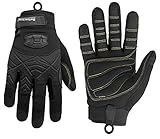
Overview: Seibertron’s full-finger gloves target multi-sport athletes requiring comprehensive hand protection beyond just crack climbing. These small-sized black gloves feature reinforced synthetic leather palms with Kevlar threading, making them suitable for rope work, rescue operations, sailing, and various outdoor pursuits where durability matters.
What Makes It Stand Out: The meticulous sizing system is remarkably detailed, using both palm length and circumference measurements to ensure precision fit. The SBR padding effectively absorbs shock and reduces fatigue during prolonged use, while Kevlar thread stitching maximizes durability in high-stress areas. Pull tabs on middle and ring fingers enable easy removal—a thoughtful touch after sweaty sessions.
Value for Money: At $19.99, these gloves offer excellent value for multi-purpose use. The reinforced construction rivals more expensive work gloves, while the specialized design accommodates climbing-specific needs. They’re affordable enough to replace as needed without financial strain.
Strengths and Weaknesses: Strengths include comprehensive sizing guidance, durable Kevlar-reinforced construction, effective palm padding, and versatility across multiple sports. Weaknesses are the full-finger design reducing dexterity for technical face climbing, and the gloves may be too warm for intense crack climbing in hot conditions.
Bottom Line: Best suited for rope-intensive climbing, rescue work, and cross-training activities. Pure crack climbers will prefer half-finger designs for better feel, but these excel in scenarios requiring full-hand protection and durability.
Why Tape Gloves Are Essential for Crack Climbing
Crack climbing subjects your hands to forces and friction that would be absurd in any other sport. When you slide your hand into a crack and rotate it to create a camming action, the rock doesn’t care about your soft tissue. Every torque, every jam, every twist grinds your skin against abrasive stone. Tape gloves act as a sacrificial layer—taking the beating so your skin doesn’t have to. More importantly, they distribute pressure across a wider surface area, reducing hot spots that lead to bruising and nerve compression. Without this protection, even a single day on classic routes like Indian Creek’s perfect splits can leave you sidelined for a week, watching your skin slowly regenerate while your psych dwindles.
Beyond protection, properly constructed tape gloves enhance performance. They provide a consistent, predictable surface that slides into cracks smoothly and grips with uniform friction. This eliminates the variables of sweaty palms, torn calluses, or tender spots, allowing you to commit fully to jams without the hesitation that comes from anticipating pain. The psychological edge is just as valuable as the physical protection—when you’re not worried about your hands, you can focus on footwork, body positioning, and the flow of the climb.
Understanding Crack Climbing Mechanics and Hand Stress
To appreciate why tape gloves work, you first need to understand what they’re protecting against. Crack climbing generates three primary types of hand stress: shear forces, compressive loads, and abrasive friction. When you execute a hand jam, the rotation creates shear as the rock tries to slide across your skin. Meanwhile, your body weight and opposing forces generate compression that squeezes tissue between unyielding stone. The abrasive friction from sliding your hand in and out of the crack gradually removes skin layers, similar to slow-motion sandpapering.
Different crack sizes attack your hands in different ways. Finger cracks focus stress on the knuckles and finger pads, creating pinpoint pressure that can split skin vertically. Hand jams distribute load across the back of your hand but generate intense shear at the wrist and thumb webbing. Off-widths and fist jams become a whole-body battle where your hands twist into unnatural positions, often bearing weight on the delicate skin between fingers. Tape gloves must be engineered differently for each scenario, which is why understanding these mechanics informs every taping decision you make.
Anatomy of a Perfect Tape Glove
A well-built tape glove is more than just wrapping—it’s a structural system. The foundation starts with anchor points that prevent the tape from sliding under load. These typically involve wraps around the wrist and between fingers that lock the system in place. The protective layers then span across high-stress zones: the knuckles for hand jams, the thumb webbing for fist stacks, and the finger pads for thin cracks. The best designs use overlapping layers that distribute forces while maintaining flexibility at the joints.
The perfect glove also considers breathability and sweat management. Tape that traps moisture becomes slippery and loses adhesion, while tape that’s too porous frays quickly against rough rock. The ideal construction balances protection thickness with tactile feedback—you need to feel the crack’s texture and shape through the tape to adjust your jam precisely. This is why many experienced climbers use different tape configurations for different rock types: thinner, more sensitive gloves for smooth granite, and beefier, more durable constructions for sharp desert sandstone.
Types of Tape: Choosing the Right Material
Climbing tape isn’t just athletic tape rebranded. The material composition fundamentally affects performance. Cotton-based athletic tape offers excellent breathability and conforms well to hand contours, but it stretches when wet and frays quickly on abrasive rock. Synthetic blends incorporating nylon or polyester fibers dramatically improve durability and maintain their structure under load, though they can feel stiffer and less comfortable against the skin.
Adhesive quality varies tremendously between tape types. The best climbing tapes use medical-grade, latex-free adhesives that bond securely to skin and tape layers without leaving irritating residue. Some feature zinc oxide adhesives that actually strengthen when they encounter moisture from sweat, creating a more secure bond as you climb. Avoid cheap pharmacy athletic tape with weak adhesives that peel at the first sign of perspiration. The texture of the tape’s backing also matters—smooth tapes slide into cracks easily but can feel slippery against rock, while slightly textured tapes provide better grip but may increase friction during insertion.
Tape Width and Thickness: What Matters Most
Tape width dramatically affects both application speed and protection coverage. Standard 1.5-inch (3.8 cm) tape offers versatility for most applications, allowing you to create wide protective strips or tear it lengthwise for narrower finger wraps. Wider 2-inch tape provides faster coverage for large areas like the back of the hand but can be cumbersome for detailed finger work. Narrow 1-inch tape excels for wrapping individual fingers and creating precise anchor points but requires more layers for adequate protection.
Thickness, measured in mils or millimeters, determines durability versus dexterity. Thin tape (6-8 mils) feels like a second skin, preserving maximum sensitivity for technical face cracks where you need to feel subtle constrictions. Medium thickness (10-12 mils) offers the best all-around performance for most crack climbing, providing solid protection while maintaining enough flexibility. Thick tape (14+ mils) creates armor-plated gloves for abrasive rock and wide cracks but can feel like wearing stiff mittens, severely limiting fine motor control. Smart climbers keep multiple thicknesses in their kits, mixing them within a single glove for zone-specific protection.
The Science Behind Adhesion and Durability
The adhesive on climbing tape performs a delicate balancing act. It must bond aggressively enough to prevent peeling under constant friction and sweat, yet release without ripping off skin layers when you’re done climbing. This is achieved through pressure-sensitive adhesives that activate under the friction of application. The key is applying firm, consistent pressure during wrapping—this triggers the adhesive’s full bonding strength and eliminates air pockets that lead to premature failure.
Durability depends on more than just tape quality. The wrapping technique creates mechanical strength through overlapping layers that share load. Each layer should overlap the previous by at least 50% to prevent weak seams. The direction of wrap matters too—spiraling tape around fingers in the direction of jamming rotation (typically toward the thumb) prevents it from unwinding under torque. Environmental factors like temperature and humidity also affect performance; cold conditions make adhesives brittle while extreme heat can cause them to become overly tacky and attract dirt.
Step-by-Step: How to Tape Your Hands for Crack Climbing
Start with clean, completely dry hands. Any oil, lotion, or moisture prevents proper adhesion. Begin by creating a wrist anchor: wrap tape snugly around your wrist three times, overlapping each layer by half the tape’s width. This anchor prevents the entire glove from sliding down your hand under load. Next, run a strip from the wrist anchor up the back of your hand, between your index and middle finger, and back down to the wrist, pressing firmly to create a “V” that stabilizes the glove’s foundation.
For hand jam protection, tear a strip long enough to cover from your knuckles to your wrist. Apply it across the back of your hand, pressing firmly, then wrap additional strips around your hand horizontally to lock it in place. For finger protection, start at the base of each finger and spiral upward, overlapping each turn by half the tape width. Finish each finger by running a strip back down to the wrist anchor, creating a continuous load path. The final step is reinforcing high-stress areas: add extra layers over your knuckles, the thumb webbing, and any spots where you know your skin typically fails first.
Common Taping Mistakes That Compromise Protection
The most frequent error is wrapping too loosely. Tape that isn’t applied with firm, consistent pressure will shift under load, creating wrinkles that become pressure points and eventually tear. Another critical mistake is failing to create proper anchor points—tape that isn’t locked to your wrist or between fingers will simply slide off when you jam, leaving you unprotected at the worst moment. Many climbers also make the error of wrapping joints too tightly, restricting blood flow and reducing dexterity.
Using the wrong tape orientation is another common pitfall. Wrapping fingers against the direction of jamming rotation causes the tape to unwind and peel. Some climbers try to save time by using pre-made loops or shortcuts, but these rarely conform to individual hand shapes and create weak spots. Perhaps most detrimental is building gloves that are too bulky—while it seems logical that more tape equals more protection, excessive thickness prevents you from feeling the crack and adjusting your position, leading to less secure jams and more hand injuries, not fewer.
Glove Styles: From Minimalist to Maximum Coverage
The “strip glove” represents the minimalist approach—a single layer of tape running across the back of the hand with minimal finger coverage. This style preserves maximum sensitivity and is ideal for smooth granite hand cracks where you need to feel subtle features. The trade-off is minimal protection; it’s suitable for short routes or climbers with already-tough hands. The “full glove” covers the entire back of the hand, all fingers, and the thumb webbing, creating comprehensive protection for abrasive rock or long routes. This is the go-to style for desert sandstone or all-day crack sessions.
The “hybrid glove” strategically applies thick protection to high-stress zones while leaving other areas bare or lightly covered. For example, you might heavily tape the knuckles and thumb webbing for hand jams while leaving finger pads exposed for better feel on thin sections. The “gauntlet glove” extends protection up the forearm, essential for off-width climbing where your entire arm gets swallowed by the crack. Each style serves specific purposes, and advanced climbers often modify their approach mid-route, adding tape to damaged areas while removing it from zones where they need more sensitivity.
Finger Protection Strategies
Finger cracks demand precision taping that protects without adding bulk that prevents your fingers from fitting into thin fissures. The key is vertical strips running along the sides of your fingers rather than circumferential wraps that increase diameter. Start with a thin strip from fingertip to knuckle along the outside edge of your finger, then add a second strip along the inside edge. These strips protect the skin from the sharp corners of the crack while keeping the finger pads exposed for maximum friction.
For sustained finger crack pitches, consider the “splint technique”—adding a thin strip of tape along the back of the finger to prevent hyperextension during painful locks. This is particularly valuable for ring locks and pinky finger jams where small digits bear disproportionate loads. The “cap” technique involves wrapping just the fingertip to prevent the painful splitting that occurs when you torque your finger tips in shallow placements. Remember that finger taping reduces circulation more easily than hand taping, so check your fingers regularly for numbness or excessive whitening.
Thumb and Wrist Considerations
The thumb is often the first casualty in aggressive hand jamming. The webbing between thumb and index finger tears easily under torque, and the thumb pad gets crushed in fist stacks. Protect this area by running a strip from the wrist anchor, across the thumb pad, and back to the wrist on the palm side. Create a “sling” that supports the thumb without restricting its movement. For off-widths where your thumb gets buried deep in the crack, consider wrapping the entire thumb in a spiral pattern, starting at the base and working toward the tip.
Wrist protection extends beyond the basic anchor. In wide cracks, the wrist bears significant pressure against sharp edges. Add a “cuff” of tape around the wrist, building it up to 3-4 layers thick. This cuff should be snug but not tight enough to restrict movement or circulation. Some climbers add a longitudinal strip running from the wrist up the forearm to prevent the glove from twisting during dynamic movements. The wrist is also where you’ll attach “extenders”—extra tape you can peel off and apply to damaged areas mid-climb without carrying a full roll.
Durability vs. Dexterity: Finding Your Balance
The eternal trade-off in tape glove design pits protection against performance. Thick, durable gloves allow you to climb all day on abrasive rock, but they feel like wearing oven mitts when you need to place gear or manipulate rope. Thin, dexterous gloves preserve your ability to fiddle with cams and carabiners but might fail halfway up a long pitch. The solution lies in strategic layering and material selection.
Build your gloves with a thin base layer for sensitivity, then add thick reinforcement patches only where needed. Use durable synthetic tape on the back of your hand where abrasion is worst, but switch to more flexible cotton tape around your knuckles and fingers where mobility matters. Consider “breakaway zones”—areas where you apply tape with slightly less pressure so you can quickly remove it if you need maximum dexterity for a crux move. Some climbers even pre-tear strategic lines in their gloves, creating weak points they can rip through to convert a full glove into a strip glove mid-route.
Caring for Your Tape Gloves: Maintenance Tips
A well-maintained tape glove can last multiple pitches if you treat it right. The first rule is to avoid touching the adhesive side during application—oils from your fingers reduce stickiness. Once applied, keep your gloves dry; moisture is the enemy of adhesion. If you’re sweating heavily, apply a light dusting of chalk to the outside of the tape to absorb moisture without compromising the adhesive bond.
Between climbs, store partially used gloves by wrapping them in a clean plastic bag to prevent dust and dirt from contaminating the adhesive edges. If a glove starts to peel, repair it immediately with small “bridge” strips that patch the weak spot rather than trying to rewrap the entire hand. Never leave tape on overnight; remove it gently after each session to let your skin breathe and recover. Clean any adhesive residue with gentle soap and a soft brush—avoid harsh solvents that dry out your skin and make it more susceptible to damage next time.
When to Retape: Recognizing Wear Patterns
Smart retaping timing separates successful long routes from epic disasters. Inspect your gloves after each pitch, looking for specific failure patterns. The knuckles typically show wear first—when you see the tape thinning to transparency or developing small tears, it’s time for reinforcement. The thumb webbing fails next, usually indicated by peeling at the edges or a feeling of looseness when you torque your hand.
Pay attention to color changes in the tape; many climbing tapes lighten as they stretch, signaling that the material is fatiguing and losing strength. If you feel hotspots or sharp pains in areas that were previously comfortable, the tape has likely compressed and is no longer distributing load effectively. The wrist anchor is critical—once it starts to loosen, the entire glove will migrate and fail. Rather than waiting for catastrophic failure, preemptively add reinforcement strips at the first sign of wear. This approach uses less tape overall and prevents the mid-pitch emergencies that force you to waste time and energy on emergency repairs.
Advanced Techniques for Specific Crack Types
Desert sandstone demands maximum coverage with thick, durable tape due to its abrasive texture. Build full gloves with extra layers on the knuckles and use synthetic tape that resists fraying. For smooth granite, prioritize sensitivity—use thin cotton tape in a strip glove configuration that lets you feel subtle constrictions and crystal edges. The rock’s temperature matters too; cold granite can be brutally sharp, requiring more protection than you might expect.
Off-width climbing requires the gauntlet approach. Extend protection up your forearm and build “armor” on your elbows. Use extra tape to protect the back of your hands where they get ground against the crack walls during chicken-wing jams. For finger cracks, the “camouflage technique” uses thin strips matching your finger color to make your taped fingers appear smaller, allowing them to fit tighter placements. In flaring cracks, reinforce the sides of your hands heavily—these cracks create intense shear that peels tape from the edges first.
Transitioning From Gym to Outdoor Crack Climbing
Gym cracks, typically made of smooth fiberglass or wood, create a false sense of security. They rarely require tape, and when they do, any basic wrapping suffices. Outdoor rock is a different beast entirely. The first time you jam into sharp, crystalline granite or coarse sandstone, you’ll understand why tape gloves are non-negotiable. Start by taping more heavily than you think necessary—it’s easier to remove excess tape than to repair shredded hands miles from the car.
Outdoor cracks also vary in size and shape more than gym cracks, requiring more versatile glove designs. Practice building different glove styles at home so you can quickly adapt at the crag. The dirt, sand, and moisture found outdoors also compromise tape adhesion more quickly than the clean gym environment. Always carry extra tape and apply it in a clean, dry spot away from dust. Most importantly, recognize that outdoor crack grades feel harder because the rock fights back—your tape gloves need to be part of your protection system, not an afterthought.
Cost-Effectiveness and Environmental Considerations
Quality climbing tape costs significantly more than generic athletic tape, but the price difference is justified by performance and waste reduction. Cheap tape that fails mid-pitch forces you to use more material for repairs, often costing more in the long run. A single roll of premium tape, used efficiently, can protect your hands through an entire season of weekend crack climbing. Factor in the cost of missed climbing days due to hand injuries, and quality tape becomes one of the cheapest pieces of climbing protection you can buy.
Environmentally, consider tape waste. Pre-cutting strips to exact lengths reduces waste compared to tearing random pieces. Some brands now offer biodegradable tape options that break down faster in landfills. Reuse partially worn gloves for approaches or descents rather than immediately discarding them. When removing tape, collect the scraps in a bag and pack them out—tiny bits of tape left at the base of crags accumulate and harm wildlife. The most sustainable approach is building durable gloves that last multiple pitches, minimizing the total tape used over time.
Frequently Asked Questions
How long do tape gloves typically last?
Durability depends on rock type, crack size, and tape quality. On abrasive sandstone, expect a full glove to last 1-3 pitches before needing significant repairs. On smoother granite, the same glove might survive a full day. The wrist anchor and knuckles show wear first; preemptive reinforcement extends lifespan dramatically.
Can I reuse tape gloves?
Partially, yes. If the glove’s structure remains intact, you can add reinforcement strips to extend its life. However, once the adhesive degrades or the tape becomes saturated with sweat and dirt, it loses effectiveness. Never try to peel off and reapply used tape—the adhesive won’t bond properly and you’ll waste time for minimal protection.
What’s the best tape for sweaty hands?
Look for synthetic blend tapes with moisture-activated adhesives containing zinc oxide. These adhesives actually strengthen when they encounter sweat. Apply tape to completely dry hands, then dust the outside with chalk to absorb surface moisture. Some climbers use a light antiperspirant on their hands the night before heavy crack days to reduce sweating.
How do I remove tape without damaging my skin?
Always remove tape in the direction of hair growth, pulling slowly and keeping the tape close to the skin rather than pulling away. Soak your hands in warm water for 5-10 minutes to soften the adhesive. Use a blunt edge like a credit card to lift the tape edge, then peel gently. Apply climbing salve immediately after removal to rehydrate the skin.
Should beginners use tape gloves?
Absolutely, and perhaps more so than experts. Beginners lack the callused skin and technique to distribute forces efficiently, making them more susceptible to injury. Starting with tape gloves allows you to focus on learning proper jamming technique without pain distraction. As your hands toughen and technique improves, you can gradually reduce tape coverage.
Do tape gloves affect grip strength?
Minimal impact when applied correctly. Poorly taped gloves that are too thick or restrictive can reduce dexterity and feel, which might affect grip strength. However, properly fitted gloves with strategic reinforcement don’t significantly diminish finger strength. The psychological benefit of pain-free climbing often results in stronger, more confident gripping.
Can I climb with tape gloves in wet conditions?
Wet tape loses adhesion and becomes slippery, making it ineffective. In damp conditions, synthetic tapes with strong wet-adhesion formulas perform better than cotton. Some climbers apply a waterproofing spray to the outer layer, though this affects grip. For wet crack climbing, consider dedicated crack gloves made of rubber and neoprene instead of tape.
How do I prevent the tape from bunching up?
Bunching occurs from loose application or wrapping against the direction of movement. Apply firm, consistent pressure while wrapping, and always spiral tape toward the thumb for hand jams. Create anchor points that lock the tape in place, and avoid wrapping over joints where skin naturally folds. If bunching persists, use thinner tape or reduce overlap between layers.
Are there any skin conditions that prevent taping?
Open wounds, severe eczema, or contact dermatitis can worsen with tape adhesion. Never tape over open cuts—use liquid bandage first. If you have sensitive skin, test tape on a small area first. Some climbers develop allergic reactions to adhesives; switching to latex-free, hypoallergenic tape usually solves this. Fungal infections like athlete’s foot can spread to hands in tape’s moist environment, so treat infections before taping.
What’s the environmental impact of climbing tape?
Standard tape is non-biodegradable and contributes to microplastic pollution. Reduce impact by using biodegradable tape options, minimizing waste through precise cutting, and packing out all tape scraps. Some companies now offer recycling programs for used tape. Consider durable reusable crack gloves for frequent crack climbing to significantly reduce tape consumption over time.'