The crack of branches under your tires, the spray of mud on a remote trail, the sudden downpour sixty miles from civilization—dual-sport riding demands footwear that refuses to compromise. Your boots must transition seamlessly from highway cruising to technical off-road sections while keeping your feet dry, comfortable, and protected. Yet finding that perfect balance between waterproof performance and adventure-ready functionality remains one of gear selection’s most nuanced challenges.
Waterproof membrane technology has revolutionized motorcycle footwear, but not all implementations are created equal. Understanding the intricate relationship between membrane construction, boot architecture, and real-world riding conditions separates the informed buyer from the disappointed one. This guide dismantles the complexity, giving you the technical knowledge to invest wisely in boots that’ll handle whatever terrain—and weather—your dual-sport adventures throw at them.
Top 10 Dual-Sport Motorcycle Boots with Waterproof Membranes
Detailed Product Reviews
1. MSR Waterproof Adventure Motorcycle Boots – Men’s Black Full‑Grain Leather Riding Boots with Te‑Por Waterproof Membrane, Injection‑Molded Protection, Steel Shank & Anti‑Slip Rubber Sole – Size 12 Medium
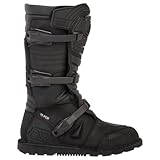
Overview: The MSR Waterproof Adventure Motorcycle Boots represent a premium entry in the adventure touring category, engineered for riders who demand uncompromising protection. These size 12 black boots feature full-grain leather construction backed by a steel shank, delivering exceptional stability for long-distance journeys. The Te-Por waterproof membrane provides reliable moisture protection while maintaining breathability for all-day comfort.
What Makes It Stand Out: The injection-molded shin, toe, and heel plates offer targeted armor without excessive bulk—a critical balance for adventure riders transitioning between highway and trails. The aggressive anti-slip rubber outsole delivers confident traction across varied terrain, from wet pavement to loose gravel. European craftsmanship is evident in the polyurethane nylon reinforcements at stress points and the overall robust build quality.
Value for Money: At $199.99, these boots sit in the mid-premium range, competitively priced against offerings from Alpinestars and Sidi. The combination of full-grain leather, steel shank, and comprehensive molded protection typically commands $250+. For serious adventure riders, the durability and features justify the investment over multiple riding seasons.
Strengths and Weaknesses: Strengths include superior construction quality, excellent waterproofing, comprehensive protection zones, and stable footing. The steel shank provides crucial footpeg support and reduces fatigue. Potential weaknesses involve a necessary break-in period for the robust leather and limited color options. The boots may feel slightly stiff initially but mold to your feet over time, creating a custom fit.
Bottom Line: Ideal for committed adventure tourers seeking premium protection without flagship pricing. These boots deliver professional-grade features that will serve reliably for years of challenging rides.
2. MSR Waterproof Adventure Motorcycle Boots Size 9 Brown

Overview: The MSR Waterproof Adventure Boots in brown size 9 offer the same core protection as their black counterparts, tailored for riders preferring earth-tone aesthetics. Constructed with full-grain leather uppers and a Sympatex waterproof membrane, these boots prioritize dryness and durability. The injection-molded shin and toe plates provide essential impact protection for off-road excursions and daily commuting.
What Makes It Stand Out: While sharing the same protective DNA as the black version, the brown finish offers versatility for riders who wear their boots off-bike. The Sympatex membrane delivers comparable waterproofing to more expensive membranes at a fraction of the cost. Anti-slip rubber soles and polyurethane nylon reinforcements ensure these boots handle diverse conditions competently without the bulk of dedicated off-road boots.
Value for Money: Priced at $199.99, they match the black variant’s cost, positioning them as solid mid-range performers. You’re getting genuine full-grain leather and certified waterproofing at a price point where many competitors use synthetic materials. The protection level rivals boots costing significantly more, making them a smart financial choice for discerning riders.
Strengths and Weaknesses: Strengths include durable leather construction, effective waterproof membrane, targeted molded protection, and versatile styling. The brown color masks dirt and scuffs better than black, maintaining appearance longer. Weaknesses include minimal size availability in this listing and less detailed feature documentation compared to the black model. The Sympatex membrane, while reliable, lacks the brand recognition of Gore-Tex.
Bottom Line: A dependable choice for adventure riders wanting premium features with a classic brown aesthetic. The protection-to-price ratio remains excellent for both new and experienced motorcyclists.
3. SAGA MOTO Men’s Motorcycle Adventure & Touring Boots – Waterproof, Lightweight, CE Certified, Reinforced Ankle & Heel, Non-Slip Sole (Tundra Black US10)

Overview: The SAGA MOTO Adventure & Touring Boots deliver CE-certified protection at an aggressively competitive $64.99 price point. These Tundra Black US10 boots feature genuine leather construction with a water-resistant membrane, making them accessible for budget-conscious riders. Thinsulate lining and open-cell foam provide comfort for extended wear, while reinforced ankle and heel areas enhance safety.
What Makes It Stand Out: CE approval at this price is remarkable, ensuring the boots meet European safety standards for motorcycle footwear. The padded ankle zones and double-stitched stress points demonstrate thoughtful construction typically absent in budget gear. The dual-density sole with anti-slip, oil-resistant rubber offers practical traction for everyday riding scenarios and urban commuting.
Value for Money: Exceptional value—comparable CE-certified boots typically start at $150+. You’re getting genuine leather, certified protection, and waterproofing for less than half the market rate. This makes them ideal for entry-level riders or as a backup pair for experienced motorcyclists who need a second set for occasional use.
Strengths and Weaknesses: Strengths include unbeatable pricing, CE certification, genuine leather upper, and decent waterproofing. The lightweight design reduces fatigue on long rides. Weaknesses involve potential compromises in long-term durability compared to premium brands. The water-resistant membrane may not perform as reliably as higher-end waterproof membranes in prolonged heavy rain or extreme conditions.
Bottom Line: Perfect for new riders or budget-minded veterans seeking legitimate protection without financial strain. These boots punch far above their weight class in safety features.
4. Tourmaster Break Trail Waterproof Motorcycle Boots

Overview: The Tourmaster Break Trail Boots occupy the middle ground at $139.99, offering a compelling blend of weather protection and flexibility. These mid-height boots utilize abrasion-resistant Italian microfiber instead of traditional leather, paired with a HiPora 3-layer waterproof membrane. Designed for all-season riding, they feature billowed flex panels for enhanced mobility and comfort during extended journeys.
What Makes It Stand Out: The adjustable dual MX-style buckles provide a customized fit across various calf sizes—a practical feature often missing in slip-on designs. TechnoGI thermoplastic heel cup and toe cap, combined with dual-density molded ankle protectors, deliver comprehensive safety. The heavy-duty lugged sole excels in wet conditions and provides stability on varied surfaces.
Value for Money: Strong value proposition. Microfiber construction reduces cost while maintaining durability, and the feature set—including premium buckles and multi-layer waterproofing—typically appears in $180+ boots. Tourmaster’s reputation for reliable mid-range gear reinforces the investment for budget-smart riders seeking quality without premium pricing.
Strengths and Weaknesses: Strengths include excellent adjustability, flexible microfiber construction, superior traction lugged sole, and effective HiPora waterproofing. The mid-height design offers good support without restricting movement. Weaknesses include microfiber’s potential to feel less premium than full-grain leather and possible heat retention in summer months. The aesthetic may not appeal to traditionalists seeking classic leather styling.
Bottom Line: An excellent all-rounder for riders seeking versatility across seasons and terrain. The adjustability and proven waterproofing make them a smart mid-range choice for daily commuters and weekend warriors.
5. SAGA MOTO Waterproof Motorcycle Boots Men’s Motorcycle Shoes Motorcycle Boots Motocross Shoes (EN 13634) (BT-062 Red US11)

Overview: The SAGA MOTO BT-062 Boots in red size 11 push budget boundaries even further at $59.99 while maintaining CE certification (EN 13634). Constructed from 100% genuine leather with a water-resistant membrane, these boots defy expectations at this price point. The YKK auto-lock zipper and Velcro flap enable quick entry and secure closure for daily convenience.
What Makes It Stand Out: Achieving CE certification under $60 is virtually unheard of in motorcycle footwear. The dual-density composite sole with anti-slip rubber provides practical grip, while double-stitched reinforcement addresses durability concerns. The distinctive red colorway offers stylistic flair rarely seen in budget gear, increasing rider visibility and safety.
Value for Money: Unparalleled value. CE-certified leather boots typically cost 3-4 times more. This pricing makes them accessible to students, commuters, or anyone prioritizing function over brand prestige. The inclusion of a YKK zipper signals quality attention to detail uncommon at this price point.
Strengths and Weaknesses: Strengths include rock-bottom pricing, legitimate CE safety rating, genuine leather construction, and convenient zipper access. The padded ankle support adds comfort. Weaknesses may involve thinner leather, less sophisticated waterproofing, and unknown long-term durability compared to established brands. The zipper could become a failure point if not properly maintained.
Bottom Line: For riders needing legal certification and basic protection on minimal budget, these are unbeatable. Perfect for short commutes and urban riding where cost is paramount.
6. Genuine Leather Waterproof Motorbike Boots Off Road Adventure Touring Motorcycle Shoes High Long Ankle Casual Racing Sports Touring Cruise (Black, US Footwear Size System, Adult, Men, Numeric, Medium, 9)

Overview: These genuine leather motorcycle boots deliver versatile protection for riders seeking one pair for multiple scenarios. Designed for off-road adventures, touring, racing, and casual wear, they feature a high ankle cut with reinforced toe and heel areas. The 100% genuine leather construction promises durability and water resistance, while the rugged rubber outsole provides multi-surface traction.
What Makes It Stand Out: The true versatility sets these apart—transitioning from aggressive trail riding to casual street wear without looking out of place. The spacious toe box accommodates varying foot shapes, while ample ankle support prevents fatigue during extended journeys. The reinforced protection zones offer peace of mind without the bulk of pure racing boots, making them practical for daily commuters who occasionally venture off-road.
Value for Money: At $84.99, these boots occupy a sweet spot between budget synthetics and premium brands. You’re getting genuine leather construction and multi-purpose functionality for roughly half the cost of specialized touring boots. While they lack formal CE certification, the materials and design compete favorably with options in the $120-$150 range, making them an intelligent choice for cost-conscious riders unwilling to sacrifice leather durability.
Strengths and Weaknesses: Strengths:
- Genuine leather provides natural water resistance and durability
- Versatile design suits multiple riding styles and casual use
- Spacious toe box enhances comfort for all-day wear
- Robust ankle support reduces fatigue
- Aggressive tread pattern excels off-road
Weaknesses:
- No formal safety certification mentioned
- Sizing description is overly complex and potentially confusing
- May lack advanced breathability features of premium models
- Limited color options
Bottom Line: These boots are ideal for intermediate riders needing versatile, leather protection across multiple disciplines without breaking the bank. They offer solid value, though safety-focused riders might prefer certified alternatives.
7. SAGA MOTO Men’s Motorcycle Adventure & Touring Boots – Waterproof, Lightweight, CE Certified, Reinforced Ankle & Heel, Non-Slip Sole (Tundra Black US7)
Overview: SAGA MOTO delivers CE-certified protection at an accessible price point with these adventure touring boots. Constructed from 100% genuine leather with double-stitched stress points, they feature Thinsulate lining and open-cell foam for thermal regulation. The water-resistant, windproof membrane keeps feet dry while maintaining breathability for all-weather riding.
What Makes It Stand Out: CE approval at under $65 is remarkable, providing validated impact and abrasion protection typically found in boots costing twice as much. The padded ankle zones offer strategic flexibility without compromising safety. The high-tech dual-density sole combines anti-slip, oil-resistant properties with walking comfort—addressing a common complaint with rigid riding boots. This thoughtful engineering makes them practical for both mounted and dismounted adventure touring.
Value for Money: At $64.99, these represent exceptional value. Competing CE-certified boots from established brands start around $120, making these perfect for budget-conscious riders prioritizing safety. The Thinsulate lining adds year-round versatility, eliminating the need for separate winter boots. While longevity may not match premium brands, the double-stitched construction suggests reasonable durability for the price.
Strengths and Weaknesses: Strengths:
- CE certification provides verified safety standards
- Thinsulate lining offers excellent thermal regulation
- Dual-density sole balances grip with walking comfort
- Genuine leather construction with reinforced stress points
- Competitive pricing for certified protection
Weaknesses:
- Brand lacks long-term reputation
- Sizing runs small (requires careful chart consultation)
- May sacrifice some premium materials for cost savings
- Limited style options
Bottom Line: An outstanding entry-level choice for safety-minded riders on a budget. The CE certification alone justifies the price, making these boots a smart investment for adventure touring enthusiasts.
8. Tourmaster Helix Waterproof Motorcycle Touring Boots

Overview: The Tourmaster Helix boots target serious touring riders with CE certification to EN 13634:2017 standards, ensuring rigorous impact, abrasion, and transverse rigidity testing. Constructed from durable microfiber with a 3-layer Aqua-barrier membrane, these boots balance protection with all-day comfort. The Armanox reactive foam insole and TPR flex panels reduce fatigue during extended rides.
What Makes It Stand Out: The certification level exceeds many competitors, with dual-density molded ankle protectors and internal toe box reinforcement providing comprehensive coverage. The proprietary flex panels at the instep and heel allow natural movement while maintaining structural integrity—a rare combination in protective footwear. YKK zippers paired with hook-and-loop secondary closure ensure secure fit and easy entry, while the TPU shifter guard enhances durability in high-wear areas.
Value for Money: Priced at $139.99, these boots deliver premium features at a mid-range price. Comparable CE-certified touring boots from brands like Alpinestars or SIDI typically exceed $200. The microfiber construction offers abrasion resistance rivaling leather while improving breathability. For long-distance riders needing certified protection without premium pricing, the Helix presents compelling value.
Strengths and Weaknesses: Strengths:
- EN 13634:2017 CE certification ensures top-tier safety
- Aqua-barrier membrane provides reliable waterproofing
- Armanox foam insole delivers superior comfort
- YKK zipper system ensures durability and convenience
- Microfiber construction balances durability with breathability
Weaknesses:
- Microfiber may lack the classic leather aesthetic
- Slightly heavier than minimalist racing boots
- Limited color choices
- Break-in period may be longer than some competitors
Bottom Line: Excellent for dedicated touring riders prioritizing certified safety and waterproof reliability. The Helix boots offer near-premium performance at a justified mid-range price point.
9. Alpinestars Radon Drystar Motorcycle Boots, CE-Certified All-Weather Touring Gear, Waterproof & Durable Riding Protection, 12, Black

Overview: Alpinestars brings its racing heritage to touring with the Radon Drystar boots, offering professional-grade protection for all-weather riders. CE-certified reinforcement at the ankle, shin, and heel combines with a Drystar membrane for 100% waterproofing. High-performance microfiber and synthetic materials ensure durability while maintaining a relatively lightweight profile for extended comfort.
What Makes It Stand Out: The Drystar membrane delivers proven Alpinestars waterproof technology used in their premium racing suits, ensuring dry feet in torrential conditions. The comprehensive CE protection extends beyond ankles to include shin and heel—areas often neglected in touring boots. The ergonomic footbed and cushioned interior demonstrate rider-focused design, reducing hot spots during 8+ hour rides. The adjustable hook-and-loop closure provides a customized fit superior to basic zipper systems.
Value for Money: At $259.95, these boots command a premium but deliver commensurate quality. They undercut Alpinestars’ top-tier touring models by $100+ while retaining core safety and weatherproofing technologies. For riders logging high mileage in variable conditions, the durability and proven brand reliability justify the investment over cheaper alternatives that may require premature replacement.
Strengths and Weaknesses: Strengths:
- Alpinestars brand reputation for quality and safety
- Drystar membrane ensures superior waterproofing
- Extended CE protection covers shin and heel
- Ergonomic design reduces long-distance fatigue
- Adjustable closure system provides secure, personalized fit
Weaknesses:
- Premium price may exceed casual rider budgets
- Synthetic materials lack leather’s natural patina
- Sizing can be narrow for wider feet
- Limited off-bike walking comfort
Bottom Line: Ideal for serious touring enthusiasts who demand professional-grade protection and weatherproofing. The premium price is justified by Alpinestars engineering and comprehensive safety features.
10. Lake MXZ400 Winter Cycling Boot – Waterproof Leather, Thinsulate Insulation – Black, 46

Overview: The Lake MXZ400 sets the benchmark for extreme cold-weather cycling footwear, engineered specifically for sub-zero riding conditions. This winter boot combines water-resistant full-grain leather with a seam-taped membrane bootie and double Thinsulate insulation. The Winter Extreme last and composite 6-layer insulation footbed create a thermal barrier that retains heat while blocking cold penetration.
What Makes It Stand Out: The ICE LOCK sole technology features vertically injected micro-glass fibers that grip ice and snow unlike any traditional rubber sole—transforming winter cycling safety. The dual BOA closure system with independent upper/lower adjustment ensures secure heel hold without compromising circulation, crucial for maintaining warmth. Reflective panels on the leather over-flap enhance visibility in winter’s low-light conditions, while the gator D-ring accommodates additional snow protection.
Value for Money: At $299.99, these boots serve a specific but critical niche. Comparable winter cycling boots lack the ICE LOCK technology and dual BOA system, often costing $250+. For cyclists riding in temperatures below freezing, the performance justifies the price—preventing frostbite and enabling year-round training. The premium leather construction and replaceable BOA components suggest longevity that amortizes the cost over multiple seasons.
Strengths and Weaknesses: Strengths:
- Unparalleled cold-weather performance
- ICE LOCK sole provides exceptional ice traction
- Dual BOA system enables precise, comfortable fit
- Premium leather construction with seam-taped bootie
- Reflective elements enhance winter safety
Weaknesses:
- Highly specialized—poor choice for mild climates
- Premium price limits appeal to dedicated winter cyclists
- Heavier than standard cycling shoes
- Sizing runs large to accommodate thick socks
Bottom Line: Essential equipment for serious cyclists refusing to surrender winter to indoor trainers. The MXZ400’s specialized features justify the investment for riders facing genuine winter conditions.
What Makes a Boot “Dual-Sport”? Understanding the Hybrid Nature
Dual-sport boots occupy a unique middle ground between pure dirt bike footwear and touring road boots. They must provide enough flexibility for comfortable walking and shifting while delivering robust protection against rocks, branches, and impacts. Unlike dedicated motocross boots with their rigid exoskeletons, dual-sport designs incorporate articulation points that allow natural ankle movement without sacrificing lateral stability. The sole requires a tread pattern that grips dirt and gravel yet won’t vibrate excessively on pavement. This hybrid philosophy extends to the waterproof membrane integration—the boot must seal out moisture while allowing heat and perspiration to escape during both low-speed technical work and high-speed touring.
The Waterproof Membrane Revolution: Beyond Basic Gore-Tex
While Gore-Tex remains the industry benchmark, modern dual-sport boots utilize a spectrum of proprietary and licensed membrane technologies. These microporous laminates contain pores thousands of times smaller than water droplets but large enough for water vapor molecules to pass through. The magic lies in the lamination process—booties made from membrane material get sandwiched between outer shell and inner liner, creating a persistent waterproof barrier that maintains breathability even when the outer leather becomes saturated.
Some manufacturers employ three-layer construction: a durable outer material, the membrane bootie, and a moisture-wicking inner liner. Others use direct lamination, bonding the membrane directly to the outer shell for improved feel and reduced bulk. Understanding this construction method helps you evaluate long-term durability—laminated membranes can delaminate after repeated flexing, while bootie designs may trap moisture between layers if the outer shell lacks adequate water repellency.
Key Construction Elements: From Outsoles to Armor
The outsole represents your connection to both bike and earth. Dual-compound designs use softer rubber at the peg contact points for grip and firmer compounds at the heel and toe for durability. Look for oil-resistant, non-marking rubber that maintains traction on wet rocks and oily garage floors alike. The shank—the stiffener between outsole and midsole—should provide enough rigidity for standing on pegs without turning the boot into a ski boot.
Reinforcements deserve scrutiny: thermoplastic polyurethane (TPU) shin plates, ankle cups, and heel counters should overlap the membrane bootie without creating pressure points. The best designs use double or triple stitching at high-stress areas, with sealed seams that prevent water ingress through needle holes. Toe boxes need reinforcement for shift lever abuse, while heel areas require impact absorption for those inevitable dab moments.
Fit and Sizing: The Foundation of All-Day Comfort
Waterproof membranes perform optimally when they maintain consistent contact with your foot. A sloppy fit creates air pockets where moisture can condense, while an overly tight fit compresses the membrane and restricts blood flow. Try boots in the afternoon when your feet are slightly swollen, and wear your actual riding socks—merino wool or synthetic blends, never cotton.
Pay attention to ankle pocket depth: too shallow and your heel lifts during walking; too deep and you lose feel for the rear brake. The toe box should allow wiggle room without excess volume. Many riders size up half a size to accommodate thicker socks for cold-weather riding, but this can compromise membrane efficiency. Instead, look for boots with removable insoles that let you adjust volume without changing length.
Protection Features: CE Certification and Beyond
European CE certification provides objective safety metrics. Level 1 protection meets basic impact and abrasion standards, while Level 2 offers significantly higher impact resistance. However, the certification covers specific zones—ankle, shin, and metatarsal—so examine how comprehensively the boot protects transitional areas between certified zones.
Internal ankle bracing systems use biomechanical engineering to prevent hyperextension and torsion injuries. These systems should integrate seamlessly with the membrane bootie, using floating designs that don’t compromise waterproofing. Some advanced boots incorporate malleolus (ankle bone) protection that extends below the membrane layer, creating a protective cradle without puncturing the waterproof barrier.
Breathability vs. Waterproofing: Striking the Right Balance
The eternal paradox: the more waterproof a membrane, the less it breathes—until you reach premium tier construction. Boot manufacturers combat this through strategic ventilation zones that work with the membrane rather than against it. Perforated leather panels backed by membrane material allow air exchange while maintaining water resistance, but only if the outer material receives regular DWR (durable water repellent) treatment.
Your riding climate dictates the priority. Pacific Northwest riders need absolute waterproofing and should accept slightly reduced breathability. Southwest desert riders might opt for membranes with larger pore structures that sacrifice some water resistance for superior moisture vapor transmission. The sweet spot for most dual-sport riders lies in membranes rated 15,000mm+ waterproof column pressure with breathability ratings exceeding 20,000g/m²/24hrs.
Closure Systems: Laces, Buckles, and Hybrid Designs
Traditional laces offer infinite adjustability but create pressure points and can come untied. Pure buckle systems provide quick on/off but may not accommodate varying calf sizes. The dual-sport solution often combines a speed-lacing system with one or two buckles at the cuff.
Critical detail: closure hardware must not compromise the membrane. Metal eyelets should be backed by waterproof gaskets, and buckle bases need sealed mounting points. The best designs route laces over a padded tongue that extends high enough to prevent water entry, even when the cuff opens slightly during aggressive riding. Adjustable straps at the forefoot help fine-tune fit around the membrane bootie, preventing heel lift without cutting circulation.
Ankle Support and Flexibility: The Critical Compromise
Pure off-road boots lock your ankle at 90 degrees—great for preventing injuries but miserable for walking or feeling controls. Pure touring boots flex like hiking boots but leave you vulnerable in technical terrain. Dual-sport boots solve this through articulated hinges placed at the anatomical axis of ankle rotation.
These hinges must be waterproof. Designs using internal metal pivots sealed within TPU housings maintain integrity better than external rivets. The membrane bootie should feature accordion-style pleats at the hinge points that expand and contract without stretching or tearing. Test this by flexing the boot through its full range—any pinching or binding indicates poor membrane integration that will lead to premature failure.
Upper Materials: Leather, Synthetic, and Hybrid Constructions
Full-grain leather offers unmatched abrasion resistance and molds to your foot over time, but requires diligent maintenance to prevent cracking at flex points. Microfiber synthetic materials resist water absorption better and dry faster, but may not provide the same long-term durability. The premium approach uses leather in high-abrasion zones (inner boot, shift pad) with synthetic panels in flex areas.
Regardless of material, the outer shell must receive factory DWR treatment. This coating causes water to bead and roll off, preventing the outer layer from becoming waterlogged and heavy. Once saturated, even the best membrane struggles to breathe because moisture can’t evaporate through a wet outer layer. Reapply DWR treatment every 3-6 months, depending on riding frequency.
Thermal Management: Riding in Extreme Conditions
Waterproof membranes add insulation—beneficial in cold, problematic in heat. For cold-weather riding, look for boots with additional thermal liners that can be removed when temperatures rise. Some designs incorporate reflective heat barriers that bounce body heat inward during winter and reflect external heat away in summer.
In hot conditions, prioritize membranes with active cooling technologies—some proprietary laminates use phase-change materials that absorb excess heat. Light-colored uppers reflect solar radiation better than black, and perforated panels (when properly membrane-backed) create convective cooling at speed. Never compromise on sock choice: merino wool regulates temperature across a wider range than synthetics and maintains insulative properties when damp.
Break-In Period: What to Expect and How to Accelerate It
Modern waterproof boots require less break-in than old-school leather designs, but the membrane still needs conditioning. During the first 200 miles, flex points will soften and the membrane bootie will settle into its final position. Expect slight pressure at the ankle hinges and across the instep—this should resolve within 2-3 rides.
Accelerate break-in by wearing boots around the house for short periods, then progress to short rides. Never submerge new boots in water to “soften them up”—this forces the membrane to work before the outer DWR coating is fully activated. Instead, use a leather conditioner on non-membrane areas only, keeping oils away from the waterproof layer. A boot stretcher can gently expand width without stressing seams.
Maintenance and Care: Extending Your Investment
Waterproof membranes fail from the inside out—sweat salts and dead skin clog pores long before external damage occurs. After each ride, remove insoles and allow boots to dry naturally away from direct heat. Use boot trees to maintain shape and improve air circulation. Monthly, wash the interior with a membrane-safe cleaner that breaks down organic buildup without damaging the laminate.
External care focuses on preserving DWR coating. Brush off dried mud with a soft brush, then clean with a pH-neutral soap. Never use harsh detergents or washing machines. While the outer shell is still damp, apply DWR spray specifically designed for breathable membranes. Heat activation—using a hair dryer on low setting—helps the treatment bond to fibers. Inspect seams quarterly, applying seam sealer to any areas showing wear.
Common Waterproofing Myths Debunked
Myth one: “Waterproof means my feet will never get wet.” Reality: membranes manage moisture—they can’t prevent sweat buildup from poor sock choice or overheating. Myth two: “More expensive membranes are always better.” Truth: membrane performance depends entirely on overall boot construction; a perfectly executed mid-tier membrane outperforms a poorly integrated premium one.
Myth three: “I can reproof my boots with wax or mink oil.” Absolutely not—these products clog membrane pores permanently. Myth four: “A few holes won’t affect waterproofing.” Any puncture through the membrane bootie creates a leak path; even a single worn stitch can compromise the entire system. Myth five: “Waterproof boots dry faster.” Actually, they often dry slower because the membrane traps moisture between layers—proper drying technique becomes even more critical.
Price vs. Performance: Understanding Value Tiers
Entry-level waterproof dual-sport boots ($150-$250) typically use proprietary membranes with basic bootie construction. They’ll keep you dry in light rain but may leak in prolonged downpours. Mid-range options ($250-$400) offer certified membranes, better hardware, and more sophisticated ankle bracing. This tier represents the sweet spot for most riders, balancing durability with performance.
Premium boots ($400-$600+) justify their cost through advanced membrane laminates, replaceable parts, and superior materials. They often feature multi-density impact protection and ergonomic lasts developed from racing programs. For professional guides or riders logging 15,000+ miles annually, the investment pays dividends in comfort and longevity. However, a $500 boot that’s improperly sized performs worse than a $200 boot that fits perfectly.
When to Replace Your Boots: Safety Over Sentiment
Waterproof membranes have a finite lifespan—typically 3-5 years of regular use, regardless of tread wear. Signs of membrane failure include persistent dampness after drying, cold spots indicating delamination, and visible cracks in the bootie material when you remove the insole. Structural damage like crushed toe boxes or compromised ankle hinges demands immediate replacement, even if the membrane remains functional.
Don’t wait for catastrophic failure. Inspect boots monthly for sole separation, especially at the toe where shifting stresses concentrate. Worn shift pads can expose underlying layers to water entry. If you can feel the pavement through the sole or notice decreased impact protection, the boot has reached its end. Remember: waterproofing is secondary to impact protection—never compromise safety for dryness.
Frequently Asked Questions
How long should waterproof dual-sport boots actually keep my feet dry?
In continuous heavy rain, expect 4-6 hours of true dryness before moisture eventually penetrates through the cuff or wicks down from your pants. Membrane performance depends on maintaining DWR coating and proper fit. For all-day downpours, consider waterproof gaiters or pants that seal over the boot cuff.
Can I repair a punctured waterproof membrane?
Field repairs are temporary at best. Specialized membrane patches exist, but they only work on clean, dry surfaces and rarely restore original breathability. A professional cobbler can sometimes inject sealant, but this typically reduces flexibility. Prevention—using protective covers and avoiding thorns—is far more effective.
Do I need different boots for summer and winter dual-sport riding?
One quality pair with removable thermal liners covers most conditions. The key is sock strategy: lightweight merino for summer, heavy expedition-weight for winter. If you ride sub-freezing temperatures regularly, dedicated insulated boots prevent the membrane from freezing, which can crack the laminate.
Why do my waterproof boots feel clammy even when it’s not raining?
This indicates either membrane failure or, more likely, insufficient breathability for your exertion level. Your feet produce up to half a pint of sweat daily. If the membrane can’t transmit this vapor faster than it accumulates, moisture builds up inside. Try lighter socks, improve ventilation, or reapply DWR coating to help the outer layer dry faster.
Are leather or synthetic uppers better for waterproof dual-sport boots?
Full-grain leather offers superior abrasion resistance and molds to your foot, but requires more maintenance to prevent cracking at flex points where the membrane is vulnerable. Synthetic microfibers resist water absorption and dry faster, making them lower-maintenance. Hybrid constructions optimize both materials’ strengths.
How do I know if a boot’s membrane is truly integrated or just a flimsy liner?
Grip the outer shell and inner liner separately; if they move independently, it’s a basic drop-in bootie. Quality integration feels monolithic—layers work as one. Check spec sheets for “laminated” or “bonded” construction. Articulated flex zones with visible membrane pleats indicate sophisticated integration.
Can I use waterproofing sprays designed for hiking boots on my motorcycle boots?
Only if they’re specifically labeled safe for breathable membranes. Many hiking sprays contain waxes or silicones that clog membrane pores. Use products designed for Gore-Tex or eVent laminates, and always test on an inconspicuous area first. Never apply heat treatments or waterproofing waxes.
What’s the ideal cuff height for dual-sport waterproof boots?
12-14 inches provides the best compromise, protecting against water entry from puddles while allowing enough calf flex for standing on pegs. Taller cuffs offer better water protection but restrict movement. Ensure your riding pants can overlap or tuck without creating pressure points that compromise circulation.
How much should I budget for quality waterproof dual-sport boots?
Plan for $250-$350 for boots that will last 3-5 years with proper care. Below this price point, membranes and construction quality drop significantly. Above $400, you’re paying for marginal gains and replaceable parts. Factor in $30-50 annually for DWR treatments and cleaners to protect your investment.
Will wearing waterproof boots make my feet overheat in desert riding?
Modern membranes breathe well enough for hot climates, but you must manage heat actively. Choose light colors, ensure adequate ventilation panels, and use moisture-wicking socks. The bigger issue is psychological—waterproof boots feel hotter because they don’t have the evaporative cooling effect of non-waterproof designs. Stay hydrated and take regular breaks to air your feet.'