Imagine settling into your hotel room after a long day of travel or meetings, craving the comfort of a cinematic escape, only to be met with the same limited cable channels and pay-per-view options. Now picture transforming that bland wall into a sprawling 100-inch theater, streaming your favorite series or that blockbuster you’ve been saving—all from a device smaller than your smartphone. This isn’t a travel fantasy; it’s the reality that pocket-sized projectors have delivered to savvy travelers who refuse to compromise on entertainment.
The evolution of portable projection technology has created a perfect storm for hotel guests. These diminutive powerhouses pack genuine home theater capabilities into packages that slip effortlessly into carry-on luggage, turning any room with a blank wall into your personal cinema. But not all pocket projectors are created equal, and understanding the nuances between specifications, features, and real-world performance can mean the difference between a magical movie night and a frustrating pixelated mess. This comprehensive guide dives deep into everything you need to know about selecting and using pocket projectors specifically for hotel environments, where space is limited, conditions are unpredictable, and simplicity is paramount.
Top 10 Pocket-Sized Projectors for Hotel Movie Nights
Detailed Product Reviews
1. 【Officially-Licensed APP & Native 1080P】Thinnest 1.81" Smart Mini Projector with WiFi and Bluetooth, Auto Focus & Keystone Portable Outdoor Projector, VOPLLS 4K Support Home Movie Projector
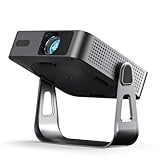
Overview: The VOPLLS Smart Mini Projector positions itself as a premium ultra-portable entertainment hub. At just 1.81 inches thick, this officially licensed device combines streaming convenience with impressive auto-calibration technology, offering native 1080P resolution with 4K support for under $100.
What Makes It Stand Out: The projector’s Hollywood Digital Pass concept delivers pre-installed, officially licensed Netflix and Prime Video apps—no extra devices required. Its standout feature is the 6D auto-keystone and auto-focus system that achieves perfect alignment in just 5 seconds, utilizing a high-sensitivity gyroscope and smart sensor for real-time optimization. The 360° tool-free adjustable bracket enables ceiling projection, a rare feature in this price category.
Value for Money: At $99.98, this projector punches above its weight class. Competing models with licensed apps and auto-focus typically retail for $150-250. The combination of native 1080P resolution, instant auto-calibration, and ultra-slim design represents exceptional value, though brightness specifications remain unspecified which may limit daytime usability.
Strengths and Weaknesses: Strengths include official app licensing eliminating casting hassles, sub-2-inch portability, rapid auto-focus/keystone, native 1080P clarity, and versatile ceiling projection. Weaknesses involve undisclosed brightness/lumen rating, potential app update dependency, unknown speaker quality, and limited brand recognition compared to established players.
Bottom Line: For streaming enthusiasts prioritizing convenience and portability, the VOPLLS delivers remarkable value. Its auto-calibration and licensed apps make it ideal for impromptu movie nights, though serious cinephiles should verify brightness before purchasing.
2. 【Built-in APPS & Electric Focusing & 210° Rotation】Mini Projector With Wifi And Bluetooth, 1080P Portable Projector, Movie Projector for Bedroom, Supports Smartphones/TV Stick/iPad/PS5/Laptop/HDMI/USB

Overview: The YGSKK Mini Projector balances modern connectivity with solid performance at an aggressive $59.99 price point. Featuring WiFi 6 and Bluetooth 5.3 alongside native 1080P resolution and 300 ANSI lumens brightness, it targets tech-savvy users wanting wireless freedom without premium cost.
What Makes It Stand Out: This projector leads with cutting-edge WiFi 6 compatibility, ensuring future-proof streaming at 5G and 2.4G speeds. The 300 ANSI lumen rating—50% brighter than competitors—provides usable images even in moderately lit rooms. Its J-Share feature enables iPhone screen mirroring without additional apps, while built-in streaming apps eliminate dongle clutter.
Value for Money: At $59.99, this represents outstanding value. WiFi 6 projectors typically start at $120+, and the 300 ANSI lumens specification exceeds most sub-$100 models. While build quality and longevity remain unproven, the feature set rivals devices costing twice as much, making it a budget champion.
Strengths and Weaknesses: Strengths include WiFi 6 future-proofing, Bluetooth 5.3 connectivity, genuine 300 ANSI lumens brightness, native 1080P resolution, built-in streaming apps, and iPhone-friendly wireless mirroring. Weaknesses involve potentially noisy fan operation, unknown brand reputation, limited warranty information, and Android requiring downloads for mirroring.
Bottom Line: The YGSKK is a connectivity powerhouse for budget-conscious buyers. Its WiFi 6 and impressive brightness make it perfect for bedroom viewing, though brand reliability questions suggest purchasing from retailers with solid return policies.
3. wepvo Projector Mini Portable Outdoor Movie Projectors, LED Pico Video Projector for Home Theater Film Projectors, Compatible with Smartphone/ Tablet/ Laptop/ TV Stick/ PS/ USB

Overview: The wepvo Mini Portable Projector carves a niche as a child-friendly, ultra-compact entertainment solution priced at $59.99. Emphasizing wired connectivity and eye protection, this pocket-sized projector prioritizes simplicity and safety over wireless complexity for family use.
What Makes It Stand Out: Explicitly marketed for children, the wepvo distinguishes itself with straightforward wired screen mirroring using official device cables—eliminating network setup frustrations. Bluetooth 5.4 audio ensures stable wireless sound, while the Type-C interface modernizes connectivity. Its 170-inch maximum projection size delivers cinematic scale from a palm-sized device.
Value for Money: At $59.99, the wepvo competes directly with budget wireless models but offers superior audio connectivity via Bluetooth 5.4. While lacking built-in streaming apps, its wired-first approach avoids subscription costs and network dependency, making it cost-effective for parents wanting simple, reliable entertainment without recurring monthly expenses or complex setup.
Strengths and Weaknesses: Strengths include child-focused design, plug-and-play wired mirroring, latest Bluetooth 5.4 audio, extreme portability, multiple modern interfaces, and built-in speakers. Weaknesses involve no WiFi or built-in apps, unspecified resolution (likely 720P native), unknown brightness, and cable clutter limiting mobility.
Bottom Line: Perfect for parents prioritizing simplicity and child safety, the wepvo excels as a straightforward entertainment device. Its wired approach avoids network complexity and subscription costs, though tech enthusiasts will miss wireless streaming capabilities and built-in apps.
4. Mini Projector, Projector with WiFi and Bluetooth, 4K 1080P Support Portable Projector 180° Rotatable 130’’ Screen Movie Projector Auto Keystone Compatible with HDMI/USB/TV Stick/Smartphone/Laptop

Overview: The Pisodawn Mini Projector disrupts the entry-level market at just $42.99, packing premium features like WiFi 6, Bluetooth 5.4, and auto keystone correction into an ultra-affordable package. Its 180° rotatable design and 15,000-lumen claim target budget-conscious buyers wanting maximum versatility.
What Makes It Stand Out: This projector’s 0.9:1 throw ratio delivers large images from short distances, perfect for cramped spaces. The integrated TV Store provides app downloads without external devices, while ±15° auto keystone and 50% digital zoom offer flexibility typically absent in sub-$50 models. Bluetooth 5.4 and WiFi 6 represent cutting-edge connectivity at this price.
Value for Money: At $42.99, the Pisodawn redefines budget projection. Comparable feature sets usually cost $80-120. However, the 15,000-lumen specification is likely LED lumens (not ANSI), meaning real brightness may be closer to 150-200 ANSI lumens. Still, the connectivity and auto-correction features alone justify the price.
Strengths and Weaknesses: Strengths include unbeatable price, WiFi 6/Bluetooth 5.4, auto keystone, 180° rotation, short-throw capability, built-in app store, and digital zoom. Weaknesses involve misleading brightness claims, unknown brand reliability, potentially lower native resolution, and weak built-in speakers.
Bottom Line: The Pisodawn is an incredible value for first-time buyers or secondary rooms. Its features far exceed the price, though brightness expectations should be realistic. Ideal for dark bedroom viewing or as a travel projector.
5. Kodak Luma 75 Ultra Mini Pocket Projector Black Standard Kit - Built-in Rechargeable Battery and Speaker, HDMI/USB/microSD, Speaker Built-in, Includes Tripod & Travel Case

Overview: The Kodak Luma 75 Ultra Mini Pocket Projector commands a premium $219.99 price for its authentic pico form factor and DLP imaging technology. This palm-sized projector prioritizes extreme portability and brand reliability over raw brightness, targeting travelers and professionals needing true pocketability.
What Makes It Stand Out: As a genuine pico projector, the Luma 75 fits literally in your hand while projecting up to 100-inch screens. Its DLP technology and RGB LED light source deliver superior color accuracy compared to cheap LCD alternatives. The included 2800mAh battery provides 1.5 hours of cordless operation, while the comprehensive accessory kit—tripod and protective case—adds professional polish.
Value for Money: At $219.99, the Luma 75 is three times pricier than similar-sized competitors. You’re paying for Kodak’s heritage, DLP imaging quality, and verified specifications. While 35 ANSI lumens limits use to dark rooms, the plug-and-play simplicity and battery operation justify the cost for mobile professionals and travelers who value reliability over brightness.
Strengths and Weaknesses: Strengths include true pocket portability, DLP technology, brand reputation, built-in battery, comprehensive accessories, multiple connection options, and 1080P support. Weaknesses are low 35 ANSI lumens brightness, short battery life, no WiFi or smart apps, microSD limitation, and premium pricing.
Bottom Line: The Kodak Luma 75 is a specialized tool for mobile presenters and travelers prioritizing size and brand trust. While expensive for casual use, its DLP quality and battery power make it indispensable for on-the-go professionals who need reliable projection anywhere.
6. ksbaby Mini Projector WiFi Home Theater Portable Projector, Phones Can Be Connected to The Movie Projector Via WiFi or Via Data Cable, Compatible With Smartphone/ Tablet/ Laptop/ TV Stick/ USB Drive

Overview: The ksbaby Mini Projector positions itself as a stylish, entry-level portable projector designed for casual users who prioritize convenience and aesthetics. With its mint-green finish and compact form factor, it targets gift-givers and users seeking a simple wireless viewing solution for impromptu movie nights. The device supports both WiFi and wired screen mirroring, plus Bluetooth audio connectivity, making it versatile for basic home entertainment needs.
What Makes It Stand Out: This projector’s most distinctive feature is its gorgeous mint-green streamlined design, which breaks from the typical black-box aesthetic. The dual mirroring capability—offering both wireless WiFi synchronization and wired data cable connection—provides flexibility when wireless networks are unstable. The inclusion of Bluetooth 5.4 is notable at this price point, allowing wireless audio transmission to external speakers or headphones. Marketed heavily as a gift item, its packaging and presentation add value for holidays or birthdays.
Value for Money: At $69.99, this projector sits in the competitive budget segment. The wireless connectivity features justify the price compared to basic wired-only models. However, the manufacturer omits critical specifications like lumens rating and native resolution, suggesting modest performance. You’re paying primarily for convenience and design rather than image quality. For users needing simple screen mirroring without technical complexity, it offers fair value, though videophiles should consider alternatives with verified specs.
Strengths and Weaknesses: Strengths include versatile connectivity options, modern Bluetooth support, attractive portable design, and straightforward setup. The wireless mirroring works without additional dongles, and the built-in speaker provides basic audio. Weaknesses are the unspecified brightness and resolution, potential compatibility issues requiring official cables, and Bluetooth limitation to audio only (no video transmission). Performance in lit environments likely suffers, and wireless stability may vary by device.
Bottom Line: The ksbaby Mini Projector suits casual users and gift-buyers who value style and wireless convenience over technical performance. It’s ideal for bedroom viewing or occasional outdoor use in darkness. However, those seeking crisp, bright images should verify specifications or invest in a higher-rated model. Manage expectations and you’ll find a serviceable, attractive entry-level projector.
7. APIO 640x360 Resolution 1080p Clear Imaging Smart Mini DLP Pocket Projector HDMI, USB, High Resolution Display for Streaming Movies, Laptops, Phones, Presentation, Home & Outdoor
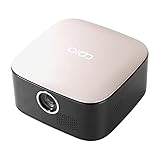
Overview: The APIO Pocket Projector is an ultra-compact DLP projector built for maximum portability rather than performance. Measuring just 3.46 inches cubed and weighing 13.4 ounces, it’s designed to slip into a bag for business presentations or impromptu entertainment. With a native resolution of 640x360 (but 1080p support) and a modest 20-lumen output, it’s clearly intended for dark-room use only. The built-in battery provides two hours of cable-free operation.
What Makes It Stand Out: True pocketability distinguishes this projector from bulkier budget models. The DLP technology offers better contrast and reliability than cheaper LCD alternatives. Its built-in 2600mAh battery doubles as a power bank for mobile devices via USB—a clever dual-function feature. Touch controls add modern interaction, and the two 1W speakers deliver audio without external equipment. For professionals needing emergency presentation capability, the battery power and HDMI connectivity make it uniquely practical.
Value for Money: Priced at $69.99, the APIO targets a niche: users prioritizing size and battery power over image quality. The DLP chip and power bank functionality provide some justification, but 640x360 native resolution and 20 lumens are severely limiting. Comparable non-portable projectors offer better specs for less. You’re paying for miniaturization and convenience. For camping or minimalist travel, it’s fairly priced, but home users get better value from larger units.
Strengths and Weaknesses: Strengths include true pocket size, battery operation, DLP technology, power bank capability, and multiple connection options. The two-hour battery life suffices for most movies or presentations. Weaknesses are the extremely low brightness and resolution, limiting use to near-total darkness. The 20-lumen output produces dim images even on small screens. Requiring separate adapters for Apple devices adds hidden costs, and the 1W speakers lack depth.
Bottom Line: The APIO Pocket Projector excels as a travel companion for dark-room presentations or intimate camping movie nights. Its battery and size advantages are undeniable. However, it’s unsuitable as a primary home theater due to dim, low-resolution output. Buy this for portability emergencies, not quality viewing. Set realistic expectations about image size and brightness.
8. PANSEBA 1080P Mini Projector with Screen, Portable Home Theater Movie Projector with Two-Way Bluetooth, HDMI/USB Input for Smartphone/TV Stick, Ideal for Indoor & Outdoor Use

Overview: The PANSEBA Mini Projector is an aggressively priced entry-level projector that bundles a projection screen to create an instant home theater package. It claims 50% better brightness and clarity than competitors, though specific lumens remain unspecified. Supporting 1080p resolution with an 8000:1 contrast ratio, it targets budget-conscious buyers wanting maximum features for minimal investment. The two-way Bluetooth 5.2 allows it to function as both a projector and a Bluetooth speaker.
What Makes It Stand Out: Including a projection screen in the $45.10 package is a major differentiator, eliminating a separate purchase. The two-way Bluetooth functionality is unique—use external speakers for movies or use the projector itself as a speaker for music from your phone. The manufacturer emphasizes upgraded 2025 chips for improved clarity and advanced cooling for 50,000-hour lamp life. These longevity and versatility claims make it appealing for first-time projector owners.
Value for Money: At $45.10, this is among the cheapest projectors available. The included screen and two-way Bluetooth provide exceptional value on paper. However, skepticism is warranted—unspecified actual lumens and vague “upgraded chip” claims suggest marketing hyperbole. The price likely reflects lower-grade components. For experimenting with projectors or occasional kids’ movie nights, it’s a low-risk investment. Serious users should verify real-world brightness before committing.
Strengths and Weaknesses: Strengths include the bundled screen, two-way Bluetooth versatility, extremely low price, long claimed lamp life, and quiet operation. Multiple input options cover most devices. Weaknesses are unverified brightness/clarity claims, no native resolution specification, potential copyright restrictions with streaming apps, and build quality concerns at this price point. The 50% improvement claims lack objective evidence.
Bottom Line: The PANSEBA is a bargain-basement option perfect for curious beginners or parents wanting a disposable outdoor movie solution. The included screen and Bluetooth speaker mode add genuine utility. However, temper expectations—actual performance likely matches the low price. It’s a “try-before-you-buy-serious” projector, not a home theater centerpiece. Purchase for fun experimentation, not critical viewing.
9. HAPPRUN Native 1080P Bluetooth Mini Projector, Full HD Portable Outdoor Movie Projector with Built-in Speaker, Compatible with Smartphone, HDMI, USB, AV, Fire Stick, PS5 for Home, Bedroom, Outdoor Use
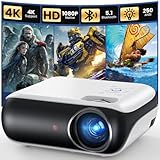
Overview: The HAPPRUN H1 distinguishes itself in the budget category by offering true native 1080p resolution (1920x1080), a rarity under $150. This projector targets users wanting genuine HD quality without premium pricing. It supports HDMI, USB, and AV inputs, with specific optimization for TV sticks like Fire TV and Chromecast. Bluetooth 5.1 enables wireless audio, while built-in Hi-Fi stereo speakers provide standalone sound. It’s marketed for versatile home, bedroom, and outdoor use.
What Makes It Stand Out: Native 1080p resolution is the headline feature—most competitors use lower native resolution with upscaling. This produces genuinely sharper images. The seamless TV stick integration is practical, bypassing mobile device mirroring issues. Bluetooth 5.1 offers stable audio connectivity to external speakers or headphones for private viewing. The built-in Hi-Fi speakers are surprisingly capable for a small unit, reducing the need for external audio in small rooms. It’s a thoughtful balance of quality and convenience.
Value for Money: At $109.99, it’s pricier than basic mini projectors, but the native 1080p panel justifies the premium. You’re getting true HD clarity that $50-$70 projectors simply cannot match. For bedroom theaters or outdoor movie nights where image quality matters, this represents excellent value—comparable performance costs $200+ from major brands. The lack of a battery is a trade-off, but for stationary use, it’s a smart investment.
Strengths and Weaknesses: Strengths include true 1080p resolution, robust Bluetooth audio, good built-in speakers, excellent TV stick compatibility, and versatile connectivity. The native resolution delivers noticeably better clarity. Weaknesses are the higher price point, requirement for HDMI adapters (not included) for smartphone connection, absence of battery power, and unspecified lumens rating. Mobile mirroring is convoluted compared to wireless-native models.
Bottom Line: The HAPPRUN H1 is the budget projector to buy if image quality is your priority. Native 1080p resolution makes a tangible difference for movies and gaming. It’s ideal for bedroom walls or backyard screens where you can control lighting. Skip this if you need battery power or simple wireless phone mirroring. For everyone else, the premium over $70 models is well worth the visual upgrade. A true value champion in its class.
10. ELEPHAS Mini Projector for iphone, Portable Projector with Tripod, 1080P HD Outdoor Projector, Movie Projector Compatible with Android/iOS/Windows/TV Stick/HDMI/USB
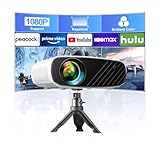
Overview: The ELEPHAS Mini Projector takes a wired-first approach, omitting WiFi and Bluetooth to focus on core projection quality and accessories. It includes a detachable tripod—a rare value-add at this price—making positioning flexible for outdoor or desk use. The projector supports 1080p input through a premium German emerald glass lens, with multiple ports (HDMI, USB, AV, Audio) for broad device compatibility. It’s designed for users comfortable with physical connections who want reliable performance without wireless complexity.
What Makes It Stand Out: The included tripod is the killer feature, solving placement and angle challenges while protecting the unit from surfaces. The German emerald glass lens claim suggests optical quality above budget norms. The projector also functions as a multimedia hub with extensive port selection. Notably, it provides 3-years factory support with CE, FCC, RoHS certification—exceptional warranty coverage that inspires confidence. The efficient cooling system reduces fan noise significantly.
Value for Money: At $49.96, this is a strong value proposition. The tripod alone justifies $10-$15 of the cost. While lacking wireless features, you’re getting solid 1080p support, quiet operation, and industry-leading warranty support. For outdoor movie setups where WiFi is unreliable, the wired approach is actually advantageous. However, hidden costs include potential HDMI adapters for mobile devices. It competes well with $70 wireless models if you prioritize stability over convenience.
Strengths and Weaknesses: Strengths include the versatile tripod, extensive connectivity, quiet operation, long warranty, and claimed premium lens quality. The absence of wireless eliminates connection drops and latency. Weaknesses are no WiFi/Bluetooth, requiring physical cables for all connections, copyright restrictions blocking Netflix/Prime/Hulu directly, and vague brightness specifications. Smartphone mirroring needs adapters (not included). The “German lens” claim lacks independent verification.
Bottom Line: The ELEPHAS is perfect for users frustrated with flaky wireless projectors or those needing stable outdoor setups. The tripod and 3-year warranty provide tangible peace of mind. If you primarily use HDMI sources like laptops, TV sticks, or gaming consoles, the lack of WiFi is irrelevant. It’s a reliable, well-supported workhorse for the price. Choose this for dependability and accessories, not cutting-edge connectivity. A smart pick for the practically-minded buyer.
Why Pocket Projectors Are Revolutionizing Hotel Entertainment
The traditional hotel entertainment experience has remained stagnant for decades while our home viewing habits have transformed dramatically. Streaming services, personal media libraries, and on-demand content have trained us to expect instant access to exactly what we want to watch, when we want to watch it. Pocket projectors bridge this gap by liberating your content from the confines of your laptop or tablet screen and elevating it to a truly immersive experience.
What makes these devices particularly suited for hotel use is their remarkable adaptability. Unlike bulky traditional projectors designed for conference rooms or permanent home theater installations, pocket projectors are engineered for improvisation. They thrive in the very constraints that define hotel rooms: unusual wall colors, limited surface distances, ambient light from windows that never seem to have proper blackout curtains, and the complete absence of mounting options. The best models feature automatic keystone correction, intelligent surface detection, and brightness optimization that adjusts to your environment without manual fiddling.
Understanding the Technology Behind Portable Projection
Before diving into specific features, it’s crucial to understand the two primary projection technologies you’ll encounter: DLP (Digital Light Processing) and LED (Light-Emitting Diode) illumination. DLP technology uses microscopic mirrors to reflect light and create images, offering excellent motion handling and deep contrast ratios—ideal for action movies and sports. LED illumination, meanwhile, provides the light source that makes the image visible, and its primary advantage lies in longevity. LED light sources can last 20,000 to 30,000 hours, meaning you could watch four hours of content every single day for over 13 years before needing a replacement.
Some newer models incorporate laser light sources, which deliver superior brightness and color accuracy but typically at a higher price point and slightly larger form factor. For hotel use, the combination of DLP chips with LED illumination represents the sweet spot of performance, durability, and portability. The technology has matured to the point where even entry-level models produce surprisingly watchable images, but understanding these fundamentals helps you cut through marketing hype and focus on specifications that genuinely matter for your specific use case.
Key Features That Define a Quality Pocket Projector
When evaluating pocket projectors for travel, the spec sheet can be overwhelming. Manufacturers often highlight impressive-sounding numbers that have little bearing on actual hotel room performance. The key is prioritizing features that directly impact your experience in temporary accommodations. Focus on brightness measured in lumens (not the inflated “LED lumens” some brands advertise), native resolution rather than “supported” resolution, and connectivity options that match your devices.
Battery life, automatic adjustment capabilities, and heat management are equally critical yet often overlooked. A projector that overheats after 45 minutes or requires constant manual refocusing will ruin your movie night regardless of how impressive its paper specifications appear. The ideal hotel projector should feel invisible—set it down, power it on, and forget it exists while you lose yourself in the story unfolding on your temporary big screen.
Brightness: The Make-or-Break Specification
Brightness determines whether you’ll enjoy a vivid, engaging image or strain to see shadowy figures against a washed-out backdrop. For hotel environments, aim for a minimum of 200 ANSI lumens—the standardized measurement that ensures you’re comparing apples to apples. Hotel rooms are rarely pitch black; light seeps in from under doors, through curtain gaps, and from bathroom fixtures. A projector with 200-300 ANSI lumens provides enough punch to overcome moderate ambient light while maintaining portability.
Be wary of manufacturers advertising “LED lumens” or “light source lumens,” which can be three to four times higher than the ANSI equivalent. These inflated numbers don’t reflect the actual brightness that reaches your eyes. Also consider that brightness directly impacts battery life. Many projectors offer eco modes that reduce lumens by 30-40% to extend viewing time—a worthwhile tradeoff for dialogue-driven dramas, though you’ll want full power for visually spectacular films or sports with fast motion.
Resolution Reality: What Hotel Viewers Actually Need
Resolution marketing is rife with confusion. You’ll see terms like “1080p supported,” “4K compatible,” and “native 720p” thrown around liberally. The only number that matters is the native resolution—the actual pixel count of the imaging chip. For hotel movie nights, native 720p (1280x720 pixels) represents the practical minimum for an enjoyable experience. This resolution provides sufficient detail for cinematic viewing at typical hotel projection distances of 5-8 feet.
Native 1080p (1920x1080 pixels) offers noticeably sharper text and finer detail, particularly beneficial if you’ll be using the projector for work presentations during the day and movies at night. However, the file size and bandwidth requirements for true 1080p content can strain hotel Wi-Fi networks. Some projectors use pixel-shifting technology to simulate higher resolutions, which can be effective but never quite matches native chips. Avoid any projector with native resolution below 720p—while they may be cheaper, the pixelated, blocky image will distract from your viewing experience and likely end up collecting dust in your closet.
Throw Ratio: Making Small Spaces Work
Throw ratio—the relationship between projection distance and image width—is perhaps the most critical yet misunderstood specification for hotel use. A standard throw ratio of 1.5:1 means you need 1.5 feet of distance for every foot of image width. In a cramped hotel room where you might have only 6-8 feet between the bed and wall, this limits you to a 50-60 inch image.
Short-throw projectors with ratios of 0.8:1 or lower are game-changers for travelers. These can create a 100-inch image from just 6-7 feet away, perfect for projecting over the bed from a nightstand. Some ultra-short-throw models can produce large images from just a few inches away, though these are harder to position in hotel rooms without a flat surface directly below the projection area. Look for projectors with adjustable throw ratios or zoom capabilities, which provide flexibility when you’re unsure of your room layout. The ability to create a massive image in tight quarters transforms your hotel experience from watching TV to being enveloped by cinema.
Connectivity: Your Gateway to Content
A projector is only as good as its ability to receive content. Modern pocket projectors offer a dizzying array of connection options, but not all are equally valuable for hotel use. HDMI remains the gold standard for reliability and quality, providing a direct, lag-free connection to laptops, streaming sticks, and gaming consoles. USB-C with DisplayPort Alt Mode is increasingly important, allowing single-cable connection to newer laptops and smartphones while simultaneously charging your device.
Wireless connectivity through Wi-Fi and Bluetooth adds tremendous convenience but introduces potential headaches in hotel environments. Hotel Wi-Fi networks often have login portals, bandwidth throttling, and device isolation that can interfere with casting and screen mirroring. Look for projectors that offer both 2.4GHz and 5GHz Wi-Fi bands—the latter is less congested and provides faster speeds for streaming. Bluetooth 5.0 or higher is essential for connecting external speakers or headphones without audio lag. The most versatile projectors include both wired and wireless options, ensuring you can adapt to any hotel’s connectivity limitations.
Audio Solutions: Beyond the Built-in Speaker
The built-in speakers on most pocket projectors are an afterthought—tiny drivers that produce tinny, anemic sound barely adequate for dialogue and completely inadequate for immersive movie experiences. While some premium models feature surprisingly capable speakers with passive radiators for improved bass, you should plan on external audio solutions.
Bluetooth connectivity is the cleanest option, allowing you to pair portable speakers or headphones without additional cables. For true cinema immersion, consider compact soundbars that fit in your luggage or even quality portable Bluetooth speakers with stereo pairing capabilities. Some projectors include audio output jacks, which enable connection to virtually any speaker system but add another cable to your travel kit. The audio synchronization (lip-sync) is crucial—test this before committing to a projector, as some models have noticeable Bluetooth lag that makes movies unwatchable. Advanced projectors feature aptX Low Latency or similar technologies to minimize this issue.
Power and Battery Life: Untethered Entertainment
The freedom to project anywhere is what defines the pocket projector experience. Battery life varies dramatically, from 90 minutes on entry-level models to over 4 hours on premium units. For hotel use, aim for a minimum of 2.5 hours of real-world battery life—enough for most films with some buffer. Remember that manufacturer battery claims are often based on eco mode brightness, which may be too dim for enjoyable viewing.
Power bank compatibility is a game-changing feature for travelers. Some projectors can charge via USB-C Power Delivery, allowing you to use the same high-capacity power bank that charges your laptop and phone. This effectively provides unlimited runtime and eliminates the need to hunt for outlets in awkward room positions. Check the power input requirements carefully—projectors requiring proprietary chargers add bulk and create a single point of failure. Models that can run while charging offer maximum flexibility, letting you start watching immediately while topping off the battery.
Setup Simplicity: From Suitcase to Screen in Minutes
The difference between a travel projector that gets used and one that stays home often comes down to setup friction. In a hotel room, you want to be watching within two minutes of opening your bag, not fiddling with focus wheels, keystone adjustments, and connection settings. Autofocus is non-negotiable—manual focus in dim lighting is frustrating and time-consuming. The best implementations use laser time-of-flight sensors for instant, accurate focusing even when you move the projector.
Automatic keystone correction should handle both horizontal and vertical adjustments, ideally up to 40 degrees of tilt. Some advanced models feature auto-screen fit, which detects the boundaries of your projection surface and automatically adjusts the image to fit perfectly. Look for projectors with intuitive remote controls or companion smartphone apps that offer full functionality without requiring line-of-sight. The interface should be clean and responsive—laggy menus and confusing settings will have you reaching for the TV remote instead.
Content Sources for the Discerning Traveler
Your projector needs something to project, and hotel internet reliability is notoriously unpredictable. Smart projectors with built-in Android TV or similar operating systems offer standalone streaming capabilities, but these can be hit-or-miss. Hotel Wi-Fi authentication systems often block smart devices, and the pre-installed apps may not support your subscription services. A more reliable approach is bringing your own content source.
Streaming sticks like Roku, Amazon Fire TV, or Chromecast are purpose-built for travel—they’re inexpensive, tiny, and familiar. They connect directly to the projector’s HDMI port and can be powered via USB, eliminating the need for separate outlets. Downloading content for offline viewing is the ultimate reliability hack. Netflix, Amazon Prime, Disney+, and most major services allow downloads to tablets and phones. A simple HDMI adapter from your device to the projector provides guaranteed playback regardless of internet quality. For the ultimate backup, load a USB drive with movies and shows—many projectors play files directly from USB storage.
Travel-Friendly Design: What to Pack and How
The “pocket-sized” designation is loosely applied, ranging from devices truly pocketable (though often with performance compromises) to “luggable” units requiring dedicated bag space. The sweet spot for hotel use is a projector roughly the size of a paperback book—small enough to toss in any carry-on but large enough to house proper optics, battery, and cooling. Weight matters; every ounce counts against airline limits, but don’t sacrifice cooling efficiency for minimal weight. Overheating projectors throttle brightness and shutdown prematurely.
Consider the complete travel kit: projector, remote, power cable, HDMI cable, streaming stick, and audio solution. Some projectors include carrying cases with dedicated compartments for accessories, preventing the dreaded cable hunt through your luggage. Lens protection is critical—scratches or dust on the tiny optics ruin image quality. Look for models with recessed lenses or included lens caps. The remote should have a hotel mode that disables the laser pointer and bright LEDs that might disturb sleeping travel partners.
Troubleshooting Common Hotel Room Challenges
Hotel rooms present unique obstacles that home theater enthusiasts never face. Textured walls, patterned wallpaper, and bizarre paint colors can wreak havoc on image quality. While you can’t repaint the room, you can pack a portable projection screen. Matte white screens that fold into a compact pouch provide a perfect surface and can double as room-darkening shades if hung over windows. In a pinch, a smooth white bedsheet stretched taut with binder clips from your office supplies can work surprisingly well.
Distance limitations often require creative positioning. Nightstands are rarely at the ideal height or distance. A stack of books or the room’s ice bucket can elevate the projector to the correct level. Some travelers swear by compact tripods with universal mounts, which provide infinite positioning flexibility and pack down to the size of a water bottle. Light control is another battle—those blackout curtains that never quite close can be pinned shut with binder clips or clothespins. Always pack a small roll of painter’s tape; it removes cleanly from walls and can secure cables, cover LEDs, or even patch curtain gaps without damaging hotel property.
Maintenance and Care for Your Travel Companion
Travel is hard on electronics, and pocket projectors are precision optical instruments. Dust is the primary enemy—the tiny fans that cool these devices suck in airborne particles that accumulate on the LED and color wheel, gradually dimming the image. A few blasts from a manual air blower (never compressed air, which can force dust deeper) every few trips keeps the optics clean. The lens deserves the same care as a camera lens—microfiber cloths only, never tissues or shirt sleeves that can scratch the coating.
Firmware updates often improve performance and add features, but don’t update right before a trip. A failed update or new bug could brick your entertainment for the entire journey. Update a week before departure to allow time for troubleshooting. Battery care matters too—lithium batteries degrade faster when stored fully charged. If you won’t be traveling for a while, discharge the battery to about 50% for storage. Extreme temperatures in parked cars or checked luggage can permanently damage batteries and optics, so always carry your projector in your personal bag.
Budget Considerations: Finding Your Sweet Spot
The pocket projector market spans from under $100 to over $800, with dramatic differences in real-world performance. Sub-$150 models typically suffer from insufficient brightness (under 150 ANSI lumens), poor color accuracy, and frustrating user interfaces. They might suffice for occasional use in perfectly dark rooms, but hotel environments expose their limitations quickly. The $200-$350 range represents the value sweet spot, offering 200-300 ANSI lumens, native 720p or 1080p resolution, and reliable autofocus systems.
Premium models above $400 add incremental improvements: higher brightness for larger images, better contrast ratios, superior audio, and more robust build quality. For frequent travelers who use their projector weekly, these enhancements justify the cost. For occasional vacationers, the mid-range options deliver 90% of the experience at half the price. Consider the total cost of ownership—a cheap projector that frustrates you into upgrading in six months costs more than buying right the first time. Factor in accessories too: a quality portable screen, reliable cables, and a decent Bluetooth speaker can add $75-$150 to your initial investment.
The Future of Portable Projection Technology
The pocket projector category is evolving rapidly, with several exciting developments on the horizon. Higher brightness from more efficient LEDs is pushing ANSI lumen counts above 500 in pocket-sized forms, making daytime viewing increasingly viable. Integrated smart features are becoming more sophisticated, with AI-powered image optimization that recognizes content type and adjusts settings accordingly. Battery technology improvements promise 6+ hour runtimes, enough for a full movie trilogy without recharging.
Perhaps most intriguing is the development of built-in streaming that bypasses hotel Wi-Fi entirely. Some upcoming models include cellular connectivity, allowing you to insert a data SIM and stream directly without relying on hotel networks. Others feature expanded internal storage for offline content libraries. Laser light sources, once reserved for large home theater projectors, are miniaturizing and will soon appear in pocket-sized units, offering instant on/off, perfect focus, and superior color accuracy. As the technology matures, expect to see better integration with hotel room ecosystems—perhaps projectors that pair directly with in-room sound systems or use the TV as a wireless display surface.
Frequently Asked Questions
How bright does a pocket projector need to be for hotel rooms?
For most hotel environments, aim for 200-300 ANSI lumens. This provides enough brightness to overcome typical ambient light from curtains and hallway seepage while maintaining portability. In completely dark rooms, you can get away with 150 lumens, but hotel rooms are rarely pitch black.
Can I stream Netflix directly from a pocket projector?
It depends on the model. Smart projectors with built-in Android TV can stream Netflix, but hotel Wi-Fi authentication often blocks these devices. A more reliable method is using a streaming stick or downloading content to your phone/tablet and connecting via HDMI. This bypasses hotel network restrictions and ensures smooth playback.
What’s the difference between native and supported resolution?
Native resolution is the actual pixel count of the projector’s imaging chip—this determines true image clarity. Supported resolution means the projector can accept a higher-resolution signal but downscales it to the native resolution. A “1080p supported” projector with 720p native resolution will never display true 1080p detail.
How do I deal with hotel room light control issues?
Pack binder clips or clothespins to secure curtain gaps, and bring a small roll of painter’s tape to patch light leaks without damaging surfaces. For ultimate control, consider a portable projection screen that blocks light and provides a perfect white surface. Positioning the projector closer to the wall also helps overcome ambient light.
Will TSA confiscate my pocket projector or its batteries?
Pocket projectors are allowed in both carry-on and checked luggage. However, always carry them in your carry-on bag—lithium batteries are prohibited in checked luggage, and the delicate optics can be damaged by rough handling. The battery capacity is well below TSA limits, so you won’t face any issues at security.
Can I use a pocket projector for work presentations during the day?
While possible, it’s challenging. Even bright pocket projectors struggle with daylight and uncontrolled lighting. For business use, request a hotel room with good blackout curtains or book a small meeting room. For impromptu presentations, position the projector close to the screen to maximize brightness and image sharpness.
How far away should I place the projector from the wall?
This depends on the throw ratio. For a 100-inch image, a standard projector needs 10-12 feet, while a short-throw model needs only 6-7 feet. Check your projector’s specifications and use online throw distance calculators before your trip. In hotels, you’ll rarely have the luxury of ideal placement, so short-throw projectors offer much more flexibility.
Do I need a special screen, or can I project on the hotel wall?
You can project on a light-colored, smooth wall in a pinch, but textured or colored walls will degrade image quality significantly. A portable matte white screen, which folds into a small pouch, dramatically improves contrast and color accuracy. For the best experience, consider it an essential accessory rather than an optional luxury.
How long do pocket projector batteries actually last?
Real-world battery life is typically 70-80% of manufacturer claims, which are based on eco mode brightness. Expect 2-3 hours at usable brightness levels. Always verify if the projector can run while charging, and consider a high-capacity power bank with Power Delivery for extended viewing sessions or backup power.
Are pocket projectors durable enough for frequent travel?
Modern pocket projectors are surprisingly robust, but they’re still precision optical devices. Models with recessed lenses, solid-state components (no moving parts beyond the fan), and quality builds can withstand frequent travel. Always use a protective case, pack cables separately to avoid lens scratches, and never check your projector—carry it on to protect it from temperature extremes and rough handling.'