There’s something transformative about extending your wilderness adventures beyond a quick weekend—when you’re out there for days, hygiene stops being a luxury and becomes a genuine morale booster. A hot shower under the stars after a dusty trail day isn’t just refreshing; it’s restorative. While gravity-fed camp showers have been around forever, the rise of portable 12V pump systems has revolutionized backcountry bathing, delivering real water pressure and consistent flow without requiring a river nearby or a tree branch at the perfect height. Whether you’re a weekend warrior upgrading your car camping setup or a van lifer building out a mobile hygiene station, understanding the nuances of these electric systems will ensure you invest wisely and stay clean wherever you park.
Top 10 Portable Camp Showers with 12V Pumps
Detailed Product Reviews
1. Colapz 12V Camping Shower Pump – High Pressure Portable USB Rechargeable Outdoor Shower for Camping, Caravan, RV, Beach, Dog Wash & Bike Cleaning
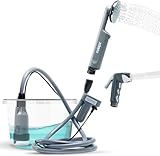
Overview: The Colapz 12V Camping Shower Pump delivers a robust off-grid showering solution for outdoor enthusiasts. This rechargeable unit provides 45-60 minutes of continuous operation, making it ideal for multi-day camping trips, caravan holidays, or beach excursions. The kit includes a trigger spray head that transforms it into a pressure washer for cleaning bikes, muddy boots, and camping gear. Designed to integrate seamlessly with Colapz’s collapsible bucket system, it offers versatility beyond basic showering, serving as an outdoor dog wash and equipment cleaner.
What Makes It Stand Out: The dual-function trigger nozzle sets this apart from basic camp showers, providing genuine jet-washing capability for cleaning vehicles and equipment. The comprehensive kit includes all necessary accessories—2m hose, multiple mounting brackets, USB charging cable, and a durable carry bag. The 12V rechargeable battery system eliminates need for constant power connection, while the brand’s ecosystem approach ensures compatibility with their collapsible water containers. This integration creates a cohesive camping hygiene system rather than just a standalone pump.
Value for Money: At $29.95, this mid-range option justifies its price through versatility and brand reliability. The included trigger nozzle essentially provides two devices in one, saving you from purchasing separate cleaning equipment. While cheaper alternatives exist, the Colapz’s build quality and accessory package offer tangible value. Comparatively, buying a basic shower pump plus a separate portable pressure washer would cost significantly more.
Strengths and Weaknesses: Strengths include powerful dual-mode operation, comprehensive accessory kit, reputable brand backing, and genuine high-pressure cleaning capability. The 45-60 minute runtime covers most practical needs. Weaknesses involve slightly heavier weight than ultralight alternatives and reliance on proprietary ecosystem for optimal use. The flow rate isn’t specified, which may concern technical buyers.
Bottom Line: An excellent all-in-one solution for campers seeking both personal hygiene and equipment cleaning capabilities. The Colapz shower pump earns its price through genuine versatility and quality construction, making it ideal for families and adventure travelers who need more than just a basic rinse.
2. Portable 12V High Pressure Camp Shower Pump Compatible with Car Lighter Plug&PD fast charging portable power banks by USB-C,Outdoor Shower for Camping,RV (Grey-12V Car Lighter Plug)

Overview: This Portable 12V High Pressure Camp Shower Pump combines modern charging convenience with practical outdoor functionality. Featuring both USB-C PD fast charging and a 12V car lighter plug, it delivers 1.59 gallons per minute through its energy-efficient 12W motor. The IP67 waterproof rating ensures reliable operation in wet conditions, while the one-touch activation eliminates fumbling with controls. Weighing just one pound, it’s designed for minimalist packers who refuse to compromise on performance.
What Makes It Stand Out: The dual-power versatility is the headline feature, allowing operation from modern power banks or traditional vehicle sockets. The built-in power switch on the pump body prevents awkward bending to control flow. Its compact 2.1-inch diameter base fits unconventional water sources like hydration reservoirs or narrow buckets. The leakproof quick-connect system requires no tools, and the detachable bottom cover enables easy cleaning of sand and debris—critical for beach campers.
Value for Money: At $26.12, this represents exceptional value for tech-savvy campers. The USB-C PD compatibility future-proofs your investment, while the included car adapter maintains backward compatibility. Comparable pumps lacking dual-charging capability often cost more. The lightweight design reduces fuel costs for vehicle-based travel and saves precious pack space for backpackers.
Strengths and Weaknesses: Strengths include versatile dual charging, ultralight weight, IP67 waterproofing, tool-free setup, and easy maintenance access. The 6-foot hose provides adequate reach. Weaknesses include unspecified battery runtime (appears to be direct-power only) and potential durability concerns with the lightweight construction. The flow rate, while adequate, trails some high-pressure competitors.
Bottom Line: A forward-thinking choice for weight-conscious adventurers who value charging flexibility. This pump excels for those already carrying PD power banks, offering modern convenience at a competitive price point. Ideal for weekend warriors and van-life enthusiasts.
3. innhom Portable Shower Camping Shower Outdoor Camp Shower Pump, Electric Rechargeable Portable Camping Shower, Powered by Rechargeable Battery
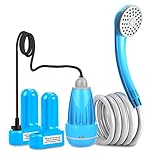
Overview: The innhom Portable Shower prioritizes endurance with its dual-battery system, delivering an impressive 90-120 minutes of continuous runtime—double most competitors. This electric rechargeable pump generates a gentle 0.9 gallon-per-minute flow, suitable for indoor/outdoor showering, pet cleaning, and car washing. The kit includes two detachable batteries, water filter, suction cup, hook, and mesh storage bag. Weighing 1.6 pounds, it balances portability with extended operation, making it ideal for extended off-grid stays or group camping.
What Makes It Stand Out: The twin-battery configuration eliminates power anxiety during multi-day excursions. An integrated water filter protects the pump from debris and prevents showerhead clogging—essential when drawing from natural water sources. LED battery indicators provide clear power status, preventing unexpected shutdowns. The O-ring sealed connections ensure leak-free operation, while the versatile mounting options (suction cup and hook) accommodate diverse showering scenarios from vehicle windows to tree branches.
Value for Money: At $37.96, this premium-priced option justifies cost through exceptional runtime and included spare battery. For families or groups requiring multiple daily showers, the extended capacity eliminates mid-trip charging hassles. The water filter adds value by protecting the pump’s longevity. While pricier than basic models, the battery redundancy and filtration system prevent costly replacements.
Strengths and Weaknesses: Strengths include unmatched battery life, water filtration system, clear power indicators, and dual mounting options. The gentle flow rate conserves water—a benefit in scarcity situations. Weaknesses include lower flow pressure compared to high-pressure models, heavier weight than ultralight alternatives, and higher upfront cost. The 0.9 GPM flow may feel underpowered for rinsing thick soap.
Bottom Line: Perfect for extended-stay campers and families prioritizing runtime over raw power. The innhom excels when access to charging is limited, providing reliable showering capability for a week-long adventure. Worth the premium for those who value endurance and water source flexibility.
4. Portable 12V High Pressure Camp Shower Pump Compatible with Car Lighter Plug&PD fast charging portable power banks by USB-C,Outdoor Shower for Camping,RV (Grey-USB-C(Connect to your PD power bank))

Overview: This budget-friendly USB-C variant of the 12V High Pressure Camp Shower Pump delivers core functionality at an entry-level price. Designed for users already equipped with PD power banks, it provides the same 1.59 GPM flow rate and 12W high-efficiency motor as its pricier sibling, but eliminates the 12V car adapter to reduce cost. The IP67 waterproof rating, one-touch operation, and tool-free quick-connect system remain intact, offering modern convenience for just $22.
What Makes It Stand Out: The aggressive pricing makes this the most accessible USB-C camping shower available. It targets the growing number of campers carrying PD power banks for their electronics, eliminating redundant charging hardware. The 2.1-inch base diameter accommodates various water containers, while the detachable bottom cover enables field cleaning. At one pound, it maintains the ultralight designation, and the included mesh bag simplifies packing.
Value for Money: At $22, this represents outstanding value for tech-forward campers. The cost savings from omitting the car adapter can be redirected toward a quality power bank if needed. Performance matches more expensive competitors, and the USB-C PD compatibility ensures rapid charging from modern power sources. For urban adventurers who rarely rely on vehicle power, this focused feature set delivers maximum bang for minimal buck.
Strengths and Weaknesses: Strengths include unbeatable price, USB-C PD charging, lightweight design, IP67 waterproofing, and easy maintenance. The 6-foot hose suits most applications. Weaknesses include lack of 12V car adapter (limiting backup power options), unspecified runtime (direct-power dependent), and potential durability tradeoffs at this price point. Requires owning or purchasing a separate PD power bank.
Bottom Line: The smart choice for budget-conscious campers already invested in USB-C power banks. This pump proves that essential functionality doesn’t require premium pricing. Ideal for festival-goers, weekend hikers, and anyone prioritizing cost savings over charging versatility.
5. 12V DC Portable Camping Shower With Electric Pump, Adjustable Pressure, 2.5L/Min Flow, 2M Hose, 4M Cable, Suction Cup, Hook, Storage Bag For Car Camping Hiking

Overview: This 12V DC Portable Camping Shower emphasizes user control with its adjustable pressure knob, allowing customized water flow from gentle rinse to stronger stream. Delivering 2.5 liters per minute (0.66 GPM) through a 2-meter hose, it connects to vehicle power sockets or portable 12V sources via a generous 4-meter cable. The kit includes both suction cup and hook mounting options, plus a waterproof storage bag. Designed for car campers and self-drive travelers, it prioritizes simplicity and control over high-tech features.
What Makes It Stand Out: The analog pressure adjustment knob provides tactile flow control unmatched by digital alternatives. This allows precise water conservation—critical when tank capacity is limited. The exceptionally long 4-meter power cable reaches distant power sources, while the 2-meter hose provides adequate showering radius. The inclusion of both suction cup and bracket mounting hardware offers installation flexibility. Its straightforward 12V DC operation eliminates battery charging concerns for vehicle-based travelers.
Value for Money: At $33.22, this mid-range option appeals to traditionalists valuing simplicity. The adjustable pressure feature adds utility without complexity, potentially saving water costs on extended trips. While lacking USB charging, the dedicated 12V design ensures reliable operation from vehicle power. For car campers permanently equipped with 12V accessories, this integrates seamlessly into existing setups without requiring new power infrastructure.
Strengths and Weaknesses: Strengths include intuitive pressure control, extra-long power cable, dual mounting options, and straightforward operation. The 12V DC design ensures consistent power from vehicles. Weaknesses include lower flow rate (0.66 GPM), lack of battery operation, no USB charging option, and heavier reliance on vehicle proximity. The unspecified motor efficiency may concern eco-conscious buyers.
Bottom Line: Ideal for vehicle-dependent campers who value manual control and proven 12V technology over modern charging flexibility. The adjustable pressure makes it perfect for water-conscious users and those needing gentle flow for sensitive tasks. A reliable, no-frills choice for car camping enthusiasts.
6. Ivation Portable Camping Shower | Compact Handheld & Hands-Free Rechargeable Outdoor Shower Head & Cleaning System w/ 3.7V Pump, 6-Ft Hose, Bidet Head, Removable Filter, Multiuse Hook & USB Cable
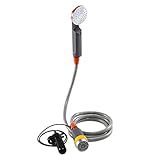
Overview: The Ivation Portable Camping Shower delivers a versatile outdoor bathing solution with its rechargeable 3.7V pump system. Drawing water from any bucket or source, it creates a steady shower-like stream perfect for camping, boating, or gardening. The kit includes both standard and bidet shower heads, a 6-foot hose, and multiple mounting options for true adaptability in the field.
What Makes It Stand Out: This unit’s USB rechargeable lithium-ion battery sets it apart, offering 45-60 minutes of operation after a 2.5-5 hour charge. The inclusion of a bidet head and removable filter adds unexpected versatility, while the suction cup mount and multiuse hook enable true hands-free operation. The 6-foot hose provides excellent reach compared to competitors, and the 3.5 L/min flow rate balances pressure with water conservation.
Value for Money: At $39.99, this shower sits in the mid-range price point. The rechargeable convenience eliminates ongoing battery costs, and the dual shower heads, extended hose, and filter system justify the premium over basic models. It’s comparable to other rechargeable units but offers more accessories, making it a smart long-term investment for regular outdoor enthusiasts who value convenience.
Strengths and Weaknesses: Strengths include USB charging flexibility, decent battery life, versatile mounting, and the bonus bidet attachment. The removable filter protects the pump from debris. Weaknesses include the relatively long charging time (up to 5 hours) and moderate flow rate that may feel weak to some. The plastic construction may not withstand heavy abuse in rugged environments.
Bottom Line: An excellent choice for frequent campers seeking convenience and versatility. The rechargeable design and thoughtful accessories make it worth the investment for regular outdoor enthusiasts who prioritize freedom from vehicle power sources.
7. KoiLykke 12V DC Portable Camping Shower for Outdoor Travel, Electric Pump with Adjustable Pressure, 2.5L for Min Flow, 2m Hose, Blue

Overview: The KoiLykke 12V DC Portable Camping Shower offers a budget-friendly solution for outdoor cleaning needs. This electric pump system connects directly to vehicle power sockets, transforming any water source into a functional shower stream for camping, car washing, or garden watering without complex setup requirements.
What Makes It Stand Out: The adjustable pressure knob provides customizable water flow, a rare feature at this price point. Its straightforward 12V DC operation ensures reliable power from cars, trucks, or portable power stations. The 2-meter hose and included suction cup/hook offer decent flexibility for hanging or handheld use, while the waterproof storage bag keeps everything organized between uses.
Value for Money: At $27.29, this is one of the most affordable options available. The trade-off is the lack of a built-in battery, requiring constant 12V power. For users with reliable vehicle access, this represents significant savings compared to rechargeable models, though you’ll sacrifice true portability. The adjustable pressure alone adds value that many budget models omit.
Strengths and Weaknesses: Strengths include the low price, adjustable pressure control, and simple, durable design. The waterproof storage bag is a nice organizational touch. Weaknesses include dependence on a 12V power source, limiting remote use. The 2.5 L/min minimum flow may feel weak for some users, and the 2-meter hose is shorter than premium alternatives. No battery means no power when your vehicle is off.
Bottom Line: Ideal for budget-conscious buyers who camp near their vehicles. The adjustable pressure and rock-bottom price make it a solid value, but true backcountry campers should consider a rechargeable model instead for greater freedom and flexibility away from the car.
8. Ann Katy Portable Camping Shower Outdoor Camp Shower Pump,Upgrade Rechargeable Electric Shower Pump with Intelligent Digital Display Multiple Spray Modes for Camping, Hiking, Traveling,RV

Overview: The Ann Katy Portable Camping Shower brings modern convenience to outdoor hygiene with its rechargeable design and intelligent digital display. This upgraded pump system delivers a refreshing shower experience after hiking, beach days, or camping trips, with enough runtime for multiple users. The compact unit draws water from any container and transforms it into a steady stream with multiple spray options.
What Makes It Stand Out: The digital display is a standout feature, providing clear battery and mode information uncommon in this category. Multiple spray modes offer customization for different tasks, from gentle rinsing to more powerful cleaning. The 60-70 minute runtime on a 4-5 hour charge efficiently serves 2-3 people, making it practical for families who need consecutive showers.
Value for Money: Priced at $36.99, this shower competes well with mid-range rechargeable models. The digital display and spray mode versatility add value typically found in pricier units. The inclusion of two sealing rings and comprehensive accessories enhances its worth compared to basic alternatives, positioning it as a feature-rich option without premium cost.
Strengths and Weaknesses: Strengths include the informative display, generous battery life, multiple spray patterns, and quality waterproof construction. The two-meter hose and mounting hardware provide good flexibility. Weaknesses include a lesser-known brand reputation and potential durability questions over long-term use. The charge time is slightly longer than some premium competitors, and replacement parts may be harder to source.
Bottom Line: A tech-savvy choice for campers wanting monitoring capabilities and spray options. The digital display and strong battery make it a compelling alternative to more established brands for those who appreciate modern features in their outdoor gear.
9. Ejoyous Portable Camping Shower, Outdoor Handheld Shower 12V Car Plug Vehicle-Mounted Shower Pump Camp Showerhead Kit for Family Camping Hiking Backpacking Travel
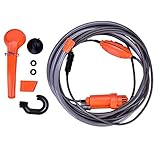
Overview: The Ejoyous Portable Camping Shower provides a straightforward, budget-friendly solution for outdoor cleaning. This 12V vehicle-mounted pump delivers stable water flow for showering, pet cleaning, or car washing, operating directly from any car socket for on-demand use without charging delays or battery concerns.
What Makes It Stand Out: Its primary appeal is simplicity and affordability. The lightweight design (918g) makes it extremely portable, while the integrated on/off switch provides convenient water control. The hook attachment allows for easy hanging on trees, poles, or vehicles, adapting to various outdoor scenarios without complexity or unnecessary features.
Value for Money: At $25.99, this is the most economical option in its class. The direct 12V operation eliminates battery replacement costs and charging wait times. However, the dependency on vehicle power limits true backcountry utility. For beach trips, tailgating, or car camping, the price is hard to beat, though you’ll sacrifice independence from your vehicle.
Strengths and Weaknesses: Strengths include the ultra-low price, lightweight portability, simple operation, and stable pump performance. The basic hook system works adequately for hanging. Weaknesses include the lack of rechargeable battery, shorter hose length (unspecified but likely standard 2m), and minimal accessories. The plastic construction feels basic, there’s no pressure adjustment, and it cannot function away from a 12V source.
Bottom Line: Perfect for occasional campers who stay near their vehicles. The rock-bottom price and simplicity make it a sensible entry-level choice, but frequent adventurers should invest in a rechargeable model for greater freedom and more versatile outdoor use.
10. Ivation Portable Outdoor Shower, Battery Powered - Compact Handheld Rechargeable Camping Showerhead - Pumps Water from Bucket Into Steady, Gentle Shower Stream
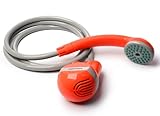
Overview: The Ivation Portable Outdoor Shower offers a compact, battery-powered solution for creating an instant shower stream from any bucket or sink. This rechargeable unit prioritizes simplicity and portability for hikers, campers, and pet owners needing gentle, consistent water flow in remote locations without access to vehicle power.
What Makes It Stand Out: The USB rechargeable battery provides one hour of continuous use, eliminating the need for disposable batteries or vehicle power. The one-touch on/off switch simplifies operation, while the suction cup and S-hook enable both handheld and overhead hanging configurations. Its water-resistant design ensures durability in wet conditions, and the compact size fits easily in any pack or trunk.
Value for Money: At $39.99, it matches the price of Ivation’s more feature-rich model (Product 6) while offering fewer accessories. The rechargeable convenience justifies the cost over basic 12V models, but the lack of a bidet head, filter, and shorter implied hose length makes it less compelling than its sibling product at the same price point. You’re paying for brand reliability and simplicity.
Strengths and Weaknesses: Strengths include reliable USB charging, compact storage, gentle flow suitable for seniors and pets, and trusted Ivation brand quality. The simple operation is user-friendly and intuitive. Weaknesses include the single flow rate (no adjustment), absence of premium features like a filter or secondary shower head, and the fact that comparable models offer more for the same price, making it a questionable value.
Bottom Line: A solid, no-frills rechargeable shower from a reputable brand. Consider this only if you prioritize absolute simplicity and compactness; otherwise, Ivation’s other model provides better value with more features at identical cost.
What Exactly Is a 12V Portable Camp Shower?
At its core, a 12V portable camp shower is a self-contained water delivery system that uses a compact electric pump powered by a 12-volt DC power source—typically your vehicle’s cigarette lighter socket, auxiliary battery, or portable power station. Unlike gravity-fed bags that rely on elevation, these systems actively pressurize water, forcing it through a hose and showerhead with consistent pressure. The entire setup usually includes the pump unit, intake hose, outlet hose with nozzle, power cable with 12V adapter, and sometimes a water container. The magic lies in the pump’s ability to draw water from any source: a bucket, stream, lake, or dedicated tank, making it infinitely more versatile than traditional systems.
How 12V Pump Technology Transforms Your Camping Experience
The fundamental shift from passive to active water delivery changes everything. You’re no longer scouting for the perfect tree branch or dealing with the pathetic trickle of a partially filled bag. A quality 12V pump delivers anywhere from 0.5 to 1.8 gallons per minute (GPM) with pressure ratings between 30-60 PSI—comparable to a low-flow residential showerhead. This means you can actually rinse shampoo from thick hair, wash off stubborn mud, and enjoy a shower that feels like a shower, not a drizzle. The pump’s motorized impeller creates suction that pulls water through a filter, preventing debris from clogging the system while maintaining steady flow even as your water level drops.
Key Benefits of Going Electric: Why Choose a 12V System
The advantages extend far beyond just better pressure. First, location independence means you can shower inside a privacy tent, in your van, or anywhere flat—no elevation required. Water efficiency improves dramatically; pressurized systems use less water more effectively, often stretching 3-5 gallons into a legitimate 5-7 minute shower. Time savings are substantial—no more hour-long heating times; many systems integrate with your vehicle’s power for on-demand operation. Versatility is another major win: the same pump can be used for dishwashing, gear cleaning, or even emergency fire suppression. Finally, consistency eliminates the frustration of a shower that loses pressure halfway through when the bag empties.
Understanding Water Pressure: PSI, GPM, and Real-World Performance
Manufacturers love to boast about PSI (pounds per square inch) and GPM, but what do these numbers actually mean in the field? PSI measures pressure—the force that pushes water out. For comfortable showering, you need at least 30 PSI; anything below feels weak. Most quality camp showers operate between 40-60 PSI, which is surprisingly robust. GPM measures flow rate—the volume delivered per minute. A 1.0 GPM flow gives you about 6-7 minutes of showering from a 5-gallon container, while 1.5 GPM provides a more luxurious experience but drains water faster. The sweet spot for most campers is 1.0-1.2 GPM at 45-50 PSI, balancing performance with conservation.
Pressure Regulation Features
Look for systems with pressure switches that automatically shut off the pump when you release the trigger. This prevents the motor from burning out and saves power. Some advanced models include adjustable pressure settings, letting you dial back flow for rinsing dishes or max it out for a proper shower.
Powering Your Shower: 12V Power Sources Demystified
Your shower is only as good as its power supply. The most common source is your vehicle’s 12V accessory outlet (cigarette lighter), which provides easy plug-and-play operation but requires the engine to run if you want to avoid draining your starter battery. Portable power stations (Jackery, Goal Zero, etc.) have become popular, offering rechargeable lithium batteries with 12V outputs. For extended trips, deep-cycle auxiliary batteries (AGM or lithium) mounted in your vehicle provide dedicated power without risking your ability to start the engine. Solar panels can recharge these batteries during the day, creating a sustainable off-grid loop. Always verify the pump’s amperage draw—most range from 2-5 amps—to ensure your power source can handle the load.
Alligator Clips vs. Plug-In Adapters
Consider how you’ll connect. Alligator clips offer direct battery connection for maximum power transfer and work when your outlet is occupied. Plug-in adapters are convenient but may have lower amperage limits and can be less reliable on bumpy roads.
Battery Life Expectations: How Long Will It Actually Last?
This is where theory meets reality. A pump drawing 3 amps will theoretically run for about 20 hours on a 60Ah deep-cycle battery, but that’s a best-case scenario. In practice, duty cycle matters—pumps only run when you’re spraying, so a 5-minute shower might involve 3-4 minutes of actual pump operation. A typical 5-gallon shower at 1 GPM uses about 5 minutes of pump time. From a 20Ah power station, you can expect 6-8 showers before recharging. Voltage drop is the hidden killer; as batteries deplete below 12V, pump performance degrades noticeably. Lithium batteries maintain voltage better than lead-acid, delivering consistent pressure until nearly depleted.
Water Capacity Considerations: Tanks, Bags, and External Sources
The container question fundamentally shapes your setup. Integrated tanks (3-5 gallons) offer all-in-one convenience but limit capacity and can be awkward to fill. Collapsible water bags (5-10 gallons) pack small when empty and let you carry more water from source to camp. Direct-draw systems skip the container entirely, pumping straight from a lake or stream—perfect for weight-conscious backpackers but requiring careful filtration. For van lifers, permanent mounted tanks (10-30 gallons) paired with an external pump create a residential feel. Consider fill accessibility—wide-mouth openings are easier to fill from jerry cans or natural sources, and transparent materials let you monitor water levels.
Hose Length and Nozzle Types: Practical Design Elements
A 6-foot hose sounds adequate until you’re trying to shower inside a tall privacy tent while the pump sits outside. 8-10 feet of total hose length (intake + outlet) provides real flexibility. Intake hoses should have a weighted filter to stay submerged and prevent debris ingestion. Outlet hoses benefit from kink-resistant materials and comfortable hand feel. Nozzle design dramatically affects experience: adjustable spray patterns (jet, mist, shower) add versatility; trigger locks reduce hand fatigue during longer showers; shut-off valves at the nozzle prevent water waste when soaping up. Some systems include quick-connect fittings that let you swap between showerhead and cleaning brush attachments.
Build Quality and Durability: Materials That Withstand the Wild
Your shower will face UV exposure, temperature swings, sand, mud, and being crammed into overstuffed gear bins. Pump housing should be ABS plastic or better yet, marine-grade materials with IPX7 or higher waterproof ratings. Hoses need to be food-grade PVC or reinforced rubber that won’t crack in cold weather. O-rings and seals are failure points—look for silicone or Viton seals that resist degradation. Motor quality separates budget from premium units; brushed motors are cheaper but have shorter lifespans (300-500 hours) compared to brushless motors (1000+ hours). The showerhead should be impact-resistant polymer or metal, not cheap plastic that shatters on the first drop.
Portability Factors: Weight, Packability, and Transport
“Portable” means different things to different campers. For backpackers, every ounce matters—look for sub-2-pound systems that pack into a stuff sack. Car campers can afford 5-7 pound setups with rigid components. Van lifers might prioritize durability over packability, opting for semi-permanent installation. Consider storage footprint: can the hoses coil neatly? Does the pump have mounting points? Some systems pack flat into a storage case; others remain a tangled mess. Multi-use potential improves portability—a pump that also serves for water transfer or filtration justifies its space and weight.
Temperature Control: Heating Options for 12V Systems
Here’s the reality: most 12V pumps don’t heat water. They move it. But you have options. Passive solar heating is simplest—fill a black bag or container and let the sun work. On sunny days, this can reach 100°F+ in 2-3 hours. Engine heat exchange systems route water through a heat exchanger on your vehicle’s engine, providing unlimited hot water but requiring installation. Propane-fired water heaters (like tankless camp units) work downstream of your pump, delivering true on-demand hot water but adding complexity and gas requirements. Some integrated systems include 12V heating elements, but these are power hogs—drawing 10+ amps—and heat slowly. For most campers, a black water container on the dashboard during the day’s drive provides perfectly adequate warm water by evening.
Setup and Installation: What to Expect in the Field
The best system is useless if setup takes 30 minutes. Tool-free assembly is ideal—cam locks, quick-connects, and hand-tightened fittings rule. Practice dry runs at home: time yourself, identify missing pieces, and streamline the process. Priming the pump (filling it with water before first use) prevents dry-run damage. For direct-draw from natural sources, position the intake upstream of sediment and use a pre-filter. Elevation still matters slightly—placing your water source 1-2 feet above the pump reduces strain and improves priming. Always secure connections with zip ties or clips; vibration from the pump can loosen fittings over time.
Maintenance and Care: Extending Your Shower’s Lifespan
Fresh water is your system’s lifeblood. Flush with clean water after every trip, especially after using river or lake water. Disinfect monthly with a weak bleach solution (1 tablespoon per gallon) to prevent biofilm and mold in hoses. Lubricate O-rings with silicone grease to prevent cracking. Store completely dry in a breathable bag—trapped moisture breeds mildew. For pump longevity, run it submerged only; never let it suck air for more than a few seconds. Check intake filters before each use; a clogged filter makes the motor work harder and reduces flow. If your pump has brushes, they’ll need replacement every 200-300 hours—brushless models eliminate this maintenance.
Winterizing Your System
In freezing conditions, residual water can crack pumps and hoses. Blow out lines with compressed air, then run a small amount of RV antifreeze through the system. Store pumps indoors when temperatures drop below freezing.
Safety Considerations: Electrical and Water Best Practices
Mixing electricity and water demands respect. Always use GFCI protection when available, especially if showering in wet conditions. Inspect power cables for nicks or exposed wire before each use. Never submerge the pump motor—even waterproof units have limits. Keep battery terminals away from water; use sealed batteries in wet environments. Grounding matters: if using alligator clips on a vehicle battery, ensure good metal-to-metal contact. Fuse your connections—a 5-10 amp inline fuse prevents catastrophic shorts. When showering, position the battery/power source outside the splash zone. If someone else is showering, never touch electrical connections.
Troubleshooting Common Issues in the Field
No flow? Check the intake filter for clogs, ensure the pump is primed, and verify your power source has adequate voltage. Weak pressure? Look for kinked hoses, partially clogged nozzles, or a depleted battery. Pump runs but no water? You’ve got an air lock—disconnect the outlet hose, run the pump to purge air, then reconnect. Intermittent operation? The pressure switch may be faulty or your battery can’t sustain the amp draw. Noisy operation? Debris in the impeller or bearings failing—clean or replace. Always carry a spare impeller and intake filter; these are the most common failure points. A small multimeter helps diagnose electrical issues quickly.
Environmental Impact and Leave No Trace Principles
Your shower affects more than just you. Biodegradable soap is non-negotiable, but even “biodegradable” takes time to break down. Scatter greywater 200+ feet from water sources, campsites, and trails. Use a sump—a shallow hole filled with leaves and soil—to filter water before it hits the ground. Minimal water usage isn’t just practical; it’s ethical. A 3-gallon shower is achievable with practice: wet down (30 seconds), soap up (water off), rinse (2 minutes). Capture runoff when possible to reuse for dishwashing or gear cleaning. Never pump directly from sensitive water sources; fill a container first to minimize ecosystem disturbance.
Frequently Asked Questions
How long can I shower with a 5-gallon tank and 12V pump? At a typical flow rate of 1 gallon per minute, you’ll get 4-5 minutes of actual spray time. However, with an on/off nozzle for soaping up, most people achieve 6-8 minute effective showers using about 3.5 gallons.
Will a 12V camp shower drain my car battery? If plugged into your vehicle’s accessory outlet without the engine running, yes—it can drain a standard car battery in 1-2 hours of cumulative use. Always run your engine or use a separate deep-cycle/auxiliary battery to avoid being stranded.
Can I use lake or river water directly in my pump? You can, but you shouldn’t without filtration. Use a pre-filter sock on the intake to prevent debris from damaging the impeller. For drinking water, you need additional purification; for showering, filtration is sufficient to protect the pump.
What’s the difference between brushed and brushless motors? Brushed motors use carbon brushes that wear out after 300-500 hours, requiring replacement. Brushless motors are more efficient, quieter, and last 1000+ hours with no maintenance but cost significantly more. For occasional camping, brushed is fine; for full-time van life, brushless is worth the investment.
How do I get hot water without propane? Fill a black container and place it in direct sun for 2-3 hours. For faster heating, put it on your vehicle’s dashboard while driving. On cloudy days, heat water on your camp stove and mix with cold water to reach a comfortable temperature.
Are 12V showers safe to use inside a van or tent? Yes, with precautions. Keep the battery/power source outside the wet area, use GFCI protection, and ensure good ventilation to prevent moisture buildup. Never let electrical connections get wet, and wipe down surfaces after use to prevent mold.
How much power does a 12V shower actually draw? Most draw between 2-5 amps during operation. A 3-amp pump running for 5 minutes uses 0.25 amp-hours—negligible for most auxiliary batteries. However, voltage drop matters more than total draw; weak batteries cause poor performance.
Can I use my portable power station to run the shower? Absolutely. Most power stations have 12V outputs rated for 10+ amps, more than sufficient. A 240Wh station could theoretically run a 3-amp pump for 80 hours, though real-world factors reduce this. Just ensure the station’s 12V port can handle the pump’s startup surge.
Why does my pump lose pressure as the water level drops? Most diaphragm pumps are self-priming but work harder against gravity as the water source level falls below the pump. Keep your water container elevated 1-2 feet above the pump, or switch to a pump with better lift capacity (rated for 6+ feet of vertical lift).
How do I prevent mold and mildew in the hoses? Always drain hoses completely after use. Store them disconnected in a mesh bag, not sealed plastic. Monthly disinfection with a mild bleach solution kills biofilm. Running a weak vinegar solution through the system occasionally prevents mineral buildup if you have hard water.'