There’s something transcendent about sipping a perfectly extracted espresso while perched on a granite outcrop, miles from the nearest road. The morning alpenglow hits the peaks, your legs ache from yesterday’s miles, and that tiny, potent shot somehow tastes better than anything from your favorite urban café. This isn’t just coffee—it’s a ritual that reconnects you with the craft and the landscape. But achieving that pinnacle of backcountry brewing requires more than just tossing a cheap gadget in your pack. The world of portable espresso makers has exploded with options that blur the line between ultralight gear and serious coffee equipment, leaving many adventurers wondering what actually works when you’re three days from a power outlet.
This guide cuts through the marketing noise to explore what separates trail-worthy espresso makers from the car-camping pretenders. We’ll dive deep into the physics of pressure at altitude, the material science of durability, and the practical realities of brewing when your water source is a glacial stream. Whether you’re a thru-hiker counting every gram or a basecamp aficionado prioritizing café-quality shots, understanding these core principles will transform you from someone who merely survives on instant coffee into a true backcountry barista who thrives on craftsmanship.
Top 10 Portable Espresso Makers for Backcountry Baristas
Detailed Product Reviews
1. Narcissus Portable Electric Espresso Machine for Travel, 86.6 Watt 2-In-1 Travel Coffee Maker for Max 12g Coffee Powder or NS Capsules, 1.5 Pounds & 7800mAh Battery Capacity, Includes Quick Charger

Overview: The Narcissus Portable Electric Espresso Machine targets budget-conscious travelers seeking espresso on-the-go. This 1.5-pound device runs on an 86.6-watt heating system and 7800mAh battery, accommodating both ground coffee and Nespresso Original capsules. With an 80ml water capacity, it promises convenience for outdoor adventures, office use, or road trips where traditional espresso isn’t available.
What Makes It Stand Out: The massive 7800mAh battery delivers impressive longevity—up to 100 shots with preheated water versus 3-5 with cold water. Its rapid 50-second brewing with hot water input significantly outperforms the 6-minute cold-start time. The included 15-watt fast charger is a thoughtful addition, replenishing power in under three hours. The one-button operation simplifies the brewing process for non-technical users.
Value for Money: At $54.98, this is among the most affordable self-heating espresso makers available. The battery performance with hot water justifies the cost for occasional users. However, the limited 3-5 cold water cycles and operational quirks reduce its value for dedicated outdoor enthusiasts who lack reliable hot water access. It competes well in the budget tier but can’t match premium alternatives.
Strengths and Weaknesses: Pros: Excellent price point; outstanding battery efficiency with hot water; lightweight portability; dual compatibility; fast charging included. Cons: Six-minute heating time is sluggish; cannot operate while charging; requires manual pressure release after each brew; limited to 12g coffee capacity; fewer cold-water cycles than competitors.
Bottom Line: The Narcissus suits travelers who primarily have access to hot water and want occasional espresso convenience without breaking the bank. It’s not robust enough for heavy daily use or true backcountry adventures, but serves well as a secondary brewer for office desks or hotel rooms. Consider your water access before purchasing.
2. OutIn Nano Portable Electric Espresso Machine, Travel Coffee Maker for Camping, Car Coffee Maker Self-Heating with USB-C, With Ground Coffee & NS Capsule for RV, Hiking, Office

Overview: The OutIn Nano positions itself as a premium portable espresso solution for serious coffee aficionados. Weighing just 670 grams, this sleek machine delivers 20-bar pressure extraction—matching traditional home machines. It heats 1.7oz of room-temperature water to 198°F in 200 seconds, creating genuine crema-rich espresso anywhere from campsites to conference rooms.
What Makes It Stand Out: Professional-grade 20-bar pressure is the headline feature, producing authentic crema that cheaper rivals can’t replicate. The USB-C charging with 7500mAh battery capacity offers remarkable versatility—200+ shots with hot water or 5 self-heated cycles. The food-grade stainless steel construction ensures durability, while the leak-proof insulated design prevents accidents during transport.
Value for Money: At $149.99, this sits at the premium end of portable espresso makers. The price is justified by the pressure system, build quality, and battery efficiency. While five hot shots per charge seems limited, the 200+ shot capability with hot water makes it practical for extended trips. It outperforms budget options significantly but costs nearly triple the entry-level models.
Strengths and Weaknesses: Pros: Exceptional 20-bar pressure; rapid 200-second heating; premium stainless steel build; outstanding battery life with hot water; USB-C universal charging; leak-proof design; 12-month warranty. Cons: High price point; only 5 self-heating cycles per charge; smaller water capacity than some competitors.
Bottom Line: The OutIn Nano is the best choice for coffee purists unwilling to compromise on espresso quality while traveling. Its pressure system delivers authentic results, making it worth the premium for daily users. If you prioritize crema and flavor over cost, this is your portable solution. Occasional campers might find better value elsewhere.
3. Rocspire Portable Espresso Maker with Stainless Steel Body | 7500mAh Rechargeable Battery | 20 Bar Self-Heating with USB-C | Works with Most Capsules Compatible for Camping, Travel, Outdoor (Black)

Overview: Rocspire’s Portable Espresso Maker bridges the gap between budget and premium portable coffee solutions. This 7500mAh device combines 20-bar pressure extraction with a rugged stainless steel body, targeting outdoor enthusiasts who demand durability. At $76.99, it promises professional-quality espresso with universal capsule compatibility for camping, travel, and office use.
What Makes It Stand Out: The upgraded stainless steel construction sets it apart from plastic and aluminum competitors, resisting scratches and dents while maintaining a professional aesthetic. IPX4 splash resistance and airline-safe battery certification make it genuinely adventure-ready. The universal capsule compatibility eliminates brand limitations, while the auto-shutoff feature preserves battery life during extended trips.
Value for Money: This mid-range price delivers premium features typically found in $100+ units. The 20-bar pressure system and stainless build alone justify the cost. Offering 6-8 shots per charge with cold water, it outperforms budget alternatives while costing half the premium OutIn Nano. It’s the sweet spot for quality-conscious buyers avoiding top-tier pricing.
Strengths and Weaknesses: Pros: Durable stainless steel body; true 20-bar pressure; IPX4 water resistance; universal capsule compatibility; efficient battery usage; USB-C charging; compact design; auto-shutoff protection. Cons: Brand recognition lags behind established competitors; fewer hot-water shots than some rivals; matte finish may show fingerprints.
Bottom Line: The Rocspire excels for outdoor enthusiasts prioritizing durability and versatility without premium pricing. Its steel construction and IPX4 rating mean it can handle real adventure conditions. If you want professional pressure extraction and rugged build quality at a mid-range price, this is your ideal travel companion. Perfect for camping, hiking, and emergency preparedness kits.
4. Zcyge Portable Coffee Maker Espresso Machine, Travel Espresso Maker, Cafetera Portatil Expreso with Small Tea Cup, Compatible with Ground Coffee & NS Capsule for RV,Car, Hiking, Camping Office

Overview: Zcyge’s Portable Coffee Maker enters the market as an ultra-versatile budget option, supporting ground coffee, Nespresso capsules, and Dolce Gusto pods. Weighing 700 grams with a 7500mAh battery, this 3-in-1 machine heats water in five minutes using 20-bar pressure. It targets cost-conscious buyers wanting maximum compatibility for RV trips, car travel, and office use.
What Makes It Stand Out: The triple-compatibility system is unique in this price class, eliminating the need to commit to a single coffee format. Support for both 12V and 24V car charging provides unparalleled in-vehicle convenience. The included small tea cup adds immediate usability. One-click operation combined with tool-free disassembly makes it exceptionally user-friendly for beginners.
Value for Money: At $49.99, this is the most feature-rich budget portable espresso maker available. The 20-bar pressure and triple compatibility at this price point is remarkable. While build quality can’t match stainless steel rivals, the functionality per dollar is outstanding. It’s ideal for occasional users who prioritize versatility over premium materials and can tolerate longer heating times.
Strengths and Weaknesses: Pros: Exceptional triple compatibility; unbeatable price; car charging capability; 20-bar pressure; lightweight; simple operation; includes cup. Cons: Primarily ABS plastic construction; five-minute heating is slower; only 3-5 shots per charge; less durable than metal alternatives; generic brand support.
Bottom Line: The Zcyge is perfect for budget-minded travelers who use multiple coffee formats and want car-charging flexibility. It’s not built for heavy daily abuse, but delivers surprising functionality for under $50. If you’re new to portable espresso or need a backup machine for occasional trips, this offers incredible bang-for-buck. Consider upgrading if durability is paramount.
5. OutIn Nano Portable Electric Espresso Machine, Travel Coffee Maker for Camping, Car Coffee Maker Self-Heating with USB-C, With Ground Coffee & NS Capsule for RV, Hiking, Office

Overview: The OutIn Nano represents the premium tier of portable espresso technology, engineered for discerning coffee lovers who refuse to compromise on quality while mobile. This 670-gram machine delivers authentic 20-bar pressure extraction, heating 1.7 ounces of water to 198°F in just over three minutes. It serves campers, road-trippers, and professionals seeking café-quality espresso without outlets.
What Makes It Stand Out: OutIn’s meticulous engineering produces crema comparable to desktop machines—a rarity in portable devices. The three-cell 2500mAh battery system balances weight and performance, delivering 200+ shots when using preheated water. USB-C compatibility ensures charging versatility, while the insulated leak-proof design prevents messy accidents in backpacks. The 12-month service commitment demonstrates manufacturer confidence.
Value for Money: Priced at $149.99, this premium device commands three times the budget alternatives. The investment pays dividends through superior extraction quality, durable stainless construction, and exceptional battery management. Five self-heating cycles per charge suits solo travelers or couples, while the 200+ hot-water capacity covers extended trips. For daily mobile coffee drinkers, the cost-per-use becomes reasonable over time.
Strengths and Weaknesses: Pros: Professional 20-bar pressure; rapid heating; premium materials; outstanding hot-water efficiency; USB-C versatility; reliable warranty support; leak-proof portability. Cons: Premium pricing limits accessibility; limited self-heating cycles; smaller water capacity; requires patience for full charging.
Bottom Line: The OutIn Nano is the definitive choice for mobile professionals and serious campers who prioritize espresso quality above all else. Its pressure system and build quality justify the premium for those who’ll use it regularly. If you view coffee as essential rather than optional while traveling, this is worth every penny. Casual users should consider more affordable options.
6. CERA+ Self-Heating Portable Espresso Machine,Up to 8 Cups per Charge & 20 Bar, 3 * 4500mAh, CERApresso Works with NS Capsules & Grounds, Electric Coffee Maker for Camping,Hiking,Office,Car,Travel

Overview:
The CERA+ CERApresso is a premium portable espresso machine engineered for coffee purists who demand authentic barista-quality shots without external hot water. This self-heating device combines professional-grade pressure with true thermal autonomy, making it ideal for extended off-grid adventures, road trips, and office use where convenience meets quality.
What Makes It Stand Out:
Its ability to heat 1.7 oz of water from 77°F to 198°F in just 140 seconds is a game-changer—most competitors take twice as long or require pre-heated water. The triple 4500mAh battery system delivers up to 8 hot cups per charge, nearly double typical budget models. USB-C PD charging (10-30W) achieves full recharge in 2-2.5 hours from any source. The 20-bar pump ensures rich crema extraction, and dual compatibility with NS capsules and grounds offers brewing flexibility.
Value for Money:
At $139.99, this commands premium pricing, but the feature set justifies the investment. Competing self-heating models with similar capacity cost $150-200. The combination of rapid heating, high cup yield, and professional pressure delivers ROI for daily users. Occasional campers may find it overkill, but frequent travelers will appreciate not carrying a separate kettle.
Strengths and Weaknesses:
- Strengths: True self-heating eliminates external water dependency; exceptional 20-bar pressure; high capacity (8 heated cups); fast USB-C charging; compact footprint (2.76×2.76×9.06 inches); robust build quality; dual brewing modes.
- Weaknesses: Premium price point; small 1.7oz shot size limits Americano lovers; 730g weight is heavier than manual alternatives; heating function consumes significant battery.
Bottom Line:
For serious travelers, RV enthusiasts, and digital nomads who refuse to compromise on espresso quality, the CERA+ is the benchmark. Its self-heating capability and high capacity make it worth every penny for those who prioritize convenience and authenticity in a portable package.
7. InkTrail Portable Electric Espresso Machine,Travel Coffee Maker for Camping, Self-Heating with Rechargeable Battery, Compatible with Ground Coffee & NS Original Capsule for Car, RV, Hiking, Office

Overview:
The InkTrail Portable Electric Espresso Machine democratizes battery-powered espresso, delivering 20-bar pressure extraction at a budget-friendly price point. Designed for casual campers, commuters, and office workers, this lightweight device offers self-heating convenience without the premium cost of high-end competitors.
What Makes It Stand Out:
Its $39.99 price tag makes it one of the most accessible self-heating espresso makers available. The 7650mAh battery provides 3-5 heated cups per charge or over 200 cold extractions—impressive flexibility for light users. Weighing just 740g with a 3×3×9-inch profile, it genuinely fits in backpacks. The 20-bar pump matches premium models, and compatibility with both ground coffee and NS Original capsules provides versatility.
Value for Money:
Exceptional value—roughly 70% cheaper than premium self-heating models while retaining core functionality. The trade-offs are sensible: fewer heated shots per charge and slower heating. For users who brew 1-2 cups daily or only on weekends, the savings far outweigh limitations. It delivers 80% of the premium experience at 30% of the cost.
Strengths and Weaknesses:
- Strengths: Extremely affordable; lightweight and compact; genuine 20-bar pressure; dual brewing modes; decent battery life for cold extractions; BPA-free materials; complete accessory kit included.
- Weaknesses: Slow 4-5 minute heating time; limited to 3-5 hot cups per charge; unknown brand longevity; plastic construction feels less premium; not compatible with all capsule types.
Bottom Line:
The InkTrail is perfect for budget-conscious coffee lovers who want heated espresso capability without breaking the bank. While it lacks the speed and capacity of premium models, it nails the essentials—decent espresso, portability, and unbeatable value for occasional use.
8. Citrigrain Portable Espresso Maker, Hands-Free Travel Coffee Makers for Camping, Car Self-Heating Espresso Machine with USB-C, With Ground Coffee & NS Capsules for RV/Office/Hiking
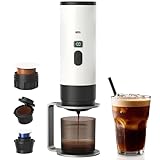
Overview:
The Citrigrain Portable Espresso Maker redefines budget portability with its ultra-compact design and unmatched 3-in-1 brewing flexibility. This hands-free device targets adventurous coffee drinkers who need maximum versatility in minimal space, whether hiking, commuting, or working remotely.
What Makes It Stand Out:
Unique triple compatibility with ground coffee, NS capsules, AND Dolce Gusto pods—unheard of at this price. The hands-free operation allows multitasking during brewing, a rarity in portable espresso. The 7800mAh battery delivers 300+ hot cups or 4-5 cold extracts, while 80-second brewing with pre-heated water matches premium speeds. At 1.1lbs, it’s the lightest self-heating option available.
Value for Money:
At $36.09, it’s the most affordable self-heating espresso maker reviewed. The feature set—three brewing methods, digital display, real-time battery monitor, auto shut-off, and 6-month replacement policy—offers remarkable value. Even basic manual pumps cost more. For backpackers prioritizing weight and versatility, this is a budget unicorn.
Strengths and Weaknesses:
- Strengths: Unbeatable price; triple-format compatibility; extremely lightweight; hands-free convenience; large battery capacity; fast brewing with hot water; comprehensive safety features.
- Weaknesses: Unknown brand reputation; vague “minutes” heating time for cold water; questionable long-term durability; limited customer feedback; may sacrifice pressure consistency for price.
Bottom Line:
For maximum brewing flexibility on a shoestring budget, the Citrigrain is a compelling gamble. The 3-in-1 compatibility and featherweight design make it ideal for ultralight backpacking, though durability remains unproven. Buy it for versatility, not heirloom quality.
9. pura coffee C1 Pro Small Espresso Machine, with NS Capsule & Ground Coffee, Portable Electric Coffee Maker, 20 Bar Travel Espresso Maker, Rechargeable, for RV, Car, Camping, Hiking, Office, Home Use

Overview:
The PURA COFFEE C1 Pro bridges home and travel espresso with innovative dual-power functionality. This stainless steel machine offers both AC plug-in and battery-powered operation, making it a hybrid solution for users who want one device for kitchen counters and mountain campsites.
What Makes It Stand Out:
The rotatable upper body and detachable extraction chamber create a unique space-saving design. In AC mode, it provides instant heating with precise temperature control (185-203°F)—a feature portable models lack. The 180mL water tank is triple the size of competitors, and food-grade stainless steel construction ensures durability. The touchscreen interface adds modern convenience.
Value for Money:
At $119.99, it sits between budget and premium models. The dual-power flexibility adds value for users wanting consolidation, but the battery’s cold-extraction-only limitation reduces true portability value. You’re paying for premium materials and hybrid design rather than battery heating performance.
Strengths and Weaknesses:
- Strengths: Dual power modes (AC/battery); premium stainless steel build; large water tank; instant heating when plugged in; 20-bar pressure; rotatable compact design; 2-year warranty.
- Weaknesses: Battery mode lacks heating—must add hot water manually; more complex than dedicated travel units; charging requires powered state; premium price for limited battery functionality.
Bottom Line:
The C1 Pro excels as a hybrid solution for users who primarily brew at home but occasionally travel. For true off-grid self-heating capability, look elsewhere. For dual-purpose convenience and premium build quality, it’s a solid, if slightly compromised, investment.
10. WACACO Nanopresso Portable Espresso Maker,Upgraded Version of Minipresso, 18 Bar Pressure Ground Coffee, Small Travel Coffee Maker, Manually Operated, Perfect for Trips and Camping Outdoor

Overview:
The WACACO Nanopresso is the gold standard of manual portable espresso, requiring zero batteries or electricity. This upgraded Minipresso successor delivers professional-grade extraction through hand power alone, making it the most reliable choice for true off-grid adventures and minimalist travelers.
What Makes It Stand Out:
Its patented manual pumping system generates up to 18 bars of pressure—unmatched in hand-powered category. The Nanopresso’s simplicity means unlimited shots anywhere, from mountain peaks to conference rooms, with no charging anxiety. It requires 15% less pumping force than the original Minipresso, reducing user fatigue. The 336g weight is less than half of battery-powered alternatives.
Value for Money:
At $64.90, it’s reasonably priced for a premium manual espresso maker. While pricier than basic hand pumps, it delivers superior pressure and proven reliability. The lack of heating capability requires separate hot water, but unlimited shot potential offsets this for extended trips. No battery replacement costs add long-term value.
Strengths and Weaknesses:
- Strengths: No power required; unlimited shots; 18-bar manual pressure; proven reliability; ultra-lightweight (336g); simple cleaning; excellent crema potential; silent operation; robust community support.
- Weaknesses: Manual effort required; no self-heating; NS capsule adapter sold separately; learning curve for perfect shots; not hands-free; requires pre-heated water.
Bottom Line:
For espresso purists and serious adventurers who prioritize reliability, weight savings, and unlimited capacity over convenience, the Nanopresso is unbeatable. It’s the ultimate backup that never dies and produces exceptional espresso with practice—perfect for those who value craftsmanship over automation.
What Defines a True Backcountry Espresso Maker?
Not every compact espresso machine deserves space in your backpack. A genuine backcountry espresso maker must balance three non-negotiable pillars: mechanical reliability, weight-to-performance ratio, and field-serviceable design. Unlike kitchen counter models that prioritize convenience and features, trail-ready devices operate on minimalist principles. They must function without electricity (or have robust battery systems), withstand temperature swings from freezing mornings to scorching afternoons, and survive the inevitable drops onto rocks.
The critical distinction lies in their ability to generate genuine pressure—minimum 6-9 BAR—to achieve proper extraction, not just strong coffee. Many “portable” units rely on gravity or low-pressure steam, producing a beverage that might satisfy a caffeine craving but lacks the crema, body, and flavor complexity that defines true espresso. Look for mechanisms that explicitly state pressure generation capabilities, manual pumping systems, or verified micro-pump technology. The housing should be seamless or have minimal failure points, with seals and gaskets accessible for cleaning and replacement without specialized tools.
The Physics of Portable Pressure: Understanding BAR Ratings
The 9 BAR standard for espresso extraction isn’t arbitrary—it’s the sweet spot where water pressure overcomes coffee puck resistance to dissolve oils and soluble compounds efficiently, creating that signature syrupy shot. In the backcountry, achieving this pressure manually requires either mechanical advantage through lever systems or sustained hand-pump force. Many portable makers advertise “up to 18 BAR” as a selling point, but this often measures peak pressure rather than stable extraction pressure.
Understanding the difference between static and dynamic pressure is crucial. Static pressure is what builds up in the chamber; dynamic pressure is what actually hits the coffee bed consistently. A device might spike to 15 BAR when you first pump, but drop to 4 BAR during extraction, yielding sour, under-extracted espresso. Quality backcountry makers maintain relatively stable pressure throughout the 25-30 second shot. Consider how altitude affects this equation—at 10,000 feet, water boils at 193°F instead of 212°F, which can impact extraction temperature if you’re not using a thermometer. Some advanced manual systems compensate by allowing pressure profiling, letting you manipulate extraction parameters to suit your environment.
Manual vs. Battery-Powered: Choosing Your Extraction Method
Your choice between manual and electric power sources fundamentally shapes your backcountry coffee experience. Manual systems offer unlimited shots limited only by your physical endurance and coffee supply. They’re lighter, have fewer failure points, and operate silently—crucial when you’re watching sunrise in bear country. However, they require technique and consistent effort; a shaky hand after a tough climb directly impacts shot quality.
Battery-powered micro-pump devices deliver push-button consistency that rivals home machines. They eliminate the variable of human fatigue but introduce new dependencies: battery life, charging logistics, and electronic vulnerability to moisture and cold. A dead battery renders them useless paperweights. Some models offer USB-C charging from power banks, which appeals to tech-savvy backpackers already carrying battery packs for headlamps and GPS devices. The weight penalty for batteries and motors typically adds 8-12 ounces over manual equivalents.
Hand-Pump Mechanisms: The Classic Approach
Hand-pump espresso makers typically use either a direct-pump or lever design. Direct-pump systems require you to build pressure through repetitive pumping before and during extraction—think of it as a tiny bicycle pump forcing water through coffee. This demands rhythm and timing; pump too fast and you channel the puck, too slow and you lose temperature.
Lever systems, inspired by classic manual espresso machines, use mechanical advantage to generate pressure with a single, controlled motion. They offer superior feel and feedback, letting you sense resistance changes as the shot progresses. The learning curve is steeper, but mastery brings unparalleled control. In the backcountry, lever systems often prove more reliable because they have fewer seals and moving parts than multi-pump mechanisms. Look for designs where the lever locks securely for transport and doesn’t protrude awkwardly from your pack.
Electric Micro-Pumps: Modern Convenience
Electric micro-pump systems replicate home machine functionality by using small, efficient motors to drive water through coffee at consistent pressure. The best examples draw 12-24 watts and can pull 40-50 shots from a 10,000 mAh power bank. They shine in group scenarios where multiple consecutive shots would exhaust manual users, and they excel in cold weather when manual pumping with numb fingers proves challenging.
The trade-off comes in maintenance and cold-weather performance. Lithium batteries lose capacity rapidly below freezing, and electronic components can fail if moisture infiltrates the housing. Premium models feature IPX water resistance and battery management systems that protect against deep discharge. Consider whether your typical trips involve basecamps where you can shelter the device versus exposed alpine starts where electronics falter. The sound signature also matters—a whirring pump at dawn might not endear you to campmates or wildlife.
Hybrid Systems: Best of Both Worlds?
Emerging hybrid designs offer manual backup modes if batteries deplete, theoretically providing the ultimate reliability. In practice, these compromises often satisfy neither purist camp. Manual operation on a hybrid device typically requires more effort than a dedicated manual maker due to less ergonomic pump designs optimized for motor assist. The added weight of both systems means you carry redundancy you hopefully never use.
Where hybrids excel is in their flexibility for different trip types. Use electric mode on relaxed car-camping weekends, then switch to manual for ultralight thru-hikes. If you invest in a hybrid, verify that the manual mode truly delivers adequate pressure—some only reach 4-5 BAR, producing a disappointing shot that barely qualifies as espresso. The transition between modes should be tool-less and intuitive; fumbling with small parts in sub-freezing temperatures tests patience and dexterity.
Weight vs. Performance: The Backpacker’s Dilemma
The ultralight backpacking community operates on the mantra “ounces equal pounds, and pounds equal pain,” creating tension with espresso’s inherent need for robust construction. The lightest functional manual makers weigh around 10-12 ounces, while premium electric models tip scales at 24-32 ounces. This spread represents a meaningful difference when your total base weight hovers around 10 pounds.
Performance degradation at lower weights manifests in several ways. Thinner metal walls transfer heat faster, causing temperature instability during extraction. Minimalist seals may wear quicker, leading to pressure leaks after a season of use. Compact designs often sacrifice water capacity, requiring you to refill for each shot—acceptable for solo travelers but tedious for couples or groups.
Consider your coffee consumption honestly. A solo hiker content with one morning shot can justify a minimalist 12-ounce device. A climbing partnership where both climbers need pre-route caffeine might prefer a slightly heavier 18-ounce model that pulls double shots efficiently. The weight penalty becomes negligible on rafting trips or horsepacking expeditions where gear travels by boat or animal rather than your back.
Durability in the Wild: Materials That Survive
Backcountry espresso makers face environmental stresses unknown to kitchen appliances: freezing temperatures that embrittle plastics, UV degradation from constant sun exposure, abrasive sand and grit, and the corrosive effects of mineral-rich backcountry water. Material selection determines whether your investment lasts for years of expeditions or fails catastrophically on trip three.
Stainless Steel vs. Titanium vs. Aluminum
Food-grade stainless steel (304 or 316) offers the best balance of durability, cost, and corrosion resistance. It withstands drops onto rock, cleans easily, and doesn’t impart flavors. However, it weighs roughly three times more than aluminum for equivalent strength. Premium makers use thinner-walled stainless with reinforced stress points to shave ounces.
Titanium represents the pinnacle for weight-conscious adventurers—45% lighter than steel with comparable strength. The cost premium is substantial, often 2-3x more expensive. Titanium’s lower thermal conductivity can be a double-edged sword: it retains heat less effectively during extraction, but also cools faster for packing. Some users report metallic taste initially, though this typically resolves after seasoning.
Anodized aluminum offers middle-ground weight savings at moderate cost, but demands careful quality control. Cheap aluminum makers use thin walls and poor threading that strip under pressure. Look for hard-anodized 6061-T6 aluminum with reinforced threads and food-safe coatings. Avoid uncoated aluminum, which reacts with coffee’s acidity and can leach into your brew.
Seal and Gasket Longevity
The Achilles heel of any portable espresso maker is its seals. Standard silicone gaskets degrade with exposure to coffee oils, UV light, and temperature cycling. In the field, a blown seal means no pressure and no espresso. Premium devices use Viton or EPDM gaskets rated for higher temperatures and chemical resistance. More importantly, they design seal replacement to be tool-free and possible with gloved hands.
Examine how seals sit in the device. Exposed gaskets on the exterior collect dirt and risk damage during packing. Internal seals protected by design last longer but may require complete disassembly for replacement. The best compromise uses captive seals that stay attached to components even when disassembled, preventing loss of tiny parts on a windy ridge. Carry spare seals in your repair kit—they weigh grams but save your morning ritual.
Water Wisdom: Sourcing and Heating in the Backcountry
Espresso demands precise water temperature (195-205°F) and quality. In the backcountry, you’re working with water that may contain glacial silt, tannins from forest streams, or high mineral content from alpine springs. These variables dramatically affect extraction and equipment longevity. Silty water clogs filters and abrades seals; hard water scales heating elements and chambers.
Always pre-filter water through a bandana or coffee filter to remove particulates before adding it to your espresso maker. This simple step extends seal life and prevents gritty shots. For mineral-heavy water, consider bringing small paper filters to place above the coffee puck, catching scale that would otherwise embed in your grounds. Some experienced backcountry baristas collect clean snowmelt specifically for coffee, treating it as a premium ingredient worth the extra effort.
Cold Water Extraction Realities
Pulling espresso with cold water is technically possible but produces wildly different results. Cold extraction requires dramatically finer grinds and longer contact time, often yielding under-extracted, sour shots with thin crema. Most manual makers simply can’t generate enough pressure with cold water to overcome the increased flow resistance.
If you must use cold water due to fuel constraints or high-altitude boiling point depression, pre-infuse the puck longer—45-60 seconds instead of the usual 5-10. This allows some extraction before pressure builds. Accept that your shot will be more like intense coffee concentrate than true espresso. Some ultralight hikers embrace this, calling it “trail ristretto,” but it’s a compromise of necessity, not preference.
Pairing with Portable Heat Sources
Your espresso maker is only half the equation—you need a reliable way to heat water. Integrated systems where the espresso maker attaches directly to a stove offer efficiency but limit flexibility. Modular systems let you use your existing backpacking stove, but require careful temperature management.
Canister stoves excel at precise temperature control, allowing you to heat exactly 60-80ml per shot without waste. Alcohol stoves run too hot and lack adjustability, making them poor partners unless you heat water in a separate pot and temperature-measure. Wood stoves produce variable heat and soot that contaminates your espresso maker’s threads and seals—avoid direct contact.
Consider wind protection crucial. A breeze that barely affects boiling water can cool your espresso maker’s chamber between heating and extraction, dropping shot temperature by 10-15°F. Some makers include insulating sleeves or recommend pre-warming the chamber with hot water—a step worth the extra fuel on cold mornings.
Grind Size Matters: Dialing In Without a Countertop Grinder
Espresso demands a grind consistency that challenges even high-end home grinders. In the backcountry, you’re either pre-grinding or using a portable grinder that inevitably makes compromises. The wrong grind size transforms your morning ritual into a frustrating exercise in choked shots or watery disappointment.
Pre-ground coffee begins staling immediately after grinding, losing volatile aromatics within hours. For weekend trips, store pre-ground coffee in an airtight container with minimal headspace, or better, vacuum-sealed portions. For longer expeditions, this becomes unacceptable—you’re essentially carrying dead coffee by day five.
Pre-Ground Strategies
If you must pre-grind, aim slightly coarser than ideal espresso grind. This compensates for packing and moisture absorption that occurs in the field. A grind that would be perfect at home will likely choke your portable maker after a day in a humid pack. Test your pre-ground coffee with your specific device before committing to a week-long trip.
Divide coffee into single-shot doses (7-9g) in small zip-top bags, squeezing out all air. This prevents the entire supply from degrading each time you open the container. Some ultralight hikers use plastic straws sealed with a lighter to create single-serve coffee tubes that weigh virtually nothing. Store these in a dedicated odor-proof bag to avoid attracting wildlife.
Portable Grinding Solutions
Handheld burr grinders designed for travel exist, but most are too bulky for serious backpacking. The exception is specialized micro-grinders that integrate directly with your espresso maker, sharing handles or nesting inside the device. These typically hold just enough beans for 1-2 shots and weigh 6-8 ounces.
Expect to work for your coffee—these grinders require significant effort, especially with dense, light-roast beans. The grind quality won’t match your home Baratza, producing more fines that can clog filters and increase bitterness. In the field, embrace slightly coarser grinds and longer extraction times rather than fighting for perfection. The ritual of hand-grinding becomes part of the experience, connecting you to the process in a way pushing a button never will.
Coffee Formats: Grounds vs. Pods vs. Capsules
The format of coffee you choose determines your pack weight, waste generation, and flavor flexibility. Traditional grounds offer unlimited variety and lower cost per shot but require grinding and precise dosing. Pods and capsules provide consistency and cleanliness at the expense of environmental impact and coffee selection.
Hard-sided capsules (like Nespresso) are completely impractical for backcountry use—their packaging weight and waste volume violate ultralight principles. Soft pods offer slightly better weight profiles but still generate non-burnable waste you must pack out. Some makers use proprietary paper pods that biodegrade, but these limit you to specific, often mediocre, coffee blends.
For the purist backcountry barista, whole beans and a micro-grinder remain the gold standard. For pragmatists, pre-ground coffee in reusable metal capsules offers a middle ground. You fill these capsules at home with your chosen coffee, creating minimal waste while maintaining quality. The weight penalty is just a few grams per capsule, and they protect the coffee from crushing and moisture better than bags.
The Crema Question: Managing Expectations Off-Grid
Crema—that golden, aromatic foam crowning a perfect shot—becomes the holy grail for backcountry espresso enthusiasts. Here’s the truth: most portable makers struggle to produce lasting crema comparable to home machines. The combination of lower stable pressure, temperature fluctuations, and grind inconsistencies works against you.
Rather than chasing Instagram-worthy crema, focus on flavor balance and body. A shot with thin, fleeting crema that tastes rich and complex beats a foamy shot that’s sour or bitter. Some manual techniques can improve crema: ensure your coffee is fresh (roasted within 2-3 weeks), preheat the device thoroughly, and use water just off boiling. A slight over-pressure at the start of extraction—building to 12 BAR for the first five seconds—can help emulsify oils before settling into stable 9 BAR extraction.
Accept that altitude affects crema formation. Lower atmospheric pressure at elevation means CO2 escapes from coffee more readily, reducing crema volume. This is physics, not failure. Experienced high-altitude baristas report that shots pulled above 8,000 feet have naturally thinner crema but can taste exceptionally sweet and clean due to altered extraction dynamics.
Field Maintenance: Cleaning Without Running Water
Backcountry hygiene challenges every aspect of espresso making. Coffee oils turn rancid quickly, especially in warm conditions, and residual grounds attract mold and bacteria. Yet you can’t scrub components under a faucet or run cleaning tablets through the system.
Develop a field-cleaning protocol that uses minimal water. After each shot, purge the remaining pressure and immediately knock out the puck while it’s still moist. Wipe the basket and shower screen with a dedicated bandana or microfiber cloth. Every 2-3 shots, run 10ml of hot water through the system without coffee to flush oils from the screen and passages.
At day’s end, perform a deeper clean. Disassemble the maker completely (this should take under a minute with practice). Wipe all surfaces with a cloth dampened with clean water. If you have biodegradable camp soap, use a drop on stubborn oil buildup, but rinse thoroughly—soap residue ruins tomorrow’s shot. Allow components to air dry before reassembly to prevent seal degradation.
For multi-week trips, bring a small bottle of food-grade mineral oil to condition seals every few days. This prevents drying and cracking, especially in arid environments. A single ounce lasts an entire season and weighs less than a Clif Bar.
Environmental Impact: Leave No Trace Principles
The backcountry barista faces unique environmental responsibilities. Coffee grounds themselves are biodegradable, but their concentration at campsites can alter soil chemistry and attract animals. Scatter spent grounds widely—200 feet from water sources and camps—so they decompose naturally without creating a “coffee zone” that habituates wildlife to human food scents.
Packaging waste presents a bigger challenge. Individual coffee packets, even biodegradable ones, must be packed out. Consider repackaging coffee into reusable containers that last entire seasons. For paper filters, use unbleached varieties that can be burned completely in a hot fire, reducing waste volume.
Water usage deserves consideration. Espresso is efficient—most makers use just 60-80ml per shot—but cleaning consumes additional water. In arid environments, factor this into your water planning. Some desert backpackers adopt “espresso days” every third morning, alternating with simpler brew methods to conserve water. The psychological boost of anticipating that perfect shot makes the wait worthwhile.
Price Tiers and Value Propositions
Backcountry espresso makers span from $30 novelty items to $300+ precision instruments. Understanding what you gain at each price point prevents costly mistakes. Budget models ($30-60) typically use plastic components and generate inconsistent pressure. They work for occasional car camping but fail under rigorous use. Expect to replace them annually if used frequently.
Mid-range options ($80-150) offer the sweet spot for most users. These feature stainless steel construction, replaceable seals, and verified pressure systems. They weigh slightly more than premium models but deliver 90% of the performance at 50% of the cost. Many include thoughtful details like integrated measuring scoops and protective cases that justify their price.
Premium makers ($200-350) target expedition users and coffee purists. Titanium construction, precision pressure profiling, and field-serviceable designs characterize this tier. They often include lifetime warranties and robust customer support. The value proposition depends on your usage: a weekend warrior won’t recoup the investment, but a guide pulling daily shots for 100 days a season will appreciate the reliability and performance gains.
Consider total cost of ownership. A $150 maker that lasts five years costs $30 annually. A $50 maker replaced yearly costs the same but delivers inferior coffee and creates waste. Factor in seal replacement kits ($10-15) and any proprietary accessories when budgeting.
Skill Development: From Trail Novice to Backcountry Barista
Mastering backcountry espresso is a journey. Your first shots will likely disappoint—under-extracted, bitter, or weak. This is normal. The learning curve involves understanding how your specific device responds to different grinds, temperatures, and pumping techniques. Keep a small notebook logging variables: grind setting, water temp, number of pumps, shot time, and taste notes. This data becomes invaluable as you dial in your technique.
Practice at home before committing to the trail. Use your portable maker exclusively for a week, forcing yourself to adapt to its quirks. This reveals issues like handle ergonomics, stability on uneven surfaces, and cleaning challenges in a controlled environment. Master the muscle memory of packing and unpacking it blindfolded—because you will be doing this in the dark, cold, and fatigue.
Join online communities of backcountry coffee enthusiasts. These forums are treasure troves of field-tested tips, like using your sleeping pad as an insulated surface for preheating or repurposing a trekking pole as a stabilizing stand on talus slopes. The culture values sharing technique over gear obsession, recognizing that skill ultimately determines shot quality.
Frequently Asked Questions
Can I really make café-quality espresso above 10,000 feet?
Yes, but with caveats. The lower boiling point and atmospheric pressure actually require you to grind slightly finer and extract slightly longer. Your crema will be thinner, but flavor clarity often improves. Preheating your device becomes even more critical to maintain stable temperature during extraction.
How do I prevent my espresso maker from freezing overnight?
Sleep with it. Seriously—place it in a waterproof bag inside your sleeping bag. If that’s impractical, store it upside down to prevent water from collecting in seals where it can freeze and crack them. Remove all water after evening cleaning and leave components disassembled overnight.
What’s the minimum water temperature for proper extraction?
Aim for 195-205°F at sea level. At altitude, you can go as low as 185°F since the lower pressure reduces extraction efficiency. Never use boiling water—it scalds the coffee and creates excessive pressure that can damage seals. Let boiling water rest 30 seconds before brewing.
How many shots can I realistically pull on one canister of fuel?
With a standard 100g canister and an efficient stove, you can heat water for approximately 25-30 single shots. This assumes you’re heating only the 60-80ml needed per shot, not boiling excess water. For group trips, plan fuel accordingly or consolidate brewing into morning and evening sessions.
Are portable espresso makers bear-safe?
The device itself is odor-free when clean, but coffee residue is not. Treat it like any food item: store it in your bear canister or hang it with your food bag. Clean it thoroughly each evening. Coffee oils are potent attractants—never store a used maker in your tent.
Can I use store-bought pre-ground espresso coffee?
You can, but it’s optimized for home machines, not portable makers. It’s typically ground too fine, causing choking. If using pre-ground, look for “espresso grind” specifically, and consider sifting out the finest particles with a fine-mesh screen to improve flow. Freshness matters more than perfect grind size.
How long do seals typically last in the field?
With daily use and proper maintenance, quality seals last 200-300 shots. In abrasive, sandy environments, expect 100-150 shots. Carry spares on trips longer than a week. Signs of failing seals include hissing sounds during pumping, inability to build pressure, or water leaking from unexpected places.
Is it worth the weight for solo hikers?
This is deeply personal. A 12-ounce manual maker represents a significant weight investment for solo ultralight hikers. Many find the psychological boost and ritual worth the penalty, especially on longer trips where morale matters. For weekend warriors, it’s often an easy yes. For thru-hikers, try it on a shorter section hike first.
Can I make milk-based drinks like lattes?
Not practically. Frothing milk requires additional equipment and substantial fuel to heat milk. Some hikers carry small, battery-powered frothers, but the weight and complexity rarely justify the result. Embrace espresso in its pure form, or add a small pat of butter or coconut oil for richness—trail cortado, if you will.
What’s the biggest mistake beginners make?
Obsessing over pressure while neglecting temperature. A stable 9 BAR shot at 175°F will taste worse than a 6 BAR shot at 195°F. Preheat your device, use water at proper temperature, and accept that some pressure fluctuation is normal. Focus on flavor balance rather than hitting arbitrary pressure numbers.'