You’ve just checked into a bustling hostel in Barcelona after a 12-hour travel day. Your backpack contains your laptop, passport, cash, and that camera you saved six months for. The front desk hands you a locker key, but as you examine the flimsy metal compartment, you can’t help but wonder: is this really enough? Hostel life is about freedom and connection, but seasoned travelers know that true peace of mind comes from controlling your own security narrative. That’s where portable travel safes designed specifically for hostel lockers transform from luxury item to essential gear.
Unlike traditional hotel safes or bulky home security boxes, these purpose-built vaults understand the unique language of backpacking culture. They’re not just smaller versions of their stationary cousins—they’re reimagined security solutions that respect both your limited space and unlimited sense of adventure. Whether you’re a digital nomad protecting your livelihood or a gap-year traveler safeguarding memories, understanding what makes a portable safe truly hostel-ready will revolutionize how you experience shared accommodations.
Top 10 Portable Travel Safes for Hostel Lockers
Detailed Product Reviews
1. Master Lock Portable Small Lock Box, Set Your Own Combination Lock Portable Safe, Personal Travel Safe, 5900D, Gunmetal Grey

Overview: The Master Lock 5900D is a compact, budget-friendly portable safe designed for securing essentials during travel. Measuring 9.5 inches wide, it easily accommodates smartphones, passports, and cash. The gunmetal grey finish provides discreet protection, while the shock-absorbing foam interior offers basic drop protection for everyday peace of mind.
What Makes It Stand Out: This lock box features a unique ear bud/charging cable access port, allowing device charging while secured. The four-digit combination provides 10,000 possible codes for personalized security. Its water-resistant construction handles splashes, and the included cable lets you tether it to fixed objects for theft deterrence.
Value for Money: At $17.97, this is the most affordable travel safe in its class. You’re getting trusted brand reliability and essential features without premium pricing. While lacking advanced waterproofing or heavy-duty materials, the price point makes it accessible for casual travelers needing basic theft prevention rather than maximum security protection.
Strengths and Weaknesses:
- Strengths: Trusted Master Lock brand reputation; innovative charging port access; lightweight and highly portable; lowest price point; easy combination setting.
- Weaknesses: Only water-resistant, not waterproof; thinner cable than competitors; foam interior reduces capacity; basic ABS plastic construction; limited color options.
Bottom Line: The Master Lock 5900D is an excellent entry-level travel safe for budget-conscious travelers prioritizing convenience and brand reliability. Perfect for hotel rooms and beach trips where basic protection suffices.
2. Vewaci Portable Travel Safe Lock Box Waterproof & Durable, 4-Digit Combination Anti-Theft Personal Beach Safe with Removable Steel Cable, Small Security Case Lock Box for Beach/Travel/Hotel/Dorm

Overview: The Vewaci travel safe positions itself as a premium portable security solution with serious protective credentials. Its rugged ABS shell with soft silicone lining creates a triple-defense system against drops, impacts, and water intrusion. Designed for adventurous travelers, this lock box promises reliable protection in harsh, unpredictable environments.
What Makes It Stand Out: The IPX6 waterproof rating is a standout feature, offering legitimate splash protection that competitors lack. Dual locking mechanisms provide enhanced security beyond standard single-latch designs. The 7mm reinforced steel cable is noticeably thicker than the 5.5mm industry standard, and the removable design stores neatly to prevent scratching valuables.
Value for Money: At $29.99, this is the premium option in its category. The price increase over budget models is justified by superior materials, verified waterproofing, and dual-lock security. For beach-goers and campers facing real environmental hazards, the investment pays dividends in actual protection rather than marketing promises.
Strengths and Weaknesses:
- Strengths: Genuine IPX6 waterproof rating; dual locking mechanisms; thick 7mm cut-resistant cable; silicone lining prevents scratches; impact-resistant construction.
- Weaknesses: Highest price point; may be over-engineered for casual users; slightly heavier than basic models; limited interior padding details provided.
Bottom Line: The Vewaci is the top choice for serious travelers needing verified waterproofing and maximum anti-theft protection. Worth the premium for beach vacations and outdoor adventures where conditions are unpredictable.
3. AMIR Portable Safe Box, Combination Security Case LockBox with Code, Waterproof Anti-Theft Mini Travel Safe Box with Removable Chain, Portable Lock Box for Home, Office, Christmas

Overview: The AMIR portable safe box strikes a balance between affordability and feature-rich design. Constructed from high-strength ABS plastic with a professional waterproof seal and EVA foam interior, this 8.5-inch wide lock box protects against water, drops, and theft while remaining travel-friendly at just 640g.
What Makes It Stand Out: The high-density EVA liner provides superior interior protection compared to basic foam, cradling valuables efficiently. The removable 6.2mm wire chain offers versatile securing options. Its professional-grade waterproof design leaves no gaps, and the neutral aesthetic works equally well in hotels, offices, or dorm rooms.
Value for Money: Priced at $26.99, the AMIR sits in the competitive mid-range. It offers premium features like EVA lining and enhanced waterproofing at a moderate price increase over budget options. The build quality and versatility make it a strong value for travelers wanting more than basic protection without reaching premium pricing.
Strengths and Weaknesses:
- Strengths: EVA foam interior protects better than standard foam; professional waterproof seal; lightweight yet sturdy; versatile for multiple settings; removable chain design.
- Weaknesses: “Waterproof” claim lacks IPX certification; cable slightly thinner than premium competitors; brand less recognized than Master Lock; reset warning is overly alarming.
Bottom Line: The AMIR is a solid all-rounder that upgrades interior protection and waterproofing without breaking the bank. Ideal for travelers who want enhanced security features at a reasonable price point.
4. Eikovia Portable Lock Box with Code–Small Travel Safe Lock Box for Phone, Keys & Cards–Waterproof ABS Plastic Security Box with Adjustable Steel Cable–Perfect for Beach, Outdoor & Travel,Pink
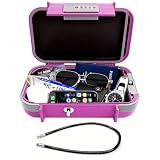
Overview: The Eikovia portable lock box brings style and functionality together in a compact, affordable package. Available in eye-catching pink, this travel safe focuses on essential security for phones, wallets, and keys during beach trips and outdoor adventures. The lightweight ABS construction keeps it highly portable at just 1.32 pounds.
What Makes It Stand Out: The aesthetic variety sets Eikovia apart in a sea of grey and black lock boxes, appealing to style-conscious users. The adjustable stainless steel cable provides flexible securing options to chairs, fences, or umbrellas. Its precise internal dimensions (7.87 x 4.13 x 1.18 inches) are optimized for modern smartphones without wasted space.
Value for Money: At $21.99, the Eikovia offers excellent value for budget-minded travelers who don’t want to sacrifice style. While using standard ABS plastic and basic waterproofing, the price reflects essential features without premium upgrades. It’s an accessible entry point for occasional travelers needing reliable, fashionable security.
Strengths and Weaknesses:
- Strengths: Attractive color options; very affordable pricing; compact, efficient sizing; lightweight and portable; adjustable cable for versatile securing.
- Weaknesses: Basic ABS construction without premium liners; “waterproof” claims lack IPX rating; thinner materials than premium competitors; limited interior protection features.
Bottom Line: The Eikovia is perfect for travelers prioritizing style and affordability over heavy-duty protection. A great choice for occasional beach trips and hotel stays where basic security and aesthetic appeal matter.
5. TNIIFXC Portable Travel Safe Lock Box 4-Digit Combination Mini Safe Box, Anti-Theft Beach Security Lockbox Waterproof Small Lockable Box with Removable Wire Rope for Dorm Beach Hotel Car Home Office

Overview: The TNIIFXC portable travel safe emphasizes maximum capacity and versatility in a mid-range package. Measuring 9.3 x 5.5 x 2.4 inches, it accommodates multiple items while maintaining good portability. The high-strength ABS shell, EVA liner, and professional silicone waterproof seal provide comprehensive protection across multiple environments.
What Makes It Stand Out: This lock box boasts generous interior space that can hold multiple phones, wallets, passports, and jewelry simultaneously. The sealed silicone waterproof ring provides professional-grade water protection while allowing flexible use. Its wide application range makes it suitable for homes, dorms, offices, and vehicles beyond just travel scenarios.
Value for Money: At $26.99, TNIIFXC matches mid-range pricing while emphasizing capacity over interior refinement. The feature set competes well, offering professional waterproofing and versatile securing options. For users needing to protect multiple items or larger valuables, the size advantage creates strong overall value.
Strengths and Weaknesses:
- Strengths: Large capacity holds multiple valuables; professional silicone waterproof seal; versatile wire rope attachment; suitable for diverse settings; EVA liner provides decent protection.
- Weaknesses: Larger size may be less pocket-friendly; brand recognition is limited; similar features to competitors; “waterproof” lacks official IPX certification.
Bottom Line: The TNIIFXC is ideal for travelers needing maximum storage capacity without sacrificing security features. A practical choice for families or those carrying multiple devices and important documents daily.
6. Pacsafe Travelsafe Gii 5 Liter Portable Safe (Black)
Overview:
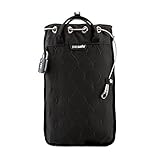
The Pacsafe Travelsafe Gii represents the gold standard in portable travel security. This 5-liter portable safe features patented 360-degree stainless steel wire mesh embedded in poly canvas fabric, creating a highly cut-resistant barrier that folds completely flat for luggage storage. Weighing just 0.91 pounds, it protects tablets, passports, and valuables without adding bulk.
What Makes It Stand Out:
The flexible yet slash-proof design distinguishes it from rigid competitors. Its TSA-accepted 3-dial combination lock ensures airport compliance, while the ability to secure it to fixtures—from hotel furniture to beach palm trees—provides versatility unmatched by hard cases. The water-resistant polyester construction shields contents from environmental elements during outdoor use.
Value for Money:
Priced at $87.77, this premium option costs significantly more than basic lockboxes. However, the investment delivers patented anti-theft technology from the industry pioneer, exceptional portability, and multi-scenario utility. For travelers visiting high-theft destinations or cruising, the cost-per-use quickly justifies the price over cheaper, less secure alternatives.
Strengths and Weaknesses:
- Pros: Superior cut resistance; Patented design; TSA-approved lock; Ultra-portable (folds flat); Lightweight; Water-resistant; 5-year warranty
- Cons: Premium pricing; Soft-sided appearance less intimidating; Not fully waterproof; Limited internal organization
Bottom Line:
A worthwhile investment for security-conscious travelers seeking proven anti-theft protection in a packable format.
7. SEPOX® Water/Fire-Resistant Portable Security Case Lock Box Steel, Personal Travel Safe Storage Cabinet for Small Item, 3-Ft Cable, Ressetable Combination Lock for Dorm, Car, Sports, Office

Overview:
The SEPOX Portable Security Case delivers serious protection at an entry-level price point. This steel lockbox measures 8.1 x 5.7 x 1.9 inches and features fire-resistant construction with thick protective foam inserts. Designed for multiple environments, it secures handguns, cash, passports, and jewelry with a resettable combination lock.
What Makes It Stand Out:
The fire-resistant rating at under $20 is remarkable. Its all-steel structure provides robust physical security, while the included 3-foot heavy-duty cable allows secure attachment to car seats, furniture, or fixtures. The versatility extends from bedside gun storage to travel safe, making it a true multi-purpose solution.
Value for Money:
At $19.99, this represents exceptional value. No other product in this range offers steel construction with fire resistance. While it lacks advanced features like waterproofing or electronic locks, the fundamentals—solid steel, foam padding, and reliable cable—are executed well. It’s an accessible entry point for first-time portable safe buyers.
Strengths and Weaknesses:
- Pros: Extremely affordable; Fire-resistant steel construction; Protective foam interior; Heavy-duty cable included; Multi-purpose functionality; Good size for handguns
- Cons: Not waterproof; Basic 3-digit lock; Heavier than fabric alternatives; Less portable for air travel; No TSA approval mentioned
Bottom Line:
An unbeatable budget choice for home, vehicle, or office security where fire protection and physical toughness are priorities.
8. Diyife Portable Safe Box, [Waterproof] Travel Safe Lock Box with Code, 4 Digit Combination Lock Anti-Theft Lock Box with Removable Chain, Portable Lockbox for Beach Outdoor Dorm Hotel Home
![Diyife Portable Safe Box, [Waterproof] Travel Safe Lock Box with Code, 4 Digit Combination Lock Anti-Theft Lock Box with Removable Chain, Portable Lockbox for Beach Outdoor Dorm Hotel Home](https://m.media-amazon.com/images/I/41hhQXuwfwL._SL160_.jpg)
Overview:
The Diyife Portable Safe Box engineered for aquatic adventures and harsh environments. This ABS lockbox achieves IP68 waterproof certification, guaranteeing protection during submersion up to 1 meter for 30 minutes. External dimensions of 9.45 x 6.3 x 2.36 inches house a 4-digit combination lock with 10,000 possible combinations, while a removable 54.5cm steel chain enables secure fixture attachment.
What Makes It Stand Out:
Genuine waterproofing—not mere resistance—sets this apart. The full-seal construction excels at beaches, pools, and rainy campsites where other safes would fail. Enhanced dual-lock anti-pry mechanisms resist forced entry, and the impact-resistant ABS shell withstands drops. Silicone lining on both lids protects delicate items from scratches and vibrations during transport.
Value for Money:
At $29.99, it commands a modest premium over basic lockboxes but delivers specialized waterproofing that justifies the cost. The 4-digit lock provides 10x more combinations than standard 3-digit models, and the removable cable adds convenience. For anyone prioritizing water protection, this offers professional-grade features without the professional-grade price tag.
Strengths and Weaknesses:
- Pros: IP68 certified waterproof; 10,000 code combinations; Impact-resistant construction; Removable steel cable; Protective silicone lining; Anti-pry design
- Cons: ABS material less cut-resistant than steel; No fire rating; Reduced internal capacity; Not TSA-compliant
Bottom Line:
An excellent choice for water-based activities and wet environments, combining genuine waterproofing with solid security features.
9. HUANLANG Portable Safe Lock Box with Combination Lock Mini Beach Travel Safe Waterproof Small Lockable Boxs with Removable Wire Rope Combination Lock Box for Dorm,Travel,Beach,Hotel,Car,Home,Office

Overview:
The HUANLANG Portable Safe Lock Box delivers waterproof security at an aggressive price point. Constructed from sturdy ABS material, this compact safe measures 8.5 x 4.3 x 2.6 inches and features a 4-digit combination lock offering 10,000 possible combinations. The interior’s high-density EVA lining cushions valuables against impacts, while a removable wire rope allows secure fastening to beach chairs, trees, or fixtures.
What Makes It Stand Out:
Achieving waterproof and shockproof protection under $26 is impressive. The 4-digit lock provides ten times the security of basic 3-digit models found on similarly priced competitors. Its slim profile slides easily into backpacks, suitcases, or dorm drawers, making it versatile for travel, campus life, or office use without adding significant weight or bulk.
Value for Money:
At $25.99, this represents one of the best price-to-feature ratios available. The combination of waterproofing, 10,000 lock combinations, and impact protection typically costs $10-15 more. While it lacks brand prestige and advanced certifications, it executes essential features reliably, making it perfect for budget-conscious buyers who refuse to compromise on core security.
Strengths and Weaknesses:
- Pros: Highly affordable; 10,000 code combinations; Waterproof and shockproof; Compact portability; Protective EVA lining; Removable cable
- Cons: ABS less robust than steel; No fire protection; Limited internal space; Unknown brand longevity; Not TSA-compliant
Bottom Line:
A smart budget purchase for reliable waterproof security, excelling for students, beach trips, and casual travel where cost matters.
10. VAULTEK LifePod X Micro Weatherproof Electronic Lockbox Secure Travel Case Rugged Mini Portable Case with Backlit Keypad (Rush Orange)

Overview:
The VAULTEK LifePod X Micro revolutionizes portable security with electronic sophistication. This weatherproof lockbox integrates a backlit LED capacitive keypad programmed with 4-8 digit master codes, eliminating traditional combination wheels. Advanced T3 Polymer construction delivers steel-equivalent strength at a fraction of the weight, while the floating design and airtight seal provide unmatched environmental protection for smartphones, passports, and medication.
What Makes It Stand Out:
Electronic locking enables instant access without dial manipulation—critical in emergencies. The backlit keypad functions flawlessly in darkness, and the anti-impact latch design withstands physical attacks. A removable interior tray with customizable slots and included straps organizes small items efficiently. The carabiner attachment system provides security anywhere, from backpack straps to vehicle seat frames.
Value for Money:
At $69.99, this commands a premium over mechanical safes but justifies it through electronic convenience, advanced polymer engineering, and comprehensive weatherproofing. The T3 material’s durability ensures longevity, while the floating capability adds unique utility for boaters and water sports enthusiasts. For users prioritizing quick access and minimal weight, the investment delivers professional-grade features.
Strengths and Weaknesses:
- Pros: Electronic keypad with backlight; Superior weatherproofing; Lightweight yet strong; Floating design; Organized interior; Quick-lock function
- Cons: Requires battery power; Higher cost; Limited storage space; Potential electronic failure; Not TSA-compliant
Bottom Line:
An excellent premium choice for tech-savvy travelers and outdoor enthusiasts wanting rapid-access security in a ultra-rugged, lightweight package.
Why Hostel Security Demands a Specialized Approach
Hostels operate on a social contract of trust, but smart travelers operate on verifiable security. Unlike private hotel rooms, hostel dormitories present a dynamic security environment where 4-12 strangers share sleeping quarters, and locker access might be possible during cleaning hours or through staff override systems. The threat model isn’t just about theft—it’s about opportunity, anonymity, and the reality that not everyone in your dorm has the same risk tolerance.
Portable safes engineered for hostels address vulnerabilities that standard luggage locks simply cannot. They create a personal security perimeter within communal space, protecting not just from rare malicious actors but from honest mistakes (like that drunk roommate grabbing the wrong bag at 3 AM). The psychological benefit is equally valuable: when you’re not worrying about your gear, you’re fully present for sunrise hikes, spontaneous street food adventures, and those magical travel moments that happen when you’re truly in the moment.
Understanding Hostel Locker Dimensions: The Critical First Step
Before falling in love with any portable safe, you must understand the canvas you’re working with. Hostel lockers are maddeningly inconsistent—a reality that has crushed many travelers who assumed “standard size” actually means something.
The Three Locker Archetypes You’ll Encounter
Most European and Southeast Asian hostels feature one of three designs: the shallow “cubby” style (typically 30x30x45cm), the narrow “tallboy” locker (25x35x80cm), or the under-bed drawer (60x40x20cm). Australian and North American hostels often provide more generous “full-height” lockers (35x45x90cm), but never assume.
The Golden Measurement Rule
Carry a flexible tape measure or download a locker measurement app that uses your phone’s camera. Measure the interior dimensions, not the doorframe. Critical: check for protruding hinges, lock mechanisms, and ventilation grilles that eat into usable space. A safe that fits through the door but won’t slide past the internal locking bar is worthless. Pro tip: photograph the measurements with your phone—you’ll have them when shopping online in that café with shaky Wi-Fi.
Key Security Features That Actually Matter in Shared Spaces
Marketing departments love to tout features that sound impressive but offer little real-world protection. Let’s cut through the noise.
Anti-Pry Reinforcement
Look for safes with reinforced edges and minimal gap tolerance where the door meets the body. A determined thief with a flathead screwdriver can exploit even a 2mm gap. The best designs incorporate interlocking “lip” systems that make prying physically impossible without specialized tools.
Tamper-Evident Design
Your safe should show clear evidence if someone’s attempted entry. Scratch-resistant coatings that reveal underlying metal, or built-in tamper indicators on combination locks, alert you to compromise attempts. This is crucial in hostels where you might not notice theft until hours later.
Internal Organization
A safe that turns into a jumbled mess defeats its purpose. Models with compression straps, padded dividers, and document sleeves keep items from rattling around and getting damaged. More importantly, they prevent you from fumbling through contents in public, which signals to observant thieves exactly what valuables you carry.
Locking Mechanisms Decoded: From Combination to Biometric
The lock is your safe’s voice—it’s how you communicate with it daily. Choose wrong, and you’ll either hate using it or compromise security through workarounds.
Mechanical Combination Locks: The Tried and True
Three or four-wheel combinations offer reliability without batteries—critical when you’re off-grid. However, many travelers set predictable codes (birthdays, 1234) that defeat the purpose. The sweet spot is a four-wheel lock with false gate protection that prevents decoding through feel. Downside: you’ll need light and glasses to operate it in dark dorms.
Electronic Keypads: Speed Meets Vulnerability
Backlit keypads allow quick access but introduce battery dependency. Quality models feature 9V battery jump-start terminals on the exterior, preventing lockout. Beware of “beep” sounds that announce you’re accessing valuables—stealth mode is essential. The best electronic locks auto-lock after 30 seconds and have anti-peep technology that lets you enter extra digits before/after your code.
Biometric Fingerprint Scanners: The Backpacker’s Dilemma
While fingerprint access feels futuristic, hostel environments challenge their reliability. Sweaty fingers after hiking, sunscreen residue, and minor cuts can cause false rejections. If you opt for biometric, ensure it has a PIN backup and stores multiple fingerprint profiles (your thumb, index finger, and maybe a travel partner’s print for emergencies).
Material Matters: Balancing Weight and Protection
Every gram matters when you’re living out of a backpack, but skimping on material strength creates a false economy.
Steel Gauge Reality Check
“Steel construction” means nothing without specification. 16-gauge steel (approximately 1.5mm thick) represents the minimum acceptable thickness for meaningful protection. 14-gauge (1.9mm) offers significantly better anti-drill protection without adding prohibitive weight. Anything thinner is essentially a metal envelope.
Polycarbonate and Composite Alternatives
High-impact polycarbonate safes weigh 40-60% less than steel equivalents and can offer surprising resistance to blunt force attacks. They excel at protecting electronics from crush damage but fail against cutting tools. Some hybrid designs use polycarbonate bodies with steel reinforcement plates at vulnerable points—a smart compromise for weight-conscious travelers.
Interior Lining: The Damage You Don’t See
A safe that protects from theft but damages your gear is counterproductive. Look for EVA foam lining that’s at least 5mm thick and chemical-stable. Cheap foam can off-gas and corrode electronics over time. Anti-static lining is non-negotiable for storing hard drives and SSDs.
Portability vs. Protection: Finding Your Sweet Spot
The paradox of travel safes: the more secure they are, the heavier they become, making you less likely to carry them. This tension defines the entire product category.
The 1.5kg Threshold
Through extensive traveler interviews, 1.5kg emerges as the psychological weight limit. Below this, you’ll pack it without thought. Above 2kg, you’ll start leaving it behind on short trips, creating security gaps. The most successful designs achieve 1.2-1.4kg while maintaining 16-gauge steel construction through strategic cutouts and handle design.
Carry Configurations
How you transport your safe matters as much as its weight. Models with removable shoulder straps double as daypacks for beach trips. Flat designs that slide into laptop compartments avoid airline weight scrutiny. Some innovative safes feature carabiner attachment points, letting you hang them inside tents or from bed frames when lockers aren’t available.
Packability Considerations
The best travel safes nest within your packing system. Rectangular profiles maximize space efficiency compared to curved or irregular shapes. Models under 7cm thick can slip into the false bottom of many backpacks, providing layered security even when you’re mobile.
Size Categories: Matching Your Safe to Your Gear
One size doesn’t fit all because one traveler doesn’t match all. Your gear list dictates your safe size.
The “Essentials Only” Safe (5-7 liters)
Perfect for passport, cash, cards, phone, and compact camera. These typically measure 25x18x8cm—small enough to fit inside most daypacks even when not in a locker. The limitation: you must travel with minimal electronics. Digital nomads will find this size constraining.
The “Digital Nomad” Safe (10-15 liters)
Accommodates 13" laptops, tablets, external drives, and camera bodies. Dimensions around 35x25x12cm fit most tallboy lockers but struggle in shallow cubbies. This is the most versatile category, representing the best compromise for long-term travelers who work remotely.
The “Photographer’s Vault” (18-25 liters)
Specialized for DSLR setups with multiple lenses. These are niche products that often sacrifice hostel compatibility for gear protection. Many photographers actually prefer two smaller safes—one for body/lenses, another for laptop/accessories—providing flexibility and redundancy.
Cable and Anchor Systems: The Unsung Heroes of Hostel Security
A safe that slides freely inside a locker is only half secure. The anchor system transforms it from a portable box to a fixed vault.
Integrated Cable Design
Look for safes with cables stored internally when not in use. External cable storage creates snags and adds bulk. The cable should be at least 90cm long and constructed from 6mm braided steel with a vinyl coat to prevent locker scratches. Crucially, the cable attachment point inside the safe must be inaccessible when the door is locked—otherwise, thieves simply unscrew it.
Anchor Point Strategy
The magic happens when you loop the cable through both your safe and your backpack’s frame, then around the locker’s internal anchor point. Now thieves can’t steal the safe or your bag. Some travelers add a secondary cable to the bed frame, creating a security web that protects gear even during hostel cleaning hours when lockers might be accessible to staff.
Tethering Without a Locker
Hostels in developing regions sometimes lack lockers entirely. Your safe’s cable becomes your primary security tool. Wrap it around immovable bed frames, bathroom pipes (check they’re actually connected), or even radiator pipes (ensuring they’re cold). The best cables feature combination locks on both ends, letting you create a closed loop without relying on external padlocks.
Water and Fire Resistance: Overrated or Essential?
Marketing loves to splash “waterproof” and “fireproof” claims everywhere, but context determines value.
Water Resistance Reality
Most hostel theft involves quick grabs, not submerging your safe in water. However, water resistance protects against spilled drinks, leaky roofs, and hostel bathroom humidity that can corrode electronics. IPX4 rating (splash resistant) is sufficient; IP67 (submersion proof) adds weight and cost for minimal hostel benefit. The exception: if you’re combining beach/camping trips where tide or rain exposure is real.
Fire Resistance Trade-offs
True fireproofing requires thick insulation and heavy materials—antithetical to portable design. Most “fire-resistant” travel safes offer only 30 minutes at 750°C, enough for paper documents but insufficient for digital media. For passports and cash, this might justify the 300-500g weight penalty. For electronics, it’s largely marketing fluff. Consider instead digital backups of critical documents stored in the cloud.
Price Ranges and What You Actually Get for Your Money
The portable safe market spans from budget options that provide psychological comfort to premium vaults that could survive a zombie apocalypse. Understanding the value curve prevents costly mistakes.
Budget Tier ($25-50)
Typically feature 20-gauge steel, simple combination locks, and minimal anti-pry design. They’ll deter opportunistic theft but won’t slow a determined attacker with tools. The real cost? You’ll replace them every 12-18 months as hinges fail or mechanisms jam. Fine for short trips, questionable for long-term travel.
Mid-Range Sweet Spot ($75-150)
This is where hostel-specific engineering appears. You’ll find 16-gauge steel, proper anti-pry lips, quality foam lining, and thoughtful cable integration. These safes last 3-5 years of constant travel. Most importantly, they balance security and weight in a way that ensures you’ll actually use them daily.
Premium Tier ($200+)
Aircraft-grade aluminum, biometric locks, and exotic materials. The security improvement over mid-range is marginal for hostel environments—you’re paying for durability and brand prestige. Justifiable only if you’re traveling with $5,000+ of gear or need specific features like TSA-compliant designs for checked baggage integration.
Common Mistakes Travelers Make When Choosing a Portable Safe
Even savvy backpackers fall into predictable traps that render their security investment useless.
The “Bigger is Better” Fallacy
Oversized safes that barely squeeze into lockers become permanent fixtures you can’t easily access. If removing your safe requires emptying the entire locker, you’ll start leaving it unsecured “just for a minute”—and that’s when theft happens.
Ignoring the “Secondary Access” Problem
You set an elaborate combination, then forget it after three weeks on the road. Always register your safe’s serial number and store the master reset code in your password manager (not your phone, which might be inside the locked safe). Test the backup access method before you need it.
Focusing on the Lock, Neglecting the Hinge
External hinges with exposed pins are a joke. A flathead screwdriver and 30 seconds defeats them. Insist on internal hinges or “zero-clearance” hinge designs where the door sits within a recessed frame. The best safes have hinges that are completely inaccessible when locked.
Pro Tips for Maximizing Your Safe’s Effectiveness in Hostels
Owning a great safe is step one. Using it strategically is what separates victims from veterans.
The “Decoy Wallet” Strategy
Place a cheap wallet with $20 and expired cards in your backpack’s outer pocket. Your real valuables go in the safe. Thieves grab the easy target and flee, never bothering with the properly secured goods. This isn’t paranoia—it’s behavioral economics.
Strategic Placement Within the Locker
Never position your safe at the front of the locker where it’s immediately visible. Slide it to the back, place your backpack in front, then cable everything together. This forces thieves to work blind, dramatically increasing their time and risk. In tallboy lockers, place the safe on the bottom—it’s harder to leverage prying tools against floor resistance.
The “Leaving Town” Protocol
When checking out but exploring the city before your night bus, most hostels offer luggage storage. Instead of leaving your safe in the storage room (often just a corner of the reception), cable it inside your main backpack, then lock the backpack’s zippers. Now thieves must defeat three layers: the storage room access, your bag’s lock, and the safe itself.
Complementary Security Measures: Layering Your Protection
A portable safe is your security foundation, not the entire structure. The most security-conscious travelers build redundant systems.
Digital Security Hygiene
Before physical theft even becomes a concern, secure your data. Full-disk encryption on laptops (FileVault for Mac, BitLocker for Windows), remote wipe capabilities on all devices, and two-factor authentication on every account. A stolen laptop in a safe is still a stolen laptop—encryption ensures it’s a useless brick to thieves.
Insurance That Understands Hostel Life
Standard travel insurance often excludes “unattended” items, which they define as anything out of arm’s reach. Specialist backpacker insurance from companies like World Nomads or SafetyWing specifically covers items secured in hostel lockers with portable safes. Read the fine print: many require “commercial-grade” locks, so photograph your safe’s specifications.
The “Buddy System” 2.0
Pair up with a trusted dorm mate and cross-cable your safes together. Now both must be present for either to be removed. This creates instant community security and often leads to travel friendships. Just ensure you both document the arrangement and exchange contact info before parting ways.
The Evolution of Travel Security: What’s Next for Portable Safes
The portable safe industry is experiencing a renaissance driven by digital nomadism and smart materials. Understanding emerging trends helps you future-proof your investment.
Smart Safe Integration
Bluetooth-enabled safes that alert your phone when moved are already here, but the real innovation is geofencing—your safe “arms” itself when you leave the hostel and disarms when you return. Battery life remains the challenge; current models last 2-3 weeks between charges. Solar charging panels integrated into the safe’s exterior are in beta testing.
Material Science Breakthroughs
Graphene-enhanced polymers promise steel-level protection at half the weight, but production costs remain prohibitive for mass market. More immediately, “memory metals” that deform under attack but spring back to shape are appearing in $300+ safes, making pry attempts visibly obvious while maintaining structural integrity.
Hostel-First Design Philosophy
The newest generation of safes is designed specifically for hostel use rather than adapted from home security. Features like USB-C charging ports that allow you to charge devices while locked inside, ventilation systems that prevent electronics from overheating, and modular interiors that reconfigure for different gear setups show the industry is finally listening to backpacker feedback.
Frequently Asked Questions
1. Will hostel management be offended if I bring my own safe? Absolutely not. Reputable hostels understand that security-conscious guests are responsible guests. Many front desks will even store your safe’s spare key or combination in their master safe if you ask. Just inform them during check-in to avoid misunderstandings during room cleaning.
2. Can a portable safe be too secure for hostel use? Ironically, yes. Safes with time-delay locks or complex multi-step opening procedures create frustration you’ll eventually bypass by leaving it unlocked. The best hostel safe opens in under 15 seconds with practice but remains impenetrable to others.
3. What’s the realistic lifespan of a travel safe under constant use? Mid-range safes typically last 3-5 years of full-time travel before hinge wear or lock fatigue appears. Premium models can exceed 7 years. Budget options often fail within 18 months. The lock mechanism usually fails before the body, so choose replaceable lock modules when possible.
4. Are TSA-approved travel safes necessary for carry-on only travelers? No. TSA approval matters only for checked baggage. For carry-on, focus on dimensions that fit under airline seat storage (roughly 45x35x20cm) to keep your safe with you during flights. Never check your safe—it’s an invitation for theft.
5. How do I handle situations where my safe is slightly too large for the locker? Carry a lightweight bike lock. Secure your safe to the bed frame and place it under your bunk, covering it with a jacket. It’s less ideal than locker storage but far superior to leaving valuables unsecured. Some travelers remove locker doors (if detachable) to create extra space, but always ask permission first.
6. What’s the best way to remember my combination while traveling? Use the “date method”: combine a meaningful date (not your birthday) with a pattern on the lock wheels. For example, if your anniversary is March 14, set the lock to 3-1-4, then rotate each wheel up by two positions (5-3-6). Write only the pattern (+2) in your phone notes, not the actual code.
7. Do portable safes protect against hostel staff theft? Quality safes with proper cable anchoring defeat opportunistic staff theft, which is rare but not unheard of. However, remember that hostel management typically has master keys to lockers themselves. Your safe provides protection against other guests and casual staff access, but not determined insider theft with tools and time.
8. Should I buy a safe with a built-in charging port? Only if it uses a pass-through USB-C design that doesn’t compromise the security seal. Many early models had simple holes that reduced water resistance and created pry points. Newer designs use sealed grommets. Honestly, a 20,000mAh power bank inside your safe charges devices just as effectively without security compromises.
9. How do I maintain my safe’s lock mechanism in humid climates? Monthly application of dry Teflon lubricant (not oil, which attracts dust) keeps combination locks smooth. For electronic locks, silica gel packets inside the safe absorb moisture that corrodes contacts. In tropical regions, store your safe with the door slightly open when empty to prevent mold growth on seals.
10. Is it worth buying a safe for a two-week hostel trip? For trips under two weeks, consider renting. Some hostels and travel gear shops in major hubs like Bangkok, Amsterdam, and Sydney offer safe rentals for $2-3 per day. This lets you test different models before committing. For longer trips, purchasing becomes economical after about 30 days of use.'