Picture this: you’re trekking through the lush highlands of Guatemala, surrounded by breathtaking vistas and remote villages where tap water is a foreign concept. Or maybe you’re navigating the bustling markets of Delhi, where even the ice in your drink poses a calculated risk. Access to safe drinking water isn’t just a convenience for international adventurers—it’s the linchpin that determines whether your journey becomes a cherished memory or a nightmare of gastrointestinal distress. Waterborne illness remains the single most common health complaint among globetrotters, turning bucket-list experiences into desperate searches for the nearest pharmacy.
The good news? Modern portable water purifiers have evolved from clunky, unreliable gadgets into sophisticated, travel-friendly lifelines. But here’s the catch: not all purifiers are created equal, and choosing the wrong system for your specific adventure can be as dangerous as drinking straight from a questionable source. This guide cuts through the marketing noise and equips you with the nuanced knowledge to select, use, and maintain a purification system that matches your travel style, destination, and risk tolerance.
Top 10 Portable Water Purifiers for International Adventures
Detailed Product Reviews
1. GRAYL GeoPress 24 oz Water Purifier Bottle - Filter for Hiking, Camping, Survival, Travel (Black Camo)

Overview: The GRAYL GeoPress is a premium press-style water purifier bottle designed for adventurers who demand comprehensive protection. This 24-ounce bottle eliminates the need for pumping, sucking, or chemical treatments by using a simple Fill-Press-Drink mechanism that delivers clean water in seconds. Engineered for hikers, campers, and international travelers, it addresses the full spectrum of waterborne threats including viruses—a rare capability in portable filters.
What Makes It Stand Out: The GeoPress distinguishes itself through its unparalleled speed and simplicity. Unlike straw filters requiring vigorous sucking or UV devices needing batteries, this unit purifies 24 ounces of water through direct downward pressure. Its cartridge removes viruses (Rotavirus, Hepatitis A), bacteria, protozoa, heavy metals, chemicals, and microplastics—all while improving taste and odor. No setup, hoses, or waiting makes it ideal for high-risk environments.
Value for Money: At $99.95, the GeoPress sits at the premium end, but justifies its cost through virus protection that most $30-50 filters lack. The 65-gallon cartridge lifespan means approximately 347 fills before replacement. For travelers to developing regions or emergency preparedness where viral contamination is possible, this is insurance worth paying. Cheaper alternatives simply don’t offer equivalent comprehensive protection.
Strengths and Weaknesses: Pros: Removes viruses; extremely fast purification; intuitive operation; durable construction; no batteries or chemicals needed. Cons: Higher price point; limited cartridge life compared to some competitors; heavier than straw filters (15.9 oz); replacement cartridges are expensive.
Bottom Line: For serious adventurers and international travelers facing questionable water sources, the GeoPress is worth every penny. Its virus-killing capability and foolproof operation make it the gold standard for comprehensive portable water purification.
2. Survimate 5-Stage 0.01μm Ultra-Filtration Filtered Water Bottle, BPA-Free Material, NSF/ANSI 42&372 Certified, Portable Water Filter Bottle for Survival, Camping, Hiking, and Emergency Use

Overview: The Survimate bottle delivers impressive filtration credentials at a budget-friendly price point. This 5-stage system employs a 0.01-micron hollow fiber UF membrane—smaller than many competitors—along with activated carbon and purification beads to tackle contaminants. NSF/ANSI 42&372 certification provides verified assurance of chlorine and lead reduction, making it a trustworthy companion for outdoor enthusiasts.
What Makes It Stand Out: Beyond its filtration prowess, the built-in compass on the cap adds unexpected utility for navigation. The 1,500-liter filter lifespan is exceptional, equivalent to 3,000 plastic bottles. The 0.01-micron pore size exceeds typical 0.2-micron filters, capturing 99.99% of harmful substances while remaining BPA-free. This combination of certification, precision, and bonus features is rare in sub-$30 bottles.
Value for Money: At $25.99, this represents outstanding value. Most NSF-certified bottles cost $50 or more. The compass eliminates needing a separate navigation tool, and the extraordinary filter lifespan means years of use before replacement. For campers and hikers in North American backcountry where viruses are less common, it provides professional-grade filtration without the premium price tag.
Strengths and Weaknesses: Pros: NSF certified; 0.01-micron filtration; built-in compass; extremely long filter life; affordable price. Cons: Requires strong suction due to 5-stage resistance; initial carbon dust requires discarding first sips; not dishwasher safe; no virus protection claim; silicone air hole must remain unblocked.
Bottom Line: The Survimate is the smart choice for budget-conscious adventurers who prioritize certified filtration over virus protection. Its combination of performance, longevity, and bonus features makes it a steal at this price point.
3. BKLES Water Filter Camping – Electric Portable Water Purifier Survival, 0.01 Micron, 6-Stage Water Filtration System Survival with Emergency Lighting for Hiking, Backpacking, Travel – BK-2000

Overview: The BKLES BK-2000 revolutionizes portable filtration by replacing manual pumping with electric convenience. Weighing just 350 grams, this 6-stage system uses ultrafiltration, KDF, and coconut activated carbon to purify water at the press of a button. Designed for group camping and backpacking, it delivers 700ml per minute while freeing your hands for other tasks.
What Makes It Stand Out: The electric operation and emergency LED light set it apart from every competitor. It can be powered via USB, solar panels, or vehicle outlets, making it endlessly rechargeable. The hands-free operation lets you multitask while filtering, and the integrated light solves nighttime water collection challenges. With a single charge purifying 168 liters, it supports 10-15 day trips for multiple people.
Value for Money: At $54.96, this mid-range price delivers premium electric convenience. Manual pump filters in this range offer similar flow rates but require constant effort. The BK-2000’s battery efficiency and multi-power compatibility offset the initial cost, especially for frequent campers or group leaders who value time and effort savings over manual alternatives.
Strengths and Weaknesses: Pros: Electric push-button operation; emergency lighting; versatile power options; fast 700ml/min flow; lightweight; SGS/FDA certified. Cons: Battery dependent; more complex than mechanical filters; requires periodic charging; filter cartridges need replacement after 180 days or 1000L; not ideal as sole emergency device if power fails.
Bottom Line: For tech-savvy outdoor enthusiasts and group leaders, the BK-2000’s electric convenience justifies its price. It’s a modern solution that trades manual labor for battery power, ideal for base camps and extended trips.
4. Lormandy Straw Water Filter - Portable Water Purifier, Water Filtration System, Reusable Water Straw Purification - Outdoor Emergency and Survival Gear for Hiking, Camping Accessories and Travel

Overview: The Lormandy Straw is an ultra-compact emergency filtration solution weighing under 1.8 ounces. This straw-style purifier uses triple filtration including a 0.1-micron membrane to remove 99.99999% of harmful substances. Designed as a backup or ultralight primary filter, it connects directly to water bottles, bags, or natural sources without additional equipment.
What Makes It Stand Out: Its absurdly low weight and price make it uniquely accessible. The complete kit includes silicone tubing, a syringe for backflushing, and a 16-ounce BPA-free water bag—uncommon value at this price. The ability to backflush extends its 1,320-gallon lifespan significantly, and the universal threading allows faucet mounting. This is survival gear that fits in a pocket.
Value for Money: At $13.99, it’s practically disposable gear that performs like a reusable tool. Straw filters typically cost $20-30, making this an exceptional deal. The included accessories and backflush capability mean it outlasts similarly priced alternatives by years. For emergency kits, vehicle glove boxes, or ultralight backpacking, it’s an unbeatable insurance policy.
Strengths and Weaknesses: Pros: Extremely lightweight and portable; lowest price point; backflushable; complete accessory kit; universal threading. Cons: 0.1-micron rating (not 0.01) may miss smallest bacteria; no virus protection; requires direct suction; can be tiring for large volumes; prefilter clogs in very murky water.
Bottom Line: The Lormandy Straw is the perfect backup filter or primary for ultralight enthusiasts. While not suitable as your only device in virus-risk areas, its price and portability make it essential emergency gear for every pack.
5. SteriPen Adventurer Opti UV Water Purifier for Backpacking, Camping & Travel

Overview: The SteriPen Adventurer Opti employs UV-C light technology to destroy 99.99% of waterborne pathogens in just 90 seconds per liter. Weighing 3.8 ounces with batteries, this chemical-free purifier is ideal for clear mountain streams and international tap water where sediment is minimal but biological threats are high. It treats protozoa, bacteria, and viruses without altering taste.
What Makes It Stand Out: Unlike mechanical filters, the UV lamp delivers 8,000 treatments—potentially years of use—with no replacement filters needed. The optical sensor doubles as an LED flashlight, eliminating another item from your kit. Its simplicity is unmatched: press one button, stir, and wait. No pumping, sucking, or clogging concerns in clear water.
Value for Money: At $88.75, the initial investment is significant, but the per-liter cost drops to nearly zero over its lifespan. CR123 batteries treat 60 liters per pair, creating ongoing operational costs. However, compared to $50 filters requiring $30 replacements every 500 liters, the SteriPen proves economical for frequent users. It’s a premium solution for specific water conditions.
Strengths and Weaknesses: Pros: Destroys viruses; extremely lightweight; no filter clogging; fast 90-second treatment; long-lasting UV lamp; built-in flashlight. Cons: Doesn’t filter sediment or chemicals; requires clear water; battery dependency; CR123 batteries are expensive; no purification if batteries die; ineffective with murky water.
Bottom Line: The SteriPen excels for clear water sources but needs a prefilter for murky conditions. It’s perfect for international travel and mountain adventures where biological threats outweigh sediment concerns, but shouldn’t be your only purification method.
6. BKLES 3-in-1 Solar Electric Water Filter with Hand Pump - Camping Water Filtration System Survival, Portable Water Purifier with Emergency Light, Survival Kit for Backpacking, Birthday Gifts for Men

Overview: The BKLES BK3000 is a versatile water filtration system designed for outdoor enthusiasts and emergency preparedness. This 3-in-1 device combines electric pumping, manual hand pump operation, and solar charging in a lightweight 450-gram package. Its dual 0.01-micron ultrafiltration membranes and 6-stage purification system deliver certified protection against waterborne contaminants in any environment.
What Makes It Stand Out: The triple power versatility distinguishes this filter from all competitors. Electric mode delivers 800-1000 ml/min flow rate, while the manual backup ensures operation when power is depleted. Integrated solar charging provides true off-grid independence. Additional survival features—LED emergency light, SOS signaling, and phone charging capability—transform it into a multi-functional emergency tool.
Value for Money: At $75.99, the BK3000 offers exceptional versatility for the price. Competing electric filters lack manual backups, while solar-capable systems typically cost over $100. The 240,000 ml capacity per charge and comprehensive 6-stage filtration provide performance matching premium models. Bundling filtration, power bank, and emergency lighting eliminates need for separate gear purchases.
Strengths and Weaknesses: Strengths include versatile power options, rapid flow rate, lightweight portability, certified filtration standards, and integrated emergency features. The dual membrane design provides redundancy. Weaknesses involve complexity—more components mean more potential failure points. Solar charging requires direct sunlight and may be slow. Battery replacement needs after extensive use add long-term costs.
Bottom Line: The BK3000 excels for serious adventurers and preppers prioritizing reliability across all scenarios. Its three power modes guarantee clean water access, making it ideal for extended backcountry trips or disaster preparedness. If you want one system that handles everything, this is your solution.
7. LifeStraw Personal Water Purifier for Hiking, Camping, Travel, and Emergency Preparedness
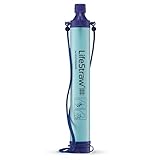
Overview: The LifeStraw is an iconic personal water purifier that enables direct drinking from natural water sources. This ultralight, battery-free device uses advanced microfiltration to remove harmful pathogens and microplastics instantly. With no moving parts or chemicals, it provides 4,000 liters of safe drinking water for individual use in the most compact form factor available.
What Makes It Stand Out: LifeStraw’s 0.2-micron membrane achieves near-perfect pathogen removal—99.999999% of bacteria and 99.999% of parasites—verified by EPA, NSF, and ASTM standards. Its unlimited shelf life and lack of maintenance requirements set it apart. The company’s humanitarian mission, providing safe water to school children with each purchase, adds meaningful social impact to your investment.
Value for Money: At $17.95, the LifeStraw delivers unmatched affordability. The cost per liter is fractions of a penny over its 4,000-liter lifespan. Compared to pump systems costing $50-100, it provides equivalent bacterial and parasitic protection for a fraction of the price. As a backup or primary filter for solo hikers, its value is exceptional.
Strengths and Weaknesses: Strengths include extreme portability, proven reliability, zero power requirements, and excellent pathogen removal. It’s perfect as an emergency backup. Weaknesses include single-user limitation, no viral protection, inability to filter chemicals or improve taste, and the physical suction required. It cannot store filtered water for later use.
Bottom Line: The LifeStraw remains an essential component of any outdoor or emergency kit. While not suitable for groups or chemical-contaminated water, its reliability and affordability make it a must-have backup. Every adventurer should own one for peace of mind.
8. GRAYL UltraPress 16.9 oz Water Purifier & Filter Bottle for Hiking, Backpacking, Survival, Travel (Covert Black)
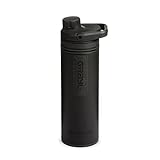
Overview: The GRAYL UltraPress revolutionizes water treatment with its innovative press-to-purify bottle design. This 16.9-ounce purifier eliminates the full spectrum of waterborne threats—viruses, bacteria, protozoa, chemicals, and heavy metals—in just 10 seconds. Its self-contained system requires no setup, pumping, or chemical treatments, making it ideal for international travel and backcountry use.
What Makes It Stand Out: The ONEPRESS mechanism delivers unmatched simplicity: fill, press, drink. No other system purifies so quickly while removing viruses and PFAS chemicals. The 10-second treatment time is revolutionary, and the bottle format allows immediate consumption. Its ability to handle the world’s sketchiest water sources with zero wait time sets a new standard for convenience and safety.
Value for Money: At $74.95, the UltraPress competes with electric filters but offers superior viral protection. The replaceable cartridge treats 65 gallons before needing $30 replacement. While more expensive than basic filters, it eliminates separate treatment steps and bottled water purchases. For travelers to developing countries, the comprehensive protection justifies every penny.
Strengths and Weaknesses: Strengths include lightning-fast purification, complete contaminant removal, simplicity, and excellent portability. The all-in-one design reduces gear. Weaknesses include limited capacity per press, physical effort required, ongoing cartridge costs, and inability to serve groups quickly. Users with limited hand strength may struggle with the pressing action.
Bottom Line: The UltraPress is perfect for solo travelers and hikers who prioritize speed and comprehensive protection. Its virus-removing capability makes it essential for international adventures. If you want the fastest, simplest purification method available, this is your bottle.
9. SteriPen Adventurer Opti UV Water Purifier for Backpacking, Camping & Travel
Overview: The SteriPen Adventurer Opti employs ultraviolet light technology to purify water, offering a chemical-free solution for eliminating pathogens. This 3.8-ounce device destroys 99.9% of viruses, bacteria, and protozoa in clear water sources within 90 seconds. Its compact design makes it ideal for ultralight backpackers and international travelers seeking minimal gear without sacrificing safety.
What Makes It Stand Out: UV purification provides comprehensive pathogen destruction without altering taste or mineral content. The 8,000-treatment lamp lifespan offers exceptional longevity. The integrated LED flashlight adds functional value, and the system works with any wide-mouth container. Its simplicity—just stir and wait—requires no physical exertion or filter maintenance.
Value for Money: At $112.00, the SteriPen is premium-priced but economical over time. The per-treatment cost is low across 8,000 uses. However, CR123 battery expenses add up, treating only 60 liters per set. For occasional users, it’s cost-effective, but frequent adventurers face ongoing battery costs that exceed filter replacement expenses.
Strengths and Weaknesses: Strengths include ultralight weight, fast operation, complete pathogen elimination, and zero filter clogging. It preserves water’s natural taste. Weaknesses include reliance on clear water, battery dependency, no particulate filtration, and limited volume per treatment. Cold weather reduces battery performance, and turbid water requires pre-filtering.
Bottom Line: The SteriPen excels for ultralight enthusiasts accessing relatively clear water. It’s perfect for solo adventurers or as a group backup. However, those facing silty sources or extended off-grid trips should pair it with a pre-filter. For clear mountain streams, it’s hard to beat.
10. GRAYL GeoPress 24 oz Water Purifier Bottle - Filter for Hiking, Camping, Survival, Travel (Wanderer Red)

Overview: The GRAYL GeoPress builds on the UltraPress success with a larger 24-ounce capacity while maintaining the signature one-press purification system. This robust bottle purifier delivers comprehensive protection against all waterborne threats—viruses, bacteria, protozoa, chemicals, and heavy metals. Its simple fill-press-drink operation requires no external power or complicated setup.
What Makes It Stand Out: The GeoPress’s 24-ounce capacity reduces refill frequency while preserving the revolutionary 10-second purification speed. Its ability to remove the full contaminant spectrum, including viruses and PFAS, exceeds most filtration systems. The rugged construction withstands harsh field conditions, and the replaceable cartridge system ensures long-term reliability in survival situations.
Value for Money: At $99.95, the GeoPress commands a premium but offers 42% more capacity than the UltraPress. The replaceable cartridge treats 65 gallons before $30 replacement. While initial cost is high, it eliminates bottled water expenses and multiple gear purchases. For adventurers needing reliable, high-volume purification, the durability and comprehensive protection justify the investment.
Strengths and Weaknesses: Strengths include large capacity, rapid purification, complete pathogen and chemical removal, simplicity, and durability. The bottle design allows immediate consumption. Weaknesses include higher price point, physical effort required for pressing, cartridge replacement costs, and weight compared to minimalist options. Users with arthritis may find pressing challenging.
Bottom Line: The GRAYL GeoPress is the ultimate solution for adventurers prioritizing capacity and comprehensive protection. Its virus-removing capability makes it essential for international travel and emergency preparedness. If you can handle the pressing action, it’s one of the most reliable and convenient purifiers available for solo and small-group use.
Why Water Purification is Non-Negotiable for Global Travelers
Traveler’s diarrhea affects an estimated 30-70% of international travelers depending on destination, with contamination levels varying wildly even within the same country. What many adventurers don’t realize is that “clear” water tells you nothing about its safety. Pathogens are invisible, and even pristine-looking mountain streams can harbor giardia from wildlife feces. Developing countries often struggle with inconsistent infrastructure, where water treatment facilities exist but fail intermittently. Natural disasters, pipe corrosion, and cross-contamination create a roulette wheel of risks that no amount of travel experience can predict.
The environmental argument is equally compelling. A two-week trip can generate over 30 plastic water bottles per person. While many travelers vow to “recycle,” the reality is that 91% of plastic never gets recycled, and many destinations lack the infrastructure to process it properly. A quality portable purifier doesn’t just protect your health—it actively reduces your environmental footprint while saving you significant money over time.
Understanding Water Contaminants: What You’re Up Against
Before selecting a purification method, you need to understand the enemy. Water contaminants fall into three distinct categories, each requiring different removal strategies.
Biological Threats: Bacteria, Viruses, and Protozoa
Biological contaminants represent your primary concern in most international destinations. Bacteria like E. coli, salmonella, and cholera range from 0.2 to 5 microns in size. Protozoa such as giardia and cryptosporidium are larger (3-15 microns) but form protective cysts that resist chlorine. Viruses are the smallest at 0.01-0.1 microns—think hepatitis A, norovirus, and rotavirus—and require specialized purification technology. Tropical regions and areas with poor sanitation see higher viral loads, making virus-capable purification essential rather than optional.
Chemical and Heavy Metal Concerns
Industrial pollution, agricultural runoff, and aging pipes introduce chemicals like pesticides, PFAS (“forever chemicals”), and heavy metals including lead and arsenic. While most biological filters won’t touch these, some advanced systems incorporate activated carbon or ion exchange resins. Long-term travelers and those visiting highly industrialized areas with outdated infrastructure should prioritize chemical reduction capabilities.
Sediment and Particulate Matter
Cloudy water isn’t just unappetizing—it can clog purification elements and shield microorganisms from treatment. High-turbidity water common after monsoons or in glacial melt regions demands pre-filtration or systems designed to handle muddy sources without compromising flow rates.
How Portable Water Purifiers Work: The Science Simplified
At their core, water purifiers create a barrier or use a process that removes or neutralizes contaminants. Mechanical filtration forces water through microscopic pores, physically blocking pathogens. Size exclusion is straightforward: if the pore is smaller than the contaminant, it can’t pass through. But here’s where it gets nuanced—absolute versus nominal ratings. An absolute 0.2-micron filter guarantees nothing larger gets through, while a nominal rating means “mostly” effective, which isn’t good enough when giardia is on the line.
Chemical purification uses iodine, chlorine dioxide, or chlorine to disrupt pathogen cellular function. UV light penetrates microorganism DNA, rendering them unable to reproduce. Each method has blind spots: chlorine won’t kill cryptosporidium cysts, and UV is useless against sediment-shielded bugs or chemicals. This is why many travelers now use multi-stage systems combining technologies.
Types of Portable Water Purification Technologies
Pump Filters: The Workhorse Approach
Pump filters remain the gold standard for remote expeditions where reliability trumps convenience. You manually force water through a filter cartridge, giving you control over water sources and flow rates. The mechanical advantage means you can extract water from shallow puddles or trickling streams. However, they require physical effort, have multiple moving parts that can fail, and typically weigh more than other options. Cold weather performance also suffers as filters can freeze and crack.
Gravity Filters: Set It and Forget It
Gravity systems use elevation difference to push water through a filter, perfect for base camps or hostel kitchens. Fill the dirty reservoir, hang it up, and let physics do the work while you plan tomorrow’s route. They’re effortless for large volumes but slow and require a decent water source depth. The passive operation means no mechanical fatigue, but you’re dependent on finding a suitable hanging point and clean water container.
UV Purifiers: Light-Speed Sterilization
UV pens and bottles use germicidal UV-C light at 254 nanometers to scramble pathogen DNA in under 90 seconds. They’re incredibly effective against bacteria and viruses and add zero taste. The catch? They require batteries or charging, fail in cloudy water, and don’t provide residual protection—treated water can be recontaminated if stored improperly. They’re best used with clear water sources or paired with a pre-filter.
Chemical Treatments: The Backup Plan
Iodine tablets and chlorine dioxide drops have saved countless adventures as lightweight backup options. Modern chlorine dioxide formulas kill all pathogens including cryptosporidium (with extended contact time). The downside is the 30-minute to 4-hour wait time, potential taste issues, and ineffectiveness against chemical contaminants. Think of chemicals as your insurance policy, not your primary driver.
Straw and Squeeze Filters: Minimalist Solutions
Straw filters let you drink directly from a source, while squeeze systems attach to soft bottles. They’re ultralight and perfect for trail running or day hikes where you’re drinking on the go. The limitation is they don’t store purified water—you must be at the source to drink. This makes them impractical for cooking, brushing teeth, or staying hydrated between water sources.
Bottle-Based Systems: All-in-One Convenience
Integrated bottle filters combine a water bottle with built-in purification, offering grab-and-go simplicity. They’re ideal for urban travel where you can fill from taps and fountains. However, they’re heavier than carrying a separate filter and bottle, and if the bottle breaks, your entire system is compromised.
Key Performance Metrics: What the Numbers Really Mean
Micron Ratings and Why They Matter
A filter’s micron rating determines what it can remove. For context, a human hair is about 50 microns thick. Giardia cysts are 7-10 microns, cryptosporidium 3-5 microns. To block bacteria, you need absolute filtration down to 0.2 microns. For viruses, you must go smaller—0.02 microns or use a secondary purification method. Be wary of marketing claims; “removes 99.9%” sounds impressive until you realize that 0.1% of a billion viruses is still a lot of viruses.
Flow Rate: Balancing Speed and Effectiveness
Flow rate, measured in liters per minute, directly impacts your patience and group size. A gravity filter might manage 1 liter in 2-4 minutes, while a pump can deliver 1 liter per minute. Faster isn’t always better—high flow rates can indicate larger pores or less contact time with purification media. Consider your daily water needs: a solo traveler needs 2-3 liters, while a family of four might require 8-12 liters for cooking and drinking.
Lifespan and Capacity: Longevity Considerations
Filter lifespan ranges from 100 liters for some straw filters to 10,000+ liters for ceramic elements. This translates to 50 days versus 5 years of heavy use. Calculate your expected usage: a weekend warrior might never exceed 500 liters, while a year-long backpacker could push 2,000 liters. Replacement cartridge availability and cost matter more than initial capacity claims—an exotic filter is useless if you can’t find replacements in Kathmandu.
Critical Features to Evaluate Before Buying
Weight and Packability: The Ultralight Traveler’s Dilemma
Every ounce matters when you’re carrying your life on your back. Straw filters weigh as little as 2 ounces, while pump systems can exceed 16 ounces. But weight isn’t just the device—it’s the total system including bottles, cleaning syringes, and replacement parts. Consider packability: a collapsible squeeze system fits in a jacket pocket, whereas a rigid pump takes up valuable pack space. The sweet spot depends on your adventure style; a mountaineer needs different priorities than a hostel-hopper.
Durability and Field-Serviceability
Your purifier will be dropped, frozen, and crammed into overstuffed bags. Look for robust construction and minimal moving parts. More importantly, can you service it in the field? A filter that can be backflushed with a syringe or cleaned with an included brush will outlast one requiring proprietary tools. Ceramic elements can be scrubbed to restore flow, while hollow fiber filters clog permanently if abused. Read reviews focusing on long-term durability, not just first impressions.
Ease of Use: Complexity vs. Convenience
When you’re exhausted, dehydrated, and dealing with a language barrier, the last thing you want is a 12-step purification process. Evaluate setup time, operation complexity, and failure modes. A gravity filter is foolproof but slow. A UV pen requires careful technique—hold it just right, don’t touch the sides, time it perfectly. Consider who will use it: will your travel partner master the system, or will they skip steps when you’re not watching?
Maintenance Requirements: Cleaning and Storage
All filters require maintenance, but the frequency and complexity vary dramatically. Hollow fiber filters need regular backflushing to prevent permanent clogging. UV pens demand clean sensors and charged batteries. Chemical treatments expire. Understand the maintenance cadence: after every use, weekly, or only when flow slows? Storage matters too—drying a filter completely prevents mold but can damage some membranes. Know the protocol before you’re stuck in a humid jungle with a moldy filter.
Destination-Specific Considerations: Matching Tech to Terrain
Your purifier choice should be as destination-specific as your visa requirements. Southeast Asia’s high viral load and urban tap water quality demands virus-capable purification—UV or chemical treatment paired with filtration. Sub-Saharan Africa’s combination of bacterial, protozoan, and chemical contaminants from mining runoff calls for multi-stage systems with activated carbon. The Peruvian Andes’ glacial meltwater is crystal clear but can contain heavy metals leached from rocks, requiring specialized media.
Consider water availability: desert travel means infrequent, precious water sources where every drop counts—gravity filters waste less than pumps that require priming. Tropical environments with abundant but turbid water need robust pre-filtration. Urban travelers in Europe might only need a bottle filter for taste improvement, while those in rural India need full biological protection.
The Health and Safety Protocols No One Talks About
Having a purifier doesn’t guarantee safety—your technique matters. Always wash your hands before handling clean water components. Designate “clean” and “dirty” water bottles, marking them clearly. Never cross-contaminate by dipping your clean bottle into a source; use the dirty bottle to collect, then transfer through the purifier. This seems obvious until you’re tired and cut corners.
Boil water as a backup when possible—212°F (100°C) for one minute kills everything, or three minutes at altitude above 6,500 feet. Know the symptoms of waterborne illness and carry appropriate medications. Perhaps most importantly, understand that no purifier makes sewage-contaminated water completely safe—avoid sources with visible contamination, chemical sheens, or foul odors regardless of your system.
Environmental Impact: Beyond Single-Use Plastic Reduction
While eliminating plastic bottles is the obvious environmental win, consider the full lifecycle. Disposable filter cartridges create waste—some are recyclable, most aren’t. UV pens require batteries, ideally rechargeable via solar. Chemical treatments leave packaging waste. Ceramic filters last longest but are energy-intensive to manufacture. Choose systems with replaceable components rather than disposable units. Some companies offer recycling programs for used cartridges—worth investigating before purchase.
The carbon footprint of manufacturing varies wildly. A filter used for 5,000 liters has a fraction the impact of 5,000 plastic bottles, but a cheap filter replaced annually might not break even environmentally for two years. For the eco-conscious traveler, durability and repairability trump marginal weight savings.
Cost Analysis: Initial Investment vs. Long-Term Value
Entry-level straw filters cost $20-30, while premium pump systems exceed $300. But the real cost calculation extends beyond the sticker price. Factor in replacement cartridges ($20-50 each), pre-filters, cleaning supplies, and potential battery replacements. A $200 system with $30 cartridges lasting 2,000 liters costs $0.12 per liter over its lifetime. Bottled water at $0.50-$2 per liter makes the purifier pay for itself on a single extended trip.
Consider opportunity cost: a waterborne illness can derail your itinerary, costing hundreds in medical care and lost travel days. Travel insurance might cover treatment but won’t recover missed experiences. For digital nomads and long-term travelers, a reliable system is non-negotiable insurance. Budget travelers should prioritize lifespan over upfront cost—a $100 filter lasting three years beats a $30 filter replaced annually.
Common Mistakes That Can Make You Sick
The most dangerous mistake is assuming all clear water is safe. Crystal-clear glacial streams can harbor giardia; pristine-looking wells can be contaminated with agricultural runoff. Another critical error is improper storage—purified water in a dirty bottle is just dirty water. Always treat storage bottles with the same care as your filter.
Many travelers forget to purge air locks in pump filters, resulting in no flow and assumed failure. Others use expired chemicals or fail to wait the full contact time. In cold weather, filters can freeze and crack if not stored in your sleeping bag. Perhaps most common is the “just this once” mentality—skipping purification because you’re thirsty and the source looks clean. That’s not calculated risk; that’s playing Russian roulette with microbes.
Pro Tips for Using Purifiers in the Field
Pre-filter muddy water through a bandana or coffee filter to extend your primary filter’s life dramatically. When using UV pens, agitate the water during treatment to ensure all water receives exposure. In freezing temperatures, sleep with your filter to prevent ice damage. Carry a spare O-ring and backup purification method—chemical tablets weigh almost nothing but provide critical redundancy.
For group travel, designate a “water manager” responsible for daily purification, preventing everyone from fumbling with their own systems. In urban environments, ask locals about water quality but verify independently—what locals tolerate due to acquired immunity can devastate a foreign gut. Keep a small amount of untreated water for washing dishes and brushing teeth; this conserves purified water for drinking and cooking.
Packing and Travel Logistics: Getting Through Security
TSA and international security agencies generally allow empty water purifiers in carry-on luggage, but regulations vary. UV pens with lithium batteries must be in carry-on, not checked bags. Chemical treatments in liquid form face the same restrictions as other liquids—keep them under 100ml and in your quart-sized bag. Filters with residual water can raise eyebrows; pack them clean and dry.
Consider your destination’s customs regulations. Some countries restrict chemical importation, particularly iodine-based treatments. Research import rules for your specific purification method. Pack replacement cartridges in original packaging with documentation to avoid questions. Pro tip: photograph your gear before travel to prove it’s personal use equipment if questioned.
When to Replace or Upgrade Your System
Replace filters when flow becomes irreversibly slow despite cleaning, or after reaching the manufacturer’s liter rating—whichever comes first. UV lamps degrade over time, losing effectiveness even when the battery still works. Many have a 10,000-cycle lifespan; track your usage. Upgrade when your travel patterns change—a Southeast Asia backpacker moving to African overland travel needs virus protection they might have previously skipped.
Technology evolves rapidly. If your system is over five years old, newer options offer better flow rates, lighter weight, or broader contaminant removal. Watch for recalls and safety notices; some early UV pens had insufficient power output. When in doubt, contact manufacturers about testing protocols—reputable companies provide detailed performance data, not just marketing claims.
Frequently Asked Questions
Can I rely solely on a portable water purifier for a year-long trip through multiple continents?
Absolutely, but you need a robust, multi-stage system. For extended travel, combine a hollow fiber filter (for bacteria/protozoa) with UV treatment or chlorine dioxide (for viruses). Carry backup chemical tablets and multiple replacement cartridges. Test your entire system before departure and learn field repairs. Many long-term travelers report going years without buying bottled water using this approach.
How do I know if my filter is actually working or just clogged?
Perform a simple integrity test: blow through the clean, dry filter (if manufacturer-approved). If air passes freely, it’s functional. Most quality filters have a bubble point test—submerge it in water and apply gentle pressure; consistent bubbles indicate a compromised element. Track your flow rate over time; a sudden drop suggests clogging, while gradual decline is normal. Always carry a backup method when you suspect failure.
What’s the best purification method for desert travel where water sources are scarce and often stagnant?
Prioritize a pump filter with a pre-filter to handle sediment-heavy, low-volume sources. The ability to extract water from shallow seeps is crucial. Pair this with chemical treatment for virus protection, as stagnant water in hot climates breeds pathogens. UV pens are less practical here due to frequent recharging needs. Bring extra capacity to treat larger batches during rare water encounters.
Do I need virus protection in developed countries like Japan or Western Europe?
Generally no for biological threats, but chemical contaminants remain a concern. Aging European pipes can leach lead, and agricultural runoff exists even in developed nations. A simple activated carbon filter improves taste and reduces chemical exposure. For mountain travel in the Alps or Pyrenees, a basic protozoa filter suffices. Save the heavy-duty virus protection for developing regions.
How do I maintain my purifier when traveling through both freezing mountains and hot jungles?
In freezing conditions, keep the filter in your sleeping bag at night and close to your body during the day. Never let it freeze with water inside. In hot, humid environments, dry it completely after each use to prevent mold—this may take hours in high humidity. Some travelers carry two filters, using a lightweight backup in extreme conditions to preserve their primary system. Always check manufacturer temperature ratings.
Can I use a portable purifier to treat tap water in hotels and restaurants?
Yes, and this is where bottle-based systems shine. Hotel tap water in many countries is treated at the source but contaminated in building pipes. A bottle filter removes sediment and residual chlorine while capturing any bacteria introduced en route. UV pens work well here too—clear municipal water is ideal for UV treatment. This is often safer than trusting “filtered water” offered by establishments.
What’s the environmental impact of disposable filter cartridges versus plastic bottles?
A typical cartridge treating 2,000 liters replaces 4,000 half-liter bottles. The cartridge weighs ounces versus hundreds of pounds of plastic waste. However, cartridges aren’t recyclable in most regions. The environmental break-even point is typically 500-1,000 liters. For maximum sustainability, choose systems with cleanable ceramic elements or participate in manufacturer take-back programs. The net impact is still overwhelmingly positive compared to bottled water.
How do I handle water purification while traveling with young children?
Children are more susceptible to dehydration from waterborne illness, so redundancy is key. Use a two-stage approach: filter then chemically treat or UV-treat. Bottle-based systems are practical as kids can drink directly. Avoid iodine-based treatments for children. Teach them never to drink from untreated sources, even under peer pressure. Pack oral rehydration salts and know pediatrician-recommended medications for your destination.
Are there any legal restrictions on bringing water purifiers into certain countries?
Most countries welcome personal water treatment devices, but restrictions exist. Iodine tablets face scrutiny in some nations due to drug precursor concerns. UV pens with lithium batteries must comply with airline regulations. A few countries require permits for importing “water treatment chemicals” in large quantities. Research specific regulations for your destination, pack documentation showing personal use quantities, and declare items if unsure. When in doubt, ship replacements ahead to your first destination.
What’s the difference between water ‘filtration’ and ‘purification,’ and which do I need?
Filtration physically removes contaminants based on size—typically effective against bacteria and protozoa but not viruses. Purification eliminates or neutralizes all pathogens including viruses, usually through UV, chemicals, or specialized membranes. For most international travel outside North America and Western Europe, you need purification, not just filtration. The term “purifier” is legally defined in the US as removing 99.9999% of bacteria, 99.99% of viruses, and 99.9% of protozoa. Always verify these specific claims rather than trusting generic marketing terms.’